Product
 Brand
Brand Articles
 Tools
Tools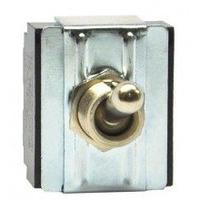

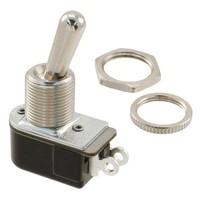
Carling Technologies HL251-73
Mfr. Part #:HL251-73
Manufacturer:Carling Technologies
Utmel Part #:399-HL251-73
Package:-
ECAD Model:![]()
Description:Switch Toggle ON None ON 3PDT Bat Lever Quick Conn 15A 250VAC 559.27VA Panel Mount with Threads
Unit Price: $26.673670
Ext Price: $26.67
In Stock: 100
Min: 1Mult: 1
| Qty | Unit Price | Ext Price |
|---|---|---|
| 1 | 26.673670 | 26.67 |
| 10 | 25.163840 | 251.64 |
| 100 | 23.739471 | 2,373.95 |
| 500 | 22.395728 | 11,197.86 |
| 1000 | 21.128045 | 21,128.04 |
Want a lower wholesale price? Please send RFQ, we will respond immediately.
Delivery:


Payment:


Please send RFQ , we will respond immediately .
United States
China
Canada
Japan
Russia
Germany
United Kingdom
Singapore
Italy
Hong Kong(China)
Taiwan(China)
France
Korea
Mexico
Netherlands
Malaysia
Austria
Spain
Switzerland
Poland
Thailand
Vietnam
India
United Arab Emirates
Afghanistan
Åland Islands
Albania
Algeria
American Samoa
Andorra
Angola
Anguilla
Antigua & Barbuda
Argentina
Armenia
Aruba
Australia
Azerbaijan
Bahamas
Bahrain
Bangladesh
Barbados
Belarus
Belgium
Belize
Benin
Bermuda
Bhutan
Bolivia
Bonaire, Sint Eustatius and Saba
Bosnia & Herzegovina
Botswana
Brazil
British Indian Ocean Territory
British Virgin Islands
Brunei
Bulgaria
Burkina Faso
Burundi
Cabo Verde
Cambodia
Cameroon
Cayman Islands
Central African Republic
Chad
Chile
Christmas Island
Cocos (Keeling) Islands
Colombia
Comoros
Congo
Congo (DRC)
Cook Islands
Costa Rica
Côte d’Ivoire
Croatia
Cuba
Curaçao
Cyprus
Czechia
Denmark
Djibouti
Dominica
Dominican Republic
Ecuador
Egypt
El Salvador
Equatorial Guinea
Eritrea
Estonia
Eswatini
Ethiopia
Falkland Islands
Faroe Islands
Fiji
Finland
French Guiana
French Polynesia
Gabon
Gambia
Georgia
Ghana
Gibraltar
Greece
Greenland
Grenada
Guadeloupe
Guam
Guatemala
Guernsey
Guinea
Guinea-Bissau
Guyana
Haiti
Honduras
Hungary
Iceland
Indonesia
Iran
Iraq
Ireland
Isle of Man
Israel
Jamaica
Jersey
Jordan
Kazakhstan
Kenya
Kiribati
Kosovo
Kuwait
Kyrgyzstan
Laos
Latvia
Lebanon
Lesotho
Liberia
Libya
Liechtenstein
Lithuania
Luxembourg
Macao(China)
Madagascar
Malawi
Maldives
Mali
Malta
Marshall Islands
Martinique
Mauritania
Mauritius
Mayotte
Micronesia
Moldova
Monaco
Mongolia
Montenegro
Montserrat
Morocco
Mozambique
Myanmar
Namibia
Nauru
Nepal
New Caledonia
New Zealand
Nicaragua
Niger
Nigeria
Niue
Norfolk Island
North Korea
North Macedonia
Northern Mariana Islands
Norway
Oman
Pakistan
Palau
Palestinian Authority
Panama
Papua New Guinea
Paraguay
Peru
Philippines
Pitcairn Islands
Portugal
Puerto Rico
Qatar
Réunion
Romania
Rwanda
Samoa
San Marino
São Tomé & Príncipe
Saudi Arabia
Senegal
Serbia
Seychelles
Sierra Leone
Sint Maarten
Slovakia
Slovenia
Solomon Islands
Somalia
South Africa
South Sudan
Sri Lanka
St Helena, Ascension, Tristan da Cunha
St. Barthélemy
St. Kitts & Nevis
St. Lucia
St. Martin
St. Pierre & Miquelon
St. Vincent & Grenadines
Sudan
Suriname
Svalbard & Jan Mayen
Sweden
Syria
Tajikistan
Tanzania
Timor-Leste
Togo
Tokelau
Tonga
Trinidad & Tobago
Tunisia
Turkey
Turkmenistan
Turks & Caicos Islands
Tuvalu
U.S. Outlying Islands
U.S. Virgin Islands
Uganda
Ukraine
Uruguay
Uzbekistan
Vanuatu
Vatican City
Venezuela
Wallis & Futuna
Yemen
Zambia
Zimbabwe


Quick Actions
Favorite
Compare
User Guide
Purchase
You may place an order without registering to Utmel.
We strongly suggest you sign in before purchasing as you can track your order in real time.
Means of Payment
For your convenience, we accept multiple payment methods in USD, including PayPal, Credit Card, and wire transfer.
RFQ (Request for Quotations)
It is recommended to request for quotations to get the latest prices and inventories about the part.
Our sales will reply to your request by email within 24 hours.
IMPORTANT NOTICE
1. You'll receive an order information email in your inbox. (Please remember to check the spam folder if you didn't hear from us).
2. Since inventories and prices may fluctuate to some extent, the sales manager is going to reconfirm the order and let you know if there are any updates.
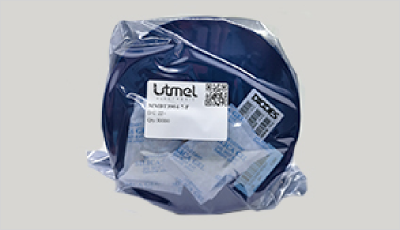
HL251-73 Information
Carling Technologies HL251-73 technical specifications, attributes, parameters and parts with similar specifications to Carling Technologies HL251-73.
- TypeParameter
- TypeParameter
- Factory Lead Time4 Weeks
- Contact Plating
Contact plating (finish) provides corrosion protection for base metals and optimizes the mechanical and electrical properties of the contact interfaces.
Nickel - Mount
In electronic components, the term "Mount" typically refers to the method or process of physically attaching or fixing a component onto a circuit board or other electronic device. This can involve soldering, adhesive bonding, or other techniques to secure the component in place. The mounting process is crucial for ensuring proper electrical connections and mechanical stability within the electronic system. Different components may have specific mounting requirements based on their size, shape, and function, and manufacturers provide guidelines for proper mounting procedures to ensure optimal performance and reliability of the electronic device.
Bushing, Panel - Mounting Type
The "Mounting Type" in electronic components refers to the method used to attach or connect a component to a circuit board or other substrate, such as through-hole, surface-mount, or panel mount.
Panel Mount - Surface Mount
having leads that are designed to be soldered on the side of a circuit board that the body of the component is mounted on.
NO - Mounting Feature
a process by which the operating system makes files and directories on a storage device (such as hard drive, CD-ROM, or network share) available for users to access via the computer's file system.
PANEL MOUNT-THREADED - Housing Material
The parameter "Housing Material" in electronic components refers to the material used to encase or protect the internal circuitry of the component. The housing material plays a crucial role in providing physical protection, insulation, and environmental resistance to the electronic component. Common housing materials include plastics, metals, ceramics, and composites, each offering different levels of durability, heat resistance, and electrical properties. The choice of housing material is important in determining the overall performance, reliability, and longevity of the electronic component in various operating conditions.
Phenolic/N/A - Number of Terminals9
- Actuator Material
In smart material system, actuator materials have the ability to change the shape, stiffness, position, natural frequency, damping and/or other mechanical characteristics of the smart material systems in response to changes in temperature, electric field and/or magnetic field.
Brass - Contact MaterialsSilver
- ElectricalLife50 kcycles
- Voltage, Rating250 V
- Voltage Rating (AC)125 V
- Switch ConfigurationON None ON
- Pole Throw Configuration3PDT
- MountingPanel Mount with Threads
- Operating Temperature Max Deg. C85C
- Body OrientationStraight
- Seal DescriptionNOT REQUIRED
- Product Depth (mm)27.64(mm)
- Actuator Length (mm)17.45(mm)
- Operating Temp Range0C to 85C
- Dielectric Strength1000VAC/1000VDC
- Seal LocationNOT REQUIRED
- Base/Housing MaterialPHENOLIC
- Actuator StyleBat Lever
- Operating Temperature Min Deg. C0C
- AC Voltage Rating (Max)250
- Maximum Operating Temperature
the maximum body temperature at which the thermistor is designed to operate for extended periods of time with acceptable stability of its electrical characteristics.
+85°C - Minimum Operating Temperature0°C
- Standards MetCSA, UL
- Bushing Size0.465 in
- Unit Weight1.715838 oz
- Factory Pack QuantityFactory Pack Quantity100
- Mounting StylesPanel Mount
- ManufacturerCarling Technologies
- IlluminatedNon-Illuminated
- Terminal SealUnsealed
- BrandCarling Technologies
- RoHSDetails
- ActuatorBat
- PackageBulk
- MfrCarling Technologies
- Product StatusActive
- Voltage Rating AC
In general the AC voltage assumes a 50-60 Hz sinusoidal waveform and is the RMS (root mean squared) value.
125 V - Insulator MaterialPHENOLIC
- Operating Temperature-Max85 °C
- Rohs CodeYes
- Manufacturer Part NumberHL251-73
- Part Life Cycle CodeActive
- Ihs ManufacturerCARLING TECHNOLOGIES INC
- Risk Rank2.14
- Dielectric Withstand Volts1000VDC V
- Manufacturer SeriesH
- Packaging
Semiconductor package is a carrier / shell used to contain and cover one or more semiconductor components or integrated circuits. The material of the shell can be metal, plastic, glass or ceramic.
Bulk - Operating Temperature
The operating temperature is the range of ambient temperature within which a power supply, or any other electrical equipment, operate in. This ranges from a minimum operating temperature, to a peak or maximum operating temperature, outside which, the power supply may fail.
0 to 85 °C - Series
In electronic components, the "Series" refers to a group of products that share similar characteristics, designs, or functionalities, often produced by the same manufacturer. These components within a series typically have common specifications but may vary in terms of voltage, power, or packaging to meet different application needs. The series name helps identify and differentiate between various product lines within a manufacturer's catalog.
H/I - Pbfree Code
The "Pbfree Code" parameter in electronic components refers to the code or marking used to indicate that the component is lead-free. Lead (Pb) is a toxic substance that has been widely used in electronic components for many years, but due to environmental concerns, there has been a shift towards lead-free alternatives. The Pbfree Code helps manufacturers and users easily identify components that do not contain lead, ensuring compliance with regulations and promoting environmentally friendly practices. It is important to pay attention to the Pbfree Code when selecting electronic components to ensure they meet the necessary requirements for lead-free applications.
Yes - Termination
Termination in electronic components refers to the practice of matching the impedance of a circuit to prevent signal reflections and ensure maximum power transfer. It involves the use of resistors or other components at the end of transmission lines or connections. Proper termination is crucial in high-frequency applications to maintain signal integrity and reduce noise.
Quick Connect - ECCN Code
An ECCN (Export Control Classification Number) is an alphanumeric code used by the U.S. Bureau of Industry and Security to identify and categorize electronic components and other dual-use items that may require an export license based on their technical characteristics and potential for military use.
EAR99 - TypeHEAVY DUTY
- Number of Positions2
- Max Operating Temperature
The Maximum Operating Temperature is the maximum body temperature at which the thermistor is designed to operate for extended periods of time with acceptable stability of its electrical characteristics.
85 °C - Min Operating Temperature
The "Min Operating Temperature" parameter in electronic components refers to the lowest temperature at which the component is designed to operate effectively and reliably. This parameter is crucial for ensuring the proper functioning and longevity of the component, as operating below this temperature may lead to performance issues or even damage. Manufacturers specify the minimum operating temperature to provide guidance to users on the environmental conditions in which the component can safely operate. It is important to adhere to this parameter to prevent malfunctions and ensure the overall reliability of the electronic system.
0 °C - HTS Code
HTS (Harmonized Tariff Schedule) codes are product classification codes between 8-1 digits. The first six digits are an HS code, and the countries of import assign the subsequent digits to provide additional classification. U.S. HTS codes are 1 digits and are administered by the U.S. International Trade Commission.
8536.50.90.65 - SubcategorySwitches
- Current Rating (Amps)
The parameter "Current Rating (Amps)" in electronic components refers to the maximum amount of electrical current that the component can safely handle without being damaged. It is typically measured in amperes (A) and is an important specification to consider when designing or selecting components for a circuit. Exceeding the current rating of a component can lead to overheating, malfunction, or even failure of the component. It is crucial to ensure that the current rating of a component matches the requirements of the circuit to prevent any potential issues and ensure reliable operation.
15A (AC) - Orientation
In electronic components, the parameter "Orientation" refers to the specific alignment or positioning of the component with respect to its intended installation or operation. This parameter is crucial for ensuring proper functionality and performance of the component within a circuit or system. Orientation may include factors such as the physical orientation of the component on a circuit board, the direction of current flow through the component, or the alignment of specific features or terminals for correct connection. Manufacturers often provide orientation guidelines in datasheets or technical specifications to help users correctly install and use the component. Paying attention to the orientation of electronic components is essential to prevent errors, ensure reliability, and optimize the overall performance of electronic devices.
Straight - Ingress Protection
Ingress Protection rating (or just IP rating), is an international standard (IEC 60529) used to rate the degree of protection or sealing effectiveness in electrical enclosures against intrusion of objects, water, dust or accidental contact. It corresponds to the European standard EN 60529.
- - Reach Compliance Code
Reach Compliance Code refers to a designation indicating that electronic components meet the requirements set by the Registration, Evaluation, Authorization, and Restriction of Chemicals (REACH) regulation in the European Union. It signifies that the manufacturer has assessed and managed the chemical substances within the components to ensure safety and environmental protection. This code is vital for compliance with regulations aimed at minimizing risks associated with hazardous substances in electronic products.
compliant - Current Rating
Current rating is the maximum current that a fuse will carry for an indefinite period without too much deterioration of the fuse element.
15 A - Termination Style
"Termination style" in electronic components refers to the method used to connect the component to a circuit board or other electronic devices. It determines how the component's leads or terminals are designed for soldering or mounting onto the circuit board. Common termination styles include through-hole, surface mount, and wire lead terminations.Through-hole components have leads that are inserted through holes in the circuit board and soldered on the other side. Surface mount components have flat terminals that are soldered directly onto the surface of the circuit board. Wire lead terminations involve attaching wires to the component for connection.The choice of termination style depends on factors such as the type of component, the manufacturing process, and the space available on the circuit board. Different termination styles offer various advantages in terms of ease of assembly, reliability, and space efficiency in electronic designs.
Quick Connect - Approval Agency
The parameter "Approval Agency" in electronic components refers to the organization responsible for testing and certifying that a component meets specific safety, quality, and performance standards. These agencies evaluate products to ensure compliance with industry regulations and standards, providing assurance to manufacturers and consumers. Approval from recognized agencies can enhance a component's marketability and acceptance in various applications, particularly in sectors like automotive, aerospace, and healthcare. Common approval agencies include Underwriters Laboratories (UL), International Electrotechnical Commission (IEC), and the American National Standards Institute (ANSI).
CSA, UL - Body Length or Diameter
Body length or diameter in electronic components refers to the physical dimensions of a component's housing, typically measured in millimeters or inches. It indicates the size of the component that affects its fit within a circuit board or system. This parameter is crucial for ensuring compatibility with the design and mounting of electronic devices. It can impact heat dissipation, electrical performance, and overall assembly efficiency. Accurate measurement of body length or diameter is essential for proper component selection and placement in electronic applications.
33.22 mm - Body Breadth
Body breadth in electronic components refers to the width of the physical body of a component, such as a resistor, capacitor, or integrated circuit. This measurement is crucial for ensuring proper fit within a circuit board or enclosure. It can affect the component's thermal performance, mechanical stability, and overall compatibility with other components in a design. Body breadth is typically specified in millimeters or inches and is an important factor in the selection and design of electronic assemblies.
27.64 mm - Actuator Type
The actuator type in electronic components refers to the specific mechanism or technology used to convert electrical energy into physical motion or action. Common actuator types include electric motors, solenoids, piezoelectric actuators, and hydraulic or pneumatic cylinders. Each type has its unique characteristics, advantages, and applications, allowing them to be utilized in diverse systems such as robotics, automation, and control processes. The choice of actuator type often influences the performance, efficiency, and functionality of the overall system.
Standard Round - Circuit
The parameter "Circuit" in electronic components refers to the interconnected arrangement of various electronic elements such as resistors, capacitors, inductors, and active devices like transistors. It defines the path through which electric current flows and establishes the operational behavior of the components within that system. Circuits can be classified as analog or digital, depending on the type of signals they handle, and can vary in complexity from simple series or parallel configurations to intricate designs used in advanced applications.
3PDT - Switch Function
This function will evaluate a given expression (or a value) against a list of values and will return a result corresponding to the first matching value. In case there is no matching value, an optional default value will be returned.
ON - NONE - ON - Panel Cutout Dimensions
Panel Cutout Dimensions refer to the specific measurements and shape required to accommodate an electronic component within a panel or enclosure. These dimensions are crucial for ensuring a proper fit and secure installation of the component. They typically include details such as the width, height, and shape of the cutout needed in the panel to mount the component securely. Manufacturers provide these specifications to help users accurately prepare the panel or enclosure for the installation of the electronic component. It is important to follow these dimensions closely to avoid any issues with fitment or functionality.
Circular - 12.70mm Dia - Insulation Resistance
The measurement of insulation resistance is carried out by means of a megohmmeter – high resistance range ohmmeter. A general rule-of-thumb is 10 Megohm or more.
100(Mohm) - Illumination Voltage (Nominal)
Illumination Voltage (Nominal) refers to the standard voltage level at which an electronic component, such as a light-emitting diode (LED) or an illumination module, is designed to operate optimally. It indicates the voltage required to achieve the intended brightness and performance of the illumination source. This parameter is crucial for ensuring compatibility with power supplies and circuit designs, as operating above or below this voltage may affect the efficiency and lifespan of the component.
- - Illumination Type, Color
Illumination Type, Color refers to the characteristics of light emitted by electronic components, particularly in displays and indicators. It specifies the type of light source, such as LED, incandescent, or fluorescent, and the color of the light, which can range from traditional colors like red, green, and blue to more nuanced shades. This parameter is essential for determining the visibility and aesthetic appeal of the component in its intended application. Proper selection of illumination type and color is crucial for functionality and user experience in electronic devices.
- - Max Voltage Rating (AC)
The parameter "Max Voltage Rating (AC)" in electronic components refers to the maximum alternating current (AC) voltage that the component can safely handle without being damaged. This rating is important for ensuring the component's longevity and reliability in a circuit. Exceeding the maximum voltage rating can lead to overheating, breakdown, or even permanent damage to the component. It is crucial to select components with voltage ratings that are suitable for the intended application to prevent malfunctions or safety hazards in the circuit.
250 V - Termination Type
Termination Type in electronic components refers to the method used to connect the component to a circuit board or other electronic devices. It specifies how the component's leads or terminals are designed for soldering or mounting onto a PCB. Common termination types include through-hole, surface mount, and wire lead terminations. The termination type is an important consideration when selecting components for a circuit design, as it determines how the component will be physically connected within the circuit. Different termination types offer varying levels of durability, ease of assembly, and suitability for specific applications.
QUICK CONNECT - Number of Poles3
- Throw Configuration
"Throw Configuration" is a term commonly used in the context of switches and relays in electronic components. It refers to the number of positions or states that the switch or relay can be set to. For example, a single-throw (ST) configuration means the switch has only one position, while a double-throw (DT) configuration means the switch has two positions.The throw configuration is important because it determines the versatility and functionality of the switch or relay. Different applications may require different throw configurations to control the flow of current or signals effectively. Understanding the throw configuration of a component is crucial for proper installation and operation within an electronic circuit.
3PDT - Illumination
Illumination in electronic components refers to the amount of light or brightness that is emitted by a device or component. It is a measure of how well the component can produce or emit light, typically in the form of LEDs or displays. The illumination parameter is important in determining the visibility and clarity of the information displayed by the component, as well as its overall performance in low-light conditions. Higher illumination levels generally result in better visibility and readability of the displayed information, making it a crucial factor in the design and functionality of electronic devices.
Non Illuminated - Mechanical Life
Mechanical life is a parameter used to measure the durability and reliability of electronic components, particularly mechanical switches and connectors. It refers to the number of mechanical operations or cycles that a component can withstand before it fails or exhibits degraded performance. Components with a higher mechanical life rating are considered more robust and long-lasting, making them suitable for applications where frequent switching or physical stress is expected. Manufacturers typically test and specify the mechanical life of their components to help users understand their expected lifespan and performance under various operating conditions.
100 kcycles - Switch Type
Based on their characteristics, there are basically three types of switches: Linear switches, tactile switches and clicky switches.
TOGGLE SWITCH - Contact Current Rating
The current rating of a contact is defined as the current level that creates a certain temperature rise of the contact spring — usually 20°C or 30°C. Both electrical and thermal factors govern the heat created by the current.
15 A - Contact Form
A page on a website that allows users to communicate with the site owner. The page has fields for filling in name, address and type of comment. On most company websites, email and mailing addresses are also included; however, the contact form provides an immediate, convenient way for users to ask the company questions.
3PDT - Illumination Type
Illumination Type in electronic components refers to the method or technology used to provide lighting or illumination within the component. This parameter specifies the type of lighting source or mechanism integrated into the component to enable visibility or indication. Common illumination types include LED (Light Emitting Diode), LCD (Liquid Crystal Display), OLED (Organic Light Emitting Diode), and backlighting. The choice of illumination type can impact factors such as power consumption, brightness, color accuracy, and overall performance of the electronic component.
Illuminated - Thread Size
given in nominal sizes, not in the actual measurement.
15/32-32 - Bushing Thread
a fastener element that is inserted into an object
15/32-32 - Terminal Type
Terminal type or emulation specifies how your computer and the host computer to which you are connected exchange information.
Tab - Product Type
a group of products which fulfill a similar need for a market segment or market as a whole.
Toggle Switches - Operating Temperature Range
An operating temperature is the allowable temperature range of the local ambient environment at which an electrical or mechanical device operates. The device will operate effectively within a specified temperature range which varies based on the device function and application context, and ranges from the minimum operating temperature to the maximum operating temperature (or peak operating temperature).
0 → +85°C - Illumination Color
Illumination Color refers to the specific color of light emitted by an LED or display component when it is activated. It is an important parameter as it affects the visibility and aesthetics of the electronic device. Common illumination colors include red, green, blue, yellow, and white, among others. The chosen illumination color can influence user experience and product design, making it a critical consideration in electronics engineering.
- - Contact Current(AC)-Max
Contact Current (AC) - Max is a parameter used to specify the maximum alternating current that can safely flow through the contacts of an electronic component, such as a relay or a switch. This parameter is crucial for ensuring the proper functioning and longevity of the component, as exceeding the maximum contact current can lead to overheating, arcing, and potential damage to the contacts. Manufacturers provide this specification to help users determine the compatibility of the component with their specific application requirements. It is important to adhere to the specified maximum contact current to prevent malfunctions and ensure the reliability of the electronic system.
15 A - Contact (AC) Max Rating R Load
The parameter "Contact (AC) Max Rating R Load" in electronic components refers to the maximum alternating current (AC) rating that the contact can handle when connected to a resistive load. This specification is important for determining the maximum current that can safely flow through the contact without causing damage or failure. It is typically expressed in amperes (A) and helps ensure that the component can reliably handle the electrical load it is designed for. Manufacturers provide this rating to help users select the appropriate component for their specific application to prevent overheating, arcing, or other potential issues related to excessive current flow.
- Contact Timing
Contact Timing in electronic components refers to the specific moment when electrical contacts make or break during operation, impacting the overall performance and efficiency of a device. It is crucial for ensuring the proper synchronization of signals in circuits, particularly in relays and switches. Accurate contact timing minimizes signal distortion and reduces wear on components, thereby enhancing the reliability and longevity of electronic systems.
SLOW-MAKE/-BREAK - Hole Diameter
The "Hole Diameter" parameter in electronic components refers to the size of the hole that is designed to accommodate a lead or pin of another component for soldering or connection purposes. It is a critical dimension that ensures proper alignment and fit between components during assembly. The hole diameter is typically specified in millimeters or inches and plays a crucial role in determining the mechanical stability and electrical connectivity of the overall circuit or device. Manufacturers provide specific hole diameter requirements to ensure compatibility and reliability in electronic assemblies.
12.7 mm - Contact Voltage(AC)-Max
Contact Voltage(AC)-Max refers to the maximum alternating current voltage that an electronic component can safely handle at its contact points. This parameter is critical for ensuring the safe and effective operation of devices in AC circuits. Exceeding this voltage can lead to failure or damage of the component, making it essential for designers to adhere to specified voltage ratings.
125 V - Current Rating (Max)
The parameter "Current Rating (Max)" in electronic components specifies the maximum amount of electric current that the component can safely handle without overheating or being damaged. It is a crucial specification that ensures reliable operation in a circuit, as exceeding this limit can lead to failure or reduced lifespan of the component. This rating is typically expressed in amperes (A) and varies depending on the type of component, its design, and its intended application. Knowing the current rating is essential for designers to ensure that components are adequately rated for their specific use cases.
15(A) - Contact Function
Contact function in electronic components refers to the specific role or purpose of the contact within the component. Contacts are the points where electrical connections are made between different parts of the component or between the component and an external circuit. The contact function can vary depending on the type of component and its intended use. For example, in a switch, the contact function is to open or close the circuit, while in a connector, the contact function is to establish a secure and reliable electrical connection between two components. Understanding the contact function is crucial for designing and using electronic components effectively in various applications.
ON-ON - Switch Action
The parameter "Switch Action" refers to the manner in which a switch operates or transitions between its open and closed states. It defines how the switch is activated, whether it is momentary, maintained, or toggle action. Additionally, it indicates the mechanical movement and the way the electrical connection is made or broken within the switch, influencing its suitability for various applications in electronic circuits.
LATCHED - Bushing Length
Bushing Length refers to the measurement of the sleeve or cylindrical part of a component, such as a connector or switch, that extends through a mounting panel or enclosure. It is important for ensuring proper fit and alignment of the component within its housing. A correct bushing length allows for adequate support and stability while preventing mechanical stress on the connections or the component itself. This parameter is critical in design considerations for maintaining the integrity of electronic assemblies.
0.465 inch - Body Color
In electronic components, the parameter "Body Color" refers to the color of the physical casing or body of the component. This color is often used for identification and aesthetic purposes. The body color can vary depending on the manufacturer and the specific type of component. It is important to consider the body color when selecting and installing electronic components to ensure proper identification and compatibility within a circuit or system.
BLACK - Contact (AC) Max Power Rating R Load
The parameter "Contact (AC) Max Power Rating R Load" in electronic components refers to the maximum power that can be safely handled by the contacts when carrying an alternating current (AC) load. This rating is important for ensuring that the contacts do not overheat or fail when carrying the specified power level. It is typically expressed in watts and helps determine the suitability of the component for a particular application where AC power is involved. Manufacturers provide this specification to guide users in selecting components that can reliably handle the required power levels without experiencing damage or performance degradation.
- Contact Configuration
Contact configuration in electronic components refers to the arrangement and design of the electrical contacts within the component. This parameter specifies how the electrical connections are made and how the component interfaces with other devices or circuits. The contact configuration can vary depending on the type of component and its intended application, such as switches, relays, connectors, or integrated circuits. It is crucial to consider the contact configuration when designing or selecting electronic components to ensure proper functionality and compatibility within the overall system.
3PDT - Bushing Diameter
The term "Bushing Diameter" in electronic components refers to the diameter of the bushing or mounting hole through which the component is installed or mounted. It is a critical dimension that determines the compatibility and fit of the component within a circuit or system. The bushing diameter is typically specified in millimeters or inches and is important for ensuring proper alignment and secure attachment of the component. Manufacturers provide bushing diameter specifications to help users select the appropriate mounting hardware and ensure successful integration of the component into the intended application.
0.469 inch - Bushing Type
In electronic components, the term "Bushing Type" refers to the design and structure of the bushing used in the component. A bushing is a type of insulating component that is used to provide mechanical support and electrical insulation in various electronic devices. The bushing type can vary based on factors such as material, shape, size, and mounting method.The bushing type is important in determining the overall performance and functionality of the electronic component. Different bushing types may be used depending on the specific requirements of the application, such as voltage rating, current capacity, environmental conditions, and space constraints. Common bushing types include threaded bushings, flanged bushings, and press-fit bushings.Overall, the bushing type plays a crucial role in ensuring the reliability, safety, and efficiency of electronic components by providing proper insulation and support for electrical connections. It is essential to consider the bushing type carefully when designing or selecting electronic components to meet the desired specifications and performance criteria.
THREADED - Lamp Type
The different types of lamps include:Incandescent Lamps,Tungsten Halogen Lamps,Fluorescent Lamps,Compact Fluorescent Lamps,Mercury Vapour Lamps,Metal Halide Lamps,High Pressure Sodium Vapour Lamps,Low Pressure Sodium Vapour Lamps.
- - Features
In the context of electronic components, the term "Features" typically refers to the specific characteristics or functionalities that a particular component offers. These features can vary depending on the type of component and its intended use. For example, a microcontroller may have features such as built-in memory, analog-to-digital converters, and communication interfaces like UART or SPI.When evaluating electronic components, understanding their features is crucial in determining whether they meet the requirements of a particular project or application. Engineers and designers often look at features such as operating voltage, speed, power consumption, and communication protocols to ensure compatibility and optimal performance.In summary, the "Features" parameter in electronic components describes the unique attributes and capabilities that differentiate one component from another, helping users make informed decisions when selecting components for their electronic designs.
- - Compliance
Compliance in electronic components refers to the ability of a component to meet specific industry standards, regulations, or requirements. It ensures that the component operates within specified limits and parameters, such as voltage, current, temperature, or other performance characteristics. Compliance is crucial for ensuring the reliability, safety, and functionality of electronic devices and systems. Components that are compliant with relevant standards are more likely to perform as intended and meet the expectations of manufacturers and end-users. Non-compliance can lead to malfunctions, safety hazards, or legal issues, making it essential for electronic components to adhere to established compliance guidelines.
UL; CSA - Terminal Length
In electronic components, "Terminal Length" refers to the physical length of the terminal or lead of a component, such as a resistor, capacitor, or integrated circuit. It is the distance from the body of the component to the end of the terminal where connections are made. The terminal length is an important parameter as it determines how much space is required for soldering or connecting the component to a circuit board or other components. It also affects the overall size and layout of the circuit board. Manufacturers provide terminal length specifications to ensure proper installation and compatibility with the intended application.
0.422 inch - Product Category
a particular group of related products.
Toggle Switches - Product Length (mm)
The parameter "Product Length (mm)" in electronic components refers to the physical length of the component, typically measured in millimeters. This measurement is important for determining the size and dimensions of the component, which is crucial for fitting it into a circuit board or enclosure. It helps in ensuring proper alignment and spacing within the overall design of the electronic system. Manufacturers provide this specification to assist engineers and designers in selecting components that will fit and function correctly within their intended application.
33.22(mm) - Height49.7 mm
- Width27.6 mm
- Body Height
In electronic components, "Body Height" refers to the vertical dimension of the component's physical body or package. It is the measurement from the bottom of the component to the top, excluding any leads or terminals. Body Height is an important parameter to consider when designing circuit boards or enclosures to ensure proper fit and clearance. It is typically specified in datasheets or technical drawings provided by the component manufacturer. Understanding the Body Height of electronic components is crucial for proper placement and integration within a circuit or system.
20.4 mm - Actuator Length
Actuator Length in electronic components refers to the physical length of the actuator, which is the part of the component responsible for initiating or controlling a mechanical action. The actuator length is an important parameter as it determines the range of motion or force that can be exerted by the component. In devices such as switches, valves, and motors, the actuator length directly impacts the efficiency and effectiveness of the component's operation. Designers and engineers consider the actuator length carefully to ensure that the component meets the required specifications and functions properly within the intended system.
17.45 mm - Product Height (mm)
Product Height (mm) in electronic components refers to the measurement of the component's vertical dimension. It indicates how tall the component is when installed in a circuit or system. This parameter is crucial for determining compatibility with enclosures, ensuring adequate space for components on printed circuit boards, and facilitating proper airflow and cooling in electronic designs.
60.38(mm) - Radiation Hardening
Radiation hardening is the process of making electronic components and circuits resistant to damage or malfunction caused by high levels of ionizing radiation, especially for environments in outer space (especially beyond the low Earth orbit), around nuclear reactors and particle accelerators, or during nuclear accidents or nuclear warfare.
No - RoHS Status
RoHS means “Restriction of Certain Hazardous Substances” in the “Hazardous Substances Directive” in electrical and electronic equipment.
RoHS Compliant
0 Products
HL251-73 Information
![110-S-23]()
110-S-23
Carling Technologies![2FA53-78/.187 TABS]()
2FA53-78/.187 TABS
Carling Technologies![DC101-PB-B]()
DC101-PB-B
Carling Technologies![2FAA04-73/272-06747]()
2FAA04-73/272-06747
Carling Technologies![DA220-BB-B]()
DA220-BB-B
Carling Technologies![2GC61-73]()
2GC61-73
Carling Technologies![LT-2581-603-012]()
LT-2581-603-012
Carling Technologies![2GA63-63/2HEX]()
2GA63-63/2HEX
Carling Technologies![IK254-73/HDW ASSM]()
IK254-73/HDW ASSM
Carling Technologies![6GM5S-72]()
6GM5S-72
Carling Technologies![IL253-73]()
IL253-73
Carling Technologies![110-73]()
110-73
Carling Technologies