Product
 Brand
Brand Articles
 Tools
Tools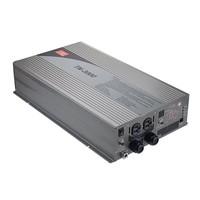

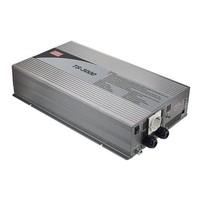
MEAN WELL USA Inc. TN-3000-112A
Mfr. Part #:TN-3000-112A
Manufacturer:MEAN WELL USA Inc.
Utmel Part #:1564-TN-3000-112A
Package:100
Datasheet:TN-3000 Series Datasheet
ECAD Model:![]()
Description:INVERTER UPS 12VDC 3KW 2 OUTLET
In Stock: Please Inquire Please send RFQ , we will respond immediately .
United States
China
Canada
Japan
Russia
Germany
United Kingdom
Singapore
Italy
Hong Kong(China)
Taiwan(China)
France
Korea
Mexico
Netherlands
Malaysia
Austria
Spain
Switzerland
Poland
Thailand
Vietnam
India
United Arab Emirates
Afghanistan
Åland Islands
Albania
Algeria
American Samoa
Andorra
Angola
Anguilla
Antigua & Barbuda
Argentina
Armenia
Aruba
Australia
Azerbaijan
Bahamas
Bahrain
Bangladesh
Barbados
Belarus
Belgium
Belize
Benin
Bermuda
Bhutan
Bolivia
Bonaire, Sint Eustatius and Saba
Bosnia & Herzegovina
Botswana
Brazil
British Indian Ocean Territory
British Virgin Islands
Brunei
Bulgaria
Burkina Faso
Burundi
Cabo Verde
Cambodia
Cameroon
Cayman Islands
Central African Republic
Chad
Chile
Christmas Island
Cocos (Keeling) Islands
Colombia
Comoros
Congo
Congo (DRC)
Cook Islands
Costa Rica
Côte d’Ivoire
Croatia
Cuba
Curaçao
Cyprus
Czechia
Denmark
Djibouti
Dominica
Dominican Republic
Ecuador
Egypt
El Salvador
Equatorial Guinea
Eritrea
Estonia
Eswatini
Ethiopia
Falkland Islands
Faroe Islands
Fiji
Finland
French Guiana
French Polynesia
Gabon
Gambia
Georgia
Ghana
Gibraltar
Greece
Greenland
Grenada
Guadeloupe
Guam
Guatemala
Guernsey
Guinea
Guinea-Bissau
Guyana
Haiti
Honduras
Hungary
Iceland
Indonesia
Iran
Iraq
Ireland
Isle of Man
Israel
Jamaica
Jersey
Jordan
Kazakhstan
Kenya
Kiribati
Kosovo
Kuwait
Kyrgyzstan
Laos
Latvia
Lebanon
Lesotho
Liberia
Libya
Liechtenstein
Lithuania
Luxembourg
Macao(China)
Madagascar
Malawi
Maldives
Mali
Malta
Marshall Islands
Martinique
Mauritania
Mauritius
Mayotte
Micronesia
Moldova
Monaco
Mongolia
Montenegro
Montserrat
Morocco
Mozambique
Myanmar
Namibia
Nauru
Nepal
New Caledonia
New Zealand
Nicaragua
Niger
Nigeria
Niue
Norfolk Island
North Korea
North Macedonia
Northern Mariana Islands
Norway
Oman
Pakistan
Palau
Palestinian Authority
Panama
Papua New Guinea
Paraguay
Peru
Philippines
Pitcairn Islands
Portugal
Puerto Rico
Qatar
Réunion
Romania
Rwanda
Samoa
San Marino
São Tomé & Príncipe
Saudi Arabia
Senegal
Serbia
Seychelles
Sierra Leone
Sint Maarten
Slovakia
Slovenia
Solomon Islands
Somalia
South Africa
South Sudan
Sri Lanka
St Helena, Ascension, Tristan da Cunha
St. Barthélemy
St. Kitts & Nevis
St. Lucia
St. Martin
St. Pierre & Miquelon
St. Vincent & Grenadines
Sudan
Suriname
Svalbard & Jan Mayen
Sweden
Syria
Tajikistan
Tanzania
Timor-Leste
Togo
Tokelau
Tonga
Trinidad & Tobago
Tunisia
Turkey
Turkmenistan
Turks & Caicos Islands
Tuvalu
U.S. Outlying Islands
U.S. Virgin Islands
Uganda
Ukraine
Uruguay
Uzbekistan
Vanuatu
Vatican City
Venezuela
Wallis & Futuna
Yemen
Zambia
Zimbabwe
Quick Actions


Favorite
Compare
User Guide
Purchase
You may place an order without registering to Utmel.
We strongly suggest you sign in before purchasing as you can track your order in real time.
Means of Payment
For your convenience, we accept multiple payment methods in USD, including PayPal, Credit Card, and wire transfer.
RFQ (Request for Quotations)
It is recommended to request for quotations to get the latest prices and inventories about the part.
Our sales will reply to your request by email within 24 hours.
IMPORTANT NOTICE
1. You'll receive an order information email in your inbox. (Please remember to check the spam folder if you didn't hear from us).
2. Since inventories and prices may fluctuate to some extent, the sales manager is going to reconfirm the order and let you know if there are any updates.
TN-3000-112A Information
MEAN WELL USA Inc. TN-3000-112A technical specifications, attributes, parameters and parts with similar specifications to MEAN WELL USA Inc. TN-3000-112A.
- TypeParameter
- TypeParameter
- Factory Lead Time15 Weeks
- Mount
In electronic components, the term "Mount" typically refers to the method or process of physically attaching or fixing a component onto a circuit board or other electronic device. This can involve soldering, adhesive bonding, or other techniques to secure the component in place. The mounting process is crucial for ensuring proper electrical connections and mechanical stability within the electronic system. Different components may have specific mounting requirements based on their size, shape, and function, and manufacturers provide guidelines for proper mounting procedures to ensure optimal performance and reliability of the electronic device.
Screw - Package / Case
refers to the protective housing that encases an electronic component, providing mechanical support, electrical connections, and thermal management.
100 - Series
In electronic components, the "Series" refers to a group of products that share similar characteristics, designs, or functionalities, often produced by the same manufacturer. These components within a series typically have common specifications but may vary in terms of voltage, power, or packaging to meet different application needs. The series name helps identify and differentiate between various product lines within a manufacturer's catalog.
TN-3000 - Part Status
Parts can have many statuses as they progress through the configuration, analysis, review, and approval stages.
Active - Moisture Sensitivity Level (MSL)
Moisture Sensitivity Level (MSL) is a standardized rating that indicates the susceptibility of electronic components, particularly semiconductors, to moisture-induced damage during storage and the soldering process, defining the allowable exposure time to ambient conditions before they require special handling or baking to prevent failures
1 (Unlimited) - TypeInverter, UPS
- Max Operating Temperature
The Maximum Operating Temperature is the maximum body temperature at which the thermistor is designed to operate for extended periods of time with acceptable stability of its electrical characteristics.
40°C - Min Operating Temperature
The "Min Operating Temperature" parameter in electronic components refers to the lowest temperature at which the component is designed to operate effectively and reliably. This parameter is crucial for ensuring the proper functioning and longevity of the component, as operating below this temperature may lead to performance issues or even damage. Manufacturers specify the minimum operating temperature to provide guidance to users on the environmental conditions in which the component can safely operate. It is important to adhere to this parameter to prevent malfunctions and ensure the overall reliability of the electronic system.
0°C - Voltage - Output
Voltage - Output is a parameter that refers to the electrical potential difference between the output terminal or pin of an electronic component and a reference point, typically ground. It indicates the level of voltage that the component is capable of providing at its output under specified operating conditions. This parameter is crucial in determining the performance and functionality of the component in a circuit, as it directly affects the signal or power being delivered to other components or devices connected to the output. Engineers and designers use the voltage output specification to ensure compatibility and proper functioning of the component within the overall system.
110VAC - Size18.38Lx11.16W x 3.94 H 466.8mmx283.5mmx100.0mm
- Region Utilized
Region Utilized in electronic components refers to the specific part of the device's operational area where the functionality is optimized for performance. It generally indicates the physical or electrical characteristics of a component that are actively used under given conditions. This parameter helps in understanding how effectively a component can operate within its designed limits and how variations in design or configuration might affect overall efficiency and reliability. Analyzing the Region Utilized can also aid in identifying potential areas for improvement or resizing of components for better performance.
North America - Input Current
Input current is a parameter that refers to the amount of electrical current flowing into a specific electronic component or device. It is typically measured in amperes (A) and represents the current required for the component to operate properly. Understanding the input current is important for designing circuits and power supplies, as it helps determine the capacity and compatibility of the components being used. Monitoring the input current also helps ensure that the component is not being overloaded or underpowered, which can affect its performance and longevity.
300A - AC Outlets
AC Outlets refer to the electrical sockets or receptacles on a device that provide alternating current (AC) power output. These outlets are typically used to connect and power other electronic devices or appliances. The number of AC outlets on a device determines how many devices can be simultaneously powered or connected to it. AC outlets are commonly found on power strips, surge protectors, uninterruptible power supplies (UPS), and other electronic components that require AC power for operation.
2 - Connector - AC Output
The parameter "Connector - AC Output" in electronic components refers to the type of connector used to output an alternating current (AC) signal. This connector is typically designed to facilitate the transfer of AC power or signals from one component to another. The specific design and specifications of the connector may vary depending on the application and requirements of the electronic system. It is important to select the appropriate connector type to ensure proper and reliable connection for AC output signals in electronic devices.
NEMA 5-15R - Nominal Input Voltage (DC)
Nominal Input Voltage (DC) refers to the standardized or average voltage level that an electronic device or component is designed to operate at when powered by direct current. This parameter indicates the expected voltage range for efficient and stable operation, ensuring that the component functions correctly without damage. It serves as a guideline for users and designers to match power supply characteristics with the device's requirements. Understanding the nominal input voltage is crucial for ensuring compatibility and performance in electronic circuits.
12V - Connector - Voltage Input
The parameter "Connector - Voltage Input" in electronic components refers to the specific type of connector used to supply voltage to the component. This connector is designed to accept input voltage from an external power source, such as a battery or power supply, and deliver it to the component for proper operation. The voltage input connector is crucial for ensuring the correct power supply is connected to the component, preventing damage from incorrect voltage levels. It is important to carefully match the voltage input connector with the power requirements of the component to ensure safe and efficient operation.
Terminals - Remote Capability
We can extend the idea of capabilities to networks of computers by allowing one computer to hold a capability for something inside another.
Yes - Power - Output Surge
Power - Output Surge is a parameter that refers to the maximum amount of power that an electronic component can handle for a short duration above its normal operating level. This surge capability is important for devices that may experience sudden spikes in power demand, such as during startup or when handling transient loads. It is typically expressed in terms of a percentage increase over the component's rated power output. Ensuring that electronic components have sufficient output surge capability helps prevent damage and ensures reliable performance under varying operating conditions.
6kW - Power - Output Continuous
Power - Output Continuous is a parameter that specifies the maximum amount of power that an electronic component can continuously deliver without exceeding its operational limits. It is typically measured in watts and indicates the sustained power output capability of the component under normal operating conditions. This parameter is important for determining the component's ability to consistently provide power over an extended period of time without overheating or failing. Designers and engineers use this specification to ensure that the component can meet the power requirements of the system it is being used in without any issues.
3kW - Height467.36mm
- Length284.48mm
- Width99.06mm
- RoHS Status
RoHS means “Restriction of Certain Hazardous Substances” in the “Hazardous Substances Directive” in electrical and electronic equipment.
ROHS3 Compliant
0 Products
TN-3000-112A Information