Product
 Brand
Brand Articles
 Tools
Tools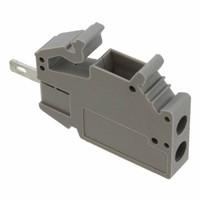

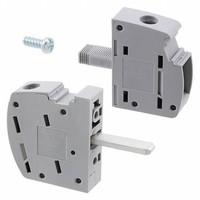
Phoenix Contact 0708357
Mfr. Part #:0708357
Manufacturer:Phoenix Contact
Utmel Part #:1894-0708357
Package:-
Datasheet:0708357
ECAD Model:![]()
Description:TERM BLK SCREW CLAMP 1POS GRAY
In Stock: Please Inquire Please send RFQ , we will respond immediately .
United States
China
Canada
Japan
Russia
Germany
United Kingdom
Singapore
Italy
Hong Kong(China)
Taiwan(China)
France
Korea
Mexico
Netherlands
Malaysia
Austria
Spain
Switzerland
Poland
Thailand
Vietnam
India
United Arab Emirates
Afghanistan
Åland Islands
Albania
Algeria
American Samoa
Andorra
Angola
Anguilla
Antigua & Barbuda
Argentina
Armenia
Aruba
Australia
Azerbaijan
Bahamas
Bahrain
Bangladesh
Barbados
Belarus
Belgium
Belize
Benin
Bermuda
Bhutan
Bolivia
Bonaire, Sint Eustatius and Saba
Bosnia & Herzegovina
Botswana
Brazil
British Indian Ocean Territory
British Virgin Islands
Brunei
Bulgaria
Burkina Faso
Burundi
Cabo Verde
Cambodia
Cameroon
Cayman Islands
Central African Republic
Chad
Chile
Christmas Island
Cocos (Keeling) Islands
Colombia
Comoros
Congo
Congo (DRC)
Cook Islands
Costa Rica
Côte d’Ivoire
Croatia
Cuba
Curaçao
Cyprus
Czechia
Denmark
Djibouti
Dominica
Dominican Republic
Ecuador
Egypt
El Salvador
Equatorial Guinea
Eritrea
Estonia
Eswatini
Ethiopia
Falkland Islands
Faroe Islands
Fiji
Finland
French Guiana
French Polynesia
Gabon
Gambia
Georgia
Ghana
Gibraltar
Greece
Greenland
Grenada
Guadeloupe
Guam
Guatemala
Guernsey
Guinea
Guinea-Bissau
Guyana
Haiti
Honduras
Hungary
Iceland
Indonesia
Iran
Iraq
Ireland
Isle of Man
Israel
Jamaica
Jersey
Jordan
Kazakhstan
Kenya
Kiribati
Kosovo
Kuwait
Kyrgyzstan
Laos
Latvia
Lebanon
Lesotho
Liberia
Libya
Liechtenstein
Lithuania
Luxembourg
Macao(China)
Madagascar
Malawi
Maldives
Mali
Malta
Marshall Islands
Martinique
Mauritania
Mauritius
Mayotte
Micronesia
Moldova
Monaco
Mongolia
Montenegro
Montserrat
Morocco
Mozambique
Myanmar
Namibia
Nauru
Nepal
New Caledonia
New Zealand
Nicaragua
Niger
Nigeria
Niue
Norfolk Island
North Korea
North Macedonia
Northern Mariana Islands
Norway
Oman
Pakistan
Palau
Palestinian Authority
Panama
Papua New Guinea
Paraguay
Peru
Philippines
Pitcairn Islands
Portugal
Puerto Rico
Qatar
Réunion
Romania
Rwanda
Samoa
San Marino
São Tomé & Príncipe
Saudi Arabia
Senegal
Serbia
Seychelles
Sierra Leone
Sint Maarten
Slovakia
Slovenia
Solomon Islands
Somalia
South Africa
South Sudan
Sri Lanka
St Helena, Ascension, Tristan da Cunha
St. Barthélemy
St. Kitts & Nevis
St. Lucia
St. Martin
St. Pierre & Miquelon
St. Vincent & Grenadines
Sudan
Suriname
Svalbard & Jan Mayen
Sweden
Syria
Tajikistan
Tanzania
Timor-Leste
Togo
Tokelau
Tonga
Trinidad & Tobago
Tunisia
Turkey
Turkmenistan
Turks & Caicos Islands
Tuvalu
U.S. Outlying Islands
U.S. Virgin Islands
Uganda
Ukraine
Uruguay
Uzbekistan
Vanuatu
Vatican City
Venezuela
Wallis & Futuna
Yemen
Zambia
Zimbabwe
Quick Actions


Favorite
Compare
User Guide
Purchase
You may place an order without registering to Utmel.
We strongly suggest you sign in before purchasing as you can track your order in real time.
Means of Payment
For your convenience, we accept multiple payment methods in USD, including PayPal, Credit Card, and wire transfer.
RFQ (Request for Quotations)
It is recommended to request for quotations to get the latest prices and inventories about the part.
Our sales will reply to your request by email within 24 hours.
IMPORTANT NOTICE
1. You'll receive an order information email in your inbox. (Please remember to check the spam folder if you didn't hear from us).
2. Since inventories and prices may fluctuate to some extent, the sales manager is going to reconfirm the order and let you know if there are any updates.
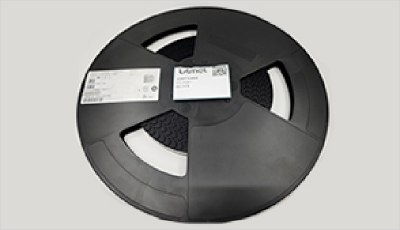
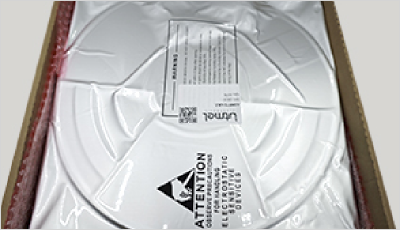
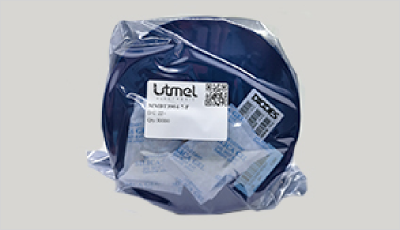
0708357 Information
Phoenix Contact 0708357 technical specifications, attributes, parameters and parts with similar specifications to Phoenix Contact 0708357.
- TypeParameter
- TypeParameter
- Factory Lead Time7 Weeks
- Mount
In electronic components, the term "Mount" typically refers to the method or process of physically attaching or fixing a component onto a circuit board or other electronic device. This can involve soldering, adhesive bonding, or other techniques to secure the component in place. The mounting process is crucial for ensuring proper electrical connections and mechanical stability within the electronic system. Different components may have specific mounting requirements based on their size, shape, and function, and manufacturers provide guidelines for proper mounting procedures to ensure optimal performance and reliability of the electronic device.
Wall - Weight5.050014g
- Panel Mount Type
The parameter "Panel Mount Type" in electronic components refers to the method by which the component is mounted onto a panel or enclosure. This parameter specifies the specific design or configuration of the component that allows it to be securely attached to a panel for installation. Common panel mount types include snap-in, screw-on, flange mount, and bolt-on, each offering different mechanisms for attaching the component to the panel. Choosing the appropriate panel mount type is important to ensure proper installation, stability, and functionality of the electronic component within the overall system.
Snap Fit - Voltage Rated
RATED voltage is the voltage on the nameplate - the "design point" for maximum power throughput and safe thermal operation.
400V - Series
In electronic components, the "Series" refers to a group of products that share similar characteristics, designs, or functionalities, often produced by the same manufacturer. These components within a series typically have common specifications but may vary in terms of voltage, power, or packaging to meet different application needs. The series name helps identify and differentiate between various product lines within a manufacturer's catalog.
CLIPLINE DFK - Pbfree Code
The "Pbfree Code" parameter in electronic components refers to the code or marking used to indicate that the component is lead-free. Lead (Pb) is a toxic substance that has been widely used in electronic components for many years, but due to environmental concerns, there has been a shift towards lead-free alternatives. The Pbfree Code helps manufacturers and users easily identify components that do not contain lead, ensuring compliance with regulations and promoting environmentally friendly practices. It is important to pay attention to the Pbfree Code when selecting electronic components to ensure they meet the necessary requirements for lead-free applications.
yes - Part Status
Parts can have many statuses as they progress through the configuration, analysis, review, and approval stages.
Active - Moisture Sensitivity Level (MSL)
Moisture Sensitivity Level (MSL) is a standardized rating that indicates the susceptibility of electronic components, particularly semiconductors, to moisture-induced damage during storage and the soldering process, defining the allowable exposure time to ambient conditions before they require special handling or baking to prevent failures
1 (Unlimited) - ECCN Code
An ECCN (Export Control Classification Number) is an alphanumeric code used by the U.S. Bureau of Industry and Security to identify and categorize electronic components and other dual-use items that may require an export license based on their technical characteristics and potential for military use.
EAR99 - Connector Type
Connector Type in electronic components refers to the specific design and configuration of the connector used to establish electrical connections between different devices or components. This parameter describes the physical shape, size, and layout of the connector, as well as the number and arrangement of pins or contacts. Common connector types include USB, HDMI, RJ45, and D-sub connectors, each serving different purposes and applications. Understanding the connector type is crucial for ensuring compatibility and proper functionality when connecting electronic devices together.
Screw - ColorGray
- Additional Feature
Any Feature, including a modified Existing Feature, that is not an Existing Feature.
POLYAMIDE - HTS Code
HTS (Harmonized Tariff Schedule) codes are product classification codes between 8-1 digits. The first six digits are an HS code, and the countries of import assign the subsequent digits to provide additional classification. U.S. HTS codes are 1 digits and are administered by the U.S. International Trade Commission.
8536.69.40.40 - Orientation
In electronic components, the parameter "Orientation" refers to the specific alignment or positioning of the component with respect to its intended installation or operation. This parameter is crucial for ensuring proper functionality and performance of the component within a circuit or system. Orientation may include factors such as the physical orientation of the component on a circuit board, the direction of current flow through the component, or the alignment of specific features or terminals for correct connection. Manufacturers often provide orientation guidelines in datasheets or technical specifications to help users correctly install and use the component. Paying attention to the orientation of electronic components is essential to prevent errors, ensure reliability, and optimize the overall performance of electronic devices.
Straight - Current Rating
Current rating is the maximum current that a fuse will carry for an indefinite period without too much deterioration of the fuse element.
17.5A - Wire Gauge
a measurement of?wire?diameter.?This determines the amount of electric current the wire can safely carry, as well as its electrical resistance and weight.
10-30 AWG - Voltage
Voltage is a measure of the electric potential difference between two points in an electrical circuit. It is typically represented by the symbol "V" and is measured in volts. Voltage is a crucial parameter in electronic components as it determines the flow of electric current through a circuit. It is responsible for driving the movement of electrons from one point to another, providing the energy needed for electronic devices to function properly. In summary, voltage is a fundamental concept in electronics that plays a key role in the operation and performance of electronic components.
300V - Number of Circuits2
- Current
In electronic components, "Current" refers to the flow of electric charge through a conductor or semiconductor material. It is measured in amperes (A) and represents the rate at which electric charge is moving past a specific point in a circuit. Current is a crucial parameter in electronics as it determines the amount of power being consumed or delivered by a component. Understanding and controlling current is essential for designing and operating electronic circuits efficiently and safely. In summary, current is a fundamental electrical quantity that plays a key role in the functionality and performance of electronic components.
15A - Wire Gauge (Max)
Wire Gauge (Max) refers to the maximum size of wire that can be accommodated by a particular electronic component, such as a connector or terminal. It indicates the largest diameter of wire that can be securely connected to the component without causing damage or compromising the electrical connection. This parameter is important to consider when selecting components for a project to ensure compatibility with the wire sizes being used. Exceeding the maximum wire gauge could lead to poor connections, overheating, or other issues that may affect the performance and safety of the electronic system.
30 AWG - Wire Gauge (Min)
Wire Gauge (Min) refers to the minimum thickness or diameter of the wire that can be used with a particular electronic component or device. It is an important parameter to consider when designing or selecting components for a circuit, as using a wire that is too thin may not be able to handle the required current, leading to overheating or even failure. The Wire Gauge (Min) specification ensures that the wire used is capable of carrying the necessary current without causing any issues. It is typically specified in American Wire Gauge (AWG) or metric units, depending on the manufacturer or region.
10 AWG - Number of Decks1
- Terminal and Terminal Block Type
The parameter "Terminal and Terminal Block Type" in electronic components refers to the specification that describes the design and functionality of the connection points where electrical wires are attached. This includes various configurations such as screw terminals, spring terminals, push-in terminals, and barrier terminals. The type of terminal affects the ease of installation, reliability, and suitability for specific applications or environments. Additionally, the parameters often indicate the number of poles or connections that a terminal block can accommodate, which is crucial for organizing and managing electrical connections in circuits.
MODULAR TERMINAL BLOCK - Positions Per Level
The parameter "Positions Per Level" in electronic components refers to the number of distinct positions or locations available on a single level of a component, such as a connector or a circuit board. This measurement is crucial for determining the capacity and layout of electronic systems, as it influences how connections are made and how components are arranged. A higher number of positions typically allows for more complex interconnections and greater functionality within a given space.
1 - Front Panel Wire Connection
Front Panel Wire Connection refers to the physical interface on an electronic device where various wires from the front panel components are connected. These connections typically include power buttons, LED indicators, audio jacks, USB ports, and other user interface elements. Properly connecting the front panel wires is crucial for the device to function correctly and for users to interact with it effectively. The connections are usually labeled on the device's motherboard or in the user manual to ensure accurate installation and operation.
Bolt/Screw Clamp - Wire Entry Parallel to Panel - Rear Panel Wire Connection
The "Rear Panel Wire Connection" refers to the physical interface on the rear panel of an electronic component where wires or cables are connected to establish electrical connections. This connection point allows for the transfer of signals, power, or data between the electronic component and external devices or systems. The rear panel wire connection typically consists of various types of connectors, such as RCA jacks, USB ports, HDMI ports, Ethernet ports, or terminal blocks, depending on the specific functionality of the electronic component. Properly establishing and securing connections at the rear panel wire connection is crucial for ensuring reliable performance and functionality of the electronic component within a larger system or setup.
Quick Connect - 0.110 (2.80mm), Solder Eyelet - Width0.244 6.20mm
- Panel Thickness
Panel thickness in electronic components refers to the measurement of the thickness of the material used in the construction of a panel, such as a printed circuit board or housing enclosure. This parameter is crucial as it influences the mechanical stability, thermal conductivity, and overall durability of the component. Thicker panels can provide enhanced structural integrity and resistance to bending or warping, while thinner panels might be preferred for lightweight applications. The specific thickness needed often depends on the intended application and design requirements.
0.059 1.50mm - RoHS Status
RoHS means “Restriction of Certain Hazardous Substances” in the “Hazardous Substances Directive” in electrical and electronic equipment.
RoHS Compliant - Flammability Rating
The Flammability Rating of electronic components refers to the material's ability to resist catching fire or burning when exposed to heat or flames. It is an important safety consideration in electronic design and manufacturing, especially for components that may be used in environments where fire hazards are a concern. The rating is typically expressed using a standardized scale, such as UL94, which classifies materials based on their flammability characteristics. Components with higher flammability ratings are more resistant to ignition and contribute to overall fire safety in electronic devices. It is crucial to select components with appropriate flammability ratings to ensure the reliability and safety of electronic products.
UL94 V-2
0 Products