


Share
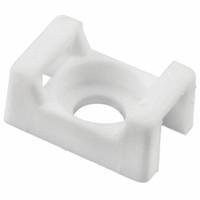


HellermannTyton CTM210C2
Manufacturer No:
CTM210C2
Tiny WHSLManufacturer:
Utmel No:
1075-CTM210C2
Package:
-
Datasheet:
ECAD Model:
Description:
Cable Ties Screw Mount Polyamide 6.6 White Bag
Quantity:
Unit Price: $0.750657
Ext Price: $0.75
Delivery:


Payment:





In Stock : 135
Minimum: 1 Multiples: 1
Qty
Unit Price
Ext Price
1
$0.750657
$0.75
10
$0.708167
$7.08
100
$0.668082
$66.81
500
$0.630266
$315.13
1000
$0.594591
$594.59
Want a lower wholesale price? Please send RFQ, we will respond immediately.
RFQ Now
Add to RFQ list
User Guide
Purchase
You may place an order without registering to Utmel.
We strongly suggest you sign in before purchasing as you can track your order in real time.
For your convenience, we accept multiple payment methods in USD, including PayPal, Credit Card, and wire transfer.
RFQ (Request for Quotations)It is recommended to request for quotations to get the latest prices and inventories about the part.
Our sales will reply to your request by email within 24 hours.
1. You'll receive an order information email in your inbox. (Please remember to check the spam folder if you didn't hear from us).
2. Since inventories and prices may fluctuate to some extent, the sales manager is going to reconfirm the order and let you know if there are any updates.
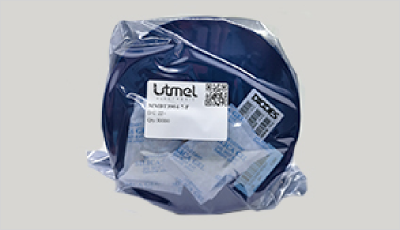
CTM210C2 information
HellermannTyton CTM210C2 technical specifications, attributes, parameters and parts with similar specifications to HellermannTyton CTM210C2.
- TypeParameter
- Factory Lead Time2 Weeks
- Mount
In electronic components, the term "Mount" typically refers to the method or process of physically attaching or fixing a component onto a circuit board or other electronic device. This can involve soldering, adhesive bonding, or other techniques to secure the component in place. The mounting process is crucial for ensuring proper electrical connections and mechanical stability within the electronic system. Different components may have specific mounting requirements based on their size, shape, and function, and manufacturers provide guidelines for proper mounting procedures to ensure optimal performance and reliability of the electronic device.
Screw - Mounting Type
The "Mounting Type" in electronic components refers to the method used to attach or connect a component to a circuit board or other substrate, such as through-hole, surface-mount, or panel mount.
Screw, #8 - Material
In electronic components, the parameter "Material" refers to the substance or material used in the construction of the component. The choice of material is crucial as it directly impacts the component's performance, durability, and other characteristics. Different materials have varying properties such as conductivity, resistance to heat, corrosion resistance, and mechanical strength, which determine how the component functions in a circuit. Common materials used in electronic components include metals like copper and aluminum, semiconductors like silicon, insulators like ceramics and plastics, and various alloys. Selecting the appropriate material is essential for designing reliable and efficient electronic components.
Nylon - Body Material
The parameter "Body Material" in electronic components refers to the material used to construct the physical body or casing of the component. This material plays a crucial role in determining the component's durability, thermal conductivity, electrical insulation properties, and resistance to environmental factors such as moisture, heat, and mechanical stress. Common body materials for electronic components include plastics, ceramics, metals, and composites. Selecting the appropriate body material is essential to ensure the reliable performance and longevity of the electronic component in various operating conditions.
Polyamide - Published2005
- Size / Dimension
In electronic components, the parameter "Size / Dimension" refers to the physical dimensions of the component, such as its length, width, and height. These dimensions are crucial for determining how the component will fit into a circuit or system, as well as for ensuring compatibility with other components and the overall design requirements. The size of a component can also impact its performance characteristics, thermal properties, and overall functionality within a given application. Engineers and designers must carefully consider the size and dimensions of electronic components to ensure proper integration and functionality within their designs.
0.86Lx0.61W x 0.37 H 21.8mmx15.5mmx9.4mm - Part Status
Parts can have many statuses as they progress through the configuration, analysis, review, and approval stages.
Active - Moisture Sensitivity Level (MSL)
Moisture Sensitivity Level (MSL) is a standardized rating that indicates the susceptibility of electronic components, particularly semiconductors, to moisture-induced damage during storage and the soldering process, defining the allowable exposure time to ambient conditions before they require special handling or baking to prevent failures
1 (Unlimited) - TypeDual Opening
- Max Operating Temperature
The Maximum Operating Temperature is the maximum body temperature at which the thermistor is designed to operate for extended periods of time with acceptable stability of its electrical characteristics.
85°C - Min Operating Temperature
The "Min Operating Temperature" parameter in electronic components refers to the lowest temperature at which the component is designed to operate effectively and reliably. This parameter is crucial for ensuring the proper functioning and longevity of the component, as operating below this temperature may lead to performance issues or even damage. Manufacturers specify the minimum operating temperature to provide guidance to users on the environmental conditions in which the component can safely operate. It is important to adhere to this parameter to prevent malfunctions and ensure the overall reliability of the electronic system.
-40°C - ColorWhite
- Hole Diameter
The "Hole Diameter" parameter in electronic components refers to the size of the hole that is designed to accommodate a lead or pin of another component for soldering or connection purposes. It is a critical dimension that ensures proper alignment and fit between components during assembly. The hole diameter is typically specified in millimeters or inches and plays a crucial role in determining the mechanical stability and electrical connectivity of the overall circuit or device. Manufacturers provide specific hole diameter requirements to ensure compatibility and reliability in electronic assemblies.
4.6 mm - Height9.4mm
- REACH SVHC
The parameter "REACH SVHC" in electronic components refers to the compliance with the Registration, Evaluation, Authorization, and Restriction of Chemicals (REACH) regulation regarding Substances of Very High Concern (SVHC). SVHCs are substances that may have serious effects on human health or the environment, and their use is regulated under REACH to ensure their safe handling and minimize their impact.Manufacturers of electronic components need to declare if their products contain any SVHCs above a certain threshold concentration and provide information on the safe use of these substances. This information allows customers to make informed decisions about the potential risks associated with using the components and take appropriate measures to mitigate any hazards.Ensuring compliance with REACH SVHC requirements is essential for electronics manufacturers to meet regulatory standards, protect human health and the environment, and maintain transparency in their supply chain. It also demonstrates a commitment to sustainability and responsible manufacturing practices in the electronics industry.
Unknown - RoHS Status
RoHS means “Restriction of Certain Hazardous Substances” in the “Hazardous Substances Directive” in electrical and electronic equipment.
RoHS Compliant
0 Similar Products Remaining
CTM210C2 Relevant information


