

Share


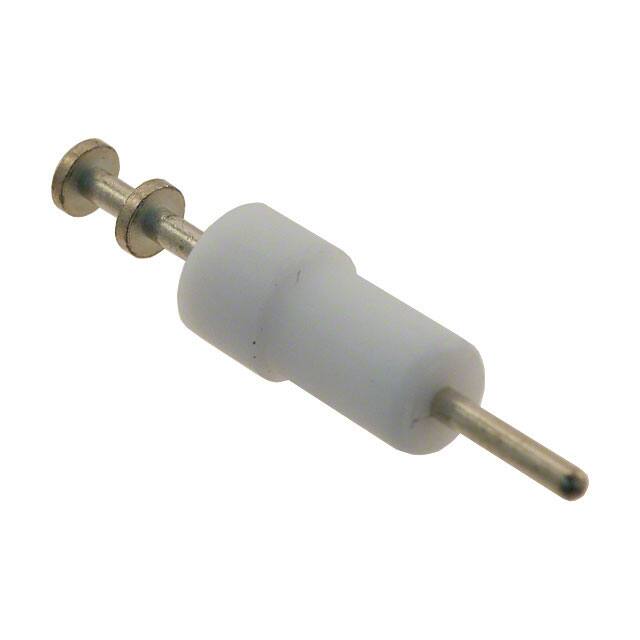
Keystone Electronics 11217
Manufacturer No:
11217
Tiny WHSLManufacturer:
Utmel No:
1360-11217
Package:
-
Datasheet:
ECAD Model:
Description:
TERM DBL TURRET TO PIN PTFE T/H
Quantity:
Unit Price: $1.786879
Ext Price: $1.79
Delivery:


Payment:





In Stock : 996
Minimum: 1 Multiples: 1
Qty
Unit Price
Ext Price
1
$1.786879
$1.79
10
$1.685735
$16.86
100
$1.590316
$159.03
500
$1.500298
$750.15
1000
$1.415376
$1,415.38
Want a lower wholesale price? Please send RFQ, we will respond immediately.
RFQ Now
Add to RFQ list
User Guide
Purchase
You may place an order without registering to Utmel.
We strongly suggest you sign in before purchasing as you can track your order in real time.
For your convenience, we accept multiple payment methods in USD, including PayPal, Credit Card, and wire transfer.
RFQ (Request for Quotations)It is recommended to request for quotations to get the latest prices and inventories about the part.
Our sales will reply to your request by email within 24 hours.
1. You'll receive an order information email in your inbox. (Please remember to check the spam folder if you didn't hear from us).
2. Since inventories and prices may fluctuate to some extent, the sales manager is going to reconfirm the order and let you know if there are any updates.
11217 information
Keystone Electronics 11217 technical specifications, attributes, parameters and parts with similar specifications to Keystone Electronics 11217.
- TypeParameter
- Factory Lead Time6 Weeks
- Contact Plating
Contact plating (finish) provides corrosion protection for base metals and optimizes the mechanical and electrical properties of the contact interfaces.
Tin - Mount
In electronic components, the term "Mount" typically refers to the method or process of physically attaching or fixing a component onto a circuit board or other electronic device. This can involve soldering, adhesive bonding, or other techniques to secure the component in place. The mounting process is crucial for ensuring proper electrical connections and mechanical stability within the electronic system. Different components may have specific mounting requirements based on their size, shape, and function, and manufacturers provide guidelines for proper mounting procedures to ensure optimal performance and reliability of the electronic device.
Press Fit, Through Hole - Mounting Type
The "Mounting Type" in electronic components refers to the method used to attach or connect a component to a circuit board or other substrate, such as through-hole, surface-mount, or panel mount.
Through Hole - Material
In electronic components, the parameter "Material" refers to the substance or material used in the construction of the component. The choice of material is crucial as it directly impacts the component's performance, durability, and other characteristics. Different materials have varying properties such as conductivity, resistance to heat, corrosion resistance, and mechanical strength, which determine how the component functions in a circuit. Common materials used in electronic components include metals like copper and aluminum, semiconductors like silicon, insulators like ceramics and plastics, and various alloys. Selecting the appropriate material is essential for designing reliable and efficient electronic components.
Brass - Material - Insulation
Material - Insulation is a parameter that refers to the type of material used to provide insulation in electronic components. Insulation is crucial in electronic devices to prevent electrical current from flowing where it is not intended to go, thus avoiding short circuits and other potential hazards. The material used for insulation can vary depending on the specific requirements of the component, such as temperature resistance, dielectric strength, and environmental factors. Common insulation materials include plastics, ceramics, and various types of coatings designed to provide reliable and effective insulation in electronic components.
Polytetrafluoroethylene (PTFE) - Mounting Hole Diameter
The "Mounting Hole Diameter" in electronic components refers to the size of the hole or opening in the component that is used for mounting or securing it onto a circuit board or other surface. This parameter is crucial for ensuring that the component can be properly and securely attached to the intended location. The mounting hole diameter is typically specified in millimeters or inches and must match the corresponding mounting hardware or fasteners to ensure a proper fit. It is important to consider the mounting hole diameter when designing and assembling electronic circuits to ensure proper installation and functionality of the components.
0.136 (3.45mm) - Contact MaterialsBrass
- Length Below Flange0.230 5.84mm
- Published2007
- Part Status
Parts can have many statuses as they progress through the configuration, analysis, review, and approval stages.
Active - Moisture Sensitivity Level (MSL)
Moisture Sensitivity Level (MSL) is a standardized rating that indicates the susceptibility of electronic components, particularly semiconductors, to moisture-induced damage during storage and the soldering process, defining the allowable exposure time to ambient conditions before they require special handling or baking to prevent failures
1 (Unlimited) - Termination
Termination in electronic components refers to the practice of matching the impedance of a circuit to prevent signal reflections and ensure maximum power transfer. It involves the use of resistors or other components at the end of transmission lines or connections. Proper termination is crucial in high-frequency applications to maintain signal integrity and reduce noise.
Press-Fit - ColorWhite
- Insulation Color
Insulation color in electronic components refers to the specific coloring of the insulating material used in wires, cables, and other components. This color coding serves important functions such as indicating the function of the wire, denoting voltage levels, or providing safety information. Different colors correspond to different standards in various regions, helping users quickly identify wiring types and reduce the risk of errors in assembly or maintenance. It plays a critical role in ensuring proper usage and organization within electrical systems.
White - Contact Finish
Contact finish refers to the surface coating or treatment applied to the electrical contacts of electronic components. This finish is crucial for ensuring reliable electrical connections and preventing corrosion or oxidation of the contacts. Common contact finishes include gold, silver, tin, and nickel, each offering different levels of conductivity, durability, and resistance to environmental factors. The choice of contact finish depends on the specific application requirements, such as operating conditions, cost considerations, and compatibility with other components in the circuit. Selecting the appropriate contact finish is essential for maintaining the performance and longevity of electronic devices.
Tin - Plating
In the context of electronic components, "Plating" refers to a process of depositing a thin layer of metal onto a substrate material. This plating is often used to enhance the component's performance, durability, and conductivity. The plating material can vary depending on the specific requirements of the component, with common choices including gold, silver, tin, and nickel. Plating can also be used for corrosion resistance, solderability, and to improve the overall appearance of the component. Overall, plating plays a crucial role in ensuring the reliability and functionality of electronic components in various applications.
Tin - Insulation
Insulation in electronic components refers to the material properties that prevent the flow of electric current between conductive parts. It is critical for ensuring safety and reliability in circuits by minimizing unintended current paths. High insulation resistance helps protect against short circuits and enhances the durability of electronic devices by insulating high-voltage components from sensitive areas. Insulation can also affect signal integrity and can be a key factor in high-frequency applications.
Insulated - Terminal Type
Terminal type or emulation specifies how your computer and the host computer to which you are connected exchange information.
Double End, Pin - Hole Diameter
The "Hole Diameter" parameter in electronic components refers to the size of the hole that is designed to accommodate a lead or pin of another component for soldering or connection purposes. It is a critical dimension that ensures proper alignment and fit between components during assembly. The hole diameter is typically specified in millimeters or inches and plays a crucial role in determining the mechanical stability and electrical connectivity of the overall circuit or device. Manufacturers provide specific hole diameter requirements to ensure compatibility and reliability in electronic assemblies.
3.4544 mm - Flange Diameter
Flange diameter is measured between centers of opposite holes in the hub flange. It is usually between 38 and 67 millimeters. Note that it is NOT the outside diameter of the hub's flange. Left and right flange diameters are often, but not always, the same.
0.172 (4.37mm) - Number of TurretsDouble
- Length21.2344mm
- Length - Overall
Length - Overall is a crucial parameter in electronic components that refers to the total length of a component from one end to the other. It encompasses any protruding features or attachments, providing a complete measurement of the component's size. This dimension is essential for determining compatibility with circuit boards, housing, and other components in an assembly. Accurate knowledge of the overall length helps ensure proper fit and function in electronic designs.
0.836 21.23mm - Board Thickness
Board Thickness in electronic components refers to the measurement of the thickness of the printed circuit board (PCB) on which the electronic components are mounted. The board thickness is an important parameter as it determines the overall mechanical strength and rigidity of the PCB. It also affects the electrical performance of the circuit, such as impedance control and signal integrity. Different applications may require different board thicknesses based on factors like the size of the components, the complexity of the circuit, and the environmental conditions in which the PCB will be used. Manufacturers typically provide a range of board thickness options to accommodate various design requirements.
0.062 1.57mm - Length - Above Board
Length - Above Board refers to the distance between the top surface of a printed circuit board (PCB) and the highest point of mounted electronic components. This parameter is critical for ensuring proper clearance and compatibility with enclosures, as well as for maintaining adequate airflow and thermal management around components. It helps in defining the overall height profile of the assembled PCB within a given space.
0.375 9.53mm - Diameter - Turret Head
The parameter "Diameter - Turret Head" in electronic components refers to the measurement of the circular top part of a turret head, which is commonly used in assembly and manufacturing processes. This diameter is crucial for ensuring proper fit and compatibility with various components and tools. A well-defined turret head diameter allows for precise placement and alignment of components during automated assembly, influencing the overall efficiency and performance of the manufacturing process. It is an important specification for designers and engineers when selecting or designing equipment involving firing or rotating mechanisms.
0.093 (2.36mm) - RoHS Status
RoHS means “Restriction of Certain Hazardous Substances” in the “Hazardous Substances Directive” in electrical and electronic equipment.
ROHS3 Compliant
0 Similar Products Remaining


