

Share
Home /Connectors, Interconnects /Rectangular Connectors - Headers, Receptacles, Female Sockets /25641801RP2 /


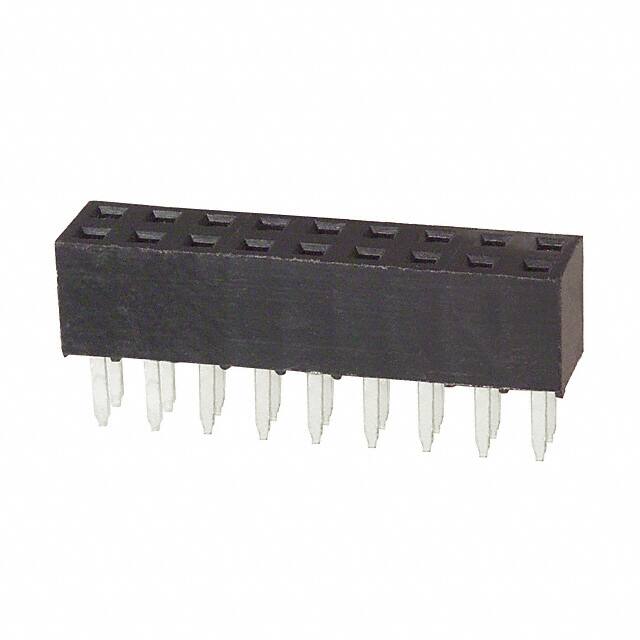
NorComp Inc. 25641801RP2
Manufacturer No:
25641801RP2
Tiny WHSLManufacturer:
Utmel No:
1766-25641801RP2
Package:
-
Datasheet:
ECAD Model:
Description:
25641801RP2 datasheet pdf and Rectangular Connectors - Headers, Receptacles, Female Sockets product details from NorComp Inc. stock available at Utmel
Quantity:
Unit Price: $4.489863
Ext Price: $4.49
Delivery:


Payment:





In Stock : 349
Minimum: 1 Multiples: 1
Qty
Unit Price
Ext Price
1
$4.489863
$4.49
10
$4.235720
$42.36
100
$3.995962
$399.60
500
$3.769776
$1,884.89
1000
$3.556392
$3,556.39
Want a lower wholesale price? Please send RFQ, we will respond immediately.
RFQ Now
Add to RFQ list
User Guide
Purchase
You may place an order without registering to Utmel.
We strongly suggest you sign in before purchasing as you can track your order in real time.
For your convenience, we accept multiple payment methods in USD, including PayPal, Credit Card, and wire transfer.
RFQ (Request for Quotations)It is recommended to request for quotations to get the latest prices and inventories about the part.
Our sales will reply to your request by email within 24 hours.
1. You'll receive an order information email in your inbox. (Please remember to check the spam folder if you didn't hear from us).
2. Since inventories and prices may fluctuate to some extent, the sales manager is going to reconfirm the order and let you know if there are any updates.
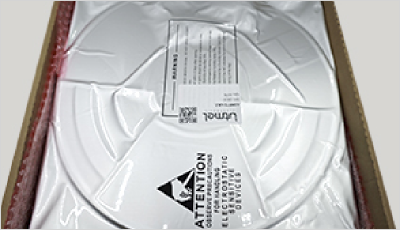
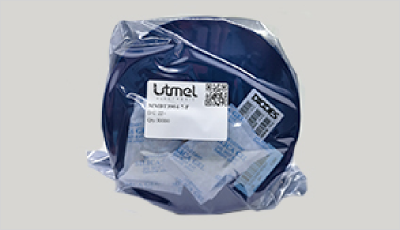
25641801RP2 information
NorComp Inc. 25641801RP2 technical specifications, attributes, parameters and parts with similar specifications to NorComp Inc. 25641801RP2.
- TypeParameter
- Factory Lead Time14 Weeks
- Mount
In electronic components, the term "Mount" typically refers to the method or process of physically attaching or fixing a component onto a circuit board or other electronic device. This can involve soldering, adhesive bonding, or other techniques to secure the component in place. The mounting process is crucial for ensuring proper electrical connections and mechanical stability within the electronic system. Different components may have specific mounting requirements based on their size, shape, and function, and manufacturers provide guidelines for proper mounting procedures to ensure optimal performance and reliability of the electronic device.
Through Hole - Mounting Type
The "Mounting Type" in electronic components refers to the method used to attach or connect a component to a circuit board or other substrate, such as through-hole, surface-mount, or panel mount.
Through Hole - Contact Shape
Contact shape in electronic components refers to the physical geometry of the interface where electrical connections are made. It plays a critical role in determining the quality and reliability of the connection, impacting factors such as resistance, current density, and heat dissipation. Various shapes, such as flat, cylindrical, or custom profiles, influence the contact area, enabling designers to optimize performance for specific applications. The contact shape also affects the mechanical stability of the connection, influencing wear and longevity.
Square - Housing Material
The parameter "Housing Material" in electronic components refers to the material used to encase or protect the internal circuitry of the component. The housing material plays a crucial role in providing physical protection, insulation, and environmental resistance to the electronic component. Common housing materials include plastics, metals, ceramics, and composites, each offering different levels of durability, heat resistance, and electrical properties. The choice of housing material is important in determining the overall performance, reliability, and longevity of the electronic component in various operating conditions.
Nylon - Contact Finish MatingGold
- Contact MaterialsPhosphor Bronze
- Insulation MaterialsThermoplastic, Glass Filled
- Operating Temperature
The operating temperature is the range of ambient temperature within which a power supply, or any other electrical equipment, operate in. This ranges from a minimum operating temperature, to a peak or maximum operating temperature, outside which, the power supply may fail.
-40°C~105°C - Packaging
Semiconductor package is a carrier / shell used to contain and cover one or more semiconductor components or integrated circuits. The material of the shell can be metal, plastic, glass or ceramic.
Tray - Series
In electronic components, the "Series" refers to a group of products that share similar characteristics, designs, or functionalities, often produced by the same manufacturer. These components within a series typically have common specifications but may vary in terms of voltage, power, or packaging to meet different application needs. The series name helps identify and differentiate between various product lines within a manufacturer's catalog.
2564 - Published2007
- Pbfree Code
The "Pbfree Code" parameter in electronic components refers to the code or marking used to indicate that the component is lead-free. Lead (Pb) is a toxic substance that has been widely used in electronic components for many years, but due to environmental concerns, there has been a shift towards lead-free alternatives. The Pbfree Code helps manufacturers and users easily identify components that do not contain lead, ensuring compliance with regulations and promoting environmentally friendly practices. It is important to pay attention to the Pbfree Code when selecting electronic components to ensure they meet the necessary requirements for lead-free applications.
yes - Part Status
Parts can have many statuses as they progress through the configuration, analysis, review, and approval stages.
Active - Moisture Sensitivity Level (MSL)
Moisture Sensitivity Level (MSL) is a standardized rating that indicates the susceptibility of electronic components, particularly semiconductors, to moisture-induced damage during storage and the soldering process, defining the allowable exposure time to ambient conditions before they require special handling or baking to prevent failures
Not Applicable - Termination
Termination in electronic components refers to the practice of matching the impedance of a circuit to prevent signal reflections and ensure maximum power transfer. It involves the use of resistors or other components at the end of transmission lines or connections. Proper termination is crucial in high-frequency applications to maintain signal integrity and reduce noise.
Solder - Connector Type
Connector Type in electronic components refers to the specific design and configuration of the connector used to establish electrical connections between different devices or components. This parameter describes the physical shape, size, and layout of the connector, as well as the number and arrangement of pins or contacts. Common connector types include USB, HDMI, RJ45, and D-sub connectors, each serving different purposes and applications. Understanding the connector type is crucial for ensuring compatibility and proper functionality when connecting electronic devices together.
Receptacle - Number of Positions18
- Number of Rows2
- Fastening Type
There are 5 Main Types of Fastening Type: Screws, Nails, Bolts, Anchors, Rivets.
Push-Pull - Contact Type
Contact Type in electronic components refers to the specific design and configuration of the electrical contacts used to establish connections between components or devices. The contact type determines how the electrical signals are transmitted between the components, and it can vary based on factors such as the application requirements, signal type, and environmental conditions. Common contact types include pin contacts, socket contacts, surface mount contacts, and wire-to-board contacts. Understanding the contact type is crucial for ensuring proper connectivity and reliable performance in electronic systems.
Female Socket - Current Rating (Amps)
The parameter "Current Rating (Amps)" in electronic components refers to the maximum amount of electrical current that the component can safely handle without being damaged. It is typically measured in amperes (A) and is an important specification to consider when designing or selecting components for a circuit. Exceeding the current rating of a component can lead to overheating, malfunction, or even failure of the component. It is crucial to ensure that the current rating of a component matches the requirements of the circuit to prevent any potential issues and ensure reliable operation.
1A - Insulation Height
The parameter "Insulation Height" in electronic components refers to the distance between two conductive elements that are separated by an insulating material. It is a crucial specification that determines the level of electrical isolation and protection against short circuits or electrical interference. Insulation height is typically measured in millimeters or inches and is important for ensuring the safe and reliable operation of electronic devices by preventing unintended electrical connections between components. Manufacturers provide insulation height values in their product datasheets to help designers and engineers select the appropriate components for their applications.
0.177 4.50mm - Number of Positions LoadedAll
- Pitch - Mating
Pitch - Mating refers to the distance between the centers of two adjacent pins or contacts in a connector or electronic component when they are engaged or aligned for connection. This parameter is critical for ensuring proper alignment, compatibility, and spacing in electronic assemblies, influencing both mechanical and electrical performance. A correct mating pitch is essential for reliable signal transmission and to prevent issues such as short circuits or misalignment during assembly.
0.079 2.00mm - Row Spacing - Mating
Row Spacing - Mating is a parameter in electronic components that refers to the distance between rows of mating connectors or components. It is a critical specification that ensures proper alignment and connection between two mating parts. The row spacing is typically measured center-to-center between adjacent rows and is important for ensuring compatibility and proper functioning of the components. Manufacturers provide specific row spacing requirements to ensure that mating components fit together securely and function as intended in electronic systems.
0.079 (2.00mm) - Contact Length - Post
Contact Length - Post is a parameter used to describe the length of the post or terminal on an electronic component where electrical connections are made. This measurement is important as it determines how securely the component can be connected to a circuit board or other components. A longer contact length can provide a more stable and reliable connection, while a shorter length may be more compact but could be less secure. Manufacturers typically provide this specification to help users select the appropriate components for their specific application requirements.
0.118 3.00mm - Lead Pitch
Lead pitch in electronic components refers to the distance between the center of one lead (or pin) of a component to the center of the adjacent lead. It is an important parameter to consider when designing and assembling electronic circuits, as it determines the spacing required on a circuit board for proper placement and soldering of the component. Lead pitch is typically specified in millimeters or inches and can vary depending on the type of component, such as integrated circuits, resistors, capacitors, and connectors. Choosing the correct lead pitch ensures proper alignment and connection of components on a circuit board, ultimately affecting the functionality and reliability of the electronic device.
2mm - Number of Contacts9
- Contact Finish - Post
"Contact Finish - Post" is a parameter in electronic components that refers to the type of finish applied to the contact posts of a component. Contact posts are the metal terminals on a component that are used for making electrical connections. The finish applied to these contact posts can affect the component's performance, reliability, and compatibility with other components in a circuit.The contact finish post can be made of various materials such as gold, silver, tin, or nickel, and can be coated with different finishes like solder, matte, or bright finishes. The choice of contact finish post can impact the component's resistance to corrosion, solderability, and overall electrical conductivity. It is important to consider the contact finish post when selecting electronic components to ensure proper functionality and compatibility within a circuit design.
Tin - Contact Gender
Contact Gender in electronic components refers to the physical characteristics of the electrical contacts within a connector or terminal block. It indicates whether the contact is male or female, which determines how the connectors can be mated together. Male contacts typically have protruding pins or plugs, while female contacts have receptacles or sockets to receive the male contacts. Matching the correct contact genders is crucial for ensuring proper electrical connections and preventing damage to the components. Manufacturers often specify the contact gender of their components to facilitate compatibility and ease of use in electronic systems.
Female - Housing Color
Housing color in electronic components refers to the color of the protective casing or enclosure that surrounds the component. It can play a role in visual identification, aiding in easy recognition during assembly or maintenance. Additionally, the housing color may also have implications for heat dissipation, aesthetic considerations, or regulatory compliance depending on the application or industry standards.
Black - Height4.5mm
- Length18.1mm
- Width4.01mm
- Contact Finish Thickness - Mating
Contact Finish Thickness - Mating is a parameter in electronic components that refers to the thickness of the plating or finish on the contact surfaces of a connector or terminal that come into direct contact with mating components. This parameter is crucial for ensuring proper electrical conductivity and mechanical stability during mating and unmating processes. The contact finish thickness affects the overall reliability and performance of the connection by influencing factors such as contact resistance, wear resistance, and corrosion resistance. Manufacturers specify this parameter to ensure compatibility and optimal performance in various applications.
Flash - Contact Finish Thickness - Post
Contact Finish Thickness - Post is a parameter in electronic components that refers to the thickness of the plating or finish applied to the contact post of a component. The contact post is the part of the component that makes physical contact with other components or connectors. The thickness of the contact finish is important as it can affect the overall performance and reliability of the component. A thicker contact finish can provide better conductivity and durability, while a thinner finish may be more cost-effective but could be more prone to wear and corrosion. Manufacturers specify the contact finish thickness to ensure proper functioning of the component in various operating conditions.
100.0μin 2.54μm - Material Flammability Rating
The Material Flammability Rating is a parameter used to indicate the flammability characteristics of materials used in electronic components. It is typically measured according to standards such as UL94, which classifies materials into different categories based on their flammability properties. The rating helps in assessing the fire safety of electronic devices and components, as materials with higher flammability ratings are more resistant to ignition and combustion. Manufacturers often specify the Material Flammability Rating of their components to ensure compliance with safety regulations and standards. It is important to consider this parameter when designing and selecting electronic components to minimize fire hazards and ensure the overall safety of the end product.
UL94 V-0 - RoHS Status
RoHS means “Restriction of Certain Hazardous Substances” in the “Hazardous Substances Directive” in electrical and electronic equipment.
ROHS3 Compliant - Lead Free
Lead Free is a term used to describe electronic components that do not contain lead as part of their composition. Lead is a toxic material that can have harmful effects on human health and the environment, so the electronics industry has been moving towards lead-free components to reduce these risks. Lead-free components are typically made using alternative materials such as silver, copper, and tin. Manufacturers must comply with regulations such as the Restriction of Hazardous Substances (RoHS) directive to ensure that their products are lead-free and environmentally friendly.
Lead Free
0 Similar Products Remaining


