Product
 Brand
Brand Articles
 Tools
Tools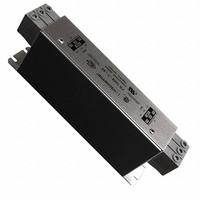

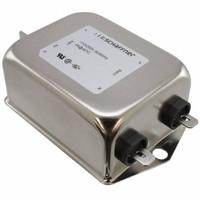
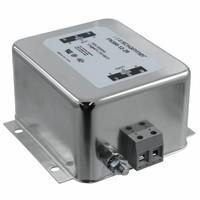
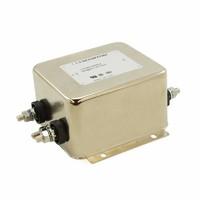
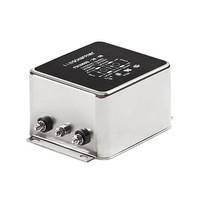
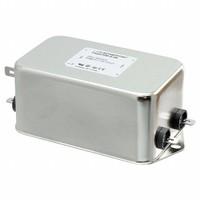
Schaffner EMC Inc. FN3258-7-44
Mfr. Part #:FN3258-7-44
Manufacturer:Schaffner EMC Inc.
Utmel Part #:2129-FN3258-7-44
Package:-
Datasheet:FN3258 Series
ECAD Model:![]()
Description:LINE FILTER 7A CHASSIS MOUNT
In Stock: 35 Please send RFQ , we will respond immediately .
United States
China
Canada
Japan
Russia
Germany
United Kingdom
Singapore
Italy
Hong Kong(China)
Taiwan(China)
France
Korea
Mexico
Netherlands
Malaysia
Austria
Spain
Switzerland
Poland
Thailand
Vietnam
India
United Arab Emirates
Afghanistan
Åland Islands
Albania
Algeria
American Samoa
Andorra
Angola
Anguilla
Antigua & Barbuda
Argentina
Armenia
Aruba
Australia
Azerbaijan
Bahamas
Bahrain
Bangladesh
Barbados
Belarus
Belgium
Belize
Benin
Bermuda
Bhutan
Bolivia
Bonaire, Sint Eustatius and Saba
Bosnia & Herzegovina
Botswana
Brazil
British Indian Ocean Territory
British Virgin Islands
Brunei
Bulgaria
Burkina Faso
Burundi
Cabo Verde
Cambodia
Cameroon
Cayman Islands
Central African Republic
Chad
Chile
Christmas Island
Cocos (Keeling) Islands
Colombia
Comoros
Congo
Congo (DRC)
Cook Islands
Costa Rica
Côte d’Ivoire
Croatia
Cuba
Curaçao
Cyprus
Czechia
Denmark
Djibouti
Dominica
Dominican Republic
Ecuador
Egypt
El Salvador
Equatorial Guinea
Eritrea
Estonia
Eswatini
Ethiopia
Falkland Islands
Faroe Islands
Fiji
Finland
French Guiana
French Polynesia
Gabon
Gambia
Georgia
Ghana
Gibraltar
Greece
Greenland
Grenada
Guadeloupe
Guam
Guatemala
Guernsey
Guinea
Guinea-Bissau
Guyana
Haiti
Honduras
Hungary
Iceland
Indonesia
Iran
Iraq
Ireland
Isle of Man
Israel
Jamaica
Jersey
Jordan
Kazakhstan
Kenya
Kiribati
Kosovo
Kuwait
Kyrgyzstan
Laos
Latvia
Lebanon
Lesotho
Liberia
Libya
Liechtenstein
Lithuania
Luxembourg
Macao(China)
Madagascar
Malawi
Maldives
Mali
Malta
Marshall Islands
Martinique
Mauritania
Mauritius
Mayotte
Micronesia
Moldova
Monaco
Mongolia
Montenegro
Montserrat
Morocco
Mozambique
Myanmar
Namibia
Nauru
Nepal
New Caledonia
New Zealand
Nicaragua
Niger
Nigeria
Niue
Norfolk Island
North Korea
North Macedonia
Northern Mariana Islands
Norway
Oman
Pakistan
Palau
Palestinian Authority
Panama
Papua New Guinea
Paraguay
Peru
Philippines
Pitcairn Islands
Portugal
Puerto Rico
Qatar
Réunion
Romania
Rwanda
Samoa
San Marino
São Tomé & Príncipe
Saudi Arabia
Senegal
Serbia
Seychelles
Sierra Leone
Sint Maarten
Slovakia
Slovenia
Solomon Islands
Somalia
South Africa
South Sudan
Sri Lanka
St Helena, Ascension, Tristan da Cunha
St. Barthélemy
St. Kitts & Nevis
St. Lucia
St. Martin
St. Pierre & Miquelon
St. Vincent & Grenadines
Sudan
Suriname
Svalbard & Jan Mayen
Sweden
Syria
Tajikistan
Tanzania
Timor-Leste
Togo
Tokelau
Tonga
Trinidad & Tobago
Tunisia
Turkey
Turkmenistan
Turks & Caicos Islands
Tuvalu
U.S. Outlying Islands
U.S. Virgin Islands
Uganda
Ukraine
Uruguay
Uzbekistan
Vanuatu
Vatican City
Venezuela
Wallis & Futuna
Yemen
Zambia
Zimbabwe
Quick Actions


Favorite
Compare
User Guide
Purchase
You may place an order without registering to Utmel.
We strongly suggest you sign in before purchasing as you can track your order in real time.
Means of Payment
For your convenience, we accept multiple payment methods in USD, including PayPal, Credit Card, and wire transfer.
RFQ (Request for Quotations)
It is recommended to request for quotations to get the latest prices and inventories about the part.
Our sales will reply to your request by email within 24 hours.
IMPORTANT NOTICE
1. You'll receive an order information email in your inbox. (Please remember to check the spam folder if you didn't hear from us).
2. Since inventories and prices may fluctuate to some extent, the sales manager is going to reconfirm the order and let you know if there are any updates.
FN3258-7-44 Information
Schaffner EMC Inc. FN3258-7-44 technical specifications, attributes, parameters and parts with similar specifications to Schaffner EMC Inc. FN3258-7-44.
- TypeParameter
- TypeParameter
- Factory Lead Time10 Weeks
- Mount
In electronic components, the term "Mount" typically refers to the method or process of physically attaching or fixing a component onto a circuit board or other electronic device. This can involve soldering, adhesive bonding, or other techniques to secure the component in place. The mounting process is crucial for ensuring proper electrical connections and mechanical stability within the electronic system. Different components may have specific mounting requirements based on their size, shape, and function, and manufacturers provide guidelines for proper mounting procedures to ensure optimal performance and reliability of the electronic device.
Chassis, Chassis Mount, Flanges - Mounting Type
The "Mounting Type" in electronic components refers to the method used to attach or connect a component to a circuit board or other substrate, such as through-hole, surface-mount, or panel mount.
Chassis Mount - Operating Temperature
The operating temperature is the range of ambient temperature within which a power supply, or any other electrical equipment, operate in. This ranges from a minimum operating temperature, to a peak or maximum operating temperature, outside which, the power supply may fail.
-25°C~100°C - Packaging
Semiconductor package is a carrier / shell used to contain and cover one or more semiconductor components or integrated circuits. The material of the shell can be metal, plastic, glass or ceramic.
Tray - Series
In electronic components, the "Series" refers to a group of products that share similar characteristics, designs, or functionalities, often produced by the same manufacturer. These components within a series typically have common specifications but may vary in terms of voltage, power, or packaging to meet different application needs. The series name helps identify and differentiate between various product lines within a manufacturer's catalog.
FN 3258 - Published2008
- Pbfree Code
The "Pbfree Code" parameter in electronic components refers to the code or marking used to indicate that the component is lead-free. Lead (Pb) is a toxic substance that has been widely used in electronic components for many years, but due to environmental concerns, there has been a shift towards lead-free alternatives. The Pbfree Code helps manufacturers and users easily identify components that do not contain lead, ensuring compliance with regulations and promoting environmentally friendly practices. It is important to pay attention to the Pbfree Code when selecting electronic components to ensure they meet the necessary requirements for lead-free applications.
yes - Part Status
Parts can have many statuses as they progress through the configuration, analysis, review, and approval stages.
Active - Moisture Sensitivity Level (MSL)
Moisture Sensitivity Level (MSL) is a standardized rating that indicates the susceptibility of electronic components, particularly semiconductors, to moisture-induced damage during storage and the soldering process, defining the allowable exposure time to ambient conditions before they require special handling or baking to prevent failures
Not Applicable - Termination
Termination in electronic components refers to the practice of matching the impedance of a circuit to prevent signal reflections and ensure maximum power transfer. It involves the use of resistors or other components at the end of transmission lines or connections. Proper termination is crucial in high-frequency applications to maintain signal integrity and reduce noise.
Terminal Block - Applications
The parameter "Applications" in electronic components refers to the specific uses or functions for which a component is designed. It encompasses various fields such as consumer electronics, industrial automation, telecommunications, automotive, and medical devices. Understanding the applications helps in selecting the right components for a particular design based on performance, reliability, and compatibility requirements. This parameter also guides manufacturers in targeting their products to relevant markets and customer needs.
General Purpose - Voltage - Rated DC
Voltage - Rated DC is a parameter that specifies the maximum direct current (DC) voltage that an electronic component can safely handle without being damaged. This rating is crucial for ensuring the proper functioning and longevity of the component in a circuit. Exceeding the rated DC voltage can lead to overheating, breakdown, or even permanent damage to the component. It is important to carefully consider this parameter when designing or selecting components for a circuit to prevent any potential issues related to voltage overload.
480V - Depth
In electronic components, "Depth" typically refers to the measurement of the distance from the front to the back of the component. It is an important parameter to consider when designing or selecting components for a project, as it determines how much space the component will occupy within a circuit or device. The depth of a component can impact the overall size and layout of the circuit board or enclosure in which it will be installed. It is usually specified in millimeters or inches and is crucial for ensuring proper fit and functionality within the intended application.
204mm - Current Rating
Current rating is the maximum current that a fuse will carry for an indefinite period without too much deterioration of the fuse element.
7A - Frequency
In electronic components, the parameter "Frequency" refers to the rate at which a signal oscillates or cycles within a given period of time. It is typically measured in Hertz (Hz) and represents how many times a signal completes a full cycle in one second. Frequency is a crucial aspect in electronic components as it determines the behavior and performance of various devices such as oscillators, filters, and communication systems. Understanding the frequency characteristics of components is essential for designing and analyzing electronic circuits to ensure proper functionality and compatibility with other components in a system.
60Hz - Termination Style
"Termination style" in electronic components refers to the method used to connect the component to a circuit board or other electronic devices. It determines how the component's leads or terminals are designed for soldering or mounting onto the circuit board. Common termination styles include through-hole, surface mount, and wire lead terminations.Through-hole components have leads that are inserted through holes in the circuit board and soldered on the other side. Surface mount components have flat terminals that are soldered directly onto the surface of the circuit board. Wire lead terminations involve attaching wires to the component for connection.The choice of termination style depends on factors such as the type of component, the manufacturing process, and the space available on the circuit board. Different termination styles offer various advantages in terms of ease of assembly, reliability, and space efficiency in electronic designs.
Terminal Block - Voltage - Rated AC
Voltage - Rated AC is a parameter that specifies the maximum alternating current (AC) voltage that an electronic component can safely handle without being damaged. This rating is crucial for ensuring the proper functioning and longevity of the component within an electrical circuit. It is typically expressed in volts (V) and helps users determine the compatibility of the component with the voltage levels present in the circuit. Exceeding the rated AC voltage can lead to overheating, malfunction, or permanent damage to the component, so it is important to adhere to this specification when designing or using electronic systems.
480V - Approval Agency
The parameter "Approval Agency" in electronic components refers to the organization responsible for testing and certifying that a component meets specific safety, quality, and performance standards. These agencies evaluate products to ensure compliance with industry regulations and standards, providing assurance to manufacturers and consumers. Approval from recognized agencies can enhance a component's marketability and acceptance in various applications, particularly in sectors like automotive, aerospace, and healthcare. Common approval agencies include Underwriters Laboratories (UL), International Electrotechnical Commission (IEC), and the American National Standards Institute (ANSI).
CSA, ENEC, UR - Physical Dimension
The parameter "Physical Dimension" in electronic components refers to the measurable size and shape characteristics of a component. This includes dimensions such as length, width, height, and diameter, which are critical for ensuring proper fit and integration into electronic circuits and systems. Physical dimensions also influence the component's performance, thermal management, and overall reliability in application environments. Understanding these dimensions is essential for designers to maintain compatibility with circuit boards and reduce issues related to space constraints.
L160.0XB40.0XH70.0 (mm)/L6.299XB1.575XH2.756 (inch) - Configuration
The parameter "Configuration" in electronic components refers to the specific arrangement or setup of the components within a circuit or system. It encompasses how individual elements are interconnected and their physical layout. Configuration can affect the functionality, performance, and efficiency of the electronic system, and may influence factors such as signal flow, impedance, and power distribution. Understanding the configuration is essential for design, troubleshooting, and optimizing electronic devices.
Single Stage - Leakage Current
Leakage current is a term used in electronics to describe the small amount of current that flows through a component when it is supposed to be in a non-conductive state. This current can occur due to imperfections in the materials used to manufacture the component, as well as other factors such as temperature and voltage. Leakage current can lead to power loss, reduced efficiency, and potential reliability issues in electronic devices. It is important to consider and minimize leakage current in electronic components to ensure proper functionality and performance.
33mA - Max Voltage Rating (AC)
The parameter "Max Voltage Rating (AC)" in electronic components refers to the maximum alternating current (AC) voltage that the component can safely handle without being damaged. This rating is important for ensuring the component's longevity and reliability in a circuit. Exceeding the maximum voltage rating can lead to overheating, breakdown, or even permanent damage to the component. It is crucial to select components with voltage ratings that are suitable for the intended application to prevent malfunctions or safety hazards in the circuit.
480V - Max Current Rating
The "Max Current Rating" parameter in electronic components refers to the maximum amount of electrical current that the component can safely handle without being damaged. It is an important specification to consider when designing or selecting components for a circuit, as exceeding the maximum current rating can lead to overheating, malfunction, or even permanent damage to the component. The max current rating is typically provided in amperes (A) and is determined by the component's internal construction, materials used, and thermal characteristics. It is crucial to ensure that the current flowing through the component does not exceed this specified limit to maintain the component's reliability and longevity.
7A - Filter Type
Filter Type in electronic components refers to the classification of filters based on their frequency response characteristics. Common types include low-pass, high-pass, band-pass, and band-stop filters, each serving different functions in signal processing. Low-pass filters allow signals below a certain cutoff frequency to pass while attenuating higher frequencies, whereas high-pass filters do the opposite. Band-pass filters permit frequencies within a specific range, while band-stop filters block frequencies within a designated range. The choice of filter type influences the performance and behavior of electronic circuits in various applications.
Three Phase (Delta) - Frequency - Operating
The parameter "Frequency - Operating" in electronic components refers to the range of frequencies at which the component is designed to operate effectively. It indicates the maximum frequency at which the component can function reliably without experiencing performance degradation or failure. This parameter is crucial for determining the suitability of the component for specific applications that require operation within certain frequency ranges. It is typically specified in hertz (Hz) or megahertz (MHz) and is an important consideration when designing and selecting electronic components for various electronic systems and circuits.
DC~60Hz - High Pot
High Pot is a term used in electronic components to refer to the high potential or high voltage that a component can withstand without breaking down or experiencing electrical failure. This parameter is often specified in datasheets for components such as capacitors, resistors, and insulators to indicate the maximum voltage that can be applied across the component without causing damage. High Pot testing is a common quality control measure used to ensure the reliability and safety of electronic components in various applications. It is important to adhere to the specified high pot ratings to prevent electrical breakdown and ensure the proper functioning of electronic circuits.
2650 V - Voltage - Rated AC (Phase to Ground/Neutral)
The parameter "Voltage - Rated AC (Phase to Ground/Neutral)" in electronic components refers to the maximum alternating current voltage that the component is designed to safely operate at when connected between a single phase and ground or neutral. This rating is important for ensuring the component's reliability and longevity, as exceeding the rated voltage can lead to damage or failure. It is crucial to adhere to the specified voltage rating to prevent potential hazards such as electrical arcing, insulation breakdown, or overheating. Manufacturers provide this information to help users select the appropriate components for their specific applications and to ensure safe and efficient operation within the specified voltage limits.
277V - Height70mm
- Length190mm
- Width40mm
- REACH SVHC
The parameter "REACH SVHC" in electronic components refers to the compliance with the Registration, Evaluation, Authorization, and Restriction of Chemicals (REACH) regulation regarding Substances of Very High Concern (SVHC). SVHCs are substances that may have serious effects on human health or the environment, and their use is regulated under REACH to ensure their safe handling and minimize their impact.Manufacturers of electronic components need to declare if their products contain any SVHCs above a certain threshold concentration and provide information on the safe use of these substances. This information allows customers to make informed decisions about the potential risks associated with using the components and take appropriate measures to mitigate any hazards.Ensuring compliance with REACH SVHC requirements is essential for electronics manufacturers to meet regulatory standards, protect human health and the environment, and maintain transparency in their supply chain. It also demonstrates a commitment to sustainability and responsible manufacturing practices in the electronics industry.
No SVHC - Radiation Hardening
Radiation hardening is the process of making electronic components and circuits resistant to damage or malfunction caused by high levels of ionizing radiation, especially for environments in outer space (especially beyond the low Earth orbit), around nuclear reactors and particle accelerators, or during nuclear accidents or nuclear warfare.
No - RoHS Status
RoHS means “Restriction of Certain Hazardous Substances” in the “Hazardous Substances Directive” in electrical and electronic equipment.
RoHS Compliant - Ratings
The parameter "Ratings" in electronic components refers to the specified limits that define the maximum operational capabilities of a component. These ratings include voltage, current, power, temperature, and frequency, determining the conditions under which the component can function safely and effectively. Exceeding these ratings can lead to failure, damage, or unsafe operation, making it crucial for designers to adhere to them during component selection and usage.
IP20
0 Products
FN3258-7-44 Information
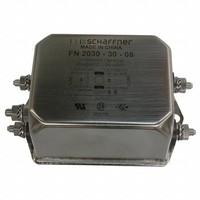
![FN2030-30-08]()
FN2030-30-08
Schaffner EMC Inc.![FN2030-3-06]()
FN2030-3-06
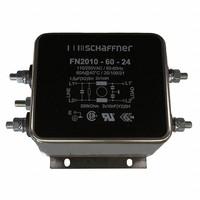
Schaffner EMC Inc.![FN2010-60-24]()
FN2010-60-24
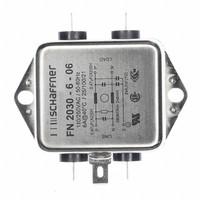
Schaffner EMC Inc.![FN2030-6-06]()
FN2030-6-06
Schaffner EMC Inc.![FN2090-3-06]()
FN2090-3-06
Schaffner EMC Inc.![FN2090B-16-06]()
FN2090B-16-06
Schaffner EMC Inc.![FN350-12-29]()
FN350-12-29
Schaffner EMC Inc.![FN2020-60-24]()
FN2020-60-24
Schaffner EMC Inc.![FN2200B-2300-99]()
FN2200B-2300-99
Schaffner EMC Inc.![FN405-10-02]()
FN405-10-02
Schaffner EMC Inc.![FN2060B-12-06]()
FN2060B-12-06
Schaffner EMC Inc.![FN2070M-6-06]()
FN2070M-6-06
Schaffner EMC Inc.