

 Product
 Brand
Brand Articles
 Tools
Tools

Saumitra Jagdale
Saumitra Jagdale is a Backend Developer, Freelance Technical Author, Global AI Ambassador (SwissCognitive), Open-source Contributor in Python projects, Leader of Tensorflow Community India, and Passionate AI/ML Enthusiast
Sort by
 Enhancing the Efficiency of Semiconductors by Using the Spin of Electrons
11 February 2025
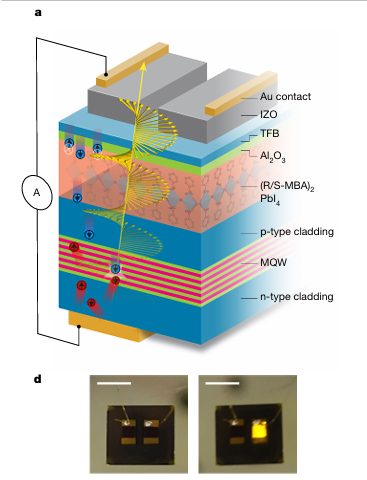
In today’s electronics industry, there is a huge demand for faster and more efficient systems to meet the modern IoT systems. The advancement of the semiconductor industry has heavily relied on the manipulation of electrical charges, but controlling the spin degree of freedom has proved to be exceptional. Spintronics, a field focused on studying the spin properties of electrons, has gained a lot of attention due to its potential to enable faster and more efficient devices. The integration of chiral halide perovskite (c-HPs) with traditional III–V semiconductors offer a very transformative effect for spin-based electronics. Semiconductors have been an integral part of the electronics industry due to their ability to manipulate electrical charge but spintronics aims to use the spin of electrons to enable a lot of functionalities. Low Temperature Drift Resistors Increase the Accuracy of Analog Circuits
11 February 2025
Analog circuits are used in many applications ranging from aerospace to medical devices. Therefore, the accuracy of these devices needs to be very high. These circuits translate real-life signals into usable electronic circuits. However, substantial challenges arise due to environmental factors, particularly due to temperature changes, as the resistivity of components changes with changes in temperature.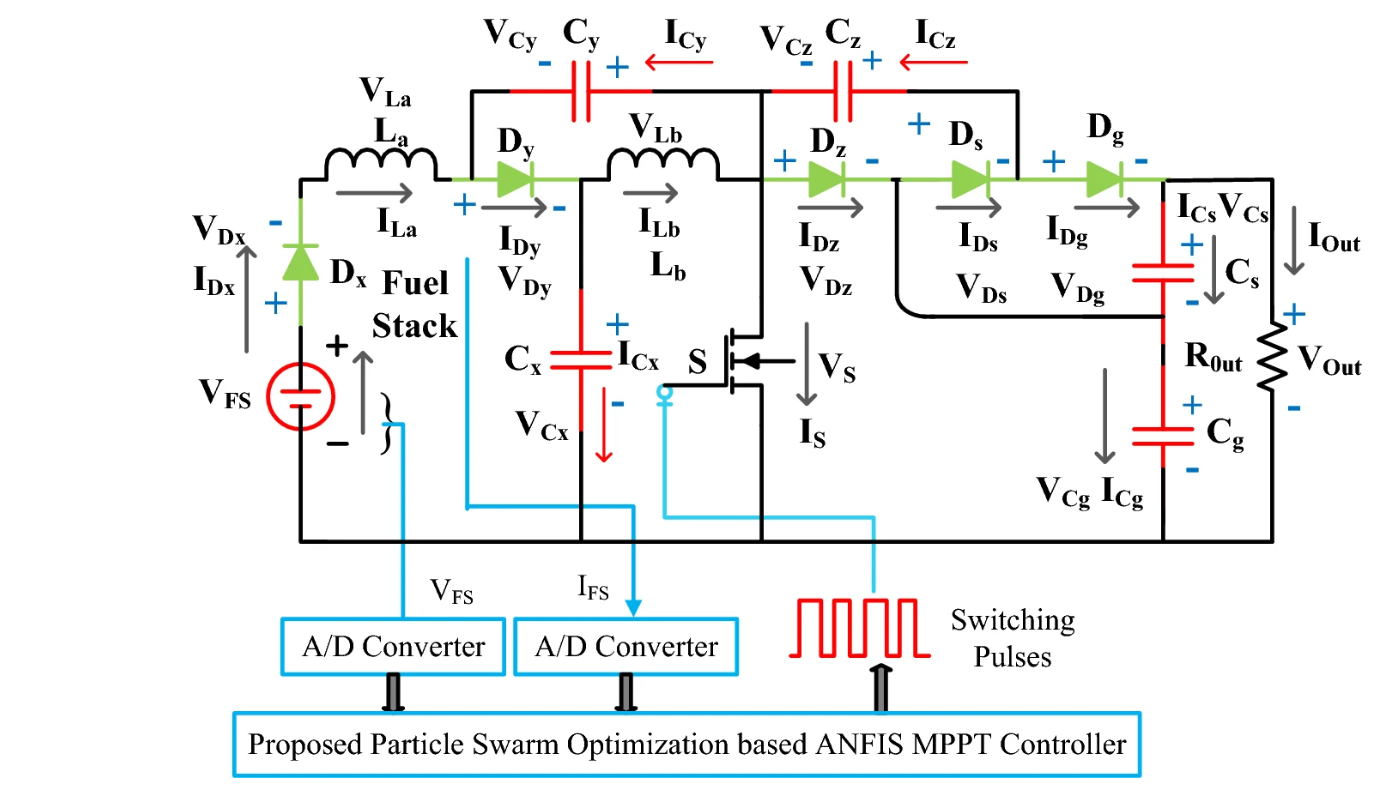 Methodologies for Increasing Efficiency of Fuel Stack Technology for Energy Generation
19 November 2024
Presently, power companies are moving towards renewable energy systems. Conventional energy sources are more expensive because they require a vast network to be maintained and huge human resources. Also, they harm the environment by releasing several harmful gases. As the industry’s focus shifts toward renewable energy sources, energy systems powered by Proton Exchange Membrane Fuel Stacks (PEMFS) are gaining traction.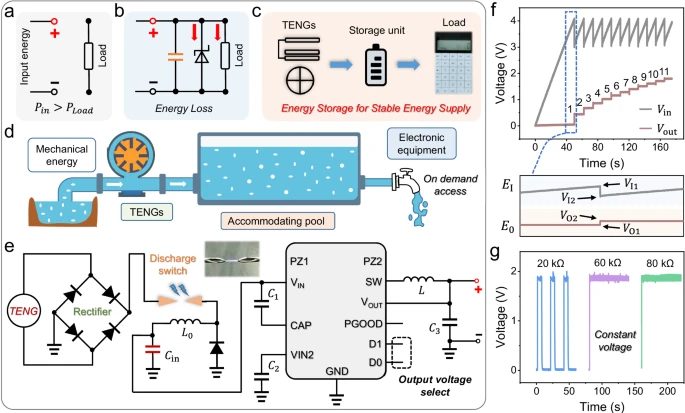 Improving the Energy Conversion Efficiency of Triboelectric Nanogenerators
19 November 2024
There is a huge growth in demand for self-sustaining electronic devices, as the traditional power-generating devices fail in remote and harsh environments due to the periodic requirement of battery changes. Also, these devices are frequency specific; some work only in high frequency and some in low frequency. Triboelectric nanogenerators (TENGs) provide a promising solution by efficiently converting mechanical energy into electricity as they are versatile, compact, and cheap, making them a popular choice.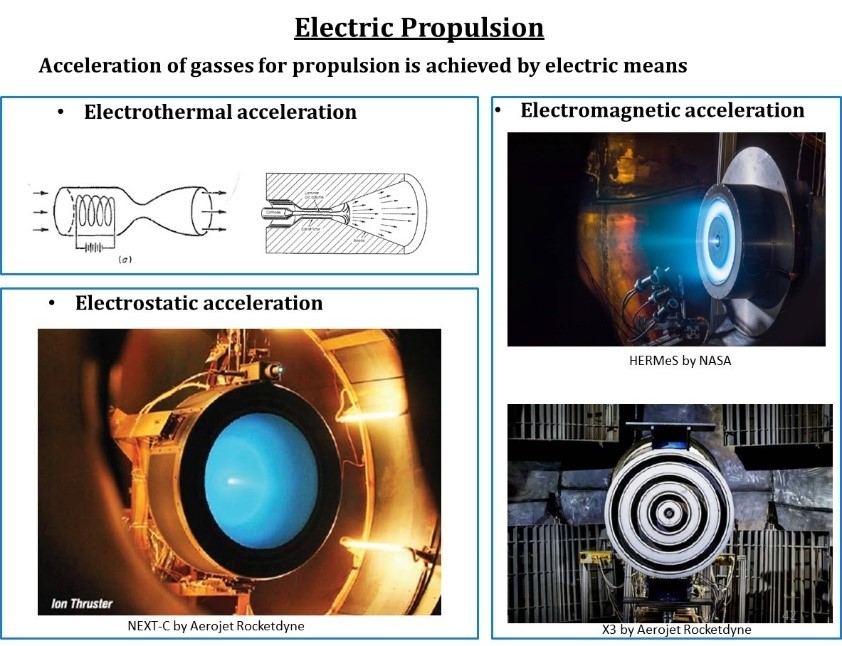 The Role of SiC in Extended Space Missions
20 September 2024
Electric propulsion systems are rapidly gaining traction in modern spacecraft, particularly for missions that require long durations and deep-space exploration. As these systems become more integral to the future of space travel, optimizing the power electronics that drive them becomes increasingly crucial.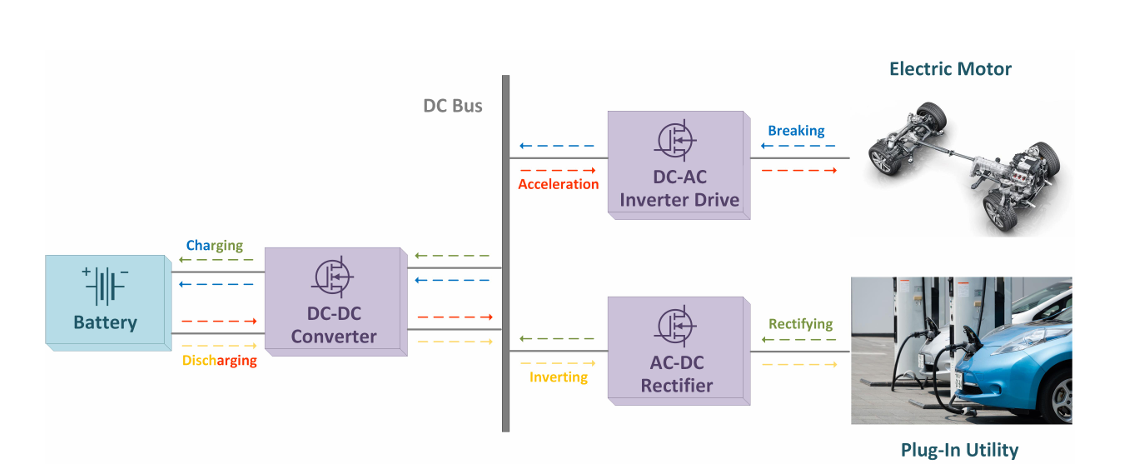 A Hybrid SiC and GaN-Based DC-DC Converter for EVs
20 September 2024
Across the globe, there is an increase in the usage of EVs, as they are an environmentally friendly way of commuting daily. The performance of these vehicles depends on the power electronics that manage the energy flow efficiently. On this front, there are two types of EVs, BEV (Battery Electric Vehicle) and HEV (Hybrid Electric Vehicle). Both types have a Plug-in variation equipped with a charging port to be connected to the power grid.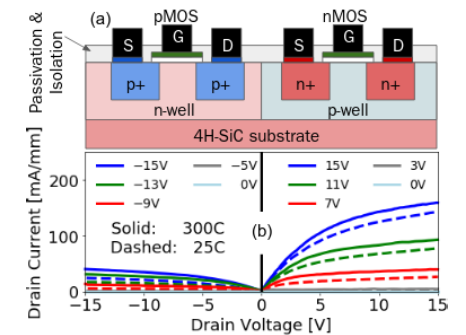 Advanced CMOS Devices with Wide Bandgap and Ultrawide Bandgap Technologies
15 March 2024
Power and radio frequency electronics play an increasingly important role in energy-efficient and collaborative future as there is always a demand for faster, smaller, high-voltage and more conductive transistors. Traditionally, silicon has been the semiconductor of choice due to its extensive research and manufacturing history, and natural abundance. While silicon power devices continue to maximize performance, many applications are now integrating wider-band gap semiconductors. These materials offer a significantly higher voltage-conducting capacity, surpassing silicon's limits in tradeoffs related to ON-resistance, capacitances, and breakdown voltage. LLC Converter with Planar Matrix Transformer for High-Current-High-Power Applications
15 March 2024
The rise of data centres in recent years, driven by cloud computing and big data, has caused a significant increase in electricity consumption. In the United States alone, it exceeded 70 billion kWh by 2014, making up 1.8% of total national electricity usage.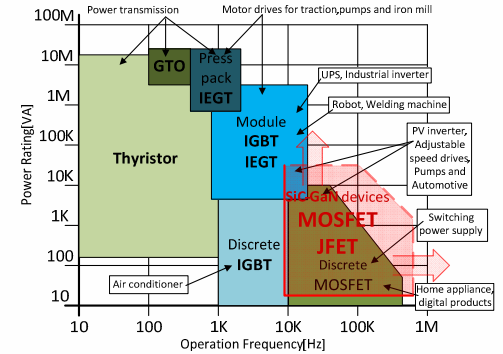 Role of Solar Energy in Wide-Band Gap Devices for Photovoltaic Applications
15 March 2024
The enhancement of photovoltaic systems is closely linked to advancements in power semiconductor devices. Traditional Silicon-based power devices face challenges in meeting market demands for various applications such as EV, PV systems, and other high-power requirements. Presently, power device boasts enhanced efficiency, higher power density, increased blocking voltage, increased switching frequency, reduced cost, and improved reliability.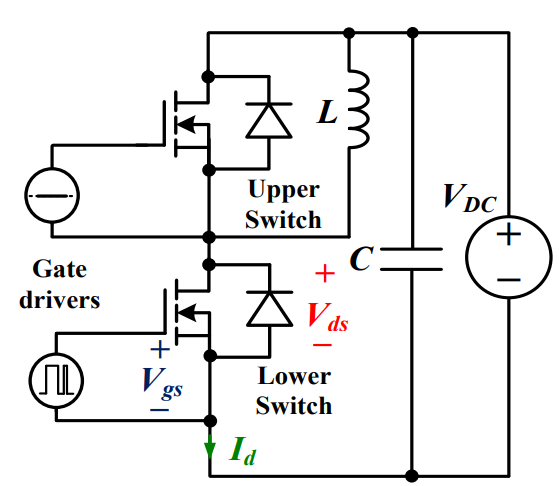 Discovering New and Advanced Methodology for Determining the Dynamic Characterization of Wide Bandgap Devices
15 March 2024
For a long era, silicon has stood out as the primary material for fabricating electronic devices due to its affordability, moderate efficiency, and performance capabilities. Despite its widespread use, silicon faces several limitations that render it unsuitable for applications involving high power and elevated temperatures. As technological advancements continue and the industry demands enhanced efficiency from devices, these limitations become increasingly vivid. In the quest for electronic devices that are more potent, efficient, and compact, wide bandgap materials are emerging as a dominant player. Their superiority over silicon in crucial aspects such as efficiency, higher junction temperatures, power density, thinner drift regions, and faster switching speeds positions them as the preferred materials for the future of power electronics. Understanding SiC MOSFET Power Modules and Ensuring its Short-Circuit Safety
15 March 2024
Although silicon has long been the dominant semiconductor choice for power electronic devices, emerging limitations in terms of power losses, size constraints, and maximum allowable junction temperature have shown the need for Wide-Bandgap semiconductors (WBG) and its research. Among these, Silicon Carbide (SiC) stands out for its combination of high frequency switching capability and performance at high temperatures. Despite its advantages, recent research has shown the challenges SiC devices face, particularly in short-circuit conditions, where its performance falls short compared to traditional silicon devices. Analysis of Magnetic and Thermal Semiconductor Power Modules
13 March 2024
Hello everyone, I am Saumitra Jagdale. Welcome to the new post today. In this post, research on electro-thermal properties of the IGBT chip has been extensively conducted for a 3-D packaging structure in IGBT chips.