

 Product
 Brand
Brand Articles
 Tools
Tools

UTMEL
We are the professional distributor of electronic components, providing a large variety of products to save you a lot of time, effort, and cost with our efficient self-customized service. careful order preparation fast delivery service
Sort by
 Film Capacitors Explained: Types, Characteristics, and How to Choose
14 July 2026
This guide walks through what makes the family distinct, the plastic dielectrics that distinguish each variant, the two main ways the parts are built, the characteristics worth weighing, and a practical way to decide which film wins for a given design. Diodes Tutorial: How to Test Diodes?
22 October 2025
A diode is an electronic device made of semiconductor materials. The diode is one of the earliest semiconductor devices, and it is widely used, especially in various electronic circuits. Hall Effect: Definition, Principle, Measurement Methods
08 November 2022
Hello, everyone. Welcome to the new post today. This post introduce hall effect and hall sensor. Including their definition, principles and measurement methods. Comprehensive Analysis of Switching Power Supply Circuits
30 November 2021
Today we introduce the circuit and principle of switching power supply. This article mainly lists and analyzes the various functional circuits of the switching power supply. What is Conductivity Sensor?
20 June 2022
Hello everyone, I am Rose. Welcome to the new post today. Today I will introduce conductivity sensors to you. Core Components behind Smart Glasses
28 June 2023
Hello everyone, welcome to the new post today. We will explore what exactly smart glasses are and also go through the critical electronic components that drive the functionality of smart glasses. How Big is the DV/DT and DI/DT of the Power Device?
24 April 2022
Hello everyone, I am Rose. Welcome to the new post today. This article describes how big the dv/dt and di/dt of high-speed power devices are?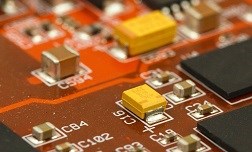 Various Reasons for the Failure, Explosion and Burning of Tantalum Capacitors
02 June 2022
Hello, Wish you have a wonderful day. Many clients frequently discuss tantalum capacitor explosions, particularly in switching power supplies, LED power supplies, and other industries. Tantalum capacitor burning or explosion is the most frustrating problem for R&D personnel, leaving them perplexed. Many R&D technicians are no longer willing to employ tantalum capacitors due to the risk of tantalum capacitor failure mechanisms. In truth, if we thoroughly comprehend the characteristics of tantalum capacitors, we can determine the causes of tantalum capacitor failure (burning or explosion). Tantalum capacitors aren't as frightening as they appear. After all, tantalum capacitors have a lot of advantages. The reasons for tantalum capacitor failure can be classified into two categories: tantalum capacitor quality issues and circuit design issues. The next article will provide you with a thorough introduction. Why is 50 ohms?
13 June 2022
Hello everyone, I am Rose.Welcome to the new post today. Today We will discuss why impedance is 50ohm, not 30ohm, 75ohm or 100ohm?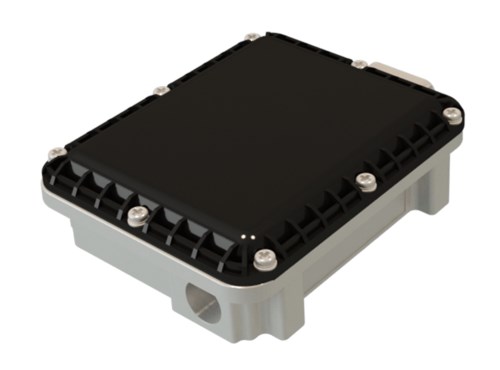 What is a Radar Sensor?
04 September 2020
A radar sensor is a conversion device that can convert microwave echo signals into electrical signals. The radar sensing is a wireless sensing technology that extracts and discovers the target's position, shape, motion characteristics and motion trajectory by analyzing the received target echo characteristics. How to Distinguish MOSFET? Is it N-Channel or P-Channel?
23 December 2021
Hello everyone, I am Rose. Today I will teach you how to define N-channel and P-channel in MOSFET. Metal Oxide Semiconductor Field Effect Transistor (MOSFET) is a basic component of modern electronic goods and is abbreviated as FET.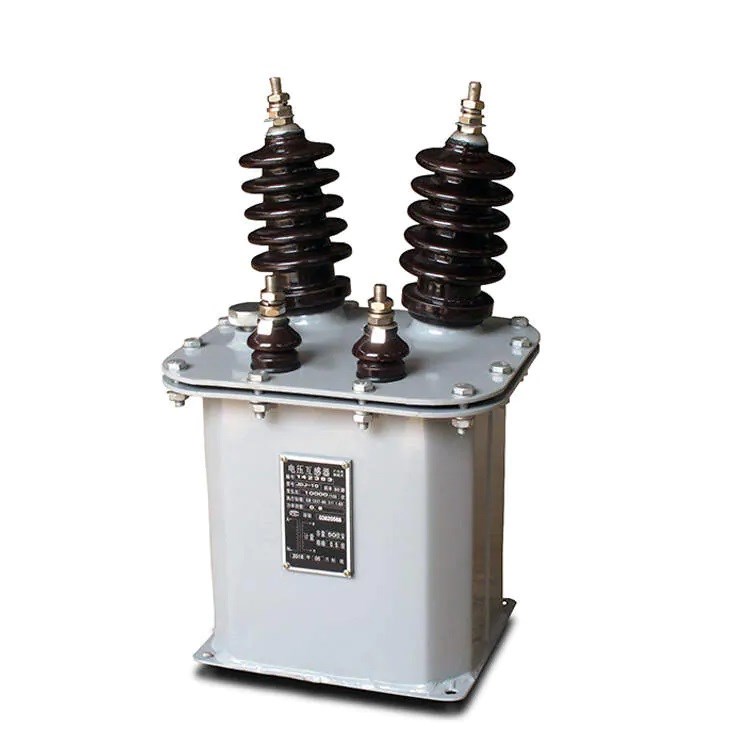 Introduction to Potential Transformers
21 September 2020
A potential transformer is a device used to transform voltage. The purpose to transform the voltage is mainly for measuring instruments, as the power supply of relays, measure the voltage, power, and energy of the line, or protecting the valuable equipment, motors, and transformers in the line when the line fails.