

 Product
 Brand
 Articles
 Tools


UTMEL
We are the professional distributor of electronic components, providing a large variety of products to save you a lot of time, effort, and cost with our efficient self-customized service. careful order preparation fast delivery service
Sort by
 Component Date Code Verification: How to Validate CoCs and Ensure Traceability
08 June 2026
To protect electronic supply chains from counterfeits, procurement teams must enforce strict component date code verification and Certificate of Conformance (CoC) validation. This guide outlines how to structure traceable RFQs, verify date codes, inspect parts for physical tampering using IDEA-STD-1010-B standards, and leverage independent AS6171 testing and Certificates of Analysis (CoA) when traceability is broken. Resistor Symbols: From Circuit Diagrams to PCB Design
06 June 2026
This comprehensive guide explores resistor symbols used in electronic circuit diagrams, covering the two main international standards: IEC (rectangle symbol) and ANSI (zig-zag symbol). The article explains how to read and interpret these symbols in schematics, distinguishing between fixed and variable resistors, and detailing specialized types like thermistors, LDRs, and varistors. It provides practical guidance for locating resistor symbols in popular EDA software (KiCad and Eagle) and includes a downloadable reference chart. The guide serves as an essential resource for electronics enthusiasts, students, and professionals who need to understand the universal language of electronic schematic symbols for circuit analysis, design, and troubleshooting.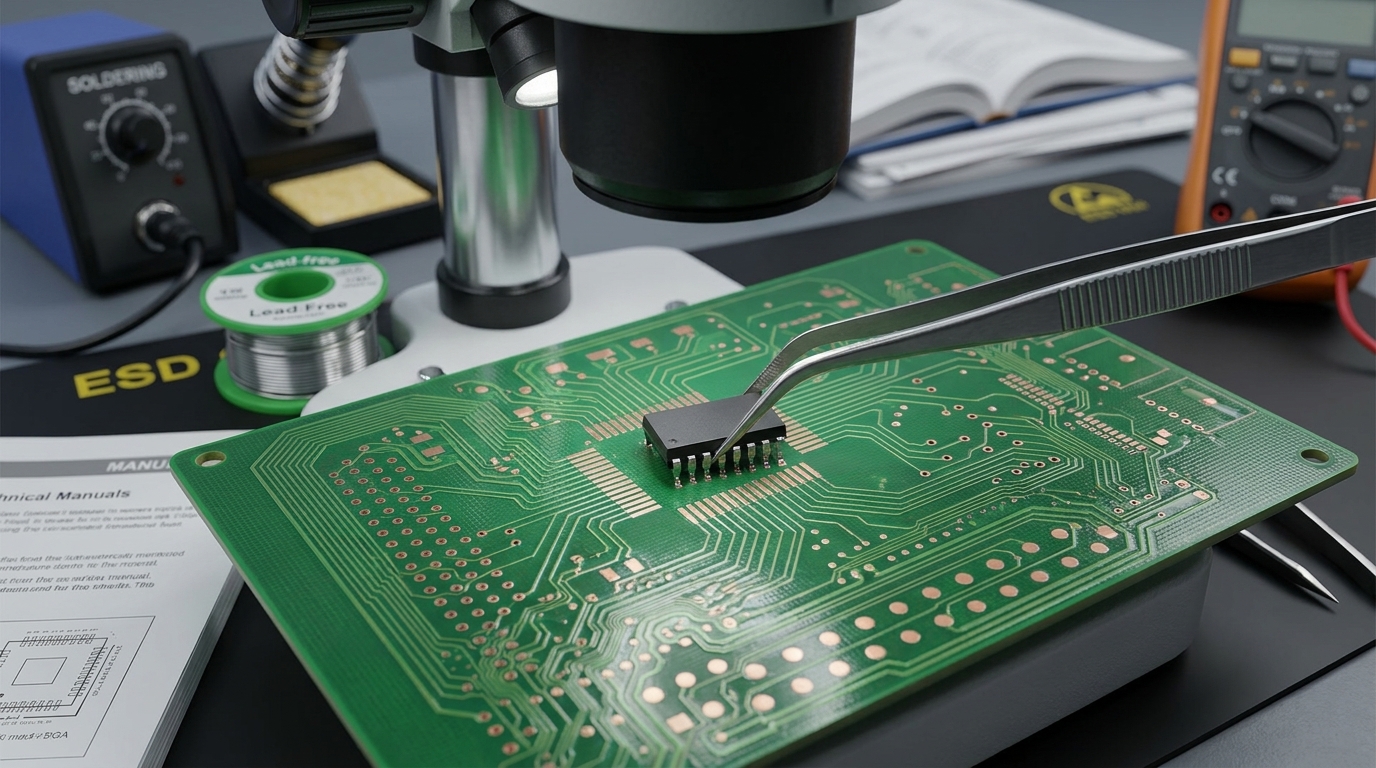 Verifying Package Pinout Compatibility: The Engineer's Guide to Component Replacement
06 June 2026
Replacing electronic components requires deep technical validation beyond matching schematic pin counts. This guide explains how to audit physical footprints using IPC-7351 standards, manage risks associated with bottom-terminated components, and avoid common datasheet or 3D model traps. By applying a structured verification checklist, engineering teams can guarantee true form, fit, and function compatibility, preventing costly manufacturing defects. AC/DC, DC/DC Converter Fundamental Guide
04 June 2026
Hello everyone, I am Rose. Welcome to the new post today. This article mainly introduce the definition of AC and DC, AC/DC Converter as well as DC/DC converter.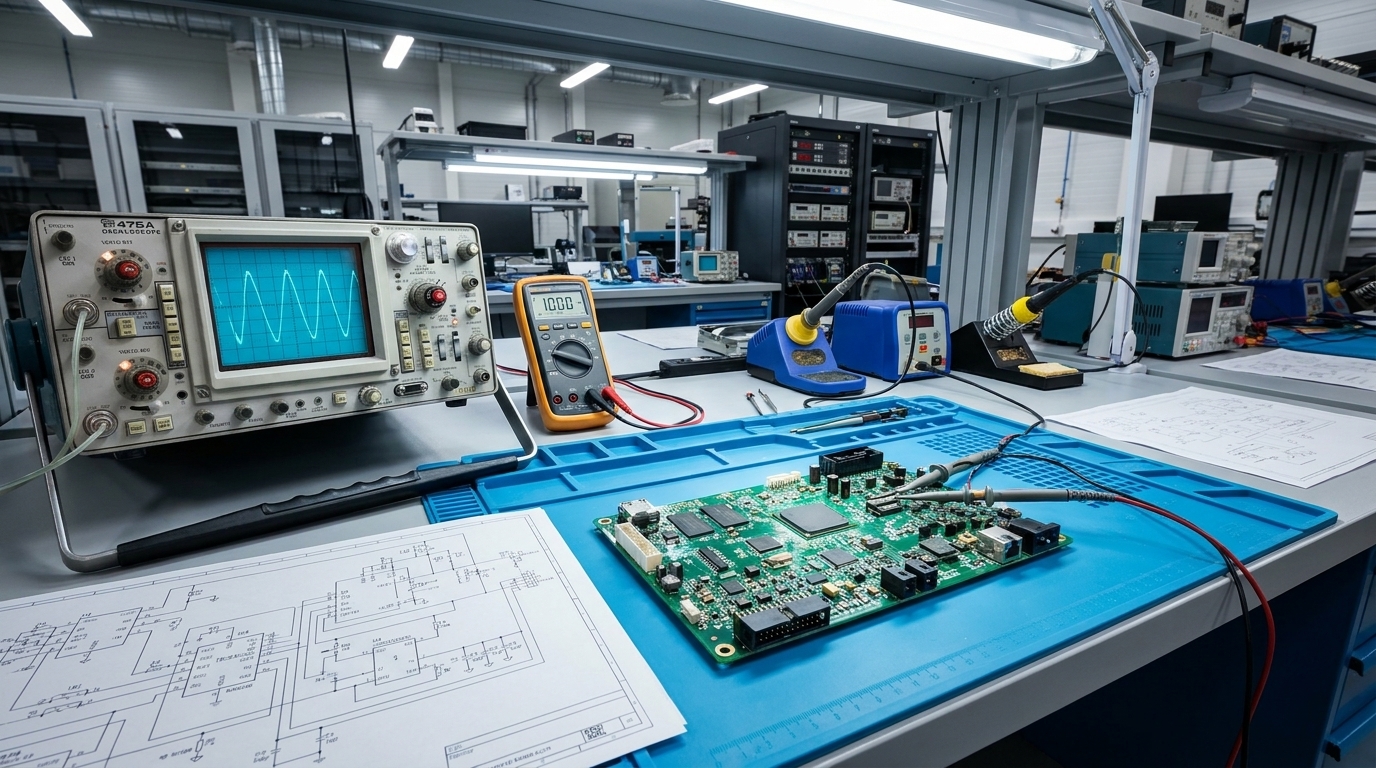 Substitute Part Validation: How to Cross-Reference and Verify Obsolete Components
04 June 2026
When replacing obsolete electronic components, relying on automated distributor recommendations can lead to board failures. Engineers must use the Form-Fit-Function framework to manually verify mechanical dimensions, electrical performance, and standards like JEDEC. Rigorous bench-testing and adhering to industry-specific regulations, such as AEC-Q100, ensure long-term reliability and compliance before updating a Bill of Materials. AI Server MLCCs: Why NVIDIA Rubin Racks Require Over 600,000 Capacitors
02 June 2026
Next-generation AI servers like NVIDIA's Rubin architecture require over 600,000 MLCCs per rack due to extreme power densities exceeding 120kW. This transition from GB300 demands high-capacitance, low-ESR capacitors with X7R/X7S dielectrics to handle intense transient responses and thermal loads, forcing procurement teams to navigate extended 24-week lead times for these specialized components.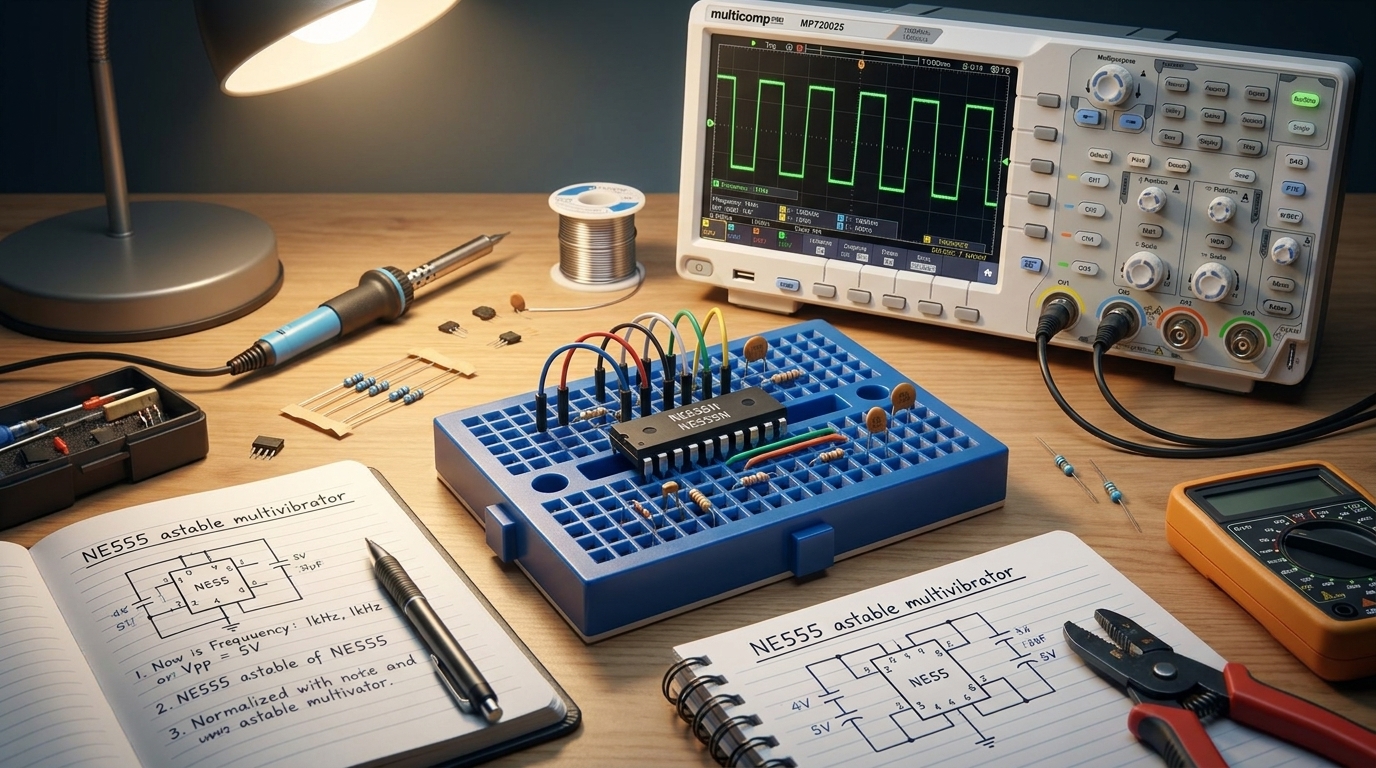 The Practical Engineer’s Guide to the NE555N Timer: Pinout, Setup, and Troubleshooting
29 May 2026
This comprehensive guide explores the NE555N timer, detailing its 8-pin layout, internal architecture, and key datasheet specifications. It compares the bipolar IC to CMOS variants and details setup configurations for astable, monostable, and bistable modes. Additionally, the guide offers practical troubleshooting advice to prevent common breadboard failures, such as floating reset pins and electrical noise issues.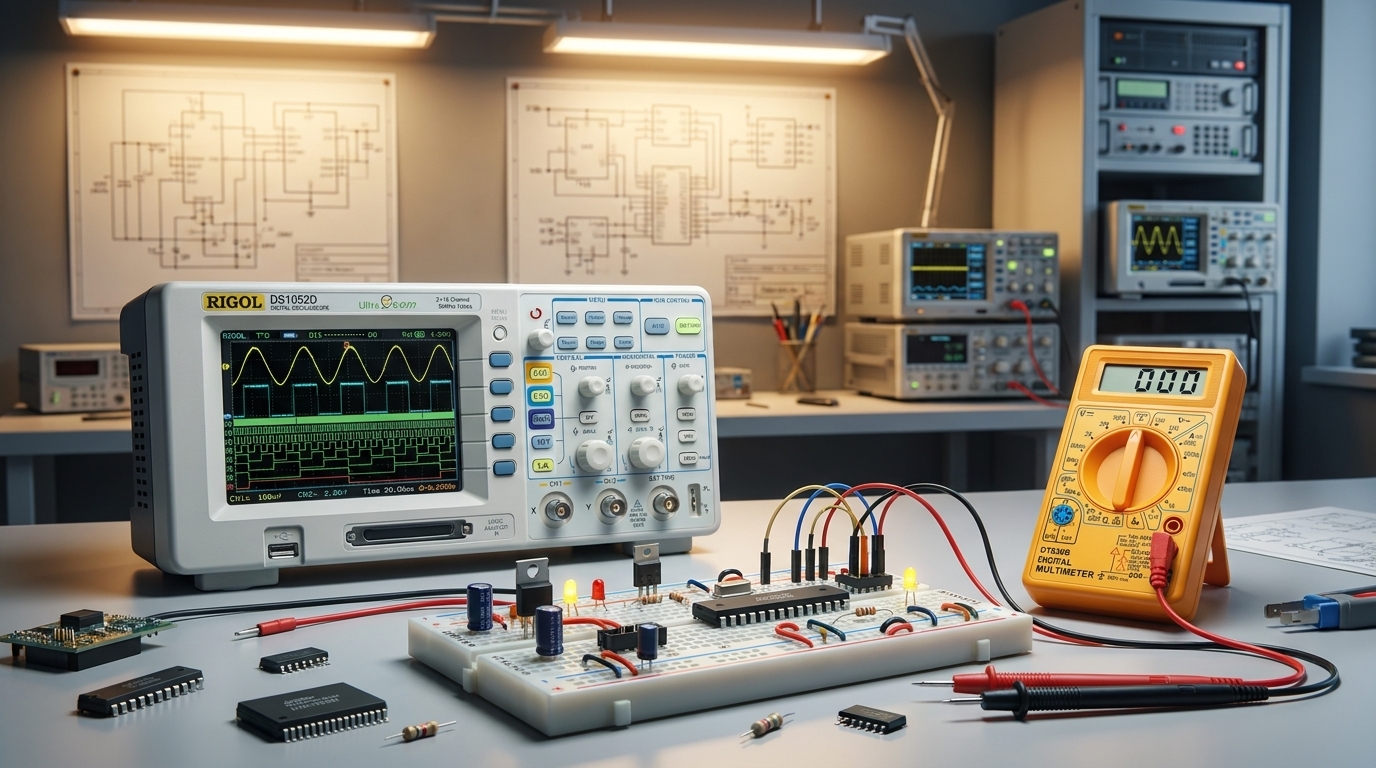 Norton's Theorem: Working Principle, Circuit Design, and Modern Applications
27 May 2026
Norton's theorem simplifies complex linear electrical networks into an equivalent circuit containing a single current source in parallel with a resistor. This article explains the essential five-step workflow for calculating Norton parameters, compares it to its dual, Thévenin's theorem, and explores modern applications in power distribution networks, electric vehicle battery management, and fault diagnosis. SR626SW Battery Equivalent: Technical Specs, Chemistries, and Selection Guide
26 May 2026
This comprehensive technical guide details the SR626SW battery, a widely used 1.55V silver oxide cell. It explains regional naming conventions, cross-referencing equivalents like the 377 and LR626, and highlights the performance differences between silver oxide and alkaline chemistries. Additionally, it offers product engineers and technicians essential handling best practices to avoid voltage drops and ensure device longevity.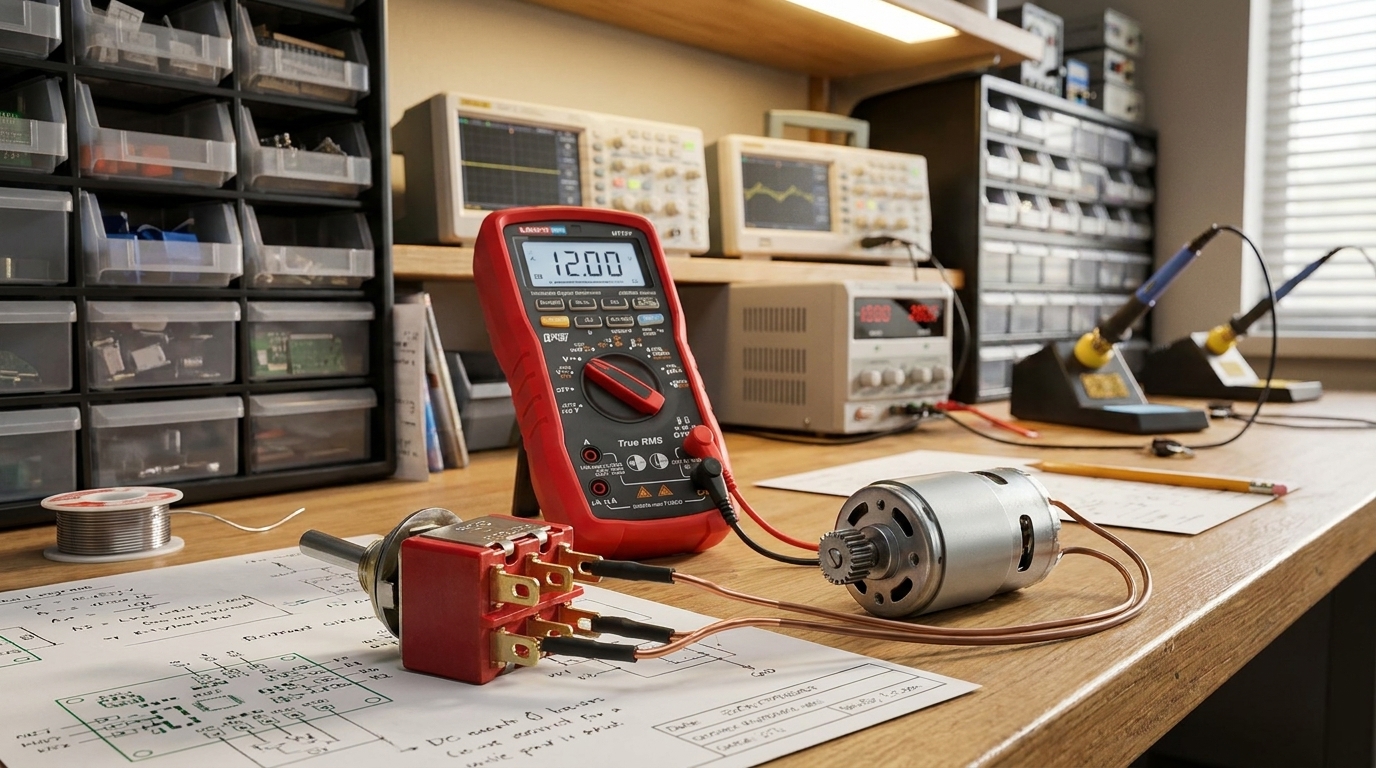 The Complete Guide to DPDT Switches: Function, Wiring, and Applications
23 May 2026
This comprehensive guide explores Double Pole Double Throw (DPDT) switches, explaining their core anatomy, distinct ON-ON and ON-OFF-ON configurations, and essential wiring methods like DC motor polarity reversal and A/B source selection. It also covers various physical designs, selection criteria such as ratings and materials, and effective troubleshooting steps to resolve common circuit failures.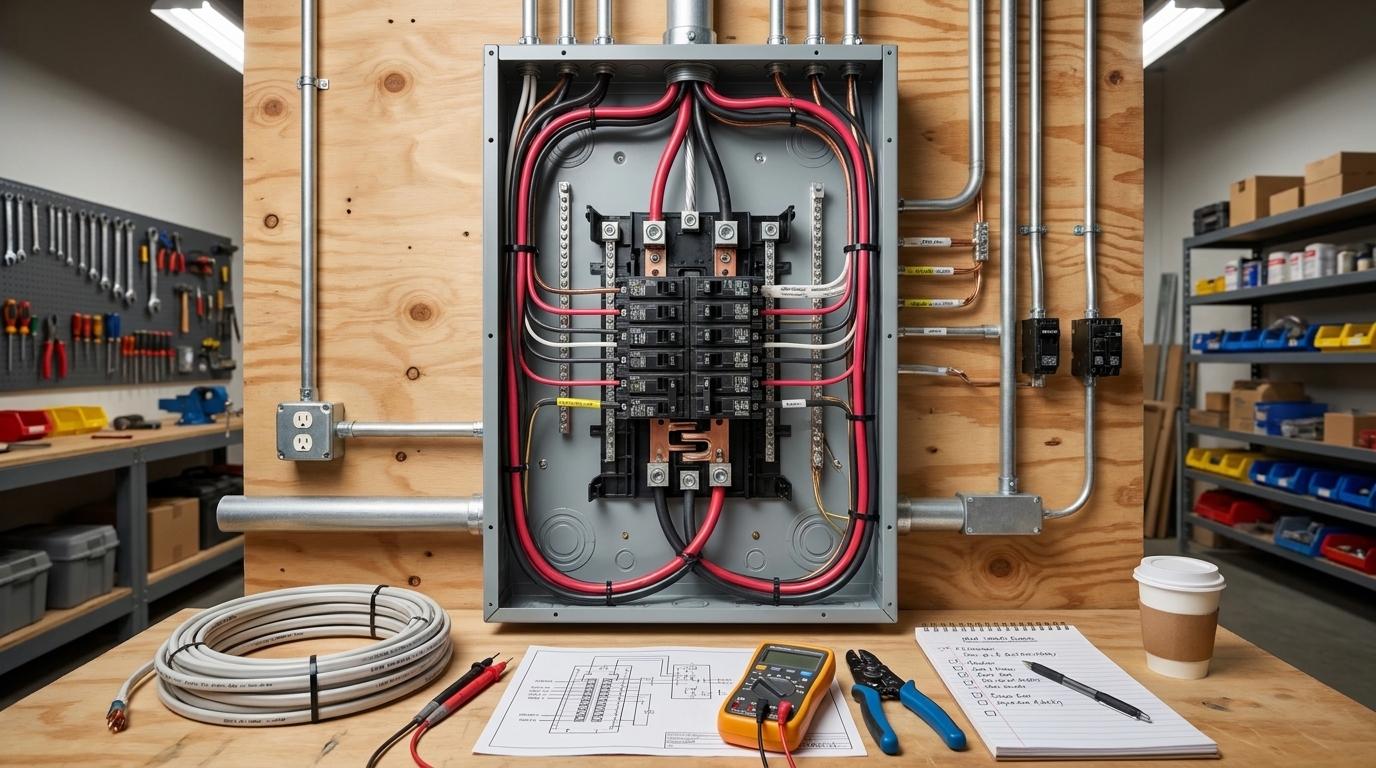 What Size Wire for a 60 Amp Breaker? The Complete NEC Guide
22 May 2026
Selecting the right wire size for a 60-amp breaker requires evaluating conductor materials, insulation, and distance. While 6 AWG copper THHN or 4 AWG aluminum in conduit is standard, NM-B Romex limits 6 AWG to 55 amps, requiring 4 AWG copper. Additionally, installers must account for continuous load limits, ground wire sizing, and voltage drop over long runs. VSC Light Meaning, Causes, and Step-by-Step Diagnostics
19 May 2026
A VSC (Vehicle Stability Control) light indicates the system is disabled, often as a fail-safe triggered by unrelated engine faults like a loose gas cap. While the stability system prevents lateral skidding, it shuts down when sensor data is unreliable. Proper diagnosis requires an ABS-capable OBD2 scanner. Resolving the root engine code, checking wheel speed sensors, or performing a zero-point calibration usually restores system function.