Product
 Brand
Brand Articles
 Tools
Tools
How to Choose the Right Spade Connector for Any Project
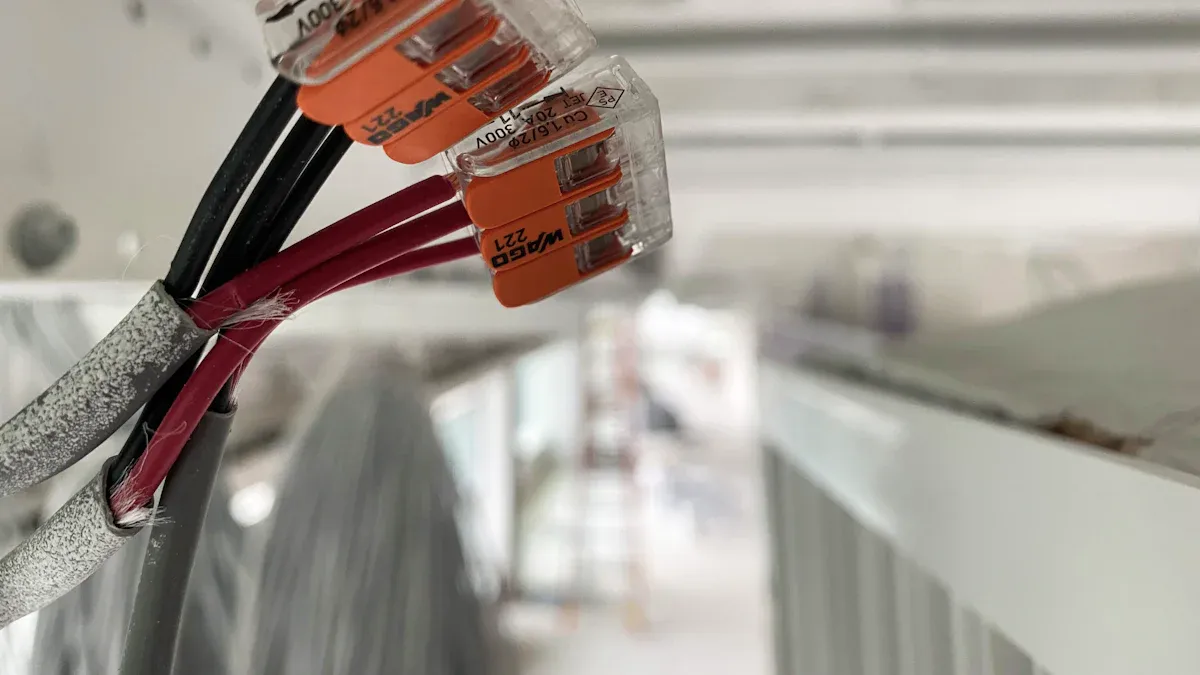
You can choose the right spade connectors by focusing on choosing the right size, type, and material for your project. Start by checking the wire gauge and terminal stud size. Always look at current rating, environment, and safety when choosing the right size. Remember, spade connectors come in many sizes, so choosing the right size helps prevent problems. Use a step-by-step guide for choosing to make sure you succeed. A step-by-step guide for choosing will help with selecting the correct spade connector. Choosing the right size means checking every detail. A step-by-step guide for choosing gives you confidence.
Spade Connectors Overview
What Are Spade Connectors
You use spade connectors to join wires to other wires or to devices. These connectors have a flat, fork-shaped end. This shape lets you slide the connector under a screw or bolt. You can remove or replace spade terminals quickly. Many people call them spade terminals because they look like a garden spade. You find these connectors in many types of electrical projects. Each spade connector comes in a specific size. The size must match your wire and the terminal stud. You choose from different types of spade connectors, such as insulated or uninsulated, to fit your needs.
Common Applications
You see spade terminals in many places. They appear in cars, home electronics, and industrial machines. You also find them in audio systems and renewable energy setups. Here are some common applications:
Automotive wiring for lights, speakers, and sensors
Industrial machinery for control panels and motors
Consumer electronics for quick wire changes
Renewable energy systems for solar panel connections
Spade connectors help you make reliable and safe connections. Their design lets you install and remove wires easily. This feature is important for maintenance and upgrades. Industry reports show that spade connectors are popular because they save time and reduce errors. The market for spade terminals grows as more people use electric vehicles and smart devices.
Why Size and Type Matter
You must pick the right size and type of spade terminals for your project. If you choose the wrong size, your connection may become loose or unsafe. The size of the spade connector must fit both the wire and the terminal stud. Using the correct size helps prevent overheating and electrical failure. You also need to select the right type of spade connectors. Some types of spade connectors work better in wet or high-vibration environments. Others suit indoor use. Always check the size and type before you start your project. This step keeps your electrical connector safe and reliable.
Project Requirements
Current and Voltage
You need to start every electrical project by checking the current and voltage. Each spade connector has a current rating, usually from 1 amp to 50 amps. Voltage ratings often include 50 V, 125 V, 250 V, and 600 V. These numbers matter because they show how much power the connector can handle without failing. If you use a connector with a lower rating than your wiring needs, you risk overheating and damage.
Tip: Always choose spade connectors that can handle the highest current your project might reach, even during short surges.
When selecting spade terminals, follow these steps:
Check the maximum current your wiring will carry, including any possible surges.
Look at the voltage your system uses and make sure the connector’s insulation matches or exceeds this value.
Use connectors designed for high current if your project needs extra reliability and safety.
Selecting spade terminals with the right ratings keeps your electrical connections safe and strong. This step is important for all applications, from automotive repairs to household upgrades and industrial machines.
Environment
The environment where you use your spade connectors affects your choice. Heat, moisture, and vibration can change how well your wiring works. For example, automotive projects often face high temperatures and lots of movement. You need connectors that resist heat and stay tight even when the car shakes. In household projects, you might deal with moisture in kitchens or bathrooms. Industrial settings can have dust, oil, or chemicals that damage connectors.
When selecting spade terminals, think about these factors:
Temperature: High heat can weaken some materials.
Moisture: Water can cause rust or short circuits.
Vibration: Movement can loosen electrical connections.
Note: Use insulated spade connectors in wet or dirty places. They protect your wiring and help prevent accidents.
Speaker wire connectors in home audio systems usually stay dry and cool, but you still need to check for dust or pets that might chew on wires. In industrial projects, always look for connectors with extra protection against harsh conditions.
Application Type
You must match your spade connector to the type of project. Automotive wiring needs connectors that handle heat, vibration, and sometimes oil. Speaker wire connectors in professional audio systems need a large surface area for a strong, clear signal. Home audio projects use speaker wire connectors for easy upgrades and repairs. Household wiring often uses spade connectors for appliances and lighting.
Here are some common applications for spade connectors:
Automotive: Used for lights, sensors, and audio systems. These connectors must survive tough conditions.
Professional audio: Speaker wire connectors provide secure, permanent connections for the best sound.
Household: Used in appliances, lighting, and small repairs. You want connectors that are easy to install and safe.
Industrial: Used in control panels and heavy machines. These connectors must handle high currents and rough environments.
Selecting spade terminals for each application helps you avoid problems. Automotive and industrial projects need tough, reliable connectors. Home and audio projects need connectors that are easy to use and give a clean signal. Always check your project type before choosing your wiring and connectors.
Choosing the right spade connector for your electrical project means thinking about current, voltage, environment, and application. This careful planning makes your electrical connections safer and more reliable.
Wire Gauge and Terminal Stud Size
Wire Gauge Standards
You need to know wire gauge standards before choosing the right size spade terminals. The wire gauge tells you how thick the wire is. In the United States, the American Wire Gauge (AWG) system is the most common. This system uses numbers to show the thickness. A smaller number means a thicker wire. For example, 10 AWG is thicker than 18 AWG. Most common sizes of spade terminals fit wires from 22 AWG to 10 AWG. You will see spade connector sizes marked on the packaging. Always check the wire gauge before you pick the right size spade terminals.
Tip: Matching the wire gauge to the right size spade terminals helps you avoid loose or unsafe connections.
Measuring Wire Gauge
You can measure the size of spade terminals by checking the wire gauge. Use a wire gauge tool or look at the markings on the wire. If you do not have a tool, compare your wire to a chart of common sizes of spade terminals. Many spade connector sizes use color codes. Red usually fits 22-16 AWG, blue fits 16-14 AWG, and yellow fits 12-10 AWG. Always measure the size of spade terminals to make sure they fit your wire. If you skip this step, you might pick the wrong size and cause problems.
Here is a quick guide:
| Color | Wire Gauge (AWG) | Common Sizes of Spade Terminals |
|---|---|---|
| Red | 22-16 | Small |
| Blue | 16-14 | Medium |
| Yellow | 12-10 | Large |
Terminal Stud Size
You also need to measure the size of spade terminals to match the terminal stud. The stud size is the diameter of the bolt or screw where you attach the terminal. Most common sizes of spade terminals match standard stud sizes like 1/4", 3/8", or 5/16". You can use calipers for the most accurate measurement. If you do not have calipers, a ruler or tape measure works for an estimate. The hole in the terminal is a little bigger than the stud to make fitting easy. When you measure the size of spade terminals, always check both the wire gauge and the stud size. If you are unsure, choosing the right size that is slightly larger will still work. Always make sure the right size spade terminals fit both your wire and the stud for a safe connection.
Note: Choosing the right size and taking time to measure the size of spade terminals will help you avoid loose connections and electrical problems.
Types of Spade Connectors
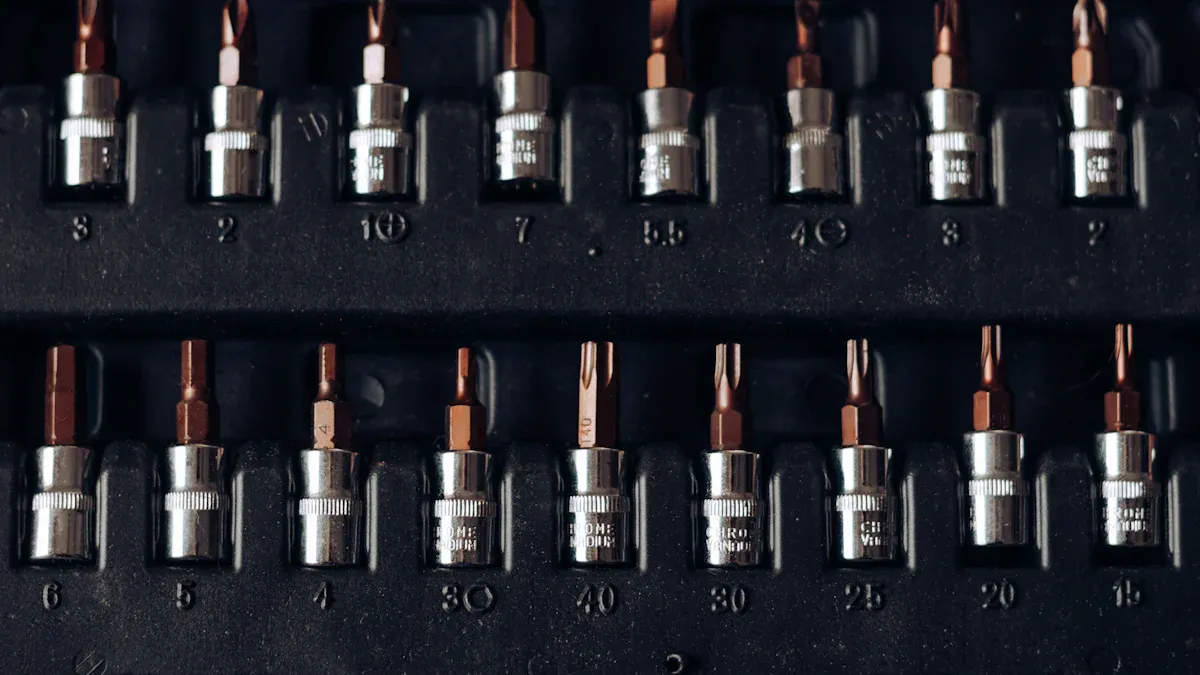
When you start a wiring project, you will see many types of spade connectors. Each type has a special use. You need to know the differences to pick the right spade terminals for your job. The most common types of spade connectors include insulated, uninsulated, male, female, and locking spade terminals. Each one works best in certain situations.
Insulated vs. Uninsulated
You will often choose between insulated and uninsulated spade terminals. Insulated spade terminals have a plastic cover over the metal. This cover protects you from electric shock. It also keeps the wire safe from moisture, dust, and vibration. Insulated spade terminals work well in places where safety matters, like cars, home wiring, and outdoor projects. You will see insulated spade terminals in red, blue, or yellow. These colors show the wire gauge they fit.
Uninsulated spade connectors do not have a plastic cover. You see the bare metal. Uninsulated spade connectors cost less and fit in tight spaces. You use uninsulated spade connectors when you do not need extra protection. They work well inside machines or in dry, clean places. You must be careful with uninsulated spade connectors because they do not protect against shock or short circuits.
Tip: Use insulated spade terminals in wet or dirty places. Use uninsulated spade connectors only when you know the area is safe and dry.
Here is a table to help you match color coding and wire gauge for insulated spade terminals:
| Color | Wire Gauge (AWG) | Typical Use |
|---|---|---|
| Red | 22-16 | Small wires, low current |
| Blue | 16-14 | Medium wires, general use |
| Yellow | 12-10 | Large wires, high current |
You will find that insulated spade terminals lead the market because they offer more safety and reliability. Industry reports show that insulated connectors perform better in harsh conditions, such as high vibration or moisture.
Male and Female
You will also see male and female spade terminals. Male spade terminals have a flat, blade-like end. Female spade terminals have a slot that fits over the male end. You use both types to make quick, secure connections. You can disconnect and reconnect wires easily with these spade terminals.
You often use male and female spade terminals in car audio, home speakers, and appliances. You can use insulated or uninsulated versions of both. Insulated spade terminals give you extra safety. Uninsulated spade connectors fit in small spaces where you do not need insulation.
Note: Always match the male and female spade terminals by size. If you mix sizes, the connection will be loose or unsafe.
Locking Spade Terminals
Locking spade terminals give you the most secure connection. These spade terminals have a special design that locks onto the stud or screw. You must press or squeeze the terminal to release it. Locking spade terminals stay in place even if the wire shakes or moves. You will see locking spade terminals in cars, industrial machines, and renewable energy systems.
There are several types of locking spade terminals. Some have a tab that snaps into place. Others use a spring or clip. All types of locking spade terminals help prevent wires from coming loose. You can find both insulated and uninsulated versions of locking spade terminals. Insulated locking spade terminals work best in places with moisture or vibration. Uninsulated locking spade terminals fit in dry, clean areas.
The advantages of using locking spade terminals include:
Secure fit, even in high vibration
Less chance of accidental disconnection
Better safety in harsh environments
Industry data shows that locking spade terminals perform well in tough conditions. You will see them in electric vehicles, solar panels, and factory equipment. The advantages of using locking spade terminals make them popular in places where safety and reliability matter most.
Callout: If you want the safest and most reliable connection, choose locking spade terminals. The advantages of using locking spade terminals include extra security and peace of mind.
Choosing the Right Type for Your Project
You need to match the type of spade terminals to your project. Here are some tips:
Use insulated spade terminals for cars, outdoor wiring, and places with moisture or dust.
Pick uninsulated spade connectors for dry, clean, and tight spaces.
Choose male and female spade terminals for quick connections and easy repairs.
Select locking spade terminals when you need the most secure fit, such as in machines or vehicles.
The common types of spade connectors each have a special use. You will see that insulated spade terminals and locking spade terminals lead the market because they offer more safety and reliability. Uninsulated spade connectors still work well in the right setting. When you know the types of spade connectors, you can make better choices for your wiring projects.
Material and Quality
Common Materials
You will find that most spade connectors use copper or brass as the base metal. These metals conduct electricity well and help keep your connections strong. Many locking spade terminals use tinned copper. The tin coating protects the metal from rust and makes the connector last longer. Some locking spade terminals use brass for extra strength. You will also see that many insulated connectors use a plastic cover made from nylon or PVC. This cover keeps you safe from shocks and protects the metal inside. When you choose locking spade terminals, always check if they use tinned copper and a strong insulated cover. These features help your wiring last longer and work better.
Corrosion Resistance
Corrosion can ruin your electrical connections. You need to pick locking spade terminals that resist rust and damage. In industrial tests, experts compared tinned and untinned wires with different spade terminals. They used salt water and high heat to see which connectors lasted longer. The results showed that tinned locking spade terminals with insulated covers worked best. These connectors turned gray or black but did not show copper corrosion. Untinned wires and cheap connectors failed the test. They showed a lot of rust and even caused the wires to heat up too much.
Here is a summary of the test results:
| Feature | Best Performance | Worst Performance |
|---|---|---|
| Wire Type | Tinned copper | Untinned copper |
| Connector Type | Marine grade locking spade terminals | Cheap, non-insulated connectors |
| Crimper Type | Ratcheting | Non-ratcheting |
| Sealing | Vinyl or Vaseline dressing | Unsealed |
You should always use tinned locking spade terminals with insulated covers for the best corrosion resistance.
Quality Indicators
You can spot high-quality locking spade terminals by checking a few things. Look for a thick, even tin coating on the metal. Make sure the insulated cover fits tight and does not slip off. Good locking spade terminals use ratcheting crimpers for a strong hold. The best insulated connectors feel sturdy and do not bend easily. If you see cheap connectors with thin metal or loose covers, avoid them. High-quality locking spade terminals with insulated covers keep your wiring safe and reliable.
Tip: Always choose locking spade terminals with insulated covers and tinned copper for the best results.
Compatibility and Fit
Terminal Size
Choosing the correct terminal size is essential for a secure and reliable connection. You must match the wire size to the spade terminal size to ensure proper conductivity. For example, a wire with a 16 AWG gauge requires a spade terminal designed for that specific size. Using the wrong size can lead to loose connections or overheating.
The terminal stud size is another critical factor. This refers to the diameter of the bolt or screw where the spade terminal attaches. Common stud sizes include 1/4", 5/16", and 3/8". To measure accurately, use a caliper or ruler. A snug fit between the spade terminal and the stud ensures optimal current flow and prevents accidental disconnections.
Tip: Always double-check both the wire size and stud size before selecting your spade terminals. This step helps you avoid compatibility issues later.
Equipment Match
Spade terminals must also match the equipment you are working with. Different devices and systems have unique requirements for terminal size, material, and finish. For example, automotive applications often require spade terminals that resist vibration and high temperatures. In contrast, home audio systems benefit from terminals with excellent conductivity for clear sound quality.
Material selection plays a significant role in compatibility. Copper and brass are common choices due to their high conductivity. Tin-plated or nickel-plated finishes add corrosion resistance, making them ideal for outdoor or high-humidity environments. Matching the terminal material to the equipment's operating conditions ensures durability and performance.
Avoiding Issues
To avoid issues, always consider environmental factors like temperature, moisture, and vibration. High temperatures can weaken certain materials, while moisture can cause corrosion. For projects in harsh conditions, choose spade terminals with insulated covers and corrosion-resistant finishes.
Improper sizing is another common problem. Using spade terminals that are too large or too small for the wire or stud can lead to loose connections, overheating, or even electrical failure. Take the time to measure accurately and select the right size spade terminals for your project.
Callout: Ensuring compatibility between your spade terminals, wires, and equipment reduces the risk of failure and improves the safety of your electrical connections.
Safety and Standards
Electrical Codes
You need to follow electrical codes every time you work with electrical connections. These codes, such as the National Electrical Code (NEC) and UL 498, set strict rules for safe wiring. They help you avoid hazards like overheating and fire. Locking spade terminals must meet these standards to ensure your electrical connections stay safe and reliable. The Canadian Electrical Code also has rules, like Rule 24–106(6), that guide you in making safe connections. When you use locking spade terminals that meet these codes, you know your work will pass inspections and protect your equipment.
Following color codes for wires and using locking spade terminals that match code requirements helps prevent wiring mistakes and keeps your electrical connections safe.
Secure Connections
You want every electrical connection to be secure. Loose or weak connections can cause big problems, such as overheating or even fires. Locking spade terminals give you a strong grip on wires and studs. You should always use the right tools to tighten clamps and check your work. Regular inspections help you spot corrosion or damage early. If you see burn marks or smell something odd, replace the locking spade terminals right away. Trained technicians use torque tools and follow lockout/tagout steps to keep everyone safe. Wearing personal protective equipment (PPE) adds another layer of safety.
Here are some best practices for secure electrical connections:
Inspect for corrosion or loose connections often.
Replace damaged locking spade terminals quickly.
Follow safety rules and wear PPE.
Always use locking spade terminals that meet NEC and manufacturer guidelines.
Preventing Overheating
Overheating is a common danger in electrical connections. You can prevent this by choosing locking spade terminals with the right current rating. Never overload your wires or connectors. If you need more power, add outlets or upgrade your wiring. Locking spade terminals help keep wires tight, which stops heat from building up. Regular checks for burn marks or hot spots can catch problems early. Clean or replace any locking spade terminals that show signs of wear. By following these steps, you keep your electrical connections cool and safe.
Regular safety audits and using locking spade terminals that fit your project help reduce downtime and improve safety for everyone.
Crimping and Installation
Tools Needed
You need the right tools for a safe and strong connection. For most spade terminals, use a quality wire stripper, a crimping tool that matches your terminal type, and a pair of pliers. Choose a crimping tool with color-coded dies for insulated spade terminals. Red, blue, and yellow dies match the wire gauge for speaker wire connectors and other wiring jobs. For larger wires, use a heavy-duty crimper or a hammer and punch. Always keep electrical tape or heat shrink tubing ready to seal the connection and protect against corrosion.
Tip: Using the correct tool for each step makes the installation process of locking spade terminals easier and more reliable.
Crimping Technique
Start by stripping the wire. Remove just enough insulation so the wire end sits flush or slightly extends through the barrel of the spade terminals. Make sure all strands are twisted and fully inserted. The insulation should touch the back of the barrel, with no bare wire exposed. Select the correct die size on your crimping tool. For insulated spade terminals, match the color to your wire gauge. Place the terminal in the tool with the solid side facing the crimp. Squeeze the handles until the crimp is fully compressed, but do not over-crimp. Over-crimping can damage the terminal and weaken the connection.
Industry best practices show that a good crimp includes all wire strands, with no prongs or loose insulation. The bell mouth should be visible, and the conductor should show 0.2 to 1.0 mm in the viewing window. For the installation process of locking spade terminals, always check that the crimp is tight and the terminal does not deform.
Testing Connections
After crimping, test your speaker wire connectors and spade terminals for strength and reliability. Gently tug on the wire to make sure it does not pull out. Look for any damage or loose insulation. For critical wiring, use a pull tester if available. Industry standards recommend a pull speed of 25 mm/min and check for forces up to 5 kN for large connectors. A good connection will not slip or deform.
| Crimping Quality Aspect | Specification |
|---|---|
| Terminal Fitting Area | No damage or deformation |
| Core Wire Viewing Window Area | 0.2–1.0 mm conductor visible |
| Core Wire Crimping Area | Fully closed, all conductors included |
| Bell Mouth | 0.1–0.4 mm, visible front and rear |
| Insulation Skin Crimping Area | Tightly crimped, no looseness |
Note: Always seal the installation process of locking spade terminals with heat shrink or tape to prevent corrosion and extend the life of your speaker wire connectors.
Crimping gives you a fast and effective way to connect spade terminals in any wiring project. With the right tools and careful technique, you can trust your speaker wire connectors to last.
You can choose the best locking spade terminals by following a few simple steps. First, check your wire size and terminal stud. Next, pick locking spade terminals that match your project’s needs. Always look for locking spade terminals made from strong materials. Make sure your locking spade terminals fit your equipment. Use locking spade terminals that meet safety codes. Test your locking spade terminals after crimping. Double-check your locking spade terminals for a tight fit. Locking spade terminals help you avoid loose wires. Use this guide when you select locking spade terminals for any job. Careful work with locking spade terminals keeps your connections safe.
Tip: Always measure twice and inspect your locking spade terminals before finishing your project.
FAQ
What are spade terminals used for?
You use spade terminals to connect wires to switches, relays, or circuit boards. These connectors make it easy to attach and remove wires. You often see spade terminals in cars, home electronics, and industrial machines.
How do you choose the right size spade terminals?
You need to match the spade terminals to your wire gauge and the stud size. Always check the color code on the terminal. Red, blue, and yellow show which wire size fits best. Measure both the wire and the stud before you buy.
Can you reuse spade terminals after removing them?
You should not reuse spade terminals. Removing them can weaken the metal or damage the insulation. For the safest connection, always use new spade terminals when you replace or repair wiring.
Are insulated spade terminals better than uninsulated ones?
Insulated spade terminals protect against shock and moisture. You should use them in wet or dirty places. Uninsulated spade terminals work well in dry, clean areas. Choose the type that fits your project’s environment and safety needs.
How do you make sure your spade terminals are secure?
You need to use the right crimping tool for your spade terminals. Strip the wire, insert it fully, and crimp tightly. After crimping, tug gently to check the connection. A secure fit keeps your wiring safe and reliable.
 UTMEL
UTMEL
We are the professional distributor of electronic components, providing a large variety of products to save you a lot of time, effort, and cost with our efficient self-customized service. careful order preparation fast delivery service
 The Introduction to USB Type-C Pin Signal and PCB LayoutUTMEL03 December 202126190
Hello everyone. Welcome to the new post today. USB Type-C is a smaller-volume USB interface standard than Type-A and Type-B. It can be used on a PC (master device) as well as external devices (slave devices, such as mobile phones).
Read More Everything You Need to Know about ConnectorsUTMEL07 September 20218141
Electrical connectors, as key components for current or signal connections, are also an important part of the industrial system. Connectors can be as huge as airplanes and rockets or as small as mobile phones and televisions, forming bridges between circuits or other components and serving as electric current or signal links.
Read More Network Interface Card: Types, Functions and Buying GuideUTMEL17 August 202110450
Network Interface Card (NIC, also known as a network interface controller) is one of the most basic components in the local area network. It is the hardware device connecting the computer and the network. Whether it is a twisted pair connection, a coaxial cable connection, or an optical fiber connection, data communication must be realized with the help of a network interface card.
Read More What is Universal Serial Bus (USB)?UTMEL19 January 202612413
Universal Serial Bus (USB) is a serial bus standard and a technical specification for input and output interfaces. It is widely used in information communication devices. The latest generation is USB4, and its transmission speed is 40Gbit/s, the three-stage voltage is 5V/12V/20V, the maximum power supply is 100W.
Read More Classification and Selection of Industrial ConnectorsUTMEL11 February 20225804
This article mainly introduces a very important component-connector in the modern industrial system, including its definition, classification, and selection.
Read More
Subscribe to Utmel !
![POC-W211-RW0E]() POC-W211-RW0E
POC-W211-RW0EAdvantech Corp
![ADP-MR-30A1-05000]() ADP-MR-30A1-05000
ADP-MR-30A1-05000Advantech Corp
![ADP-2D-0128-53000]() ADP-2D-0128-53000
ADP-2D-0128-53000Advantech Corp
![HPC-7000-85ZXE]() HPC-7000-85ZXE
HPC-7000-85ZXEAdvantech Corp
![PWS-870-EXT100E]() PWS-870-EXT100E
PWS-870-EXT100EAdvantech Corp
![ASMB-RF388-21A1E]() ASMB-RF388-21A1E
ASMB-RF388-21A1EAdvantech Corp
![1703100121]() 1703100121
1703100121Advantech Corp
![1960065074N001]() 1960065074N001
1960065074N001Advantech Corp
![PCA-AUDIO-00A1E]() PCA-AUDIO-00A1E
PCA-AUDIO-00A1EAdvantech Corp
![PWS-870-VDOCK-CBE]() PWS-870-VDOCK-CBE
PWS-870-VDOCK-CBEAdvantech Corp