Product
 Brand
Brand Articles
 Tools
Tools
Essential Tips for Picking the Best Gas Sensor
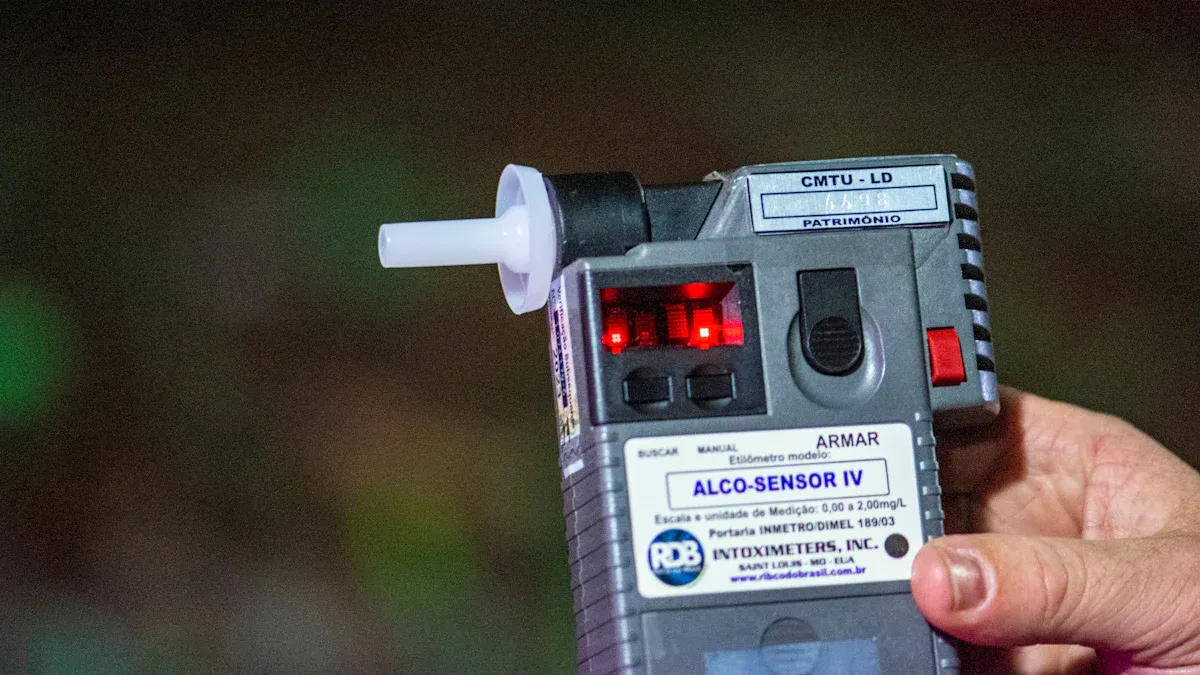
You need to choose gas sensors that fit your exact gas detection needs. Every environment has different risks. For example, carbon monoxide, hydrogen, and oxygen make up most of the market share for gas detection. In 2024, global revenue for gas sensors reached $2.9 billion, and portable detectors saw a 15% sales increase.
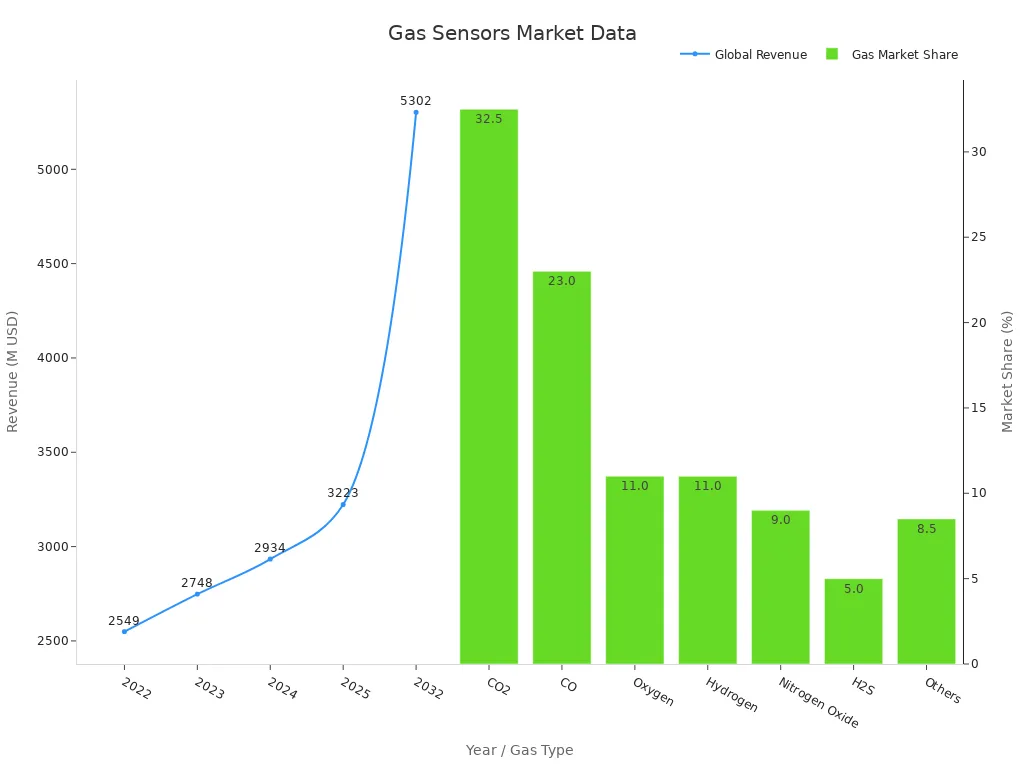
Safety managers look for sensors that keep people safe and meet rules. You should always match your sensor to your workspace, the gases you need to detect, and your safety goals.
Gas Detection Needs
Target Gases
You must first identify which gases you need to detect. Different industries face different risks. For example, oil and gas sites often need to monitor methane, propane, and hydrogen sulfide. Chemical plants may focus on ammonia or sulfur dioxide. Some workplaces need to track oxygen levels to prevent asphyxiation.
Fixed gas detectors now make up 65% of the market in 2024. These devices provide real-time monitoring for dangerous gases.
Portable gas detectors are growing fast. Workers in mining, construction, and environmental monitoring use them for personal safety.
Many companies now use multi-gas detectors. These devices can sense several gases at once, making them cost-effective and versatile.
Methane detection is a top priority. Global efforts to cut emissions drive this trend, especially in oil and gas sectors.
Some industries need to detect invisible gases. Infrared camera-based gas detectors help spot leaks of methane, ethane, and butane from a distance.
Tip: Make a list of all gases present in your environment. This step helps you choose the right gas sensors for your needs.
Environment Factors
Your environment affects how gas sensors work. Temperature, humidity, and air pressure can change sensor readings. For example, carbon monoxide sensors may give different results when temperatures shift during the day. Ozone sensors react to changes in humidity. If your workplace has sudden swings in temperature or moisture, you may see false alarms or missed detections.
Sensors must handle temperatures from 5 °C to 40 °C and humidity from 5% to 90%.
High temperatures can damage sensor coatings. This damage lowers accuracy.
Humidity can cause coatings to absorb water. This effect changes how sensors respond.
Corrosive chemicals in the air can shorten sensor life and reduce accuracy.
You should always check the conditions in your workspace. Choose gas sensors designed for your specific environment. This step ensures reliable gas detection and early detection of hazards.
Compliance
You must follow safety rules and standards. Different countries and industries have their own regulations for gas detection. North America and Europe have strict workplace safety laws. These rules push companies to use reliable gas sensors and detection systems. Asia Pacific is also seeing fast growth in gas detection because of new factories and expanding industries.
Regulations often require continuous monitoring for toxic gases like hydrogen sulfide and ammonia.
Many workplaces must use gas detection systems that log data and send alerts in real time.
New rules encourage the use of wireless and IoT-enabled gas sensors. These systems help with remote monitoring and early detection of leaks or dangerous levels.
Note: Always check local and industry-specific regulations before choosing your gas detection equipment. This step helps you stay safe and avoid fines.
Types of Gas Sensors
Choosing the right gas detection technologies means understanding how each sensor works. You will find that different gas detectors use different sensor technology to spot flammable, toxic, or asphyxiant gases. Here is what you need to know about the main types:
Electrochemical
Electrochemical gas sensors use a chemical reaction to detect gases like carbon monoxide, hydrogen sulfide, and nitrogen dioxide. You will see these sensors in many gas detection devices because they offer high sensitivity and accuracy. They can find toxic gases at very low levels, even down to parts per billion. Electrochemical sensors work well in changing temperatures and humidity. Many chemical plants use them for real-time monitoring. These sensors help you meet safety rules and keep workers safe.
Catalytic Combustion
Catalytic combustion sensors detect flammable gases such as methane, propane, and hydrogen. They heat a small bead coated with a catalyst. When a flammable gas touches the bead, it burns and changes the bead’s resistance. This change tells you how much gas is present. These gas detectors work best in places where you need to prevent fires or explosions. They need oxygen to work, so you should not use them in low-oxygen areas. Newer designs improve sensitivity, response time, and durability.
| Performance Metric | Description / Impact |
|---|---|
| Sensitivity | Adjustable for better detection |
| Stability | Improved by design to reduce sensor poisoning |
| Response Time | Less than 8 seconds with special diaphragms |
| Durability | Enhanced by reducing aging and poisoning |
| Safety Considerations | Limits gas leakage and keeps errors below 10% |
| Operational Limitations | Needs oxygen and can be affected by certain chemicals |
Infrared
Infrared gas detection technologies use light to spot gases like methane and carbon dioxide. These sensors do not need oxygen, so you can use them in many environments. Infrared gas detectors work well in harsh places with dust, heat, or vibration. Some models have cooled sensors for better sensitivity and vibration resistance, but they may be heavier and need more power.
| Performance Metric | Uncooled Microbolometer FPA | Cooled InSb FPA |
|---|---|---|
| Sensitivity (NETD) | 70 mK | 25 mK |
| Vibration Resistance | 2 G | 6.7 g RMS |
| Start-up Time | < 60 seconds | 10–15 minutes |
| Weight | 1.5 kg | 3.2 kg |
Infrared sensors are a good choice for detecting leaks in oil and gas fields or for use in railway safety.
Semiconductor
Semiconductor gas sensors use materials like tin oxide (SnO2) to detect gases. When a gas touches the sensor, it changes the electrical signal. These sensors are common in single gas detectors and some analyzer models. They can sense a wide range of gases, but their readings may drift over time. Studies show that both semiconductor and electrochemical sensors can be compared using analytical sensitivity, which helps you pick the best sensor for your needs.
Sensitivities and signal drifts were measured for SnO2-based sensors over 8 months.
Electrochemical sensors were tested for over 4 years.
Analytical sensitivity lets you compare sensor performance over time.
Multi-Gas Detectors
Multi-gas detectors combine several sensor types in one device. You can use them to monitor many gases at once, such as oxygen, carbon monoxide, hydrogen sulfide, and methane. These gas detection technologies are very versatile and save you time and money. Multi-gas detectors use advanced analyzer systems, like Raman spectroscopy or NDIR, to reach low detection limits for many gases.
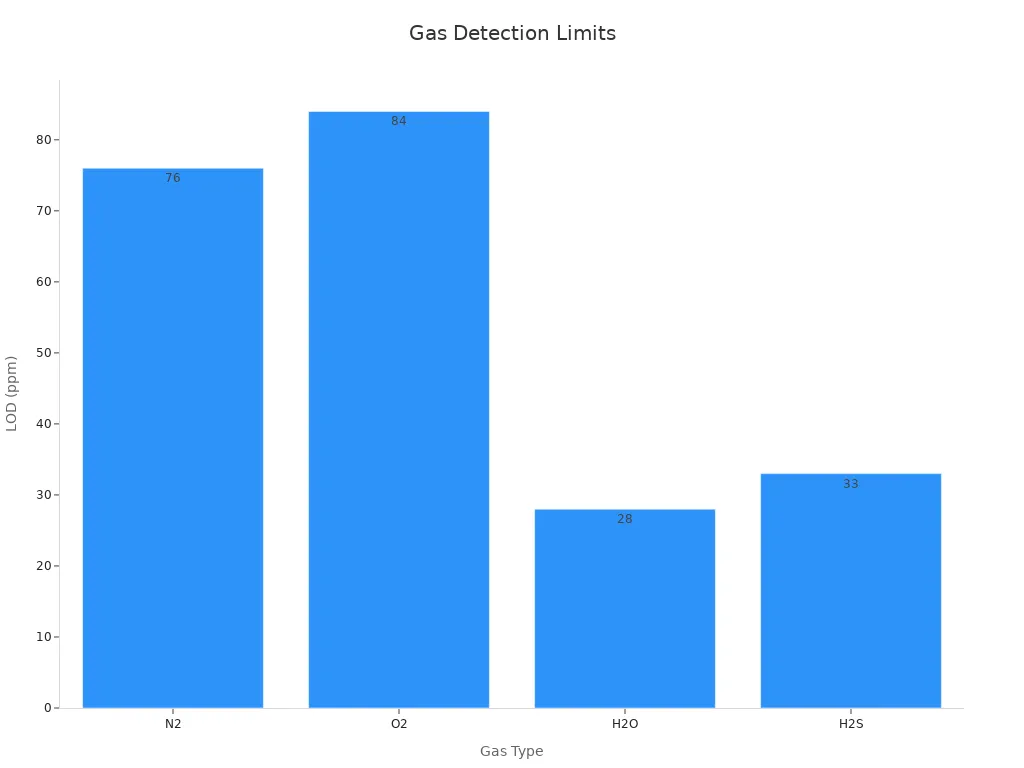
Multi-gas detectors can detect gases at low ppm levels.
They work well in many industries and can be upgraded for more channels.
You can use them for both portable and fixed gas detection devices.
Tip: Use single gas detectors for simple jobs, but choose multi-gas detectors or analyzer systems for complex environments.
Gas Detectors: Key Features
Accuracy & Sensitivity
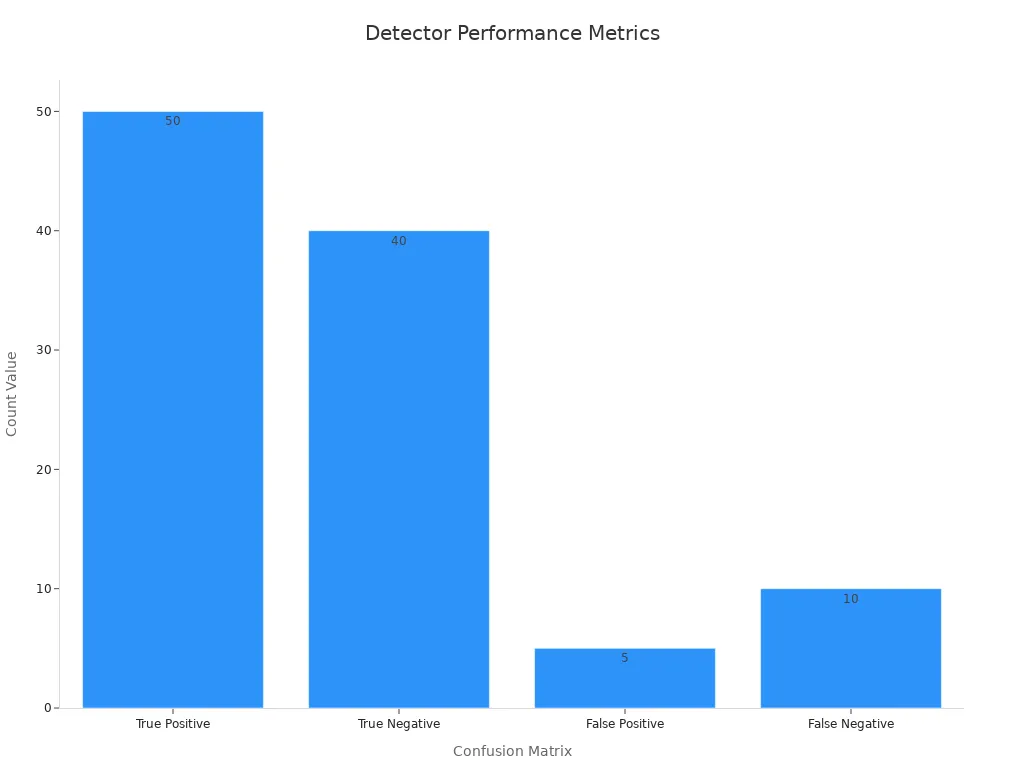
When you choose gas detectors, accuracy and sensitivity matter most. These gas detector features help you know if the device can spot dangerous gases at the right levels. Accuracy shows how often the detector gives the correct answer. Sensitivity tells you how well it finds even small amounts of gas. For example, a detector with high sensitivity can find leaks before they become a problem.
| Confusion Matrix Element | Description | Example Value |
|---|---|---|
| True Positive (TP) | Correct positive cases | 50 |
| True Negative (TN) | Correct negative cases | 40 |
| False Positive (FP) | Incorrect positive | 5 |
| False Negative (FN) | Incorrect negative | 10 |
| Metric | Formula | Interpretation |
|---|---|---|
| Accuracy | (TP + TN) / (TP + TN + FP + FN) | Overall correctness of the detector |
| Sensitivity | TP / (TP + FN) | Ability to correctly identify positives |
A recent study used LiDAR gas sensors at thousands of oil and gas sites. These detectors found methane leaks as small as 2 kg/h with a 90% chance of detection. This shows how strong accuracy and sensitivity can help you catch problems early.
Response Time
Fast response time is one of the most important gas detector features. You want your gas detectors to alert you quickly when gas levels change. Modern gas detectors, like catalytic bead and infrared models, can respond in seconds. This speed helps you act fast and stay safe. Response time means how long it takes for the detector to notice a change in gas and give you a reading. In factories, a quick response can prevent accidents and save lives.
Calibration & Maintenance
Keeping your gas detectors in top shape means regular calibration and maintenance. These gas detector features make sure your readings stay correct over time.
Proactive recalibration keeps your detector accurate and helps you follow safety rules.
Cleaning removes dust that can block sensors.
Replacing worn parts stops sensor drift.
Shields and cases protect against harsh weather.
Monitoring dashboards let you check sensor health from anywhere.
Studies show that instant calibration can fix small errors and extend the life of your gas sensors. Regular care means your detectors work well for years.
User Interface
A clear user interface is another key gas detector feature. You need displays that are easy to read and alarms that are simple to understand. Good gas detectors show you real-time data, battery life, and alerts. Some models have color screens or loud alarms. These features help you react quickly and avoid confusion, even in noisy or dark places.
Durability
Durability is a must-have gas detector feature, especially in tough environments. You want detectors that last and keep working in heat, cold, or dust. The table below shows how long different gas sensors can last:
| Sensor Type | Life Expectancy | Calibration Frequency | Notes |
|---|---|---|---|
| Electrochemical Sensors | 2 to 5 years | Every 6 months | Varies by gas type |
| Catalytic Sensors | 5 years | Typically none | Low maintenance |
| Solid-State Refrigerant Sensors | 5 years | Every 12 months | For refrigerants and TVOCs |
| NDIR Refrigerant Sensors | 5 years | Every 2 years | Wide range of gases |
| Infrared CO2 Sensors | 8 years | Not specified | Longest life expectancy |
Choosing durable gas detectors means fewer replacements and more reliable safety for your team.
Gas Detection Equipment: Practical Factors
Installation
You need to think about how you will install your gas detection equipment. Some workplaces need fixed gas monitoring systems. These systems stay in one place and give you real-time monitoring all day. You can also use portable gas analyzers if you need to move around. These analyzers are easy to set up and work well for spot checks or temporary jobs. Smart gas sensors make installation easier because they often use wireless connections. You can place them where you need them most.
Tip: Always check the power supply and mounting options before you install any analyzer or sensor.
Integration
Smart gas sensors can connect with other safety systems. You can link them to alarms, ventilation, or building management systems. Many smart gas sensors use IoT features. This means you can get real-time monitoring data on your phone or computer. Some analyzers even use AI to spot problems early. You can make your workplace safer by using smart gas sensors that talk to each other and share data.
Mobility
Portable gas analyzers give you the freedom to test different areas. You can carry them to hard-to-reach spots or use them for quick checks. Smart gas sensors also come in portable models. These sensors help you keep track of gas levels wherever you go. If you need to monitor many places, portable gas analyzers are a good choice. They work well with real-time monitoring and let you react fast to any danger.
| Type | Best Use Case | Mobility Level |
|---|---|---|
| Portable gas analyzers | Field checks, spot testing | High |
| Smart gas sensors | Flexible, wireless setups | Medium-High |
| Fixed gas monitoring systems | Continuous area coverage | Low |
Cost
You should look at both the price and the total cost of ownership when you choose gas detection equipment. Reports show that high upfront costs and ongoing maintenance can make these systems expensive. Companies use smart gas sensors and analyzer technology to lower these costs. IoT and AI features help with predictive maintenance and improve how well your system works. Some research on analyzer systems, like those for dissolved gas analysis, shows that lifetime costs and technical differences matter a lot. You need to think about support, repairs, and upgrades over time. Smart gas sensors can help you save money by making your gas detection system more efficient.
Natural Gas Detector: Home Use
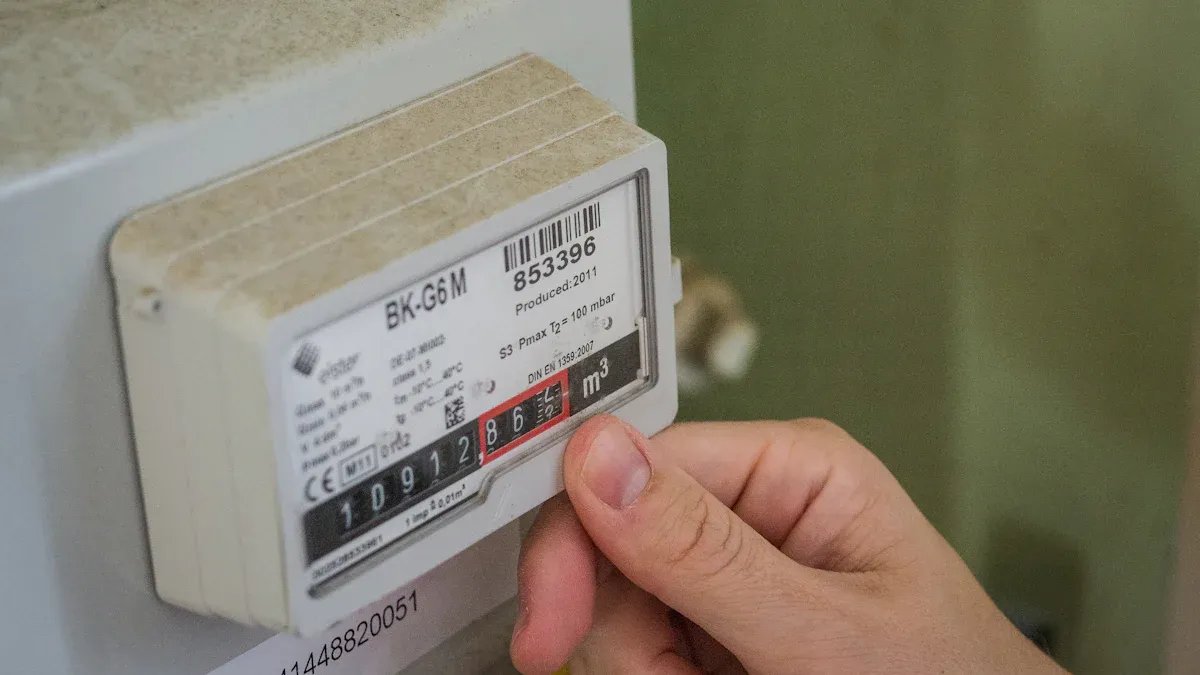
Methane & CO Detection
You need a natural gas detector in your home to keep your family safe from methane and carbon monoxide. Methane leaks can happen from stoves, water heaters, or old pipes. Carbon monoxide is a silent danger that comes from faulty appliances. A natural gas alarm will alert you before these gases reach dangerous levels.
Many homeowners now choose a natural gas detector because of new safety rules and growing awareness. You see more people using portable detectors for quick checks. Smart homes use natural gas alarms that connect to phones for instant alerts. In North America and Europe, strict safety laws and aging pipes make these devices even more important. Rapid urban growth in Asia Pacific also increases demand for home gas leak detectors.
Laboratory tests show that metal-oxide semiconductor sensors, like the Figaro TGS 2611-E00, can detect methane with an accuracy of ±1.7 ppm. This means your natural gas detector can spot leaks early. Some sensors even track daily changes in methane, showing their sensitivity. Multi-gas analyzers can also check for both methane and carbon monoxide at the same time. These devices give you data logs and alarms, but you must calibrate them often to keep them accurate.
Tip: Always pick a natural gas alarm that can detect both methane and carbon monoxide for the best protection.
Installation Options
You have several ways to install a natural gas detector or natural gas alarm in your home. You can choose plug-in models, battery-powered units, or hardwired systems. Plug-in detectors are easy to set up and move. Battery-powered alarms work during power outages. Hardwired systems connect to your home’s electrical wiring and often link with other safety devices.
Place your natural gas alarm near gas appliances, in kitchens, or in basements. For carbon monoxide, install alarms near bedrooms and living areas. Some smart natural gas detectors connect to your phone or smart home system. These alarms send alerts wherever you are. You can also use a portable analyzer for spot checks or when you travel.
| Installation Type | Power Source | Best Location | Smart Features |
|---|---|---|---|
| Plug-in | Wall outlet | Kitchen, laundry room | Some models |
| Battery-powered | Batteries | Near bedrooms, hallways | Yes, in some units |
| Hardwired | Home wiring | Throughout home | Often included |
Make sure you test your natural gas alarm and analyzer every month. Replace batteries as needed and follow the manufacturer’s instructions for the best results.
Final Choice
Weighing Options
You face many choices when selecting gas detectors. Start by comparing each option using clear, measurable criteria. Look at how well each sensor detects key pollutants like NO2 and PM2.5. Check if the device provides data every few minutes for real-time monitoring. Reliable gas detectors should work without constant attention and give you immediate access to data.
You should also review these important factors:
Cross sensitivities: Does the sensor react to other gases or environmental changes?
Internal consistency: Are the readings stable over time?
Signal drift: Does the sensor’s accuracy change as it ages?
Long-term stability: Will the detector perform well for years?
Data coverage: Does the sensor miss any readings?
Environmental influences: How do temperature or humidity affect results?
Many safety managers use performance charts and numerical data to compare sensor reliability, cost, and maintenance needs. Some advanced frameworks use health reliability degree and maintenance probability to predict when a sensor might fail. These methods help you make informed decisions and support early detection of hazards.
Expert Advice
Experts recommend a step-by-step approach for choosing gas detectors. You should:
Learn about different gas detection technologies and match them to your needs.
Assess your facility to find which gases need monitoring.
Compare features like sensitivity, response time, and calibration needs.
Choose products from trusted manufacturers who follow industry standards.
Set up training and maintenance plans to keep your detectors working well.
Consider the total cost, including purchase, upkeep, and calibration.
Review your system often and use new solutions like wireless detectors for better early detection.
Following these expert steps ensures you select gas detectors that protect your team and support real-time monitoring. You gain peace of mind knowing your choices are based on proven methods and reliable data.
You can choose the best gas detection solution by following a few key steps. Start by matching your sensor to the gases you need to detect, your environment, and any rules you must follow. Studies show that different sensors work best for certain gases and that regular calibration keeps your natural gas alarm accurate.
Catalytic bead sensors detect flammable gases.
Infrared sensors work for CO2 and methane.
Electrochemical sensors find toxic gases.
Portable analyzers help in the field, while fixed ones give constant coverage.
Advanced tools like machine learning improve how your natural gas alarm works, even when conditions change. If you feel unsure, talk to experts or trusted manufacturers. Always test your natural gas alarm and keep it ready. Protect your home and workplace with the right natural gas alarm for safe and effective gas detection.
FAQ
What is the difference between a gas sensor and a gas detector?
A gas sensor measures the presence of a specific gas. A gas detector uses one or more sensors to alert you when gas levels become unsafe. You use detectors for safety in homes and workplaces.
How often should you calibrate your gas detector?
You should calibrate your gas detector every 6 to 12 months. Always follow the manufacturer’s instructions. Regular calibration keeps your detector accurate and reliable.
Can one gas detector sense all types of gases?
Most gas detectors cannot sense every gas. You need to choose a detector that matches the gases in your environment. Multi-gas detectors can sense several gases, but not all.
Where should you install a natural gas alarm at home?
Place your natural gas alarm near gas appliances, in kitchens, or in basements. For carbon monoxide, install alarms near bedrooms. Always follow the placement tips in the user manual for best results.
 UTMEL
UTMEL
We are the professional distributor of electronic components, providing a large variety of products to save you a lot of time, effort, and cost with our efficient self-customized service. careful order preparation fast delivery service
 The Key Role of Electronic Components in IoT DevicesUTMEL01 September 20235184
The article discusses the pivotal role of electronic components in Internet of Things (IoT) devices. IoT devices work by capturing real-world data using sensors, processing it through a microcontroller, and then sending it to the cloud for further analysis.
Read More How to Identify the Perfect Proximity Sensor for Your ApplicationUTMEL19 July 20251095
Find the best proximity sensors for your project by evaluating material, sensing range, environment, and system needs to ensure optimal performance and reliability.
Read More Trusted Vibration Sensors for Homeowners and Industry ProfessionalsUTMEL17 July 2025801
Compare top vibration sensors for home and industrial use. Find trusted options for security, predictive maintenance, and equipment protection.
Read More Wiring and Mounting Photoelectric Sensors in 2025UTMEL15 July 2025990
Wire and mount photoelectric sensors in 2025 with step-by-step safety, wiring, and alignment tips for reliable installation and optimal sensor performance.
Read More Essential Tips for Picking the Best Gas SensorUTMEL15 July 20252219
Find out how to select gas sensors by matching target gases, environment, and compliance needs for reliable and accurate gas detection in any setting.
Read More
Subscribe to Utmel !