

 Product
 Brand
Brand Articles
 Tools
Tools
Top Picks for Circuit Breakers This Year
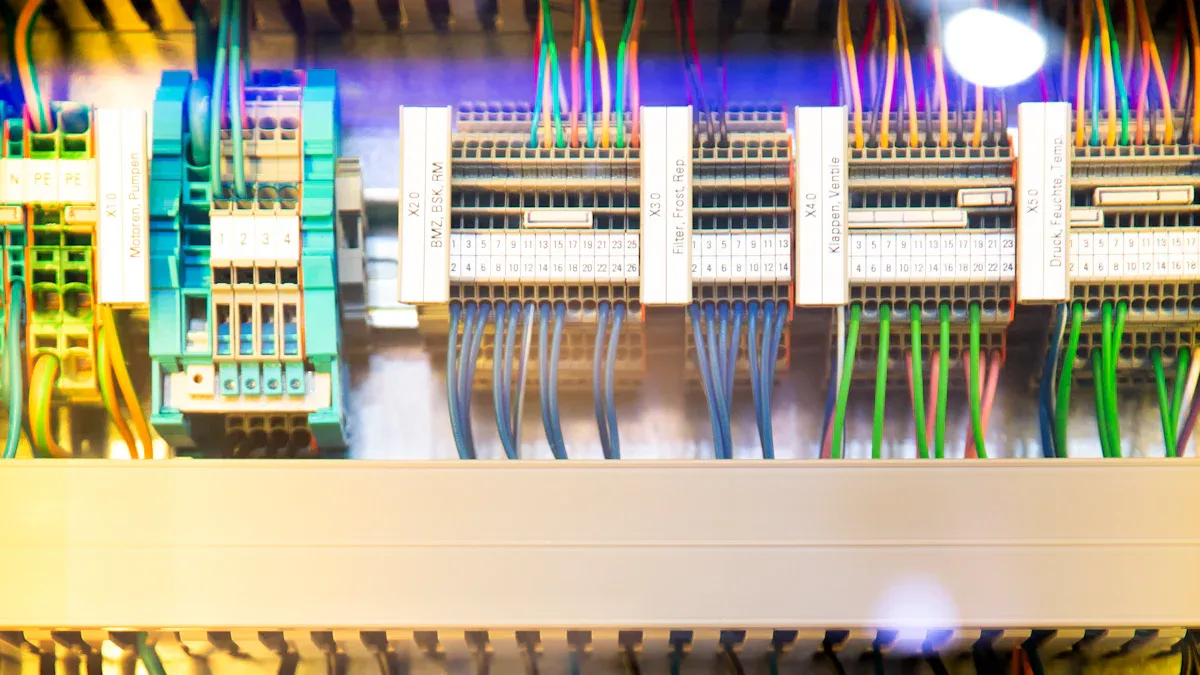
Circuit breakers play a vital role in protecting your electrical system and ensuring safety at home or in industrial settings. For 2025, top circuit breaker brands such as Schneider Electric, Siemens, ABB, and Eaton lead the market with innovative designs. These brands offer advanced safety features, energy-efficient performance, and seamless compatibility with modern panels.
The intelligent solid-state circuit breaker market is set to grow significantly, reaching $167 million by 2025, with a remarkable CAGR of 41.6%. This growth reflects increasing demand for reliable solutions, especially in industries and electric vehicle charging stations. With these brands, you can expect cutting-edge technology tailored to meet evolving electrical needs.
Key Criteria for Choosing Circuit Breakers
Advanced Safety Features
When selecting circuit breakers, safety should always come first. Modern circuit breakers include advanced features that protect your home and electrical systems from potential hazards. For example, many models now offer arc fault detection, which prevents electrical fires caused by faulty wiring. Ground fault protection is another essential feature, especially for areas like bathrooms or kitchens where water exposure increases the risk of shock.
Studies show the importance of verifying circuit breaker settings. In one project, 156 breakers were checked, and 25 required corrections. Another review of 273 breakers found 21 needed adjustments to ensure proper functionality. These findings highlight why you should prioritize safety features and verify your breaker’s settings during installation or an upgrade.
Energy Efficiency and Sustainability
Energy-efficient circuit breakers help reduce electricity consumption and lower your utility bills. They also support sustainability by minimizing energy waste. Smart circuit breakers, for instance, can monitor your energy usage and provide real-time data, allowing you to make informed decisions about your electrical consumption.
When evaluating energy efficiency, consider technical indicators like the rated current and voltage. For example, most circuit breakers operate within an AC voltage range of 200 to 690V. Choosing a breaker that matches your system’s requirements ensures optimal performance and energy savings. Upgrading to energy-efficient models can also help you integrate smart technology into your home, making it more eco-friendly.
Compatibility with Modern Electrical Systems
Ensuring compatibility between your circuit breaker and your electrical panel is crucial. Before purchasing a new breaker, consult an experienced electrician to confirm it aligns with your existing infrastructure. Check that the amperage, voltage rating, and interrupt capacity meet your specific needs.
Follow these steps to ensure compatibility:
Verify that the specifications of the breaker match your panel.
Confirm the make and model of your current panel align with the replacement breaker.
Ensure the breaker’s number of poles suits your system’s requirements.
Upgrading to a compatible breaker not only enhances safety but also allows you to integrate smart technology, such as whole-home surge protectors, into your electrical system.
Durability and Long-Term Reliability
When choosing a circuit breaker, durability plays a key role in ensuring long-term performance. A reliable circuit breaker should withstand wear and tear from daily use while maintaining its functionality over time. You need to focus on materials, design, and certifications to assess durability.
Many modern circuit breakers use high-quality materials like thermoset plastics and corrosion-resistant metals. These materials prevent damage from heat, moisture, and electrical stress. Look for models with reinforced housings and robust internal components. These features reduce the risk of mechanical failure and extend the lifespan of your breaker.
Tip: Check for certifications like UL (Underwriters Laboratories) or IEC (International Electrotechnical Commission). These certifications guarantee that the breaker meets industry standards for durability and reliability.
Durability also depends on the breaker’s ability to handle electrical loads consistently. Overloading can cause premature wear. Choose a breaker with an interrupt capacity that matches your system’s needs. For example, industrial systems often require higher interrupt ratings than residential setups.
To ensure long-term reliability, regular maintenance is essential. Inspect your breaker periodically for signs of wear, such as discoloration or loose connections. Replace aging breakers before they fail to avoid costly repairs or safety hazards.
A reliable circuit breaker not only protects your electrical system but also saves you money by reducing the need for frequent replacements. Investing in a durable model ensures peace of mind and uninterrupted performance for years to come.
In-Depth Reviews of the Best Circuit Breakers
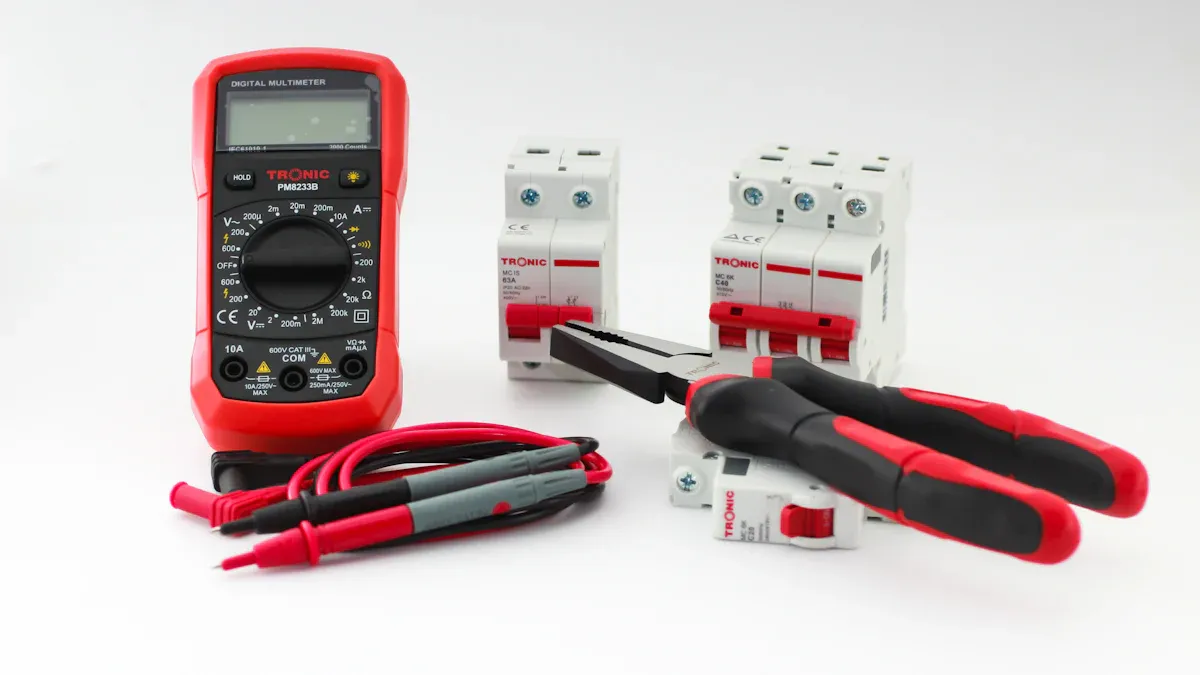
Schneider Electric Circuit Breakers
Schneider Electric is a leading circuit breaker brand known for its innovative designs and reliable performance. These circuit breakers are designed to meet the needs of both residential and industrial users. You can rely on Schneider Electric for advanced safety features, such as arc fault detection and ground fault protection, which help prevent electrical hazards in your home or workplace.
One standout feature of Schneider Electric circuit breakers is their energy efficiency. These breakers are built to minimize energy waste, making them an excellent choice for eco-conscious users. Many models also include smart technology, allowing you to monitor and manage your energy usage in real time. This feature not only reduces your electricity bills but also supports sustainability.
Durability is another key strength of Schneider Electric products. Their circuit breakers are made from high-quality materials that resist wear and tear, ensuring long-term reliability. Whether you need a breaker for your home or a large industrial panel, Schneider Electric offers a wide range of options to suit your requirements.
Tip: Schneider Electric circuit breakers are compatible with most modern electrical panels. Before purchasing, confirm the specifications match your system to ensure seamless integration.
Siemens Circuit Breakers
Siemens is another top circuit breaker brand that delivers exceptional performance and reliability. These circuit breakers are designed to handle a wide range of electrical systems, from residential panels to high-voltage industrial setups. Siemens circuit breakers stand out for their ability to operate in extreme environmental conditions, maintaining high performance without degradation.
Key features of Siemens circuit breakers include:
Voltage range from 72.5 to 145 kV, suitable for various applications.
High short-circuit interruption capacity, ensuring safety during electrical faults.
Two-cycle current interruption for faster fault clearing.
Maintenance-free interrupter units, reducing the need for frequent servicing.
Guaranteed 10,000 switching operations, providing long-term reliability.
Siemens circuit breakers are also easy to install, thanks to their modular design with fewer subassemblies. This feature simplifies the installation process, saving you time and effort. With over 110,000 units delivered worldwide, Siemens has a proven track record of quality and performance.
Note: If you live in a region with extreme temperatures, Siemens circuit breakers are an excellent choice. They perform reliably even in conditions as low as -60°C.
ABB Circuit Breakers
ABB circuit breakers are designed to enhance efficiency and safety across various applications, including industrial, naval, and renewable power generation. This circuit breaker brand is known for its high-quality construction and reliable performance, making it a popular choice for both residential and commercial users.
One of the key advantages of ABB circuit breakers is their operational effectiveness. These breakers are built to handle diverse electrical systems, ensuring consistent performance under different conditions. They also feature easy-to-replace components, which simplifies maintenance and reduces downtime.
ABB circuit breakers prioritize safety with advanced features that protect your home and electrical systems from potential hazards. Their products are also designed to support energy efficiency, helping you reduce electricity consumption and lower your utility bills.
Tip: ABB circuit breakers are ideal for users who value accuracy and reliability. Their high-performance design ensures peace of mind, whether you’re upgrading your home panel or managing a large industrial setup.
Eaton Circuit Breakers
Eaton Circuit Breakers offer a combination of reliability, innovation, and user-friendly features. Whether you're upgrading your home panel or managing a commercial setup, Eaton provides solutions tailored to meet your needs.
Key Features of Eaton Circuit Breakers
Eaton stands out for its advanced technology and robust design. Here are some features you’ll appreciate:
Wide Range of Applications: Eaton breakers work seamlessly in residential, commercial, and industrial systems.
Compact Design: Their space-saving design fits easily into modern electrical panels.
Advanced Safety Mechanisms: Eaton breakers include arc fault and ground fault protection to prevent electrical hazards.
Energy Monitoring: Many models feature smart technology that tracks energy usage, helping you optimize consumption.
High Interrupt Capacity: Eaton breakers handle high fault currents, ensuring reliable performance during electrical surges.
Tip: If you’re looking for a breaker that combines safety and energy efficiency, Eaton’s smart breakers are an excellent choice.
Benefits of Choosing Eaton Circuit Breakers
Eaton Circuit Breakers offer several advantages that make them a top pick:
Durability: Eaton uses high-quality materials like reinforced plastics and corrosion-resistant metals. These materials ensure long-term reliability.
Ease of Installation: Their modular design simplifies installation, saving you time and effort.
Eco-Friendly Options: Eaton’s energy-efficient models reduce electricity waste, supporting sustainability.
Customizable Solutions: Eaton provides breakers with adjustable settings, allowing you to tailor them to your system’s requirements.
Popular Eaton Models
Here’s a quick overview of some popular Eaton circuit breaker models:
| Model | Voltage Range | Applications | Special Features |
|---|---|---|---|
| BR Series | 120-240V | Residential panels | Compact design, easy installation |
| CH Series | 120-240V | Residential and light commercial | Lifetime warranty, arc fault protection |
| Magnum DS Series | Up to 600V | Industrial systems | High interrupt capacity, smart monitoring |
Note: Eaton’s CH Series breakers come with a lifetime warranty, making them a cost-effective choice for long-term use.
Why Eaton is a Reliable Choice
Eaton has earned a reputation for delivering high-quality electrical products. Their circuit breakers undergo rigorous testing to meet industry standards. You can trust Eaton to provide reliable protection for your electrical system.
Regular maintenance ensures optimal performance. Inspect your Eaton breaker periodically for signs of wear or damage. Replace aging components to avoid unexpected failures.
Callout: Eaton’s breakers are compatible with most modern panels. Before purchasing, verify the specifications to ensure a perfect fit.
Eaton Circuit Breakers combine safety, efficiency, and durability, making them a smart investment for your electrical system. Whether you’re upgrading your home or managing a large-scale project, Eaton has the right solution for you.
Comparison of Top Circuit Breakers
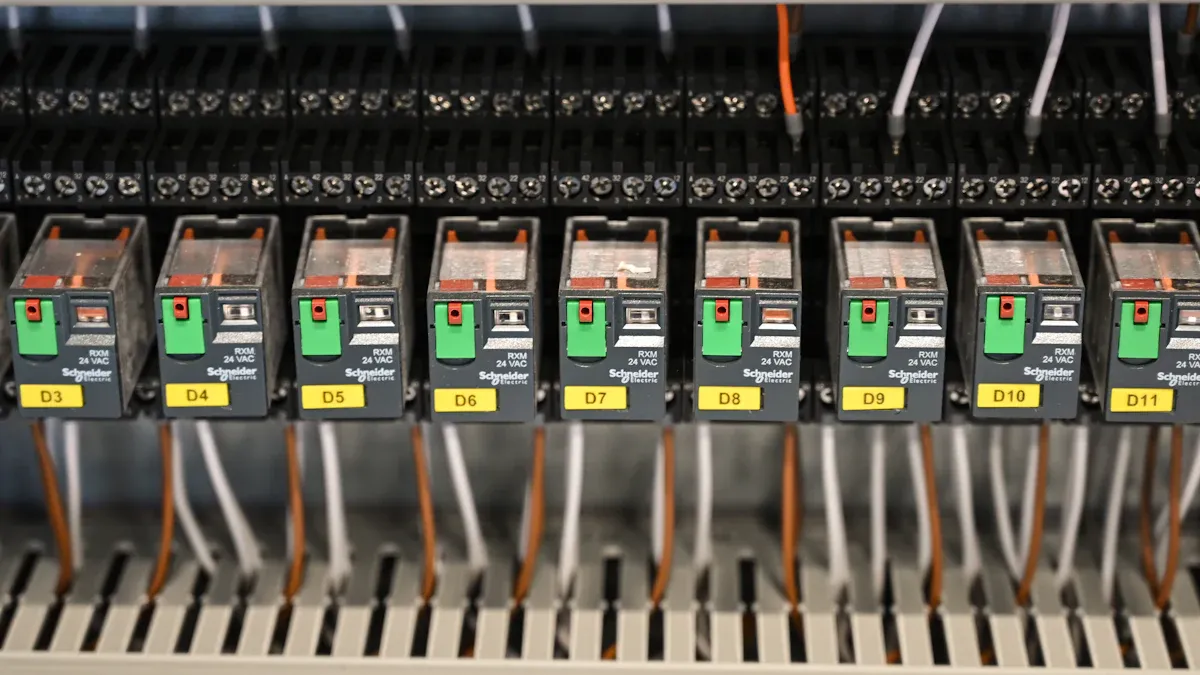
Safety and Reliability
Safety and reliability are critical when choosing circuit breakers for your home or industrial setup. Schneider Electric and Siemens excel in this area. Schneider Electric circuit breakers feature advanced arc fault detection, reducing the risk of electrical fires. Siemens breakers offer high short-circuit interruption capacity, ensuring quick fault clearing during electrical surges.
Durability also plays a role in reliability. Eaton circuit breakers use reinforced plastics and corrosion-resistant metals to withstand wear and tear. ABB breakers prioritize operational consistency, making them ideal for demanding environments. Regular inspections and maintenance further enhance reliability, ensuring your electrical system remains protected over time.
Tip: Always verify the interrupt capacity of your circuit breaker to match your system’s needs. This prevents overloading and ensures long-term reliability.
Energy Efficiency and Cost
Energy efficiency is a growing priority for circuit breaker upgrades. Advanced models integrate smart technology to monitor energy usage, helping you optimize consumption and reduce utility bills. Eaton’s smart breakers and Schneider Electric’s energy-efficient designs stand out for their ability to minimize energy waste.
However, cost considerations can influence your decision. While advanced circuit breakers have higher upfront costs, they offer long-term benefits like reduced maintenance expenses and enhanced reliability.
Technological Innovations: Advanced circuit breakers improve protection, efficiency, and remote monitoring.
Cost Metrics: High initial costs may deter adoption in cost-sensitive markets, but long-term savings make them a worthwhile investment.
Callout: Upgrading to energy-efficient circuit breakers not only lowers costs but also supports sustainability by reducing electricity waste.
Compatibility and Ease of Installation
Compatibility ensures seamless integration with your electrical panel. Schneider Electric and ABB breakers are known for their adaptability to modern systems. Eaton’s compact designs fit easily into residential panels, while Siemens breakers handle high-voltage industrial setups.
Ease of installation varies among brands. Some models, like Eaton’s quick snap installation, simplify the process. Others, such as explosion-proof ABB breakers, require specialized tools like torque wrenches.
| Description | Installation Method |
|---|---|
| Standard switchgear (80mm×80mm cutout), quick snap installation. | Quick snap installation |
| Quick-release buckle installation, supports 30 seconds tool-free replacement. | Tool-free replacement |
| Requires a torque wrench for installation in explosion-proof areas. | Torque wrench for M4 screws (8±1N・m) |
Note: Consult an electrician to confirm compatibility and choose the right installation method for your electrical panel.
Upgrading to a compatible and easy-to-install circuit breaker enhances safety and simplifies maintenance, ensuring your home or industrial system operates efficiently.
Buying Guide for Your Circuit Breaker Upgrade
Evaluating Your Electrical System
Before upgrading your electrical panel box, you need to evaluate your current system. This step ensures the new circuit breaker will meet your home’s power demands and safety requirements.
Signs of overload often indicate the need for an upgrade. Frequent tripped breakers or flickering lights suggest your system struggles to handle the load. If you plan to add more breakers for new appliances or technology, assess whether your panel can support increased power requirements.
Safety concerns should never be ignored. Burning smells or warm electrical panel surfaces signal potential hazards. Upgrading your panel can mitigate these risks and protect your home. Compliance with electrical codes is equally important. Older homes, especially those built before the 1960s, may require upgrades to meet modern standards.
Tip: Hire a qualified electrician to perform a thorough evaluation. They can identify deficiencies and recommend upgrades tailored to your needs.
Budgeting for a Circuit Breaker Upgrade
Budgeting is a crucial part of planning your upgrade. Costs vary depending on the scope of the project and the condition of your electrical panel box.
Replacing an electrical panel typically costs between $519 and $2,142.
Minor repairs can cost as little as $100, but if repair expenses exceed $1,000, replacement is often more cost-effective.
Homes with panels older than 25 years should consider replacement, especially if other electrical issues are present.
When budgeting, weigh the long-term benefits of upgrading against the upfront costs. A modern panel enhances safety, supports energy efficiency, and reduces maintenance expenses.
Callout: If you’re planning expansions or remodels, factor in the cost of upgrading your panel to accommodate new appliances or technology.
Professional Installation vs. DIY
Deciding between professional installation and DIY depends on your expertise and the complexity of the upgrade.
Professional installation ensures safety and compliance with electrical codes. Electricians have the tools and knowledge to handle complex upgrades, such as replacing an outdated panel or installing breakers with advanced features. They also verify compatibility between the new breaker and your system, reducing the risk of errors.
DIY installation may seem cost-effective, but it carries risks. Incorrect installation can lead to electrical hazards, system failures, or voided warranties. If you’re adding more breakers or upgrading to a smart panel, professional help is highly recommended.
Note: Always consult an electrician for major upgrades. For minor tasks, like replacing a single breaker, DIY may be an option if you have the necessary skills and tools.
Investing in professional installation ensures your upgrade is done correctly, protecting your home and electrical system from potential issues.
Choosing the right circuit breaker for your home or workplace ensures safety and efficiency. Schneider Electric, Siemens, ABB, and Eaton offer advanced features like arc fault detection, energy monitoring, and durable designs. These brands provide reliable solutions for modern electrical systems.
Evaluate your needs before making an upgrade. Consider your system’s compatibility, energy efficiency goals, and safety requirements. Upgrading to a modern circuit breaker protects your electrical system and enhances your home’s functionality.
Tip: Consult an electrician to ensure the best fit for your setup and maximize the benefits of your upgrade.
FAQ
1. How do I know if my circuit breaker needs replacement?
Look for signs like frequent tripping, burning smells, or warm panel surfaces. These indicate overload or wear. If your breaker is over 25 years old, consider upgrading. Consult an electrician for a professional evaluation to ensure safety and compliance.
Tip: Regular inspections help identify issues early and prevent costly repairs.
2. Can I install a circuit breaker myself?
You can replace a single breaker if you have the skills and tools. For major upgrades, hire a licensed electrician. Incorrect installation risks electrical hazards and voided warranties. Professional help ensures safety and compliance with electrical codes.
Note: Always prioritize safety when working with electrical systems.
3. What is the difference between arc fault and ground fault protection?
Arc fault protection prevents fires caused by faulty wiring. Ground fault protection reduces shock risks in areas with water exposure, like kitchens or bathrooms. Both features enhance safety and are essential for modern electrical systems.
Callout: Choose breakers with both protections for maximum safety.
4. Are smart circuit breakers worth the investment?
Smart breakers monitor energy usage and provide real-time data. They help optimize consumption, reduce utility bills, and support sustainability. While they cost more upfront, their long-term benefits make them a worthwhile upgrade for eco-conscious users.
Emoji: 🌱 Smart breakers are a green choice for your home!
5. How do I choose the right circuit breaker for my system?
Match the breaker’s amperage, voltage rating, and interrupt capacity to your panel. Verify compatibility with your panel’s make and model. Consult an electrician to confirm specifications and ensure seamless integration.
| Criteria | What to Check |
|---|---|
| Amperage | Matches your system’s load |
| Voltage Rating | Aligns with panel requirements |
| Interrupt Capacity | Handles fault currents safely |
Tip: Compatibility ensures safety and efficiency for your electrical system.
 UTMEL
UTMEL
We are the professional distributor of electronic components, providing a large variety of products to save you a lot of time, effort, and cost with our efficient self-customized service. careful order preparation fast delivery service
 The Development Trends in the Field of Electronic Component ApplicationsUTMEL28 July 20234664
Electronic components form the backbone of all the technologies we see around today. Every innovative technology and flashy gadget we use has been fueled by these components. Moreover, electronic component applications expand to diverse fields and industries, including consumer electronics, healthcare, education, military, and similar others.
Read More Exploring the Strengths and Hurdles of Wide Bandgap Devices in Alternating Current Electric DrivesSaumitra Jagdale19 January 20243288
Wide-bandgap materials have emerged as pioneers in the era of power devices, altering the performance and efficiency of electronic systems. Silicon, the traditional semiconductor material, has limitations that become apparent as power requirements escalate. WBG materials, such as silicon carbide and gallium nitride, possess high switching frequency, low losses and high-temperature operating capability making them an ideal choice in power devices.
Read More Revolutionizing Automotive Traction: A Comprehensive Review of Multiphase Drives for Next-Generation VehiclesUTMEL04 May 20233804
In recent years, the revolutionary development of power electronics and converters paved the way for more scope for research in multiphase drives.
Read More Unveiling the Magic Behind TWS Earbuds: An Analysis of Their Market, Working, and Core ComponentsUTMEL24 July 20235251
TWS (True wireless stereo) is one of the most advanced sound technologies of recent days. It provides awesome sound quality through Bluetooth Connection. From this little device, you can enjoy anything (movies, videos, etc...) wirelessly.
Read More Automatic Voltage Regulator: Ultimate Guide to Stable Power and Equipment ProtectionUTMEL06 May 20258140
This in-depth manual will explore the realm of automatic voltage regulators. We'll go over what they are, how they work, their important advantages, and factors to take into account while selecting one. By the conclusion, you'll see why an AVR is essential to modern operations and living, not simply a nice-to-have.
Read More
Subscribe to Utmel !
![1399112]() 1399112
1399112Essentra Access Solutions
![1399113]() 1399113
1399113Essentra Access Solutions
![19331]() 19331
19331Essentra Access Solutions
![1699111001]() 1699111001
1699111001Essentra Access Solutions
![1699111002]() 1699111002
1699111002Essentra Access Solutions
![299123]() 299123
299123Essentra Access Solutions
![149912001]() 149912001
149912001Essentra Access Solutions
![9956321]() 9956321
9956321Essentra Access Solutions
![149912002]() 149912002
149912002Essentra Access Solutions
![3210]() 3210
3210Keystone Electronics


