Product
 Brand
Brand Articles
 Tools
Tools
Comparing Heat Sink Types for Modern Applications
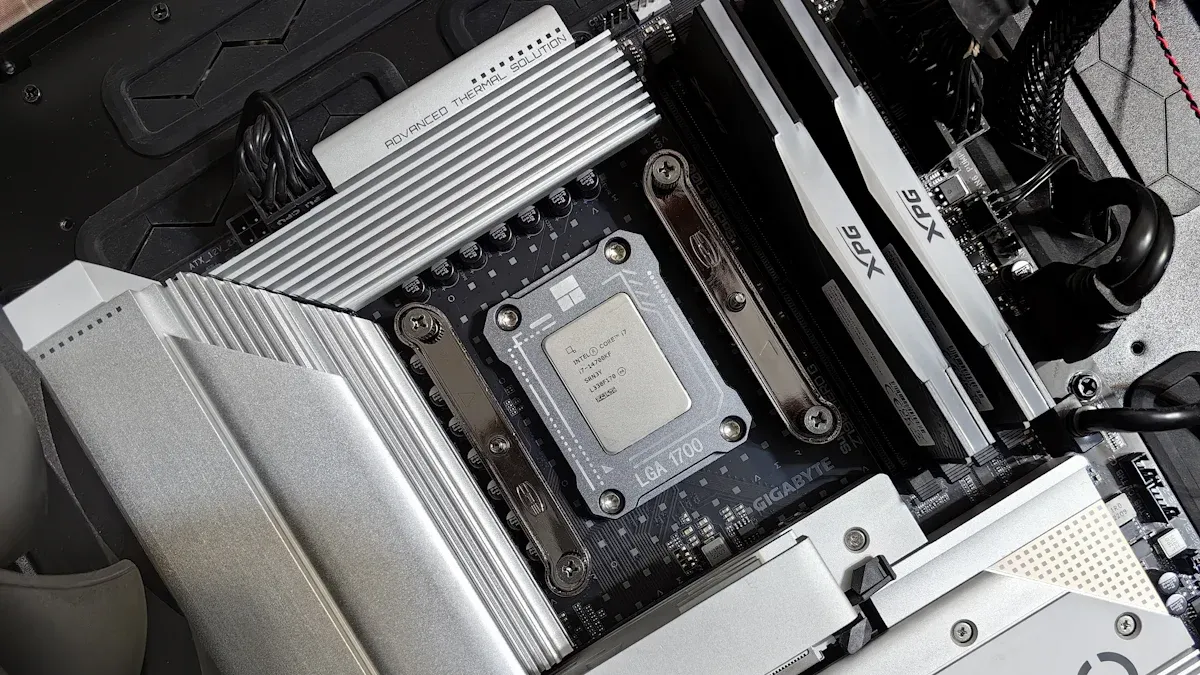
Modern electronics face growing challenges in managing heat due to rising power levels and shrinking device sizes. Without proper cooling, these issues can harm performance and reduce the lifespan of your devices. Heat sinks play a critical role in dissipating thermal energy, ensuring efficient operation. For instance, innovative designs like wavy channels with secondary holes have shown to reduce thermal resistance by over 55% and improve temperature uniformity by 36%. Understanding the right heat sink for your needs can help you maintain optimal performance while protecting sensitive components.
Overview of Heat Sink Types
Heat sinks are essential for managing heat in modern electronics. They come in two primary categories: active and passive. Each type offers unique advantages depending on your application needs.
Active Heat Sinks
Active heat sinks use external devices to enhance heat transfer. These devices, such as fans, pumps, or thermoelectric coolers (TECs), increase fluid flow and improve convection. This approach makes active heat sinks highly effective for applications requiring rapid cooling or handling high heat loads. For example, hybrid designs combining microchannels and jet impingement have demonstrated superior cooling performance, with numerical simulations showing a maximum temperature difference of 5.5 K when using 22 jet numbers.
Active cooling solutions are ideal for high-performance electronics like gaming PCs or industrial equipment. However, they require electricity to operate, which increases energy consumption and operational costs. Despite this, their ability to optimize thermal management makes them a popular choice for demanding applications.
Passive Heat Sinks
Passive heat sinks rely on natural convection and heat dissipation without external energy input. They are simpler and more cost-effective than active solutions. A study on passive cooling techniques for photovoltaic panels found that perforated L-profiles improved efficiency by 2%. Additionally, high-emissivity coatings can significantly enhance performance. Experiments revealed that coated passive heat sinks achieved a maximum temperature difference of 26 °C compared to uncoated ones at a heating power of 18 W. The coating also increased the total heat transfer coefficient by 23% and reduced thermal resistance by 18%.
Passive heat sinks are well-suited for low-power devices or environments where energy efficiency is a priority. Their simplicity and reliability make them a common choice for consumer electronics and small-scale applications.
Common Materials for Heat Sinks
Selecting the right material for your heat sink is crucial for optimizing thermal performance. Aluminum and copper are the most commonly used materials due to their excellent thermal properties and widespread availability.
Aluminum Heat Sinks
Aluminum heat sinks are popular for their lightweight design and cost-effectiveness. They perform well in both natural and forced convection cooling methods. In natural convection, pin fins outperform other designs by 10–15%, while serrated fins follow closely behind. Straight fins, however, show the lowest efficiency. Forced convection improves performance significantly, with air velocity and fin design playing key roles.
The required surface area for effective heat dissipation in extruded aluminum heat sinks can be estimated using the formula:Required Surface Area (cm²) ≈ 50 × Power (W) ÷ (Tmax – Tambient)
This formula provides a starting point for sizing heat sinks, though actual performance depends on factors like fin spacing and enclosure design. Aluminum heat sinks are ideal for applications where weight and cost are critical considerations.
Copper Heat Sinks
Copper heat sinks excel in thermal conductivity, making them highly efficient for heat dissipation. Foam copper with higher porosity outperforms traditional metal fins, as studies show. Copper’s ability to enhance thermal conductivity makes it a preferred choice for demanding applications, such as high-performance computing and industrial equipment.
Copper’s density and cost are higher than aluminum, but its superior thermal performance often justifies the investment. For example, copper-based heat sinks embedded with phase change materials (PCMs) have demonstrated significant improvements in temperature control duration, extending it by 24%. This makes copper heat sinks an excellent choice for applications requiring precise thermal management.
Aluminum vs. Copper: Key Comparisons
When comparing aluminum and copper heat sinks, you’ll notice distinct advantages for each material. Aluminum offers lower weight and cost, while copper provides higher thermal conductivity. The minimum thermal resistance for aluminum heat sinks is 0.04 °C/W, with a maximum heat dissipation capacity of 202 W. Copper, on the other hand, excels in applications requiring enhanced heat transfer.
The choice between aluminum and copper depends on your application’s priorities. If weight and budget are your main concerns, aluminum heat sinks are the better option. For applications demanding maximum thermal efficiency, copper heat sinks deliver superior results.
Heat Sink Design and Manufacturing Methods
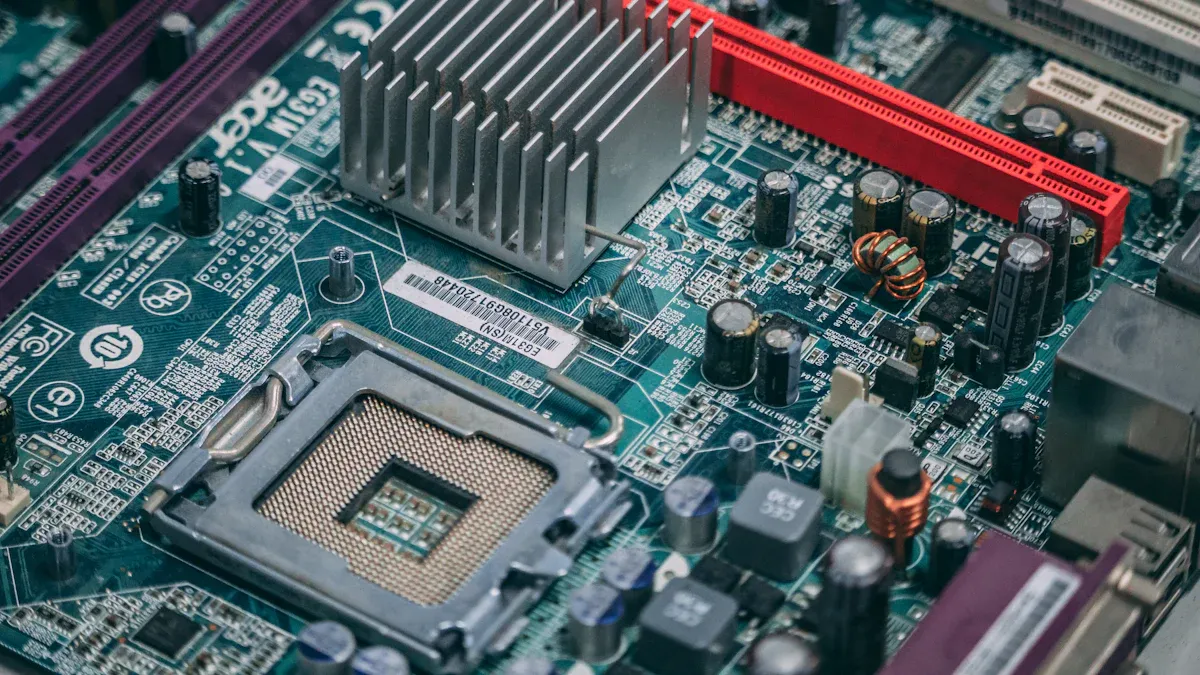
Solid Metal Base Heat Sinks
Solid metal base heat sinks are among the simplest and most reliable designs for managing heat. These heat sinks use a single block of metal, such as aluminum or copper, to transfer heat away from electronic components. Their high thermal conductivity ensures efficient heat dissipation, making them ideal for high-power applications. For instance, a study on stainless steel heat sinks revealed that operating temperatures could rise significantly in vacuum environments, exceeding atmospheric pressure temperatures by up to 66%. This highlights their ability to handle thermal loads effectively, even under challenging conditions.
You might choose a solid metal base heat sink if you need a straightforward solution with consistent performance. These designs work well in applications where durability and reliability are priorities.
Heat Pipes and Embedded Heat Pipes
Heat pipes enhance heat sink performance by transferring heat quickly from one area to another. These pipes, often made of copper, use a liquid-vapor cycle to move heat efficiently. When embedded into a heat sink, they improve thermal conductivity and reduce thermal resistance. For example, grooved microchannels in heat pipes can boost heat transfer rates by 28%. Additionally, studies show that rectangular ribs in microchannel heat sinks perform best at lower flow rates, while elliptical ribs excel at higher ones.
If your application demands rapid heat transfer, consider a heat pipe with copper base integration. This combination ensures optimal performance, especially in high-power or compact designs.
Vapor Chambers
Vapor chambers take heat sink design to the next level by offering superior thermal conductivity and uniform heat distribution. These flat, sealed chambers use a working fluid to spread heat evenly across their surface. Compared to traditional heat spreaders, vapor chamber bases significantly reduce thermal resistance. Research shows that a vapor chamber with a heat pipe spreader can lower chip temperatures by 50 °C and reduce overall thermal resistance by 50% to 55%.
You should consider vapor chambers for applications requiring precise temperature control. Their ability to handle high heat loads makes them a popular choice for advanced electronics like GPUs and CPUs.
Extruded Heat Sinks
Extruded heat sinks are a popular choice for managing heat in electronics due to their consistency and design flexibility. Manufacturers create these heat sinks by forcing aluminum or copper through a die to form intricate shapes. This process ensures uniform fin structures, which improve thermal performance.
Tip: Extruded heat sinks work best in applications requiring lightweight designs and efficient heat transfer.
Industry tests show that extruded designs can lower device temperatures by several degrees Celsius, extending the lifespan of components. Experts often recommend extrusion for its ability to handle complex designs while maintaining efficiency.
Advantages of Extruded Heat Sinks:
Better consistency compared to stamped heat sinks.
Greater design flexibility than forged heat sinks.
Superior thermal contact compared to bonded fin heat sinks.
Ventola et al. compared aluminum alloy heat sinks made with Direct Metal Laser Sintering (DMLS) to traditional copper heat sinks. Their study revealed that DMLS technology improved cooling by 50% for flat designs and 20% for finned designs. This highlights the potential of advanced manufacturing methods to enhance extruded heat sink performance.
Bonded Fin Heat Sinks
Bonded fin heat sinks offer high efficiency and flexibility, making them ideal for high-power applications. Their construction allows for thicker fins, which improves heat dissipation even at greater heights. You can also combine materials like aluminum and copper to optimize thermal management without adding excessive weight.
The design of bonded fin assemblies supports advanced features like embedded heat pipes and vapor chambers. These additions further enhance thermal performance, making bonded fin heat sinks suitable for environments requiring robust cooling solutions. For example, industrial equipment and high-performance computing systems often benefit from these adaptable designs.
Skived Fin Heat Sinks
Skived fin heat sinks use a unique manufacturing process where fins are carved directly from a solid block of metal. This method eliminates the need for bonding or soldering, resulting in better thermal conductivity. Skived fins are typically made from copper or aluminum, ensuring efficient heat transfer.
You’ll find skived fin heat sinks particularly useful in compact designs where space is limited. Their seamless construction reduces thermal resistance, making them ideal for applications like laptops and small-scale electronics. Additionally, their ability to handle high heat loads ensures reliable performance in demanding environments.
Stamped Heat Sinks
Stamped heat sinks are a cost-effective solution for thermal management. Manufacturers create these heat sinks by stamping thin sheets of metal, such as aluminum or copper, into the desired shape. This process allows for mass production at a lower cost compared to other methods. Stamped heat sinks are lightweight and suitable for applications where budget and weight are critical factors.
You’ll find stamped heat sinks commonly used in consumer electronics, such as LED lighting and small appliances. Their simple design makes them easy to integrate into compact devices. However, they may not perform as well as other types in high-power applications due to their limited thermal conductivity. For better results, you can pair stamped heat sinks with active cooling methods, like fans, to enhance heat dissipation.
While stamped heat sinks are affordable, their performance depends on the material and design. Aluminum versions are lightweight and corrosion-resistant, while copper options offer better thermal conductivity. Choosing the right material ensures optimal performance for your specific needs.
Forged Heat Sinks
Forged heat sinks are known for their durability and superior thermal performance. The cold forging process shapes metal under high pressure, preserving its strength and structural integrity. This method creates heat sinks with fine surface finishes, which improve heat transfer efficiency. Forged designs also allow for intricate shapes without extensive post-processing, making them ideal for demanding applications.
| Feature | Benefit |
|---|---|
| High Pressure Shaping | Maintains metal strength and durability. |
| Fine Surface Finishing | Enhances heat dissipation by reducing thermal resistance. |
| Structural Integrity | Aligns metal grains for increased strength in high-stress environments. |
| Complex Shape Precision | Enables efficient designs for maximum thermal performance. |
| Quality Standards | Ensures consistent manufacturing and reliable performance. |
Forged heat sinks excel in high-power electronics, such as industrial machinery and automotive systems. Their ability to handle extreme conditions makes them a reliable choice for critical applications. If you need a heat sink that combines strength, efficiency, and precision, forged options are worth considering.
CNC Machined Heat Sinks
CNC machined heat sinks offer unmatched precision and customization. Using computer-controlled tools, manufacturers can create intricate designs tailored to specific applications. This method is particularly effective for liquid-cooled heat sinks, where precise shapes and dimensions are crucial for optimal performance.
| Aspect | Details |
|---|---|
| Study Focus | Evaluates technical and commercial viability of liquid-cooled designs. |
| Key Findings | Identifies optimal pin fin shapes and cost-effective designs. |
| Methodology | Case study using micro-end milling for manufacturing. |
| Performance Metrics | Assesses cost-performance trade-offs with PPTC parameters. |
| Conclusion | Designs exceeded cooling needs with low costs and power consumption. |
CNC machining allows you to achieve high-performance cooling with minimal waste. It’s ideal for applications requiring precise thermal management, such as data centers and advanced computing systems. Although CNC machined heat sinks may cost more upfront, their efficiency and reliability often justify the investment.
Choosing the Right Heat Sink for Your Application
Evaluating Thermal Performance, Cost, and Weight
Choosing the right heat sink requires balancing thermal performance, cost, and weight. Each factor plays a critical role in determining the effectiveness of your thermal solution. For instance, thermal performance, often measured by delta-t (temperature difference), indicates how efficiently a heat sink dissipates heat. Lightweight designs, such as aluminum heat sinks, are ideal for portable applications, while copper heat sinks offer superior thermal conductivity for high-performance needs.
Tip: Always consider the trade-off between weight and performance. While copper provides better thermal conductivity, its higher density adds weight, which may not suit compact designs.
The table below highlights statistical comparisons across diverse heat sink solutions:
| Heat Sink Type | Thermal Performance (delta-t) | Weight (grams) | Cost Efficiency |
|---|---|---|---|
| Solid Metal Base (Aluminum/Copper) | Above 35 °C | 500 - 1,055 | Least expensive |
| Embedded Heat Pipes (Aluminum) | Improved by 26 °C | Roughly doubled | Higher than solid |
| Vapor Chamber Base (4mm) | Lowest at 26.0 °C | N/A | N/A |
Understanding these metrics helps you evaluate the best thermal solution for your application. For example, vapor chambers excel in minimizing delta-t, making them ideal for high-performance computing systems.
Matching Heat Sink Types to Application Needs
Matching heat sink types to specific applications ensures optimal thermal management. Different applications demand unique solutions based on thermal load, space constraints, and operational environments.
High-performance computing: Vapor chambers and embedded heat pipes handle high thermal loads effectively. Their ability to maintain low delta-t makes them suitable for GPUs and CPUs.
Consumer electronics: Lightweight and compact designs, such as extruded aluminum heat sinks, work well for devices like smartphones and tablets.
Industrial equipment: Bonded fin heat sinks offer robust cooling for heavy-duty applications. Their flexibility allows integration with advanced features like heat pipes.
Compact designs: Skived fin heat sinks provide high fin density, ensuring efficient heat dissipation in tight spaces.
Note: Consider factors like noise tolerance and reliability when selecting a heat sink. Active cooling solutions may generate noise, while passive designs require minimal maintenance.
The table below summarizes key considerations for matching heat sink types to application needs:
| Heat Sink Type | Application Needs | Key Considerations |
|---|---|---|
| High-performance | Requires high thermal dissipation capabilities for computing environments | Thermal performance, size constraints |
| Consumer electronics | Prioritizes compact and lightweight designs | Weight limitations, environmental conditions |
| Extruded heat sinks | Suitable for mass production due to low cost and simplicity | Manufacturing process, cost-effectiveness |
| Bonded heat sinks | Offers improved thermal performance but is more complex and expensive to produce | Performance vs. cost, design flexibility |
| Skived heat sinks | Provides high fin density and flexibility but is heavier | Weight considerations, application-specific needs |
Selecting the right heat sink requires understanding the differences in types, materials, and designs. Active heat sinks excel in high-performance applications, while passive ones suit energy-efficient devices. Aluminum offers lightweight affordability, whereas copper provides superior thermal conductivity for demanding tasks. Manufacturing methods like vapor chambers and skived fins cater to specific needs, from compact designs to heavy-duty cooling.
Balancing performance, cost, and application requirements ensures optimal results. Numerical studies highlight key considerations, such as prioritizing specifications, defining acceptable ranges, and ensuring scalability for future needs:
| Design Consideration | Description |
|---|---|
| Prioritizing Specifications | Focus on critical requirements, such as power consumption over data rate in battery-powered devices. |
| Defining Acceptable Ranges | Establish minimum and maximum limits for specifications to handle real-world variations. |
| Considering Scalability | Ensure the design can adapt to future application changes and requirements. |
Tip: Evaluate your application’s thermal load, space constraints, and budget to choose the best solution. Lightweight aluminum heat sinks work well for portable devices, while copper excels in high-power systems.
FAQ
What is the main purpose of a heat sink?
A heat sink dissipates heat from electronic components to prevent overheating. It ensures devices operate efficiently and last longer by maintaining optimal temperatures.
How do you choose between active and passive heat sinks?
Active heat sinks work best for high-performance systems requiring rapid cooling. Passive heat sinks suit low-power devices or applications prioritizing energy efficiency.
Why is copper better than aluminum for heat sinks?
Copper offers superior thermal conductivity, making it ideal for high-power applications. Aluminum is lighter and more affordable, which makes it better for portable or budget-sensitive designs.
Can you combine different heat sink types?
Yes, hybrid designs like bonded fin heat sinks with embedded heat pipes combine the strengths of multiple types. These designs improve thermal performance for demanding applications.
Are advanced manufacturing methods worth the cost?
Advanced methods like CNC machining or vapor chambers enhance precision and efficiency. They are worth the investment for applications requiring high-performance cooling or compact designs.
 UTMEL
UTMEL
We are the professional distributor of electronic components, providing a large variety of products to save you a lot of time, effort, and cost with our efficient self-customized service. careful order preparation fast delivery service
 What is a Thyristor?UTMEL11 December 202011149
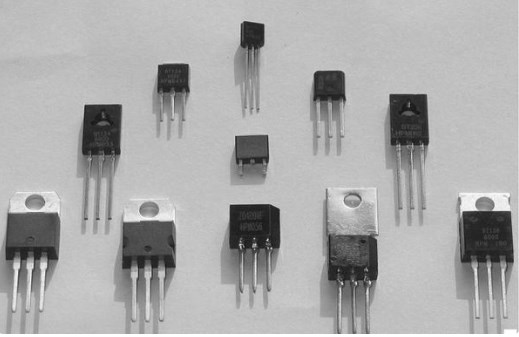
Thyristor, also known as silicon controlled rectifier (SCR), can control its conduction through a signal, but cannot control its turn-off, so it is called a semi-controlled device. The name thyristor often refers specifically to a basic type of thyristor, but broadly speaking, thyristors also include many derivative devices, such as Tri-Electrode AC switch (TRIAC), Fast Switching Thyristor (FST), Reverse-Conducting Thyristor (RCT) and Light-Triggered Thyristor (LTT).
Read More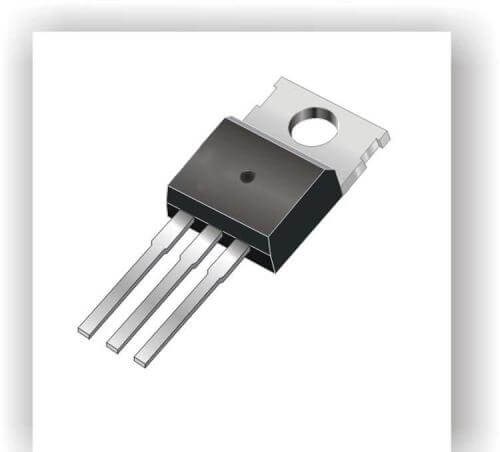 Introduction to Silicon Controlled RectifierUTMEL25 September 20208617
Silicon Controlled Rectifier, abbreviated as SCR, is a high-power electrical component, also known as a thyristor. It has the advantages of small size, high efficiency and long life. In the automatic control system, it can be used as a high-power drive device to realize the control of high-power equipment with low-power controls. It has been widely used in AC and DC motor speed control system, power control system and servo system.
Read More An Introduction to DIACsRakesh Kumar, Ph.D.21 May 20254690
This article explores DIACs, detailing their structure, operating characteristics, and applications in power electronics as bi-directional semiconductor switches for AC control circuits.
Read More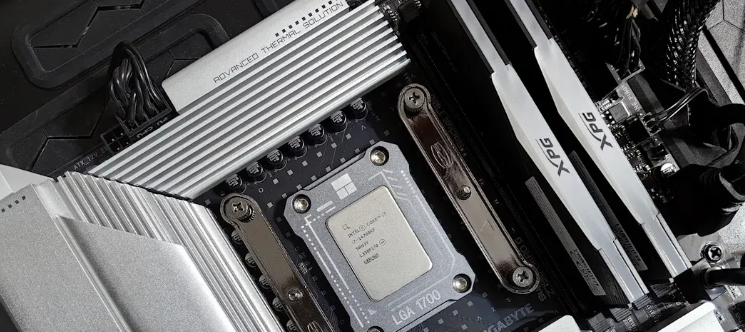 Comparing Heat Sink Types for Modern ApplicationsUTMEL19 July 20253158
Compare active and passive heat sinks, their materials, and designs to find the best cooling solution for electronics, balancing performance and cost.
Read More
Subscribe to Utmel !
![855-301/400-1001]() 855-301/400-1001
855-301/400-1001WAGO Corporation
![855-305/400-1001]() 855-305/400-1001
855-305/400-1001WAGO Corporation
![855-5005/400-001]() 855-5005/400-001
855-5005/400-001WAGO Corporation
![855-5001/600-000]() 855-5001/600-000
855-5001/600-000WAGO Corporation
![855-4001/150-001]() 855-4001/150-001
855-4001/150-001WAGO Corporation
![855-505/1000-1001]() 855-505/1000-1001
855-505/1000-1001WAGO Corporation
![855-3001/250-001]() 855-3001/250-001
855-3001/250-001WAGO Corporation
![KT7100]() KT7100
KT7100Siemens
![KT7050]() KT7050
KT7050Siemens
![KT9050]() KT9050
KT9050Siemens