Product
 Brand
Brand Articles
 Tools
Tools
Huang Renxun: Nvidia Is No Longer a GPU Company
How Nvidia Won AI
Nvidia Is a Computing Platform Company, Not a GPU Company
Over the last decade or so, we've been doing several things, and some very important things have happened. There has been a fundamental change in the way computer science is done, in the way software is created, and what software can now do. We used to build computers and computer systems that were developed primarily for human software developers to write software. Over the years, the deployment of that software has evolved to the point where it can be enhanced by artificial intelligence and machine learning. So [Nvidia] has been working on a whole set of new computing, from the chip to the system to the entire data center, across all the software, the engines, if you will, the middleware, the SQL engines, and, for example -- we call it Nvidia AI and Nvidia Omniverse -- and the types of tools and frameworks needed to build those applications. We've been working on the whole stack -- we call it the four-tier stack -- so that we can reinvent computer science and computing over the next decade, and machine learning, artificial intelligence, and data-driven approaches will be pretty much everything we do. So yesterday we announced the full stack. And I think it's clear that Nvidia has evolved from a GPU chip company to a computing platform company.
Remote Work: Being a Digital Company

NVIDIA has probably grown faster in the last few years than the last 10 years combined. As a digital company, we're probably pretty comfortable. We're probably happy working remotely and collaboratively across the planet. We're actually likely to work better when we allow employees to choose the most productive time and let them optimize it and let mature employees optimize their work environment and work time frames and work styles around what works best for them and their families. So it's very likely that all of that is happening. It's also absolutely true that it forces us to put more energy into the virtual work that we do. For example, in the last few years, the workaround Omniverse has really gone into light speed because we need it. We can't go into our labs to work on our robots, we can't go out on the street to test our cars, we have to test them in the virtual world, in the digital twin. We found that we could iterate our software in digital twins, if not better. We could have millions of digital twin cars, not just a hundred. So there are a lot of things that I think any world might do without having to dress up and commute to work and commute to work. Maybe that's why this hybrid approach to work is pretty good. But it's definitely a positive situation to force yourself to be more digital and more virtual than you've ever been before.
Diversifying to Meet Chip Supply Challenges
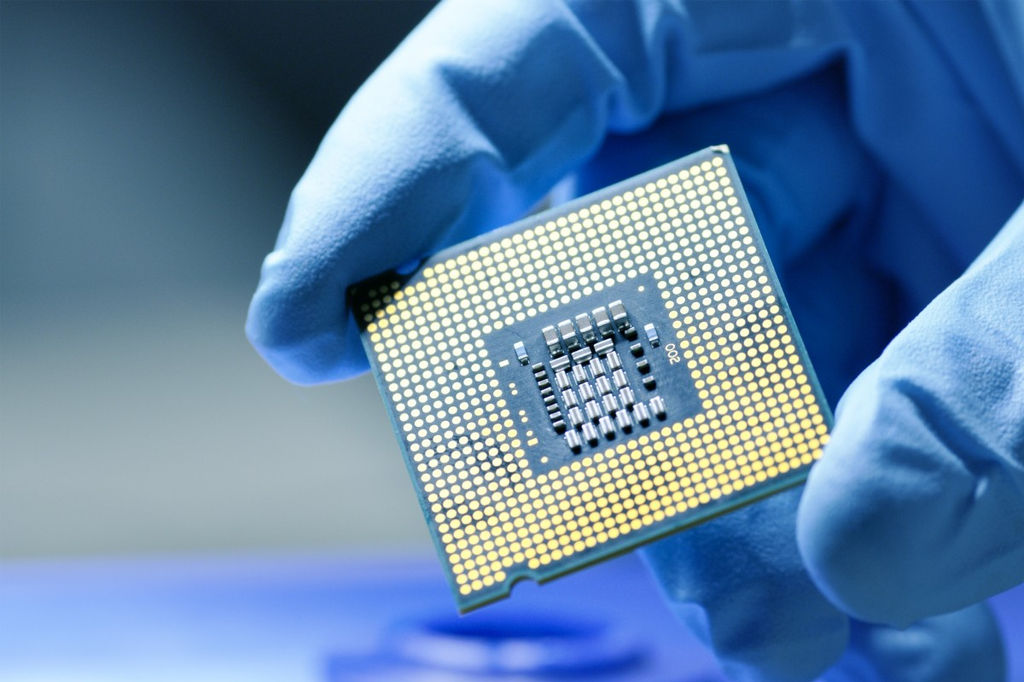
The first thing we did when we started having challenges in our supply chain was to start creating diversity and redundancy, which is the first principle of resilience. We realized we needed to be more resilient. So over the last few years, we've built diversity in the number of process nodes that we use. So we've limited more process nodes. We have more wafer fabs than ever before. We have certified more substrate suppliers, more assembly partners, and more system integration, partners. We have sourced and certified more external components for the second time. So our supply base has probably quadrupled in the last two years. So that's one of the areas that we're committed to, otherwise, NVIDIA's torrent growth rate would not have been possible. We're going to grow even more this year. So I think when you're facing adversity and challenges, it's important to go back to the first principles and say to yourself: this is unlikely to be a once-in-a-lifetime thing. What can we do to be more resilient? What can we do to diversify and expand our supply base?
Impact of Nvidia's Proposed Failed ARM Acquisition
ARM is a unique asset. It is a unique company. You won't build another ARM, because it takes 35 years to build. You can build something else, but you won't build that. Do we need it to be successful as a company? Absolutely not. Would it be great to have something like this? The answer is yes. The reason for this is that, as a company owner, you want to have a lot of assets. You want to have a great platform. Of course, I'm disappointed we didn't go through with it. But the result is that we have a great relationship with the entire management team at ARM, and they understand our company's vision for the future of high-performance computing, and they're excited about it. I think that naturally drove ARM's roadmap to be more aggressive in the direction of high-performance computing, and I needed them. So I think the end result of it was to inspire leadership on the future of high performance and the direction that it's important to Nvidia. It's great for them, too, because that's where the next opportunity is. Mobile devices are still going to be around and they're going to do very well. However, the next big opportunity is in these AI factories, cloud AI and edge AI. This way of developing software is so transformative, and we've only seen the tip of the iceberg of it. As far as our internal development, we're even more excited about ARM, and you can see we've doubled the number of ARM chips we have. For the robot ARM chips, we have several in development. orin is in production this month, which is a home run for us. So we're going to build more stuff in that direction. Grace is doing incredibly well. I think we wanted to build a CPU that was very different from the CPUs that are available today and solve a very new kind of problem that we know exists in the AI world. So we built Grace for that, and we were surprised that people thought of it as a superchip rather than a collection of small chips, and the connectivity of the Superchips and the benefits of doing that. You're going to see a lot more of that in this direction.
Become a Partner or Competitor of Intel as It Moves to Manufacture

Our strategy is to expand our supply base with diversity and redundancy at every layer: the chip layer, the substrate layer, the assembly layer, the system layer, and every layer. We've diversified the number of nodes. We diversified the number of foundries. Intel is a great partner for us. We use their CPUs for all of our accelerated computing platforms. When we pioneer new systems, as we just did with Omniverse computers - we worked with them to build the first generation of Omniverse computers - our engineers work closely together. They were very interested in us using their foundry. We were very interested in exploring it. Becoming a TSMC-level foundry is not for the faint of heart. It's not just a change in process technology and capital investment, it's a cultural shift from a product-oriented company, a technology company, to a product-technology, service-oriented company. And it's not a service company like serving you a cup of coffee, but a service company that actually mimics your operations and dances with you. TSMC dances with the operations of 300 companies around the world. And our own operation is an orchestra. Yet they dance with us. And then they dance with another orchestra. So the ability to dance with all these different operations teams, and supply chain teams is not timid, and TSMC does it very well. So it's management, its culture, its core values. They do that on top of their technology and their products. So I'm encouraged by the work that Intel has done. I think that's the direction they have to go. We're interested in looking at process technology. So I think we have a long relationship with Intel. We work with them in a lot of different areas. Every laptop, every PC, every server, every supercomputer, we're collaborating.
Focused on Organic Growth
We prefer to build everything ourselves, and Nvidia has so much technology and so much technical prowess. Some of the greatest computer scientists in the world work here. So we're organically built as a natural way of doing things. And yet, every once in a while, something amazing happens. A long time ago, the first big acquisition we made at that time on a pro-rata basis was 3dfx. that was because 3dfx was great. The computer graphics engineers there, the computer graphics scientists there, are still working here. Many of them built the latest generation of GPUs. so 3dfx was the first. The next one really worth highlighting is Mellanox. it's a once-in-a-lifetime thing. You're not going to make another Mellanox. there will never be another Mellanox in the world, it's not going to happen again. This company has incredible talent, the platform they've created, the ecosystem they've built over the years to integrate into the world, all of that. You're not going to recreate it. Then there's the next one: you'll never build it: another ARM. I think I have a great partnership with the world of computing. there are very few Mellanoxes and very few ARMs. The good thing is that we are very good at organic growth. Look at all the new ideas we have every year. That's our general approach.
NVIDIA's Potential Relationship With Intel Foundry Services
In Intel's case, the foundry discussion took a long time. It's not just desired, but we have to align technology. The business model has to be aligned. The production capacity had to be aligned. The processes and nature of the operations of the two companies had to be aligned. This takes quite a long time and requires a lot of in-depth discussions. You know, we don't buy milk here. This is really about supply chain integration. Our partnerships with TSMC and especially Samsung have taken several years to cultivate over the past few years. So, we are open to considering Intel. I'm pleased with the efforts they've made.
Off-the-shelf vs. Custom Components
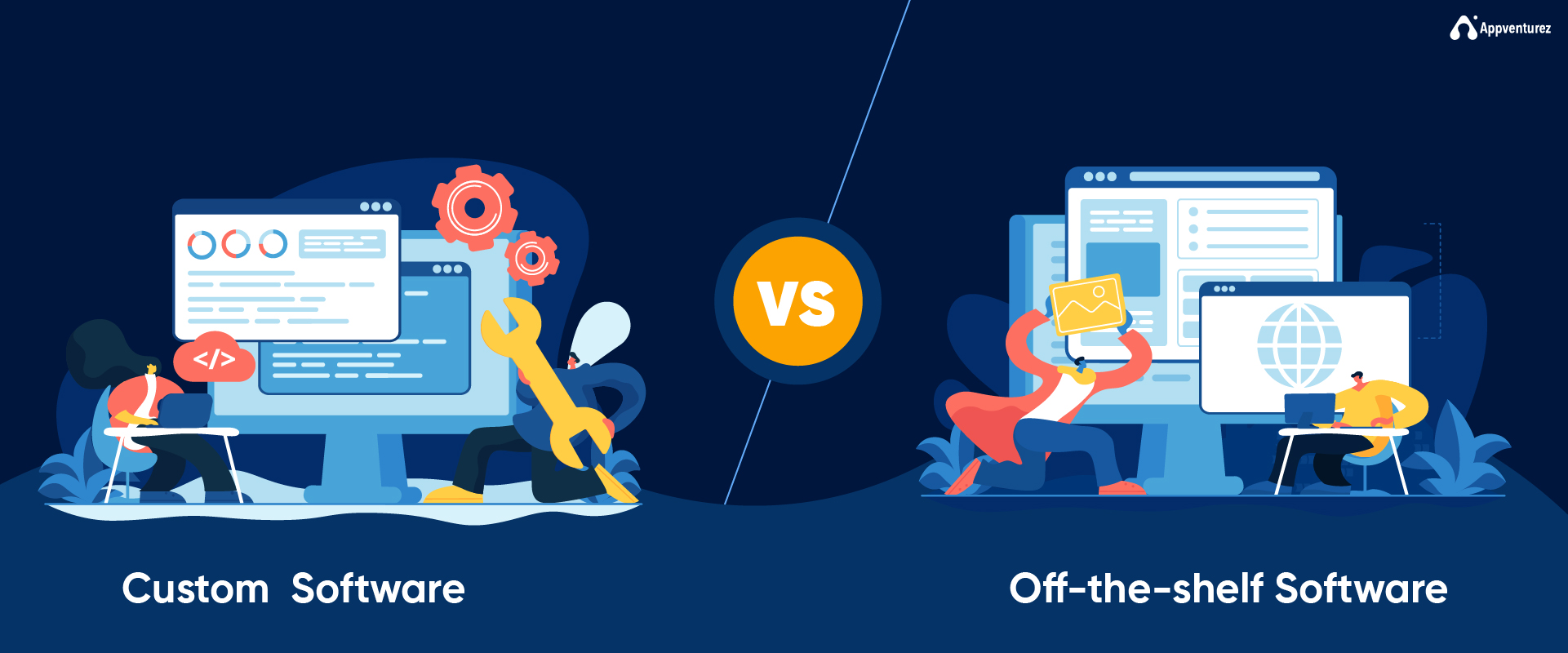
Our preference is to use what is readily available. If someone else wants to do something for me, I can save my engineering to do something else. So we try to balance - well, not balance - we always try to not do something that could be done elsewhere. We encourage third parties, we encourage our partners, to tend to build things that help us so that we can take them off the shelf. And I think over the last couple of years, ARM's roadmap has led to higher and higher performance, which I love. It's fantastic. I could use it. [NVIDIA's new ARM-based CPU] What's special about Grace is the system architecture around Grace and, very importantly, the whole ecosystem on top of it. grace will have pre-engineered systems that can be accessed. Very importantly, Grace will have all the Nvidia software that can immediately benefit from it. When we worked with Mellanox, we ported all of our video software to Mellanox, and the benefit and value to our customers are in the "X" factor. So we're going to do the same thing with Grace. So I think we can get it off the shelf because they have a CPU with the level of performance that we need. ARM builds great CPUs. in fact, the engineering team is world-class. However, anything they don't want to do, we are transparent with each other. We will build it ourselves if we need to, and we will do everything we can to build amazing CPUs. we have a very significant CPU design team and world-class CPU architects. We can build anything we need to. So anyway, our posture is to let other people do it for us and differentiate ourselves.
Intel as a Competitor
First, we've been working closely with Intel to share our roadmap with them years before we shared it with the public. Intel has known our secrets for years. AMD has known our secrets for years. We are mature and sophisticated enough to realize that we have to work together. We work closely with Broadcom, we work closely with Marvell. We work closely with analog devices, we work closely with TI (Texas Instruments). We work closely with everybody. We share roadmaps, of course, in a confidential and very selective communication channel. The industry is just learning how to work in this way. On the one hand, we compete with many, many companies. We also work deeply with them and rely on them. We wouldn't have been able to deliver DGX if it weren't for the AMD CPUs in DGX, we wouldn't have been able to release HGX without the Intel CPUs and all the hyperscalers that are connected to our HGX, and we wouldn't have been able to do the digital twin simulations that rely so much on the single-threaded performance that they're really good at if it weren't for the Intel CPUs in our upcoming Omniverse computers. A lot of the things we do are mixed together in that way. I think what's special about NVIDIA is that number one, over the years, we've built a very diverse and robust supply base, and now a fairly expanded supply base. That has allowed us to continue to grow very aggressively. The second thing is that we are an unprecedented company in that our core chip technology is world-class at every level: world-class GPU technology, world-class networking technology, and world-class central processor technology. This is layered on top of a very unique system. And then the blueprint is shared with the rest of the industry, right inside this company, and the software stack is completely designed by this company. One of the most important engines in the world, Nvidia AI, is used by 25,000 enterprise companies in the world and every cloud in the world. I think this stack is very unique to us. So we're confident in what we're doing [and] working. We've had a great time working with our collaborators, including Intel and others. It turns out that paranoia is just paranoia. There's nothing to be paranoid about. It's been proven that people want to win, but no one is trying to "get you. So when we work with our partners, we try to take a non-paranoid approach, we try to rely on them, let them know we rely on them, trust them, and let them know we trust them.
On the Possibility of Damage Caused by Artificial Intelligence
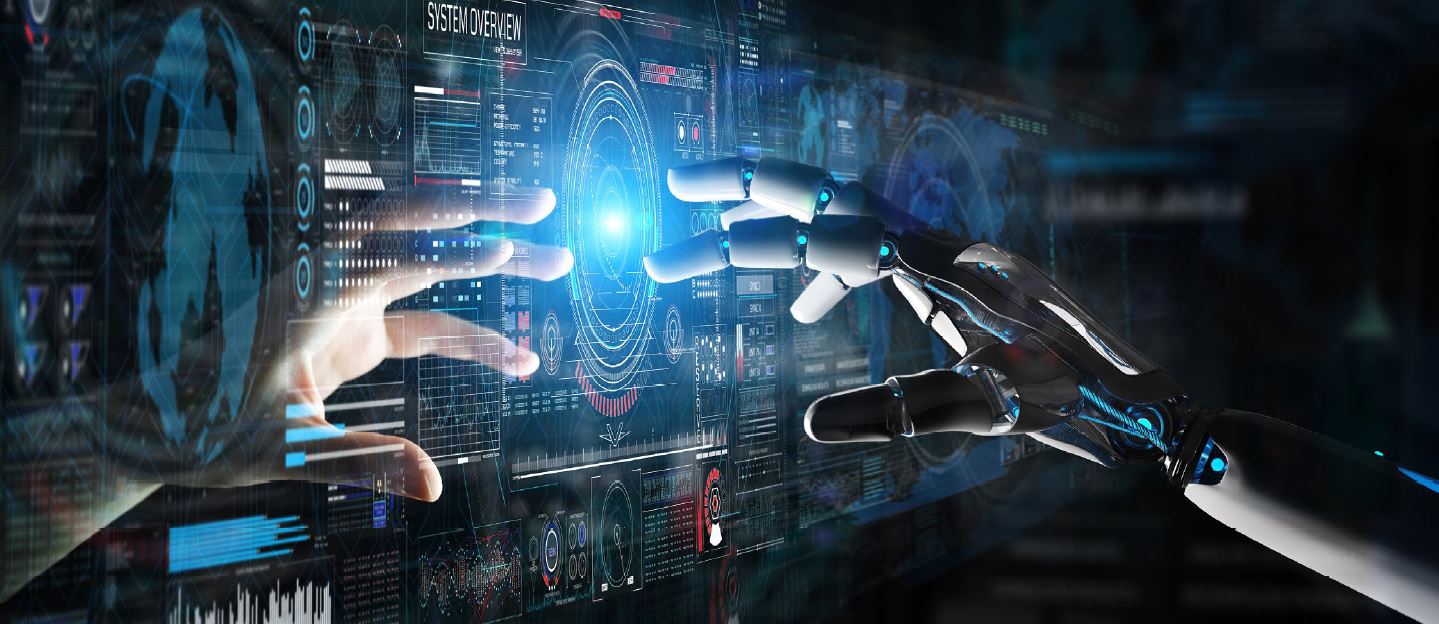
First of all, when we watch the movie, Iron Man is not real. Yoda is not real. And the lightsaber is not real. It's all very real fake. Almost every movie we watch these days is very fake. Yet we accept this because we know it's not real. Because of the media, we know that the information presented to us is not intended to be news. It is intended to entertain. If we can apply this basic principle to all information, it must be great. I do recognize that, unfortunately, it straddles the line between misinformation and outright lies. For many people, that line is hard to separate. I don't know if I have the answer to that question. I don't know if AI needs to be further activated for this problem. However, just as AI has the ability to create fakes, AI has the ability to detect fakes. We need to apply AI more rigorously to detect fake news, to detect fake facts, and to detect fake things. So this is an area that many computer scientists are working on. I'm optimistic that the tools they're coming up with will be more rigorous to help us reduce the amount of misinformation that consumers are unfortunately consuming today with little discretion. So I'm looking forward to that.
Related News
1、How Many Smart Sensors Should a Car Be Equipped With?
2、Huawei Responded How to Solve the Problem of Chip Supply
3、ICinsights: MCUs Will Continue to Rise in Price
4、An Artificial Brain Chip With 86 Billion Physical Neurons
5、Japan's Three-Stage Strategy to Revive the Semiconductor Industry
6、Why Meta Did Not Choose Qualcomm AI Chip?
 UTMEL
UTMEL
We are the professional distributor of electronic components, providing a large variety of products to save you a lot of time, effort, and cost with our efficient self-customized service. careful order preparation fast delivery service
 UTMEL 2024 Annual gala: Igniting Passion, Renewing BrillianceUTMEL18 January 20245009
As the year comes to an end and the warm sun rises, Utmel Electronics celebrates its 6th anniversary.
Read More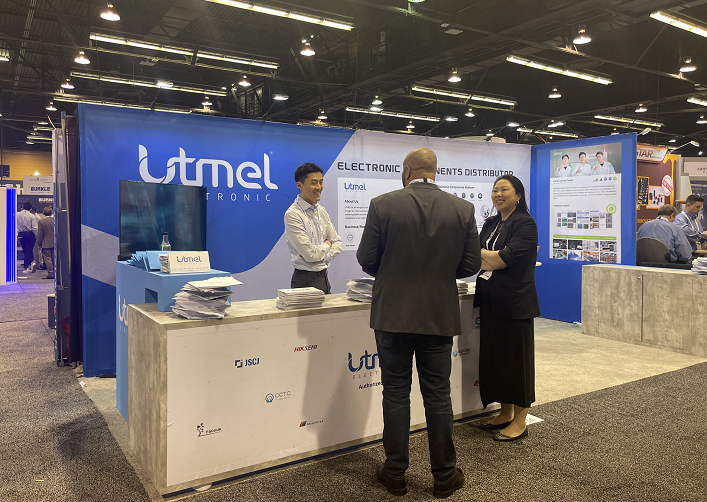 Electronic Components Distributor Utmel to Showcase at 2024 IPC APEX EXPOUTMEL10 April 20245994
Utmel, a leading electronic components distributor, is set to make its appearance at the 2024 IPC APEX EXPO.
Read More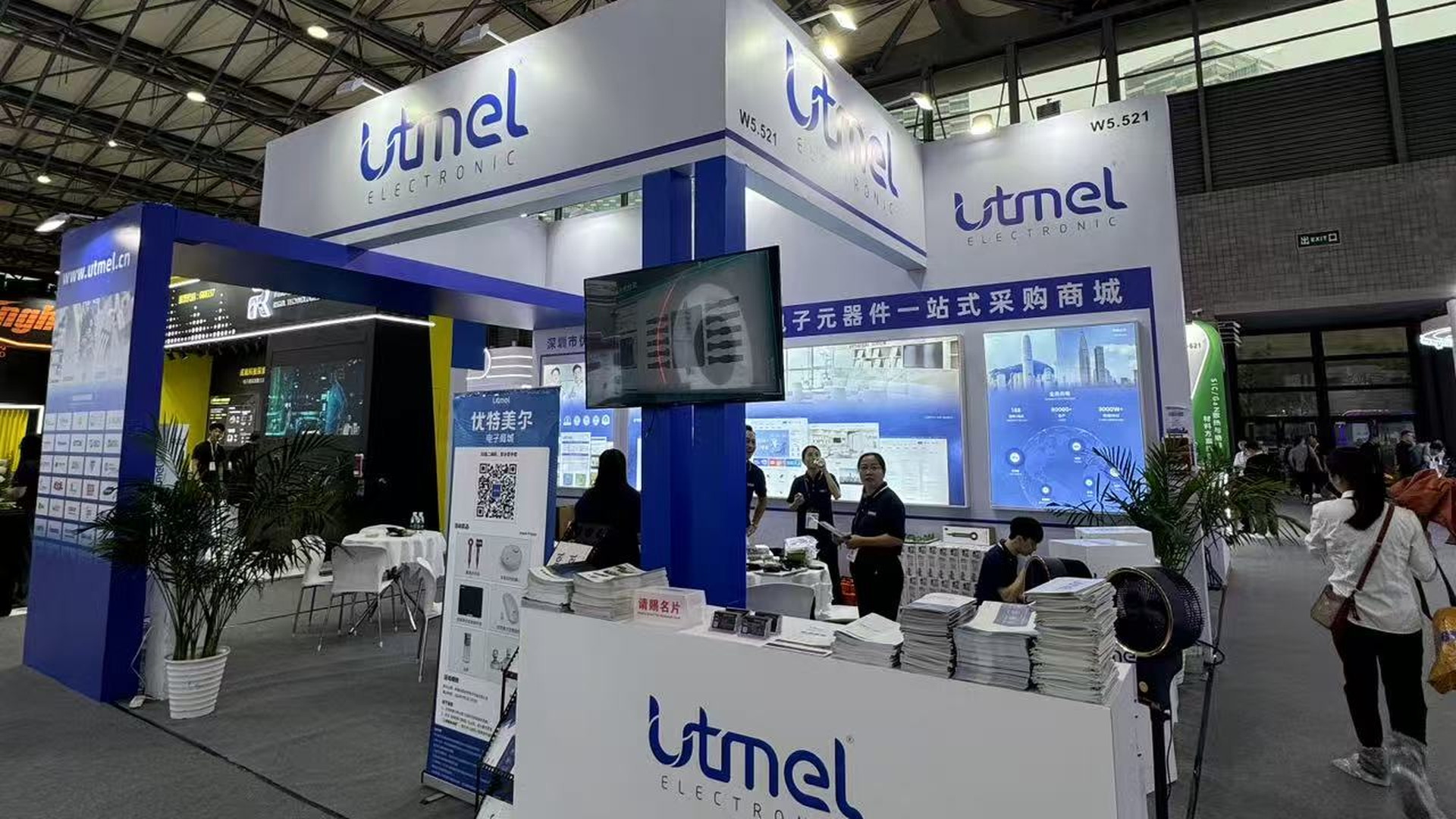 UTMEL Showcases One-Stop Electronic Component Sourcing Services at electronica Shanghai 2026UTMEL07 July 2026261
SHANGHAI, China, July 7, 2026 - UTMEL, a one-stop electronic components sourcing platform operated by Shenzhen Utmel Intelligent Electronic Co., Ltd., successfully participated in electronica Shanghai 2026, held from July 1 to 3, 2026 at the Shanghai New International Expo Centre.
Read More Electronic components distributor UTMEL to Showcase at electronica ChinaUTMEL07 June 20244584
The three-day 2024 Electronica China will be held at the Shanghai New International Expo Center from July 8th to 10th, 2024.
Read More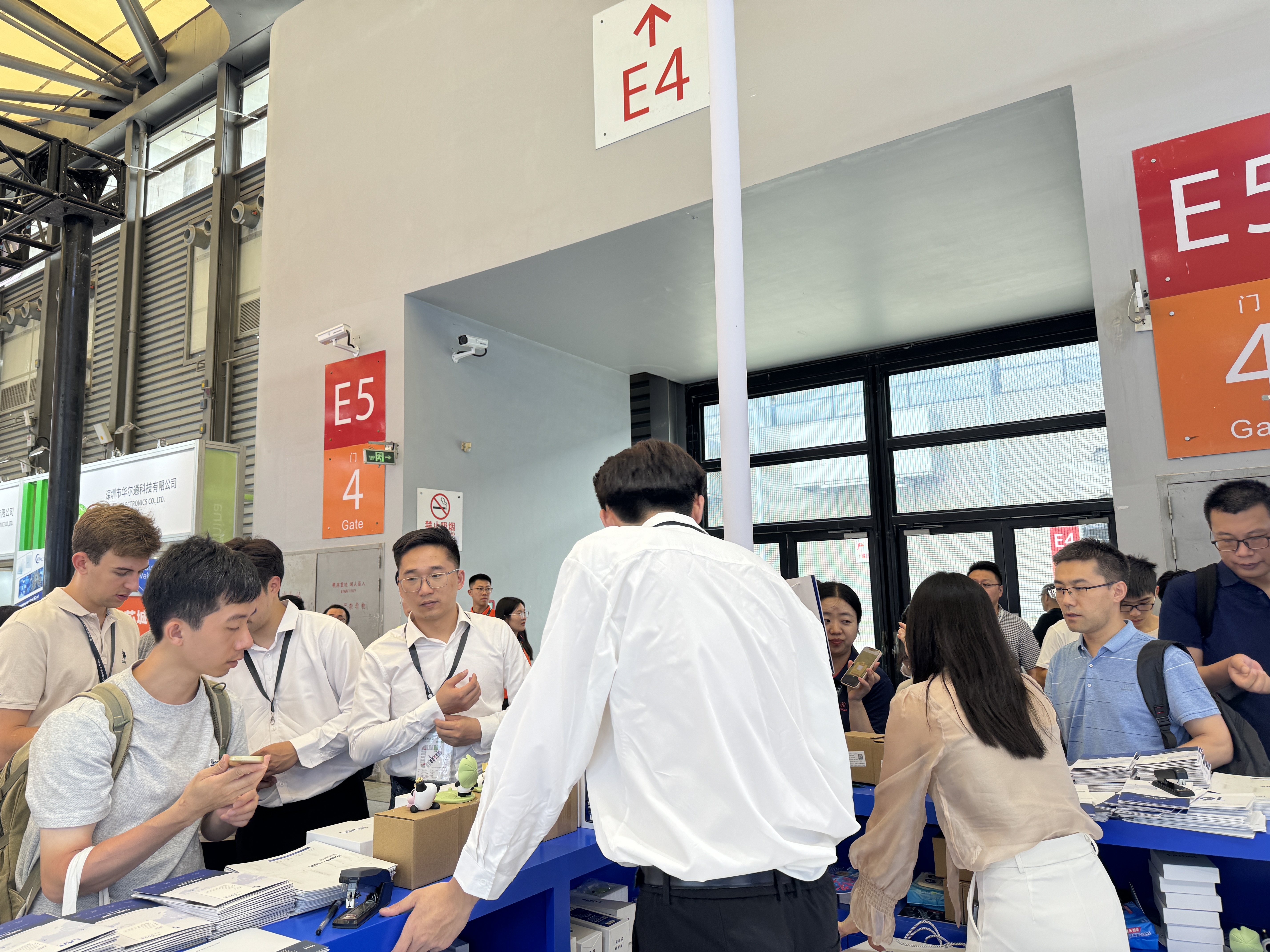 Electronic components distributor UTMEL Stands Out at electronica china 2024UTMEL09 July 20245185
From July 8th to 10th, the three-day electronica china 2024 kicked off grandly at the Shanghai New International Expo Center.
Read More
Subscribe to Utmel !
![PT15NH06-00839]() PT15NH06-00839
PT15NH06-00839Amphenol
![PT15YV18-01169]() PT15YV18-01169
PT15YV18-01169Amphenol
![PT15NV18-04631]() PT15NV18-04631
PT15NV18-04631Amphenol
![PT15LV18-10305]() PT15LV18-10305
PT15LV18-10305Amphenol
![PT6KH-02282]() PT6KH-02282
PT6KH-02282Amphenol
![PT15NH06-08515]() PT15NH06-08515
PT15NH06-08515Amphenol
![PT15WH06-04352]() PT15WH06-04352
PT15WH06-04352Amphenol
![PTC10LH01-00545]() PTC10LH01-00545
PTC10LH01-00545Amphenol
![PT15LV18-07074]() PT15LV18-07074
PT15LV18-07074Amphenol
![PTC10LV10-00645]() PTC10LV10-00645
PTC10LV10-00645Amphenol