Product
 Brand
Brand Articles
 Tools
Tools
7 Promising Semiconductor Stocks Amid U.S.-China Chip War
The escalating U.S.-China chip war is creating a unique opportunity for semiconductor stocks. Amid geopolitical conflicts and stringent export controls, the technology sector has never been more vital. The $574 billion U.S.-China chip war has already yielded significant success for the Biden administration, with national security implications and support from other global partners including the Dutch and Japanese. The ongoing conflict and lessons from recent events like Covid-19 and Russia’s invasion of Ukraine, have highlighted the importance of competitiveness and resiliency. This could mark a new era for several semiconductor stocks. Lam Research (LRCX), an American supplier of wafer-fabrication equipment, is expected to benefit from the tech sector’s replacement and upgrade cycle. Micron (MU), a producer of computer memory and computer data storage, is essential for smartphones, devices, and data centers, with demand for high-capacity memory chips expected to accelerate. KLA (KLAC), a capital equipment firm, is poised to benefit from supply chain diversification due to its focus on sophisticated inspections. Analog Devices (ADI), a specialist in data conversion, signal processing, and power management technology, offers a wide-ranging application portfolio that could potentially weather economic storms. ASML Holding (ASML), the only company manufacturing extreme ultraviolet (EUV) lithography machines, holds a technological monopoly that is crucial in the U.S.-China chip war. Advanced Micro Devices (AMD), a rival GPU specialist, should benefit from the same tailwinds that skyrocketed shares of Nvidia. Lastly, Taiwan Semiconductor (TSM), the world’s largest contract chipmaker, is a risky proposition due to the geopolitical tension surrounding Taiwan. However, the company is crucial for AI and quantum computing applications, and the current export controls might cause Beijing to reconsider its stance, which would be beneficial for TSM. These seven semiconductor stocks are poised for potential growth amid the ongoing U.S.-China chip war, making them worthy of consideration for investors.
 UTMEL
UTMEL
We are the professional distributor of electronic components, providing a large variety of products to save you a lot of time, effort, and cost with our efficient self-customized service. careful order preparation fast delivery service
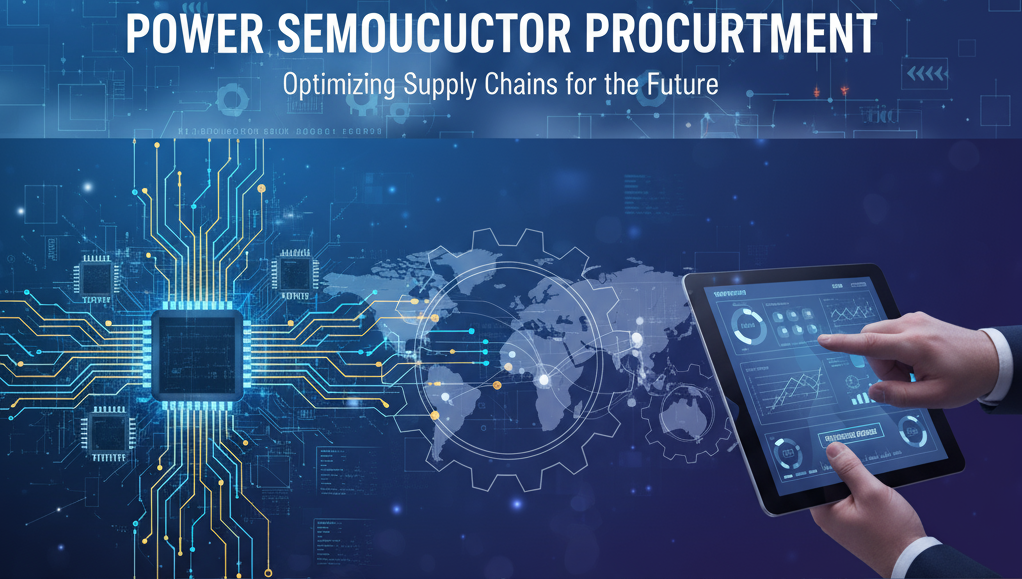 Power Semiconductor Procurement After the Nexperia Shake-Up—NXP for Stability, ON for Technology, or Nexperia for Value?UTMEL04 November 20254828
The recent supply chain turmoil surrounding Netherlands-based Nexperia has sent shockwaves through the global semiconductor industry, forcing procurement professionals to re-evaluate their sourcing strategies.
Read More AI Computing Power Gap: How Token Consumption is Reshaping Server Component SourcingUTMEL23 June 2026898
As global token consumption drives the transition to high-density 100kW+ AI data centers, power delivery networks require advanced Wide-Bandgap semiconductors (SiC/GaN) and high-capacitance MLCCs. This shift has triggered a component procurement crisis with lead times exceeding 24 weeks. To bypass shortages, hardware buyers must abandon just-in-time manufacturing and leverage independent global distributor networks to secure critical power and passive components.
Read More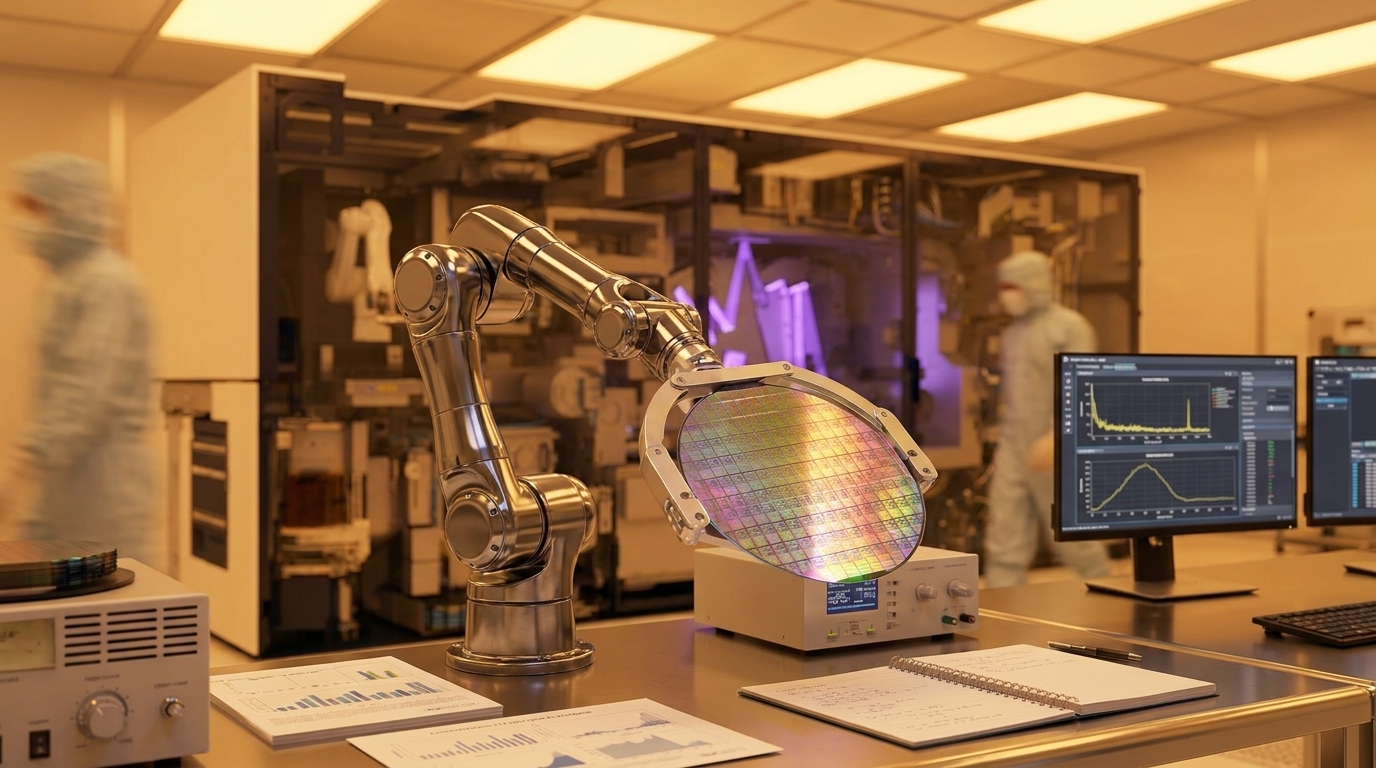 The BSPDN Revolution: Overcoming IR Drop in Sub-2nm GAAFET Nodes with Backside Power DeliveryUTMEL25 June 2026818
As semiconductor manufacturing enters the sub-2nm era, Backside Power Delivery Networks (BSPDN) are replacing traditional front-side routing to overcome critical IR drop bottlenecks. By separating power and signal delivery, chipmakers like Intel and TSMC drastically improve performance and density in GAAFET designs. However, this radical shift introduces manufacturing complexities, thermal challenges, and demands advanced packaging and power management solutions.
Read More Power Management ICs Trends 2026: AI Demand, Supply Risks, and Sourcing StrategiesUTMEL06 July 20261300
As AI server racks surpass 100kW by 2026, data centers are shifting toward wide-bandgap semiconductors like SiC and GaN. However, this demand has triggered a critical shortage of mature-node Power Management ICs (PMICs). To prevent production halts, sourcing teams must abandon 'just-in-time' models, implement proactive 'just-in-case' strategies, and rapidly qualify pin-to-pin alternative components to secure their supply chains.
Read More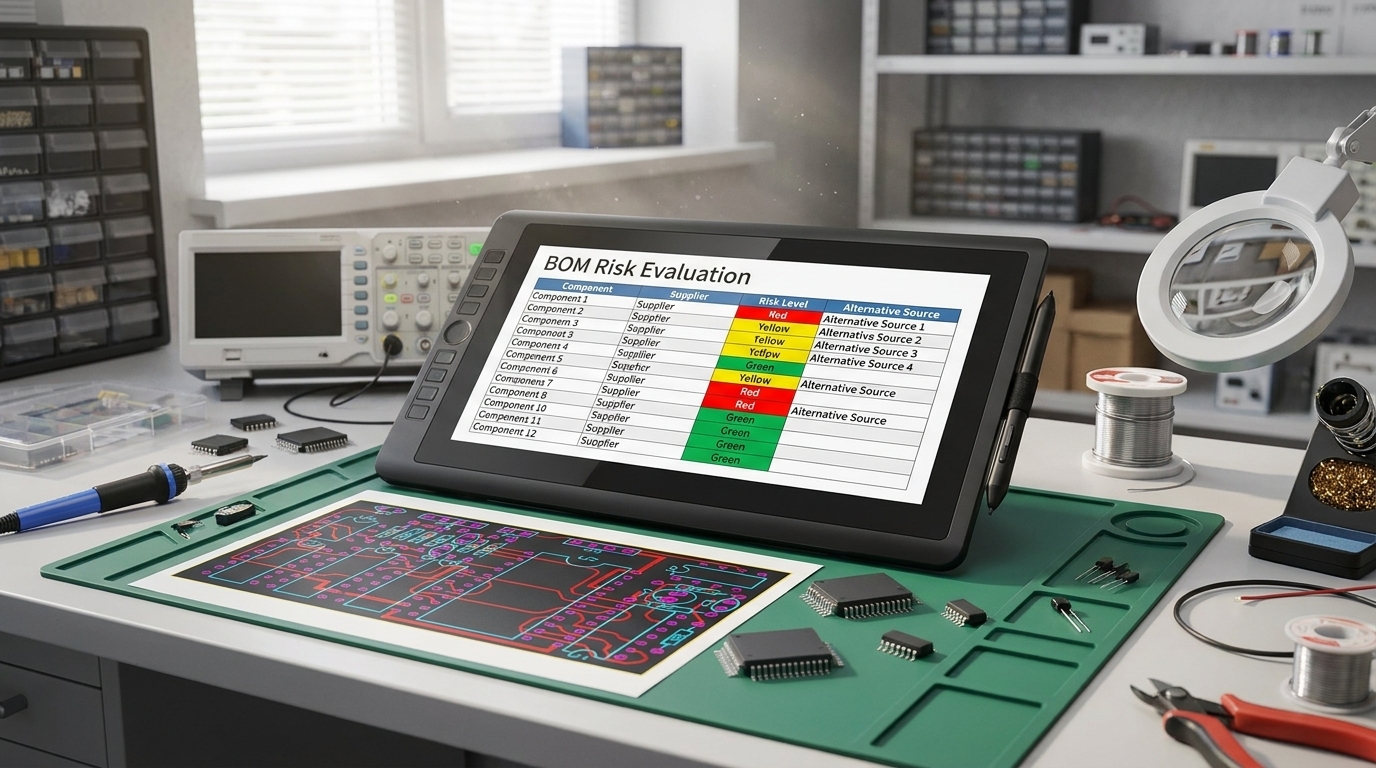 onsemi Synaptics Acquisition Impact: BOM Risk Checklist and Second-Source Strategy for Edge AI DesignsUTMEL27 July 2026296
The onsemi acquisition of Synaptics provides hardware program managers a 12-to-18-month window before potential product cancellations occur in mid-2027. This guide outlines how to audit BOM exposure across overlap and non-core product lines, calculate Last-Time-Buy volumes including hidden storage costs, establish proactive second-sourcing triggers, and implement supply chain monitoring to prevent line-down events.
Read More
Subscribe to Utmel !
![101020057]() 101020057
101020057Seeed Technology Co., Ltd
![15-21SYGC/S530-E2/TR8]() 15-21SYGC/S530-E2/TR8
15-21SYGC/S530-E2/TR8Everlight Electronics Co Ltd
![1206L010/60WR]() 1206L010/60WR
1206L010/60WRLittelfuse Inc.
![1203410308]() 1203410308
1203410308Molex
![03450121H]() 03450121H
03450121HLittelfuse Inc.
![1203410301]() 1203410301
1203410301Molex
![PEC11R-4215F-S0024]() PEC11R-4215F-S0024
PEC11R-4215F-S0024Bourns Inc.
![31.9163]() 31.9163
31.9163Schurter Inc.
![BLM41PF800SN1L]() BLM41PF800SN1L
BLM41PF800SN1LMurata Electronics
![455-00046B]() 455-00046B
455-00046BLaird - Wireless & Thermal Systems