

 Product
 Brand
Brand Articles
 Tools
Tools
Intel Launches Industry's First Stackable, Shareable and Transferable One-Year Semiconductor Technician Certificate Program
Intel Corporation is addressing the semiconductor workforce shortage by launching the industry's first stackable, shareable and transferable one-year semiconductor technician certificate program. The program is set to launch in 2023-24 and aims to build a talent pipeline to fill the growing workforce gap in the semiconductor industry. The program will be offered in collaboration with several colleges, including Columbus State Community College, Marion Technical College, Rhodes State College, North Central State College, Central Ohio Technical College, Clark State, Northwestern State, Stark State, Zane State, Owens Community College and Lorian Community College. The U.S. semiconductor industry is reportedly facing a significant workforce gap, with 58% of projected new jobs at risk of remaining unfilled at current degree completion rates. The industry is expected to grow from approximately 345,000 jobs today to approximately 460,000 jobs by 2030. To close this talent gap, Intel is creating regional programs in partnership with local community colleges to meet the workforce needs of the semiconductor industry. Intel's new chip factories in Ohio, expected to come online in the next few years, will require a large number of skilled technicians. The initial phase of the Ohio project is expected to create 3,000 Intel jobs and 7,000 construction jobs, supporting tens of thousands of additional local long-term jobs across a broad ecosystem of suppliers and partners. The new one-year certificate program includes three newly developed courses that align with the minimum technical skills required for an entry-level technician position at Intel. The courses include Introduction to Manufacturing, Semiconductor 101 and Vacuum Systems. The program is designed to reduce financial burden on students and attract a more diverse group of students. Intel is also collaborating with the National Science Foundation in two programs: Enhancing Engineering Technology and Advanced Semiconductor Manufacturing Technician Education (ETSTE) and Future of Semiconductors (FuSe) to ensure the U.S. workforce is ready for a new era in semiconductor manufacturing. Intel, a global leader in the semiconductor industry, continues to advance the design and manufacturing of semiconductors to address customers' greatest challenges. By embedding intelligence in the cloud, network, edge and every kind of computing device, Intel aims to transform business and society for the better.
 UTMEL
UTMEL
We are the professional distributor of electronic components, providing a large variety of products to save you a lot of time, effort, and cost with our efficient self-customized service. careful order preparation fast delivery service
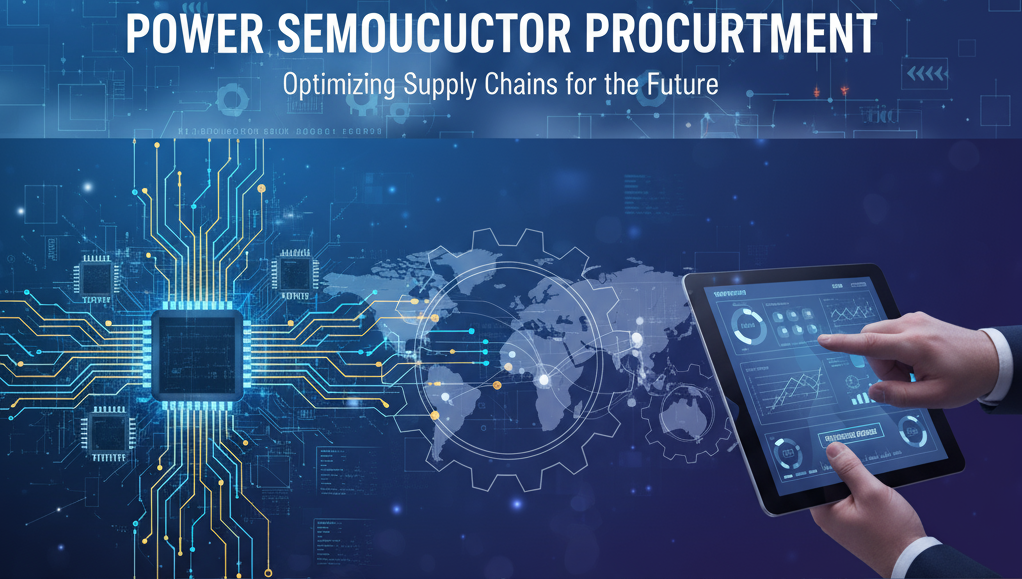 Power Semiconductor Procurement After the Nexperia Shake-Up—NXP for Stability, ON for Technology, or Nexperia for Value?UTMEL04 November 20254828
The recent supply chain turmoil surrounding Netherlands-based Nexperia has sent shockwaves through the global semiconductor industry, forcing procurement professionals to re-evaluate their sourcing strategies.
Read More AI Computing Power Gap: How Token Consumption is Reshaping Server Component SourcingUTMEL23 June 2026898
As global token consumption drives the transition to high-density 100kW+ AI data centers, power delivery networks require advanced Wide-Bandgap semiconductors (SiC/GaN) and high-capacitance MLCCs. This shift has triggered a component procurement crisis with lead times exceeding 24 weeks. To bypass shortages, hardware buyers must abandon just-in-time manufacturing and leverage independent global distributor networks to secure critical power and passive components.
Read More The BSPDN Revolution: Overcoming IR Drop in Sub-2nm GAAFET Nodes with Backside Power DeliveryUTMEL25 June 2026818
As semiconductor manufacturing enters the sub-2nm era, Backside Power Delivery Networks (BSPDN) are replacing traditional front-side routing to overcome critical IR drop bottlenecks. By separating power and signal delivery, chipmakers like Intel and TSMC drastically improve performance and density in GAAFET designs. However, this radical shift introduces manufacturing complexities, thermal challenges, and demands advanced packaging and power management solutions.
Read More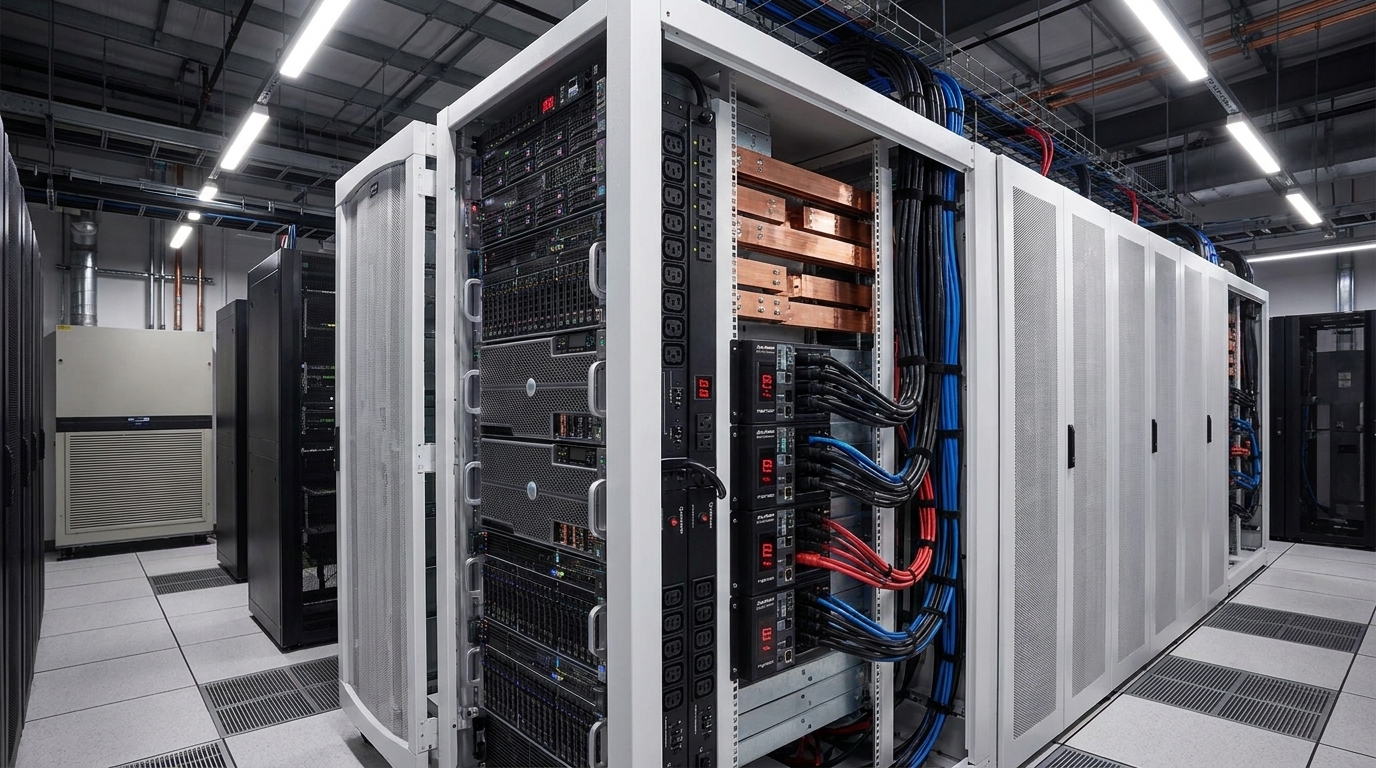 Power Management ICs Trends 2026: AI Demand, Supply Risks, and Sourcing StrategiesUTMEL06 July 20261298
As AI server racks surpass 100kW by 2026, data centers are shifting toward wide-bandgap semiconductors like SiC and GaN. However, this demand has triggered a critical shortage of mature-node Power Management ICs (PMICs). To prevent production halts, sourcing teams must abandon 'just-in-time' models, implement proactive 'just-in-case' strategies, and rapidly qualify pin-to-pin alternative components to secure their supply chains.
Read More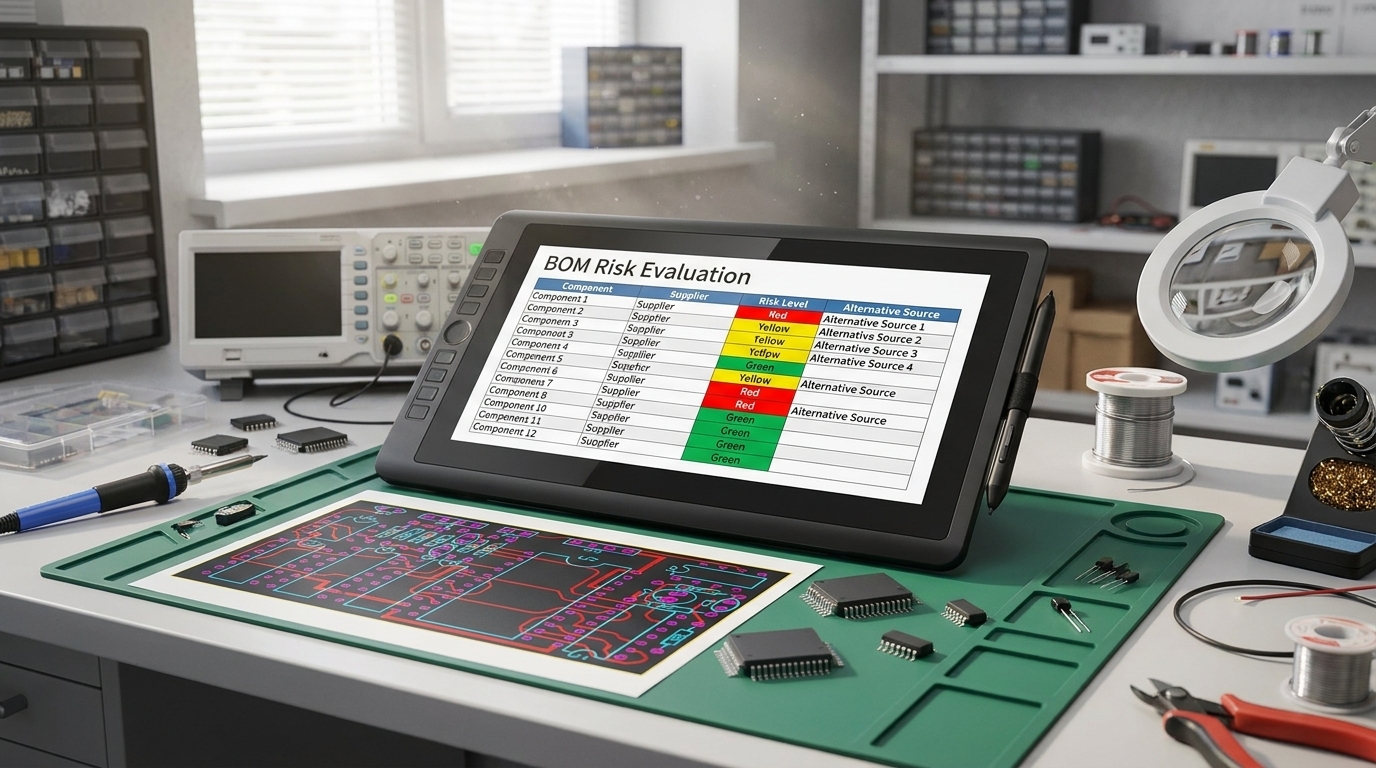 onsemi Synaptics Acquisition Impact: BOM Risk Checklist and Second-Source Strategy for Edge AI DesignsUTMEL27 July 2026296
The onsemi acquisition of Synaptics provides hardware program managers a 12-to-18-month window before potential product cancellations occur in mid-2027. This guide outlines how to audit BOM exposure across overlap and non-core product lines, calculate Last-Time-Buy volumes including hidden storage costs, establish proactive second-sourcing triggers, and implement supply chain monitoring to prevent line-down events.
Read More
Subscribe to Utmel !
![BLM18HE601SN1D]() BLM18HE601SN1D
BLM18HE601SN1DMurata Electronics
![CC1310F128RGZT]() CC1310F128RGZT
CC1310F128RGZTTexas Instruments
![NFM15PC435R0E3D]() NFM15PC435R0E3D
NFM15PC435R0E3DMurata Electronics
![NFM18PC104R1C3D]() NFM18PC104R1C3D
NFM18PC104R1C3DMurata Electronics
![PWT75]() PWT75
PWT75Panduit Corp
![PEC12R-2225F-N0024]() PEC12R-2225F-N0024
PEC12R-2225F-N0024Bourns Inc.
![BLM03BD471SN1D]() BLM03BD471SN1D
BLM03BD471SN1DMurata Electronics
![03453LS1HX020]() 03453LS1HX020
03453LS1HX020Littelfuse Inc.
![NFM21PC105B1C3D]() NFM21PC105B1C3D
NFM21PC105B1C3DMurata Electronics
![WC-620]() WC-620
WC-620JST Sales America Inc.


