Product
 Brand
Brand Articles
 Tools
Tools
Semiconductor Industry's Water Risk Underpriced, Warn Fund Managers
Investors in semiconductor stocks are facing a growing threat to industry valuations due to a chronic shortage of water, claim fund managers. The semiconductor manufacturing process is among the most water-intensive, consuming about 1,869 cubic meters per dollar. This water usage is significantly more than that of textiles and data centers. David Smith, a senior investment director for Asian equities at Abrdn Plc, stated that water management has become a pressing issue for the sector. He added that water could potentially become more material in terms of operational costs and pose a threat to the continuation of businesses. Despite this, water shortage as a risk category doesn't receive the attention it deserves. Abrdn, which holds stakes in Taiwan Semiconductor Manufacturing Co. (TSMC) and ASML Holding NV, isn't alone in its view. Morgan Stanley analysts have also warned of impending shortages and tensions due to technologies like artificial intelligence requiring vast amounts of water. Climate change and extreme heat are making access to water more precarious than ever. TSMC, the world's biggest producer of semiconductors, has set targets but fell short of its 2019 water consumption goal. It is now aiming for a 30% cut in unit water consumption by 2030 relative to 2010. However, achieving such goals is becoming increasingly challenging as the planet heats up. Despite the water risk, TSMC remains a popular company among investors targeting environmental, social, and governance metrics. Yet, some significant funds, like the world's biggest climate fund managed by Nordea Asset Management, did not hold TSMC at the end of July. Vicki Chi, a portfolio manager at Robeco in Hong Kong, revealed that her team has already adjusted the valuations of semiconductor assets to reflect water scarcity. She believes that screening for such risks gives investors a head start. The goal is to catch everything from the rising cost of maintaining access to water as a basic resource to the potential for litigation if local communities fight corporations tapping their water supply. However, many semiconductor companies, including ASML, Nvidia Corp., and Broadcom Inc., are not publishing quantifiable water targets. This lack of transparency leaves investors often in the dark about the true extent of the water risk.
 UTMEL
UTMEL
We are the professional distributor of electronic components, providing a large variety of products to save you a lot of time, effort, and cost with our efficient self-customized service. careful order preparation fast delivery service
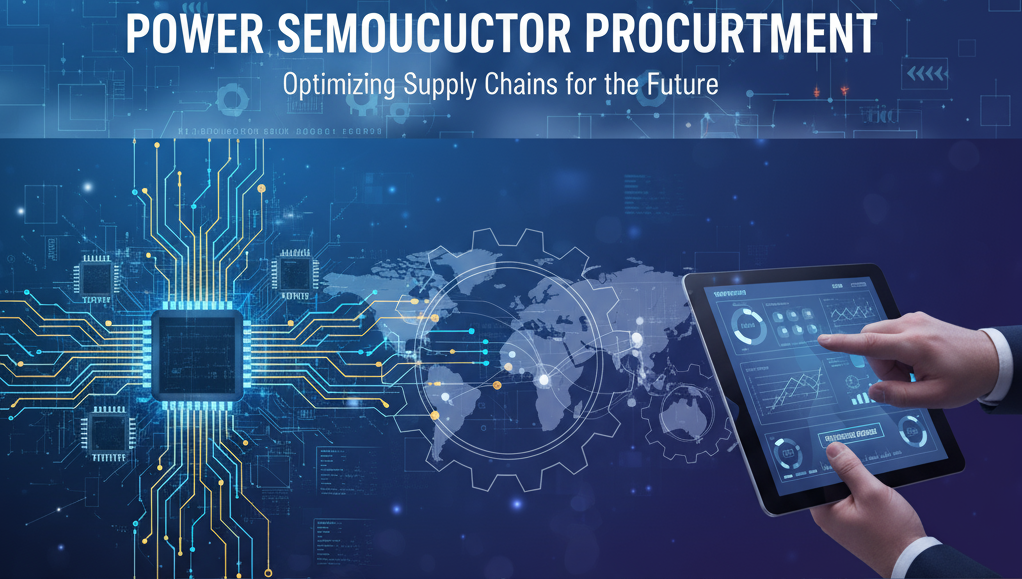 Power Semiconductor Procurement After the Nexperia Shake-Up—NXP for Stability, ON for Technology, or Nexperia for Value?UTMEL04 November 20254811
The recent supply chain turmoil surrounding Netherlands-based Nexperia has sent shockwaves through the global semiconductor industry, forcing procurement professionals to re-evaluate their sourcing strategies.
Read More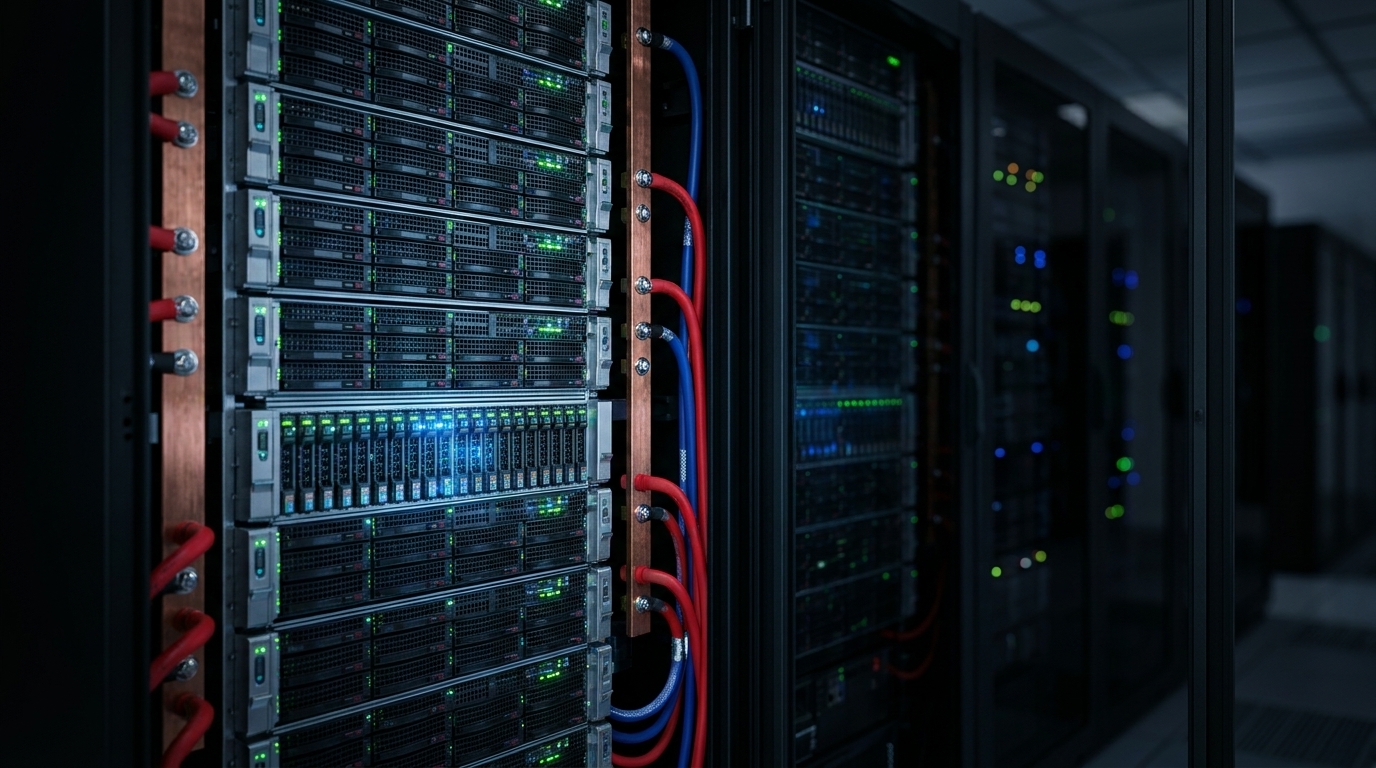 AI Computing Power Gap: How Token Consumption is Reshaping Server Component SourcingUTMEL23 June 2026889
As global token consumption drives the transition to high-density 100kW+ AI data centers, power delivery networks require advanced Wide-Bandgap semiconductors (SiC/GaN) and high-capacitance MLCCs. This shift has triggered a component procurement crisis with lead times exceeding 24 weeks. To bypass shortages, hardware buyers must abandon just-in-time manufacturing and leverage independent global distributor networks to secure critical power and passive components.
Read More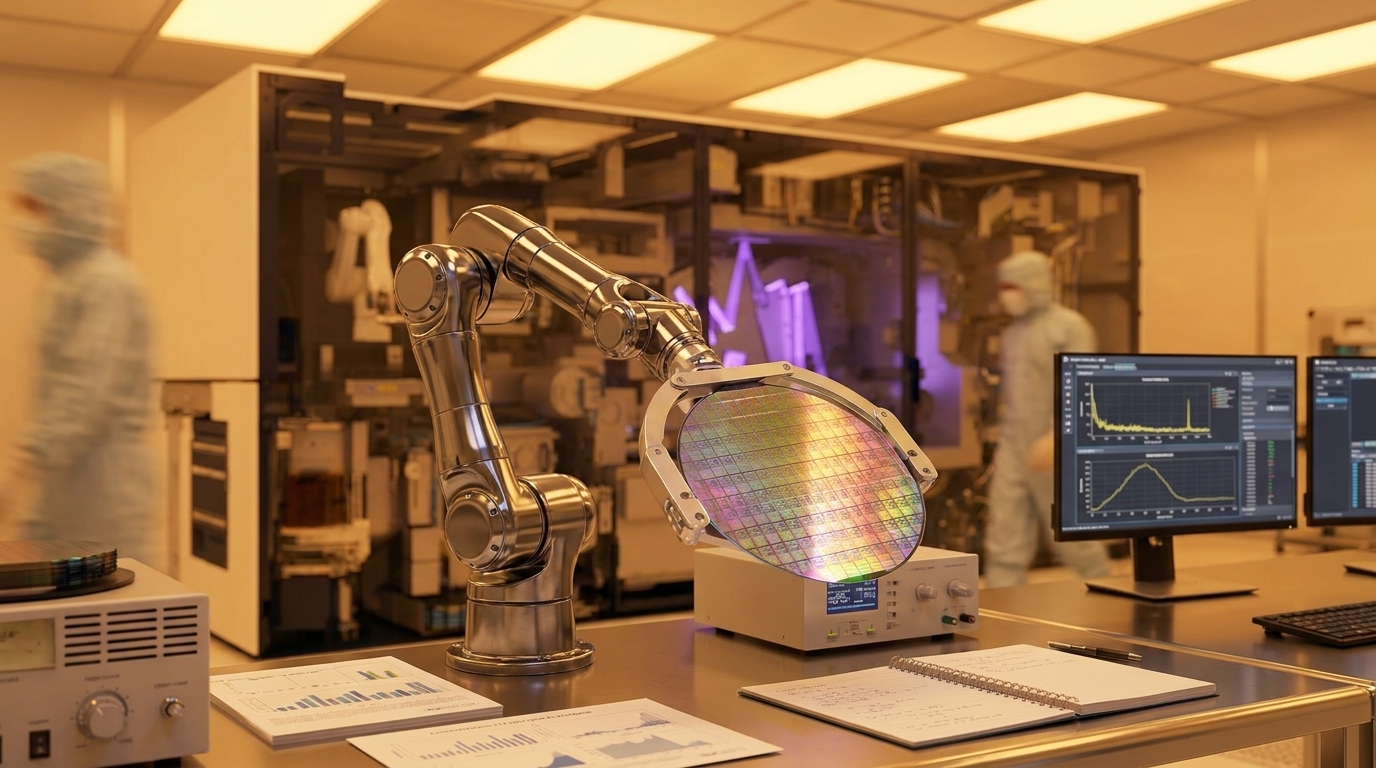 The BSPDN Revolution: Overcoming IR Drop in Sub-2nm GAAFET Nodes with Backside Power DeliveryUTMEL25 June 2026798
As semiconductor manufacturing enters the sub-2nm era, Backside Power Delivery Networks (BSPDN) are replacing traditional front-side routing to overcome critical IR drop bottlenecks. By separating power and signal delivery, chipmakers like Intel and TSMC drastically improve performance and density in GAAFET designs. However, this radical shift introduces manufacturing complexities, thermal challenges, and demands advanced packaging and power management solutions.
Read More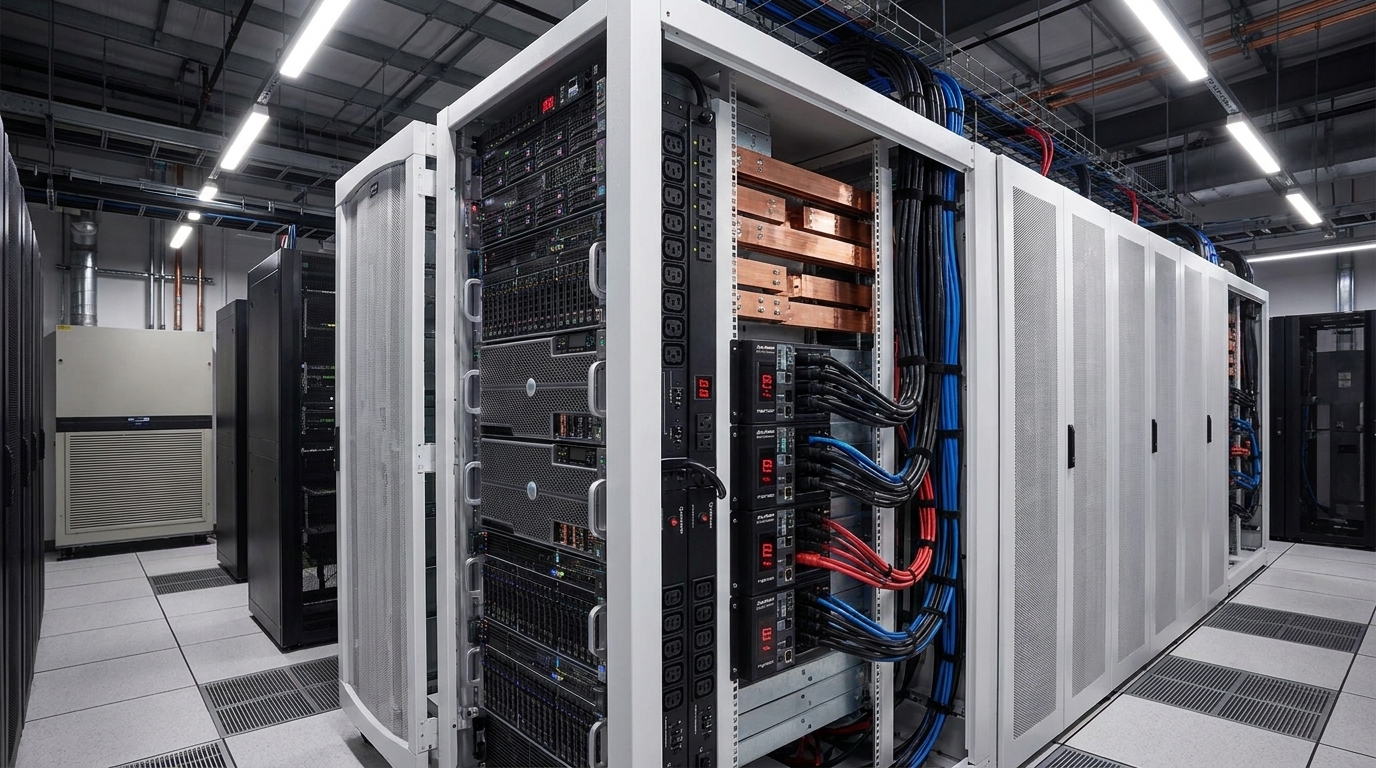 Power Management ICs Trends 2026: AI Demand, Supply Risks, and Sourcing StrategiesUTMEL06 July 20261267
As AI server racks surpass 100kW by 2026, data centers are shifting toward wide-bandgap semiconductors like SiC and GaN. However, this demand has triggered a critical shortage of mature-node Power Management ICs (PMICs). To prevent production halts, sourcing teams must abandon 'just-in-time' models, implement proactive 'just-in-case' strategies, and rapidly qualify pin-to-pin alternative components to secure their supply chains.
Read More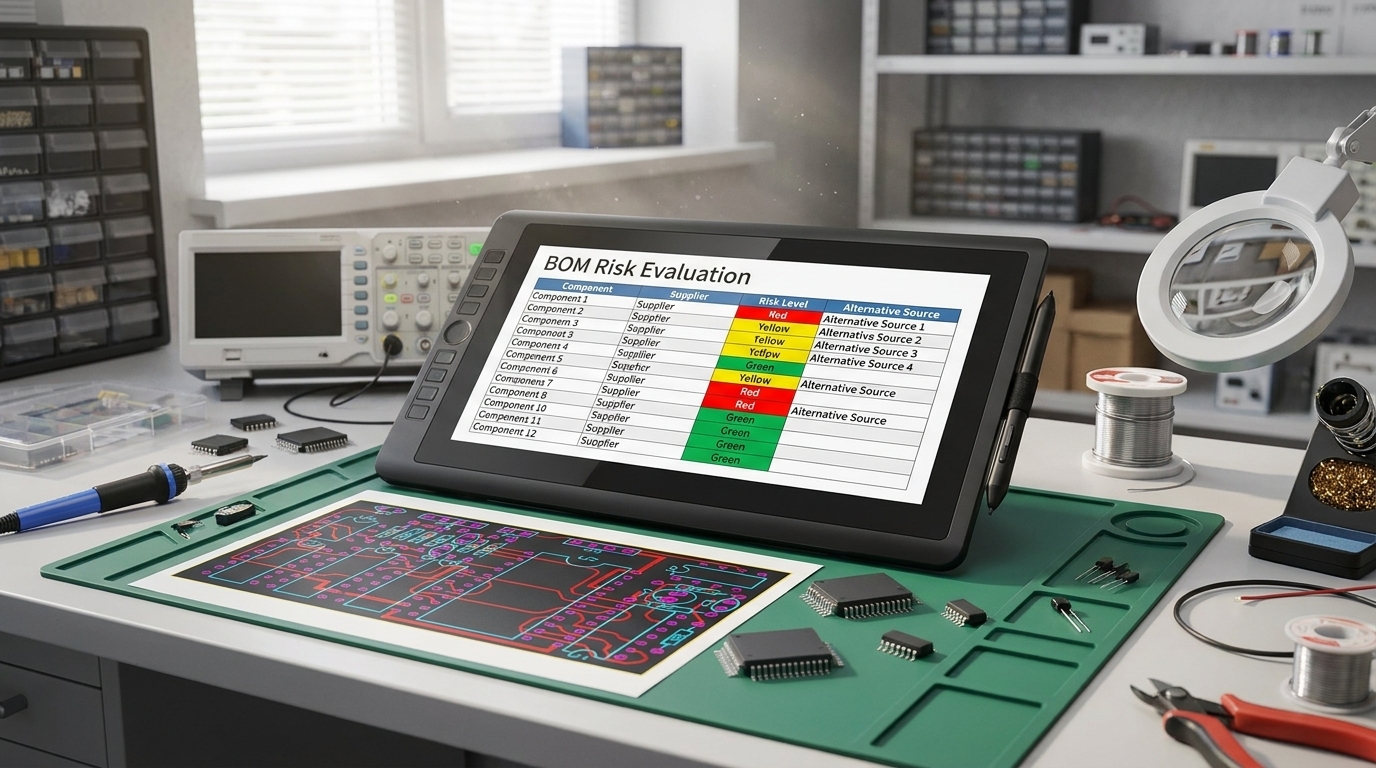 onsemi Synaptics Acquisition Impact: BOM Risk Checklist and Second-Source Strategy for Edge AI DesignsUTMEL27 July 2026288
The onsemi acquisition of Synaptics provides hardware program managers a 12-to-18-month window before potential product cancellations occur in mid-2027. This guide outlines how to audit BOM exposure across overlap and non-core product lines, calculate Last-Time-Buy volumes including hidden storage costs, establish proactive second-sourcing triggers, and implement supply chain monitoring to prevent line-down events.
Read More
Subscribe to Utmel !
![MS27466E23C32P]() MS27466E23C32P
MS27466E23C32PCorsair Electrical Connectors
![ACS06AD36-1S-025]() ACS06AD36-1S-025
ACS06AD36-1S-025Amphenol
![109-1073H]() 109-1073H
109-1073HSanyo Denki America Inc.
![110060123]() 110060123
110060123Seeed Technology Co., Ltd
![BLM03BB220SN1D]() BLM03BB220SN1D
BLM03BB220SN1DMurata Electronics
![MMZ0603S100CT000]() MMZ0603S100CT000
MMZ0603S100CT000TDK Corporation
![CL05B104KB54PNC]() CL05B104KB54PNC
CL05B104KB54PNCSamsung Electro-Mechanics
![314253-1]() 314253-1
314253-1TE Application Tooling
![BLM15AX601SN1D]() BLM15AX601SN1D
BLM15AX601SN1DMurata Electronics
![BLM18HD102SN1D]() BLM18HD102SN1D
BLM18HD102SN1DMurata Electronics