Product
 Brand
Brand Articles
 Tools
Tools
CR123A vs 123A Batteries Explained for 2025
At first glance, CR123A and 123A batteries might seem identical, but critical differences set them apart. Understanding these distinctions is essential for safety and performance. Batteries behave differently under stress, and factors like heat output during thermal runaway can impact device functionality. Data from the Battery Failure Databank highlights how mass changes during failure indicate the severity of issues. Improved designs have reduced failure rates by 98% from 2018 to 2024. This shows that knowing your battery type isn't just technical—it can prevent costly mistakes. For example, using the wrong 123A battery could damage your device or reduce its lifespan.
What Is a CR123A Battery?
CR123A batteries are compact, high-performance power sources designed for devices that demand reliability and efficiency. These batteries are widely recognized for their durability and ability to perform in extreme conditions. Whether you're powering a flashlight or a security system, CR123A batteries deliver consistent energy output.
Specifications of CR123A batteries
CR123A batteries stand out due to their technical specifications, which make them suitable for various applications. Here’s what you need to know:
Voltage Rated: 3V, providing steady power for high-drain devices.
Capacity: 2,000 mAh, ensuring long-lasting performance.
Dimensions: 33.4 mm in length and 17 mm in diameter, making them compact and portable.
Weight: 17 grams, keeping devices lightweight.
Battery Chemistry: Lithium Manganese Dioxide, known for stability and safety.
Discharge Rate: 20 mA, ideal for consistent energy output.
Operating Temperature Range: -40°C to +70°C, allowing use in extreme environments.
Panasonic, a leading manufacturer, is renowned for producing high-quality CR123A batteries. Their reputation for reliability makes them a trusted choice for consumers worldwide.
Applications of CR123A batteries
You’ll find CR123A batteries in a wide range of devices due to their versatility and endurance. Here are some common applications:
Flashlights: Perfect for tactical and LED flashlights, offering high capacity and performance.
Digital Cameras: Provide steady power for extended use, ensuring you capture every moment.
Emergency Equipment: Reliable for emergency lights and radios, delivering long-lasting energy when it matters most.
Home Security Systems: Power security cameras and sensors, ensuring uninterrupted operation.
Outdoor Gear: Ideal for night vision goggles and trail cameras, thanks to their endurance and power output.
High-drain devices, such as tactical flashlights and digital cameras, benefit significantly from CR123A batteries. Emergency and outdoor equipment also rely on these batteries for their reliability and long lifespan. If you need a dependable power source, CR123A batteries are an excellent choice.
What Is a 123A Battery?
123A batteries are compact power sources designed for high-drain devices. They share similarities with CR123A batteries but have distinct specifications that make them unique. These batteries are known for their reliability, long shelf life, and ability to perform under challenging conditions.
Specifications of 123A batteries
123A batteries are built to deliver consistent performance. Their technical features make them suitable for various applications. Here’s a closer look at their specifications:
| Feature | Description |
|---|---|
| Voltage | 3.2-3.3 Volts |
| Capacity | 1400mAh to 1550mAh |
| Operating Temperature | -20°C to 75°C |
| Dimensions | 17mm diameter, 34.2mm height |
| Chemistry | Lithium Manganese Dioxide |
| Shelf Life | Up to 10 years |
These batteries are lightweight, weighing approximately 17 grams, which makes them ideal for portable devices. Their lithium manganese dioxide chemistry ensures a stable discharge rate and long-lasting power. You can rely on them to operate efficiently in both hot and cold environments.
Applications of 123A batteries
123A batteries are versatile and widely used in various devices. Their ability to handle high energy demands makes them a popular choice. Common applications include:
Cameras: Provide steady power for capturing high-quality images.
Security Systems: Power sensors and cameras for reliable home protection.
LED Flashlights: Deliver bright and consistent light output.
Industrial Equipment: Perform well in rugged environments, ensuring durability.
Emergency Devices: Support critical tools like radios and medical equipment.
These batteries are also favored for their economic advantages. Bulk purchasing options make them cost-effective for large-scale operations. Their resilience against physical stressors ensures they perform reliably in demanding conditions. Whether you need them for personal or industrial use, 123A batteries offer dependable power.
Difference Between CR123 and CR123A Batteries
When comparing CR123 vs. CR123A, you’ll notice subtle but important differences that can impact performance and compatibility. Let’s break down these differences in terms of dimensions, voltage, and lifespan.
Dimensions and size
The dimensions of CR123 and CR123A batteries are nearly identical, but slight variations exist. CR123 batteries measure approximately 17 mm in diameter and 34.5 mm in length. CR123A batteries, on the other hand, are slightly shorter, with a length of 34 mm. Both types weigh around 17 grams, making them lightweight and portable.
| Feature | CR123 | CR123A |
|---|---|---|
| Dimensions | 17 x 34.5 mm | 17 x 34 mm |
| Weight | About 17 grams | About 17 grams |
While the size difference is minimal, it can affect compatibility with certain devices. Always check your device’s specifications to ensure the battery fits properly.
Tip: If your device requires a snug fit, the slight size difference between CR123 and CR123A batteries might matter. Double-check before purchasing.
Voltage and power output
Both CR123 and CR123A batteries deliver a nominal voltage of 3.0 volts, making them suitable for high-drain devices. However, CR123A batteries often have a higher maximum capacity, ranging from 1,500 to 2,100 milliampere hours (mAh). This allows them to provide consistent power for longer periods.
In contrast, CR123 batteries typically have a slightly lower capacity, which may result in shorter usage times. Despite this, both types maintain a stable voltage throughout their discharge cycle, ensuring reliable performance in devices like flashlights and cameras.
CR123A batteries: Nominal voltage of 3.0 volts, capacity of 1,500–2,100 mAh.
CR123 batteries: Nominal voltage of 3.0 volts, capacity of 1,550–1,800 mAh.
This difference in capacity makes CR123A batteries a better choice for devices requiring extended usage or higher energy demands.
Capacity and lifespan
The lifespan of a battery depends on its capacity and usage conditions. CR123A batteries generally offer a longer lifespan compared to CR123 batteries. With a capacity of up to 2,100 mAh, CR123A batteries can last between 3 to 6 years under normal usage. CR123 batteries, with a slightly lower capacity, typically last 2 to 5 years.
| Feature | CR123 | CR123A |
|---|---|---|
| Capacity | 1,550–1,800 mAh | 1,500–2,100 mAh |
| Lifespan | 2 to 5 years | 3 to 6 years |
Both types are non-rechargeable lithium batteries, which means they are designed for single-use. Proper storage can extend their shelf life to up to 10 years. If you need a battery with a long lifespan for devices like security systems or emergency equipment, CR123A batteries are the better option.
Note: The higher capacity of CR123A batteries makes them ideal for high-drain devices, while CR123 batteries are more cost-effective for low-drain applications.
Performance in devices
When evaluating the performance of CR123 vs. CR123A batteries, you’ll notice differences that can influence how your devices operate. Both battery types deliver a nominal voltage of 3 volts, ensuring stable performance across various equipment. However, their behavior under load and capacity variations make them suitable for different applications.
Voltage Stability: CR123 batteries provide a consistent 3V output, while CR123A batteries can offer up to 3.7V under certain conditions. This higher voltage makes CR123A batteries better suited for devices requiring more power, such as high-performance LED flashlights.
Capacity and Lifespan: CR123A batteries generally have a higher capacity, ranging from 1,500 to 2,100 mAh. This allows them to last longer in high-drain devices compared to CR123 batteries, which typically offer 1,550 to 1,800 mAh. In low-drain devices, both types can last up to five years, but in high-drain devices, CR123A batteries outperform CR123 batteries in terms of runtime.
Device Compatibility: The slight voltage difference between CR123 and CR123A batteries can impact compatibility. Some devices may require the higher voltage of CR123A batteries for optimal performance, while others function well with CR123 batteries. Always check your device’s specifications to ensure the correct battery type.
Tip: If you’re using high-drain devices like tactical flashlights or security cameras, CR123A batteries provide better performance due to their higher capacity and voltage output.
Cost comparison
The cost of batteries often influences your purchasing decision. Comparing CR123 and CR123A batteries reveals differences in price and long-term value.
| Battery Type | Average Price | Runtime (Years) | Cost-Effectiveness |
|---|---|---|---|
| CR123 | Lower | 1-3 | Budget-friendly |
| CR123A | Higher | 2-5 | Long-term savings |
Price Differences: CR123 batteries are generally more affordable than CR123A batteries. If you’re looking for a budget-friendly option for low-drain devices, CR123 batteries are a practical choice.
Long-Term Value: CR123A batteries cost more upfront but last longer, reducing the frequency of replacements. Their higher capacity and extended lifespan make them a better investment for high-drain devices.
Application-Based Cost: For demanding devices like security systems or emergency equipment, the higher price of CR123A batteries is justified by their superior performance and reliability.
Note: While CR123 batteries are cheaper, CR123A batteries offer better value for devices requiring extended runtime and higher energy output.
Similarities Between CR123A and 123A Batteries
Shared features
CR123A and 123A batteries share many similarities, making them appear nearly identical at first glance. Both types are compact and lightweight, with dimensions that closely match. Their lithium manganese dioxide chemistry ensures stable performance and a long shelf life, often lasting up to 10 years when stored properly. You can rely on either battery to deliver a nominal voltage of 3 volts, which is ideal for high-drain devices like flashlights and cameras.
These batteries also excel in extreme conditions. They operate efficiently in temperatures ranging from freezing cold to scorching heat. Their durability makes them suitable for outdoor gear, security systems, and emergency equipment. Additionally, both CR123A and 123A batteries are non-rechargeable, designed for single-use applications. This feature ensures consistent energy output without the risk of performance degradation over time.
Addressing common misconceptions
Many people assume CR123A and 123A batteries are entirely different, but this is not true. The "CR" in CR123A simply refers to the battery's lithium chemistry, which is a standard naming convention. Both batteries are interchangeable in most devices, provided the device supports their size and voltage. However, some users mistakenly believe that CR123A batteries have a significantly longer lifespan than CR123 batteries. While CR123A batteries often have a slightly higher capacity, the difference in lifespan depends more on the device's energy demands than the battery type itself.
Another misconception is that CR123A batteries are always more expensive. While they may cost more upfront, their higher capacity can make them more cost-effective in the long run for high-drain devices. Understanding these nuances can help you make informed decisions when choosing between these batteries.
Tip: Always check your device's specifications to ensure compatibility, regardless of the battery type.
Can CR123A and 123A Batteries Be Used Interchangeably?
Compatibility factors
You might wonder if CR123A and CR123 batteries can be swapped without issues. The good news is that these batteries share many similarities, making them compatible in most devices. Both types are lithium-based and deliver a stable voltage of 3 volts. This consistency ensures that they can power high-drain devices like flashlights, cameras, and security systems effectively. Their dimensions are nearly identical, so they fit snugly into the same battery compartments.
However, you should always check the manufacturer's recommendations before using these batteries interchangeably. Some devices may have specific requirements for voltage stability or capacity. For example, a device designed for CR123A batteries might not perform optimally with CR123 batteries due to slight differences in capacity. Following the technical guidelines provided by manufacturers ensures that your device operates safely and efficiently.
Tip: Always refer to your device's user manual to confirm which battery type is recommended. This small step can save you from potential performance issues.
Safety considerations
While CR123A and CR123 batteries are generally safe to use, you should be aware of certain safety concerns when using them interchangeably. Tests have shown that at higher current draws, such as 2 amps, these batteries can experience a significant temperature increase. This can pose a risk, especially during prolonged use in high-drain devices like tactical flashlights or industrial equipment.
Lithium batteries, including CR123A batteries, are equipped with thermal shutdown protection. This feature prevents overheating by shutting down the battery when it reaches a critical temperature. While this safety mechanism is effective, it can cause sudden shutdowns in your device, which might be inconvenient during critical moments.
High-drain devices can cause batteries to heat up quickly, increasing the risk of thermal runaway.
Prolonged use in extreme conditions may challenge the battery's thermal management system.
Always store batteries in a cool, dry place to minimize the risk of overheating or leakage.
To ensure safety, avoid mixing different battery types in the same device. Using CR123A and CR123 batteries together can lead to uneven discharge rates, which might damage your device or reduce battery life. Additionally, never attempt to recharge non-rechargeable lithium batteries, as this can cause them to overheat or even explode.
Note: If you notice your device becoming unusually warm during use, stop immediately and check the batteries. This could indicate a compatibility or safety issue.
CR123A vs 123A Battery Comparison Table
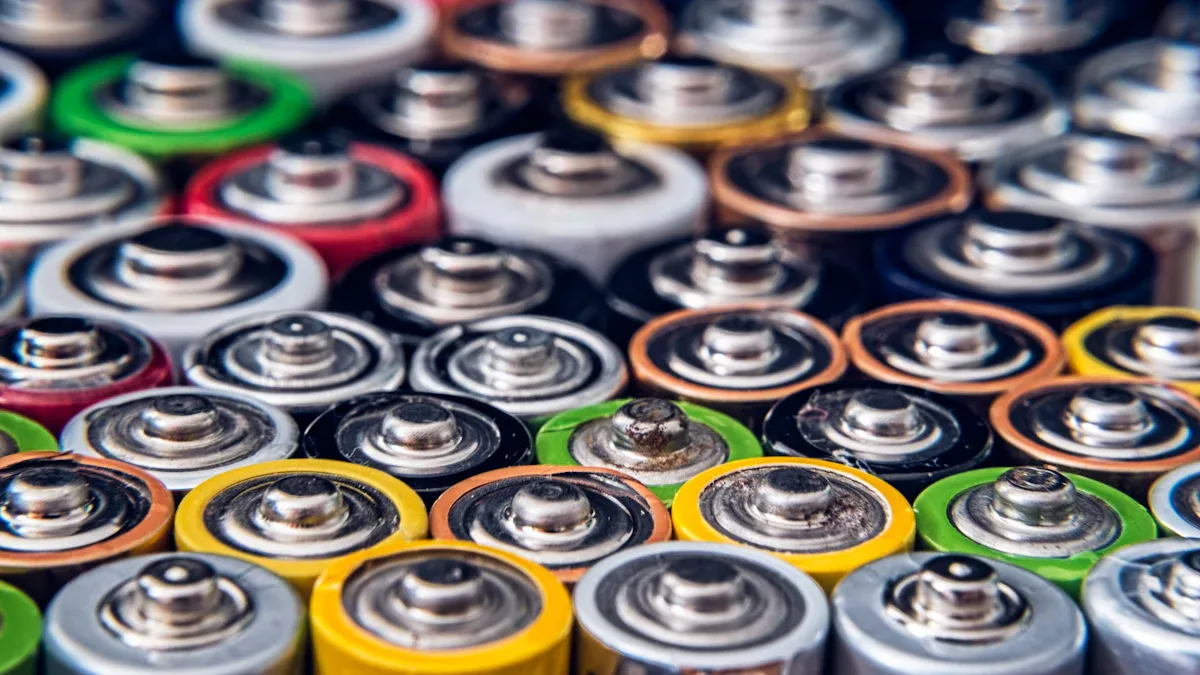
Quick reference for specifications
When choosing between CR123A batteries and 123A batteries, understanding their specifications can help you make an informed decision. Both types share many similarities, but subtle differences can influence their performance in your devices. Below is a quick reference table summarizing key metrics for comparison:
| Metric | CR123A | 123A |
|---|---|---|
| Size | Slightly shorter (34 mm) | Slightly longer (34.2 mm) |
| Voltage | 3 volts | 3 volts |
| Capacity | Similar, varies by usage | Similar, varies by usage |
| Chemical Composition | Lithium-based | Lithium-based |
| Discharge Characteristics | Consistent voltage | Consistent voltage |
| Safety Features | Standard safety features | Standard safety features |
| Application Areas | High-power devices | High-power devices |
This table highlights the shared features and minor differences between these batteries. Both types are lithium-based, ensuring stable performance and long shelf life. Their consistent voltage output makes them ideal for high-drain devices like flashlights and security systems. While CR123A batteries are slightly shorter, this difference rarely affects compatibility.
Tip: If your device requires a snug fit, double-check the dimensions before purchasing. This ensures the battery fits securely and performs optimally.
Both CR123A and 123A batteries include standard safety features, such as thermal shutdown protection, to prevent overheating. Their discharge characteristics remain consistent, providing reliable power for your devices. Whether you need batteries for tactical flashlights or emergency equipment, both options deliver dependable performance.
Note: While the differences are minimal, CR123A batteries may offer slightly better compatibility with devices requiring higher energy output. Always refer to your device’s user manual for specific recommendations.
Choosing Between CR123A and 123A Batteries
Understanding the differences and similarities between CR123A and 123A batteries helps you make informed decisions. Both types share features like lithium chemistry and compact size, but CR123A batteries offer higher capacity and longer lifespan. If you use high-drain devices like flashlights or security systems, CR123A batteries are the better choice. For low-drain devices, 123A batteries provide a cost-effective option. Always check your device’s specifications to ensure compatibility and optimal performance.
Tip: Choose batteries based on your device’s energy demands and your budget for long-term value.
FAQ
What is the main difference between CR123A and 123A batteries?
CR123A and 123A batteries differ mainly in capacity and lifespan. CR123A batteries typically offer higher capacity, making them better for high-drain devices. Both types share similar dimensions and voltage, but CR123A batteries last longer under heavy use.
Can you use CR123A batteries in place of 123A batteries?
Yes, you can use CR123A batteries in most devices designed for 123A batteries. Both types share similar voltage and size. However, always check your device’s manual to ensure compatibility and avoid performance issues.
Are CR123A batteries rechargeable?
No, CR123A batteries are not rechargeable. They are single-use lithium batteries designed for long-lasting performance. Attempting to recharge them can cause overheating or damage. Use rechargeable alternatives if your device supports them.
Why are CR123A batteries more expensive than 123A batteries?
CR123A batteries cost more due to their higher capacity and longer lifespan. They provide better performance in high-drain devices, which justifies the higher price. For low-drain devices, 123A batteries offer a more budget-friendly option.
How should you store CR123A and 123A batteries?
Store these batteries in a cool, dry place away from direct sunlight. Avoid extreme temperatures to maintain their shelf life. Proper storage ensures they remain functional for up to 10 years.
 UTMEL
UTMEL
We are the professional distributor of electronic components, providing a large variety of products to save you a lot of time, effort, and cost with our efficient self-customized service. careful order preparation fast delivery service
 Power Converter with Inbuilt Charging technology using WBG DevicesSaumitra Jagdale18 January 20242716
Although plug-in electric vehicles (PEVs) have gained traction globally, reducing cost, weight, and volume, while enhancing power conversion efficiency in chargers remains crucial. PEVs, recognized by governments for curbing fossil fuel consumption and emissions, rely on sizable battery packs for substantial all-electric range coverage.
Read More SR626SW Battery Equivalent: Technical Specs, Chemistries, and Selection GuideUTMEL26 May 20261485
This comprehensive technical guide details the SR626SW battery, a widely used 1.55V silver oxide cell. It explains regional naming conventions, cross-referencing equivalents like the 377 and LR626, and highlights the performance differences between silver oxide and alkaline chemistries. Additionally, it offers product engineers and technicians essential handling best practices to avoid voltage drops and ensure device longevity.
Read More How to Choose the Best Deep Cycle Battery in 2024 | Reviews and Buying GuideUTMEL21 July 20253006
You will learn about deep-cycle batteries in this post, including their main characteristics, things to think about while selecting one, and more.
Read More CR123A vs 123A Batteries Explained for 2025UTMEL27 May 20255420
CR123A and 123A batteries differ in capacity, lifespan, and compatibility. Learn how these differences affect your device's performance and safety.
Read More A Guide to the Best AG13 Battery SubstitutesUTMEL27 May 20253123
Discover the top AG13 battery equivalents for 2025, including LR44, SR44, 357, and A76. Compare performance, compatibility, and cost for your devices.
Read More
Subscribe to Utmel !
![52793-2670]() 52793-2670
52793-2670Molex
![R141720000]() R141720000
R141720000Radiall USA, Inc.
![P906-BK]() P906-BK
P906-BKAnderson Power Products, Inc.
![R223703170]() R223703170
R223703170Radiall USA, Inc.
![52207-1885]() 52207-1885
52207-1885Molex
![39-53-2194]() 39-53-2194
39-53-2194Molex
![HD36-24-31SE-B019]() HD36-24-31SE-B019
HD36-24-31SE-B019TE Connectivity
![R113083000]() R113083000
R113083000Radiall USA, Inc.
![76046-5001]() 76046-5001
76046-5001Molex
![F718092217]() F718092217
F718092217Radiall USA, Inc.