Product
 Brand
Brand Articles
 Tools
Tools
SR626SW Battery Equivalent: Technical Specs, Chemistries, and Selection Guide
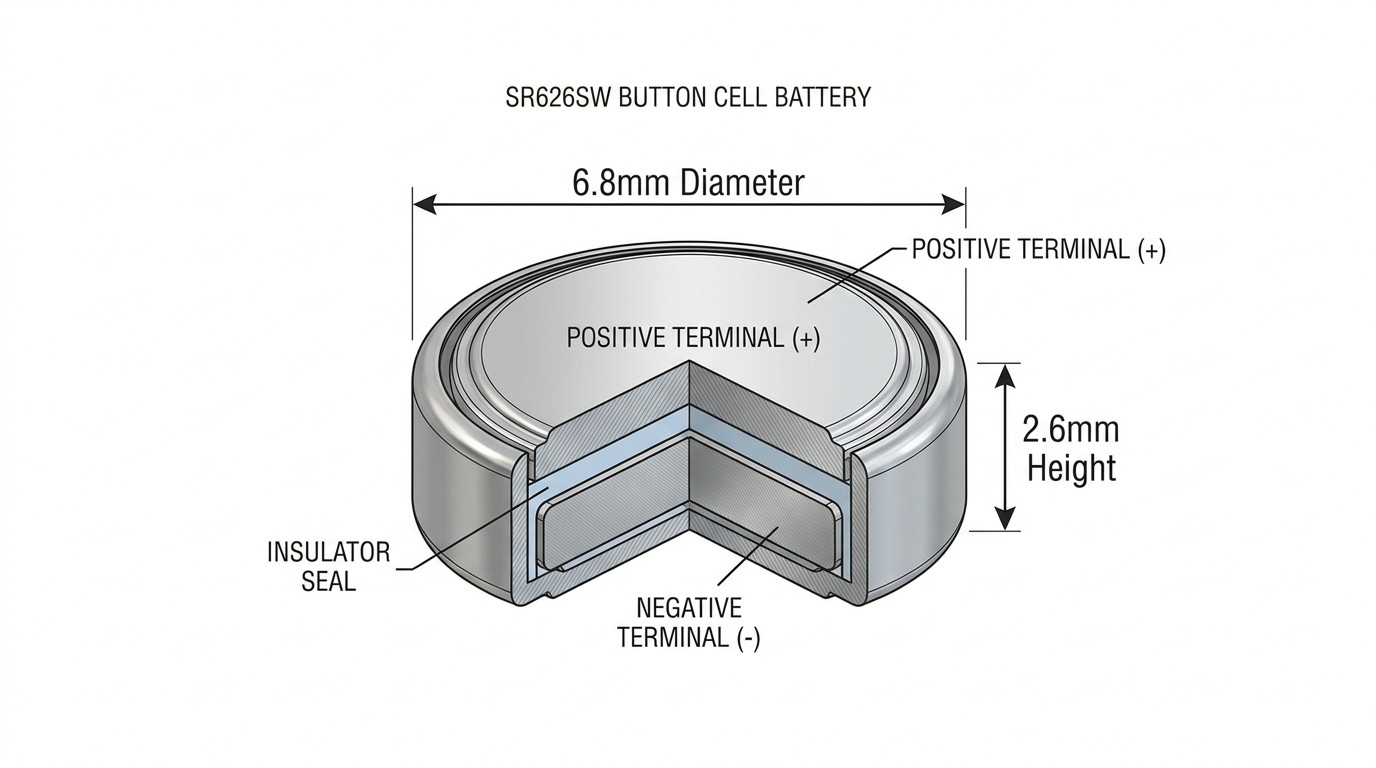
The SR626SW is a 1.55V silver oxide button cell battery universally recognized as one of the most common power sources for analog quartz watches, medical instruments, and compact electronics. Measuring exactly 6.8mm in diameter and 2.6mm in height, this specific form factor is manufactured under dozens of different naming conventions depending on the brand, region, and underlying chemistry. For electronics repair technicians, product engineers, and component sourcing teams, finding a reliable sr626sw battery equivalent requires looking beyond physical dimensions to understand voltage discharge curves, internal resistance, and OEM encapsulation codes.
This guide breaks down the technical specifications, chemical differences, and handling best practices for sourcing and replacing SR626SW equivalents.
Decoding the SR626SW Nomenclature and OEM Codes
The battery industry suffers from a highly fragmented naming matrix. Visual inspections of multi-brand blister packs often reveal manufacturers printing "AG4," "LR66," "LR626," and "377" on the exact same packaging, visually confirming that these codes refer to identical physical dimensions. However, the prefixes dictate the internal chemistry and performance.
The standard "SR626SW" follows the International Electrotechnical Commission (IEC) naming convention:
S: Denotes Silver Oxide chemistry (1.55V nominal).
R: Denotes a Round (cylindrical/button) shape.
626: Represents the physical dimensions of 6.8mm (diameter) x 2.6mm (height).
SW: Indicates a standard watch battery designed for low-drain applications (as opposed to "W" for high-drain devices with backlights or alarms).
Regional and Brand-Specific Codes
Different regions and watch manufacturers utilize proprietary codes for the exact same 6.8 x 2.6 mm silver oxide cell:
Swiss/European Standard: The 3## format is standard. 377 is the direct silver oxide equivalent to SR626SW. High-drain variants are labeled 376. Modern premium cells often merge these into a single "376/377" multi-drain label.
Brand Prefixes: Duracell uses D377, Varta uses V377, and Panasonic/Maxell often default to the AG4 or SR66 designations.
OEM Encapsulation Codes: Watch manufacturers frequently disguise standard SR626SW batteries under proprietary internal part numbers to control their supply chains. Seiko uses SB-AW, Citizen uses 280-39, and Bulova uses 606. Furthermore, Chinese OEM encapsulation codes like JA703, JA715, and JA771 are simply standard SR626SW batteries repackaged for specific assembly lines.
Silver Oxide vs. Alkaline: The Chemistry Difference
The most critical error made during component sourcing is treating alkaline and silver oxide button cells as perfectly interchangeable. While an alkaline LR626 or AG4 will physically fit into an SR626SW slot, the chemical performance profiles are drastically different.
Voltage Discharge Curves
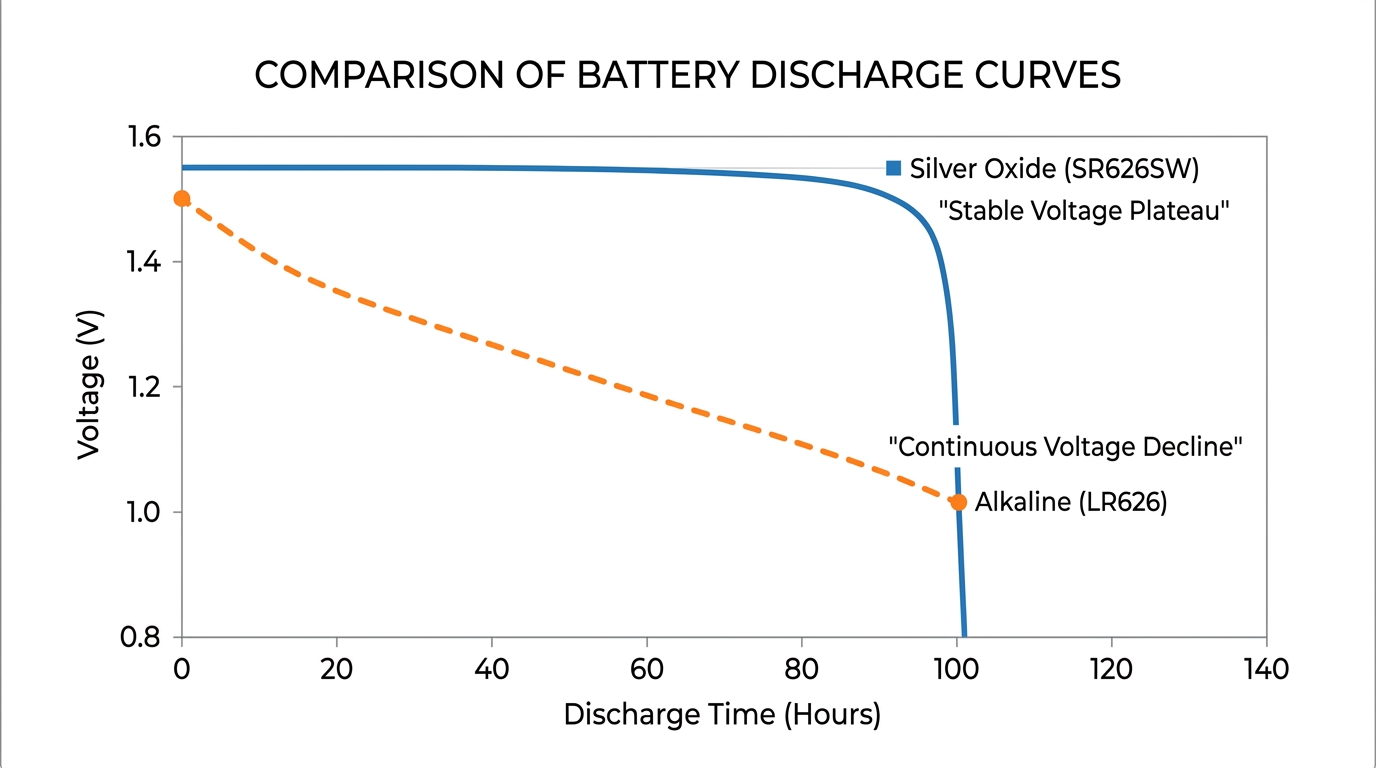
Silver oxide batteries (SR626SW, 377) provide a flat discharge curve. They maintain a stable voltage of >1.50V for the vast majority of their lifespan, only dropping to a 1.2V cutoff at the very end of their life.
Alkaline equivalents (LR626, AG4) have a sloping discharge curve. They start at 1.5V but steadily drop toward 1.0V as they deplete. In precision electronics, this voltage drop is fatal to performance. For example, a high-quality SR626SW will maintain >1.50V even after 1,000 hours of discharge. If an alkaline equivalent drops below 1.45V, a quartz watch will begin losing seconds per day, or a wireless sensor will experience data transmission stuttering.
When evaluating alkaline options for less sensitive devices, engineers often consult resources like Top-Rated AG13 Battery Equivalent Substitutes or A76 Battery Equivalent Pros and Cons Explained to understand the limitations of the "AG" and "LR" alkaline naming conventions across different button cell sizes.
Capacity and Shelf Life
Silver Oxide (SR626SW/377): Typically offers a capacity of 24mAh to 30mAh (for premium multi-drain cells). They feature a very low self-discharge rate (~2% per year) and a guaranteed shelf life of 3 to 5 years.
Alkaline (LR626/AG4): Generally caps out around 17mAh. They have a higher risk of electrolytic leakage over time, making them unsuitable for expensive, long-term devices.
SR626SW Battery Equivalent Cross-Reference Matrix
To avoid the nomenclature trap, use the following matrix to identify the correct sr626sw battery equivalent based on chemistry and manufacturer.
| Chemistry | Nominal Voltage | Common Labels / Equivalents | Best Use Case |
|---|---|---|---|
| Silver Oxide | 1.55V | SR626SW, 377, 376, SR66, SG4, V377, D377, 377A, 626SW | Precision watches, medical devices, continuous-drain sensors. |
| Alkaline | 1.50V | LR626, AG4, LR66, 177, L626F | Low-cost toys, basic calculators, temporary testing. |
| OEM / Proprietary | 1.55V | Seiko SB-AW, Citizen 280-39, Bulova 606, Timex BA, JA703, JA715 | Direct factory replacements (internally identical to SR626SW). |
Engineering Applications Beyond Watches
While the SR626SW is heavily associated with analog timepieces, its stable voltage platform and compact 6.8 x 2.6 mm footprint make it highly relevant for modern product engineering.
Medical Devices: Digital thermometers and continuous glucose monitors rely on the flat discharge curve of silver oxide to ensure sensor calibration remains accurate over months of use.
Smart Stylus Pens: Active styluses require consistent voltage to maintain pressure sensitivity and Bluetooth connectivity without adding the bulk of larger cylindrical batteries.
Compact Laser Levels: Industrial and hobbyist laser pointers utilize high-drain silver oxide equivalents (like the 376) to maintain beam intensity.
IoT and Wireless Home Sensors: Small magnetic door sensors and environmental monitors frequently use these cells. When engineers require higher voltage (3.0V) in a similarly compact footprint, they must pivot to lithium chemistries, a transition detailed in guides like What to Know Before Buying CR1225 Battery Equivalent.
Technician Best Practices for Replacement and Handling
Improper handling during battery replacement can instantly degrade a new cell's lifespan or damage the host device. Technicians should adhere to the following protocols:
📺 AG4 Watch Battery Equivalent | 377/376/SR626SW/SR66/SR626 Battery Equivalent
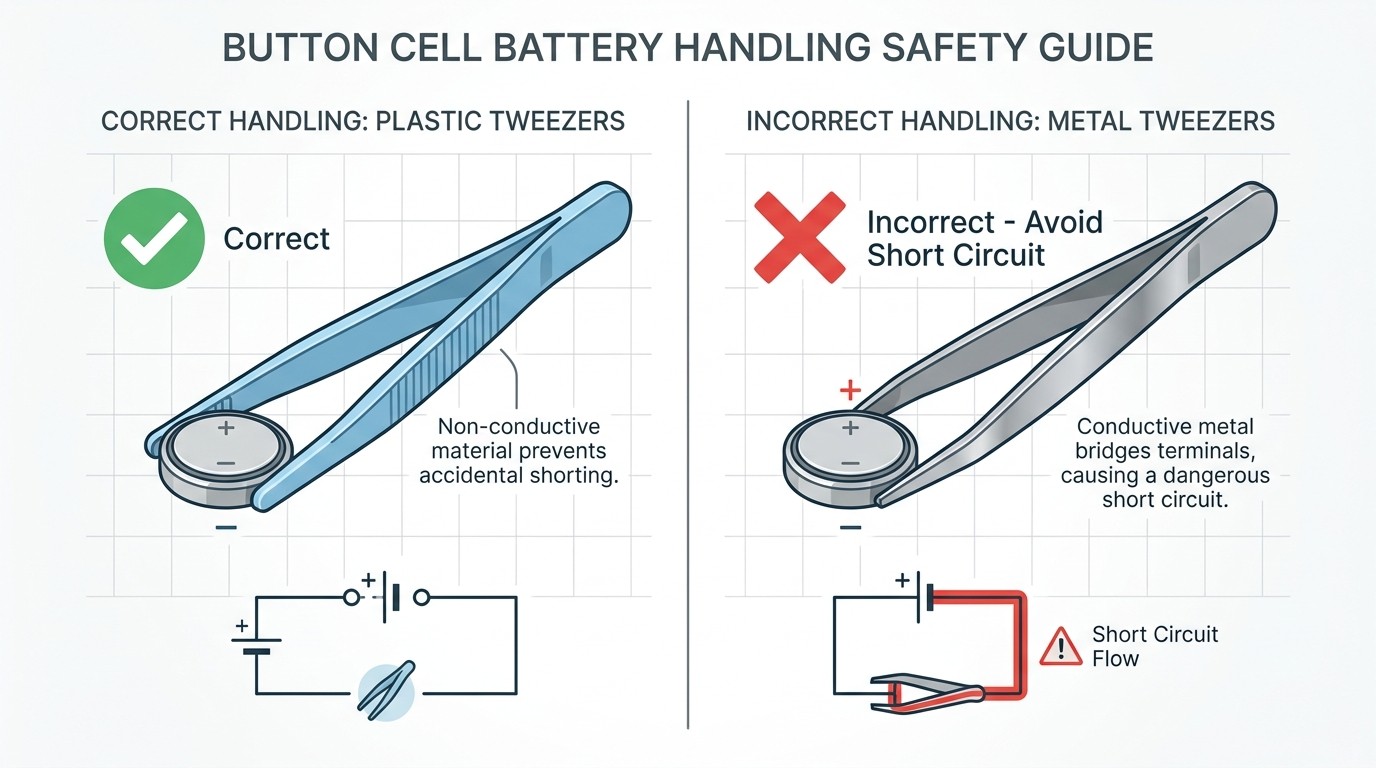
Use Non-Conductive Tools: Never use standard metal tweezers or steel screwdrivers to pry out or insert a button cell. Metal tools can bridge the positive and negative terminals, causing an immediate short circuit that permanently drains the battery's capacity. Industry best practice dictates using medical-grade ABS plastic pry tools with a 0.3mm edge radius or insulated ceramic tweezers.
Avoid Skin Contact: The natural oils and moisture on human fingers create a microscopic layer of electrical resistance on the battery's surface. This resistance forces the device to draw more current, leading to premature failure. Always handle button cells with finger cots or plastic tweezers.
Verify Safety and Authenticity: Visual inspections of premium battery blister packs will reveal a "0% Hg" (mercury-free) designation and strict child safety warnings. Because button cells pose a severe choking and chemical burn hazard if swallowed, authentic premium brands utilize child-resistant packaging. Furthermore, technicians should use a multimeter to verify a fresh silver oxide cell outputs approximately 1.55V to 1.58V before installation to spot counterfeit or expired stock.
What to Ignore When Sourcing SR626SW Equivalents
When researching or purchasing an sr626sw battery equivalent, filter out the following misleading claims:
Ignore claims that SR621SW is interchangeable: The SR621SW shares the same 6.8mm diameter but has a height of 2.1mm (compared to the SR626SW's 2.6mm). Using an SR621SW will result in a loose connection, causing the device to lose power intermittently.
Ignore the "364" equivalent myth: Some poorly researched cross-reference charts list the 364 battery as an equivalent. The 364 measures 6.8 x 2.1 mm and is not a direct physical substitute for the 377/SR626SW.
Ignore "Universal" AG4 listings for precision devices: Many cheap marketplace listings sell AG4 alkaline batteries marketed as "perfect for all watches." Ignore these for high-end quartz movements, as the alkaline voltage drop will inevitably cause timekeeping inaccuracies.
Frequently Asked Questions (FAQs)
Can I use an LR626 instead of an SR626SW?
Physically, yes; chemically, it is not recommended for precision devices. The LR626 is an alkaline battery that will fit perfectly, but its voltage drops steadily as it discharges. This will cause watches to lose time and digital devices to malfunction earlier than they would with a silver oxide SR626SW.
What does the "SW" stand for in SR626SW?
The "SW" indicates that the battery is designed for low-drain applications, such as standard analog watches without backlights or alarms. Batteries ending in "W" are high-drain variants. Today, many manufacturers produce multi-drain batteries that satisfy both requirements.
Are 377 and SR626SW the exact same battery?
Yes. "377" is the Swiss/European naming standard (often used by brands like Energizer and Renata), while "SR626SW" is the Japanese/IEC standard (used by Sony, Maxell, and Seiko). Both refer to a 1.55V silver oxide battery measuring 6.8 x 2.6 mm.
What is the shelf life of an SR626SW battery?
A high-quality silver oxide SR626SW battery typically has a shelf life of 3 to 5 years when stored at room temperature in its original packaging. They have a very low self-discharge rate of approximately 2% per year.
Why did my device stop working shortly after installing a new equivalent?
If the device stopped working quickly, you likely installed an alkaline equivalent (AG4/LR626) that dropped below the device's minimum voltage threshold (usually around 1.45V). Alternatively, handling the battery with bare hands may have deposited oils that increased contact resistance, or the battery was short-circuited during installation with metal tweezers.
 UTMEL
UTMEL
We are the professional distributor of electronic components, providing a large variety of products to save you a lot of time, effort, and cost with our efficient self-customized service. careful order preparation fast delivery service
 Power Converter with Inbuilt Charging technology using WBG DevicesSaumitra Jagdale18 January 20242748
Although plug-in electric vehicles (PEVs) have gained traction globally, reducing cost, weight, and volume, while enhancing power conversion efficiency in chargers remains crucial. PEVs, recognized by governments for curbing fossil fuel consumption and emissions, rely on sizable battery packs for substantial all-electric range coverage.
Read More SR626SW Battery Equivalent: Technical Specs, Chemistries, and Selection GuideUTMEL26 May 20261871
This comprehensive technical guide details the SR626SW battery, a widely used 1.55V silver oxide cell. It explains regional naming conventions, cross-referencing equivalents like the 377 and LR626, and highlights the performance differences between silver oxide and alkaline chemistries. Additionally, it offers product engineers and technicians essential handling best practices to avoid voltage drops and ensure device longevity.
Read More How to Choose the Best Deep Cycle Battery in 2024 | Reviews and Buying GuideUTMEL21 July 20253049
You will learn about deep-cycle batteries in this post, including their main characteristics, things to think about while selecting one, and more.
Read More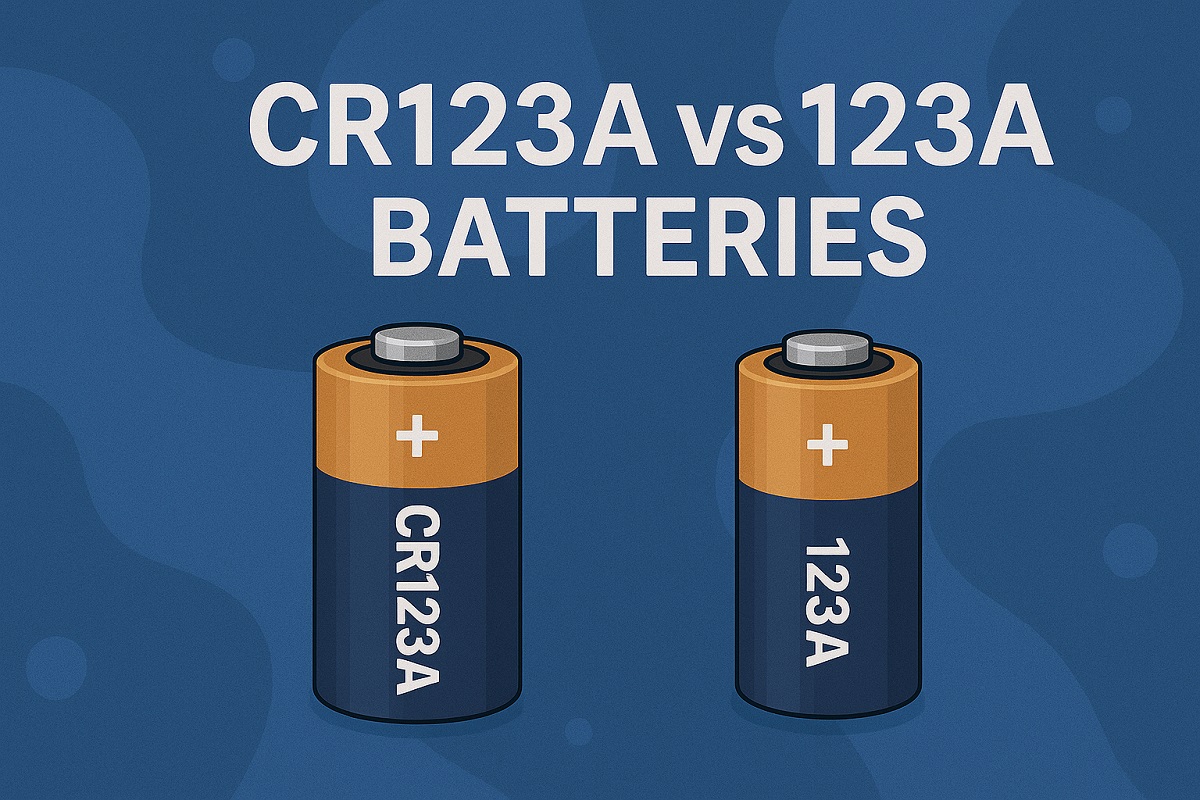 CR123A vs 123A Batteries Explained for 2025UTMEL27 May 20255792
CR123A and 123A batteries differ in capacity, lifespan, and compatibility. Learn how these differences affect your device's performance and safety.
Read More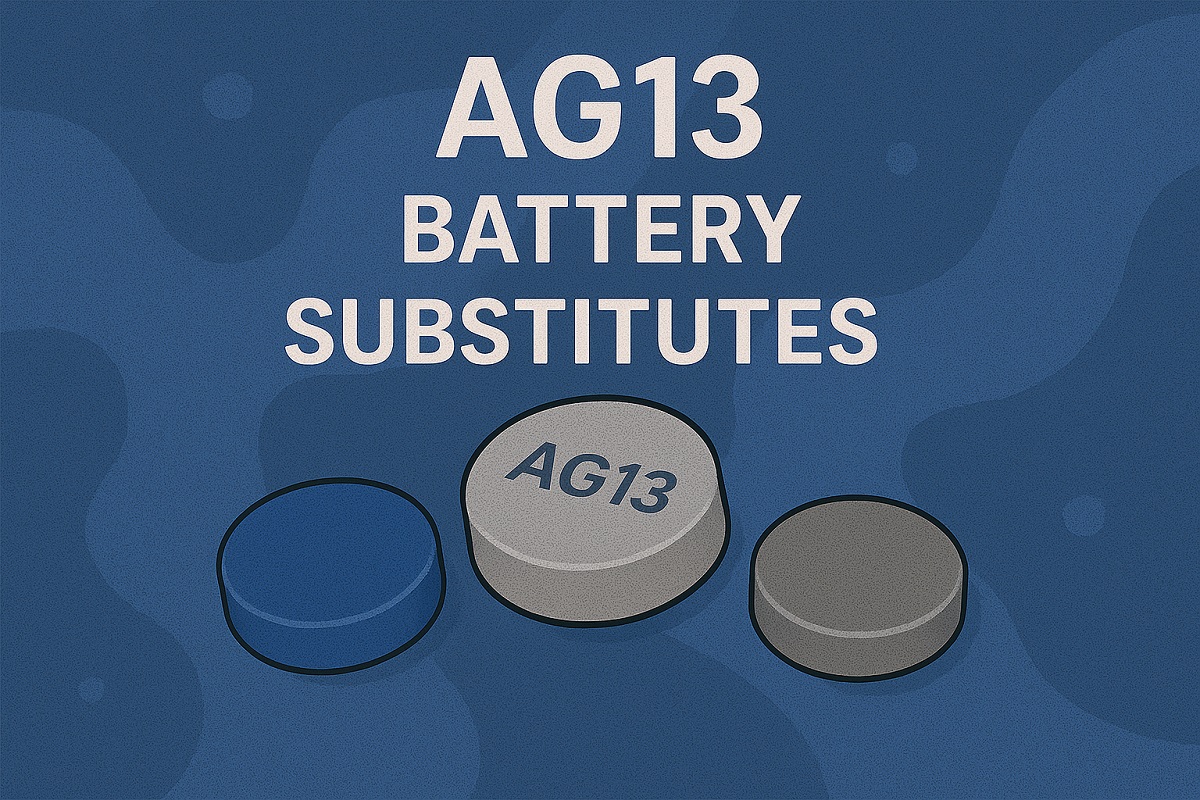 A Guide to the Best AG13 Battery SubstitutesUTMEL27 May 20253272
Discover the top AG13 battery equivalents for 2025, including LR44, SR44, 357, and A76. Compare performance, compatibility, and cost for your devices.
Read More
Subscribe to Utmel !
![52030-0829]() 52030-0829
52030-0829Molex
![52610-1071]() 52610-1071
52610-1071Molex
![52610-1671]() 52610-1671
52610-1671Molex
![52745-1197]() 52745-1197
52745-1197Molex
![SNT-100-BK-T-H]() SNT-100-BK-T-H
SNT-100-BK-T-HSamtec Inc.
![52808-0771]() 52808-0771
52808-0771Molex
![52808-2670]() 52808-2670
52808-2670Molex
![52808-1871]() 52808-1871
52808-1871Molex
![52793-2770]() 52793-2770
52793-2770Molex
![64321-2011]() 64321-2011
64321-2011Molex