

 Product
 Brand
Brand Articles
 Tools
Tools
Power Management ICs Trends 2026: AI Demand, Supply Risks, and Sourcing Strategies
By 2026, the exponential rise in AI server power density—with next-generation racks pushing past 100kW—is driving a massive architectural shift in power delivery. This surge in demand has triggered a dual-front supply chain challenge: a rapid migration toward wide-bandgap (WBG) semiconductors like Silicon Carbide (SiC) and Gallium Nitride (GaN), alongside a severe procurement bottleneck for mature-node Power Management ICs (PMICs). To prevent production line halts, sourcing teams must transition from "just-in-time" procurement to a resilient "just-in-case" strategy, prioritizing early qualification of pin-to-pin alternatives.
To help procurement and engineering teams navigate this landscape, the following "Just-in-Case" Procurement Matrix categorizes component risks and outlines immediate sourcing actions for 2026.
| Component Category | Risk Level | Primary Supply Driver | Recommended Sourcing Action |
|---|---|---|---|
| Mature-Node PMICs & BMCs | Critical (35–40 week lead times) | Legacy fab capacity constraints; intense competition with automotive and consumer sectors. | Qualify pin-to-pin alternatives immediately; leverage independent distributors for buffer stock. |
| Wide-Bandgap (SiC/GaN) | High | Rapid adoption in 800VDC AI server architectures and electric vehicle (EV) platforms. | Establish long-term agreements; design multi-source footprints directly onto PCBs. |
| Standard MOSFETs & Converters | Medium | Indirect capacity squeeze as fabs prioritize high-margin AI components. | Conduct BOM audits to identify single-source dependencies; establish alternative parts. |
The AI Power Crunch: Why Server Racks are Hitting 100kW
In corporate data centers, average rack densities have historically hovered under 15 kW. However, the deployment of high-performance AI training clusters has shattered these limits. In 2026, AI training clusters utilizing NVIDIA Blackwell GB200 and GB300 architectures are routinely exceeding 130 kW per rack, with some advanced liquid-cooled configurations surpassing 250 kW. Individual high-performance GPUs are now drawing up to 1,000 W each. This unprecedented power draw makes traditional distributed power architectures physically and thermally unviable.
To manage these loads, system designers are shifting toward modular multi-processing architectures. As demonstrated in advanced industrial backplane systems (such as the Mitsubishi iQ-R platform), distinct processing modules are slotted together, requiring highly specialized, dedicated power management components for each module type. Furthermore, modern AI workloads demand "millisecond-level determinism" and zero-latency power switching to prevent data corruption during transient load spikes.
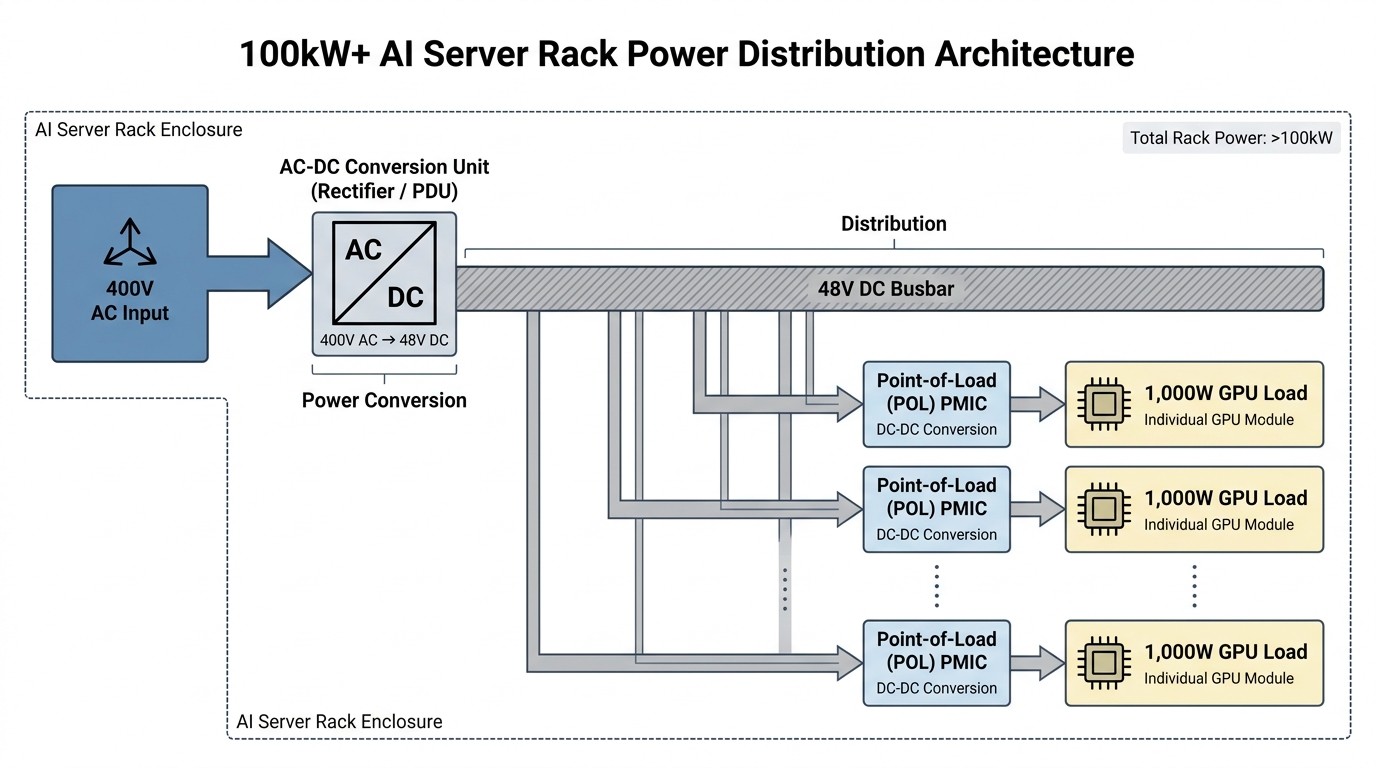
At the edge, AI deployments are expanding into ruggedized environments. These systems must operate reliably in extreme conditions ranging from -40°C to +75°C. A common mistake among hardware teams is attempting to repurpose commercial-grade PMICs for these high-density or ruggedized edge environments. Without industrial-grade ruggedization, these components fail under thermal stress. As industry experts note, *"Power systems are no longer silent infrastructure. They're intelligent, adaptive organisms."*
Component Shifts: The Rise of 400V/650V SiC and GaN
To meet the extreme efficiency and thermal demands of 100kW+ racks, traditional silicon superjunction MOSFETs are being phased out of Common Redundant Power Supplies (CRPS). In their place, Wide Bandgap (WBG) materials—specifically Silicon Carbide (SiC) and Gallium Nitride (GaN)—have become the standard.
Next-generation 800VDC AI data center architectures are increasingly utilizing 1250V/1700V GaN and 1200V SiC devices. According to industry reports, these WBG solutions allow power supplies to achieve peak efficiencies exceeding 98% under idealized vendor test conditions. More importantly for hardware designers, these materials enable a 30% reduction in space on densely packed main power distribution boards and reduce the overall BOM count by approximately 30% compared to traditional silicon.
Application Boundaries: SiC vs. GaN
Silicon Carbide (SiC): Best suited for high-voltage, high-power applications (such as 400V, 650V, and 1200V stages in AI server power supplies). SiC excels in thermal conductivity, making it ideal for high-temperature environments.
Gallium Nitride (GaN): Best suited for high-frequency, lower-to-medium voltage applications. GaN's rapid switching speeds allow for extremely small passive components, though its thermal dissipation capabilities are lower than SiC.
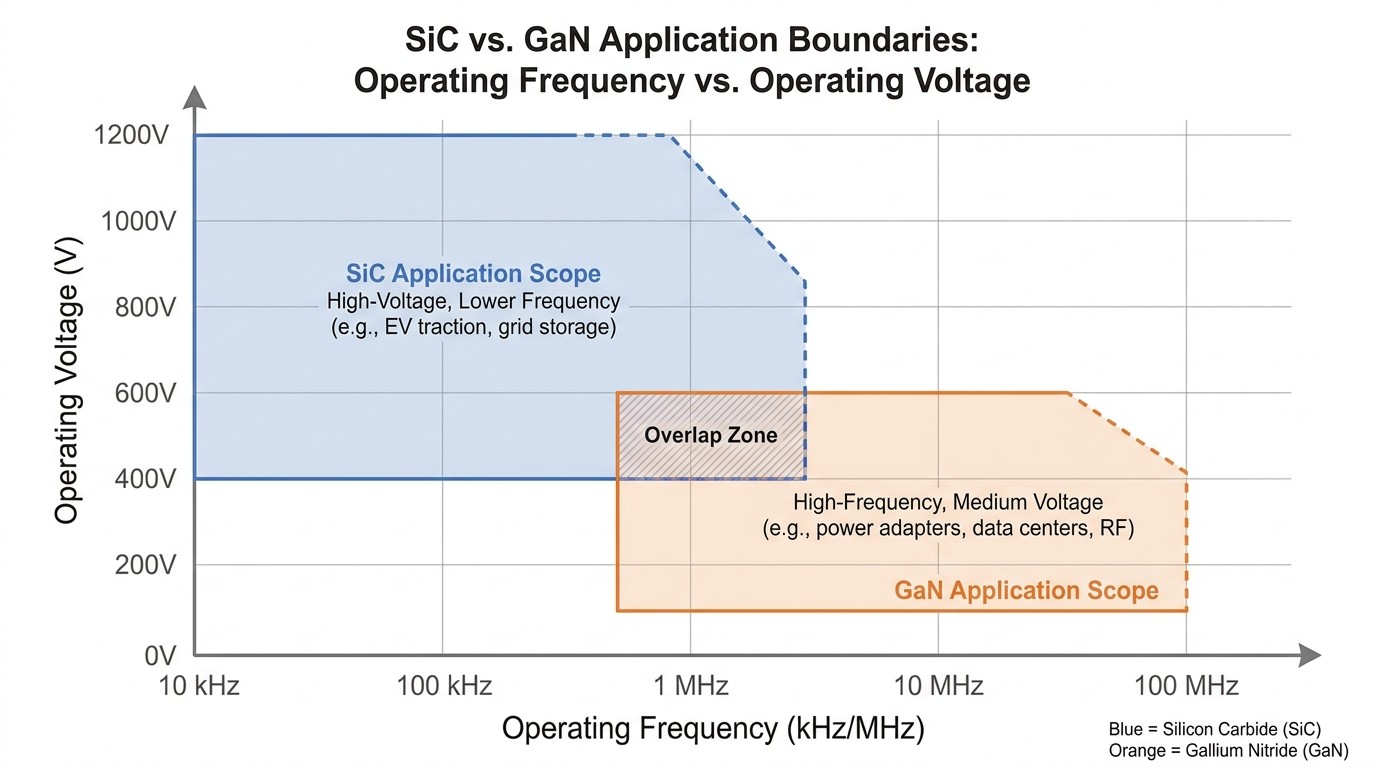
While vendor marketing often promises guaranteed efficiency gains, engineers must evaluate these claims cautiously. Peak efficiencies are highly dependent on specific topology choices, such as three-level topologies utilizing 400V SiC MOSFETs, which have been academically validated to significantly reduce switching losses compared to traditional two-level silicon designs.
The 2026 PMIC Shortage: The "Mature Node" Trap
While the industry focuses heavily on the supply of advanced 3nm and 5nm GPU silicon, a far more insidious bottleneck has emerged in the supply chain: the "Mature Node" Trap.
Power Management ICs (PMICs), voltage regulators, and Baseboard Management Controllers (BMCs) do not require cutting-edge lithography. Instead, they are manufactured on mature semiconductor nodes (typically 40nm to 180nm legacy fabs). Because global semiconductor capital expenditure has heavily favored advanced nodes, legacy fab capacity has remained relatively flat.
In 2026, this flat capacity is being squeezed by competing demands from the automotive, industrial, and consumer electronics sectors. Consequently, lead times for mature-node PMICs and BMCs are reported to have stretched to an estimated 35 to 40 weeks according to some industry sources. This severe bottleneck has had cascading industry effects, contributing to some analysts, such as TrendForce, downgrading their 2026 general-purpose server shipment growth forecast from an initial 20% to approximately 13%.
Adding to this complexity is the convergence of Operational Technology (OT) and Information Technology (IT). The old assumption of the "air-gapped network"—where industrial power systems were safe simply because they were physically isolated—is now a myth. In 2026, power systems require hardware-level security, secure boot capabilities, and protocol-level Deep Packet Inspection (DPI) to prevent cyber threats. This added complexity means PMICs are no longer simple analog regulators; they are highly integrated, secure devices, further straining mature-node manufacturing lines. As security experts warn, secure hardware integration *"builds trust in a world where 'air-gapped networks' are becoming myths."*
Sourcing Strategies: Securing Power Semiconductors in 2026
To navigate these extended lead times and capacity constraints, procurement teams must abandon "just-in-time" inventory models. A proactive, multi-sourced procurement strategy is essential to prevent production line halts.
BOM Risk Mitigation Checklist
[ ] Audit Single-Source Components: Identify any PMIC, LDO, or WBG device on your BOM that is tied to a single manufacturer.
[ ] Map Node Dependencies: Categorize components by manufacturing node to identify which parts rely on highly constrained legacy fabs.
[ ] Establish Independent Distributor Relationships: Partner with authorized independent distributors who maintain physical inventory buffers to bypass franchised lead times safely.
[ ] Qualify Alternatives Early: Do not wait for a line-down situation to test alternative parts. Build pin-to-pin compatible footprints into the PCB design phase.
During periods of supply constraints, the risk of counterfeit components entering the supply chain rises exponentially. Sourcing teams must ensure that all independent channels utilize strict quality control protocols and source directly from authorized channels to guarantee part authenticity.
Validating Pin-to-Pin Alternatives for Power Regulators
Telling an engineering team to "find an alternative" is easy; executing a safe component swap without redesigning the PCB is where the real challenge lies. When a primary PMIC or voltage regulator faces a 40-week lead time, qualifying a pin-to-pin substitute is the fastest path to production.
For a foundational understanding of these devices, engineers should consult our comprehensive power management integrated circuit (PMIC) guide. When selecting a replacement, it is critical to establish clear selection criteria for power management ICs (PMICs) to ensure system stability.
A key architectural decision often involves comparing topologies, such as evaluating an LDO vs. buck converter to determine which regulator best suits the thermal and efficiency constraints of the application. Once a candidate is identified, engineers must follow a rigorous validation workflow. For a detailed, step-by-step technical breakdown, refer to our guide on how to validate a pin-to-pin LDO or voltage regulator substitute.
Ultech Curates: Top 10 Industrial Automation & Power Management Tech in 2026 — Part 1
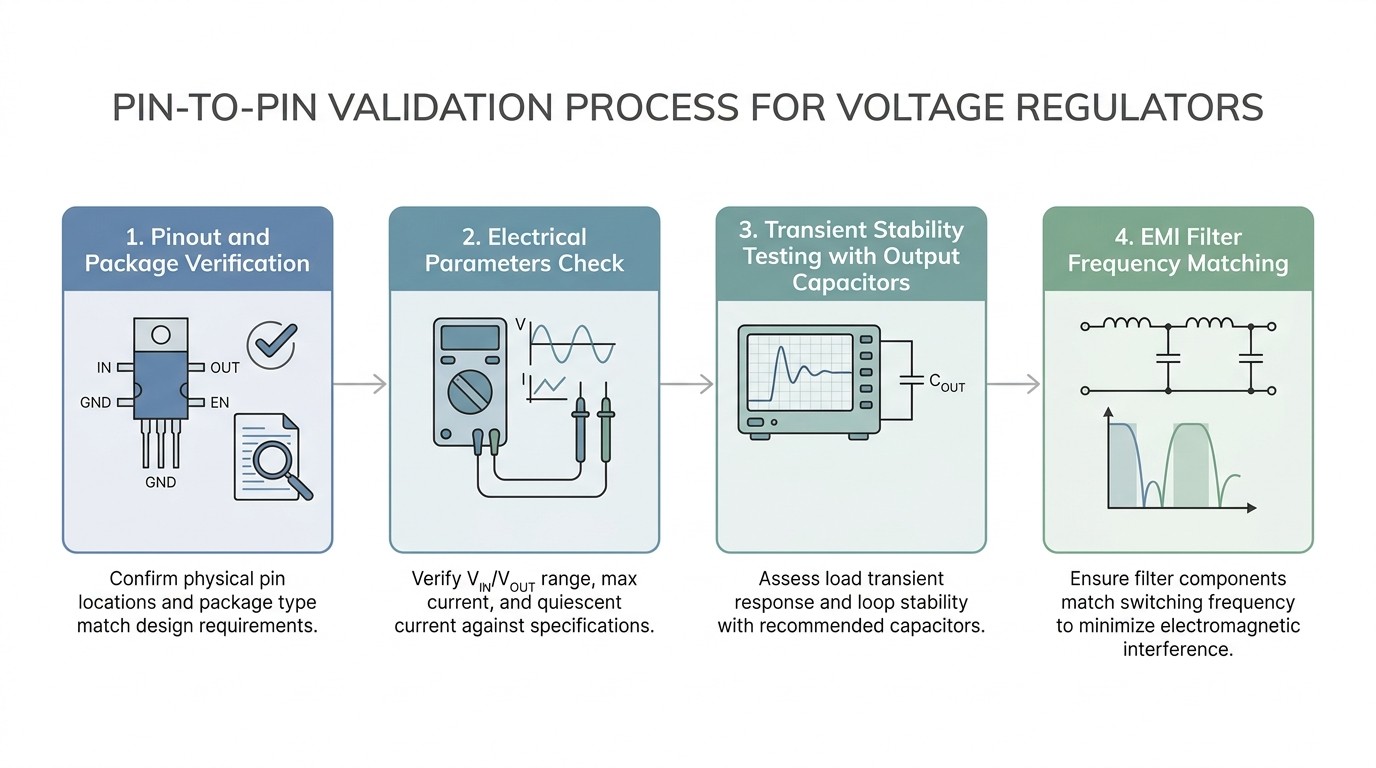
Pin-to-Pin Validation Checklist
Pinout and Package Matching: Verify that the physical package (e.g., QFN, SOIC) and pin assignments match exactly. Pay close attention to the thermal pad (Exposed Pad) dimensions, as variations can affect heat dissipation.
Electrical Parameter Alignment: Ensure the input voltage range, maximum output current, and dropout voltage (for LDOs) meet or exceed the original specification.
Transient Response and Stability: Compare the equivalent series resistance (ESR) requirements of the output capacitors. A substitute regulator may become unstable if paired with ceramic capacitors when it was designed for tantalum.
Switching Frequency Compatibility: For switching regulators, ensure the switching frequency matches to avoid electromagnetic interference (EMI) issues with existing board filters.
UTMEL’s Role in Your 2026 Supply Chain
As supply chains tighten, UTMEL serves as a critical partner for hardware engineers and procurement teams navigating the 2026 power semiconductor landscape. By bridging the gap between legacy fab constraints and immediate production needs, UTMEL helps businesses maintain continuity without compromising on quality.
UTMEL's Core Sourcing Advantages
In-Stock Power Devices: Direct access to a broad inventory of PMICs, MOSFETs, SiC/GaN devices, and DC-DC converters.
Guaranteed Authenticity: All components are sourced through authorized channels with rigorous quality control, eliminating the risk of counterfeit parts.
Fast RFQ Sourcing: Submit RFQs by specific voltage, current, and package specifications to receive rapid quotes.
Expert Alternative Recommendations: UTMEL’s engineering team provides verified pin-to-pin alternative recommendations to help you bypass extended manufacturer lead times.
Frequently Asked Questions (FAQ)
Is SiC better than GaN for AI data centers?
Neither is universally "better"; they serve different roles. Silicon Carbide (SiC) is ideal for high-voltage, high-power applications (such as 400V/650V and 1200V stages) due to its superior thermal conductivity. Gallium Nitride (GaN) is preferred for lower-voltage, high-frequency applications where minimizing footprint and maximizing switching speed are the primary goals.
Will AI cause a broader power component shortage?
Yes. The massive demand for AI server infrastructure is consuming a disproportionate share of both wide-bandgap manufacturing capacity and mature-node legacy fab capacity. This creates a cascading shortage that impacts non-AI industries, including automotive, industrial automation, and consumer electronics, which rely on the same mature-node PMICs.
How can I bypass 40-week lead times for power semiconductors?
The most effective strategy is to design boards with multi-source footprints and proactively qualify pin-to-pin alternatives. Partnering with reliable independent distributors like UTMEL allows procurement teams to access buffer stock and secure genuine components outside of traditional franchised channels.
Sources and references used for this guide
Power Semiconductors Shortage Outlook 2026
Source type: vendor article
Used for: Context on power semiconductor shortages and sourcing options.
Caution: Brand-owned content; use for strategic alignment.Powering AI with SiC: Why data centers are rethinking power supplies
Source type: official company documentation
Used for: Technical specs on 400V/650V SiC MOSFETs and thermal efficiency.
Caution: Vendor source; strip marketing claims.Why SiC MOSFETs are Your Choice for Hyperscale Data Centers
Source type: official company documentation
Used for: Context on SiC applications in PFC and LLC stages.
Caution: Vendor source; not neutral ranking evidence.400V SiC MOSFET empowering three-level topologies
Source type: research source
Used for: Engineering validation of 400V SiC performance improvements.
Caution: None.Semiconductor Supply Chain Investments
Source type: industry institution
Used for: Macro context on semiconductor supply chain capacity.
Caution: None.How AI Is Creating Electronic Component Shortages
Source type: reputable professional source
Used for: Analysis of mature node capacity constraints affecting PMICs.
Caution: Use for industry forecasting context.
 UTMEL
UTMEL
We are the professional distributor of electronic components, providing a large variety of products to save you a lot of time, effort, and cost with our efficient self-customized service. careful order preparation fast delivery service
 Power Semiconductor Procurement After the Nexperia Shake-Up—NXP for Stability, ON for Technology, or Nexperia for Value?UTMEL04 November 20254880
The recent supply chain turmoil surrounding Netherlands-based Nexperia has sent shockwaves through the global semiconductor industry, forcing procurement professionals to re-evaluate their sourcing strategies.
Read More AI Computing Power Gap: How Token Consumption is Reshaping Server Component SourcingUTMEL23 June 2026955
As global token consumption drives the transition to high-density 100kW+ AI data centers, power delivery networks require advanced Wide-Bandgap semiconductors (SiC/GaN) and high-capacitance MLCCs. This shift has triggered a component procurement crisis with lead times exceeding 24 weeks. To bypass shortages, hardware buyers must abandon just-in-time manufacturing and leverage independent global distributor networks to secure critical power and passive components.
Read More The BSPDN Revolution: Overcoming IR Drop in Sub-2nm GAAFET Nodes with Backside Power DeliveryUTMEL25 June 2026933
As semiconductor manufacturing enters the sub-2nm era, Backside Power Delivery Networks (BSPDN) are replacing traditional front-side routing to overcome critical IR drop bottlenecks. By separating power and signal delivery, chipmakers like Intel and TSMC drastically improve performance and density in GAAFET designs. However, this radical shift introduces manufacturing complexities, thermal challenges, and demands advanced packaging and power management solutions.
Read More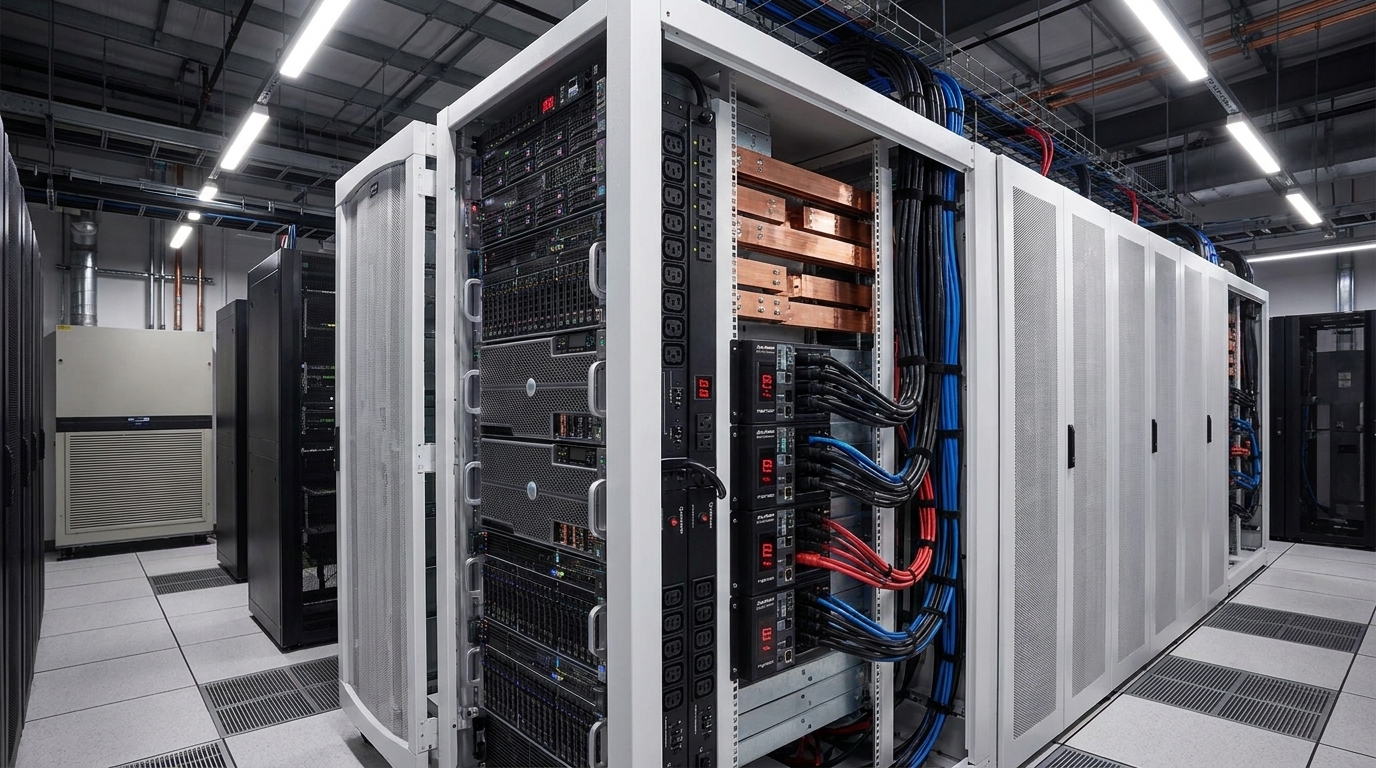 Power Management ICs Trends 2026: AI Demand, Supply Risks, and Sourcing StrategiesUTMEL06 July 20261433
As AI server racks surpass 100kW by 2026, data centers are shifting toward wide-bandgap semiconductors like SiC and GaN. However, this demand has triggered a critical shortage of mature-node Power Management ICs (PMICs). To prevent production halts, sourcing teams must abandon 'just-in-time' models, implement proactive 'just-in-case' strategies, and rapidly qualify pin-to-pin alternative components to secure their supply chains.
Read More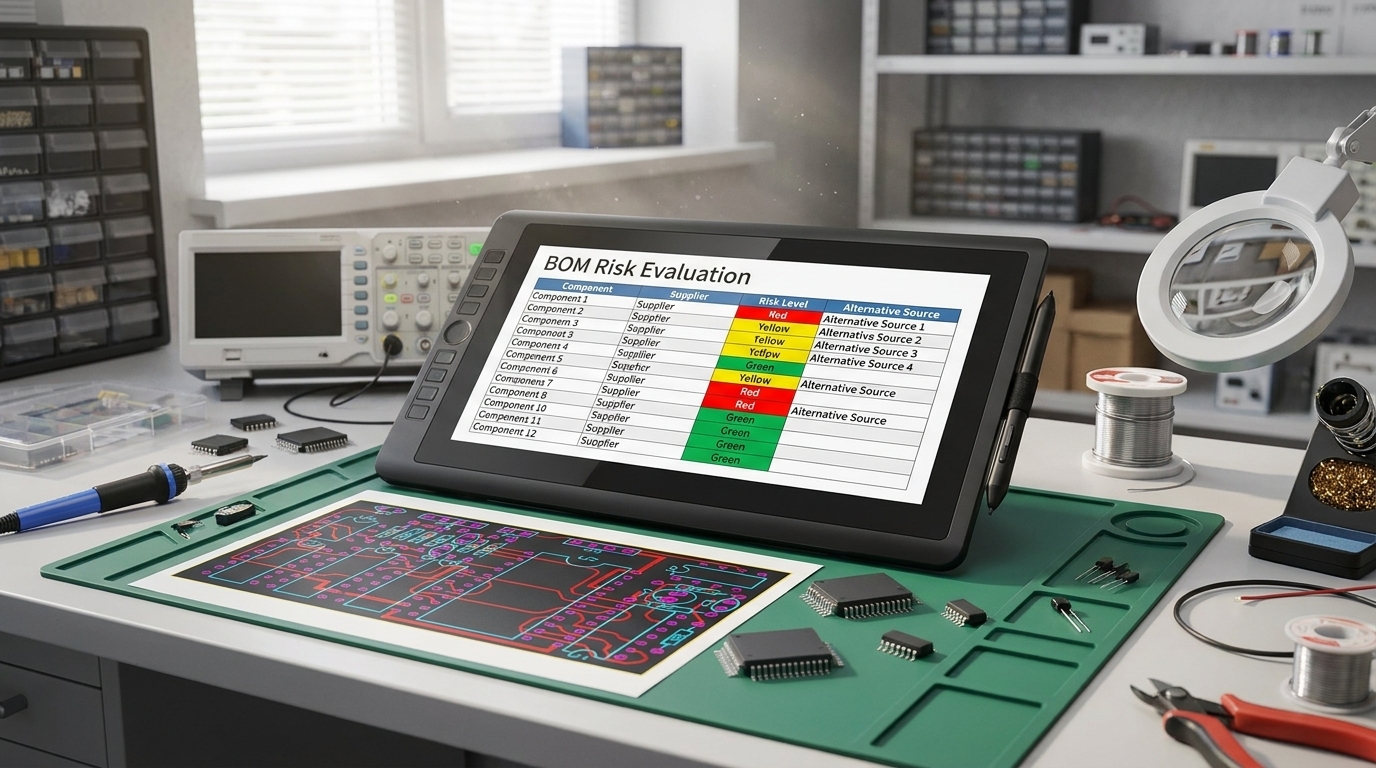 onsemi Synaptics Acquisition Impact: BOM Risk Checklist and Second-Source Strategy for Edge AI DesignsUTMEL27 July 2026345
The onsemi acquisition of Synaptics provides hardware program managers a 12-to-18-month window before potential product cancellations occur in mid-2027. This guide outlines how to audit BOM exposure across overlap and non-core product lines, calculate Last-Time-Buy volumes including hidden storage costs, establish proactive second-sourcing triggers, and implement supply chain monitoring to prevent line-down events.
Read More
Subscribe to Utmel !
![0201N120J500CT]() 0201N120J500CT
0201N120J500CTWalsin Technology Corporation
![04M030050HNDIN34814]() 04M030050HNDIN34814
04M030050HNDIN34814Essentra Components
![04M050080HNDIN34814]() 04M050080HNDIN34814
04M050080HNDIN34814Essentra Components
![0603B224K6R3CT]() 0603B224K6R3CT
0603B224K6R3CTWalsin Technology Corporation
![0825020TNA]() 0825020TNA
0825020TNAEssentra Components
![0525020SCN]() 0525020SCN
0525020SCNEssentra Components
![BLM18PG221SN1D]() BLM18PG221SN1D
BLM18PG221SN1DMurata Electronics
![BLM18AG121SN1D]() BLM18AG121SN1D
BLM18AG121SN1DMurata Electronics
![BLM21AG102SN1D]() BLM21AG102SN1D
BLM21AG102SN1DMurata Electronics
![BLM18SG221TN1D]() BLM18SG221TN1D
BLM18SG221TN1DMurata Electronics


