Product
 Brand
Brand Articles
 Tools
Tools
AI Computing Power Gap: How Token Consumption is Reshaping Server Component Sourcing
The exponential rise of Large Language Models (LLMs) and autonomous AI agents has created a massive global AI computing power gap. As software demands outpace traditional hardware capabilities, data center infrastructure is undergoing a radical physical transformation. Hyperscalers are racing to deploy high-density, 100kW+ racks, fundamentally breaking legacy power distribution and thermal management models. For hardware procurement managers and power supply engineers, this architectural shift translates into a severe supply chain reality: unprecedented demand for Wide-Bandgap (SiC/GaN) power devices, High-Capacitance MLCCs, and Power Management ICs (PMICs), resulting in lead times stretching beyond 24 weeks.
This article analyzes the engineering constraints driving next-generation AI server designs and provides actionable sourcing strategies for B2B buyers navigating the 2026 component squeeze.
The Macro Driver: 24x Token Growth and the "Tokens per Watt" Era
The root cause of the current hardware shortage is software consumption. According to market projections from Goldman Sachs, global AI token consumption is expected to surge 24 times by 2030, driven heavily by the enterprise adoption of autonomous AI agents. This software reality is forcing a paradigm shift in how data centers measure efficiency.
Historically, infrastructure planners measured capacity in "kW per rack." Today, the industry is shifting to a "Tokens per Watt" metric to align infrastructure design with actual AI compute output. This massive computing power demand is driving AI-related capital expenditures for super-large data centers to an estimated $110 billion to $140 billion by 2027. The resulting supply and demand imbalance is already causing delays in data center projects, as physical resources—specifically electricity and specialized electronic components—become the ultimate bottlenecks.
The Physical Reality of 600kW Racks
Average data center rack density has historically hovered around 10 to 27 kW. AI workloads have pushed this into warp speed. NVIDIA’s GB200 NVL72 rack pushes power requirements to 120kW, and the upcoming NVIDIA Rubin Ultra NVL576 architecture is projected to approach a staggering 600 kW per rack by the second half of 2027.
At these densities, traditional airflow cooling and standard AC power distribution completely fail. While liquid cooling (rear door heat exchangers and immersion) frequently dominates the thermal conversation, power distribution is the equally critical, often-overlooked twin constraint. Delivering 600kW of power to a single rack without melting the infrastructure requires a complete redesign of the Power Delivery Network (PDN).
Engineering the Power Delivery Network: SiC, GaN, and HVDC
High-performance AI GPUs now draw 1,000W to 2,000W each. To support this, server Power Supply Units (PSUs) must scale from legacy 800W levels to 5.5kW, 8kW, and even 12kW.
Traditional silicon MOSFETs have reached their physical performance and efficiency ceilings for these high-frequency, high-density workloads. To manage the thermal and electrical loads, data centers are shifting toward 800V High-Voltage Direct Current (HVDC) architectures. This eliminates multiple AC-DC conversion steps, increasing transmission capacity by 85%.
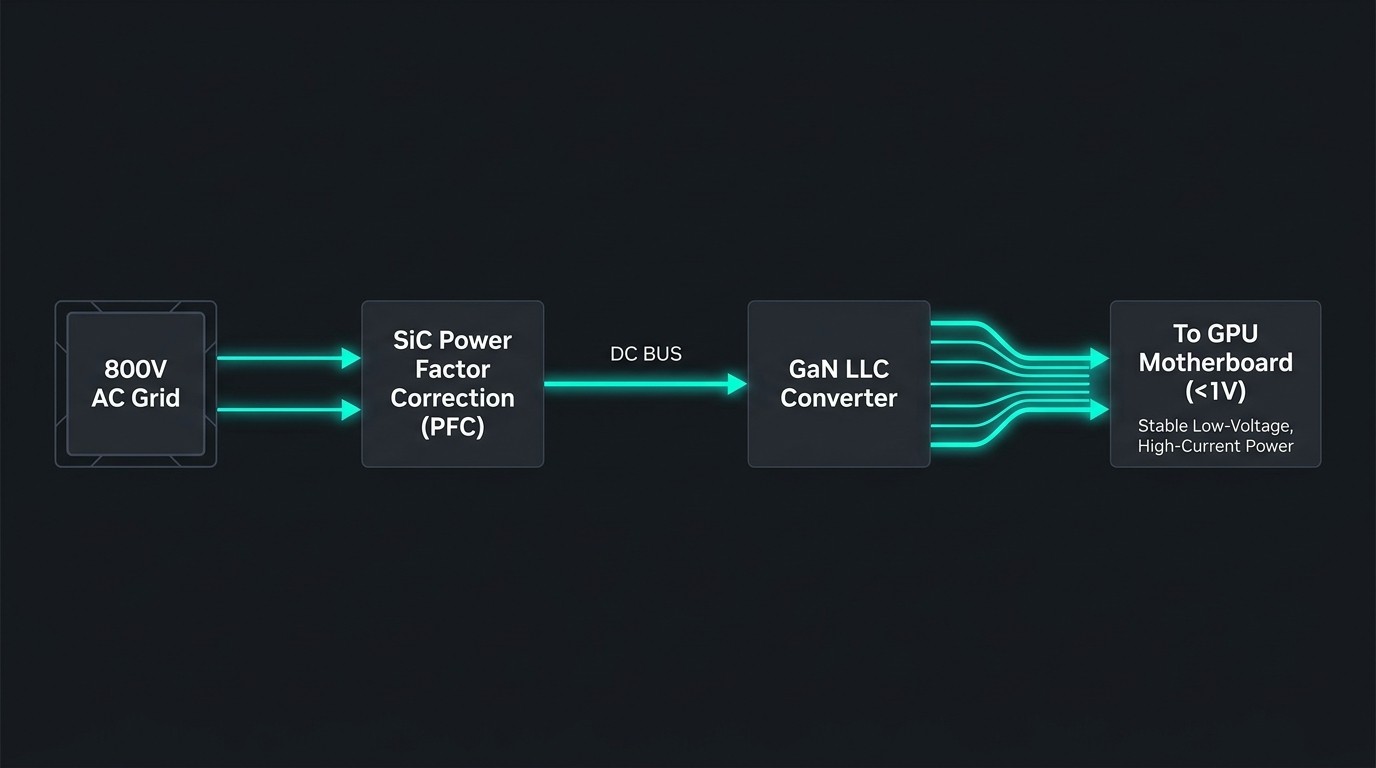
This architectural shift makes third-generation Wide-Bandgap (WBG) semiconductors mandatory. Silicon Carbide (SiC) and Gallium Nitride (GaN) offer lower on-resistance, higher switching speeds, and reduced thermal losses. Next-generation 8kW PSUs utilize a mix of SiC (for Power Factor Correction stages) and GaN (for LLC converter stages) to achieve 97.5% efficiency and 100 W/in³ power density. By minimizing switching losses, WBG materials allow engineers to shrink magnetic components and manage thermals within the rack's strict physical footprint.
📺 Local AI Explained | Hardware, Setup and Models
The MLCC Explosion: Buffering Sub-1V GPU Current Spikes
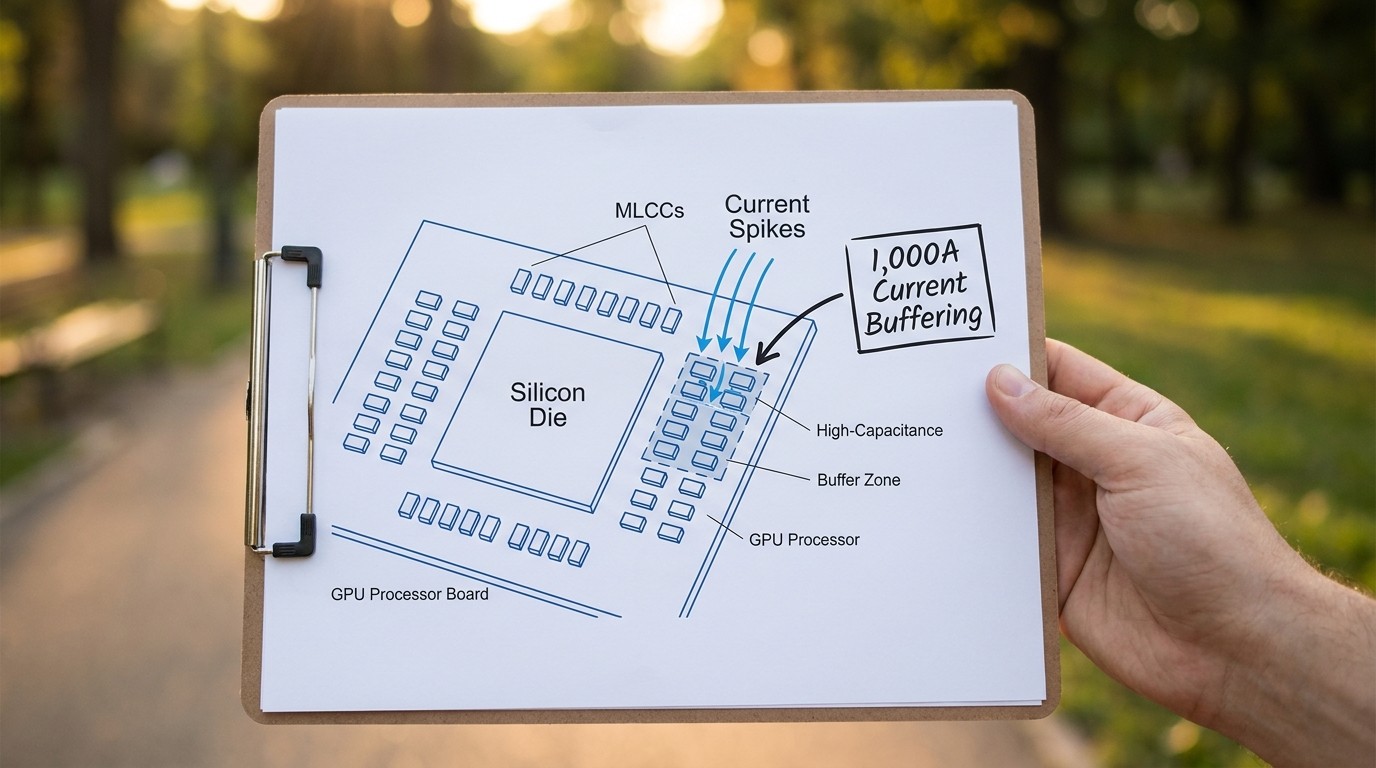
While power semiconductors act as the "gatekeepers" of electricity from the grid to the motherboard, passive components are the critical final mile. AI GPUs operate at sub-1V levels but experience instantaneous current changes of hundreds to thousands of amperes depending on the token workload.
To prevent system crashes during heavy inference or training, high-capacitance MLCCs with low Equivalent Series Resistance (ESR) must be placed extremely close to the GPU. They act as rapid current buffers and suppress broadband power noise.
The volume required is staggering. A single standard AI server requires 15,000 to 20,000 high-capacity MLCCs—roughly 3 to 5 times more than traditional servers. Recent teardowns reveal that NVIDIA Rubin racks require over 600,000 capacitors, with the total value of MLCCs per rack surging to $4,320 (a 182% increase from the previous generation).
Edge Alternatives: Bypassing the VRAM Bottleneck with Unified Memory
For enterprise builders who cannot secure or afford $7,000+ traditional GPUs (like the 48GB RTX 6000 Ada) to bridge their local AI computing power gap, the industry is pivoting toward Unified Memory Architectures at the edge.
Recent hardware demonstrations of AMD's "Strix Halo" processors reveal how edge devices are bypassing the VRAM bottleneck. Instead of isolated CPU and GPU memory pools separated by PCIe lanes, these systems utilize a massive 128GB unified memory pool. By applying specific Linux OS kernel modifications (such as tweaking the GRUB configuration with amdgpu.gttsize=108000), engineers can force the OS to allocate up to 108GB of system RAM directly to the GPU for local LLM inference.
However, engineers testing these local deployments warn of the "KV Cache memory trap." When sizing hardware for local inference, buyers often calculate the VRAM needed for the model weights but forget the memory required for the context window (Key-Value cache). Squeezing a 101GB quantized model into 108GB of allocated memory leaves room for only a tiny ~4,000 token context window before the system bottlenecks, highlighting why high-capacity memory components remain critical even in edge deployments.
The 2026 Procurement Crisis: Navigating the "Two-Tier" Market
The engineering demands of 100kW+ racks have created a "K-shaped" or two-tier component market. While standard consumer electronics components remain stagnant, AI and automotive-grade high-end components face severe shortages. Hyperscalers with deep pockets are absorbing massive foundry capacity, leaving mid-tier enterprise buyers stranded.
According to industry data, lead times for power semiconductors and PMICs from major IDMs have stretched to 35–40 weeks. Simultaneously, top-tier suppliers are reallocating capacity away from industrial sectors to serve AI hyperscalers, driving 10-15% YoY price hikes for high-cap MLCCs.
To navigate these 2026 semiconductor and electronic components price trends, procurement teams must abandon just-in-time (JIT) manufacturing models. Securing inventory requires proactive sourcing tactics amid price hikes and lead time extensions, including qualifying secondary suppliers and leveraging independent global distributors.
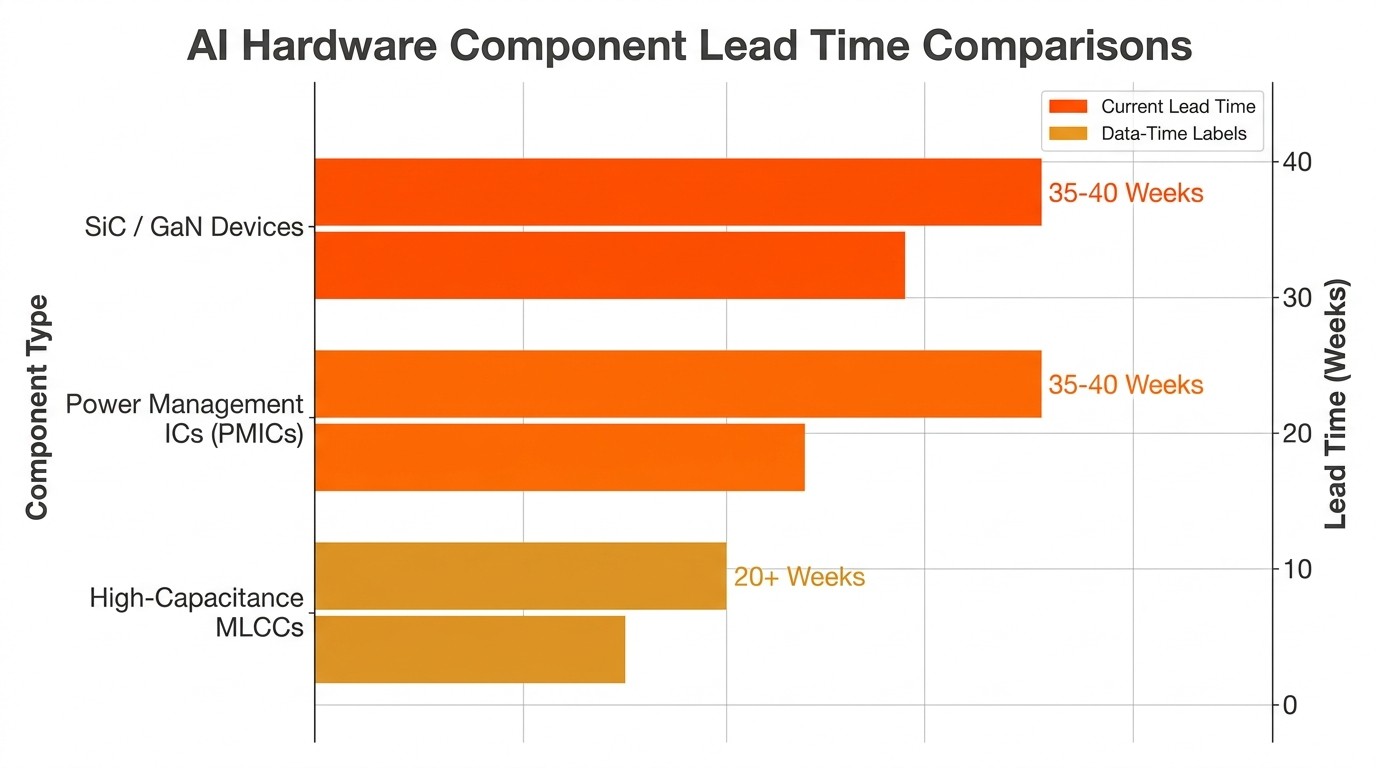
For procurement teams facing these constraints, UTMEL Electronics offers an extensive, verified global supplier network to source high-demand active and passive components—including PMICs, high-capacitance MLCCs, and SiC/GaN devices. By tapping into a verified independent network, data center builders can bypass standard 24-week lead times and secure their supply chains during the AI-driven component squeeze.
Component Sourcing Decision Matrix
Use this matrix to align your procurement strategy with the specific lead-time risks of AI server components.
| Component Category | AI Server Function | Current Lead Time Risk | Sourcing Strategy & Mitigation |
|---|---|---|---|
| High-Capacitance MLCCs (X5R/X7R) | Sub-1V GPU current buffering; noise suppression. | High (20+ weeks) | Stockpile 6 months out. Qualify alternative tier-2 manufacturers; utilize independent verified distributors. |
| SiC / GaN Power Devices | High-efficiency switching for 5.5kW+ PSUs and HVDC. | Critical (35-40 weeks) | Lock in long-term NCNR (Non-Cancellable, Non-Returnable) contracts. Redesign boards to accept multiple footprint-compatible WBG brands. |
| Power Management ICs (PMICs) | Voltage regulation across 48V to sub-1V step-downs. | Critical (35-40 weeks) | Avoid single-source proprietary PMICs where possible. Leverage global supplier networks to find excess hyperscaler inventory. |
| Standard Silicon MOSFETs | Legacy power control and lower-density server racks. | Low to Medium (8-12 weeks) | Maintain standard JIT inventory, but monitor for foundry capacity shifts as manufacturers prioritize WBG production. |
What to Ignore in the 2026 AI Hardware Market
Consumer-Grade Component Metrics: Ignore standard consumer MLCC or silicon MOSFET availability reports. The market is "K-shaped." An oversupply of smartphone capacitors does not equate to availability for high-voltage, high-temperature AI-grade MLCCs.
Pure Liquid-Cooling Tunnel Vision: Ignore infrastructure pitches that focus only on liquid cooling. Thermal rejection is only half the battle; if your Power Delivery Network (PDN) still relies on legacy AC-DC conversion and standard silicon, your rack will bottleneck electrically before it bottlenecks thermally.
Stock Market Hype: Filter out financial valuations of specific PCB or MLCC manufacturers. Focus strictly on their production capacity, lead times, and technical specifications (like ESR and voltage ratings).
Frequently Asked Questions (FAQs)
Q: Why can't traditional silicon MOSFETs handle next-gen AI servers?
A: Traditional silicon reaches a physical limit in high-frequency, high-density environments (like 5.5kW+ PSUs). They generate too much heat and suffer from switching losses. Wide-Bandgap materials (SiC/GaN) offer lower on-resistance and zero reverse-recovery charge, enabling 97.5%+ efficiency in a smaller footprint.
Q: What is the "KV Cache memory trap" in local AI deployments?
A: When building local AI edge servers, engineers often calculate the VRAM needed for the model's parameters but forget the memory required for the context window (Key-Value cache). If you fill your unified memory entirely with the model, the system will crash when processing larger prompts.
Q: Why do AI servers require so many more MLCCs than traditional servers?
A: AI GPUs operate at very low voltages (sub-1V) but draw massive, instantaneous spikes in current (hundreds of amps) depending on the token workload. High-capacitance MLCCs must be placed adjacent to the GPU to act as rapid current buffers and prevent system failure. A single Rubin rack requires roughly 600,000 of them.
Q: How are hyperscalers impacting the component supply chain for enterprise buyers?
A: Hyperscalers are buying up massive foundry capacity for high-end components. This creates a "two-tier" market where top-tier suppliers prioritize hyperscaler orders, leaving mid-tier enterprise buyers facing 24-to-40-week lead times and 10-15% price hikes.
Q: How can procurement teams bypass 35-week lead times for PMICs and WBG devices?
A: Buyers must shift away from relying solely on direct franchised lines, which are backlogged by hyperscalers. Utilizing verified global supplier networks and independent distributors allows buyers to source allocated or excess inventory globally, significantly reducing lead times.
References
Scaling AI Data Center Power Delivery with Si, SiC, and GaN — Infineon Technologies
The Data Center Density Dilemma — AFCOM
Whitepaper Scaling AI Data Center Power Delivery with Si SiC and GaN — Infineon Technologies
在AI Server时代伴随Power, Computing, Network成长的关键组件MLCC — Samsung Electro-Mechanics
 UTMEL
UTMEL
We are the professional distributor of electronic components, providing a large variety of products to save you a lot of time, effort, and cost with our efficient self-customized service. careful order preparation fast delivery service
 Power Semiconductor Procurement After the Nexperia Shake-Up—NXP for Stability, ON for Technology, or Nexperia for Value?UTMEL04 November 20254857
The recent supply chain turmoil surrounding Netherlands-based Nexperia has sent shockwaves through the global semiconductor industry, forcing procurement professionals to re-evaluate their sourcing strategies.
Read More AI Computing Power Gap: How Token Consumption is Reshaping Server Component SourcingUTMEL23 June 2026937
As global token consumption drives the transition to high-density 100kW+ AI data centers, power delivery networks require advanced Wide-Bandgap semiconductors (SiC/GaN) and high-capacitance MLCCs. This shift has triggered a component procurement crisis with lead times exceeding 24 weeks. To bypass shortages, hardware buyers must abandon just-in-time manufacturing and leverage independent global distributor networks to secure critical power and passive components.
Read More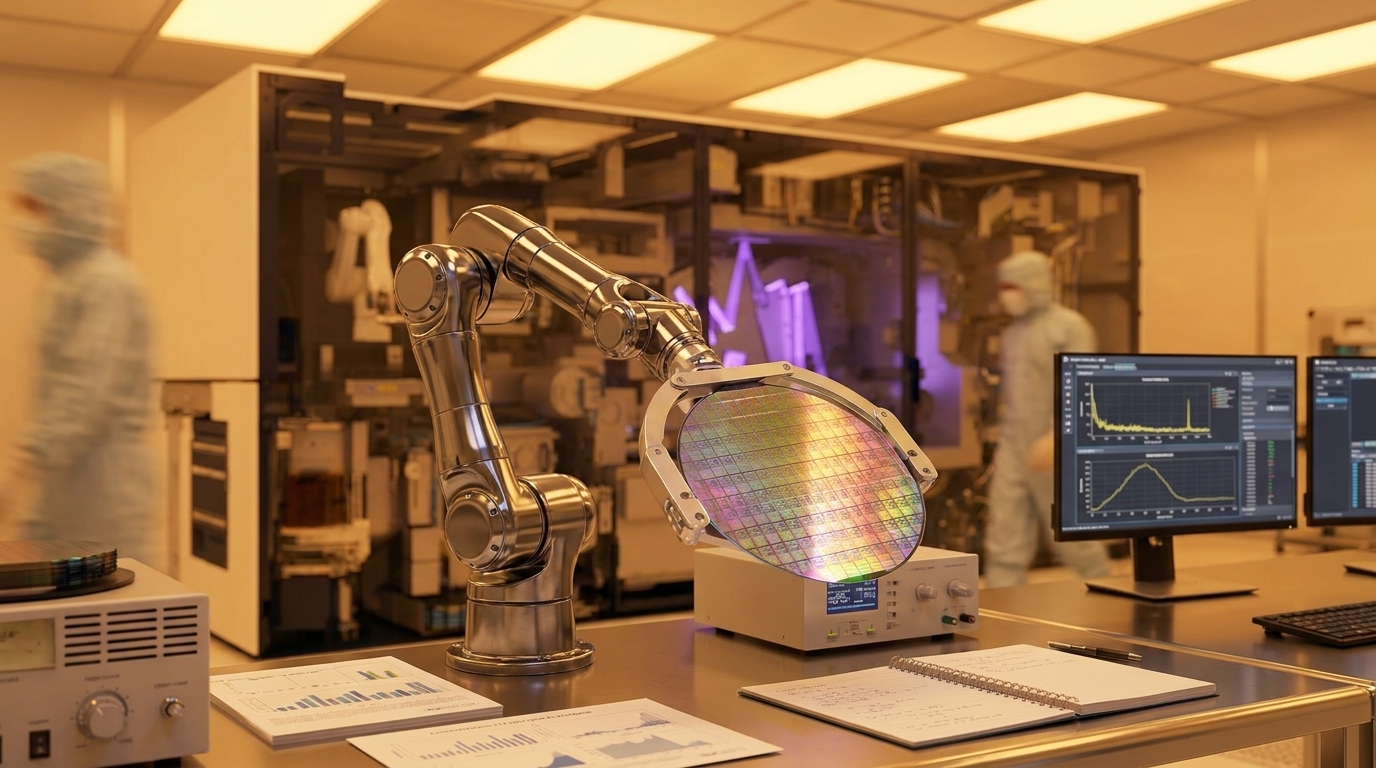 The BSPDN Revolution: Overcoming IR Drop in Sub-2nm GAAFET Nodes with Backside Power DeliveryUTMEL25 June 2026895
As semiconductor manufacturing enters the sub-2nm era, Backside Power Delivery Networks (BSPDN) are replacing traditional front-side routing to overcome critical IR drop bottlenecks. By separating power and signal delivery, chipmakers like Intel and TSMC drastically improve performance and density in GAAFET designs. However, this radical shift introduces manufacturing complexities, thermal challenges, and demands advanced packaging and power management solutions.
Read More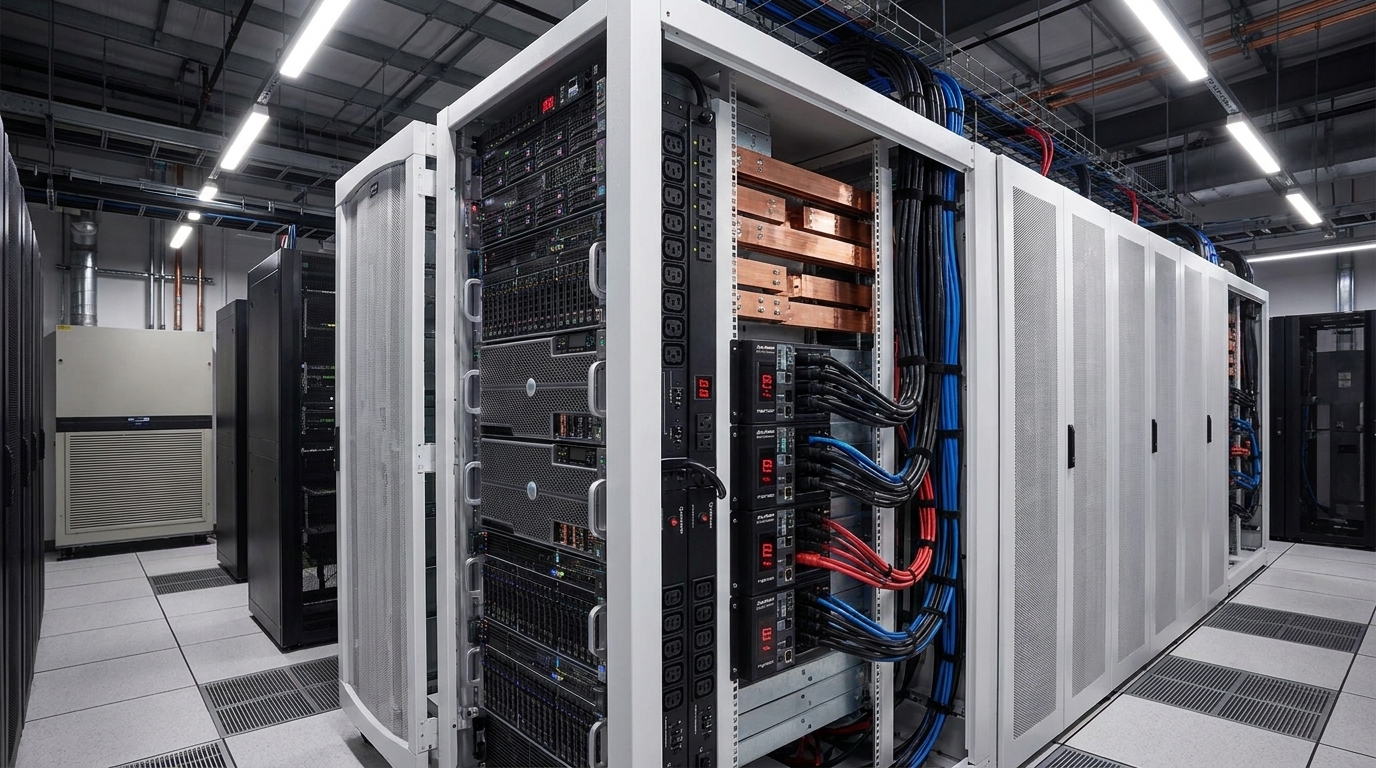 Power Management ICs Trends 2026: AI Demand, Supply Risks, and Sourcing StrategiesUTMEL06 July 20261401
As AI server racks surpass 100kW by 2026, data centers are shifting toward wide-bandgap semiconductors like SiC and GaN. However, this demand has triggered a critical shortage of mature-node Power Management ICs (PMICs). To prevent production halts, sourcing teams must abandon 'just-in-time' models, implement proactive 'just-in-case' strategies, and rapidly qualify pin-to-pin alternative components to secure their supply chains.
Read More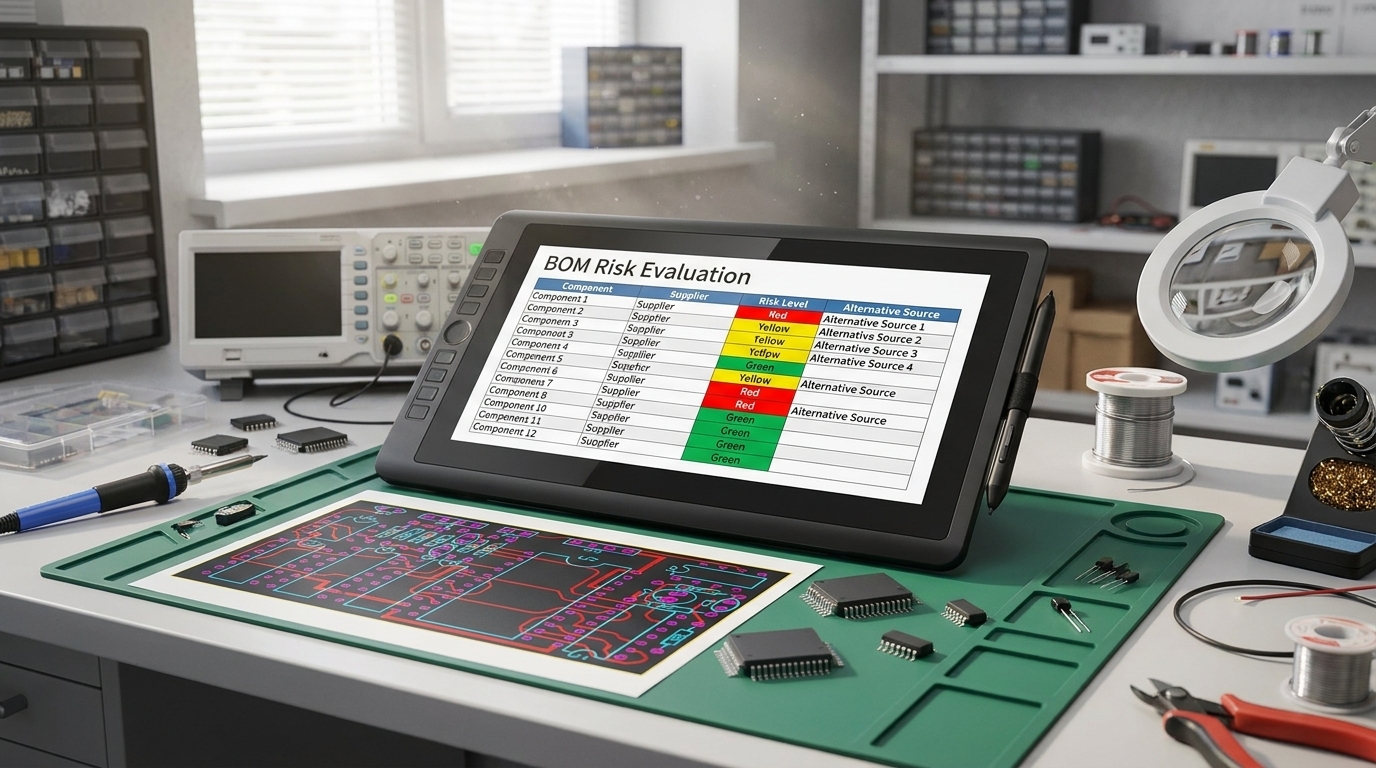 onsemi Synaptics Acquisition Impact: BOM Risk Checklist and Second-Source Strategy for Edge AI DesignsUTMEL27 July 2026330
The onsemi acquisition of Synaptics provides hardware program managers a 12-to-18-month window before potential product cancellations occur in mid-2027. This guide outlines how to audit BOM exposure across overlap and non-core product lines, calculate Last-Time-Buy volumes including hidden storage costs, establish proactive second-sourcing triggers, and implement supply chain monitoring to prevent line-down events.
Read More
Subscribe to Utmel !
![BLM18PG121SN1D]() BLM18PG121SN1D
BLM18PG121SN1DMurata Electronics
![TP3420AV309]() TP3420AV309
TP3420AV309Texas Instruments
![19-217/R6C-AL1M2VY/3T]() 19-217/R6C-AL1M2VY/3T
19-217/R6C-AL1M2VY/3TEverlight Electronics Co Ltd
![MPZ2012S102AT000]() MPZ2012S102AT000
MPZ2012S102AT000TDK Corporation
![SE2537L-R]() SE2537L-R
SE2537L-RSkyworks Solutions Inc.
![SKY81294-14-001]() SKY81294-14-001
SKY81294-14-001Skyworks Solutions Inc.
![HMC588LC4BTR]() HMC588LC4BTR
HMC588LC4BTRAnalog Devices Inc.
![80HCPS1432CRM]() 80HCPS1432CRM
80HCPS1432CRMRenesas Electronics America Inc.
![DS21Q48N]() DS21Q48N
DS21Q48NMaxim Integrated
![ALT6702RM45Q7]() ALT6702RM45Q7
ALT6702RM45Q7Skyworks Solutions Inc.