

 Product
 Brand
Brand Articles
 Tools
Tools
Global Ceramic Capacitors Market In-Depth Analysis to 2025
As a key component of electronic products, ceramic capacitors maintain broad application prospects in consumer electronics, automotive, telecommunications, industrial, and increasingly, AI-driven computing fields. With the continued miniaturization and intelligentization of electronic devices, alongside the booming development of new energy vehicles (NEVs) and high-performance computing, the global ceramic capacitors market faces new opportunities and challenges in 2025. This article provides an in-depth analysis of the ceramic capacitor market in 2025 through a detailed examination of market segments, major manufacturers, applications, market trends, and influencing factors to provide investors and practitioners with valuable references.
Market analysis of ceramic capacitors 2025
The ceramic capacitors market in 2025 is characterized by several key trends and factors, driven largely by the "AI Everywhere" trend and the electrification of transport:
Market Segmentation and Value
The market is segmented by type (MLCC, ceramic disc capacitor, feedthrough ceramic capacitor, ceramic power capacitor), end-user (consumer electronics, automotive, telecommunication, industrial, energy, and power), and geography. While the market faced fluctuations in previous years, it has stabilized. The global market is valued at approximately USD 13.5 billion and is anticipated to reach over USD 18 billion by the end of the forecast period (2025-2030), registering a steady CAGR of roughly 6.2%.
Dominance of MLCCs in the AI Era
Multilayer Ceramic Capacitors (MLCCs) remain the essential passive component. In 2025, the demand is no longer just about 5G smartphones, but also AI-enabled smartphones and AI PCs, which require higher capacitance density to support on-device neural processing units (NPUs).
Challenges in Production and Supply Chain
The production of high-capacitance, ultra-miniature MLCCs (such as 008004 case sizes) presents technical hurdles, including mechanical susceptibility and cracking during reflow soldering. Furthermore, achieving uniform capacitance in high-layer-count stacks for data center applications is complex. Geopolitical factors in 2025 also continue to push manufacturers toward "China+1" supply chain strategies to ensure resilience.
Evolution in the Automotive Segment (800V Architecture)
The automotive sector remains a primary growth engine. However, the technology has shifted. As Electric Vehicles (EVs) migrate from 400V to 800V architectures for faster charging, the demand for high-voltage, high-reliability MLCCs has surged. Advanced Driver-Assistance Systems (ADAS) moving toward Level 3 and 4 autonomy also require significantly more capacitors per vehicle (often exceeding 10,000 units per car).
Asia-Pacific Market Dominance
The Asia-Pacific region continues to lead, driven by China's dominant position in EV manufacturing and battery production. India is also emerging as a significant manufacturing hub for electronics, contributing to regional growth.
Telecommunications: Beyond 5G
With 5G infrastructure maturing, the focus in 2025 shifts to **5G Advanced** and early research into 6G. This requires capacitors with exceptional high-frequency performance and low ESL (Equivalent Series Inductance).
Market Innovations
Recent innovations focus on increasing capacitance density in smaller packages. Manufacturers are releasing MLCCs capable of withstanding higher temperatures (up to 150°C or 175°C) specifically for SiC (Silicon Carbide) power electronics in EVs.
Application fields of ceramic capacitors 2025
Ceramic capacitors are versatile components used across various application fields in 2025. Key application areas have evolved to include:
Consumer Electronics (AI & IoT)
The consumer sector is seeing a revival driven by AI-integrated hardware.
1. AI PCs and High-Performance Laptops
Decoupling for NPUs: Modern laptops now feature Neural Processing Units (NPUs) for local AI tasks. These processors require extremely stable power delivery with rapid transient response, necessitating high-end ceramic capacitors for decoupling to prevent voltage droop during heavy AI inference workloads.
2. Smartphones and Foldables
Miniaturization: As foldable phones become thinner and battery sizes increase, the board space for components shrinks. This drives demand for 01005 and 008004 size capacitors.
3. Wearables (AR/VR/XR)
Extended Reality: In 2025, AR glasses and VR headsets require capacitors that are not only small but also highly reliable to ensure stable image processing and sensor data fusion without overheating.
Automotive (The Software-Defined Vehicle)
Automotive consumption of MLCCs continues to outpace other sectors.
1. Traction Inverters (SiC)
High Voltage Handling: As EVs move to 800V platforms using Silicon Carbide (SiC) MOSFETs, ceramic capacitors must withstand higher voltages and thermal stress. They are critical for snubber circuits to protect switches from voltage spikes.
2. ADAS and Autonomous Driving
Data Filtering: LiDAR, Radar, and high-resolution cameras generate massive data streams. Ceramic capacitors ensure signal integrity (Signal-to-Noise Ratio) in these safety-critical systems.
Telecommunications (Wi-Fi 7 & 5G)
Wi-Fi 7 Integration: The rollout of Wi-Fi 7 routers and devices requires capacitors with specific RF characteristics to handle the 6GHz band and wider channel bandwidths efficiently.
Industrial & Robotics
Factory 4.0: Industrial robots and collaborative robots (cobots) use ceramic capacitors in their servo drives and precision control units to minimize electromagnetic interference (EMI) in noisy factory environments.
Energy and Power (Green Tech)
1. Solar Micro-inverters
Distributed solar power systems use micro-inverters that require long-life ceramic capacitors (replacing shorter-life electrolytics where possible) to match the 25-year warranty of solar panels.
2. DC Fast Charging Stations
High-power DC fast chargers (350kW+) utilize robust ceramic capacitors for resonant tanks and filter stages to ensure clean power delivery to the vehicle battery.
Computing (The AI Data Center)
This is the fastest-growing niche in 2025.
AI Server Power Rails: A single AI server rack (using GPUs like NVIDIA Blackwell or AMD Instinct) consumes massive amounts of power. High-capacity MLCCs are critical for the Voltage Regulator Modules (VRMs) that step down 48V to the sub-1V levels needed by the GPU cores, requiring thousands of capacitors per board.
Top 10 global ceramic capacitor manufacturers (2025 Update)
Yageo Group: Based in Taiwan, China, Yageo Corporation is a global powerhouse. Having fully integrated KEMET and Pulse Electronics, they are now a top-tier provider of not just resistors, but also high-end MLCCs for automotive and industrial use.
Murata Manufacturing: Situated in Kyoto, Japan, Murata remains the global market share leader (holding approx. 35-40%), particularly dominant in high-end, miniaturized MLCCs for smartphones and automotive grades.
Samsung Electro-Mechanics (SEMCO): Located in South Korea, SEMCO is a fierce competitor in the high-capacitance MLCC sector, heavily supplying the IT, AI server, and automotive markets.
TDK: Based in Tokyo, Japan, TDK is renowned for its reliability in the automotive sector. Their MLCCs are staples in EV powertrains and safety systems.
TAIYO YUDEN: Also located in Japan, TAIYO YUDEN excels in high-end consumer electronics and is expanding its footprint in automotive/industrial applications with high-reliability products.
Fenghua Advanced Technology: Located in Guangdong, China, this is the largest MLCC manufacturer in mainland China, rapidly closing the gap with international competitors in high-end capacitance technology.
PSA (Walsin Technology Corporation): Headquartered in Taiwan, China, Walsin is a major player in the general-purpose MLCC market, providing essential components for consumer and industrial goods.
KYOCERA AVX: Following the consolidation of brand identity, KYOCERA AVX (USA/Japan) is a leader in specialty capacitors for aerospace, medical, and high-reliability automotive applications.
Vishay Intertechnology, Inc.: A US-based broad-line manufacturer, Vishay is critical for specialty ceramic capacitors used in military, medical, and industrial instrumentation.
CCTC: Located in Chaozhou, China, CCTC (Chaozhou Three-Circle) has cemented its reputation in the industry. Beyond MLCCs, they are leaders in ceramic ferrules and solid oxide fuel cell (SOFC) diaphragms, serving communication and new energy sectors.
Specialized and Emerging Manufacturers
In 2025, niche manufacturers play a vital role in high-frequency and high-voltage applications:
Knowles Precision Devices: Specializing in high-performance multilayer ceramic capacitors for mission-critical applications (Space, MedTech, and EV charging), Knowles is a key player where standard commercial capacitors fail.
Johanson Dielectrics: Known for high-voltage and AC safety ceramic capacitors, Johanson is seeing growth due to power supply safety requirements in data centers and EV chargers.
Utmel's partnership with CCTC
As an authorized distributor of CCTC, UTMEL continues to provide access to the full range of high-quality electronic components from CCTC. In 2025, this partnership is more vital than ever, enabling UTMEL to offer competitive lead times and pricing on CCTC's expanded lineup of MLCCs and ceramic materials, meeting the diversified needs of customers in the fast-paced 5G and renewable energy markets.
Conclusion
In summary, driven by the upgrades in consumer electronics (AI PCs/Phones), the maturation of new energy vehicles, and the explosive growth of AI data centers, the ceramic capacitor market is maintaining a robust growth trend in 2025. While challenges such as geopolitical supply chain shifts and raw material volatility persist, major manufacturers are responding with strategic capacity expansions and R&D in high-voltage, high-temperature technologies. China remains a pivotal hub for both consumption and production, serving as a critical engine for the global market's trajectory through the rest of the decade.
 UTMEL
UTMEL
We are the professional distributor of electronic components, providing a large variety of products to save you a lot of time, effort, and cost with our efficient self-customized service. careful order preparation fast delivery service
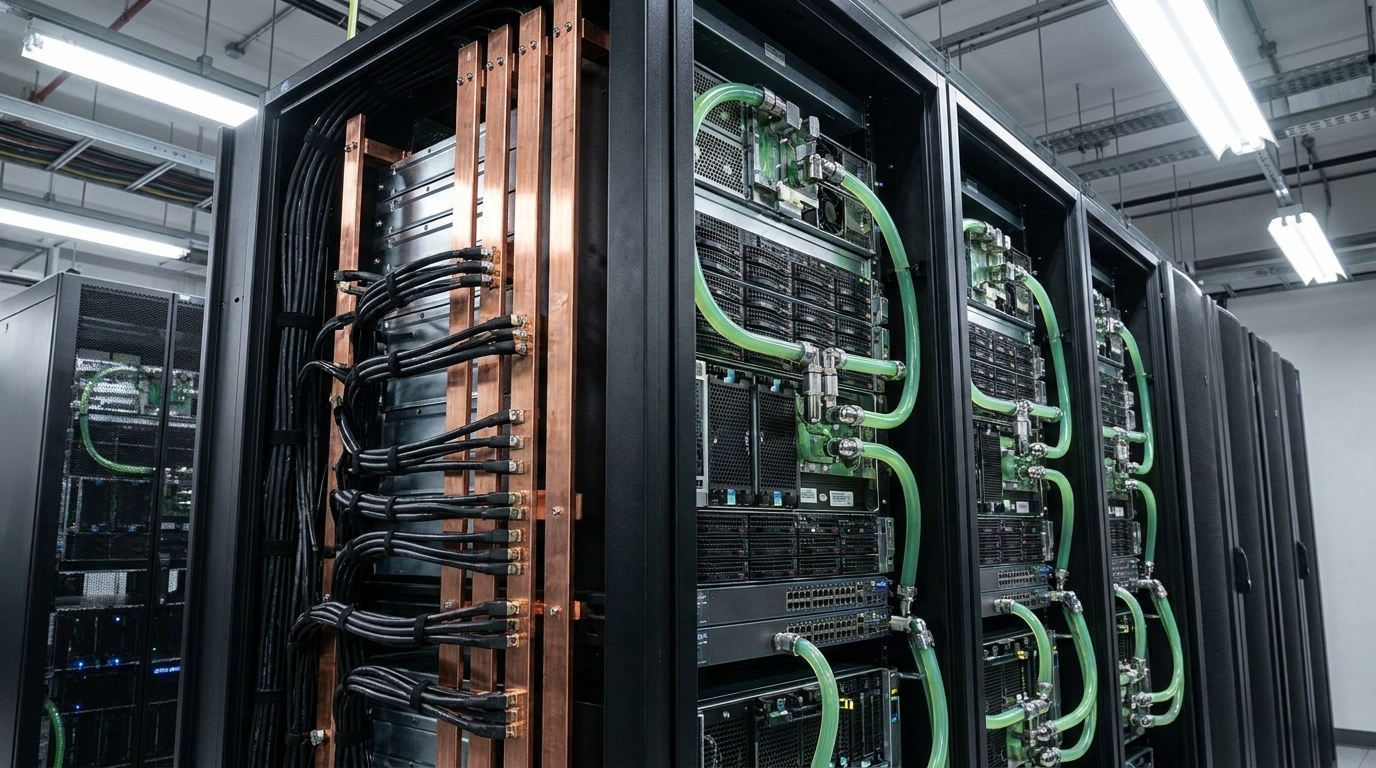 AI Server MLCCs: Why NVIDIA Rubin Racks Require Over 600,000 CapacitorsUTMEL02 June 20263606
Next-generation AI servers like NVIDIA's Rubin architecture require over 600,000 MLCCs per rack due to extreme power densities exceeding 120kW. This transition from GB300 demands high-capacitance, low-ESR capacitors with X7R/X7S dielectrics to handle intense transient responses and thermal loads, forcing procurement teams to navigate extended 24-week lead times for these specialized components.
Read More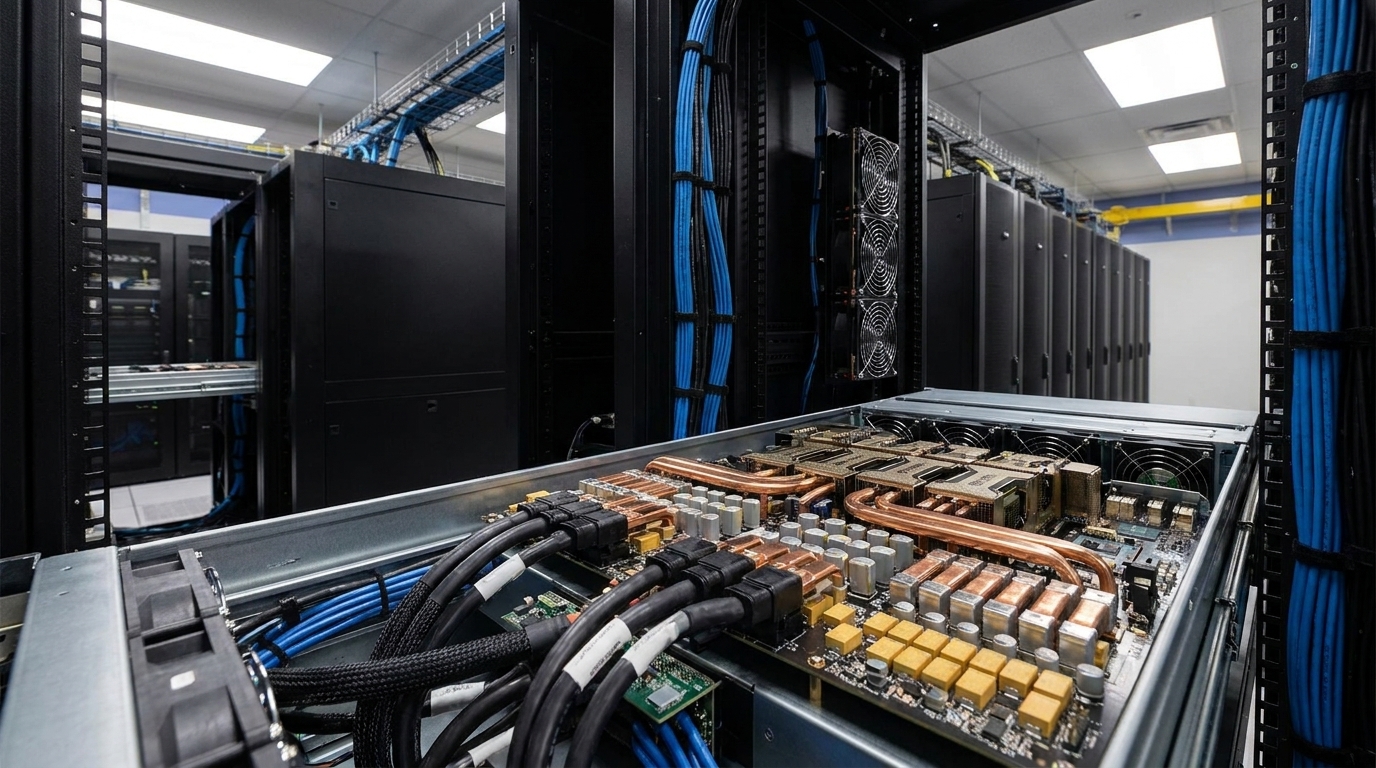 MLCC vs Polymer Tantalum Capacitors: Overcoming 2026 Shortages in AI Server PDNsUTMEL07 August 2026776
Facing 2026 MLCC lead times of up to 24 weeks driven by AI server demand, hardware engineers are substituting multi-layer ceramic capacitors with conductive polymer tantalum capacitors. While Class II MLCCs suffer severe DC bias capacitance loss and acoustic noise, polymer tantalums offer voltage stability and low ESR. Implementing a division-of-labor strategy—using polymer tantalums for bulk decoupling and MLCCs for point-of-load—optimizes PDN performance and bypasses supply bottlenecks.
Read More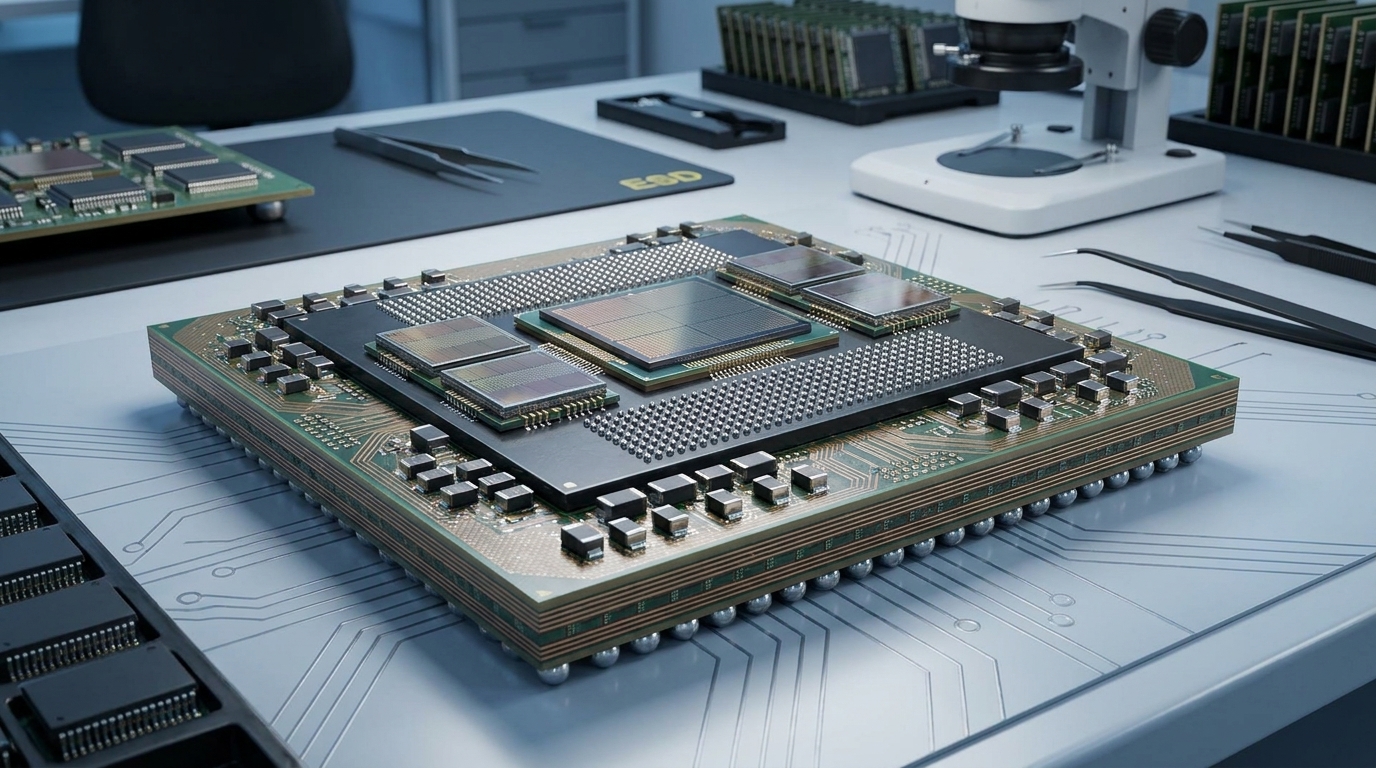 Sourcing Silicon Capacitors and MLCCs in the AI Hardware EraUTMEL13 August 2026652
Modern AI hardware requires a hybrid Power Delivery Network (PDN) to maintain low-voltage stability under extreme transient currents. Deep Trench Silicon Capacitors (DTCs) integrate directly into advanced packages to deliver ultra-low ESL and stable performance for high-frequency transient suppression. Meanwhile, Multilayer Ceramic Capacitors (MLCCs) provide essential bulk energy storage on the motherboard, making both technologies complementary across the AI power stack.
Read More MLCC DC Bias Derating: How to Calculate and Compare Effective Capacitance Before Component SelectionUTMEL11 September 2026661
Class II ceramic capacitors suffer significant capacitance loss under DC voltage due to ferroelectric domain saturation and high electric field intensity. This comprehensive engineering guide explains how to calculate true worst-case effective capacitance by compounding DC bias, temperature, tolerance, and aging. It provides multi-vendor simulation workflows, benchtop impedance measurement techniques, and practical guidelines to maintain power supply stability and avoid costly design failures.
Read More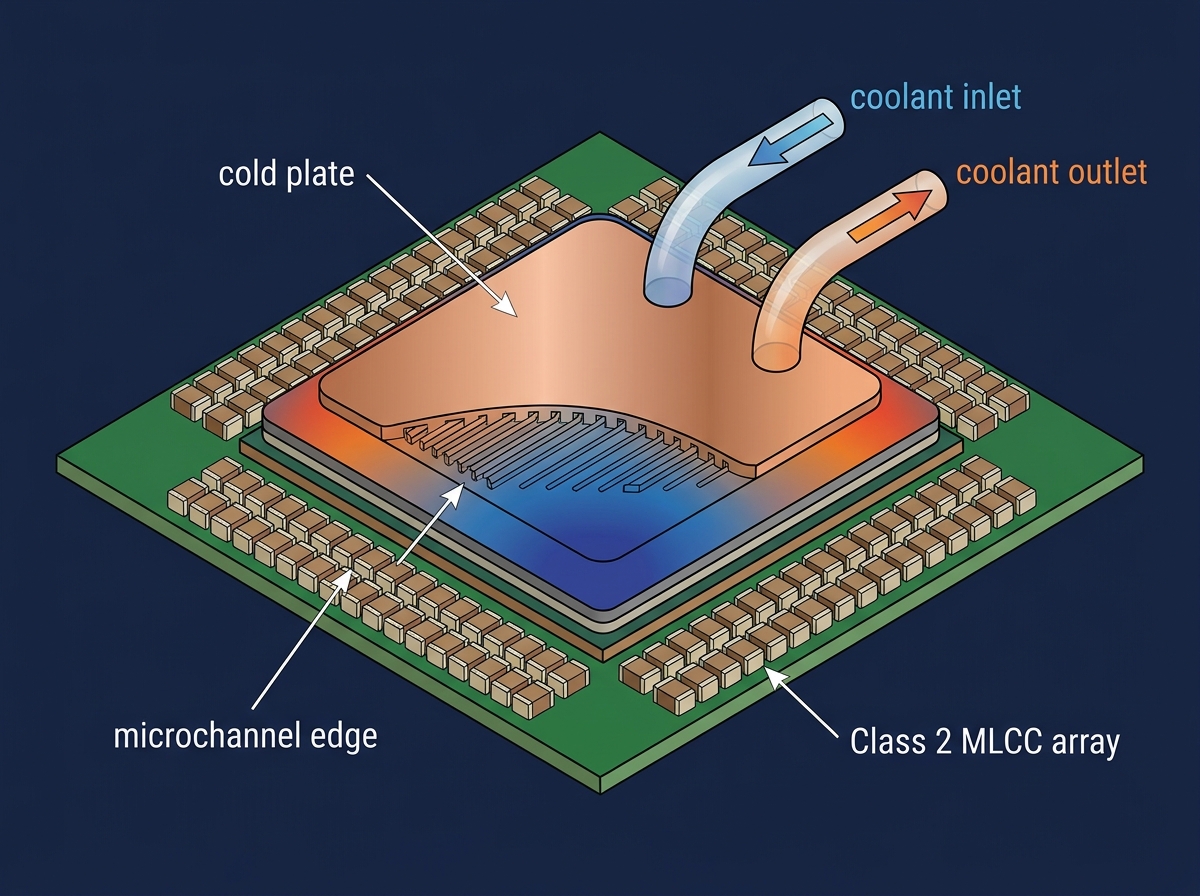 Thermal Management in AI Servers: Specifying Class 2 MLCCs (X7R/X7S) for Liquid Cooling EnvironmentsUTMEL13 July 2026436
Explore how the transition from traditional air-cooling to liquid cooling (direct-to-chip and immersion) in high-density AI server racks alters component thermal profiles. Focus on why design engineers are increasingly specifying Class 2 MLCCs (X7R and X7S dielectrics) over standard X5R variants to prevent thermal degradation near the liquid cooling microchannels. Explain how these capacitors mitigate acoustic noise and voltage bias degradation under heavy workloads. Provide sourcing advice for high-reliability passives via UTMEL during this high-demand memory and passive component super-cycle.
Read More
Subscribe to Utmel !
![MIKROE-4905]() MIKROE-4905
MIKROE-4905MikroElektronika
![STEVAL-CCA058V1]() STEVAL-CCA058V1
STEVAL-CCA058V1STMicroelectronics
![DEV-18721]() DEV-18721
DEV-18721SparkFun Electronics
![MIKROE-4915]() MIKROE-4915
MIKROE-4915MikroElektronika
![MIKROE-4888]() MIKROE-4888
MIKROE-4888MikroElektronika
![MIKROE-4828]() MIKROE-4828
MIKROE-4828MikroElektronika
![EVAL-ADUM4165EBZ]() EVAL-ADUM4165EBZ
EVAL-ADUM4165EBZAnalog Devices Inc.
![FSP-PIC18-Q10-ISO26262]() FSP-PIC18-Q10-ISO26262
FSP-PIC18-Q10-ISO26262Microchip Technology
![FBP-PIC16F184XX-ISO26262]() FBP-PIC16F184XX-ISO26262
FBP-PIC16F184XX-ISO26262Microchip Technology
![LPC5536-EVK]() LPC5536-EVK
LPC5536-EVKNXP USA Inc.
