Product
 Brand
Brand Articles
 Tools
Tools
Arm's IPO: A New Chapter in Chip Technology
On August 21st, Arm, a leading chipmaker, filed for an initial public offering (IPO) on America's Nasdaq, marking a significant milestone in the chip technology industry. Arm, whose designs power most of the world's smartphones, is owned by the Japanese technology conglomerate, SoftBank Group. The IPO could potentially be the largest of the year, signaling a revival of an IPO market that has been largely dormant since 2022. SoftBank acquired Arm, previously listed on the London Stock Exchange, for $31bn in 2016. A proposed $40bn sale to Nvidia, another chipmaker, was halted by competition authorities in 2020. Now, SoftBank is set to retain majority control and pocket all the proceeds from the IPO. Although the filing does not specify the intended raise or the chipmaker's worth, SoftBank's recent $16bn purchase of a 25% stake from its Vision Fund suggests a valuation around $64bn. Arm's unique business model, which involves licensing its designs to customers who can modify them as needed, has led to its chips being ubiquitous. Arm's technology is found in 99% of the world's smartphones, 65% of processors in devices that connect to the internet, and 41% of the automotive sector. Even in the cloud-computing market, long dominated by Intel, Arm-based processors account for 10% of the chips sold. However, Arm faces challenges from sluggish demand in its core products and a growing threat from open-source alternatives like RISC-V. Qualcomm, an American chipmaker specializing in smartphone processors, recently reported a 23% drop in sales compared to last year, a trend expected to continue until the end of the year. RISC-V's license- and royalty-free designs could also potentially disrupt Arm's revenue model. Despite these challenges, the AI boom brightens Arm's prospects. Nvidia recently unveiled a new chip that combines an Arm-based central processing unit with its graphics-processing unit. As AI moves from data centers to consumer apps, devices able to run AI functions using less energy will be needed, and Arm's expertise in low-power, high-performance chips could meet this demand. Arm's IPO comes at a time of heightened tension between China and America, which could impact its revenue as a quarter of it comes from Arm China, a separate entity. However, the excitement around AI and a market starved of blockbuster IPOs could potentially overshadow these concerns. As SoftBank's founder, Son Masayoshi, vowed to take Arm public in the 'largest IPO in semiconductor history', the market's AI exuberance might just make his wish come true.
 UTMEL
UTMEL
We are the professional distributor of electronic components, providing a large variety of products to save you a lot of time, effort, and cost with our efficient self-customized service. careful order preparation fast delivery service
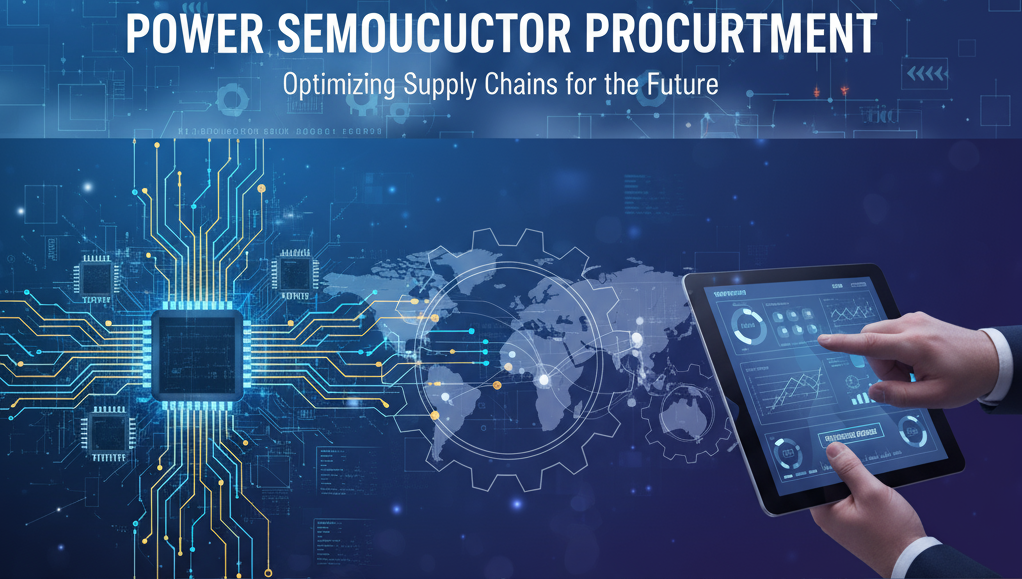 Power Semiconductor Procurement After the Nexperia Shake-Up—NXP for Stability, ON for Technology, or Nexperia for Value?UTMEL04 November 20255009
The recent supply chain turmoil surrounding Netherlands-based Nexperia has sent shockwaves through the global semiconductor industry, forcing procurement professionals to re-evaluate their sourcing strategies.
Read More AI Computing Power Gap: How Token Consumption is Reshaping Server Component SourcingUTMEL23 June 20261052
As global token consumption drives the transition to high-density 100kW+ AI data centers, power delivery networks require advanced Wide-Bandgap semiconductors (SiC/GaN) and high-capacitance MLCCs. This shift has triggered a component procurement crisis with lead times exceeding 24 weeks. To bypass shortages, hardware buyers must abandon just-in-time manufacturing and leverage independent global distributor networks to secure critical power and passive components.
Read More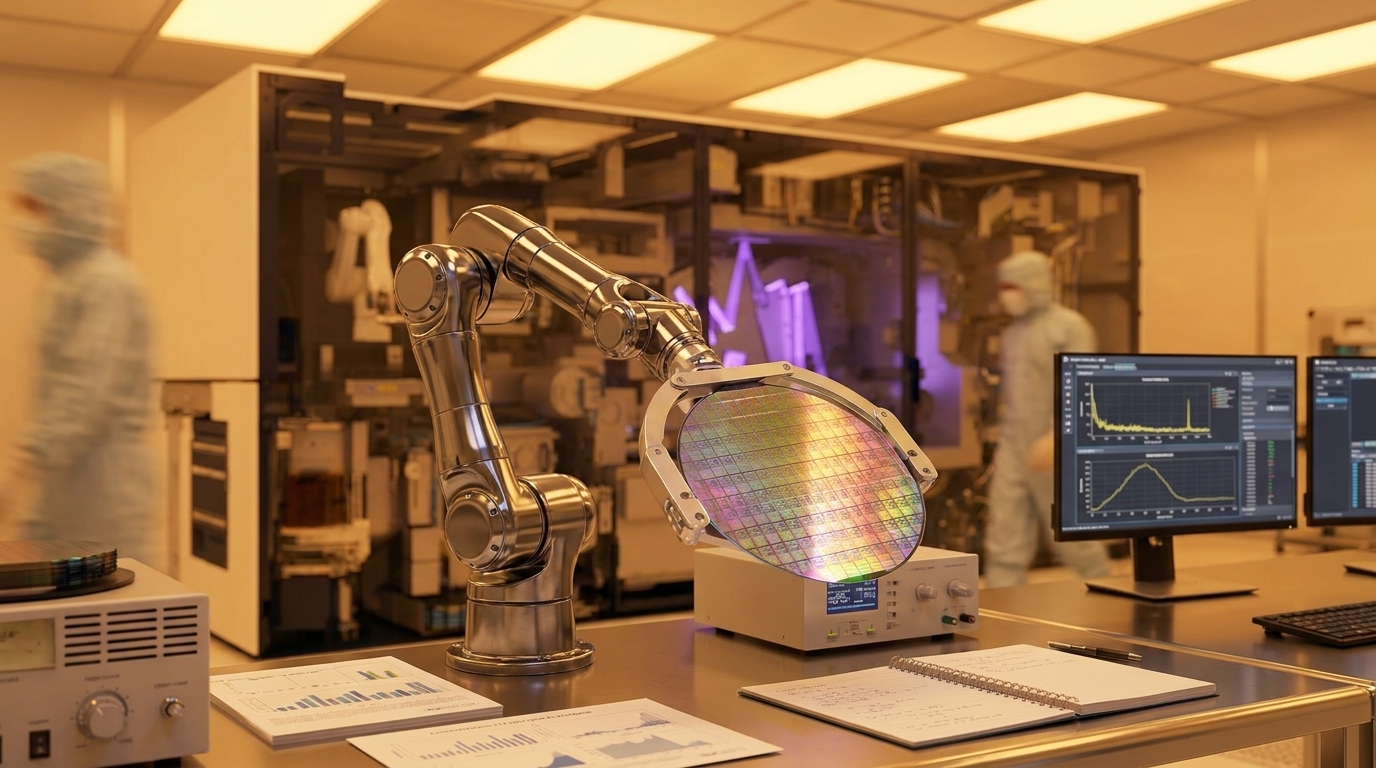 The BSPDN Revolution: Overcoming IR Drop in Sub-2nm GAAFET Nodes with Backside Power DeliveryUTMEL25 June 20261120
As semiconductor manufacturing enters the sub-2nm era, Backside Power Delivery Networks (BSPDN) are replacing traditional front-side routing to overcome critical IR drop bottlenecks. By separating power and signal delivery, chipmakers like Intel and TSMC drastically improve performance and density in GAAFET designs. However, this radical shift introduces manufacturing complexities, thermal challenges, and demands advanced packaging and power management solutions.
Read More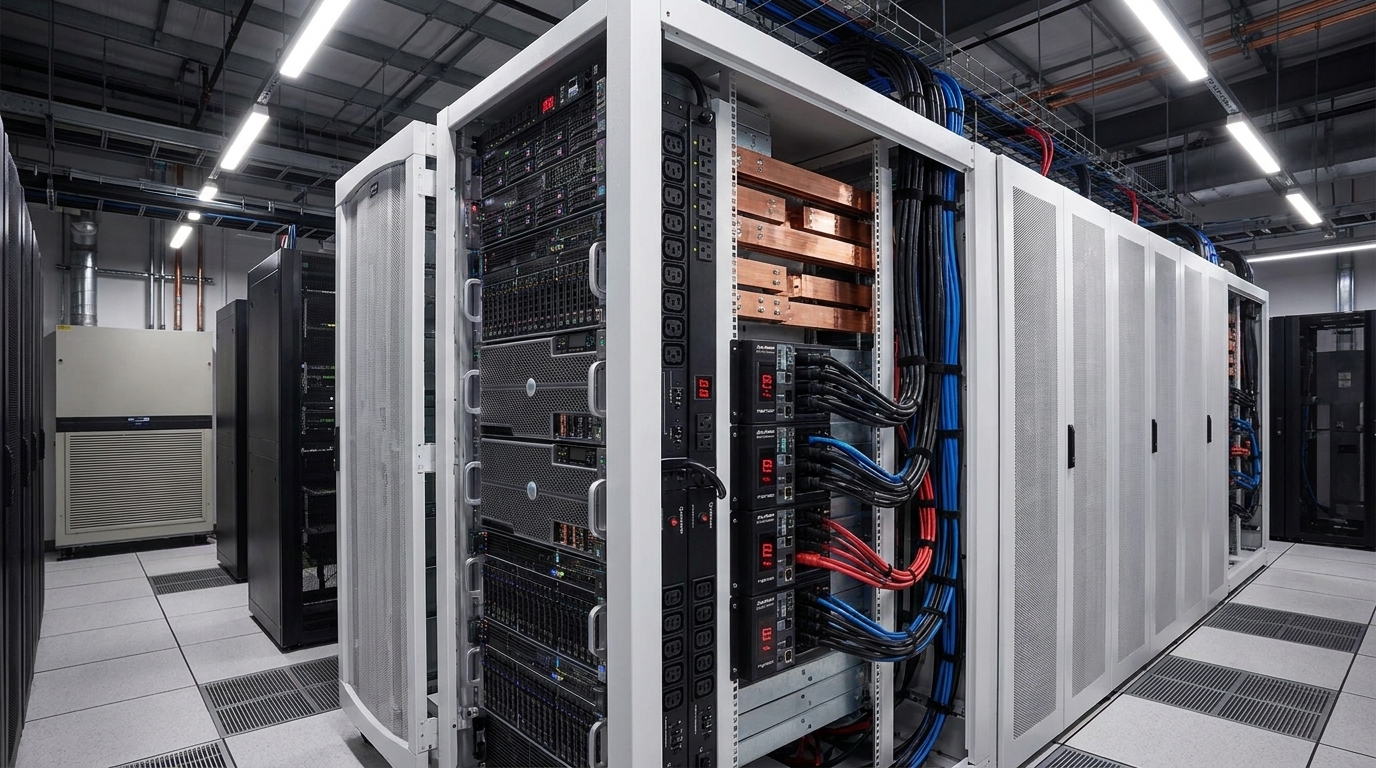 Power Management ICs Trends 2026: AI Demand, Supply Risks, and Sourcing StrategiesUTMEL06 July 20261598
As AI server racks surpass 100kW by 2026, data centers are shifting toward wide-bandgap semiconductors like SiC and GaN. However, this demand has triggered a critical shortage of mature-node Power Management ICs (PMICs). To prevent production halts, sourcing teams must abandon 'just-in-time' models, implement proactive 'just-in-case' strategies, and rapidly qualify pin-to-pin alternative components to secure their supply chains.
Read More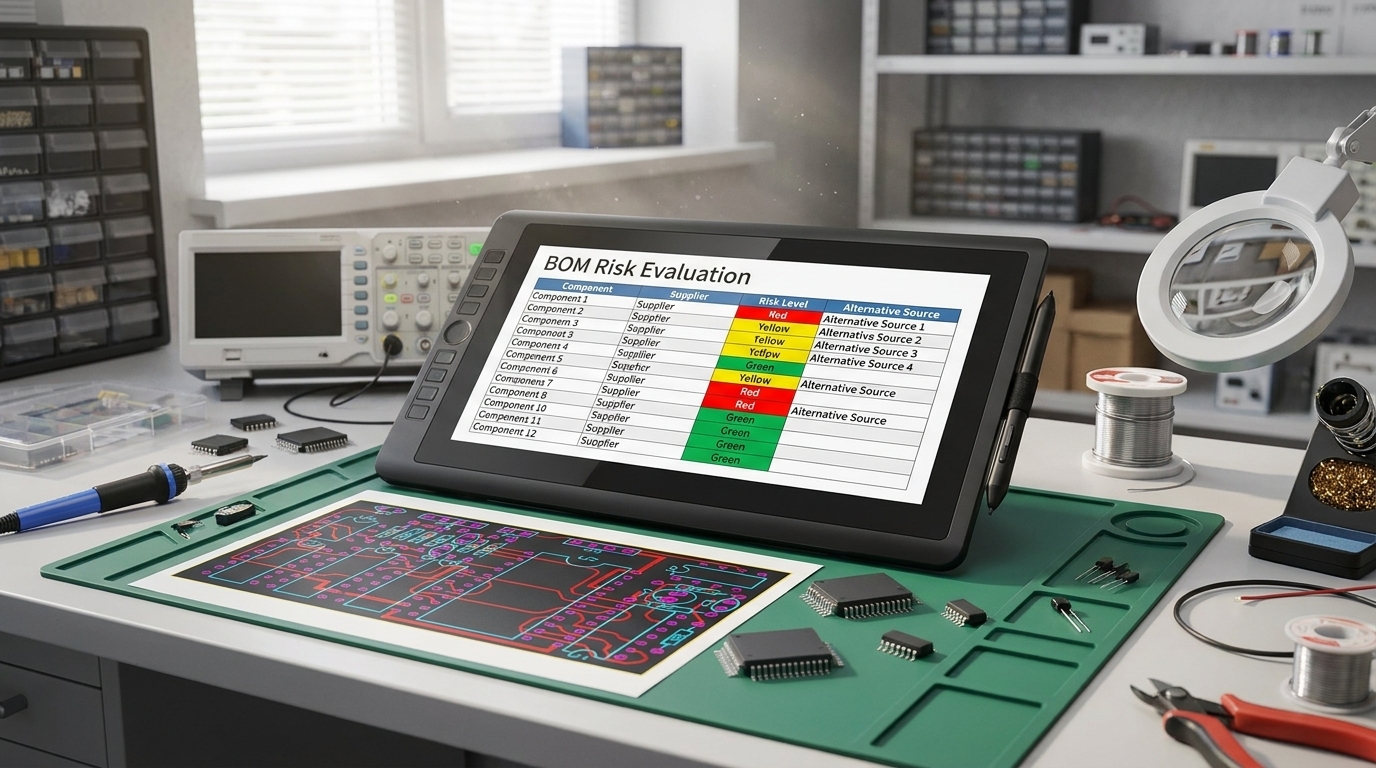 onsemi Synaptics Acquisition Impact: BOM Risk Checklist and Second-Source Strategy for Edge AI DesignsUTMEL27 July 2026431
The onsemi acquisition of Synaptics provides hardware program managers a 12-to-18-month window before potential product cancellations occur in mid-2027. This guide outlines how to audit BOM exposure across overlap and non-core product lines, calculate Last-Time-Buy volumes including hidden storage costs, establish proactive second-sourcing triggers, and implement supply chain monitoring to prevent line-down events.
Read More
Subscribe to Utmel !
![BLM03HD102SN1D]() BLM03HD102SN1D
BLM03HD102SN1DMurata Electronics
![NFM21PC475B1A3D]() NFM21PC475B1A3D
NFM21PC475B1A3DMurata Electronics
![BLM03BB750SN1D]() BLM03BB750SN1D
BLM03BB750SN1DMurata Electronics
![26ASD45-01-1-AJS]() 26ASD45-01-1-AJS
26ASD45-01-1-AJSGrayhill Inc.
![ARS14Y12]() ARS14Y12
ARS14Y12Panasonic Electric Works
![SPWF01SA.11]() SPWF01SA.11
SPWF01SA.11STMicroelectronics
![UD2100002-01]() UD2100002-01
UD2100002-01Lantronix, Inc.
![HCSD-36-D-36.00-01-G]() HCSD-36-D-36.00-01-G
HCSD-36-D-36.00-01-GSamtec, Inc.
![2MM-R-S11-VTR-02-F-TB]() 2MM-R-S11-VTR-02-F-TB
2MM-R-S11-VTR-02-F-TBTE Connectivity
![934810132]() 934810132
934810132TE Connectivity