Product
 Brand
Brand Articles
 Tools
Tools
Best Practices for Panel Meter Maintenance
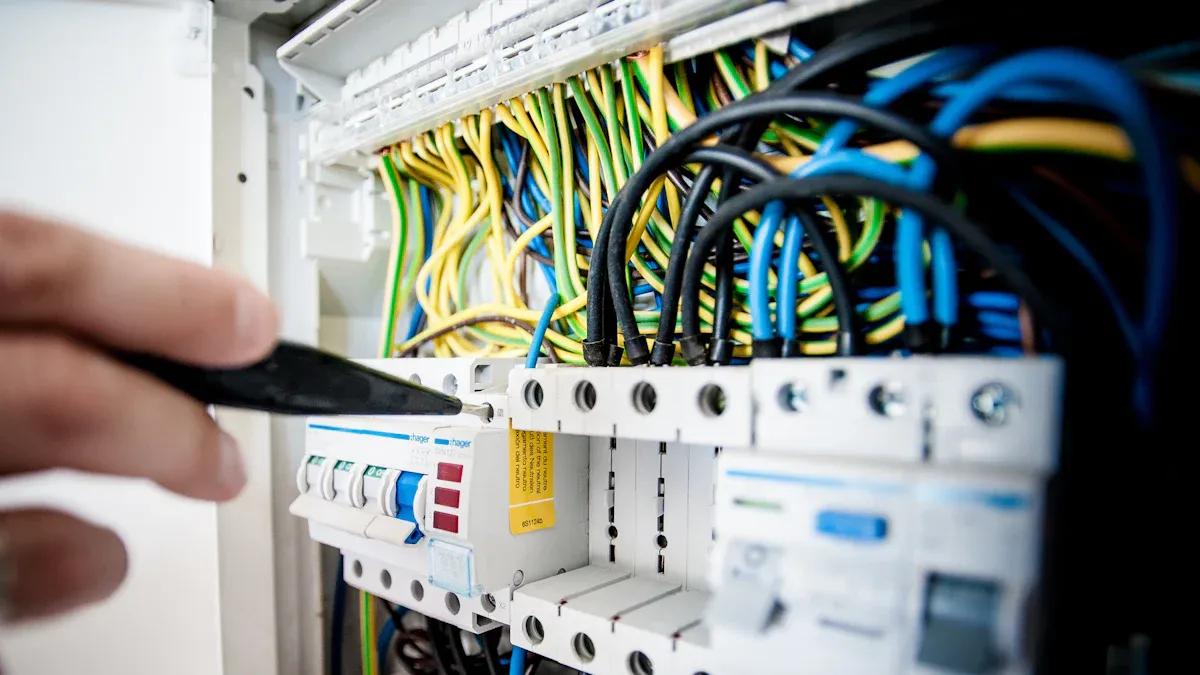
The single most important best practice you can follow for panel meter maintenance is to always use a step-by-step guide. This approach helps you avoid mistakes and keeps your equipment safe and accurate. Proper installation and regular checks protect you and your workplace from electrical hazards. Even a small error can cause the meter to lose accuracy or become unsafe.
When you look at panel meters, precise maintenance matters.
| Parameter | Value | What It Means |
|---|---|---|
| Accuracy (%) | 0.3% | Maximum error allowed for current transformers |
| CT Class | B | Shows the level of metering accuracy |
| Max Allowable Burden | 0.2 ohms | Highest impedance allowed for correct readings |
You need a step-by-step guide to check connections and settings. This simple habit helps you catch problems early and keeps your measurements reliable.
Panel Meters: Pre-Installation Tips
Panel Meter Selection
You need to select panel meters that match your application and environment. Start by checking the accuracy, features, and communication options. For example, the Shark series offers different models for industrial use. The table below shows how these meters compare:
| Feature / Model | Shark 50 | Shark 50B | Shark 100B |
|---|---|---|---|
| Accuracy (% Energy) | 0.5 | 0.5 | 0.2 |
| ANSI Accuracy Class | 0.5 CL | 0.5 CL | 0.2 CL |
| Current Class | Class 10 | Class 10 | Class 2 or 10 |
| Communication Protocols | Modbus, IPV4 | BACnet, Modbus | BACnet, DNP3, Modbus, IrDA |
| Environmental Ratings | IP30, NEMA 12 | IP30, NEMA 12 | IP30, NEMA 12 |
| Power Supply Range | 90-265 V AC | 90-265 V AC | 90-265 V AC or 18-60 V DC |
You can also find panel meters from other suppliers. Some offer advanced features, while others focus on reliability or easy installation.
Red Lion gives you many models and option cards, but selection can be complex.
Hoyt Meter has custom options and a long history, but costs may be higher.
MSC Industrial Supply Co. provides high accuracy and easy-to-read displays, but the range is limited.
Thomasnet suppliers offer a wide variety, but some models may be costly.
Weschler Instruments are reliable for long-term use, though you may need customization.
Instrumart meters have alarms and remote readout, but some need special ordering.
Site Prep
Before you begin installation, you must prepare the site. Clear the workspace of any debris or obstacles. Mark underground utilities to avoid damage. Always choose the right location for your meter. Make sure the area is dry and free from dust. Good site prep helps you avoid problems during installation and keeps your panel meters safe.
Safety Steps
Safety tips are critical before you start any installation. Always turn off power at the main breaker. Use insulated tools and wear protective gear. Follow all safety tips from the manufacturer and local codes.
Remember: Safety tips protect you and your equipment.
Check for live wires before you touch anything. Never rush this step. You keep yourself and others safe by following these safety tips every time you work with panel meters.
Installation Tips
Mounting Tips
You need to start with the right mounting steps for a successful installation. Always check the mounting height. Place the meter at eye level so you can read it easily. Use a level to make sure the meter sits straight on the panel. If you tilt the meter, you may get wrong readings or damage the device. Use all mounting holes provided by the manufacturer. This keeps the meter secure and stops it from moving or falling.
Tip: A stable meter lasts longer and gives more accurate results.
Before you install the meter, look at the panel surface. Make sure it is clean and flat. Remove any dust or oil. If you see rust or damage, fix it before you continue. Good mounting helps you avoid problems later. Always follow the step-by-step guide in the manual for mounting. This guide shows you the best way to install the meter and avoid mistakes.
Wiring and Connections
Wiring is one of the most important installation steps. You must connect the wires correctly to keep the meter safe and working well. Start by turning off all power to the circuit. Use a wire stripper to remove just enough insulation. Do not nick or cut the wire strands. Use conduit to protect the wires from damage. Secure all connections tightly.
Many electricians skip the step-by-step guide and do not use a torque wrench. Research by the International Association of Electrical Inspectors found that only 25% of electrical connections made without a torque wrench fall within the safe range. Most electricians do not read or follow the manufacturer’s instructions. This can lead to loose connections, which may cause the meter to fail or even start a fire. Improper torque can also cause electric shock or electrocution, especially with grounding wires.
You should always use a calibrated torque tool when you connect the wires. Read the manual and follow each step. Industry standards and codes require you to use the right tools and follow the instructions. This keeps your meter safe and reliable. If you are not sure, ask a licensed electrician for help.
Note: Always check local codes before you start wiring. Local codes may have special rules for your area.
After you finish wiring, double-check every connection. Make sure you did not miss any steps in the step-by-step guide. Secure all wires so they do not move or touch other parts of the circuit. Good wiring keeps your meter safe and helps you avoid costly repairs.
Initial Testing
Once you install the meter and finish wiring, you need to test the system. This step checks if your installation works and meets all codes. Before you restore power and test, make sure all covers are in place. Stand clear of the panel when you restore power and test the meter. Watch for any sparks, smoke, or strange sounds.
Check the display on the meter. Make sure it turns on and shows the right numbers. If you see an error, turn off the power and check your wiring. Use the step-by-step guide to find and fix the problem. If you cannot solve it, call a licensed electrician.
You should also check local codes to make sure your installation meets all rules. Some codes require a final inspection by an official. This step keeps your meter safe and legal.
Remember: Careful testing is the last step to a successful installation.
If everything works, your meter is ready to use. Keep the manual and your notes for future maintenance. Good records help you when you need to upgrade or replace the meter later.
Meter Base Installation
Grounding Rods
When you start installing an electric meter box, you must pay close attention to grounding rods. Grounding rods protect your electric meter base from electrical surges and faults. You should place the grounding rods at least 6 feet apart. Drive each rod deep into the ground, usually 8 feet or more. Connect the rods to the electric meter base using a solid copper wire. Make sure the wire is tight and secure. This step keeps your electric meter box safe and helps prevent electrical hazards. Always check local codes before you install grounding rods. Some areas require two rods for extra safety. If you are installing a new electric meter box, use only approved materials for all connections. Good grounding protects your meter and the entire electric meter base system.
Clearance and Accessibility
Proper clearance and easy access are important when installing an electric meter box. You need to mount the new meter box at the right height. Place the electric meter base at least 5 feet above the ground, but not higher than 6 feet. This makes it easy to read and service the meter. Leave at least 36 inches of space in front of the electric meter box. This space gives you room to work safely. Keep the electric meter base at least 18 inches away from any wall or equipment. If you have a gas meter nearby, keep at least 36 inches between the two. For multiple electric meter boxes, leave at least 12 inches between each one.
Here is a table to help you remember the key measurements:
| Installation Aspect | Clearance / Dimension |
|---|---|
| Meter base height | 5–6 feet above ground |
| Working space in front | 36 inches wide and 36 inches deep |
| Horizontal clearance from gas meter | 36 inches |
| Clearance from walls/equipment | 18 inches from meter center |
| Multiple meter socket spacing | 12 inches horizontally and vertically |
Outdoor installations need extra care. Make sure the electric meter box is weatherproof. Use a cover to protect the electric meter base from rain and dust. Check that the ground around the electric meter base stays dry. Wet ground can cause problems with the meter and the electric meter box. Always follow the step-by-step guide for installing an electric meter box to keep your system safe and reliable.
Routine Maintenance Tips
Inspection Schedule
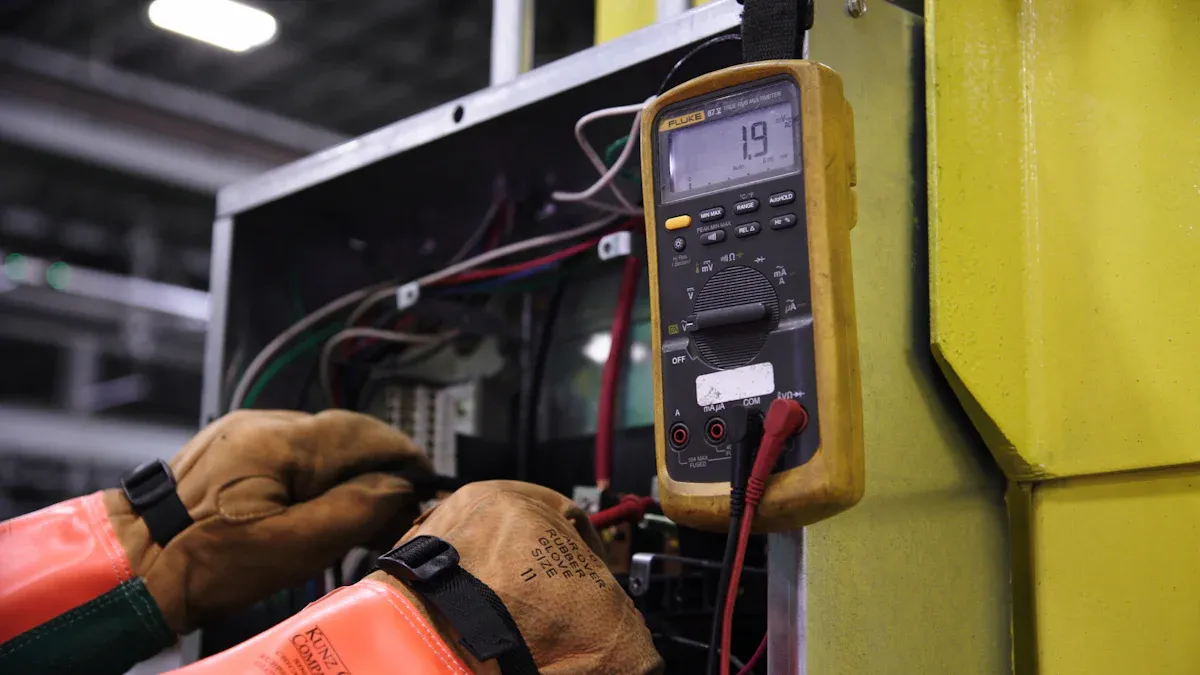
You should set up a regular inspection schedule for your panel meter. Start with a visual check every month. Look for signs of damage, overheating, or corrosion on the meter and its connections. If you see any discoloration, loose wires, or rust, take action right away. Many experts recommend a more detailed inspection every six months. During this check, tighten all connections and look for worn-out parts.
Tip: Early detection of problems helps you avoid costly repairs and keeps your meter working longer.
Routine inspection and cleaning of sensor ports prevent dust and debris buildup. This simple step can stop failures before they start. You also need to check battery holders and gaskets. Replace any corroded or degraded parts to keep your meter safe and reliable. Research shows that preventive maintenance like this can stop minor issues from turning into major damage. You save money and extend the life of your equipment.
Cleaning Methods
Keeping your meter clean is important for accurate readings. Dust, dirt, and corrosion can block sensors and cause errors. You have several cleaning methods to choose from, each with its own benefits:
| Cleaning Method | Effectiveness / Notes |
|---|---|
| Ultrasound-driven droplet transport | Removes dust quickly; increases light transmittance from 16% to 93%. |
| Compressed air cleaning | Removes 86.4% of dust; use with care to avoid spreading dust elsewhere. |
| Mechanical brushing | Removes 92.46% of dust; effective but may scratch surfaces if particles are hard. |
| Vibration cleaning | Works well for dry dust; less effective on sticky dirt. |
| Electrostatic cleaning | Fast for dry dust; not good for sticky or wet dirt. |
| Self-cleaning coatings | Water rolls off and carries dust; best for light dust, not for heavy buildup. |
| Droplet cleaning (water-saving) | Uses much less water than high-pressure jets; works better with ultrasound. |
You should use a soft brush or compressed air for most meters. Avoid using water unless the meter is rated for moisture. For tough buildup, use a cleaning method that matches the type of dirt. Always turn off power before cleaning. If you see corrosion, clean it with a special contact cleaner. Replace any parts that look damaged. Regular cleaning keeps your meter accurate and extends its life.
Calibration
Calibration ensures your meter gives correct readings. You should check calibration at least once a year. Some meters have a built-in calibration function. For others, you need to use a reference device. Follow the manufacturer’s instructions for calibration steps. If you notice readings that do not match your reference, adjust the meter as needed.
Many companies recommend hiring a qualified electrician for calibration. This expert can use special tools to check accuracy. If your meter is used for billing or safety, calibration becomes even more important. Routine calibration prevents errors and keeps your system running smoothly.
Troubleshooting
You may face common issues with your panel meter, such as blank displays, inaccurate readings, or the meter not registering usage. Start troubleshooting by checking the power supply and all connections. Make sure the meter is getting the correct voltage. If you see error codes, look them up in the manual.
Modern meters often have advanced features to help with troubleshooting. For example, some meters log power quality events and show real-time data. These features help you find the cause of problems quickly. Smart meters can send alerts when power fails or returns. This helps you and your electrician fix outages faster and reduce downtime.
Here are some common troubleshooting procedures:
Use the meter’s display or software to check for error messages.
Inspect all wiring and connections for loose or damaged parts.
Use a USB power supply to set parameters if the main power is off.
For advanced meters, use built-in diagnostics to find faults like overcurrent or overload trips.
If you cannot solve the problem, call a licensed electrician for help.
Routine troubleshooting and maintenance reduce unexpected downtime and improve efficiency. By following these tips, you can solve common issues before they become serious.
Electric Meter Box Safety
Code Compliance
You need to follow strict codes when you install or maintain an electric meter box. These codes help you keep your home and workplace safe. Many states require you to use only a licensed electrician for any work on an electric meter box. Codes like ANSI C12.19 set rules for how smart meters talk to other devices and keep your data secure. You must also follow local codes that cover wiring, grounding, and clearances around the electric meter box.
Smart meters must meet FCC rules for radiofrequency radiation. You should keep at least 20 cm between the electric meter box and people to lower exposure.
Some reports show that smart meters can cause electrical surges or even fires if you do not follow codes.
Always keep the area around the electric meter box clear. This helps you and your electrician work safely and respond fast in an emergency.
Tip: Ask your licensed electrician to check your electric meter box every year. This keeps you up to date with the latest codes and safety rules.
The University of Washington Electrical Safety Program shows that annual reviews and audits help keep electric meter box safety high. Only trained people should work on the electric meter box, and you should report any problems right away.
Manufacturer Guidelines
You should always read and follow the manufacturer’s guidelines for your electric meter box. These instructions help you avoid mistakes and improve safety. The UL 2735 standard covers how to build and test an electric meter box. It checks for strong enclosures, safe wiring, and fire resistance. The standard also tests the electric meter box for high voltage, surges, and radio interference.
The electric meter box must use safe parts and strong materials.
The box should protect you from live wires and keep out water and dust.
Labels on the electric meter box show you the ratings and safe ways to install it.
If you follow these guidelines, your electric meter box will last longer and work better. MET Labs tests electric meter boxes to make sure they meet these rules. You should ask your electrician to use only certified electric meter boxes. This step helps you avoid problems and keeps your system safe.
Note: Always keep the manual for your electric meter box. If you have questions, call a licensed electrician for help.
Extending Panel Meter Life
Environmental Factors
You can make your panel meter last longer by managing the environment around it. Dust, heat, and moisture all affect how well your meter works. If you keep your meter clean and dry, you help it stay accurate. In dry areas, dust can build up fast. Removing dust often can lower cleaning costs by up to 30% each year and keep your meter running smoothly. Snow can also cause problems. If snow covers your meter, you might lose up to 12% of your energy readings each year.
You can use wind or fans to cool your meter. This simple step can boost power output by over 14%. Many experts use long-term data to track how meters perform in different conditions. They look at things like Performance Loss Rate and Degradation Rate. These numbers show how much the meter slows down over time. Some companies now use AI to predict when a meter needs care. This helps you fix problems before they get worse and saves money in the long run.
Dust removal lowers cleaning costs and keeps meters reliable.
Cooling with wind or fans improves meter performance.
Snow management prevents energy loss and keeps readings accurate.
AI tools help you plan maintenance and avoid breakdowns.
Upgrades and Replacements
You should check your meter every year to see if it needs an upgrade or replacement. New meters often have better displays and more features. If your meter is old, it may not meet new safety codes. Upgrading can give you better accuracy and help you track energy use more easily.
Sometimes, you need to replace a meter if it shows wrong readings or stops working. Always choose a meter that fits your needs and matches your system. When you upgrade, follow the steps in the manual. This keeps your system safe and helps you get the most from your new meter.
Tip: Keep a record of all upgrades and replacements. This helps you plan for future needs and keeps your system running well.
You can keep your panel meters safe and accurate by following best practices. Regular inspections, careful installation, and routine cleaning help you avoid problems.
Early detection of equipment failure
Better power quality and data security
Reduced environmental impact
Set clear goals, choose the right meters, and train your team. Review your current steps often. Stay proactive and follow guidelines to make your system last longer and work better.
FAQ
How often should you inspect your panel meter?
You should inspect your panel meter every month. Look for damage, loose wires, or dirt. A detailed check every six months helps you find problems early. Regular inspections keep your meter safe and accurate.
What should you do if your panel meter shows wrong readings?
First, check the power supply and all connections. Make sure wires are tight and not damaged. If you see error codes, read the manual for help. If you cannot fix the problem, call a licensed electrician.
Can you clean a panel meter with water?
Never use water unless the meter is rated for moisture. Use a soft brush or compressed air for dust. If you see sticky dirt, use a special cleaner. Always turn off power before cleaning.
Why is calibration important for panel meters?
Calibration keeps your meter accurate. You should check calibration once a year. If your meter is not calibrated, it may show wrong numbers. This can lead to safety risks or higher costs.
What safety gear should you wear when working with panel meters?
You should wear insulated gloves, safety glasses, and protective clothing. These items protect you from electric shock and injury. Always follow safety rules from the manufacturer and local codes.
 UTMEL
UTMEL
We are the professional distributor of electronic components, providing a large variety of products to save you a lot of time, effort, and cost with our efficient self-customized service. careful order preparation fast delivery service
 Improving the Energy Conversion Efficiency of Triboelectric NanogeneratorsSaumitra Jagdale19 November 20242576
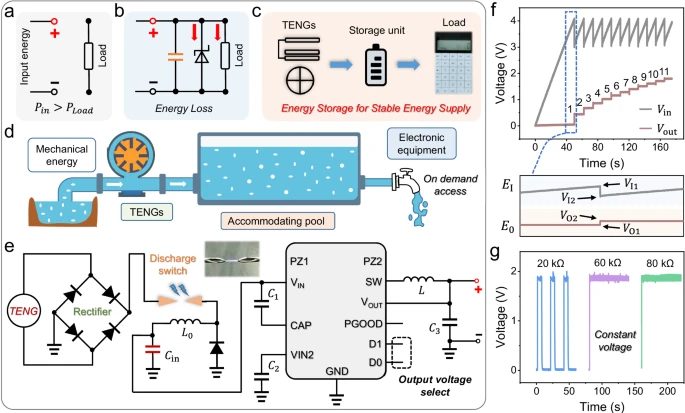
There is a huge growth in demand for self-sustaining electronic devices, as the traditional power-generating devices fail in remote and harsh environments due to the periodic requirement of battery changes. Also, these devices are frequency specific; some work only in high frequency and some in low frequency. Triboelectric nanogenerators (TENGs) provide a promising solution by efficiently converting mechanical energy into electricity as they are versatile, compact, and cheap, making them a popular choice.
Read More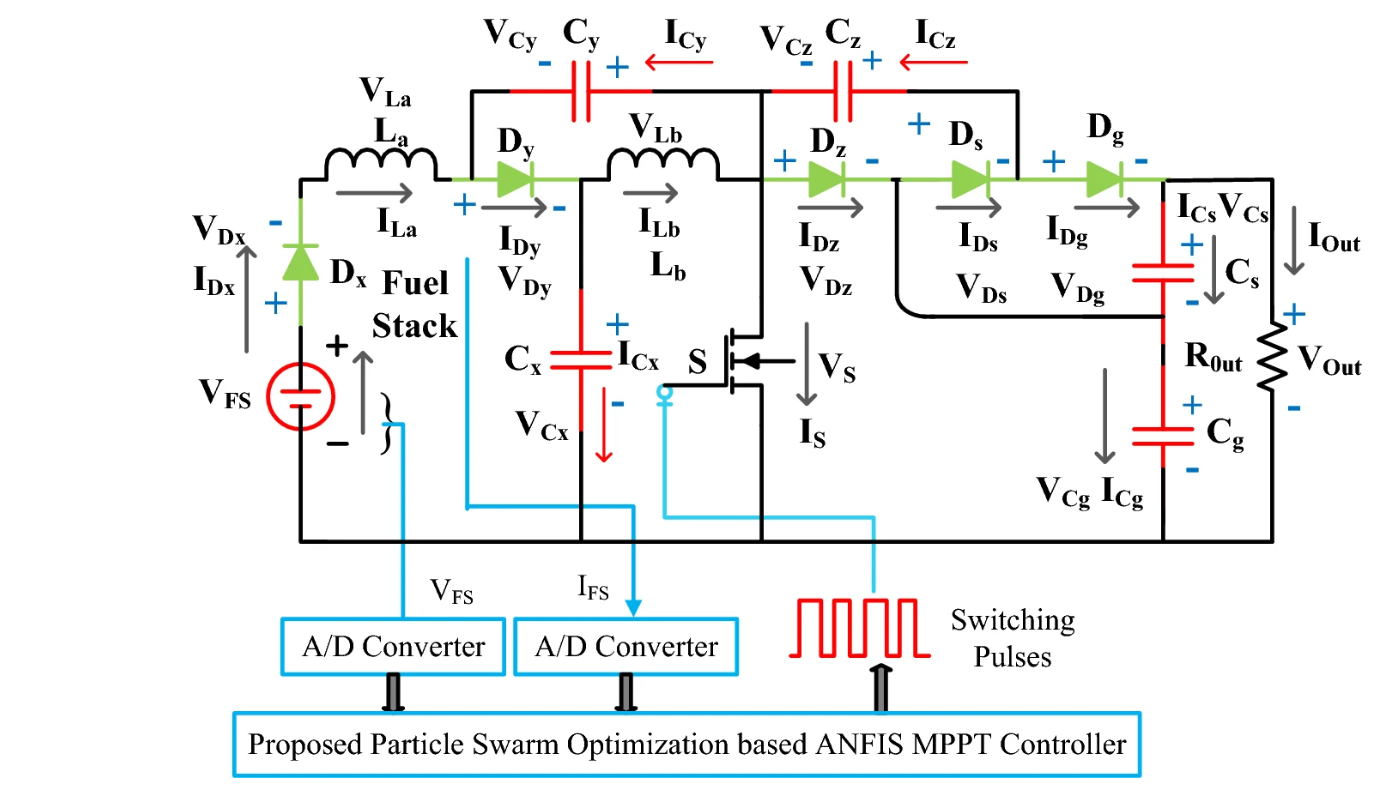 Methodologies for Increasing Efficiency of Fuel Stack Technology for Energy GenerationSaumitra Jagdale19 November 20242597
Presently, power companies are moving towards renewable energy systems. Conventional energy sources are more expensive because they require a vast network to be maintained and huge human resources. Also, they harm the environment by releasing several harmful gases. As the industry’s focus shifts toward renewable energy sources, energy systems powered by Proton Exchange Membrane Fuel Stacks (PEMFS) are gaining traction.
Read More Reconfigurable Antennas: Improving Efficiency in Modern CommunicationRakesh Kumar, Ph.D.24 December 20242518
This article highlights the limitations of conventional antennas and discusses the advantages of reconfigurable antenna designs. It also explores various reconfiguration techniques, applications, and their potential to enhance efficiency.
Read More The Ultimate Guide to AI Noise Reduction Translation EarbudsUTMEL01 April 20256770
In today’s connected world, talking to others is very important. You’ve likely seen how global business, travel, and learning need easy chats in different languages. This need keeps growing because of new tech like 5G and edge computing. These make fast and smooth connections possible.
Read More Comparing Popular Jumper Wires for Electronics ProjectsUTMEL10 July 20251643
Compare top jumper wires for electronics projects in 2025. Explore options by material, length, gauge, and durability to find the best fit for your needs.
Read More
Subscribe to Utmel !
![XY2B-1404]() XY2B-1404
XY2B-1404Omron Electronics Inc-EMC Div
![17990000039]() 17990000039
17990000039HARTING
![CE-16-05500]() CE-16-05500
CE-16-05500TE Connectivity Raychem Cable Protection
![HR30-6R-6S-T01]() HR30-6R-6S-T01
HR30-6R-6S-T01Hirose Electric Co Ltd
![17990000033]() 17990000033
17990000033HARTING
![DX30-50SGP]() DX30-50SGP
DX30-50SGPHirose Electric Co Ltd
![XY2B-1402]() XY2B-1402
XY2B-1402Omron Electronics Inc-EMC Div
![P25-0423]() P25-0423
P25-0423Harwin Inc.
![16645-00000-10]()
![1212264]() 1212264
1212264Phoenix Contact