

 Product
 Brand
Brand Articles
 Tools
Tools
Comparing Popular Jumper Wires for Electronics Projects

A jumper wire is a small but vital tool in the world of electronics. It helps you connect components on a breadboard or other circuits without the need for soldering. This makes prototyping and testing ideas much easier. Choosing the right jumper is critical for your project. Using the wrong type can damage your breadboard or lead to unreliable connections, which can slow down your progress. With the right wire, you can build stable and efficient electronic systems.
Key Features of Jumper Wires
Material Types
The material of a jumper plays a crucial role in its performance and durability. Most jumper wires use copper or aluminum as their core material. Copper is highly efficient at conducting electricity due to its low resistivity. This makes it a popular choice for high-performance circuits where stable connections are essential. Aluminum, on the other hand, is lighter and more affordable. It works well for projects where weight or cost is a concern.
When choosing a jumper wire, you should also consider the insulation material. PVC is common because it is flexible and durable. Silicone insulation is another excellent option, especially for projects requiring frequent bending or movement. High-quality insulation ensures the wire lasts longer and prevents accidental short circuits.
Length Variations
Jumper wires come in various lengths to suit different project needs. Short wires, typically 10 cm or less, are ideal for compact breadboards or tightly packed circuits. They help reduce clutter and keep your workspace organized. Medium-length wires, around 20-30 cm, are versatile and work well for most prototyping tasks.
For larger setups, such as connecting components across a wide area, longer wires exceeding 50 cm are available. However, longer wires may introduce resistance, which can affect the performance of your circuit. Always measure the distance between components before selecting a jumper wire length. This ensures you maintain a clean and efficient layout.
Wire Gauge Options
The gauge of a jumper wire determines its thickness and ability to handle current. Thicker wires (lower gauge numbers) can carry more current with less resistance, making them suitable for high-power circuits. Thinner wires (higher gauge numbers) are better for low-power applications or when space is limited.
Copper wires are particularly effective for handling higher currents due to their low resistivity of 16.78 nΩ·m. They also experience less resistive loss compared to aluminum wires, which have a resistivity of 26.5 nΩ·m. If you need a lightweight and cost-effective option, aluminum wires are a good alternative. However, they require careful handling to avoid brittleness and corrosion.
When selecting a wire gauge, consider the current requirements of your circuit. Using a wire that is too thin can lead to overheating or unreliable connections. A high-quality jumper wire manufacturer will often provide detailed specifications, helping you make the right choice for your project.
Connector Types
The connectors on a jumper determine how easily you can attach it to components or a breadboard. Choosing the right connector type ensures a secure and reliable connection in your circuit. Here are the most common types you’ll encounter:
Male-to-Male Connectors: These are the most widely used connectors. They have pins on both ends, making them ideal for connecting components on a breadboard. Use these for prototyping circuits where you need to link multiple points.
Male-to-Female Connectors: These connectors have a pin on one end and a socket on the other. They are perfect for connecting modules or sensors with pin headers to a breadboard.
Female-to-Female Connectors: These have sockets on both ends. They work well for linking two modules or extending connections between components.
Alligator Clips: These connectors feature a clip instead of a pin or socket. They are useful for temporary connections or testing circuits without a breadboard.
Each connector type serves a specific purpose. When selecting a jumper, consider the components you’re working with and the type of connection required. A high-quality jumper wire manufacturer often includes a variety of connectors in their kits, giving you flexibility for different projects.
Durability and Flexibility
Durability and flexibility are critical factors when choosing a jumper. A durable jumper withstands repeated use without breaking, while flexibility ensures it can bend and adapt to different layouts. These qualities directly impact the lifespan and usability of your jumper wires.
The table below compares the durability and flexibility of various jumper wire types and their typical applications:
| Type of Jumper | Durability | Flexibility | Applications |
|---|---|---|---|
| Type B | High | Moderate | Automotive, Industrial |
| Type C | Moderate | High | Consumer Electronics, Telecommunications |
| Type D | Low | Very High | Wearable Devices, Flexible Displays |
For projects requiring frequent adjustments, such as wearable devices, prioritize flexibility. Type D jumpers excel in these scenarios due to their very high flexibility. On the other hand, industrial or automotive applications demand high durability, making Type B jumpers a better choice. Type C offers a balance of both qualities, making it suitable for general-purpose electronic projects.
When evaluating jumper wires, inspect the insulation material and wire core. Silicone-insulated wires often provide better flexibility than PVC-insulated ones. Similarly, copper cores enhance durability compared to aluminum. By understanding these factors, you can select a jumper that meets your project’s demands and ensures long-term reliability.
Comparing Popular Jumper Wires
Brand A: Features and Benefits
Brand A stands out for its exceptional build quality and versatility. This brand uses copper cores in its jumper wires, ensuring excellent conductivity and minimal resistance in your circuit. The wires come with silicone insulation, which makes them highly flexible and resistant to wear and tear. You can bend and twist these jumpers without worrying about damage, making them ideal for projects requiring frequent adjustments.
Brand A offers a wide range of lengths and connector types, catering to various electronic applications. Whether you need male-to-male connectors for breadboarding or female-to-female connectors for linking modules, this brand has you covered. The wires are also color-coded, helping you quickly identify connections in complex circuits.
One of the key benefits of Brand A is its reliability. These jumpers maintain stable connections even in demanding environments. If you’re working on a high-performance project, such as robotics or IoT devices, Brand A provides the durability and quality you need. While the cost may be slightly higher than budget options, the long-term value justifies the investment.
Brand B: Features and Benefits
Brand B is a favorite among beginners and hobbyists due to its affordability and ease of use. This brand focuses on providing jumper wires that are simple yet effective. The wires feature PVC insulation, which offers decent flexibility and durability for most basic projects. Although not as robust as silicone-insulated wires, they perform well for breadboarding and prototyping tasks.
Brand B’s jumper wires are available in pre-cut lengths, making them convenient for quick setups. The connectors are sturdy and fit snugly into breadboards and pin headers, ensuring reliable connections. You’ll also find a variety of connector types in their kits, including male-to-female and female-to-female options.
One of the standout features of Brand B is its value for money. If you’re looking for a cost-effective solution without compromising too much on quality, this brand is an excellent choice. It’s particularly suitable for educational projects or DIY enthusiasts who need a reliable jumper wire for printed circuit board experiments or small-scale circuits.
Brand C: Features and Benefits
Brand C caters to professionals and advanced users who demand premium performance. These jumper wires are designed with high-quality materials, including tinned copper cores for enhanced conductivity and corrosion resistance. The insulation is made from high-grade silicone, offering unmatched flexibility and durability.
What sets Brand C apart is its attention to detail. The wires are meticulously crafted to ensure consistent performance, even in high-stress environments. You’ll find a wide selection of lengths and gauges, allowing you to customize your setup based on your circuit’s requirements. The connectors are gold-plated, providing a secure and long-lasting connection.
Brand C also includes advanced features like heat-resistant insulation, making these jumpers suitable for industrial applications or high-temperature environments. While the price point is higher, the superior quality and performance make it a worthwhile investment for professionals. If you’re working on complex projects, such as robotics or advanced IoT systems, Brand C delivers the reliability and precision you need.
Budget-Friendly Jumper Wires
Budget-friendly jumper wires are perfect for beginners, hobbyists, and anyone working on small-scale projects. These wires offer decent performance at an affordable cost, making them ideal for educational purposes or DIY experiments. You don’t need to spend a fortune to get reliable connections for your circuits.
Key Features of Budget-Friendly Jumpers
Material and Build Quality:
Budget jumper wires often use aluminum cores instead of copper. Aluminum is lightweight and cost-effective, but it may not conduct electricity as efficiently as copper. PVC insulation is common in these wires, providing adequate durability for basic electronic projects.Connector Options:
Most budget-friendly jumpers come with standard male-to-male connectors. Some kits also include male-to-female and female-to-female connectors, giving you flexibility for different setups. These connectors fit snugly into breadboards and pin headers, ensuring reliable connections.Length and Gauge:
These wires are typically available in pre-cut lengths ranging from 10 cm to 30 cm. They are suitable for compact circuits and breadboarding tasks. The gauge is usually thinner, making them ideal for low-power applications.
Advantages of Budget-Friendly Jumper Wires
Affordable Cost: You can purchase a large set of jumper wires without exceeding your budget. This makes them accessible for students and hobbyists.
Ease of Use: Pre-cut lengths and standard connectors simplify the setup process. You can quickly assemble your circuit without additional tools.
Versatility: These wires work well for breadboarding, prototyping, and small-scale projects.
Tip: If you’re looking for jumper wire for printed circuit board experiments, budget-friendly options are a great starting point. They provide reliable connections for basic circuits without breaking the bank.
While these wires are cost-effective, they may not be suitable for high-performance or professional applications. For advanced projects, consider investing in premium jumper wires.
Premium Jumper Wires for Professionals
Premium jumper wires are designed for users who demand top-notch performance and durability. These wires excel in complex circuits, industrial applications, and high-stress environments. If you’re a professional working on robotics, IoT devices, or advanced electronic systems, premium jumpers are worth the investment.
Key Features of Premium Jumpers
Material and Build Quality:
Premium jumper wires use tinned copper cores, which offer excellent conductivity and corrosion resistance. Silicone insulation enhances flexibility and durability, allowing the wires to withstand frequent bending and movement.Connector Options:
These wires often feature gold-plated connectors for secure and long-lasting connections. You’ll find a wide variety of connector types, including male-to-male, male-to-female, and female-to-female options. Some kits even include alligator clips for specialized tasks.Length and Gauge:
Premium jumpers come in various lengths and gauges to suit different circuit requirements. Thicker wires handle higher currents, while thinner wires are ideal for compact layouts.
Advantages of Premium Jumper Wires
Superior Quality: High-quality materials ensure consistent performance and long-term reliability.
Enhanced Durability: Silicone insulation and tinned copper cores make these wires resistant to wear and tear.
Advanced Features: Heat-resistant insulation and gold-plated connectors make these jumpers suitable for demanding applications.
Note: Premium jumper wires are an excellent choice for professionals who need reliable connections in complex circuits. Their superior quality and advanced features justify the higher cost.
When to Choose Premium Jumpers
If your project involves high-power circuits or industrial applications.
When you need wires that can withstand extreme conditions, such as high temperatures or frequent adjustments.
For robotics, IoT devices, or advanced prototyping tasks.
Premium jumper wires deliver unmatched performance and reliability. They are a valuable investment for professionals who prioritize quality and precision in their electronic projects.
Applications of Jumper Wires
Breadboarding and Prototyping
Jumper wires are essential for breadboarding and prototyping. They allow you to connect components without soldering, making it easy to test and modify your circuit designs. By using jumper wires, you can quickly link resistors, capacitors, and other electronic parts on a breadboard. This flexibility helps you experiment with different layouts and troubleshoot issues efficiently.
For example, when building a simple LED circuit, jumper wires connect the LED, resistor, and power source. This setup lets you test the circuit before finalizing the design. The reusable nature of jumper wires also reduces cost, as you can use them across multiple projects.
Tip: Use color-coded jumper wires to keep your breadboard organized and avoid confusion during prototyping.
Arduino and Raspberry Pi Projects
Jumper wires play a crucial role in Arduino and Raspberry Pi projects. They connect these microcontrollers to external components, enabling communication and control. For instance:
Jumper wires link the Arduino to sensors and LEDs, allowing the microcontroller to read data and control outputs.
They distribute power by connecting the Arduino's 5V pin to the breadboard's power rails, supplying energy to other components.
In Raspberry Pi projects, jumper wires connect GPIO pins to devices like motors or displays. This versatility makes them indispensable for creating interactive circuits. Whether you're building a temperature sensor or a robotic arm, jumper wires ensure reliable connections between components.
Note: Always check the quality of your jumper wires to avoid loose connections that could disrupt your circuit's performance.
Robotics and IoT Applications
Robotics and IoT projects demand precise and durable connections, making jumper wires a vital tool. In robotics, they connect motors, sensors, and controllers, enabling smooth operation. For IoT devices, jumper wires link microcontrollers to Wi-Fi modules, sensors, and actuators, facilitating data exchange and automation.
For example, in a smart home system, jumper wires connect a temperature sensor to a microcontroller, which then communicates with a thermostat. Their flexibility allows you to adapt your circuit layout as your project evolves. High-quality jumper wires with silicone insulation are ideal for these applications, as they withstand frequent adjustments and harsh conditions.
Tip: Use shorter jumper wires in robotics to minimize resistance and ensure efficient power delivery.
DIY and Educational Projects
Jumper wires are essential tools for DIY and educational projects. They simplify the process of building and testing circuits, making them perfect for beginners and students. You can use them to connect components on a breadboard without soldering, which reduces risks and encourages hands-on learning.
In educational settings, jumper wires help students explore basic electronic principles. They allow you to experiment with different circuit designs and make adjustments easily. For example, you can use jumper wires to connect an LED to a power source and resistor, creating a simple light-up circuit. This hands-on approach makes learning interactive and engaging.
DIY enthusiasts also benefit from jumper wires. Whether you're building a small robot or a home automation system, these wires provide the flexibility to modify your setup as needed. Their reusability adds value, as you can use them across multiple projects without additional cost.
The table below highlights the key benefits of jumper wires in educational projects:
| Benefit/Application | Description |
|---|---|
| Ease of Use | Jumper wires provide a simple connection method that does not require soldering, making them accessible for beginners. |
| Flexibility | They allow for easy modifications and adjustments in circuit configurations during experimentation. |
| Reusability | These wires can be used multiple times across different projects, enhancing their value in educational settings. |
| Ideal for Prototyping | They are essential for breadboarding and circuit design, facilitating hands-on learning experiences. |
| Safe Learning Method | Jumper wires enable students to explore electrical principles without the risks associated with soldering. |
When working on DIY or educational projects, always choose jumper wires that match your circuit's requirements. Shorter wires work well for compact setups, while longer ones are better for larger layouts. Using color-coded wires can also help you keep your circuit organized and easy to troubleshoot.
Tip: Start with a basic jumper wire kit that includes various lengths and connector types. This ensures you have the right tools for different projects.
Buying Guide for Jumper Wires
Choosing the Right Wire Type
Selecting the correct wire type is essential for ensuring your electronic project runs smoothly. Copper-core jumper wires are ideal for circuits requiring high conductivity and stable connections. They minimize resistance and maintain consistent performance. Aluminum-core wires, while less conductive, offer a lightweight and cost-effective alternative for low-power applications.
Insulation material also plays a key role. PVC insulation provides durability and flexibility for basic setups. Silicone insulation is better for projects involving frequent adjustments or movement. It resists wear and tear, ensuring long-term reliability.
Tip: For high-performance circuits, prioritize copper-core wires with silicone insulation. They deliver superior conductivity and flexibility.
Selecting the Appropriate Length and Gauge
The length and gauge of jumper wires directly impact circuit performance. Short wires reduce clutter and improve efficiency in compact setups. Longer wires are useful for larger layouts but may introduce resistance. Always measure the distance between components before choosing a length.
Wire gauge determines the thickness and current-carrying capacity. Thicker wires (lower gauge numbers) handle higher currents, while thinner wires (higher gauge numbers) suit low-power applications. Use the table below to compare voltage drop across different gauges:
| Wire Gauge | Voltage Drop (3.21%) | Voltage Drop (2.02%) |
|---|---|---|
| 12 AWG | 3.85 volts | N/A |
| 10 AWG | 2.42 volts | N/A |
For a standard 120V system, keep the voltage drop below 3%.
Use a voltage drop calculator to confirm the suitability of your wire gauge.
10 AWG wires are recommended for maintaining acceptable voltage drop levels.
Note: Thicker wires are better for high-power circuits, while thinner wires work well for compact designs.
Assessing Build Quality
High-quality jumper wires ensure reliable connections and long-term durability. Manufacturers test wires for electrical performance, insertion loss, and return loss. Offshore manufacturers often fail these tests, with a failure rate of 78% under TIA 568-C.2 standards. In contrast, North American manufacturers consistently pass, demonstrating superior reliability.
| Type of Test | Manufacturer Type | Failure Rate (%) | Notes |
|---|---|---|---|
| Electrical Performance Test | Offshore Manufacturers | 78% (3dB margin) | 322 out of 379 failed TIA 568-C.2 standards, indicating poor quality. |
| North American Manufacturers | 0% | All tested cords passed, indicating high reliability. | |
| Insertion Loss & Return Loss | Generic Suppliers | Multiple failures | Only one generic supplier passed all specifications. |
| Recognized Brands | 100% | All recognized brands met the strict internal specifications. |
When evaluating jumper wires, check for tinned copper cores and silicone insulation. These features enhance conductivity and flexibility. Gold-plated connectors provide secure and durable connections, making them ideal for demanding applications.
Tip: Choose jumper wires from recognized brands to ensure high build quality and reliable performance.
Budget Considerations
When working on electronics projects, managing your budget is essential. Jumper wires come in a wide range of prices, so understanding what you need can help you avoid overspending. By focusing on your project’s requirements, you can find the right balance between quality and cost.
Start by evaluating the scale of your project. For small DIY or educational setups, budget-friendly jumper wires often provide sufficient performance. These wires typically use aluminum cores and PVC insulation, which keep the cost low while offering decent durability. They are perfect for breadboarding and simple circuits. However, if your project involves high-power components or frequent adjustments, investing in higher-quality jumpers may save you money in the long run by reducing the need for replacements.
Consider buying jumper wire kits instead of individual wires. Kits usually include a variety of lengths and connector types, giving you more flexibility for different setups. This approach not only saves money but also ensures you have the right tools for future projects. Look for kits that offer good value without compromising on essential features like reliable connectors and durable insulation.
Reusability is another factor that can help you manage costs. High-quality jumpers with silicone insulation and copper cores last longer and can be reused across multiple projects. While these wires may have a higher upfront cost, their durability makes them a cost-effective choice over time.
Tip: Compare prices from different suppliers and read reviews to ensure you’re getting the best value for your money. Avoid extremely cheap options, as they may compromise on quality and reliability.
By carefully considering your needs and exploring cost-effective options, you can make smart decisions when purchasing jumper wires for your electronics projects.
Jumper Wire Comparison Table
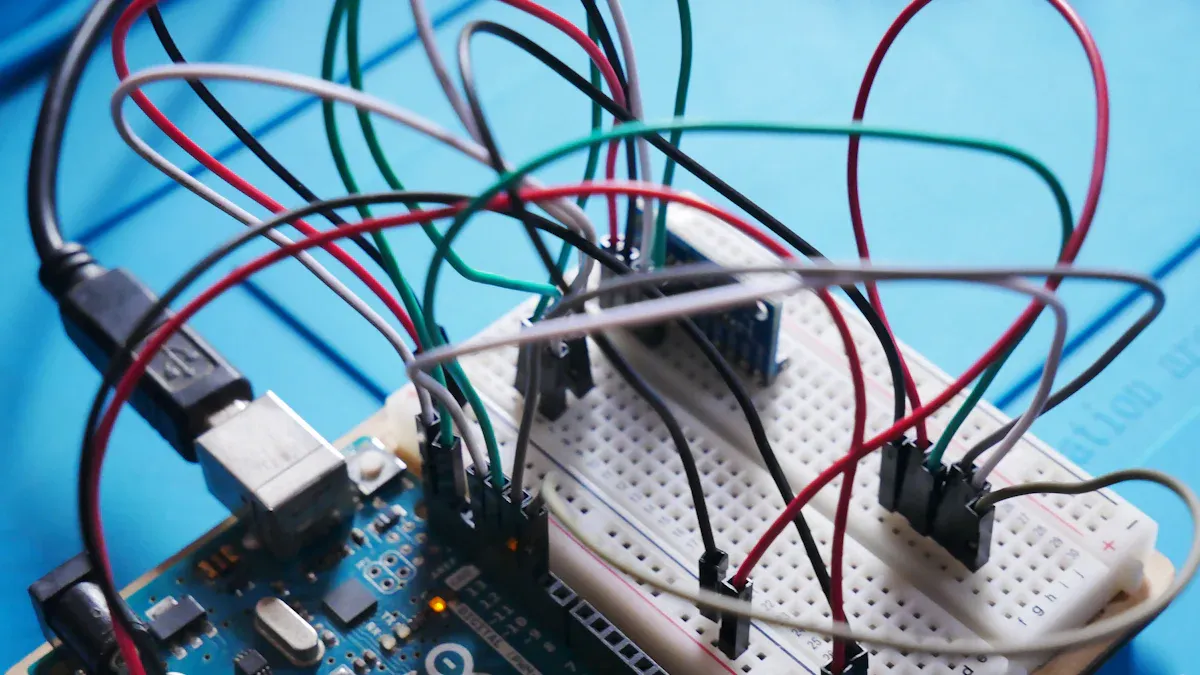
Key Specifications Overview
When comparing jumper wires, understanding their technical specifications helps you choose the right one for your project. The table below highlights key details from three popular manufacturers.
| Manufacturer | Technical Parameters | Pros | Cons |
|---|---|---|---|
| SQWIRES SOLUTIONS | Dimensions: 0.100 to 6.0 inches, Wire gauges: 10 AWG to 38 AWG | Cost-effective solution, Quick delivery | Limited to specified sizes, Insulated jumpers are white unless specified |
| SHOWA SEISEN Co., Ltd. | Wire diameter options: φ0.6 to φ1.0 | Cost reduction, High quality | Limited to specific wire diameters, Potential for discoloration |
| Prototyping Tools | Wire Gauge: 22 AWG, 26 AWG | Variety of kits, Flexible | Limited stock on some items, Out of stock for certain products |
This table provides a clear comparison of dimensions, wire gauges, and other features. For example, SQWIRES SOLUTIONS offers a wide range of wire gauges, making it suitable for diverse applications. SHOWA SEISEN Co., Ltd. focuses on cost reduction and quality, while Prototyping Tools provides flexible kits for prototyping tasks.
Pros and Cons Summary
Each jumper wire brand has unique strengths and weaknesses. SQWIRES SOLUTIONS stands out for its affordability and quick delivery. However, its insulated jumpers are only available in white unless specified, which might limit your options for color-coded circuits.
SHOWA SEISEN Co., Ltd. offers high-quality wires with cost-saving benefits. Its limited wire diameter options and potential for discoloration may not suit all projects.
Prototyping Tools excels in providing flexible kits with popular wire gauges like 22 AWG and 26 AWG. Unfortunately, some items may be out of stock, which could delay your project.
When choosing a jumper wire, consider your project’s requirements. If you need a cost-effective option, SQWIRES SOLUTIONS is a great choice. For high-quality wires, SHOWA SEISEN Co., Ltd. delivers reliable performance. Prototyping Tools is ideal for flexible prototyping needs, provided the items are in stock.
Tip: Always check the availability and specifications of jumper wires before purchasing to ensure they meet your project’s needs.
Choosing the right jumper wire is crucial for building reliable and efficient circuits. The correct wire ensures stable connections, reduces troubleshooting, and enhances your project's success.
For beginners: A jumper wire kit is a great starting point. These kits include pre-cut, stripped, and bent wires that fit breadboard hole patterns, making them perfect for learning and prototyping.
For professionals: Premium wires with tinned copper cores and silicone insulation offer unmatched durability and performance.
For budget-conscious users: Affordable options with PVC insulation provide decent quality for small-scale projects.
Always evaluate your project’s needs before purchasing. The right jumper wire can save time, reduce costs, and improve your overall experience.
FAQ
What are jumper wires used for?
Jumper wires connect electronic components without soldering. You use them for breadboarding, prototyping, and linking microcontrollers like Arduino or Raspberry Pi to sensors, LEDs, and other devices. They simplify circuit testing and modifications.
How do you choose the right jumper wire length?
Measure the distance between components in your circuit. Short wires work best for compact setups, while longer wires suit larger layouts. Avoid overly long wires to reduce resistance and maintain efficiency.
Can you reuse jumper wires?
Yes, you can reuse jumper wires across multiple projects. High-quality wires with durable insulation, like silicone, last longer and withstand frequent adjustments. Reusability makes them cost-effective for DIY and educational projects.
What is the difference between male and female connectors?
Male connectors have pins that fit into sockets, while female connectors have sockets that accept pins. Use male-to-male for breadboards, male-to-female for modules, and female-to-female for linking two components with pins.
Are budget-friendly jumper wires reliable?
Budget-friendly wires work well for basic projects. They often use aluminum cores and PVC insulation, which provide decent performance. However, for high-power or professional applications, you should invest in premium wires for better durability and conductivity.
 UTMEL
UTMEL
We are the professional distributor of electronic components, providing a large variety of products to save you a lot of time, effort, and cost with our efficient self-customized service. careful order preparation fast delivery service
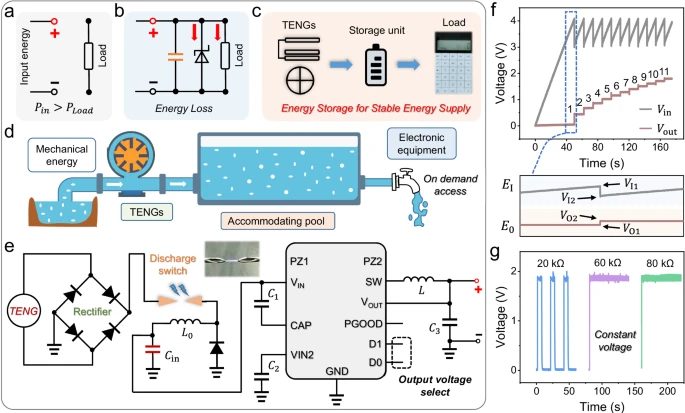 Improving the Energy Conversion Efficiency of Triboelectric NanogeneratorsSaumitra Jagdale19 November 20242577
There is a huge growth in demand for self-sustaining electronic devices, as the traditional power-generating devices fail in remote and harsh environments due to the periodic requirement of battery changes. Also, these devices are frequency specific; some work only in high frequency and some in low frequency. Triboelectric nanogenerators (TENGs) provide a promising solution by efficiently converting mechanical energy into electricity as they are versatile, compact, and cheap, making them a popular choice.
Read More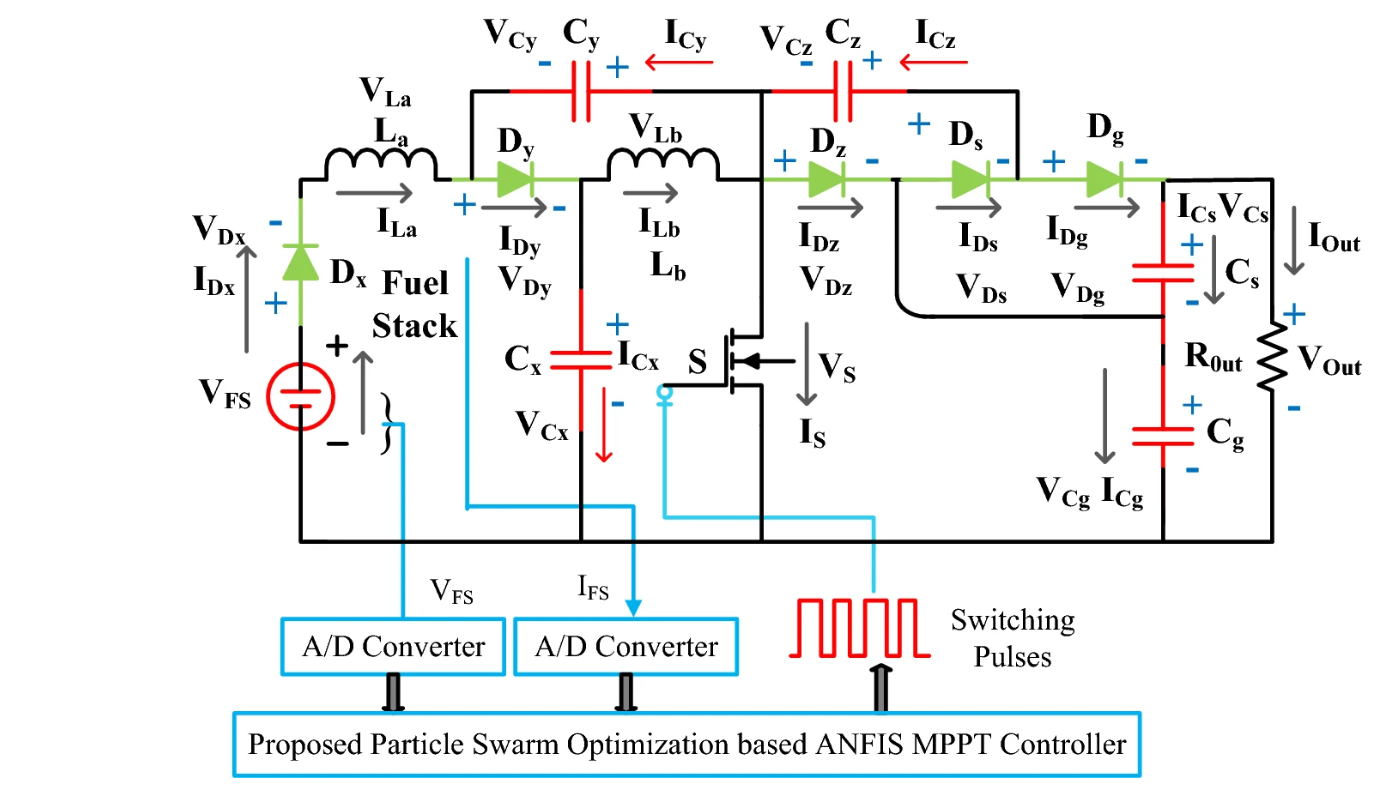 Methodologies for Increasing Efficiency of Fuel Stack Technology for Energy GenerationSaumitra Jagdale19 November 20242597
Presently, power companies are moving towards renewable energy systems. Conventional energy sources are more expensive because they require a vast network to be maintained and huge human resources. Also, they harm the environment by releasing several harmful gases. As the industry’s focus shifts toward renewable energy sources, energy systems powered by Proton Exchange Membrane Fuel Stacks (PEMFS) are gaining traction.
Read More Reconfigurable Antennas: Improving Efficiency in Modern CommunicationRakesh Kumar, Ph.D.24 December 20242522
This article highlights the limitations of conventional antennas and discusses the advantages of reconfigurable antenna designs. It also explores various reconfiguration techniques, applications, and their potential to enhance efficiency.
Read More The Ultimate Guide to AI Noise Reduction Translation EarbudsUTMEL01 April 20256789
In today’s connected world, talking to others is very important. You’ve likely seen how global business, travel, and learning need easy chats in different languages. This need keeps growing because of new tech like 5G and edge computing. These make fast and smooth connections possible.
Read More Comparing Popular Jumper Wires for Electronics ProjectsUTMEL10 July 20251651
Compare top jumper wires for electronics projects in 2025. Explore options by material, length, gauge, and durability to find the best fit for your needs.
Read More
Subscribe to Utmel !
![5906A]() 5906A
5906APomona Electronics
![1212370]() 1212370
1212370Phoenix Contact
![0011404418]() 0011404418
0011404418Molex
![36298]() 36298
36298Wiha
![HR30-7P-12SC-T01]() HR30-7P-12SC-T01
HR30-7P-12SC-T01Hirose Electric Co Ltd
![1212252]() 1212252
1212252Phoenix Contact
![0011185465]() 0011185465
0011185465Molex
![09990000844]() 09990000844
09990000844HARTING
![09990000341]() 09990000341
09990000341HARTING
![H-805R-UV]()


