

 Product
 Brand
Brand Articles
 Tools
Tools
DT06-12SA DC Connector 12 PIN FEMALE CONNECTOR[FAQ]:Datasheet, Features, and Equivalents


CONN PLUG HSG 12POS
DT06-12SA is a rectangular connector. This article is going to introduce technical Data, features, and more details about DT06-12SA.

How to Assemble and Disassemble Deutsch DT Connectors
Overview of DT06-12SA
DEUTSCH DT connections are known for their ruggedness and dependability in the field. Optional flange mounting, multi-pin layouts, and design flexibility are all strengths of the DT design.
Thermoplastic housings have a wide operating temperature range, and silicone back wire and interface seals protect the connectors from moisture and temperature extremes.
DEUTSCH DT wedge locks ensure that each connector's contacts are properly aligned. All DEUTSCH DT housings require wedge locks as standard equipment.
DEUTSCH DT headers are printed circuit board connections that come in two, three, four, six, eight, and twelve cavity configurations. Straight, right angle, flanged, and flangeless versions are all possible.
DEUTSCH is one of TE's family brands, and it widens the company's product line to include military specifications such as the MIL-DTL-38999 DEUTSCH connector series.
DT06-12SA Features
2, 3, 4, 6, 8, and 12 cavity arrangements
Rectangular, thermoplastic housing
Accepts contact size 16 (13 amps)
14-20 AWG
Wedgelocks assure contact alignment and retention
Grommet: Silicone rubber
Insert Retainer: Thermoplastic
Receptacle Interfacial Seal: Silicone rubber
Shell: Thermoplastic
Wedgelocks: Thermoplastic
DT06-12SA 3D Model
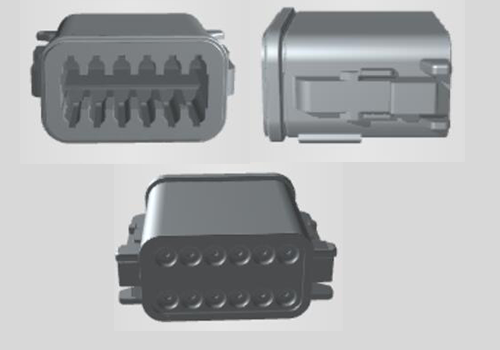
DT06-12SA 3D Model
DT06-12SA Outline information

DT06-12SA Outline information
Specifications
- TypeParameter
- Factory Lead Time6 Weeks
- Mounting Type
The "Mounting Type" in electronic components refers to the method used to attach or connect a component to a circuit board or other substrate, such as through-hole, surface-mount, or panel mount.
Free Hanging (In-Line) - Shell Material
The "Shell Material" parameter in electronic components refers to the material used to encase or cover the internal components of the device. This material is chosen based on various factors such as durability, heat resistance, electrical insulation properties, and environmental considerations. Common shell materials include plastics, metals, and ceramics, each offering different levels of protection and performance characteristics. The choice of shell material can impact the overall reliability, safety, and functionality of the electronic component in different operating conditions.
GLASS FILLED POLYAMIDE - Packaging
Semiconductor package is a carrier / shell used to contain and cover one or more semiconductor components or integrated circuits. The material of the shell can be metal, plastic, glass or ceramic.
Bulk - Series
In electronic components, the "Series" refers to a group of products that share similar characteristics, designs, or functionalities, often produced by the same manufacturer. These components within a series typically have common specifications but may vary in terms of voltage, power, or packaging to meet different application needs. The series name helps identify and differentiate between various product lines within a manufacturer's catalog.
DT - Published2009
- Part Status
Parts can have many statuses as they progress through the configuration, analysis, review, and approval stages.
ACTIVE (Last Updated: 6 days ago) - Moisture Sensitivity Level (MSL)
Moisture Sensitivity Level (MSL) is a standardized rating that indicates the susceptibility of electronic components, particularly semiconductors, to moisture-induced damage during storage and the soldering process, defining the allowable exposure time to ambient conditions before they require special handling or baking to prevent failures
Not Applicable - Connector Type
Connector Type in electronic components refers to the specific design and configuration of the connector used to establish electrical connections between different devices or components. This parameter describes the physical shape, size, and layout of the connector, as well as the number and arrangement of pins or contacts. Common connector types include USB, HDMI, RJ45, and D-sub connectors, each serving different purposes and applications. Understanding the connector type is crucial for ensuring compatibility and proper functionality when connecting electronic devices together.
Plug - Number of Positions12
- Max Operating Temperature
The Maximum Operating Temperature is the maximum body temperature at which the thermistor is designed to operate for extended periods of time with acceptable stability of its electrical characteristics.
125°C - Min Operating Temperature
The "Min Operating Temperature" parameter in electronic components refers to the lowest temperature at which the component is designed to operate effectively and reliably. This parameter is crucial for ensuring the proper functioning and longevity of the component, as operating below this temperature may lead to performance issues or even damage. Manufacturers specify the minimum operating temperature to provide guidance to users on the environmental conditions in which the component can safely operate. It is important to adhere to this parameter to prevent malfunctions and ensure the overall reliability of the electronic system.
-55°C - ColorGray
- Number of Rows2
- Gender
In the context of electronic components, the parameter "Gender" typically refers to the physical characteristics of connectors or interfaces that determine how they can be mated together. Connectors are often designed with specific gender types, such as male or female, to ensure proper alignment and connection between devices. A male connector typically has protruding pins or plugs that fit into a corresponding female connector, which has receptacles or sockets to receive the pins. This design helps prevent incorrect connections and ensures a secure and reliable electrical connection. Understanding the gender of connectors is crucial when designing or assembling electronic systems to ensure compatibility and proper functionality. It is essential to match the gender of connectors correctly to avoid damage and ensure optimal performance of the electronic components.
Male - Fastening Type
There are 5 Main Types of Fastening Type: Screws, Nails, Bolts, Anchors, Rivets.
Latch Lock - Filter Feature
In electronic components, the "Filter Feature" parameter refers to the capability of a component to filter or block certain frequencies of signals while allowing others to pass through. Filters are used to remove unwanted noise or interference from a signal, ensuring that only the desired frequencies are transmitted or received. The filter feature can be implemented using various techniques such as capacitors, inductors, resistors, or active components like operational amplifiers. Different types of filters, such as low-pass, high-pass, band-pass, and band-stop filters, are designed to cater to specific frequency ranges and applications. Overall, the filter feature plays a crucial role in maintaining signal integrity and improving the performance of electronic circuits.
NO - Contact Type
Contact Type in electronic components refers to the specific design and configuration of the electrical contacts used to establish connections between components or devices. The contact type determines how the electrical signals are transmitted between the components, and it can vary based on factors such as the application requirements, signal type, and environmental conditions. Common contact types include pin contacts, socket contacts, surface mount contacts, and wire-to-board contacts. Understanding the contact type is crucial for ensuring proper connectivity and reliable performance in electronic systems.
Female Socket - Mixed Contacts
In electronic components, "Mixed Contacts" refers to a type of contact arrangement where different types of contacts are used within the same component. This can include a combination of different contact materials, such as gold-plated contacts for signal transmission and silver-plated contacts for power connections. Mixed contacts can also refer to a combination of different contact styles, such as pin contacts and socket contacts within the same component.The use of mixed contacts allows for optimized performance and reliability in electronic components by leveraging the specific advantages of each contact type. For example, gold-plated contacts offer excellent conductivity and corrosion resistance, while silver-plated contacts provide high current-carrying capacity. By incorporating mixed contacts, manufacturers can tailor the component to meet the specific requirements of the application, ensuring efficient and reliable operation.
NO - OptionGENERAL PURPOSE
- Pitch
In electronic components, "Pitch" refers to the distance between the center of one pin or lead to the center of the adjacent pin or lead on a component, such as an integrated circuit (IC) or a connector. It is a crucial parameter as it determines the spacing and alignment of the pins or leads on a component, which in turn affects how the component can be mounted on a circuit board or connected to other components.The pitch measurement is typically expressed in millimeters (mm) or inches (in) and plays a significant role in determining the overall size and layout of a circuit board. Components with different pitches may require specific types of circuit boards or connectors to ensure proper alignment and connection. Designers must carefully consider the pitch of components when designing circuit layouts to ensure compatibility and proper functionality of the electronic system.
4.445mm - Total Number of Contacts12
- Voltage - Supply
Voltage - Supply refers to the range of voltage levels that an electronic component or circuit is designed to operate with. It indicates the minimum and maximum supply voltage that can be applied for the device to function properly. Providing supply voltages outside this range can lead to malfunction, damage, or reduced performance. This parameter is critical for ensuring compatibility between different components in a circuit.
250V - Reference Standard
In the context of electronic components, the term "Reference Standard" typically refers to a specific set of guidelines, specifications, or requirements that serve as a benchmark for evaluating the quality, performance, and characteristics of the component. These standards are established by organizations such as the International Electrotechnical Commission (IEC), the Institute of Electrical and Electronics Engineers (IEEE), or specific industry bodies.Reference standards help ensure consistency and interoperability among different components, as they provide a common framework for manufacturers, designers, and users to adhere to. They outline parameters such as electrical properties, mechanical dimensions, environmental conditions, and safety considerations that the component must meet to be considered compliant.By referencing these standards, manufacturers can design and produce components that meet industry-recognized criteria, which in turn helps users select the right components for their applications with confidence. Adhering to reference standards also facilitates regulatory compliance and promotes overall quality and reliability in electronic systems.
UL - Body Breadth
Body breadth in electronic components refers to the width of the physical body of a component, such as a resistor, capacitor, or integrated circuit. This measurement is crucial for ensuring proper fit within a circuit board or enclosure. It can affect the component's thermal performance, mechanical stability, and overall compatibility with other components in a design. Body breadth is typically specified in millimeters or inches and is an important factor in the selection and design of electronic assemblies.
0.716 inch - Empty ShellYES
- Rated Current (Signal)
Rated Current (Signal) refers to the maximum continuous current that an electronic component can handle while maintaining its specified performance characteristics. It indicates the level of current that the device can safely operate under normal conditions without overheating or experiencing degradation. This parameter is crucial for ensuring reliability and efficiency in electronic circuits and components, helping to prevent damage due to excessive current.
13A - Row Spacing
the space needed between rows to allow room for people or farm equipment to get through.
9.1186 mm - NoteContacts Not Included
- Contact Termination
Contact termination in electronic components refers to the method used to connect the component to a circuit or system. It is the point where the component's electrical connection is terminated or connected to the external circuit. Common contact termination methods include soldering, wire bonding, press-fit connectors, and surface mount technology (SMT). The choice of contact termination method depends on factors such as the type of component, the application requirements, and the manufacturing process. Proper contact termination is crucial for ensuring reliable electrical connections and overall performance of the electronic component.
Crimp - Hybrid Connector
A "Hybrid Connector" in electronic components refers to a type of connector that combines the features of multiple connector types into a single unit. This allows for the transmission of different types of signals or power through a single connection point, making it a versatile and space-saving solution in electronic systems. Hybrid connectors typically have different contact configurations or modules within the same housing, enabling the connection of various cables or devices with different requirements. They are commonly used in applications where space is limited, and multiple connections need to be made efficiently.
No - Polarized
In electronic components, the term "Polarized" refers to a specific characteristic of certain components that require a specific orientation or direction of connection in a circuit. These components have a designated positive and negative terminal, and connecting them incorrectly can result in malfunction or damage to the component or the circuit.Common examples of polarized components include electrolytic capacitors, diodes, LEDs, and transistors. These components are designed to operate in a specific polarity to function correctly within a circuit. It is important to pay attention to the polarity markings on these components and ensure they are connected properly to avoid any issues.When working with polarized components, it is crucial to follow the manufacturer's specifications and guidelines to ensure proper orientation and connection. Failure to do so can lead to circuit failure, component damage, or even safety hazards.
Yes - Features
In the context of electronic components, the term "Features" typically refers to the specific characteristics or functionalities that a particular component offers. These features can vary depending on the type of component and its intended use. For example, a microcontroller may have features such as built-in memory, analog-to-digital converters, and communication interfaces like UART or SPI.When evaluating electronic components, understanding their features is crucial in determining whether they meet the requirements of a particular project or application. Engineers and designers often look at features such as operating voltage, speed, power consumption, and communication protocols to ensure compatibility and optimal performance.In summary, the "Features" parameter in electronic components describes the unique attributes and capabilities that differentiate one component from another, helping users make informed decisions when selecting components for their electronic designs.
IP68, IP6K9K - Height40.5638mm
- Length30.94mm
- Width18.19mm
- REACH SVHC
The parameter "REACH SVHC" in electronic components refers to the compliance with the Registration, Evaluation, Authorization, and Restriction of Chemicals (REACH) regulation regarding Substances of Very High Concern (SVHC). SVHCs are substances that may have serious effects on human health or the environment, and their use is regulated under REACH to ensure their safe handling and minimize their impact.Manufacturers of electronic components need to declare if their products contain any SVHCs above a certain threshold concentration and provide information on the safe use of these substances. This information allows customers to make informed decisions about the potential risks associated with using the components and take appropriate measures to mitigate any hazards.Ensuring compliance with REACH SVHC requirements is essential for electronics manufacturers to meet regulatory standards, protect human health and the environment, and maintain transparency in their supply chain. It also demonstrates a commitment to sustainability and responsible manufacturing practices in the electronics industry.
Unknown - RoHS Status
RoHS means “Restriction of Certain Hazardous Substances” in the “Hazardous Substances Directive” in electrical and electronic equipment.
RoHS Compliant - Lead Free
Lead Free is a term used to describe electronic components that do not contain lead as part of their composition. Lead is a toxic material that can have harmful effects on human health and the environment, so the electronics industry has been moving towards lead-free components to reduce these risks. Lead-free components are typically made using alternative materials such as silver, copper, and tin. Manufacturers must comply with regulations such as the Restriction of Hazardous Substances (RoHS) directive to ensure that their products are lead-free and environmentally friendly.
Lead Free
DT06-12SA Technical Data
| Technical Data | |
| Current Rating | 13 A |
| Gender | Male |
| Hybrid Connector | No |
| Max Operating Temperature | 125 °C |
| Min Operating Temperature | -55 °C |
| Number of Contacts | 12 |
| Number of Positions | 12 |
| Number of Rows | 2 |
| Operating Supply Voltage | 250 V |
| Packaging | Box |
| Polarized | Yes |
| Serviceable | Yes |
| Voltage Rating | 250 V |
| Height | 20.3 mm |
| Length | 30.94 mm |
| Pitch | 4.445 mm |
| Row Spacing | 9.1186 mm |
| Width | 18.19 mm |
DT06-12SA Equivalents
| DT06-12SA-P012 | DT06-12SA-CE06 | DT06-12SA-C015 | |
| Descriptions | Rectangular Connectors Housings CONN PLUG HSG 12POS | Rectangular Connectors - Housings DEUTSCH DT06-12SA-CE06 Rectangular Power Connector, Grey, A Key DT Series, Crimp, Plug, 12 Contacts, Socket | Rectangular Connectors Housings DT PLUG ASM |
| Images |  | 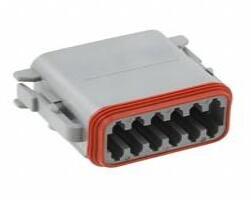 | 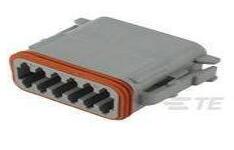 |
Parts with Similar Specs
- ImagePart NumberManufacturerGenderPitchNumber of PositionsNumber of RowsPackagingREACH SVHCPart StatusRoHS StatusView Compare
![DT06-12SA]()
DT06-12SA
Male
4.445 mm
12
2
Bulk
Unknown
Active
RoHS Compliant
![DT06-12SC-CE06]()
-
-
-
2
Bulk
Unknown
Active
RoHS Compliant


DT06-12SA Package information
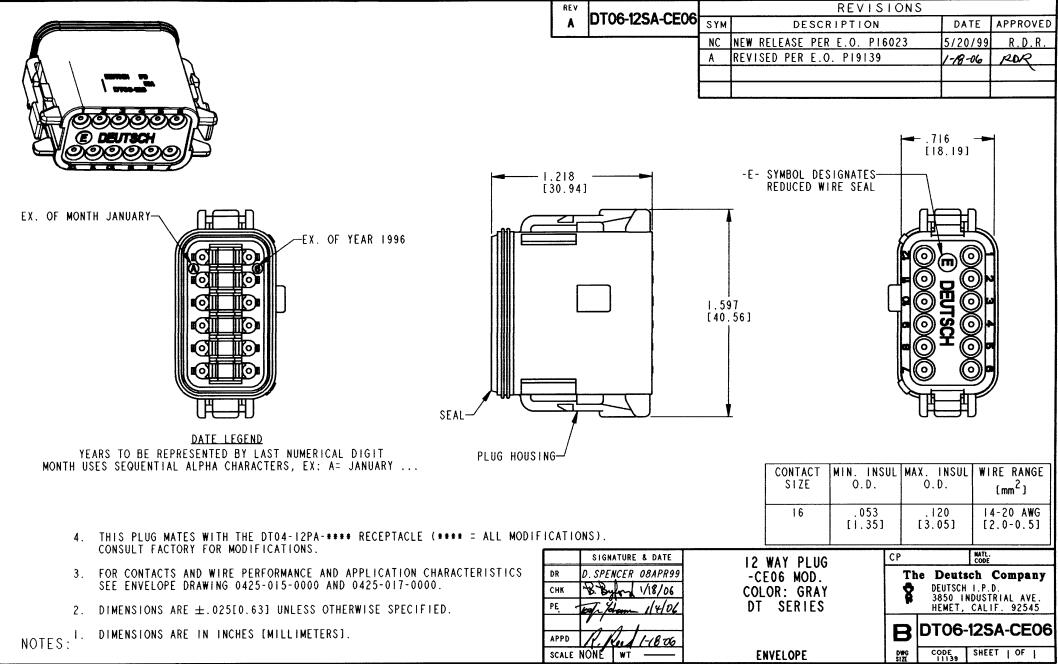
DT06-12SA Package information
DT06-12SA Manufacturer
TWO LEADERS IN CONNECTIVITY, NOW CONNECTED. DEUTSCH is now TE Connectivity. Together, they offer customers an unmatched range of connectivity products and solutions for virtually all applications, including those in the harshest environments.
Datasheet PDF
- Datasheets :
Popularity by Region
How many rows of DT06-12SA?
2 rows.
What’s the operating temperature of DT06-12SA?
-55°C~125°C TA.
What’s the packaging way of DT06-12SA?
Bulk.
What’s the Contact Type of DT06-12SA?
Female Socket.
What’s the Operating Supply Voltage of DT06-12SA?
250V.
What’s the width and height of DT06-12SA?
The width is 18.19mm, and the height is 40.5638mm.
 2N2218 Bipolar NPN Transistor: 2N2218 40V 0.8A Transistor, Datasheet and Pinout
27 December 20211892
 IS181 Optocoupler: Datasheet, Pinout and Applications
29 July 20212932
![SN74LS47N Decoder/Driver: Features, Pinout, and Datasheet [Video&FAQ]](https://res.utmel.com/Images/Article/eb1c86dc-0f82-4ac9-8440-314d68b78f25.png) SN74LS47N Decoder/Driver: Features, Pinout, and Datasheet [Video&FAQ]
SN74LS47N Decoder/Driver: Features, Pinout, and Datasheet [Video&FAQ]28 October 202123435
 TJA1050 High-speed Can Transceiver: Datasheet, TJA1050 vs. MCP2551
02 December 202116327
 74LS04: Circuits, Applications, and Pinout
31 March 20224709
 Unraveling the Texas Instruments MSP430F1612IPM Microcontroller: A Comprehensive Technical Analysis
29 February 2024197
 PIC18F26K20 Microcontroller: Detailed Technical Analysis
29 February 2024415
 18650 vs. 21700: What Difference is between them?
26 April 202212778
 Semiconductor Market Poised for Strong Rebound in 2024, Predicts WSTS
11 December 20235362
 What is Cloud Storage?
07 October 20211985
 Low Temperature Drift Resistors Increase the Accuracy of Analog Circuits
11 February 20251736
 Semiconductor Industry's Water Risk Underpriced, Warn Fund Managers
14 September 20233977
 Decoupling Capacitor Placement Guide: Maximizing Power Integrity in High-Speed Digital PCBs
12 August 2026411
 Semiconductor Devices: Impact on IoT and Modern Communication (Part-1)
22 July 20242734
 Understanding the Crystal Oscillator: Construction, Working Principles and Applications
08 July 20244529
 FPGA in Industry and Communication: Key Players, Technologies, and Future Trends
07 March 20252460
TE Connectivity Deutsch Connectors
In Stock: 2850
Minimum: 1 Multiples: 1
Qty
Unit Price
Ext Price
1
$7.123093
$7.12
10
$6.719899
$67.20
100
$6.339528
$633.95
500
$5.980687
$2,990.34
1000
$5.642157
$5,642.16
Not the price you want? Send RFQ Now and we'll contact you ASAP.
Inquire for More Quantity
![1-1418883-1]() 1-1418883-1
1-1418883-1TE Connectivity Deutsch Connectors
![DT06-3S]() DT06-3S
DT06-3STE Connectivity Deutsch Connectors
![1-967626-1]() 1-967626-1
1-967626-1TE Connectivity Deutsch Connectors
![DT06-08SA]() DT06-08SA
DT06-08SATE Connectivity Deutsch Connectors
![DT06-2S-EP06]() DT06-2S-EP06
DT06-2S-EP06TE Connectivity Deutsch Connectors
![DT06-6S]() DT06-6S
DT06-6STE Connectivity Deutsch Connectors
![DT04-12PA-L012]() DT04-12PA-L012
DT04-12PA-L012TE Connectivity Deutsch Connectors
![1-967627-1]() 1-967627-1
1-967627-1TE Connectivity Deutsch Connectors
![8-968972-1]() 8-968972-1
8-968972-1TE Connectivity Deutsch Connectors


