Product
 Brand
Brand Articles
 Tools
Tools
Latest Pushbutton Switch Designs Transforming Modern Devices

In 2025, innovative push button switch designs have redefined how people interact with technology at home and in industry. The push button complete units market has soared to an estimated $2.5 billion, driven by smart features, miniaturization, and enhanced durability. The table below highlights the latest trends and growth in this market:
| Aspect | Details |
|---|---|
| Market Size (2025) | $2.5 billion |
| Projected CAGR | 5% |
| Growth Drivers | Miniaturization, smart features, IoT, home |
| Notable Developments | Miniature switches, smart connectivity, home |
| Expansion Sectors | Home, automotive, industrial, medical |
A focus on smart technology, advanced home connectivity, and sustainability shapes the future of pushbutton switches. Designers now prioritize both aesthetics and ruggedness, reflecting the latest trends and the demand for reliable, innovative push button switch solutions in the home and beyond. The push button complete units market continues to evolve, fueled by innovation, smart capabilities, and the needs of modern home environments.
Pushbutton Switches Trends
Smart Technology
Smart technology leads the latest trends in push button switch design. In 2025, manufacturers focus on integrating advanced features that enhance both convenience and efficiency. Smart push button switches now connect seamlessly with smart home ecosystems, allowing users to control lighting, security, and climate with a single touch or voice command. These switches support wireless protocols, making installation easier and reducing the need for complex wiring.
Real-world applications highlight the impact of these trends. For example, a luxury hotel in Dubai implemented KNX smart switches to automate room settings, door locks, and minibars. Guests experience one-touch housekeeping and synchronized do-not-disturb modes. This innovation led to an 18% reduction in annual energy costs and a 97% guest satisfaction rate. In high-end villas in Shanghai, smart push button switches create personalized scenarios like "Dinner Party Mode," increasing property value by up to 8%.
Smart home ecosystems benefit from these trends by offering:
Reduced operating expenses through energy-efficient lighting and climate control.
Increased property value and resident satisfaction.
Enhanced operational efficiency with automated maintenance and access control.
Improved security and faster response times.
Property managers track key metrics such as utility savings, maintenance cost reductions, and resident feedback to measure the return on investment. They often start with a single smart technology, monitor results, and scale up successful implementations across multiple properties.
IoT Integration
IoT integration stands at the core of modern push button switch trends. These switches now serve as vital nodes in smart home and industrial networks. IoT-enabled push button switches collect real-time data, support predictive maintenance, and enable remote diagnostics. Wireless connectivity ensures that devices communicate efficiently, even in large buildings or across multiple locations.
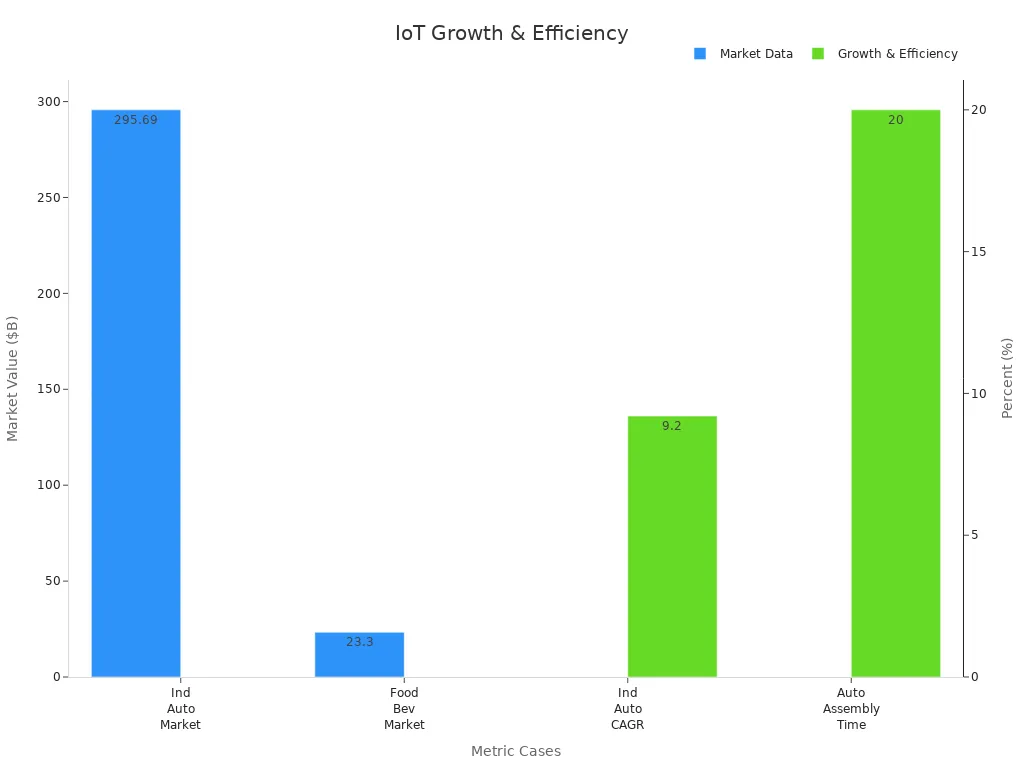
The push button complete units market has seen rapid growth due to IoT integration. In industrial automation, the market is projected to reach $295.69 billion by 2026, with a compound annual growth rate of 9.2%. Food and beverage automation, which relies on smart push button switches, is expected to hit $23.3 billion by 2027. Automotive manufacturers report a 20% reduction in assembly time after switching from toggle to momentary push button switches, boosting productivity and reducing errors.
| Metric/Case Study | Numerical Data/Result | Description/Impact |
|---|---|---|
| Industrial Automation Market Size | $295.69 billion by 2026 | Projected market size indicating significant growth in industrial automation involving pushbutton switches. |
| CAGR of Industrial Automation Market | 9.2% (2021-2026) | Compound annual growth rate reflecting rapid expansion of automation technologies. |
| Food and Beverage Automation Market Size | $23.3 billion by 2027 | Projected market size showing adoption of automation including pushbutton switches in food/beverage industry. |
| Automotive Assembly Time Reduction | 20% reduction | Efficiency improvement after switching from toggle to momentary push-button switches, enhancing productivity and reducing errors. |
| IoT Integration Example | AWS IoT SiteWise and AWS IoT FleetWise | Enables live data collection, maintenance prediction, and downtime reduction through smart pushbutton switches. |
Wireless push button switches play a key role in smart factories and smart home ecosystems. They enable real-time monitoring, predictive device health warnings, and faster response to security alarms. These trends drive the push button complete units market forward, supporting both home and industrial applications.
AI Features
AI features represent a major leap in push button switch innovation. Manufacturers now embed machine learning algorithms in push button switches to analyze user behavior and create personalized scene modes. For example, AI can activate "Cinema Mode" automatically when it detects certain patterns, adjusting lighting and climate for the perfect movie night.
Voice-activated push button switches have become a standard in smart home ecosystems. These switches respond to voice commands, allowing users to control devices hands-free. In schools, hospitals, and homes, AI-powered push button switches predict power consumption, adapt to user preferences, and provide proactive maintenance alerts up to 30 days in advance. This reduces downtime and extends device lifespan.
A recent school project used remote diagnostics and AI to monitor relay wear and communication strength. The result was a 50% reduction in maintenance costs and an increase in device lifespan from 10 to over 15 years. Hospitals achieved zero-failure operation by addressing power separation design issues, demonstrating the importance of compliance and technological innovation.
Tip: Voice-activated push button switches not only improve accessibility for all users but also enhance safety by enabling touchless operation in sensitive environments.
The push button complete units market continues to expand as AI features become more common in both home and industrial settings. These trends ensure that push button switches remain at the forefront of smart systems, supporting the latest trends in connectivity, automation, and user experience.
User Experience
Tactile Feedback
Tactile feedback stands as a defining feature in modern push button switch design. Users expect immediate confirmation when they press a button. Contemporary push button switches deliver both tactile and auditory cues, which increase precision and boost user confidence. Designers use activation force as a key metric. In automotive settings, higher activation forces prevent accidental presses, while in home electronics, lower forces allow for quick, responsive actions. Studies show that users can distinguish and prefer certain tactile sensations. Hedonic ratings and semantic differential evaluations reveal that people value a satisfying "click" and clear feedback. These preferences guide manufacturers to create push button switch solutions that feel reliable and enjoyable in daily use.
Ergonomics
Ergonomics plays a critical role in the success of push button switch products. Designers tailor activation force and button size to fit specific applications. In home environments, users benefit from switches that require minimal effort, making them accessible for all ages. In industrial and automotive markets, designers increase activation force to ensure safety and prevent accidental activation. Kansei engineering helps evaluate how users perceive comfort and usability. By measuring physical properties like force and stroke, engineers align switch performance with user expectations. This approach leads to higher satisfaction and improved usability across home and industrial markets.
Note: Ergonomic push button switch design reduces fatigue and supports long-term use, especially in smart home ecosystems and high-use market segments.
Aesthetics
Aesthetics now influence the market for push button switch products as much as function. Consumers want switches that match the style of their home or smart devices. Manufacturers offer customizable push buttons in various colors, finishes, and shapes. Kansei engineering links physical switch characteristics to emotional responses, such as pleasantness and visual appeal. Luxury automotive markets show that users prefer switches with refined tactile and visual qualities. Designers use these insights to create push button switch solutions that enhance both the look and feel of home and smart environments. Attractive, well-designed switches help brands stand out in a crowded market.
Capacitive and Touchless

Capacitive Touch
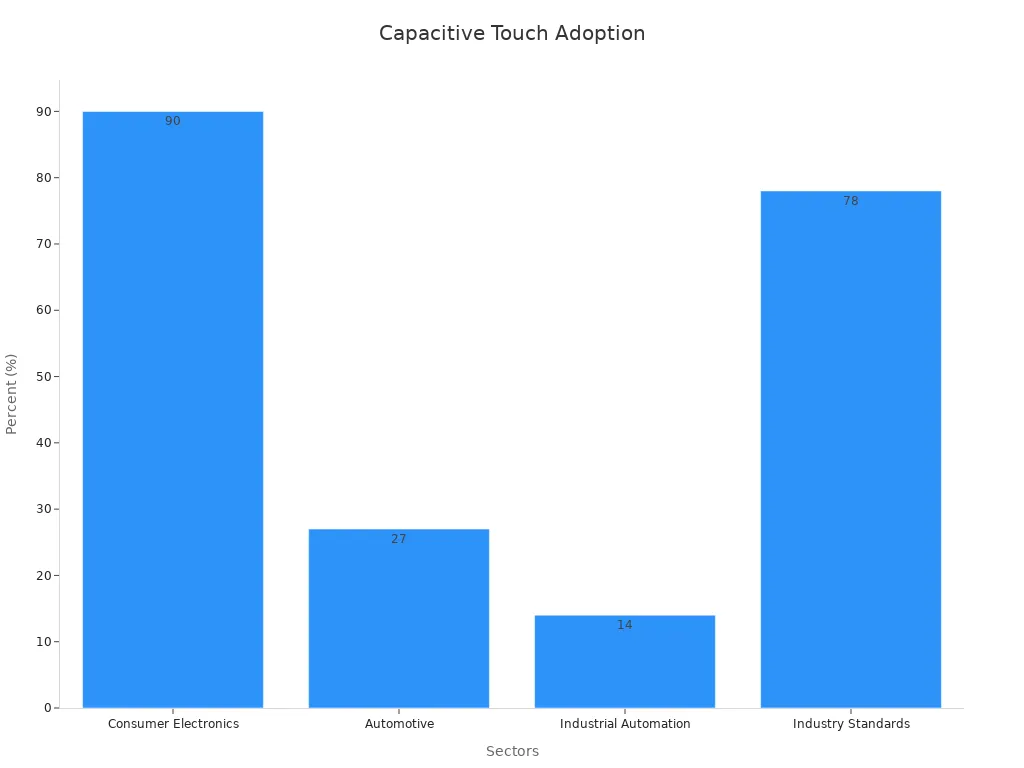
Capacitive touch technology has transformed the push button switch market. Manufacturers now use advanced touch-sensitive technology to create sleek, flat surfaces that respond to the lightest touch. This approach eliminates moving parts, which increases durability and makes cleaning easier. In consumer electronics, capacitive touchscreens appear in about 90% of smartphones, tablets, and wearables. Apple Face ID uses capacitive sensing for secure access. The automotive market also benefits, with 27% of capacitive sensor applications found in vehicles. Tesla Model 3 features capacitive touch buttons for climate control, supporting a minimalist cockpit design.
| Sector/Industry | Evidence of Increased Adoption | Key Benefits/Drivers |
|---|---|---|
| Consumer Electronics | Capacitive touchscreens embedded in ~90% of smartphones, tablets, wearables; Apple Face ID uses capacitive sensing | Precision, durability, multi-touch, bezel-less displays, gesture control, proximity detection |
| Automotive | 27% of capacitive sensor applications; Tesla Model 3 uses capacitive touch buttons for climate control | Enhanced user interfaces, minimalist cockpit design, safety features like occupant detection |
| Industrial Automation | Use in non-contact level detection, robotics, predictive maintenance; 14% YoY demand growth in 2023 | Hygiene, contamination prevention, durability, Industry 4.0 integration |
| Healthcare | Capacitive sensors in medical devices, neonatal ICUs, glucose monitors | Hygienic operation, non-contact monitoring, accuracy, continuous health tracking |
| Smart Home Technology | Over 70 million devices shipped in 2023 with capacitive interfaces | Touchless light switches, proximity-activated faucets, hygiene-driven demand post-pandemic |
| Material Innovation | Graphene-based films, flexible sensors for foldable displays and curved panels | Improved performance, flexibility, energy efficiency, enabling novel applications |
| Industry Standards | Compliance with IEC 60947-5-2 and Qi wireless charging standards | Customer confidence, interoperability, reduced vendor lock-in, preferred by 78% of automation engineers |
Industry experts note that capacitive touch technology is replacing mechanical buttons in many applications. Companies like NextInput develop force touch and gesture control solutions to address challenges such as glove and wet finger use. The market trend moves toward eliminating mechanical switches, favoring capacitive and touchless interfaces for more intuitive and hygienic controls.
Touchless Operation
Touchless operation has become a key driver in the push button switch market. This technology uses gesture control and proximity sensors to activate devices without physical contact. The healthcare market values this feature for its hygienic benefits. Hospitals and clinics use touchless switches to reduce contamination risks. Industrial automation also sees rapid adoption, with a 14% year-over-year demand growth in 2023. Smart home technology leads the way, shipping over 70 million devices with capacitive or touchless interfaces in 2023.
Capacitive push button switches provide touch-sensitive input without moving parts, enabling sleek, flat surfaces.
They offer increased durability and ease of cleaning, important for hygienic and industrial environments.
Applications range from kitchen appliances to medical devices, showing broad adoption.
Future trends include integration of AI and predictive maintenance to detect wear and enable replacement alerts.
Gesture control is emerging to enable touchless operation, eliminating the need for physical contact.
Voice control further enhances touchless operation. Many smart devices now respond to voice commands, making them accessible and safe for all users. The market continues to grow as more industries adopt these solutions for safety, efficiency, and user convenience. Advanced touch-sensitive technology and voice activation set new standards for the push button switch market, shaping the future of human-machine interaction.
Durability and Safety
Waterproof Design
Waterproof design stands as a critical factor in the push button switch market. Manufacturers use sealed housings and advanced materials to protect switches from dust and moisture. Many push button switch models achieve IP65 ratings, which means they resist water jets and dust particles. This level of protection ensures reliable operation in harsh environments, such as factories, outdoor kiosks, and kitchens. Stainless steel and high-grade plastics prevent corrosion and maintain strong electrical connections. These switches also withstand temperature extremes and exposure to corrosive elements. Rigorous testing confirms that waterproof push button switch products perform well under heat, moisture, and heavy use. The market values these features for applications where failure is not an option.
Anti-Vandal Features
Anti-vandal features have become essential in public and industrial settings. The market demands push button switch solutions that can resist tampering, impact, and frequent use. Manufacturers design switches with robust metal housings and sealed construction. For example, the L22 and PVB3 series offer IP65 protection and mechanical life cycles up to 1,000,000 cycles. These switches undergo strict endurance and environmental tests. They resist temperature changes, contaminants, and physical abuse. The market prefers anti-vandal push button switch products for ticket machines, elevators, and access control systems. Their durability reduces maintenance costs and ensures long-term reliability.
Note: Anti-vandal push button switch designs help prevent unauthorized access and damage, making them ideal for high-traffic areas.
Emergency Stop
Emergency stop functions play a vital role in industrial safety. The market relies on emergency stop push button switch products to protect workers and equipment. These switches require high actuation force and feature pushlock turn-to-reset mechanisms. Models like the E100 and E200 series meet IP65 standards and offer mechanical life cycles of at least 100,000 cycles. Electrical life cycles reach 50,000 cycles, confirming their reliability. Emergency stop push button switch designs undergo rigorous testing to ensure they work every time. The market trusts these switches for heavy machinery, assembly lines, and hazardous environments. Their robust construction and safety features help prevent accidents and equipment damage.
Miniaturization
Ultra-Miniature Switches
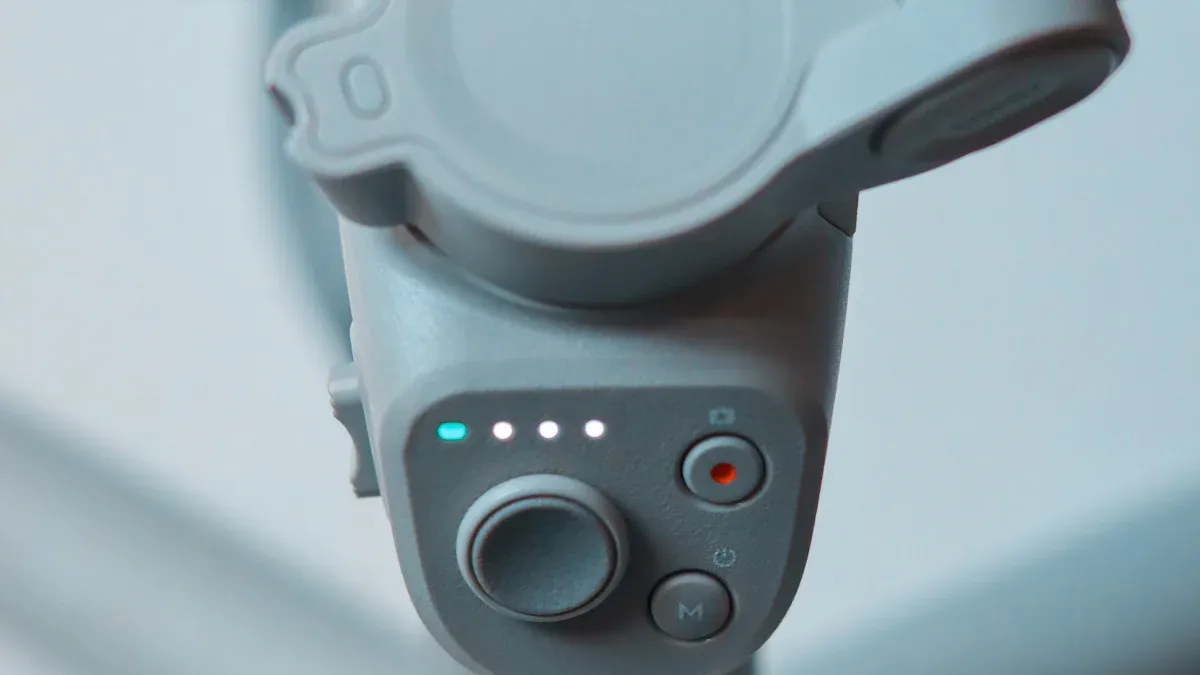
Ultra-miniature switches have become a key feature in modern device design. Engineers now create push button switch solutions that fit into smaller spaces without losing performance. These tiny switches help designers build slimmer smartphones, lighter medical devices, and compact industrial controls. The demand for miniaturization continues to rise as more industries seek efficient and space-saving components.
The market shows a clear shift toward ultra-miniature push button switch products. Ultra-miniature surface mount pushbutton switches now hold the largest share, making up 45% of the market. They also represent the fastest-growing segment. Major applications include industrial control (35%), medical devices (25%), and aerospace and defense (20%). The medical segment is growing quickly because hospitals and clinics need smaller switches for diagnostic and monitoring equipment. Asia Pacific leads this trend, driven by rapid industrialization and strong consumer electronics manufacturing.
Note: Ultra-miniature switches allow for more features in smaller devices, supporting the growth of smart technology and IoT.
Surface Mount Technology
Surface mount technology (SMT) has transformed the way manufacturers assemble electronic devices. SMT allows push button switch components to be mounted directly onto circuit boards, reducing assembly costs and improving durability. This method supports the creation of smaller, lighter, and more reliable products.
The market for surface mount switches continues to grow steadily. Technological advancements have enabled the development of ultra-miniature surface mount switches with better performance than traditional through-hole types. Leading manufacturers expand their portfolios through innovation and partnerships to meet rising demand. The expansion of IoT applications and the proliferation of smart devices drive this growth. The Asia Pacific region stands out as a leader in adopting SMT due to its strong electronics industry and urbanization.
Ultra-miniature surface mount push button switches offer:
Improved performance and reliability
Lower assembly costs
Enhanced durability for demanding environments
These trends highlight the ongoing shift toward miniaturization in the push button switch market, shaping the future of electronic device design.
Sustainability
Eco-Friendly Materials
Sustainability shapes the future of push button switch design. Manufacturers now use eco-friendly materials to reduce environmental impact. Many companies choose recycled plastics and metals for switch housings. These materials lower waste and support sustainable manufacturing. Some brands use biodegradable plastics in their products. This change helps protect the environment and meets new regulations.
In the home, eco-friendly switches have become popular. Homeowners want products that match their values. They look for switches with clear labels about recycled content. Many smart devices now include push button switches made from sustainable materials. These switches last longer and need less maintenance. This trend supports both sustainability and energy efficiency.
Tip: Homeowners can check for certifications like RoHS or Green Seal when choosing eco-friendly switches for their home.
Energy Efficiency
Energy efficiency stands as a key part of sustainability. Modern push button switch designs use less power than older models. Many smart switches now feature low-power standby modes. These modes help save energy when the switch is not in use. Some switches use energy-harvesting technology. This means the switch can work without batteries or wires.
The table below shows how energy-efficient switches compare to traditional models:
| Feature | Traditional Switch | Energy-Efficient Switch |
|---|---|---|
| Power Consumption | High | Low |
| Standby Power | Yes | Minimal |
| Battery Requirement | Often | Rare |
| Lifespan | Shorter | Longer |
Homeowners benefit from lower energy bills and longer-lasting devices. Smart home systems use these switches to control lights and appliances more efficiently. Sustainability and energy efficiency now drive innovation in the home and beyond. Manufacturers focus on creating products that help people save energy and protect the planet.
Push Button Complete Units Market
Market Growth
The push button complete units market shows strong growth worldwide. North America leads as a technology innovator, driven by infrastructure modernization and clean energy projects. The market is projected to grow at a compound annual growth rate above 5.5% over the next five years. Companies like Schneider Electric, Siemens, Eaton, Omron, and ABB drive innovation and expand the market. Government incentives and export opportunities support growth in both North America and emerging regions.
Key trends include AI integration for predictive maintenance, sustainability, miniaturization, wireless communication, and cybersecurity enhancements. Investment in the push button complete units market comes from technological advances, mergers and acquisitions, and regional manufacturing expansions, especially in Mexico. The market faces challenges such as supply chain volatility, regulatory compliance, and competition from touch-based controls. Despite these obstacles, the market continues to expand due to strong demand in automation and industrial automation.
Note: Verified Market Research uses rigorous methods to ensure reliable forecasts for the push button complete units market.
Industry Applications
The push button complete units market serves many industries. Industrial automation, aerospace, defense, pharmaceuticals, food processing, marine, mining, and smart grid technologies all rely on these products. The market segments pushbutton switches by type, including tactile and non-tactile switches, to meet different needs. Consumer electronics, automotive, and medical devices also use push button switch solutions.
Emerging trends show rapid adoption in smart grid platforms and critical infrastructure controls. Case studies highlight the role of push button complete units in aerospace manufacturing and industrial automation. The market benefits from new applications and investment opportunities across global regions. However, competition from capacitive sensors, touchscreens, gesture recognition, and voice control technologies presents restraints. Leading companies continue to innovate, ensuring the push button complete units market remains vital for automation and industrial automation.
The push button complete units market supports:
Robotics and emission control systems
Smart grid and energy management
Advanced manufacturing and process automation
Safety and compliance in hazardous environments
The push button complete units market adapts to new trends and industry demands, making it a key part of modern automation.
The push button complete units market continues to transform device design and user interaction. The market grows as smart home automation, urbanization, and energy-efficient innovations drive demand. The push button complete units market benefits from ergonomic design, user-friendly features, and broad applications in both residential and industrial sectors. The market now includes touch-sensitive activation, LED indicators, IoT connectivity, and waterproof designs. The push button complete units market also features corrosion-resistant materials, capacitive touch, gesture recognition, and programmable logic. The market introduces explosion-proof casings and AI-based diagnostics. The push button complete units market looks to the future with AI-powered gesture recognition, graphene-based touch panels, and quantum tunneling micro-switches. The market also explores self-learning adaptive control systems, blockchain energy tracking, and cloud-integrated automation. The push button complete units market supports sustainability with biodegradable materials, zero-energy wireless switches, and self-healing circuits. The market addresses challenges like mechanical wear and production costs through modular designs and advanced manufacturing. The push button complete units market will continue to lead innovation. Readers can expect the market to influence many industries and projects in the years ahead.
FAQ
What are the latest trends in pushbutton switches for 2025?
Manufacturers focus on smart technology, IoT integration, and miniaturization. These trends drive innovation in both home and industrial automation. Customizable push buttons and advanced touch-sensitive technology now appear in smart home ecosystems and smart factories.
How does IoT integration improve push button switch performance?
IoT integration enables real-time data collection and wireless connectivity. Smart systems use this data for predictive maintenance and remote diagnostics. Industrial automation and smart factories benefit from faster response times and improved device reliability.
Why is sustainability important in pushbutton switch design?
Sustainability and energy efficiency help reduce environmental impact. Companies use sustainable manufacturing and eco-friendly materials. Energy-efficient pushbutton switches lower power consumption and support long-lasting smart home ecosystems.
What makes voice-activated push button switches popular?
Voice-activated push button switches offer hands-free operation. Users control devices with simple voice commands. This feature improves accessibility and safety in smart home ecosystems, hospitals, and industrial automation.
Where are emergency stop push button switches used?
Emergency stop push button switches protect workers and equipment in industrial automation. These switches appear in factories, assembly lines, and smart factories. Their robust design ensures safety during emergencies.
 UTMEL
UTMEL
We are the professional distributor of electronic components, providing a large variety of products to save you a lot of time, effort, and cost with our efficient self-customized service. careful order preparation fast delivery service
 Long Life Small Volume Detector Switch for Intelligent ApplicationsUTMEL16 March 20224441
Hello everyone, I am Rose. Welcome to the new post today. This article will introduce what is a detection switch, how to choose a detection switch and where to use a detection switch.
Read More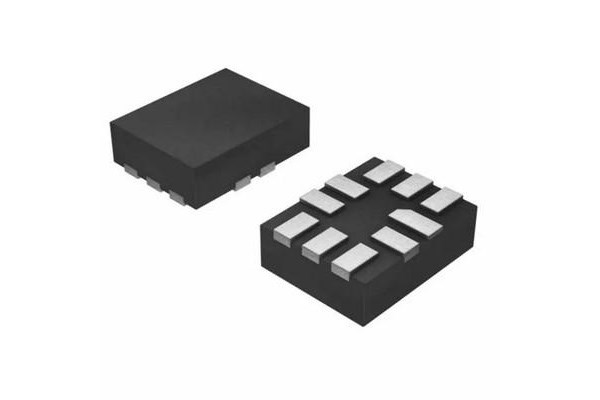 Analog Switch: Types and ApplicationUTMEL25 March 202114479
The analog switch is mainly to complete the signal switching function in the signal chain. The switching mode of the MOS tube is adopted to realize the switching off or on of the signal link.
Read More Toggle Switches: Features, Types and ApplicationsUTMEL23 January 202110709
Toggle switch adopts integrated circuit technology and SMT appearance device technology to manufacture a new generation of photoelectric switch devices. It has intelligent functions such as delay, expansion, external synchronization, anti-interference, high reliability, stable working area, and self-diagnosis. This novel photoelectric switch is an active photoelectric detection system electronic switch that uses pulse modulation. The cold light source used is infrared light, red light, green light and blue light, etc., which can be quickly and without contact and damage Control the state and action of various solid, liquid, transparent, black, soft, smoke and other substances.
Read More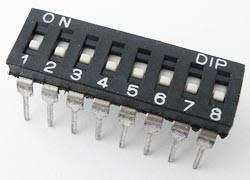 DIP Switch: Introduction and ClassificationUTMEL20 January 202115810
DIP switch is an address switch used for operation control, using the principle of 0/1 binary coding. It is a miniature switch that can be toggled by hand. Dip switches are widely used in data processing, communication, remote control and anti-theft automatic alarm systems and other products that require manual programming.
Read More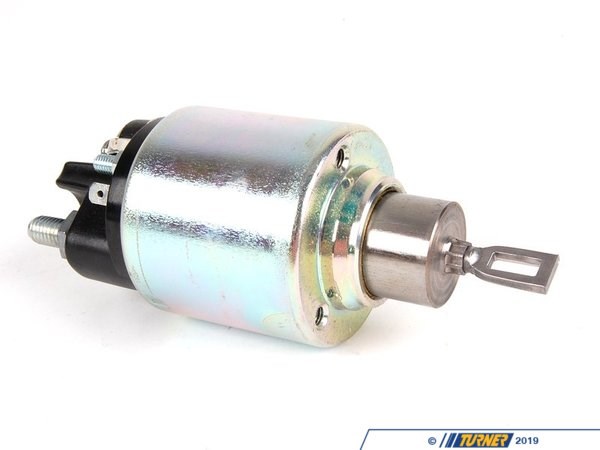 Solenoid Switch: Working Principle, Types and ApplicationsUTMEL03 February 202126797
A solenoid switch is an electrical switch that is often used where a high current circuit, namely a starter motor circuit, is brought into operation with the aid of a low current switch. This switch switches a durable switch on to connect the vehicle's battery to the starter of the motor. A solenoid switch attaches the drive pinion to the starter until the ignition key is triggered. High performance, reliability, and longevity are the key characteristics of solenoid switches.
Read More