

 Product
 Brand
Brand Articles
 Tools
Tools
A Comprehensive Guide to LTC7810ILXE#PBF Dual Switching Controller

Linear Technology/Analog Devices
4.5V~140V DC to DC converter IC DUAL SWITCHING CONTROLLER 2 Outputs 105kHz~780kHz Transistor Driver


4.5V~140V DC to DC converter IC DUAL SWITCHING CONTROLLER 2 Outputs 105kHz~780kHz Transistor Driver
This article provides a detailed overview of the LTC7810ILXE#PBF dual switching controller from Linear Technology/Analog Devices. It covers the features, applications, reference designs, alternative parts, and FAQs related to this product. Whether you are a professional electronic engineer or someone interested in voltage regulators, this guide will help you understand the capabilities and uses of the LTC7810ILXE#PBF.
Product Introduction
1. Description:
The LTC7810ILXE#PBF is a dual switching controller designed for step-down voltage regulation applications. It features two outputs with a positive output configuration and a wide input voltage range of 4.5V to 140V. The device operates in a buck topology with a switching frequency ranging from 105kHz to 780kHz. With integrated current limit, frequency control, and soft start features, the LTC7810ILXE#PBF offers efficient and reliable power management solutions.
2. Features:
- Dual switching controller for step-down voltage regulation
- Wide input voltage range of 4.5V to 140V
- Two outputs with positive output configuration
- Buck topology with synchronous rectifier
- Integrated current limit, frequency control, and soft start
- Switching frequency ranging from 105kHz to 780kHz
- RoHS compliant and lead-free package
3. Applications:
Primary Applications:
- Industrial power supplies
- Telecom and networking equipment
- Automotive power systems
- Renewable energy systems
Secondary Applications:
- Battery charging systems
- LED lighting applications
- Motor control systems
- Power over Ethernet (PoE) devices
Applicable Specific Modules:
- Power distribution modules
- Voltage regulation modules
- Power management modules
4. Reference Designs:
The LTC7810ILXE#PBF dual switching controller is used in various reference designs by Linear Technology/Analog Devices. Some of the notable reference designs include:
- Dual output synchronous buck converter
- High voltage step-down converter
- Multi-phase voltage regulator
- High-efficiency power supply for industrial applications
5. Alternative Parts:
While the LTC7810ILXE#PBF offers advanced features and performance, there are alternative parts available for different application requirements. Some alternative parts to consider are:
- LTC7811: Single output switching controller
- LTC7800: Dual output synchronous buck controller
- LTC3864: High voltage step-down regulator
6. FAQs:
Q: What is the maximum duty cycle supported by the LTC7810ILXE#PBF?
A: The LTC7810ILXE#PBF supports a maximum duty cycle of 100%.
Q: Can the LTC7810ILXE#PBF be used in automotive applications?
A: Yes, the LTC7810ILXE#PBF is suitable for automotive power systems with its wide input voltage range.
Q: Does the LTC7810ILXE#PBF require external components for current limit and soft start functions?
A: No, the LTC7810ILXE#PBF integrates current limit and soft start features for simplified design implementation.
In conclusion, the LTC7810ILXE#PBF dual switching controller offers a versatile solution for various voltage regulation applications. With its advanced features, wide input voltage range, and efficient performance, this product is a reliable choice for power management designs in industrial, automotive, and renewable energy sectors. Whether you are designing a power supply or upgrading an existing system, the LTC7810ILXE#PBF provides the flexibility and performance needed for your application requirements.
Specifications
- TypeParameter
- Factory Lead Time10 Weeks
- Mounting Type
The "Mounting Type" in electronic components refers to the method used to attach or connect a component to a circuit board or other substrate, such as through-hole, surface-mount, or panel mount.
Surface Mount - Package / Case
refers to the protective housing that encases an electronic component, providing mechanical support, electrical connections, and thermal management.
48-LQFP Exposed Pad - Operating Temperature
The operating temperature is the range of ambient temperature within which a power supply, or any other electrical equipment, operate in. This ranges from a minimum operating temperature, to a peak or maximum operating temperature, outside which, the power supply may fail.
-40°C~125°C - Packaging
Semiconductor package is a carrier / shell used to contain and cover one or more semiconductor components or integrated circuits. The material of the shell can be metal, plastic, glass or ceramic.
Tray - Part Status
Parts can have many statuses as they progress through the configuration, analysis, review, and approval stages.
Active - Moisture Sensitivity Level (MSL)
Moisture Sensitivity Level (MSL) is a standardized rating that indicates the susceptibility of electronic components, particularly semiconductors, to moisture-induced damage during storage and the soldering process, defining the allowable exposure time to ambient conditions before they require special handling or baking to prevent failures
3 (168 Hours) - Reach Compliance Code
Reach Compliance Code refers to a designation indicating that electronic components meet the requirements set by the Registration, Evaluation, Authorization, and Restriction of Chemicals (REACH) regulation in the European Union. It signifies that the manufacturer has assessed and managed the chemical substances within the components to ensure safety and environmental protection. This code is vital for compliance with regulations aimed at minimizing risks associated with hazardous substances in electronic products.
compliant - Function
The parameter "Function" in electronic components refers to the specific role or purpose that the component serves within an electronic circuit. It defines how the component interacts with other elements, influences the flow of electrical signals, and contributes to the overall behavior of the system. Functions can include amplification, signal processing, switching, filtering, and energy storage, among others. Understanding the function of each component is essential for designing effective and efficient electronic systems.
Step-Down - Number of Outputs2
- Output Type
The "Output Type" parameter in electronic components refers to the type of signal or data that is produced by the component as an output. This parameter specifies the nature of the output signal, such as analog or digital, and can also include details about the voltage levels, current levels, frequency, and other characteristics of the output signal. Understanding the output type of a component is crucial for ensuring compatibility with other components in a circuit or system, as well as for determining how the output signal can be utilized or processed further. In summary, the output type parameter provides essential information about the nature of the signal that is generated by the electronic component as its output.
Transistor Driver - Analog IC - Other Type
Analog IC - Other Type is a parameter used to categorize electronic components that are integrated circuits (ICs) designed for analog signal processing but do not fall into more specific subcategories such as amplifiers, comparators, or voltage regulators. These ICs may include specialized analog functions such as analog-to-digital converters (ADCs), digital-to-analog converters (DACs), voltage references, or signal conditioning circuits. They are typically used in various applications where precise analog signal processing is required, such as in audio equipment, instrumentation, communication systems, and industrial control systems. Manufacturers provide detailed specifications for these components to help engineers select the most suitable IC for their specific design requirements.
DUAL SWITCHING CONTROLLER - Output Configuration
Output Configuration in electronic components refers to the arrangement or setup of the output pins or terminals of a device. It defines how the output signals are structured and how they interact with external circuits or devices. The output configuration can determine the functionality and compatibility of the component in a circuit design. Common types of output configurations include single-ended, differential, open-drain, and push-pull configurations, each serving different purposes and applications in electronic systems. Understanding the output configuration of a component is crucial for proper integration and operation within a circuit.
Positive - Voltage - Supply (Vcc/Vdd)
Voltage - Supply (Vcc/Vdd) is a key parameter in electronic components that specifies the voltage level required for the proper operation of the device. It represents the power supply voltage that needs to be provided to the component for it to function correctly. This parameter is crucial as supplying the component with the correct voltage ensures that it operates within its specified limits and performance characteristics. It is typically expressed in volts (V) and is an essential consideration when designing and using electronic circuits to prevent damage and ensure reliable operation.
4.5V~140V - Control Features
Control features in electronic components refer to specific functionalities or characteristics that allow users to manage and regulate the operation of the component. These features are designed to provide users with control over various aspects of the component's performance, such as adjusting settings, monitoring parameters, or enabling specific modes of operation. Control features can include options for input/output configurations, power management, communication protocols, and other settings that help users customize and optimize the component's behavior according to their requirements. Overall, control features play a crucial role in enhancing the flexibility, usability, and performance of electronic components in various applications.
Current Limit, Frequency Control, Soft Start - Topology
In the context of electronic components, "topology" refers to the arrangement or configuration of the components within a circuit or system. It defines how the components are connected to each other and how signals flow between them. The choice of topology can significantly impact the performance, efficiency, and functionality of the electronic system. Common topologies include series, parallel, star, mesh, and hybrid configurations, each with its own advantages and limitations. Designers carefully select the appropriate topology based on the specific requirements of the circuit to achieve the desired performance and functionality.
Buck - Frequency - Switching
"Frequency - Switching" in electronic components refers to the rate at which a device, such as a transistor or switching regulator, turns on and off during operation. This parameter is crucial in determining the efficiency and performance of power converters, oscillators, and other circuits that rely on rapid switching. Higher switching frequencies typically allow for smaller component sizes but may require more advanced design considerations to manage heat and electromagnetic interference.
105kHz~780kHz - Synchronous Rectifier
Synchronous rectification is a technique for improving the efficiency of rectification by replacing diodes with actively controlled switches, usually power MOSFETs or power bipolar junction transistors (BJT).
Yes - Duty Cycle (Max)
The "Duty Cycle (Max)" parameter in electronic components refers to the maximum percentage of time that a signal is active or on within a specific period. It is commonly used in components such as pulse-width modulation (PWM) controllers, oscillators, and timers. A duty cycle of 100% means the signal is always on, while a duty cycle of 0% means the signal is always off. Understanding the maximum duty cycle is important for ensuring proper operation and performance of the electronic component within its specified limits. It is typically expressed as a percentage and helps determine the amount of power or energy being delivered by the signal.
100% - RoHS Status
RoHS means “Restriction of Certain Hazardous Substances” in the “Hazardous Substances Directive” in electrical and electronic equipment.
RoHS Compliant
Parts with Similar Specs
Datasheet PDF
- Datasheets :
 LM7806 Regulator: Pinout, Advantage and Datasheet
28 August 20216819
 IRLML2502 Rectifier: Package, Pinout, and Datasheet
12 October 20213915
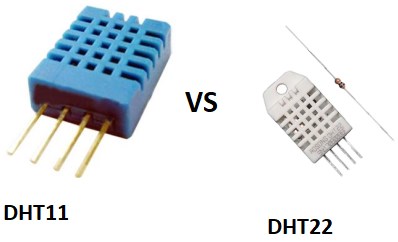 DHT11 vs DHT22: Datasheet, Pinout, and Features
12 January 20224968
 BR2032 Battery: Panasonic BR2032, BR2032 vs. CR2032, Datasheet
23 April 202211051
 TPS22810DBVR On-Resistance Load Switch: Circuit, Pinout, and Datasheet
24 March 20222165
 MPSA42 NPN Transistor: Pinout, Datasheet and Replacement
12 October 202113495
 2SD1047 Transistor: Circuit, Pinout, and Datasheet
25 November 20219035
 PCF8575 I/O Expander : Pinout, Schematic and Datasheet
19 August 20219698
 Will AI Eventually Compete With Humans for Energy Resources?
14 February 20234265
 The U.S. Semiconductor Sector Faces Workforce Challenges Amidst Surging Demand
27 November 20233733
 The Key Role of Electronic Components in IoT Devices
01 September 20235500
 Is Digital Radio Frequency Memory (DRFM) Suitable for Spoofing Interference?
12 November 20215009
 Basic Introduction to Memristor
12 January 202112227
 RF Switches Guide: Types, Specifications & Applications
03 July 20254019
 Shunt Resistors in Automotive and Power Electronics: A Comprehensive Guide to Selection and Applications
04 August 20254963
 UTMEL- Sale Promotion
20 June 20234417
Linear Technology/Analog Devices
In Stock
United States
China
Canada
Japan
Russia
Germany
United Kingdom
Singapore
Italy
Hong Kong(China)
Taiwan(China)
France
Korea
Mexico
Netherlands
Malaysia
Austria
Spain
Switzerland
Poland
Thailand
Vietnam
India
United Arab Emirates
Afghanistan
Åland Islands
Albania
Algeria
American Samoa
Andorra
Angola
Anguilla
Antigua & Barbuda
Argentina
Armenia
Aruba
Australia
Azerbaijan
Bahamas
Bahrain
Bangladesh
Barbados
Belarus
Belgium
Belize
Benin
Bermuda
Bhutan
Bolivia
Bonaire, Sint Eustatius and Saba
Bosnia & Herzegovina
Botswana
Brazil
British Indian Ocean Territory
British Virgin Islands
Brunei
Bulgaria
Burkina Faso
Burundi
Cabo Verde
Cambodia
Cameroon
Cayman Islands
Central African Republic
Chad
Chile
Christmas Island
Cocos (Keeling) Islands
Colombia
Comoros
Congo
Congo (DRC)
Cook Islands
Costa Rica
Côte d’Ivoire
Croatia
Cuba
Curaçao
Cyprus
Czechia
Denmark
Djibouti
Dominica
Dominican Republic
Ecuador
Egypt
El Salvador
Equatorial Guinea
Eritrea
Estonia
Eswatini
Ethiopia
Falkland Islands
Faroe Islands
Fiji
Finland
French Guiana
French Polynesia
Gabon
Gambia
Georgia
Ghana
Gibraltar
Greece
Greenland
Grenada
Guadeloupe
Guam
Guatemala
Guernsey
Guinea
Guinea-Bissau
Guyana
Haiti
Honduras
Hungary
Iceland
Indonesia
Iran
Iraq
Ireland
Isle of Man
Israel
Jamaica
Jersey
Jordan
Kazakhstan
Kenya
Kiribati
Kosovo
Kuwait
Kyrgyzstan
Laos
Latvia
Lebanon
Lesotho
Liberia
Libya
Liechtenstein
Lithuania
Luxembourg
Macao(China)
Madagascar
Malawi
Maldives
Mali
Malta
Marshall Islands
Martinique
Mauritania
Mauritius
Mayotte
Micronesia
Moldova
Monaco
Mongolia
Montenegro
Montserrat
Morocco
Mozambique
Myanmar
Namibia
Nauru
Nepal
New Caledonia
New Zealand
Nicaragua
Niger
Nigeria
Niue
Norfolk Island
North Korea
North Macedonia
Northern Mariana Islands
Norway
Oman
Pakistan
Palau
Palestinian Authority
Panama
Papua New Guinea
Paraguay
Peru
Philippines
Pitcairn Islands
Portugal
Puerto Rico
Qatar
Réunion
Romania
Rwanda
Samoa
San Marino
São Tomé & Príncipe
Saudi Arabia
Senegal
Serbia
Seychelles
Sierra Leone
Sint Maarten
Slovakia
Slovenia
Solomon Islands
Somalia
South Africa
South Sudan
Sri Lanka
St Helena, Ascension, Tristan da Cunha
St. Barthélemy
St. Kitts & Nevis
St. Lucia
St. Martin
St. Pierre & Miquelon
St. Vincent & Grenadines
Sudan
Suriname
Svalbard & Jan Mayen
Sweden
Syria
Tajikistan
Tanzania
Timor-Leste
Togo
Tokelau
Tonga
Trinidad & Tobago
Tunisia
Turkey
Turkmenistan
Turks & Caicos Islands
Tuvalu
U.S. Outlying Islands
U.S. Virgin Islands
Uganda
Ukraine
Uruguay
Uzbekistan
Vanuatu
Vatican City
Venezuela
Wallis & Futuna
Yemen
Zambia
Zimbabwe
![LT3845AEFE#PBF]() LT3845AEFE#PBF
LT3845AEFE#PBFLinear Technology/Analog Devices
![ADP5054ACPZ-R7]() ADP5054ACPZ-R7
ADP5054ACPZ-R7Analog Devices Inc.
![LT3748EMS#TRPBF]() LT3748EMS#TRPBF
LT3748EMS#TRPBFLinear Technology/Analog Devices
![LTC3872ETS8#TRPBF]() LTC3872ETS8#TRPBF
LTC3872ETS8#TRPBFLinear Technology/Analog Devices
![LTC3891IFE#PBF]() LTC3891IFE#PBF
LTC3891IFE#PBFLinear Technology/Analog Devices
![LTC3880EUJ#PBF]() LTC3880EUJ#PBF
LTC3880EUJ#PBFLinear Technology/Analog Devices
![LTC3789EUFD#TRPBF]() LTC3789EUFD#TRPBF
LTC3789EUFD#TRPBFLinear Technology/Analog Devices
![LTC3789EGN#TRPBF]() LTC3789EGN#TRPBF
LTC3789EGN#TRPBFLinear Technology/Analog Devices
![LTC3728EG#PBF]() LTC3728EG#PBF
LTC3728EG#PBFLinear Technology/Analog Devices
![LTC1871EMS#TRPBF]() LTC1871EMS#TRPBF
LTC1871EMS#TRPBFLinear Technology/Analog Devices


