

 Product
 Brand
Brand Articles
 Tools
Tools
The U.S. Semiconductor Sector Faces Workforce Challenges Amidst Surging Demand
The U.S. semiconductor sector is experiencing a significant surge in demand, driven by the increasing reliance on semiconductor devices in various industries. From electronic control systems in vehicles to warfighters and smartphones, these devices have become the backbone of modern technology. The 2022 Chips and Science Act has paved the way for investments to expand the nation's semiconductor production capacity, but the industry is now facing a critical challenge - the need for a skilled and qualified workforce to match this growth. President Biden highlighted the importance of the semiconductor industry during the virtual White House Chip Summit in 2021, where he held up a SkyWater silicon wafer and referred to it as infrastructure. This recognition is crucial as it signifies the role of semiconductors in driving innovation and economic growth. However, simply investing in production capacity expansion is not enough to sustain the sector's growth. A skilled and diverse workforce is essential to meet the increasing demand for semiconductor devices. To address this workforce challenge, industry leaders, policymakers, and educational institutions must collaborate to develop comprehensive strategies. This includes investing in STEM education programs, vocational training, and apprenticeships that equip individuals with the necessary skills to thrive in the semiconductor industry.
Additionally, efforts should be made to attract and retain diverse talent, ensuring that the workforce reflects the broader population. The semiconductor industry offers promising career opportunities, with high-paying jobs and potential for advancement. However, there is a shortage of qualified professionals with expertise in areas such as semiconductor design, fabrication, and testing. By investing in education and training programs, the industry can bridge this skills gap and create a pipeline of talent to support its growth. Furthermore, promoting diversity and inclusion within the semiconductor workforce is crucial for fostering innovation and driving better business outcomes. Studies have shown that diverse teams lead to more creative problem-solving and improved decision-making. By actively seeking diversity in recruitment and creating an inclusive work environment, the industry can unlock its full potential and stay at the forefront of technological advancements. In conclusion, while the U.S. semiconductor sector is experiencing a surge in demand and investments to expand production capacity, the industry must address the workforce challenge to ensure sustainable growth. Collaboration between industry leaders, policymakers, and educational institutions is necessary to develop comprehensive strategies that promote STEM education, vocational training, and diversity within the workforce. By doing so, the semiconductor industry can continue to drive innovation, economic growth, and maintain its global competitiveness.
 UTMEL
UTMEL
We are the professional distributor of electronic components, providing a large variety of products to save you a lot of time, effort, and cost with our efficient self-customized service. careful order preparation fast delivery service
 Power Semiconductor Procurement After the Nexperia Shake-Up—NXP for Stability, ON for Technology, or Nexperia for Value?UTMEL04 November 20254885
The recent supply chain turmoil surrounding Netherlands-based Nexperia has sent shockwaves through the global semiconductor industry, forcing procurement professionals to re-evaluate their sourcing strategies.
Read More AI Computing Power Gap: How Token Consumption is Reshaping Server Component SourcingUTMEL23 June 2026963
As global token consumption drives the transition to high-density 100kW+ AI data centers, power delivery networks require advanced Wide-Bandgap semiconductors (SiC/GaN) and high-capacitance MLCCs. This shift has triggered a component procurement crisis with lead times exceeding 24 weeks. To bypass shortages, hardware buyers must abandon just-in-time manufacturing and leverage independent global distributor networks to secure critical power and passive components.
Read More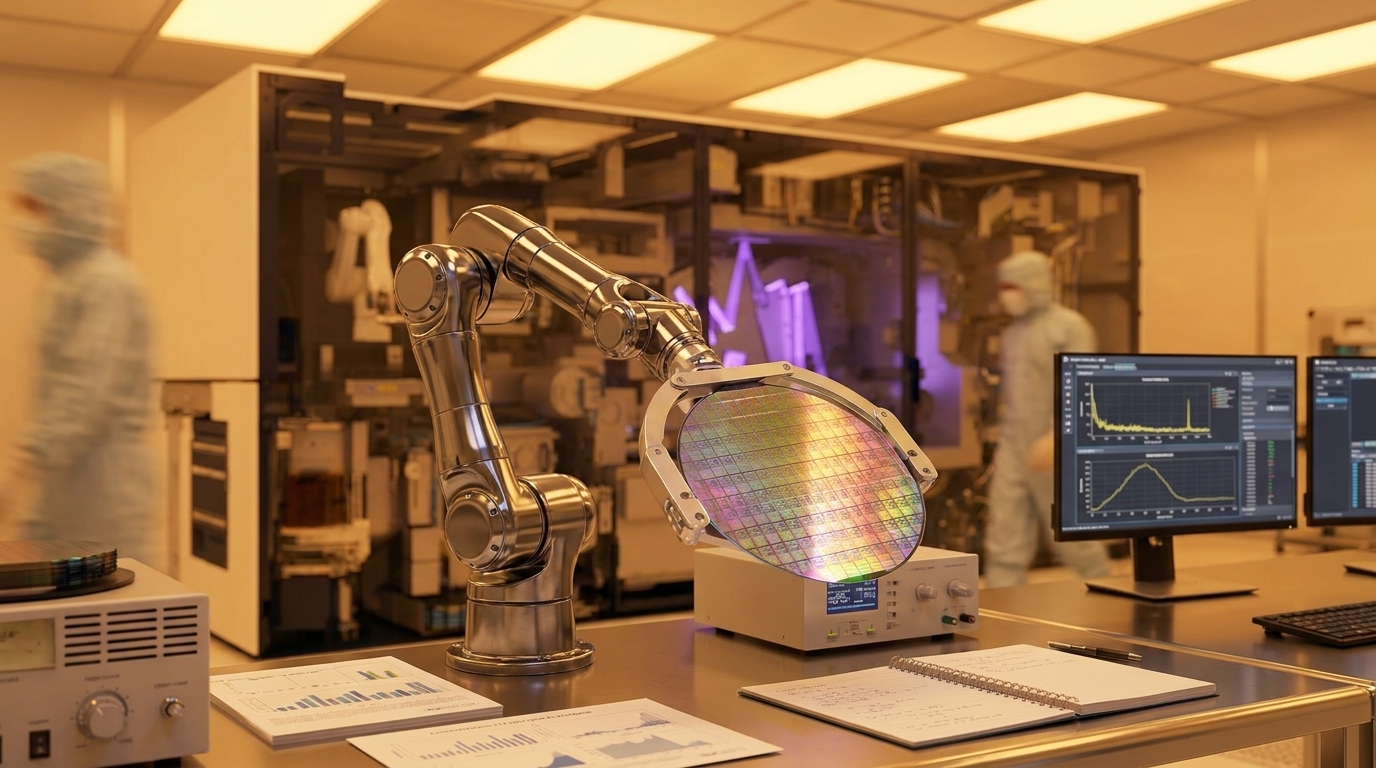 The BSPDN Revolution: Overcoming IR Drop in Sub-2nm GAAFET Nodes with Backside Power DeliveryUTMEL25 June 2026956
As semiconductor manufacturing enters the sub-2nm era, Backside Power Delivery Networks (BSPDN) are replacing traditional front-side routing to overcome critical IR drop bottlenecks. By separating power and signal delivery, chipmakers like Intel and TSMC drastically improve performance and density in GAAFET designs. However, this radical shift introduces manufacturing complexities, thermal challenges, and demands advanced packaging and power management solutions.
Read More Power Management ICs Trends 2026: AI Demand, Supply Risks, and Sourcing StrategiesUTMEL06 July 20261444
As AI server racks surpass 100kW by 2026, data centers are shifting toward wide-bandgap semiconductors like SiC and GaN. However, this demand has triggered a critical shortage of mature-node Power Management ICs (PMICs). To prevent production halts, sourcing teams must abandon 'just-in-time' models, implement proactive 'just-in-case' strategies, and rapidly qualify pin-to-pin alternative components to secure their supply chains.
Read More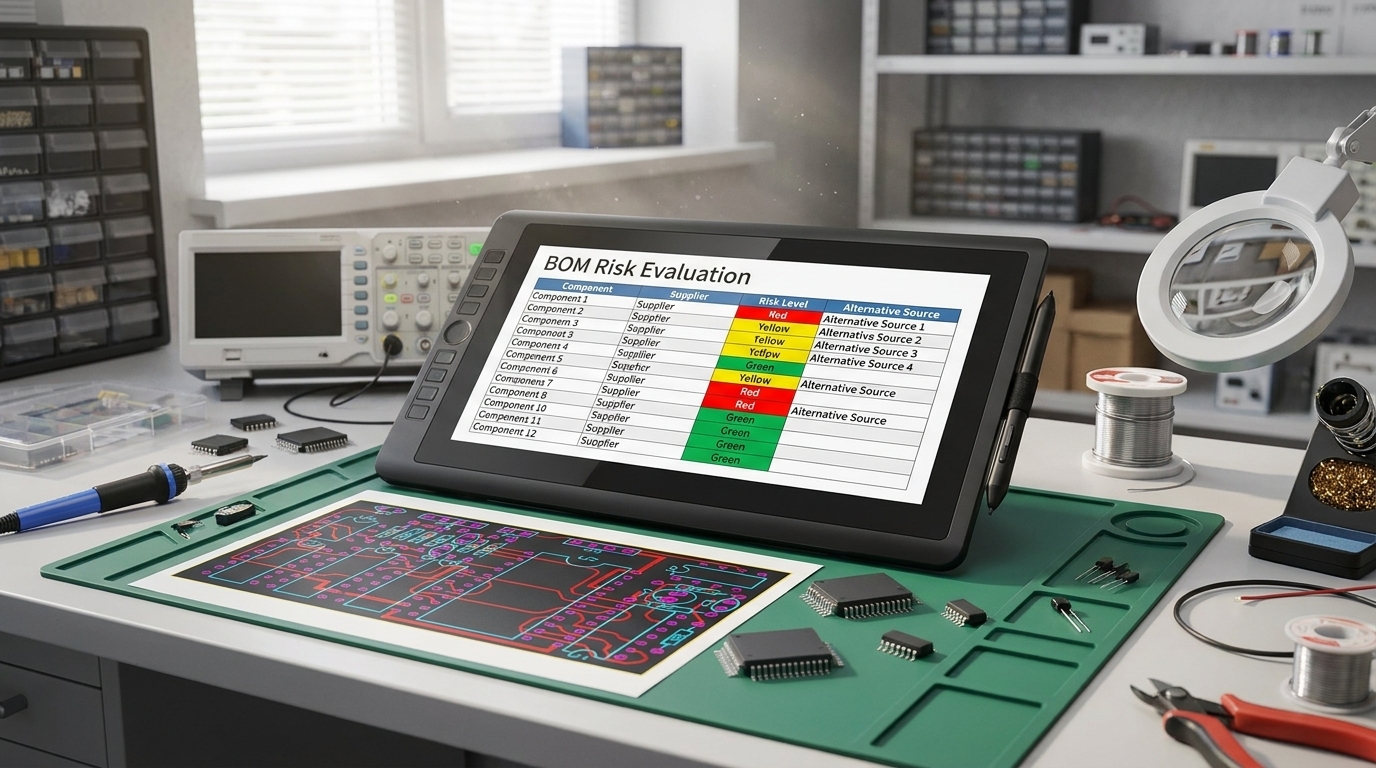 onsemi Synaptics Acquisition Impact: BOM Risk Checklist and Second-Source Strategy for Edge AI DesignsUTMEL27 July 2026356
The onsemi acquisition of Synaptics provides hardware program managers a 12-to-18-month window before potential product cancellations occur in mid-2027. This guide outlines how to audit BOM exposure across overlap and non-core product lines, calculate Last-Time-Buy volumes including hidden storage costs, establish proactive second-sourcing triggers, and implement supply chain monitoring to prevent line-down events.
Read More
Subscribe to Utmel !
![BLM03AG102SN1D]() BLM03AG102SN1D
BLM03AG102SN1DMurata Electronics
![BLM18KG331SN1D]() BLM18KG331SN1D
BLM18KG331SN1DMurata Electronics
![BLM18AG102SH1D]() BLM18AG102SH1D
BLM18AG102SH1DMurata Electronics
![ADUM3223BRZ]() ADUM3223BRZ
ADUM3223BRZAnalog Devices Inc.
![01220088Z]() 01220088Z
01220088ZLittelfuse Inc.
![BLE32PN300SN1L]() BLE32PN300SN1L
BLE32PN300SN1LMurata Electronics
![01220083Z]() 01220083Z
01220083ZLittelfuse Inc.
![PKM22EPPH4001-B0]() PKM22EPPH4001-B0
PKM22EPPH4001-B0Murata Electronics
![P3100SCLRP]() P3100SCLRP
P3100SCLRPLittelfuse Inc.
![01110501Z]() 01110501Z
01110501ZLittelfuse Inc.


