

 Product
 Brand
Brand Articles
 Tools
Tools
BF888H6327XTSA1 NPN RF Transistor:Datasheet, Pinout and Features

Trans GP BJT NPN 4V 0.03A 4-Pin(3 Tab) SOT-343 T/R
Unit Price: $0.812267
Ext Price: $0.81


Trans GP BJT NPN 4V 0.03A 4-Pin(3 Tab) SOT-343 T/R
The BF888H6327XTSA1 is a high-performance bipolar NPN RF transistor.
BF888H6327XTSA1 Pinout
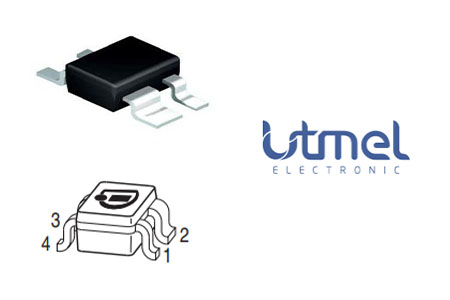

BF888H6327XTSA1 CAD Modle
Footprint
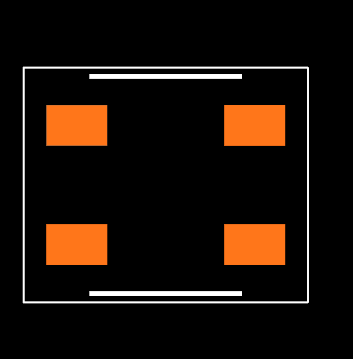
BF888H6327XTSA1 Description
The BF888H6327XTSA1 is a 4V 0.03A 4 pin high-performance bipolar NPN RF transistor, available in the SOT-343 T/R package.
BF888H6327XTSA1 Features
• High transducer gain of typ. 14 dB @ 25 mA,6 GHz
• Low minimum noise figure of typ. 0.85 dB @ 6GHz
• High output compression of typ. 11 dBm @ 25 mA
• Pb-free (RoHS compliant) package
• For a wide range of non-automotive applications
- 2nd and 3rd LNA stage and mixer stage in LNB
- 5.8 GHz analog/digital cordless phone
- Satellite radio SDARS
- WLAN, WiMAX, UWB
Specifications
- TypeParameter
- Factory Lead Time4 Weeks
- Contact Plating
Contact plating (finish) provides corrosion protection for base metals and optimizes the mechanical and electrical properties of the contact interfaces.
Tin - Mount
In electronic components, the term "Mount" typically refers to the method or process of physically attaching or fixing a component onto a circuit board or other electronic device. This can involve soldering, adhesive bonding, or other techniques to secure the component in place. The mounting process is crucial for ensuring proper electrical connections and mechanical stability within the electronic system. Different components may have specific mounting requirements based on their size, shape, and function, and manufacturers provide guidelines for proper mounting procedures to ensure optimal performance and reliability of the electronic device.
Surface Mount - Package / Case
refers to the protective housing that encases an electronic component, providing mechanical support, electrical connections, and thermal management.
SOT-343 - Number of Elements1
- Packaging
Semiconductor package is a carrier / shell used to contain and cover one or more semiconductor components or integrated circuits. The material of the shell can be metal, plastic, glass or ceramic.
Tape & Reel (TR) - Published2010
- Pbfree Code
The "Pbfree Code" parameter in electronic components refers to the code or marking used to indicate that the component is lead-free. Lead (Pb) is a toxic substance that has been widely used in electronic components for many years, but due to environmental concerns, there has been a shift towards lead-free alternatives. The Pbfree Code helps manufacturers and users easily identify components that do not contain lead, ensuring compliance with regulations and promoting environmentally friendly practices. It is important to pay attention to the Pbfree Code when selecting electronic components to ensure they meet the necessary requirements for lead-free applications.
yes - Part Status
Parts can have many statuses as they progress through the configuration, analysis, review, and approval stages.
Active - Moisture Sensitivity Level (MSL)
Moisture Sensitivity Level (MSL) is a standardized rating that indicates the susceptibility of electronic components, particularly semiconductors, to moisture-induced damage during storage and the soldering process, defining the allowable exposure time to ambient conditions before they require special handling or baking to prevent failures
1 (Unlimited) - Number of Terminations4
- ECCN Code
An ECCN (Export Control Classification Number) is an alphanumeric code used by the U.S. Bureau of Industry and Security to identify and categorize electronic components and other dual-use items that may require an export license based on their technical characteristics and potential for military use.
EAR99 - Max Operating Temperature
The Maximum Operating Temperature is the maximum body temperature at which the thermistor is designed to operate for extended periods of time with acceptable stability of its electrical characteristics.
150°C - Min Operating Temperature
The "Min Operating Temperature" parameter in electronic components refers to the lowest temperature at which the component is designed to operate effectively and reliably. This parameter is crucial for ensuring the proper functioning and longevity of the component, as operating below this temperature may lead to performance issues or even damage. Manufacturers specify the minimum operating temperature to provide guidance to users on the environmental conditions in which the component can safely operate. It is important to adhere to this parameter to prevent malfunctions and ensure the overall reliability of the electronic system.
-55°C - Additional Feature
Any Feature, including a modified Existing Feature, that is not an Existing Feature.
LOW NOISE - Max Power Dissipation
The maximum power that the MOSFET can dissipate continuously under the specified thermal conditions.
160mW - Terminal Position
In electronic components, the term "Terminal Position" refers to the physical location of the connection points on the component where external electrical connections can be made. These connection points, known as terminals, are typically used to attach wires, leads, or other components to the main body of the electronic component. The terminal position is important for ensuring proper connectivity and functionality of the component within a circuit. It is often specified in technical datasheets or component specifications to help designers and engineers understand how to properly integrate the component into their circuit designs.
DUAL - Terminal Form
Occurring at or forming the end of a series, succession, or the like; closing; concluding.
GULL WING - Peak Reflow Temperature (Cel)
Peak Reflow Temperature (Cel) is a parameter that specifies the maximum temperature at which an electronic component can be exposed during the reflow soldering process. Reflow soldering is a common method used to attach electronic components to a circuit board. The Peak Reflow Temperature is crucial because it ensures that the component is not damaged or degraded during the soldering process. Exceeding the specified Peak Reflow Temperature can lead to issues such as component failure, reduced performance, or even permanent damage to the component. It is important for manufacturers and assemblers to adhere to the recommended Peak Reflow Temperature to ensure the reliability and functionality of the electronic components.
NOT SPECIFIED - Frequency
In electronic components, the parameter "Frequency" refers to the rate at which a signal oscillates or cycles within a given period of time. It is typically measured in Hertz (Hz) and represents how many times a signal completes a full cycle in one second. Frequency is a crucial aspect in electronic components as it determines the behavior and performance of various devices such as oscillators, filters, and communication systems. Understanding the frequency characteristics of components is essential for designing and analyzing electronic circuits to ensure proper functionality and compatibility with other components in a system.
47GHz - Time@Peak Reflow Temperature-Max (s)
Time@Peak Reflow Temperature-Max (s) refers to the maximum duration that an electronic component can be exposed to the peak reflow temperature during the soldering process, which is crucial for ensuring reliable solder joint formation without damaging the component.
NOT SPECIFIED - JESD-30 Code
JESD-30 Code refers to a standardized descriptive designation system established by JEDEC for semiconductor-device packages. This system provides a systematic method for generating designators that convey essential information about the package's physical characteristics, such as size and shape, which aids in component identification and selection. By using JESD-30 codes, manufacturers and engineers can ensure consistency and clarity in the specification of semiconductor packages across various applications and industries.
R-PDSO-G4 - Polarity
In electronic components, polarity refers to the orientation or direction in which the component must be connected in a circuit to function properly. Components such as diodes, capacitors, and LEDs have polarity markings to indicate which terminal should be connected to the positive or negative side of the circuit. Connecting a component with incorrect polarity can lead to malfunction or damage. It is important to pay attention to polarity markings and follow the manufacturer's instructions to ensure proper operation of electronic components.
NPN - Configuration
The parameter "Configuration" in electronic components refers to the specific arrangement or setup of the components within a circuit or system. It encompasses how individual elements are interconnected and their physical layout. Configuration can affect the functionality, performance, and efficiency of the electronic system, and may influence factors such as signal flow, impedance, and power distribution. Understanding the configuration is essential for design, troubleshooting, and optimizing electronic devices.
SINGLE - Power Dissipation
the process by which an electronic or electrical device produces heat (energy loss or waste) as an undesirable derivative of its primary action.
160mW - Case Connection
Case Connection refers to the method by which an electronic component's case or housing is connected to the electrical circuit. This connection is important for grounding purposes, mechanical stability, and heat dissipation. The case connection can vary depending on the type of component and its intended application. It is crucial to ensure a secure and reliable case connection to maintain the overall performance and safety of the electronic device.
EMITTER - Transistor Application
In the context of electronic components, the parameter "Transistor Application" refers to the specific purpose or function for which a transistor is designed and used. Transistors are semiconductor devices that can amplify or switch electronic signals and are commonly used in various electronic circuits. The application of a transistor can vary widely depending on its design and characteristics, such as whether it is intended for audio amplification, digital logic, power control, or radio frequency applications. Understanding the transistor application is important for selecting the right type of transistor for a particular circuit or system to ensure optimal performance and functionality.
SWITCHING - Collector Emitter Voltage (VCEO)
Collector-Emitter Voltage (VCEO) is a key parameter in electronic components, particularly in transistors. It refers to the maximum voltage that can be applied between the collector and emitter terminals of a transistor while the base terminal is open or not conducting. Exceeding this voltage limit can lead to breakdown and potential damage to the transistor. VCEO is crucial for ensuring the safe and reliable operation of the transistor within its specified limits. Designers must carefully consider VCEO when selecting transistors for a circuit to prevent overvoltage conditions that could compromise the performance and longevity of the component.
4V - Max Collector Current
Max Collector Current is a parameter used to specify the maximum amount of current that can safely flow through the collector terminal of a transistor or other electronic component without causing damage. It is typically expressed in units of amperes (A) and is an important consideration when designing circuits to ensure that the component operates within its safe operating limits. Exceeding the specified max collector current can lead to overheating, degradation of performance, or even permanent damage to the component. Designers must carefully consider this parameter when selecting components and designing circuits to ensure reliable and safe operation.
30mA - Transition Frequency
Transition Frequency in electronic components refers to the frequency at which a device can transition from one state to another, typically defining the upper limit of its operating frequency. It is a critical parameter in determining the speed and performance of active components like transistors and integrated circuits. This frequency is influenced by factors such as capacitance, resistance, and the inherent characteristics of the materials used in the component's construction. Understanding transition frequency is essential for optimizing circuit designs and ensuring reliable signal processing in various applications.
47000MHz - Collector Base Voltage (VCBO)
Collector Base Voltage (VCBO) is the maximum allowable voltage that can be applied between the collector and base terminals of a bipolar junction transistor when the emitter is open. It is a critical parameter that determines the voltage rating of the transistor and helps prevent breakdown in the collector-base junction. Exceeding this voltage can lead to permanent damage or failure of the component.
13V - Emitter Base Voltage (VEBO)
Emitter Base Voltage (VEBO) is a parameter used in electronic components, particularly in transistors. It refers to the maximum voltage that can be applied between the emitter and base terminals of a transistor without causing damage to the device. Exceeding this voltage limit can lead to breakdown of the transistor and potential failure. VEBO is an important specification to consider when designing circuits to ensure the proper operation and reliability of the components. It is typically provided in the datasheet of the transistor and should be carefully observed to prevent any potential damage during operation.
1.2V - RoHS Status
RoHS means “Restriction of Certain Hazardous Substances” in the “Hazardous Substances Directive” in electrical and electronic equipment.
ROHS3 Compliant
BF888H6327XTSA1 Package


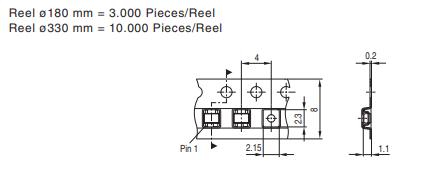
BF888H6327XTSA1 Manufacturer
On April 1st, 1999, Siemens Semiconductors became Infineon Technologies. A dynamic more flexible company geared towards success in the competitive, ever-changing world of microelectronics. Infineon is a leading global designer, manufacturer and supplier of a broad range of semiconductors used in various microelectronic applications. Infineon's product portfolio consists of logic products, including digital, mixed-signal, analogue integrated circuits, and discrete semiconductor products.
Datasheet PDF
- Datasheets :
- Other Related Documents :
- ConflictMineralStatement :
Popularity by Region
What is BF888H6327XTSA1?
The BF888H6327XTSA1 is a 4V 0.03A 4 pin high-performance bipolar NPN RF transistor, available in the SOT-343 T/R package.
What is the transition frequency of BF888H6327XTSA1?
The transition frequency of BF888H6327XTSA1 is 47000 MHz.
When did BF888H6327XTSA1 publish?
It was published in 2010.
What is NPN Transistor?
NPN transistors are a type of bipolar transistor with three layers that are used for signal amplification. It is a device that is controlled by the current. A negative-positive-negative transistor is denoted by the abbreviation NPN. ... In an NPN transistor, the flow of electrons is what causes it to conduct.
What is a NPN transistor used for?
Another common application for NPN transistors is to use them as an amplifier, in which a small increase in the input voltage induces a large change in the output voltage. NPN transistors are used for this purpose in almost all phones electronic devices in which sound amplification or reproduction is required.
 ADG202AKNZ Analog Switch: Feature, Specification, Datasheet
22 May 2021547
 AD8421 10MHz Instrumentation Amplifier: Low-Noise Precision for High-Speed Signal Chains
12 February 2026138
![1SMB5923BT3G Zener Voltage Regulator: Pinout, Equivalent and Datasheet [Video]](https://res.utmel.com/Images/Article/46c3c894-7e2a-42f2-83a6-e6186e06548a.png) 1SMB5923BT3G Zener Voltage Regulator: Pinout, Equivalent and Datasheet [Video]
1SMB5923BT3G Zener Voltage Regulator: Pinout, Equivalent and Datasheet [Video]29 April 20221049
 ESP-12E Wi-Fi Module: Pinout, Datasheet and Power
18 September 202119244
 PC123 Photocoupler: PC123 vs.PC817, Equivalents, Datasheet
08 October 202118187
 2N3439 Transistor: Datasheet, Equivalent, Pinout
09 December 20212276
 LTC6605CDJC-14#TRPBF Active Filter: Product Overview and Applications
06 March 202493
 B340A-13-F Single Diode: SCHOTTKY, 40V, 3A, SMA, Datasheet PDF
02 March 20223132
 A Practical Methodology to Simulate 4H-SiC and GaN p-n Diodes with Model Parameter Adjustment in Medici
07 February 20233845
 A Guide to Selecting the Ideal Microphone for Your Audio Needs
15 May 20232050
 Analysis and Solutions of Common Causes of Serial Port Lost Data
15 August 20224484
 Buffer Amplifier | Operating Principle, Advantages, and Applications
21 July 20259485
 How to Select the Most Accurate Shunt Resistor for Your Circuit
06 June 20251987
 C1815 vs C945 Key Features and Application Guide
01 September 20252654
 What is VCSEL?
28 October 202111252
 0 Ohm Resistor Explained
10 December 202117986
Infineon Technologies
In Stock: 360000
Minimum: 1 Multiples: 1
Qty
Unit Price
Ext Price
1
$0.812267
$0.81
10
$0.766290
$7.66
100
$0.722915
$72.29
500
$0.681995
$341.00
1000
$0.643392
$643.39
Not the price you want? Send RFQ Now and we'll contact you ASAP.
Inquire for More Quantity
![BF998E6327HTSA1]() BF998E6327HTSA1
BF998E6327HTSA1Infineon Technologies
![BF999E6327HTSA1]() BF999E6327HTSA1
BF999E6327HTSA1Infineon Technologies
![BF5030WH6327XTSA1]() BF5030WH6327XTSA1
BF5030WH6327XTSA1Infineon Technologies
![BG3130H6327XTSA1]() BG3130H6327XTSA1
BG3130H6327XTSA1Infineon Technologies
![BF2040WH6814XTSA1]() BF2040WH6814XTSA1
BF2040WH6814XTSA1Infineon Technologies
![BF2030WH6814XTSA1]() BF2030WH6814XTSA1
BF2030WH6814XTSA1Infineon Technologies
![BF1005SE6327HTSA1]() BF1005SE6327HTSA1
BF1005SE6327HTSA1Infineon Technologies
![BF999E6433HTMA1]() BF999E6433HTMA1
BF999E6433HTMA1Infineon Technologies
![BG3130RH6327XTSA1]() BG3130RH6327XTSA1
BG3130RH6327XTSA1Infineon Technologies
![PTFA212001EV4R250XTMA1]() PTFA212001EV4R250XTMA1
PTFA212001EV4R250XTMA1Infineon Technologies


