

 Product
 Brand
Brand Articles
 Tools
Tools
LTM2173HY-14#PBF Analog to Digital Converter: A Comprehensive Technical Overview
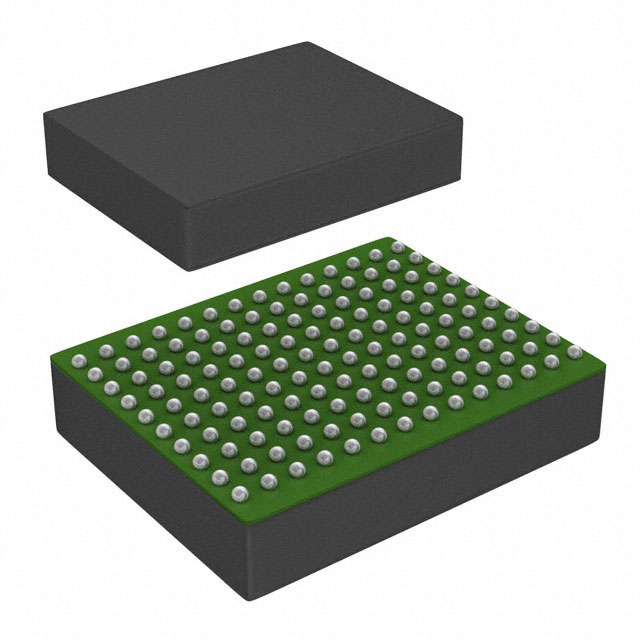


14 Bit ADC µModule® Series 140-BFBGA
This article provides a detailed technical analysis of the LTM2173HY-14#PBF Analog to Digital Converter (ADC) manufactured by Linear Technology/Analog Devices. It covers the product description, key features, applications, reference designs, alternative parts, and frequently asked questions related to this high-performance ADC.
Product Introduction
1. Description:
The LTM2173HY-14#PBF is a high-performance 14-bit Analog to Digital Converter (ADC) designed as a µModule® solution by Linear Technology/Analog Devices. It features simultaneous sampling capability, a 140-BFBGA surface-mount package, and operates over a wide temperature range of -40°C to 105°C. The ADC utilizes a pipelined architecture with 4 differential/single-ended inputs and supports both external and internal reference types.
2. Features:
- Simultaneous Sampling: Enables simultaneous conversion of multiple input channels.
- High Resolution: 14-bit resolution for accurate and precise analog to digital conversion.
- LVDS Serial Data Interface: Allows for high-speed data transfer and communication.
- Wide Operating Temperature Range: Suitable for industrial and automotive applications.
- Small Form Factor: Packaged in a compact 140-BFBGA package for space-constrained designs.
3. Applications:
Primary Applications:
- Industrial Automation: Process control, data acquisition, and monitoring systems.
- Automotive Electronics: Engine control units, battery management systems, and vehicle diagnostics.
- Communications Infrastructure: Base stations, network equipment, and data routers.
Secondary Applications:
- Medical Instruments: Patient monitoring devices, diagnostic equipment, and imaging systems.
- Test and Measurement Equipment: Oscilloscopes, spectrum analyzers, and signal generators.
- Aerospace and Defense: Radar systems, avionics, and missile guidance systems.
Applicable Specific Modules:
- Power Management: Voltage regulators, power supplies, and battery chargers.
- Sensor Interface: Temperature sensors, pressure sensors, and position sensors.
- Microcontroller Interface: Communication with microcontrollers for data processing and control.
4. Reference Designs:
- Industrial Data Acquisition System: Utilizes the LTM2173HY-14#PBF ADC for high-accuracy analog signal conversion in industrial monitoring applications.
- Automotive Engine Control Unit (ECU): Integrates the ADC for precise measurement and control of engine parameters in automotive systems.
- Communications Network Analyzer: Incorporates the ADC for fast and reliable data acquisition in network analysis equipment.
5. Alternative Parts:
- LTM2174HY-16#PBF: 16-bit version of the ADC for applications requiring higher resolution.
- LTM2172HY-12#PBF: 12-bit version of the ADC for cost-sensitive applications with lower resolution requirements.
- LTM2175HY-18#PBF: 18-bit version of the ADC for ultra-high precision analog to digital conversion.
6. FAQs:
Q: What is the maximum sampling rate of the LTM2173HY-14#PBF ADC?
A: The ADC supports a sampling rate of 80 Mega samples per second (MS/s) for fast and efficient data conversion.
Q: Can the LTM2173HY-14#PBF ADC operate with both external and internal reference voltages?
A: Yes, the ADC offers flexibility in selecting either external or internal reference types based on the application requirements.
Q: Is the LTM2173HY-14#PBF ADC compliant with RoHS regulations?
A: Yes, the ADC is RoHS3 compliant, ensuring environmental sustainability and regulatory compliance.
In conclusion, the LTM2173HY-14#PBF Analog to Digital Converter offers a versatile and high-performance solution for a wide range of industrial, automotive, and communications applications. With its advanced features, compact design, and reliable performance, this ADC is well-suited for demanding data acquisition and signal processing tasks in modern electronic systems.
Specifications
- TypeParameter
- Factory Lead Time12 Weeks
- Mounting Type
The "Mounting Type" in electronic components refers to the method used to attach or connect a component to a circuit board or other substrate, such as through-hole, surface-mount, or panel mount.
Surface Mount - Package / Case
refers to the protective housing that encases an electronic component, providing mechanical support, electrical connections, and thermal management.
140-BFBGA - Operating Temperature
The operating temperature is the range of ambient temperature within which a power supply, or any other electrical equipment, operate in. This ranges from a minimum operating temperature, to a peak or maximum operating temperature, outside which, the power supply may fail.
-40°C~105°C - Packaging
Semiconductor package is a carrier / shell used to contain and cover one or more semiconductor components or integrated circuits. The material of the shell can be metal, plastic, glass or ceramic.
Tray - Series
In electronic components, the "Series" refers to a group of products that share similar characteristics, designs, or functionalities, often produced by the same manufacturer. These components within a series typically have common specifications but may vary in terms of voltage, power, or packaging to meet different application needs. The series name helps identify and differentiate between various product lines within a manufacturer's catalog.
µModule® - Part Status
Parts can have many statuses as they progress through the configuration, analysis, review, and approval stages.
Active - Moisture Sensitivity Level (MSL)
Moisture Sensitivity Level (MSL) is a standardized rating that indicates the susceptibility of electronic components, particularly semiconductors, to moisture-induced damage during storage and the soldering process, defining the allowable exposure time to ambient conditions before they require special handling or baking to prevent failures
3 (168 Hours) - Configuration
The parameter "Configuration" in electronic components refers to the specific arrangement or setup of the components within a circuit or system. It encompasses how individual elements are interconnected and their physical layout. Configuration can affect the functionality, performance, and efficiency of the electronic system, and may influence factors such as signal flow, impedance, and power distribution. Understanding the configuration is essential for design, troubleshooting, and optimizing electronic devices.
S/H-ADC - Number of Bits14
- Input Type
Input type in electronic components refers to the classification of the signal or data that a component can accept for processing or conversion. It indicates whether the input is analog, digital, or a specific format such as TTL or CMOS. Understanding input type is crucial for ensuring compatibility between different electronic devices and circuits, as it determines how signals are interpreted and interacted with.
Differential, Single Ended - Architecture
In electronic components, the parameter "Architecture" refers to the overall design and structure of the component. It encompasses the arrangement of internal components, the layout of circuitry, and the physical form of the component. The architecture of an electronic component plays a crucial role in determining its functionality, performance, and compatibility with other components in a system. Different architectures can result in variations in power consumption, speed, size, and other key characteristics of the component. Designers often consider the architecture of electronic components carefully to ensure optimal performance and integration within a larger system.
Pipelined - Number of Inputs4
- Reference Type
a code object that is not stored directly where it is created, but that acts as a kind of pointer to a value stored elsewhere.
External, Internal - Data Interface
A Data Interface in EDQ is a template of a set of attributes representing a given entity, used to create processes that read from, or write to, interfaces rather than directly from or to sources or targets of data.
LVDS - Serial - Voltage - Supply, Analog
Voltage - Supply, Analog is a parameter in electronic components that specifies the range of voltage levels required to power the analog circuitry within the component. This parameter indicates the minimum and maximum voltage levels that the component can accept for proper operation of its analog functions. It is crucial to ensure that the voltage supplied to the component falls within this specified range to prevent damage and ensure optimal performance. Understanding and adhering to the "Voltage - Supply, Analog" parameter is essential for the proper functioning of analog circuits in electronic components.
1.7V~1.9V - Sampling Rate (Per Second)
The sampling rate (per second) in electronic components refers to the frequency at which an analog signal is measured or sampled to convert it into a digital signal. It is typically expressed in Hertz (Hz) and indicates how many times per second the analog signal is sampled. A higher sampling rate allows for better representation of the original signal, capturing more detail and reducing distortion during the conversion process. In audio applications, for example, common sampling rates include 44.1 kHz for CD-quality audio and 48 kHz for video production.
80M - Ratio - S/H:ADC
The parameter "Ratio - S/H:ADC" in electronic components refers to the ratio between the sample and hold (S/H) circuit and the analog-to-digital converter (ADC) in a system. The sample and hold circuit is responsible for capturing and holding the input signal at a specific moment in time, while the ADC converts this analog signal into a digital format for processing. The ratio between the S/H and ADC components is important as it determines the accuracy and speed of the analog-to-digital conversion process. A higher ratio typically indicates a more precise and efficient conversion process, leading to better overall performance of the electronic system. Engineers often consider this parameter when designing and optimizing electronic circuits to ensure reliable and high-quality signal processing.
1:1 - Features
In the context of electronic components, the term "Features" typically refers to the specific characteristics or functionalities that a particular component offers. These features can vary depending on the type of component and its intended use. For example, a microcontroller may have features such as built-in memory, analog-to-digital converters, and communication interfaces like UART or SPI.When evaluating electronic components, understanding their features is crucial in determining whether they meet the requirements of a particular project or application. Engineers and designers often look at features such as operating voltage, speed, power consumption, and communication protocols to ensure compatibility and optimal performance.In summary, the "Features" parameter in electronic components describes the unique attributes and capabilities that differentiate one component from another, helping users make informed decisions when selecting components for their electronic designs.
Simultaneous Sampling - RoHS Status
RoHS means “Restriction of Certain Hazardous Substances” in the “Hazardous Substances Directive” in electrical and electronic equipment.
ROHS3 Compliant
Parts with Similar Specs
Datasheet PDF
- Datasheets :
 LR44 VS SR44: Interchangeable?
26 April 202261535
![CR1216 3 V Battery Non-Rechargeable[Video]: Datasheet, CR1216 VS CR2016, and Equivalents](https://res.utmel.com/Images/Article/0b54a9ba-2bd8-4e1e-993a-827e6c746ece.png) CR1216 3 V Battery Non-Rechargeable[Video]: Datasheet, CR1216 VS CR2016, and Equivalents
CR1216 3 V Battery Non-Rechargeable[Video]: Datasheet, CR1216 VS CR2016, and Equivalents01 April 20224350
 STM32F429IIT6 STMicroelectronics: Specification, Datasheet, Manufacturer And Features
11 April 20221037
 TPS22919DCKR Load Switch: Features, Pinout, and Datasheet
02 April 20224740
 LTC6930MPMS8-8.19#PBF Programmable Timer and Oscillator: Product Overview and Applications
06 March 2024294
 DHT11 Sensor: DHT11 Pinout, Application, Equivalent
15 April 20224025
 ST7FLITE09Y0M6 STMicrocontroller 8-bit microcontroller: Pinout, Datasheet and Applications
04 January 20221133
 LM3915 Dot/Bar Display Driver: Circuit, Price and Application
29 July 20215744
 Review of Flux-Concentrated Transverse Flux Permanent Magnet Machines
15 December 20232416
 An Overview of Top Semiconductor Companies
17 October 202525642
 What are Tilt Sensors?
19 December 20207679
 Essential Tips for Picking the Best Gas Sensor
15 July 20253064
 Huawei's Mysterious Advanced Chip in New Mate 60 Pro Smartphone Sparks Speculation Amid US Sanctions
01 September 20233908
 Introduction to IC Packaging
20 August 202623861
 What is SERDES?
04 November 202125387
 What is a Servo Drive?
16 June 20215871
Linear Technology/Analog Devices
In Stock
United States
China
Canada
Japan
Russia
Germany
United Kingdom
Singapore
Italy
Hong Kong(China)
Taiwan(China)
France
Korea
Mexico
Netherlands
Malaysia
Austria
Spain
Switzerland
Poland
Thailand
Vietnam
India
United Arab Emirates
Afghanistan
Åland Islands
Albania
Algeria
American Samoa
Andorra
Angola
Anguilla
Antigua & Barbuda
Argentina
Armenia
Aruba
Australia
Azerbaijan
Bahamas
Bahrain
Bangladesh
Barbados
Belarus
Belgium
Belize
Benin
Bermuda
Bhutan
Bolivia
Bonaire, Sint Eustatius and Saba
Bosnia & Herzegovina
Botswana
Brazil
British Indian Ocean Territory
British Virgin Islands
Brunei
Bulgaria
Burkina Faso
Burundi
Cabo Verde
Cambodia
Cameroon
Cayman Islands
Central African Republic
Chad
Chile
Christmas Island
Cocos (Keeling) Islands
Colombia
Comoros
Congo
Congo (DRC)
Cook Islands
Costa Rica
Côte d’Ivoire
Croatia
Cuba
Curaçao
Cyprus
Czechia
Denmark
Djibouti
Dominica
Dominican Republic
Ecuador
Egypt
El Salvador
Equatorial Guinea
Eritrea
Estonia
Eswatini
Ethiopia
Falkland Islands
Faroe Islands
Fiji
Finland
French Guiana
French Polynesia
Gabon
Gambia
Georgia
Ghana
Gibraltar
Greece
Greenland
Grenada
Guadeloupe
Guam
Guatemala
Guernsey
Guinea
Guinea-Bissau
Guyana
Haiti
Honduras
Hungary
Iceland
Indonesia
Iran
Iraq
Ireland
Isle of Man
Israel
Jamaica
Jersey
Jordan
Kazakhstan
Kenya
Kiribati
Kosovo
Kuwait
Kyrgyzstan
Laos
Latvia
Lebanon
Lesotho
Liberia
Libya
Liechtenstein
Lithuania
Luxembourg
Macao(China)
Madagascar
Malawi
Maldives
Mali
Malta
Marshall Islands
Martinique
Mauritania
Mauritius
Mayotte
Micronesia
Moldova
Monaco
Mongolia
Montenegro
Montserrat
Morocco
Mozambique
Myanmar
Namibia
Nauru
Nepal
New Caledonia
New Zealand
Nicaragua
Niger
Nigeria
Niue
Norfolk Island
North Korea
North Macedonia
Northern Mariana Islands
Norway
Oman
Pakistan
Palau
Palestinian Authority
Panama
Papua New Guinea
Paraguay
Peru
Philippines
Pitcairn Islands
Portugal
Puerto Rico
Qatar
Réunion
Romania
Rwanda
Samoa
San Marino
São Tomé & Príncipe
Saudi Arabia
Senegal
Serbia
Seychelles
Sierra Leone
Sint Maarten
Slovakia
Slovenia
Solomon Islands
Somalia
South Africa
South Sudan
Sri Lanka
St Helena, Ascension, Tristan da Cunha
St. Barthélemy
St. Kitts & Nevis
St. Lucia
St. Martin
St. Pierre & Miquelon
St. Vincent & Grenadines
Sudan
Suriname
Svalbard & Jan Mayen
Sweden
Syria
Tajikistan
Tanzania
Timor-Leste
Togo
Tokelau
Tonga
Trinidad & Tobago
Tunisia
Turkey
Turkmenistan
Turks & Caicos Islands
Tuvalu
U.S. Outlying Islands
U.S. Virgin Islands
Uganda
Ukraine
Uruguay
Uzbekistan
Vanuatu
Vatican City
Venezuela
Wallis & Futuna
Yemen
Zambia
Zimbabwe
![ADV7513BSWZ]() ADV7513BSWZ
ADV7513BSWZAnalog Devices, Inc.
![AD9877ABSZ]() AD9877ABSZ
AD9877ABSZAnalog Devices, Inc.
![LTC2245CUH#TRPBF]() LTC2245CUH#TRPBF
LTC2245CUH#TRPBFLinear Technology/Analog Devices
![AD7791BRMZ-REEL]() AD7791BRMZ-REEL
AD7791BRMZ-REELAnalog Devices Inc.
![AD7799BRUZ-REEL]() AD7799BRUZ-REEL
AD7799BRUZ-REELAnalog Devices Inc.
![AD7190BRUZ-REEL]() AD7190BRUZ-REEL
AD7190BRUZ-REELAnalog Devices Inc.
![AD7705BRZ-REEL]() AD7705BRZ-REEL
AD7705BRZ-REELAnalog Devices Inc.
![AD7175-2BRUZ-RL7]() AD7175-2BRUZ-RL7
AD7175-2BRUZ-RL7Analog Devices Inc.
![AD7192BRUZ-REEL]() AD7192BRUZ-REEL
AD7192BRUZ-REELAnalog Devices Inc.
![AD9283BRSZ-RL100]() AD9283BRSZ-RL100
AD9283BRSZ-RL100Analog Devices Inc.


