

 Product
 Brand
Brand Articles
 Tools
Tools
Top 10 Companies in the IoT Industry
Best IoT Companies in 2021 | Internet of Things
The Internet era has passed and the mobile Internet dividend has faded. Information technology has begun to shift to the Internet of Things (IoT), bringing significant changes to the digitization of society, and the development of IoT is sweeping the world and is considered an important direction for future technological development, carrying the dreams of people around the world. At the same time, IoT is also regarded as a new engine of global economic growth, which can bring $10 trillion economic value in the world, and countries have formulated relevant IoT development strategies to seize the high ground of this round of IT development. Next, Let’s look at the top companies in the field of IoT.
ARM

As a famous chip IP licensing company, ARM has achieved extensive success in the semiconductor industry with its hugely successful architecture system.
In the field of IoT, ARM has not only the widely used Cortex-M series architecture but also two operating systems, Mbed OS and Mbed Linux OS, as well as the Pelion IoT platform.
Among them, the cores of the Cortex-M series include Cortex-M0, M0+, M1, M3, M4, M7, M23, M33, M35P, M55, etc. The Cortex-M series architecture has been used in hundreds of millions of devices with its low-cost and energy-efficient design features. It can be said that ARM's Cortex-M series, has been instrumental in helping the rapid development of the IoT industry.
Although, in July 2020, ARM said it would divest its IoT services business and hand it over to other SoftBank Group companies. Even in September, it was further revealed that ARM will be sold by SoftBank to Nvidia, but at least in 2021, ARM should still occupy an important seat in the field of the IoT industry. What's more, the scope of IoT is so vast that ARM, which divested its IoT service business, is bound to not be too far away from this field, and it will continue to contribute to the development of this industry.
Xiaomi
Back in 2018, Xiaomi announced that "AI+IoT is Xiaomi's core strategy" at the Xiaomi AIoT Developer Conference held at the end of November that year, officially positioning its IoT business, which has been operating for many years, represented by smart home. It was also at this conference that Xiaomi announced it will develop a new IoT operating system, Vela. Vela is based on the mature, open-source real-time operating system NuttX (which was chosen by Samsung as the kernel of the TizenRT operating system in 2016).
In December 2020, Xiaomi's share price surged higher and its overall market capitalization exceeded the $100 billion level, officially joining the $100 billion club.
The major factor behind this is the remarkable progress of Xiaomi's "Mobile + AIoT" strategy. As of Q3 2020, Xiaomi's global cell phone shipments reached 46.6 million units, rebounding to 3rd place worldwide. Meanwhile, the Xiaomi AIoT platform has connected 289 million IoT devices (excluding smartphones and laptops), continuing to remain as the world's leading consumer IoT.
With cell phones & MIUI system as the core, plus Vela which is still under development, Xiaomi has built an industry-notable IoT ecology within the scope of consumer electronics-based products. For the IoT industry, Xiaomi has set a successful example to follow and learn from.
Huawei
Since May 15, 2019, Huawei was placed on the "Entity List" by the U.S. Department of Commerce, and after that, Huawei's chip design and cell phone business were hit hard one after another. However, this matter may have had another effect - it made Huawei's work in the other field more visible to the outside world.
The impact of the "Entity List" sanctions on Huawei has been all-encompassing. It has made it impossible for Huawei to continue its own 5G chip business, and even the 5G communications network side of its business has been significantly affected. It can be said that, under the restrictions of the "entity list" sanctions, Huawei may be difficult to have a new big action in the field of hardware.
But, hardware can not go, go the way of software, build a platform, engage in standards.
As early as the Huawei 2015 network conference, Huawei strategy MarkeTIng President Xu Wenwei has made public Huawei's "1 + 2 + 1" strategy, the first "1" refers to an IoT platform, "2" refers to wired access and wireless access, the latter "1" is Huawei's lightweight IoT operating system LiteOS launched in 2019. In addition, Huawei has the HiLink protocol and other foundational inputs.
In 2019, Huawei officially released its Harmony OS. Huawei calls it "a microkernel-based distributed operating system for all scenarios" and plans to adapt it to multiple end devices such as cell phones, tablets, computers, smart cars, and wearable devices. Apparently, HarmonyOS will become one of Huawei's leanings in the IoT field.
In March 2020, "Huawei terminal products and strategies online conference", Yu Chengdong announced the new "1+8+N" all-scene smart life strategy, which more clearly defines Huawei's role in the IoT field in building platforms, providing protocols, etc.
Through an open and cooperative attitude, Huawei, originally a communications network infrastructure/equipment provider, will have promising future prospects in the IoT industry, including the smart home sector.
AT&T
AT&T is the only telecom operator selected for this list because of the "Internet of Things" itself. The basic "networking" itself is a very critical part.
After the first iPhone started the door of the mobile Internet world in 2007, the imagination of IoT was further recognized. This process, as the beginning of the U.S. market, more or less for the leading telecommunications operators in this market - AT&T brought valuable experience and concept impact.
Influenced by this, AT&T has also invested more resources in advance to the Internet of Things, sensing technology, new application research, and other fields.
According to statistics, as early as the first half of 2018, AT&T has occupied a market share of up to 43% in the IoT market in the United States. Meanwhile, 99% of the global Fortune 1000 companies are said to be applying IoT services provided by AT&T.
In terms of basic research, AT&T also has widely recognized research institutions that can support the IoT business, such as the AT&T Advanced Technology Lab, AT&T Foundry Innovation Center, and AT&T Telematics Studio.
In March 2020, media reports stated that AT&T will partner with Google Cloud to use 5G edge computing technology to help users improve speed and security by running applications closer to the end-user. Through this partnership, enterprises will be able to use marginal computing to process the massive amounts of data coming from the Internet of Things, controlling various devices over the network. This will also strengthen AT&T's lead in the IoT space.
Cisco
Cisco, a veteran communications network infrastructure/equipment provider and Huawei's predecessor, also plays an equally important role at the network level, which also encompasses the IoT space.
In 2016, Cisco invested $1.4 billion to acquire Jasper Technologies, which has a cloud-based IoT Control Center service platform that helps enterprises and service providers distribute and manage IoT services globally, as well as enable the realization of IoT services.
As one of the world's largest cloud-based platforms for IoT services, Cisco Jasper's Control Center connectivity management platform has connected more than 100 million activated devices in 2018 alone.
In Cisco's timeline, the period from 1999 when the concept of IoT was introduced to 2016 was the "IoT 1.0" phase of Cisco IoT. After 1.0, Cisco has moved into the "IoT 2.0" phase, for which Cisco IoT has also launched Service Monetization (IoT service profitability) to help global operators achieve service profitability. In the 5G era, Cisco has also launched Monetizing 5G Services to further promote service upgrades.
In 2020, Cisco continues to drive 5G technology to accelerate the development of industrial IoT through a series of actions.
IBM
In 2008, the Internet of Things (IoT) was triggered globally by IBM's "Smart Planet" concept, followed by the launch of IoT-related development strategies in most countries around the world.
In October 2020, IBM officially announced that it would split into two public companies to focus on strengthening its hybrid cloud platform and AI capabilities. IBM will split its IT infrastructure services division into independent companies. IBM CEO Arvind Krishna said the split is a major shift for the 109-year-old IBM business. With a $1 trillion market, cloud computing now is the time to double down on a hybrid cloud. Under Krishna's leadership, IBM acquired Red Hat Software last year for $34 billion.
Now formally entering the Internet of Things era, IBM, once a leader in the global IT industry with software, hardware, and services, is investing $3 billion to integrate cognitive computing, which can interpret unstructured data, with the Internet of Things, which has since become known as IBM Internet of Things. Just like several times facing life and death, IBM has taken the initiative to innovate itself and finally transformed successfully.
Publicly available information shows that IBM provides IoT industry solutions in the IoT space including manufacturing, automotive, electronics, insurance, retail, telecom, and connected IoT. It works with 1,400 partners in a growing ecosystem and has launched more than 750 IoT patents.
Intel
Since its founding in 1968, Intel has been known for its chip design and manufacturing capabilities. After deciding to make IoT one of the company's key directions, Intel has been increasing its investment in these areas over the past few years.
For example, in computing, Intel promotes the research of neuromimetic computing and quantum computing. In connectivity, Intel promotes the development and application of silicon light and so on. In storage, memory and computing resources are combined more closely together, accelerating the efficiency of large-scale data processing.
On September 24, 2020, at Intel's Industrial IoT 2020 conference, Intel unveiled a new portfolio of IoT enhancements: the 11th generation Intel Core processors, Intel Atom x6000E Series, Intel Pentium N Series, and Celeron J Series products. These are Intel's first processor platforms for IoT enhancements, with more powerful real-time performance and higher efficiency, and 3D graphics performance up to twice the performance of the previous generation. With these new products, Intel intends to help industrial users meet the new challenges of the IoT industry.
With strong product leadership, innovative solution drivers, eco-building power, and 15,000 client deployments worldwide, Intel continues to deliver reliable solutions for the Smart Edge market. The total size of the Smart Edge market is expected to reach $65 billion by 2024.
Qualcomm
Qualcomm has been focused on mobile communications since its founding in 1985 and has chosen a track that would be the toughest - CDMA technology. CDMA technology supports a larger number of users than TDMA and Qualcomm has set up a dedicated cell phone terminal division in order to get more people to use devices with CDMA technology.
In a series of operations, the International Telecommunication Union adopted CDMA as the standard technology for 3G wireless networks. The subsequent 3G standards such as WCDMA, TD-SCDMA, and CDMA2000 are all upgrades based on CDMA technology, and any communication company that adopts these technologies must pay royalties to Qualcomm. There is no doubt that communication technology bears the heavy responsibility of information transmission in the IoT system, and with the commercial landing of 5G technology in the IoT era, Qualcomm has this market firmly in its hands.
In the field of IoT, as early as 2017, Qualcomm expected that the "IoT" chip would contribute more than $1 billion in revenue for that fiscal year.
In 2018, Qualcomm released its next-generation IoT-specific modem, the 9205, following the MDM 9206, which integrated a number of low-power WAN standards, including global multi-mode LTE category M1 (eMTC), NB2 (NB-IoT), and 2G/E-GPRS connectivity, while delivering significant performance and power improvements.
In 2020, Qualcomm released another IoT chipset, Qualcomm 212, which Qualcomm said was the world's most energy-efficient single-mode NB2 (NB-IoT) chipset at the time. The Qualcomm 212 chipset is considered a complement to the 9205 and supports GNSS, Cat.NB2, Cat.M1, and GPRS connectivity.
In the era of IoT, enterprise transformation has accelerated and cloud penetration has increased with it. the market still has room to be tapped and Google still has growth potential in the cloud business. Research shows that the current global cloud computing market size reached 188.3 billion U.S. dollars, with a growth rate of 20.86%, and the market size is expected to exceed 350 billion U.S. dollars by 2023.
In December 2020, Google services went down due to "insufficient storage space" problem, which is the third time in the past five months, and the impact began to spread from the United States to the global scope, including office tools, cloud hard disk, and smart home products such as Nest can not be used normally. In fact, Google is down dozens of times a year. Although it inconveniences users, it does not prevent the continued growth of Google Cloud.
In addition to the strong investment in cloud services, Google also catered to the IoT and IoT technology challenges by giving its own most well-known Android operating system a makeover. For example, Android Wear smartwatch system, AndroidAuto Telematics platform, Google driverless car, etc. Nowadays, more and more IoT users are starting to use big data, AI, and other technical capabilities to accelerate business innovation, and Google, as a dominant player in the Internet field, undoubtedly has a natural advantage in this regard.
As early as 2016, Google has announced the "Fuchsia" operating system, which is the third system of Google after Android and Chrome OS. The information shows that Fuchsia is planned to run on top of smartphones, smart furniture, computers, and other devices. The most likely to adopt Fuchsia OS are all kinds of smart embedded devices.
For Fuchsia OS, Google has adopted a new microkernel, Zircon, and also uses Dart and Flutter as the language and framework for interface development. Unlike Linux, the Zircon kernel uses a hybrid open-source protocol (BSD 3 clause/MIT/Apache 2.0) and Google has more control over it, matching the specific needs of IoT end devices.
At the same time, the Flutter framework also fully supports Android, iOS, Web, macOS, and other platforms - which gives you an idea of Google's layout: inheriting the original ecology through Fuchsia OS while incorporating other developers along the way.
Microsoft
For Microsoft, everything revolves around cloud computing. Microsoft's core IoT product, Azure, is Microsoft's cloud-based operating system, and Microsoft claims that Azure IoT offers the industry's most comprehensive portfolio of services and capabilities to meet the needs of customers anywhere from the edge to the cloud, depending on their needs and the requirements of their industry.
Azure is a comprehensive cloud services platform that developers and IT professionals can use to generate, deploy and manage applications through its global network of data centers. Integration tools, DevOps, and Marketplace support the efficient generation of any content. One of the IoT suites is architected on top of Azure to help customers accelerate the development of IoT solutions.
In Microsoft's view, the IoT includes technologies classified into four main categories: end devices, interconnectivity, data collection, and analytics presentation.
Back in 2015 at the Microsoft Build conference, Microsoft launched the free Windows 10 IoT system, hitting the cloud platform Windows Azure and the embedded micro platform .NET Micro Framework. and announced the open source .NET Framework development platform. Microsoft's move integrates the three systems, greatly reducing the development costs of programmers.
NET Framework development platform open source means that Visual Studio began to support Android and iOS program writing. The visual Studio development environment and NET development language also really began to cross-platform.
In 2018, Microsoft announced that it will invest $5 billion in the IoT field and devote more resources to IoT research and innovation to finally reach Microsoft's 'smart advantage' with an IoT platform that spans the cloud, operating system, and devices.
And with years of cultivation, in the global IoT platform competitive landscape report released by the internationally renowned research organization Gartner in 2020, Microsoft Azure IoT was ranked as one of its top ten.
 UTMEL
UTMEL
We are the professional distributor of electronic components, providing a large variety of products to save you a lot of time, effort, and cost with our efficient self-customized service. careful order preparation fast delivery service
1. Who are the major players in IoT?
Four companies are emerging as IoT leaders: Intel in the semiconductor space, IBM and Microsoft in the platform/ analytics space, and Cisco in the connectivity space.
2. What industry is IoT in?
Application and Industries. The term industrial internet of things is often encountered in the manufacturing industries, referring to the industrial subset of the IoT. Potential benefits of the industrial internet of things include improved productivity, analytics, and the transformation of the workplace.
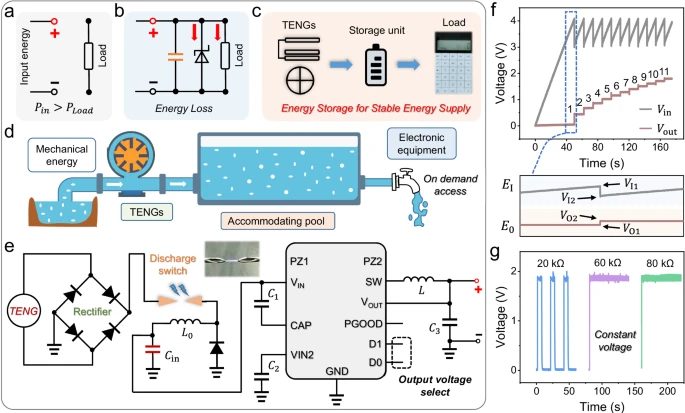 Improving the Energy Conversion Efficiency of Triboelectric NanogeneratorsSaumitra Jagdale19 November 20243266
There is a huge growth in demand for self-sustaining electronic devices, as the traditional power-generating devices fail in remote and harsh environments due to the periodic requirement of battery changes. Also, these devices are frequency specific; some work only in high frequency and some in low frequency. Triboelectric nanogenerators (TENGs) provide a promising solution by efficiently converting mechanical energy into electricity as they are versatile, compact, and cheap, making them a popular choice.
Read More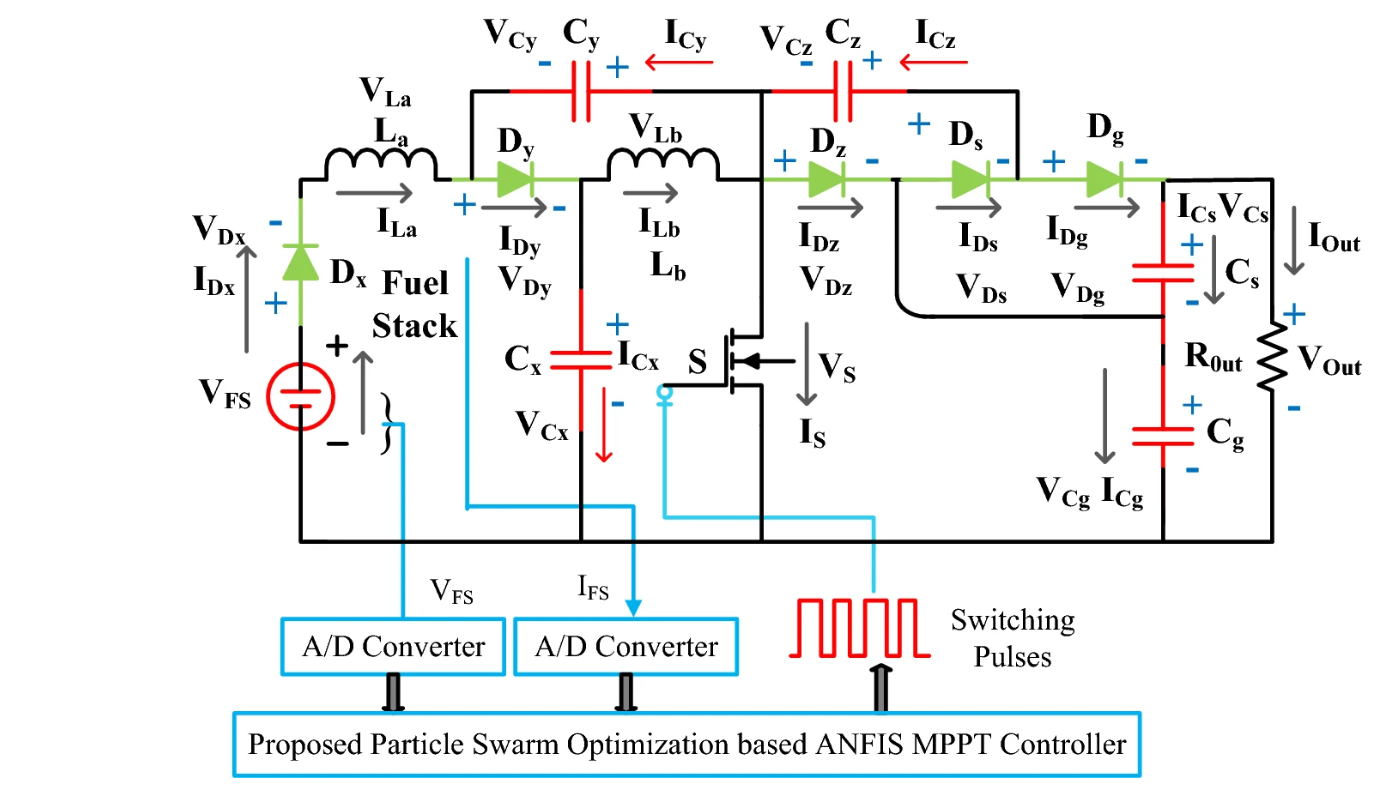 Methodologies for Increasing Efficiency of Fuel Stack Technology for Energy GenerationSaumitra Jagdale19 November 20243109
Presently, power companies are moving towards renewable energy systems. Conventional energy sources are more expensive because they require a vast network to be maintained and huge human resources. Also, they harm the environment by releasing several harmful gases. As the industry’s focus shifts toward renewable energy sources, energy systems powered by Proton Exchange Membrane Fuel Stacks (PEMFS) are gaining traction.
Read More VSC Light Meaning, Causes, and Step-by-Step DiagnosticsUTMEL19 May 20263552
A VSC (Vehicle Stability Control) light indicates the system is disabled, often as a fail-safe triggered by unrelated engine faults like a loose gas cap. While the stability system prevents lateral skidding, it shuts down when sensor data is unreliable. Proper diagnosis requires an ABS-capable OBD2 scanner. Resolving the root engine code, checking wheel speed sensors, or performing a zero-point calibration usually restores system function.
Read More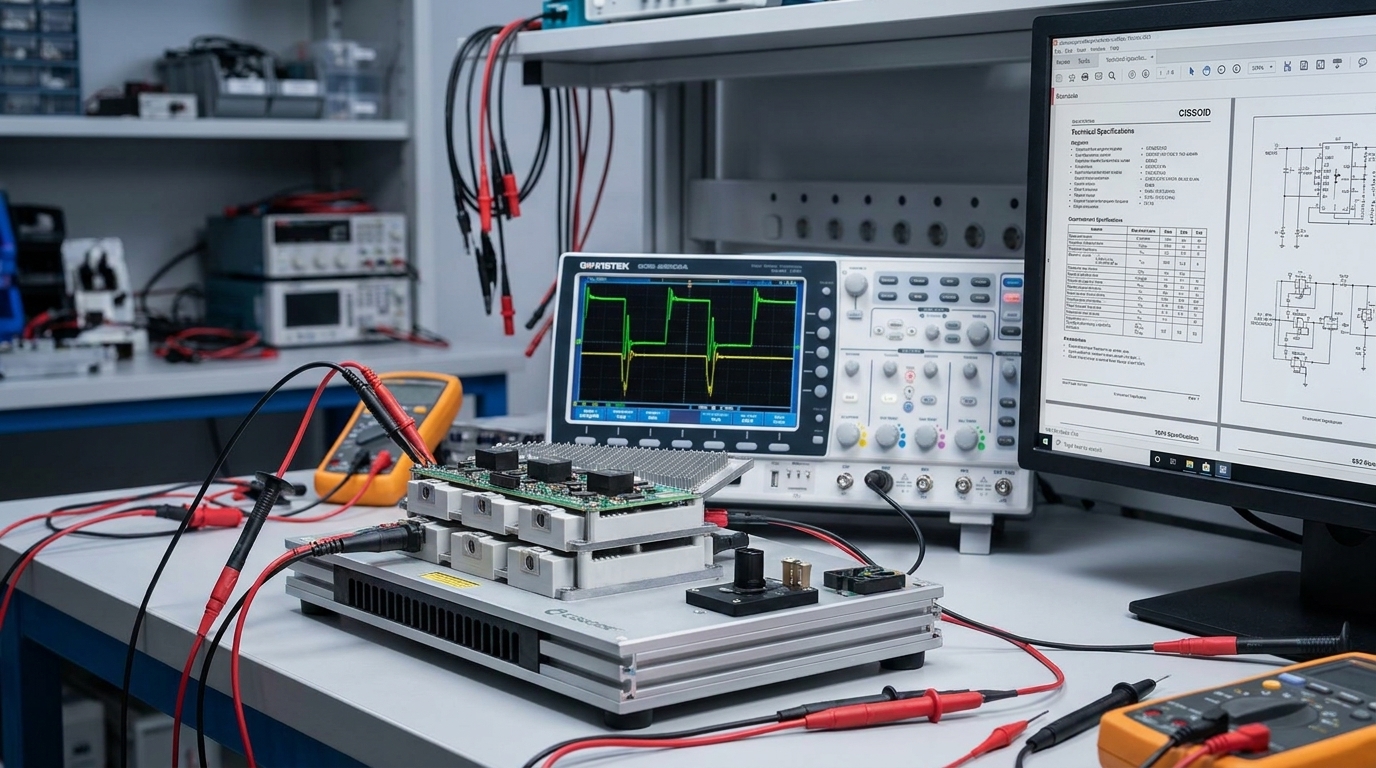 What JEDEC JEP203 and JEP204 Actually Change for SiC Qualification Engineers and Component BuyersUTMEL29 July 2026488
Summary: When JEDEC published JEP203 and JEP204 on June 3, 2026[1], most coverage treated them as an announcement. They are better understood as the first shared language the silicon carbide industry has had for two problems that have quietly consumed engineering hours since the first commercial SiC MOSFETs shipped: short-circuit evaluation that produces numbers you can compare across suppliers, and a consolidated reference of stress procedures so qualification engineers stop reinventing test plans from scratch. This article explains what changes on Monday morning and what to ask suppliers for now.
Read More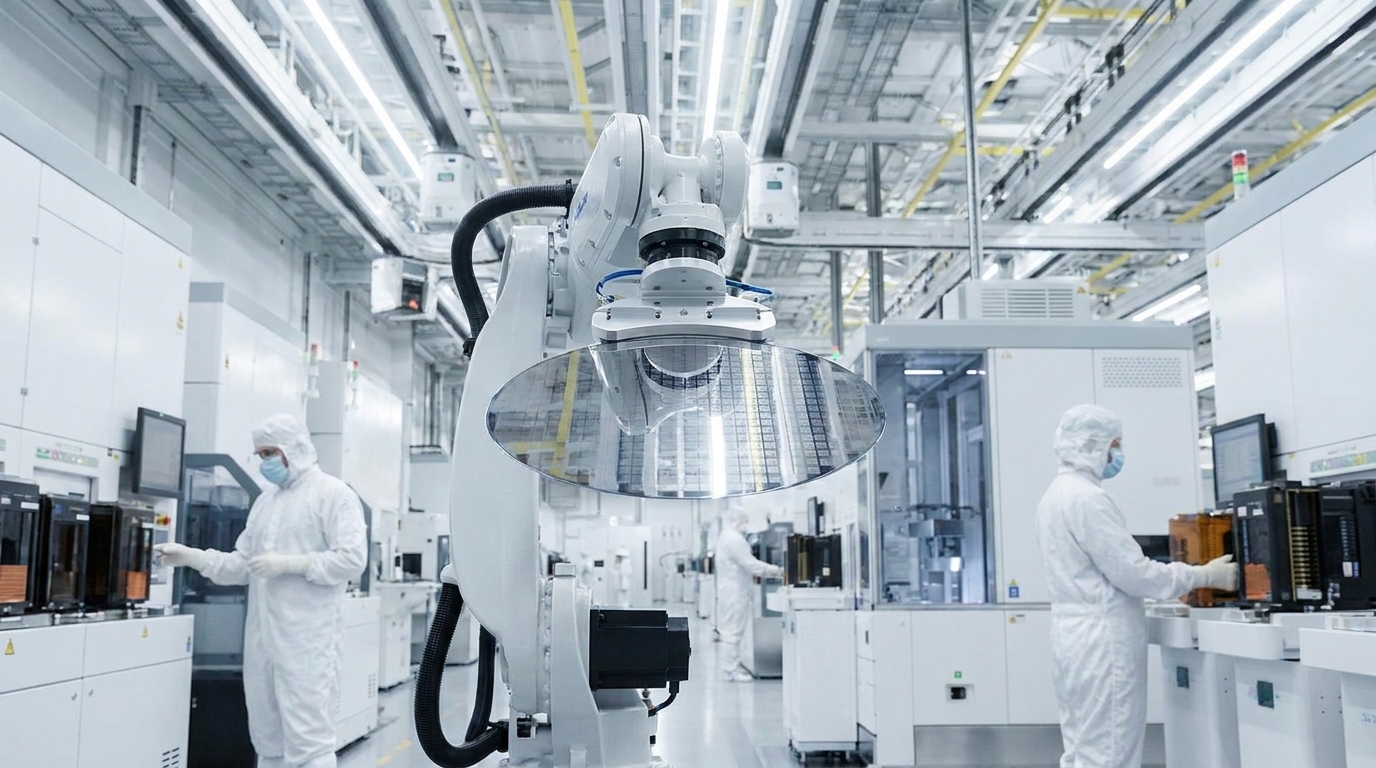 2nm vs 3nm Chips: What the Latest Process Nodes Mean for PerformanceUTMEL19 August 20261610
The shift from 3nm to 2nm process nodes marks a fundamental change in transistor architecture, moving from FinFET to Gate-All-Around (GAA) nanosheets. This transition delivers meaningful improvements in performance, power, and density, but also introduces new challenges like SRAM scaling limits, thermal density, and backside power delivery. The article compares TSMC, Samsung, and Intel approaches, offering a practical decision framework for engineering teams.
Read More
Subscribe to Utmel !
![09990000310]() 09990000310
09990000310HARTING
![35198]() 35198
35198Wiha
![P25-5223]() P25-5223
P25-5223Harwin Inc.
![11378-00000-20]()
![H-809V-UV]()
![H-804V-UV]()
![H-807V-UV]()
![H-809R-UV]()
![H-803R-UV]()
![11478-00000-10]()


