

 Product
 Brand
Brand Articles
 Tools
Tools
3 Semiconductor Stocks to Watch in 2024
Semiconductor stocks have been gaining attention in the market due to their potential for explosive growth. With their presence in the expanding artificial intelligence market and the growing demand from electric vehicle companies, communication and data processing centers, and automotive needs, semiconductor companies offer investors high-risk, high-reward opportunities. Three semiconductor stocks that should be on investors' radar in 2024 are Qualcomm Inc. (QCOM), United Microelectronics Corporation (UMC), and Navitas Semiconductor (NVTS). Qualcomm, Inc. (QCOM) is a leading manufacturer of products that contribute to the development of technologies like 5G. The company's deal with Apple to supply its Snapdragon 5G Modem‑RF Systems for smartphone launches in the coming years positions it at the forefront of the industry. With expected double-digit earnings growth and an undervalued stock, Qualcomm is a promising investment. United Microelectronics Corporation (UMC) is a global leader in the semiconductor foundry business. Its relatively strong valuation and innovative strategy to grow off of trends such as electrification and connectivity make it an attractive pick. With the global semiconductor foundry market expected to reach $137 billion by 2022, UMC is well-positioned for growth. Navitas Semiconductor (NVTS) is a pioneering force in next-gen semiconductors. Its integrated gallium nitride and silicon carbide semiconductors have the potential to drive breakthroughs and growth in the artificial intelligence market. With impressive revenue growth and a strong balance sheet, Navitas Semiconductor is a solid choice for investors looking to capitalize on the next-generation semiconductor trend. Overall, these three semiconductor stocks offer investors the opportunity to tap into the potential of the growing tech industry and capitalize on the demand for advanced technologies in various sectors.
 UTMEL
UTMEL
We are the professional distributor of electronic components, providing a large variety of products to save you a lot of time, effort, and cost with our efficient self-customized service. careful order preparation fast delivery service
 Power Semiconductor Procurement After the Nexperia Shake-Up—NXP for Stability, ON for Technology, or Nexperia for Value?UTMEL04 November 20254828
The recent supply chain turmoil surrounding Netherlands-based Nexperia has sent shockwaves through the global semiconductor industry, forcing procurement professionals to re-evaluate their sourcing strategies.
Read More AI Computing Power Gap: How Token Consumption is Reshaping Server Component SourcingUTMEL23 June 2026898
As global token consumption drives the transition to high-density 100kW+ AI data centers, power delivery networks require advanced Wide-Bandgap semiconductors (SiC/GaN) and high-capacitance MLCCs. This shift has triggered a component procurement crisis with lead times exceeding 24 weeks. To bypass shortages, hardware buyers must abandon just-in-time manufacturing and leverage independent global distributor networks to secure critical power and passive components.
Read More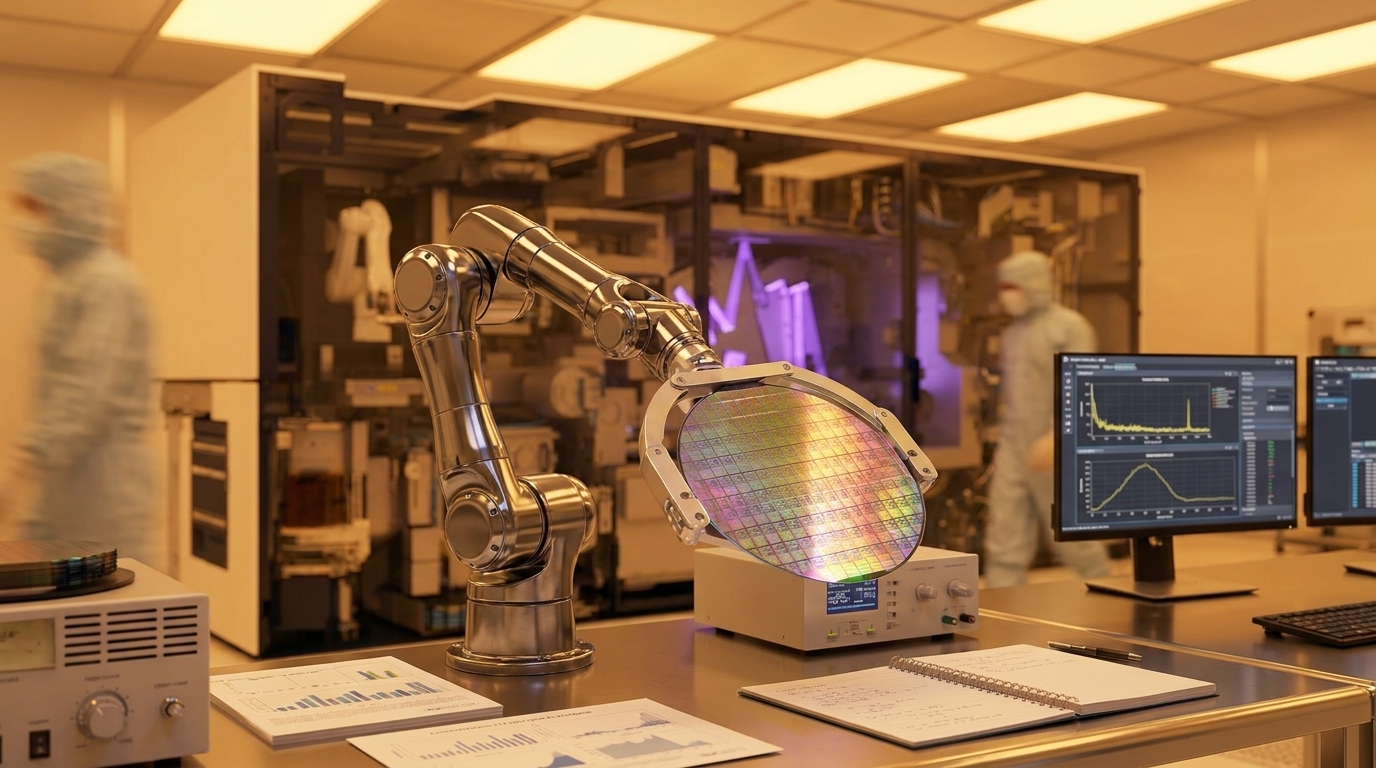 The BSPDN Revolution: Overcoming IR Drop in Sub-2nm GAAFET Nodes with Backside Power DeliveryUTMEL25 June 2026818
As semiconductor manufacturing enters the sub-2nm era, Backside Power Delivery Networks (BSPDN) are replacing traditional front-side routing to overcome critical IR drop bottlenecks. By separating power and signal delivery, chipmakers like Intel and TSMC drastically improve performance and density in GAAFET designs. However, this radical shift introduces manufacturing complexities, thermal challenges, and demands advanced packaging and power management solutions.
Read More Power Management ICs Trends 2026: AI Demand, Supply Risks, and Sourcing StrategiesUTMEL06 July 20261300
As AI server racks surpass 100kW by 2026, data centers are shifting toward wide-bandgap semiconductors like SiC and GaN. However, this demand has triggered a critical shortage of mature-node Power Management ICs (PMICs). To prevent production halts, sourcing teams must abandon 'just-in-time' models, implement proactive 'just-in-case' strategies, and rapidly qualify pin-to-pin alternative components to secure their supply chains.
Read More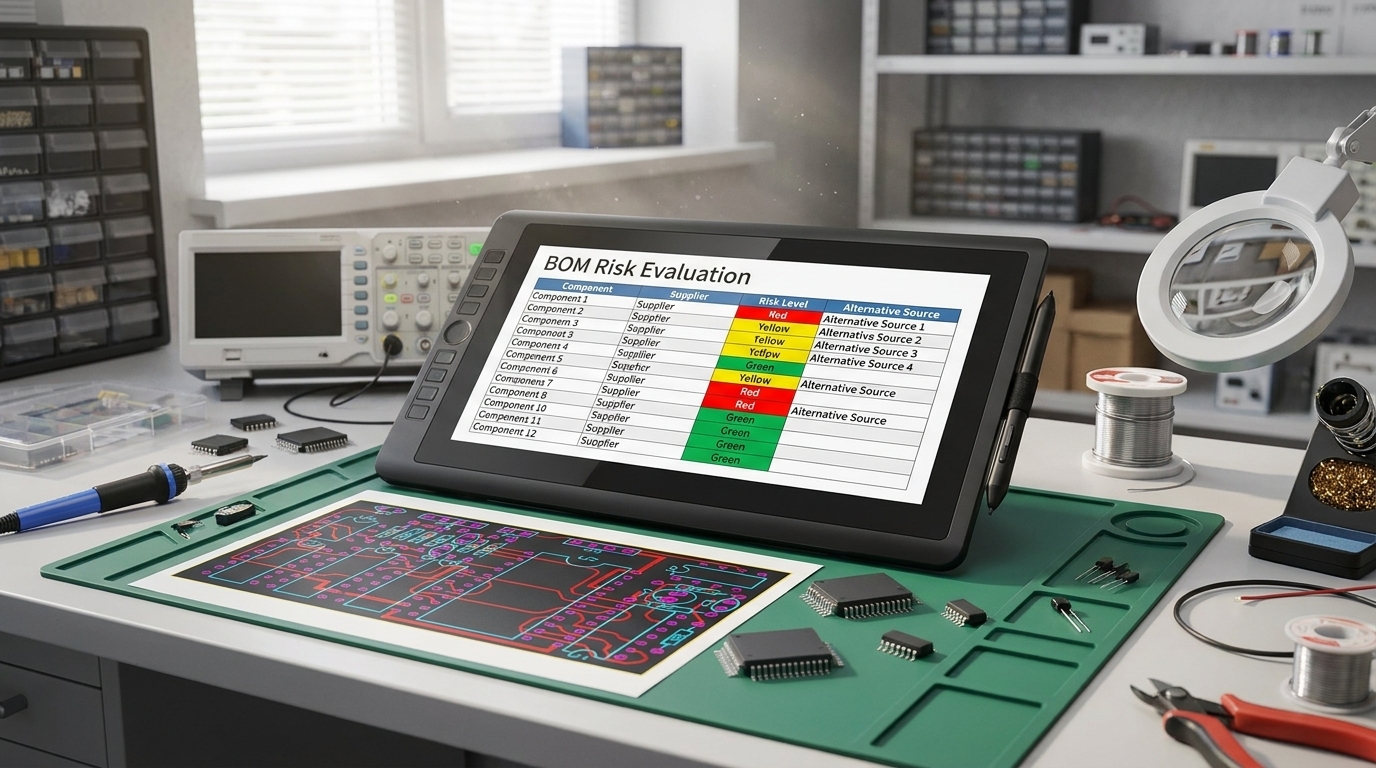 onsemi Synaptics Acquisition Impact: BOM Risk Checklist and Second-Source Strategy for Edge AI DesignsUTMEL27 July 2026296
The onsemi acquisition of Synaptics provides hardware program managers a 12-to-18-month window before potential product cancellations occur in mid-2027. This guide outlines how to audit BOM exposure across overlap and non-core product lines, calculate Last-Time-Buy volumes including hidden storage costs, establish proactive second-sourcing triggers, and implement supply chain monitoring to prevent line-down events.
Read More
Subscribe to Utmel !
![BLM18HE601SN1D]() BLM18HE601SN1D
BLM18HE601SN1DMurata Electronics
![CC1310F128RGZT]() CC1310F128RGZT
CC1310F128RGZTTexas Instruments
![NFM15PC435R0E3D]() NFM15PC435R0E3D
NFM15PC435R0E3DMurata Electronics
![NFM18PC104R1C3D]() NFM18PC104R1C3D
NFM18PC104R1C3DMurata Electronics
![PWT75]() PWT75
PWT75Panduit Corp
![PEC12R-2225F-N0024]() PEC12R-2225F-N0024
PEC12R-2225F-N0024Bourns Inc.
![BLM03BD471SN1D]() BLM03BD471SN1D
BLM03BD471SN1DMurata Electronics
![03453LS1HX020]() 03453LS1HX020
03453LS1HX020Littelfuse Inc.
![NFM21PC105B1C3D]() NFM21PC105B1C3D
NFM21PC105B1C3DMurata Electronics
![WC-620]() WC-620
WC-620JST Sales America Inc.


