Product
 Brand
Brand Articles
 Tools
Tools
Amkor Technology to Invest $2 Billion in Semiconductor Testing Plant in Peoria, Creating 2,000 Jobs
Amkor Technology Inc., a leading provider of semiconductor packaging and testing services, has announced its plans to build an advanced facility in Peoria, Arizona. The project is expected to cost $2 billion and will bring approximately 2,000 jobs to the area. The company will also partner with the nearby Taiwan Semiconductor Manufacturing Co. complex to package and test chips produced for Apple Inc. The manufacturing campus will span over 55 acres of land and feature more than 500,000 square feet of clean room space. The first phase of the plant is set to be ready for production within the next two to three years, with groundbreaking anticipated in the second half of 2024. Amkor's investment in the Peoria complex will help to expand the global supply chain for semiconductor packaging. Advanced packaging plays a crucial role in creating more efficient devices capable of processing large amounts of data quickly and in a power-efficient way. The demand for high-performance, low-power chips is increasing with the rise of emerging technologies such as 5G, autonomous vehicles, and Internet of Things (IoT) applications. Amkor, headquartered in Tempe, Arizona, is one of the state's larger public corporations with a stock market worth of $7 billion. The company currently employs around 400 people in Arizona and has its largest customers in Apple and Qualcomm. The announcement of Amkor's investment in Peoria has been met with enthusiasm. Arizona Senator Mark Kelly, a supporter and chief negotiator of the CHIPS and Science Act, sees this as a significant step toward reducing dependence on other countries in the microchip supply chain. Arizona Governor Katie Hobbs believes that the project will solidify the state's position as a world leader in the semiconductor industry. Amkor has applied for federal funding under the CHIPS and Science Act, which aims to boost American competitiveness, innovation, and national security in the semiconductor industry. The company views this funding as critical to the success of the Peoria project. The construction of Amkor's semiconductor testing plant in Peoria is a testament to the growing presence of the semiconductor industry in Arizona. With major players like TSMC, Intel, Applied Materials, and ASML also operating in the state, Arizona is becoming a hub for semiconductor manufacturing and innovation. This investment by Amkor Technology not only brings significant economic benefits to the region but also strengthens America's advanced packaging capabilities. The expansion of the U.S. semiconductor supply chain is underway, and Amkor is leading the charge in creating a resilient and robust ecosystem for semiconductor manufacturing in the country.
 UTMEL
UTMEL
We are the professional distributor of electronic components, providing a large variety of products to save you a lot of time, effort, and cost with our efficient self-customized service. careful order preparation fast delivery service
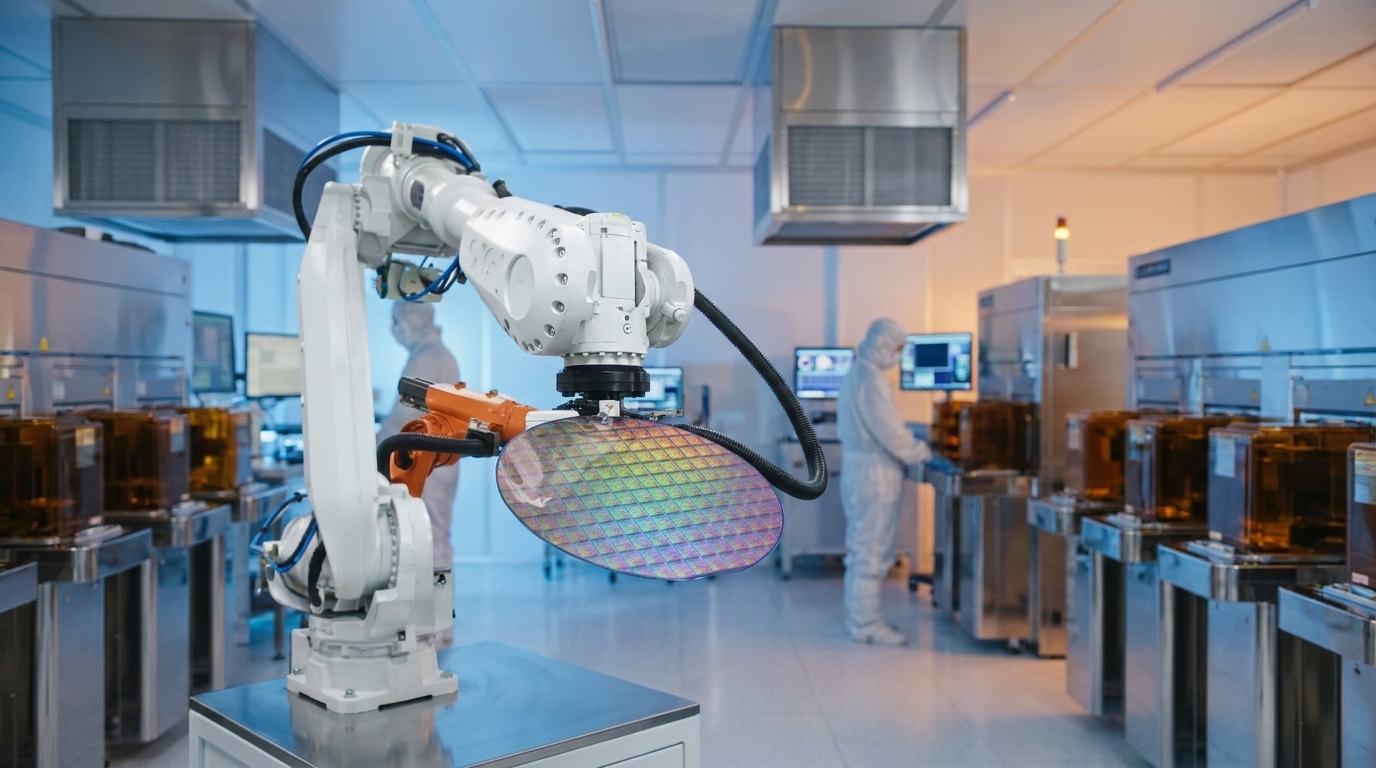 The 2026 Memory Super-Cycle: Navigating the 500% Surge in DRAM and NAND Flash PricesUTMEL17 June 20267661
Driven by massive AI capital expenditures, the 2026 semiconductor market is experiencing a historic memory super-cycle, sending DRAM and NAND Flash prices soaring. With manufacturers prioritizing high-margin AI memory like HBM, severe shortages have spilled over to mature nodes, impacting automotive and IoT sectors. To navigate this volatility, procurement teams must secure long-term agreements, diversify suppliers, and optimize designs to mitigate rising BOM costs.
Read More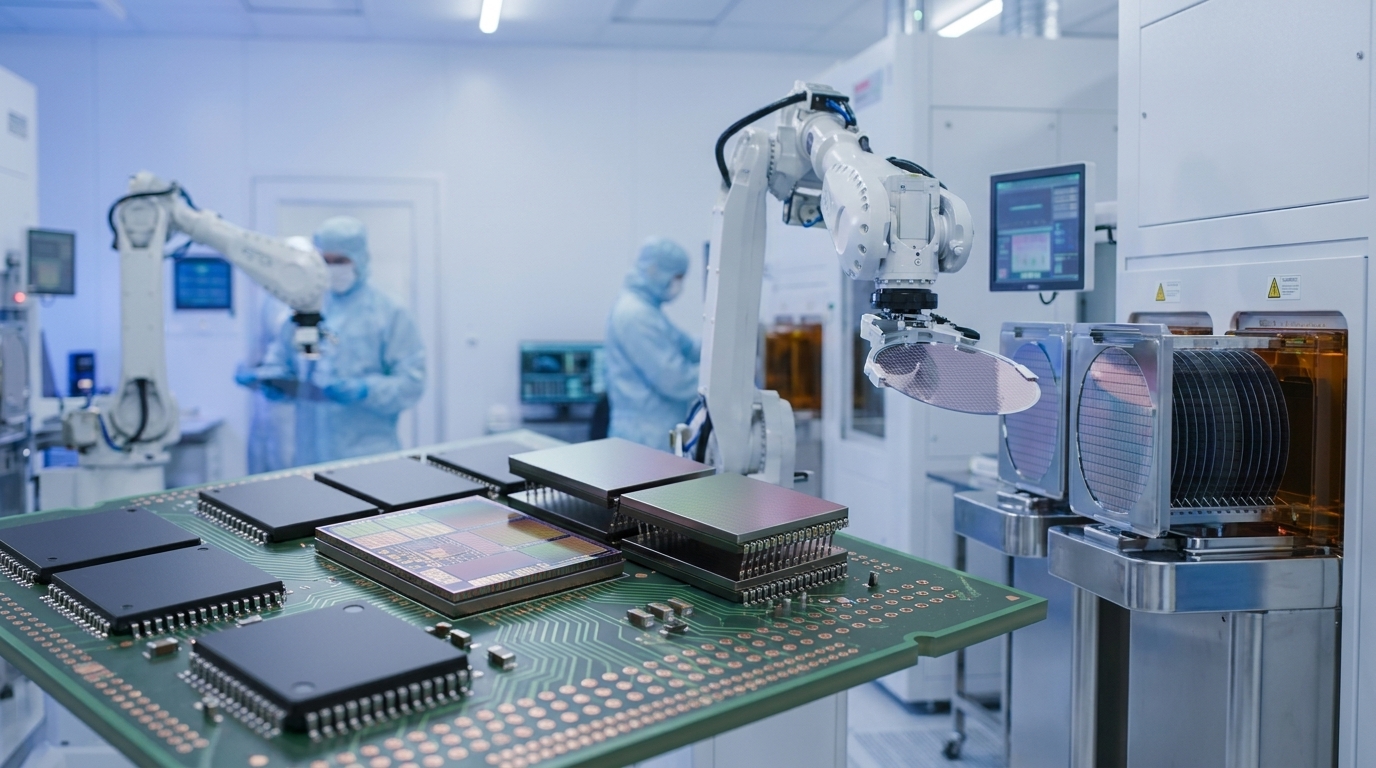 HBM4 and the Shift to Customized AI Memory: The Advanced Packaging BottleneckUTMEL22 June 20261439
The JEDEC HBM4 standard transitions high-bandwidth memory to a customized architecture featuring a 2048-bit interface and logic base dies. While delivering extreme bandwidth for AI accelerators, its resource-intensive production triggers a global DRAM supply squeeze. Procurement teams must navigate rising prices, advanced packaging bottlenecks, and extended lead times by adopting strategic supply chain planning.
Read More AI Computing Power Gap: How Token Consumption is Reshaping Server Component SourcingUTMEL23 June 2026458
As global token consumption drives the transition to high-density 100kW+ AI data centers, power delivery networks require advanced Wide-Bandgap semiconductors (SiC/GaN) and high-capacitance MLCCs. This shift has triggered a component procurement crisis with lead times exceeding 24 weeks. To bypass shortages, hardware buyers must abandon just-in-time manufacturing and leverage independent global distributor networks to secure critical power and passive components.
Read More Power Semiconductor Procurement After the Nexperia Shake-Up—NXP for Stability, ON for Technology, or Nexperia for Value?UTMEL04 November 20254549
The recent supply chain turmoil surrounding Netherlands-based Nexperia has sent shockwaves through the global semiconductor industry, forcing procurement professionals to re-evaluate their sourcing strategies.
Read More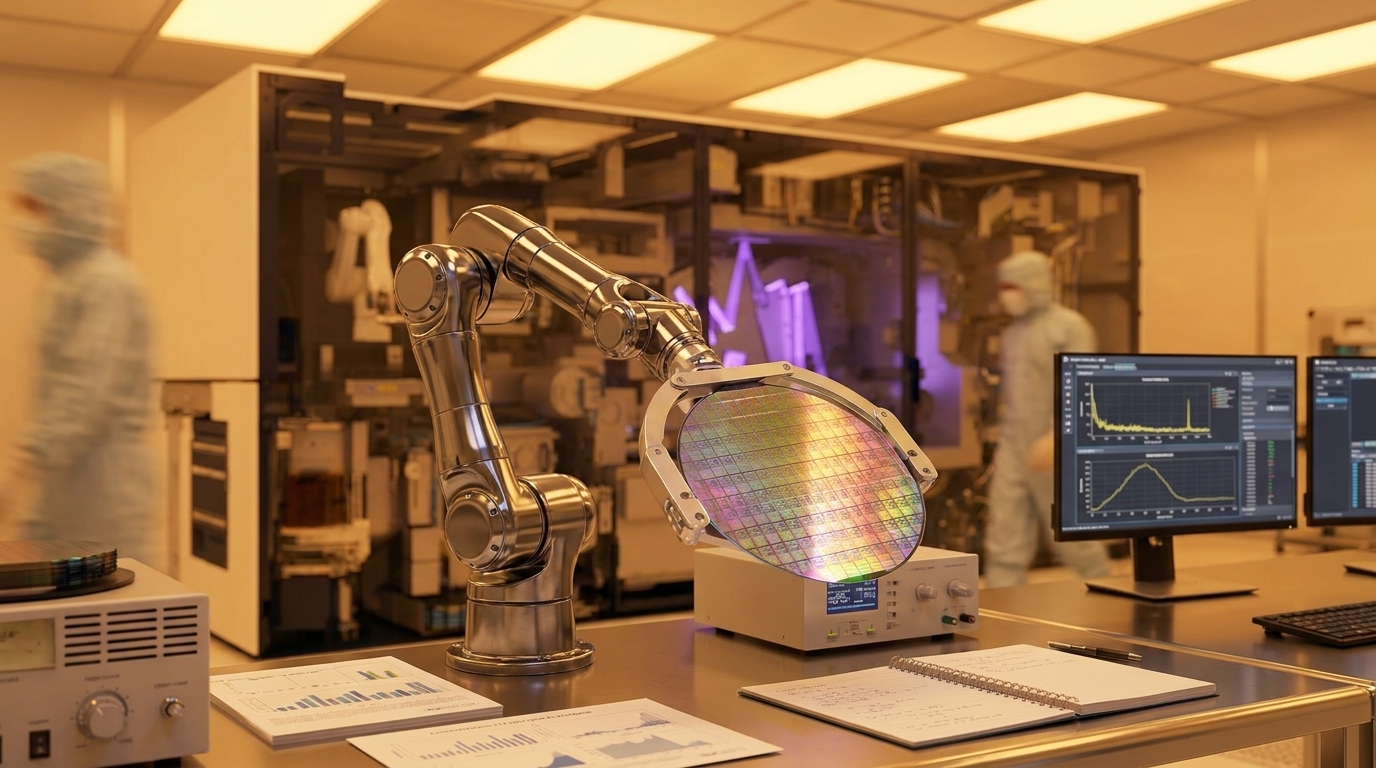 The BSPDN Revolution: Overcoming IR Drop in Sub-2nm GAAFET Nodes with Backside Power DeliveryUTMEL25 June 2026309
As semiconductor manufacturing enters the sub-2nm era, Backside Power Delivery Networks (BSPDN) are replacing traditional front-side routing to overcome critical IR drop bottlenecks. By separating power and signal delivery, chipmakers like Intel and TSMC drastically improve performance and density in GAAFET designs. However, this radical shift introduces manufacturing complexities, thermal challenges, and demands advanced packaging and power management solutions.
Read More
Subscribe to Utmel !
![W9006M]() W9006M
W9006MPulseLarsen Antennas
![BR24L16FVJ-WE2]() BR24L16FVJ-WE2
BR24L16FVJ-WE2ROHM Semiconductor
![GCM1885C2A152JA16D]() GCM1885C2A152JA16D
GCM1885C2A152JA16DMurata Electronics
![RC0603FR-073KL]() RC0603FR-073KL
RC0603FR-073KLYageo
![TQ2SA-5V]() TQ2SA-5V
TQ2SA-5VPanasonic Electric Works
![109-1073H]() 109-1073H
109-1073HSanyo Denki America Inc.
![GRM155R60J475ME47D]() GRM155R60J475ME47D
GRM155R60J475ME47DMurata Electronics
![RC0603FR-07510RL]() RC0603FR-07510RL
RC0603FR-07510RLYageo
![BLM03BB220SN1D]() BLM03BB220SN1D
BLM03BB220SN1DMurata Electronics
![MMZ0603S100CT000]() MMZ0603S100CT000
MMZ0603S100CT000TDK Corporation