

 Product
 Brand
Brand Articles
 Tools
Tools
AD581: High-Precision Voltage Reference for Reliable Electronic Systems

-55°C~125°C TA Fixed PMIC AD581 15V TO-205AA, TO-5-3 Metal Can
Unit Price: $343.684500
Ext Price: $343.68


-55°C~125°C TA Fixed PMIC AD581 15V TO-205AA, TO-5-3 Metal Can
The AD581 is a high-precision voltage reference designed by Analog Devices Inc. This through-hole mounted device offers a fixed output voltage of 10.01V with a tolerance of ±0.3%. With excellent temperature stability and low noise, the AD581 is ideal for applications requiring precise and reliable voltage references. This article will provide a detailed description of the AD581, highlighting its features, applications, reference designs, alternative parts, and frequently asked questions.
Product Introduction
1. Description:
The AD581 is a three-terminal voltage reference that provides a stable and accurate output voltage of 10.01V. It is designed to operate in a wide temperature range of -55°C to 125°C, making it suitable for various demanding environments. The device comes in a TO-205AA, TO-5-3 metal can package, with a total of three pins for easy installation. The AD581 offers a fixed output voltage, eliminating the need for external trimming or adjustment.
2. Features:
- High precision: The AD581 offers a tight tolerance of ±0.3%, ensuring accurate voltage references in critical applications.
- Low temperature coefficient: With a temperature coefficient of 10ppm/°C, the AD581 maintains stability over a wide temperature range.
- Low noise: The device has a low noise level of 40μVp-p in the frequency range of 0.1Hz to 10Hz, minimizing interference in sensitive circuits.
- Wide operating temperature range: The AD581 can operate in extreme temperatures, ranging from -55°C to 125°C, making it suitable for harsh environments.
- Low supply current: With a maximum supply current of 5mA, the AD581 is power-efficient and suitable for battery-powered applications.
3. Applications:
The AD581 finds its primary applications in systems that require precise and stable voltage references. Some of the key applications include:
- Industrial automation: The AD581 is used in control systems, data acquisition, and instrumentation to provide accurate voltage references for precise measurements and reliable operation.
- Communication systems: It is used in communication equipment, such as base stations and transceivers, to ensure stable voltage levels for signal processing and modulation.
- Test and measurement: The AD581 is utilized in various test and measurement equipment, including multimeters, oscilloscopes, and signal generators, to provide accurate voltage references for calibration and measurement purposes.
Secondary applications of the AD581 include:
- Aerospace and defense: The device is suitable for aerospace and defense applications that require high precision and reliability in harsh environments.
- Medical equipment: It can be used in medical devices, such as patient monitoring systems and diagnostic equipment, where accurate voltage references are crucial for precise measurements and patient safety.
Applicable specific modules for the AD581:
- Analog Devices offers evaluation boards and development kits specifically designed for the AD581, allowing engineers to easily integrate the voltage reference into their designs. These modules provide additional features and support for quick prototyping and testing.
4. Reference designs:
Analog Devices provides various reference designs that utilize the AD581 voltage reference. These designs serve as a starting point for engineers looking to incorporate the AD581 into their applications. Some of the reference designs include:
- Precision voltage source: A reference design that demonstrates the use of the AD581 as a stable and accurate voltage source for precision circuits and systems.
- Data acquisition system: A reference design showcasing the AD581 as a voltage reference for a high-resolution data acquisition system, ensuring accurate measurements.
5. Alternative parts:
While the AD581 is a reliable and widely used voltage reference, there are alternative parts available in the market. Some alternatives to the AD581 include:
- LT1236: A precision voltage reference with similar specifications and performance characteristics.
- REF102: Another high-precision voltage reference suitable for demanding applications.
- MAX619: A low-power, low-noise voltage reference with excellent temperature stability.
6. FAQs:
Q: Is the AD581 RoHS compliant?
A: No, the AD581 is non-RoHS compliant and contains lead.
Q: Can the AD581 be used in automotive applications?
A: The AD581 is not specifically qualified for automotive applications. However, it can be used in automotive systems that do not require automotive-grade certifications.
Q: Does the AD581 require external trimming or adjustment?
A: No, the AD581 provides a fixed output voltage of 10.01V and does not require external trimming or adjustment.
Q: What is the maximum output current of the AD581?
A: The AD581 can provide a maximum output current of 10mA.
Q: Can the AD581 operate from a single power supply?
A: Yes, the AD581 can operate from a single power supply of 15V.
In conclusion, the AD581 is a high-precision voltage reference with excellent temperature stability, low noise, and a fixed output voltage of 10.01V. It finds applications in various industries, including industrial automation, communication systems, and test and measurement equipment. With its reliable performance and easy integration, the AD581 is a go-to choice for engineers seeking accurate and stable voltage references.
Specifications
- TypeParameter
- Lifecycle Status
Lifecycle Status refers to the current stage of an electronic component in its product life cycle, indicating whether it is active, obsolete, or transitioning between these states. An active status means the component is in production and available for purchase. An obsolete status indicates that the component is no longer being manufactured or supported, and manufacturers typically provide a limited time frame for support. Understanding the lifecycle status is crucial for design engineers to ensure continuity and reliability in their projects.
PRODUCTION (Last Updated: 2 weeks ago) - Factory Lead Time12 Weeks
- Mount
In electronic components, the term "Mount" typically refers to the method or process of physically attaching or fixing a component onto a circuit board or other electronic device. This can involve soldering, adhesive bonding, or other techniques to secure the component in place. The mounting process is crucial for ensuring proper electrical connections and mechanical stability within the electronic system. Different components may have specific mounting requirements based on their size, shape, and function, and manufacturers provide guidelines for proper mounting procedures to ensure optimal performance and reliability of the electronic device.
Through Hole - Mounting Type
The "Mounting Type" in electronic components refers to the method used to attach or connect a component to a circuit board or other substrate, such as through-hole, surface-mount, or panel mount.
Through Hole - Package / Case
refers to the protective housing that encases an electronic component, providing mechanical support, electrical connections, and thermal management.
TO-205AA, TO-5-3 Metal Can - Number of Pins3
- Usage LevelMilitary grade
- Operating Temperature
The operating temperature is the range of ambient temperature within which a power supply, or any other electrical equipment, operate in. This ranges from a minimum operating temperature, to a peak or maximum operating temperature, outside which, the power supply may fail.
-55°C~125°C TA - Packaging
Semiconductor package is a carrier / shell used to contain and cover one or more semiconductor components or integrated circuits. The material of the shell can be metal, plastic, glass or ceramic.
Bulk - Published2005
- Tolerance
In electronic components, "tolerance" refers to the acceptable deviation or variation from the specified or ideal value of a particular parameter, such as resistance, capacitance, or voltage. It indicates the range within which the actual value of the component can fluctuate while still being considered acceptable for use in a circuit. Tolerance is typically expressed as a percentage or a specific value and is important for ensuring the accuracy and reliability of electronic devices. Components with tighter tolerances are more precise but may also be more expensive. It is crucial to consider tolerance when selecting components to ensure proper functionality and performance of the circuit.
±0.3% - JESD-609 Code
The "JESD-609 Code" in electronic components refers to a standardized marking code that indicates the lead-free solder composition and finish of electronic components for compliance with environmental regulations.
e0 - Pbfree Code
The "Pbfree Code" parameter in electronic components refers to the code or marking used to indicate that the component is lead-free. Lead (Pb) is a toxic substance that has been widely used in electronic components for many years, but due to environmental concerns, there has been a shift towards lead-free alternatives. The Pbfree Code helps manufacturers and users easily identify components that do not contain lead, ensuring compliance with regulations and promoting environmentally friendly practices. It is important to pay attention to the Pbfree Code when selecting electronic components to ensure they meet the necessary requirements for lead-free applications.
no - Part Status
Parts can have many statuses as they progress through the configuration, analysis, review, and approval stages.
Active - Moisture Sensitivity Level (MSL)
Moisture Sensitivity Level (MSL) is a standardized rating that indicates the susceptibility of electronic components, particularly semiconductors, to moisture-induced damage during storage and the soldering process, defining the allowable exposure time to ambient conditions before they require special handling or baking to prevent failures
1 (Unlimited) - Number of Terminations3
- ECCN Code
An ECCN (Export Control Classification Number) is an alphanumeric code used by the U.S. Bureau of Industry and Security to identify and categorize electronic components and other dual-use items that may require an export license based on their technical characteristics and potential for military use.
EAR99 - Temperature Coefficient
The resistance-change factor per degree Celsius of temperature change is called the temperature coefficient of resistance. This factor is represented by the Greek lower-case letter “alpha” (α). A positive coefficient for a material means that its resistance increases with an increase in temperature.
10ppm/°C - Terminal Position
In electronic components, the term "Terminal Position" refers to the physical location of the connection points on the component where external electrical connections can be made. These connection points, known as terminals, are typically used to attach wires, leads, or other components to the main body of the electronic component. The terminal position is important for ensuring proper connectivity and functionality of the component within a circuit. It is often specified in technical datasheets or component specifications to help designers and engineers understand how to properly integrate the component into their circuit designs.
BOTTOM - Terminal Form
Occurring at or forming the end of a series, succession, or the like; closing; concluding.
WIRE - Number of Functions1
- Supply Voltage
Supply voltage refers to the electrical potential difference provided to an electronic component or circuit. It is crucial for the proper operation of devices, as it powers their functions and determines performance characteristics. The supply voltage must be within specified limits to ensure reliability and prevent damage to components. Different electronic devices have specific supply voltage requirements, which can vary widely depending on their design and intended application.
15V - Base Part Number
The "Base Part Number" (BPN) in electronic components serves a similar purpose to the "Base Product Number." It refers to the primary identifier for a component that captures the essential characteristics shared by a group of similar components. The BPN provides a fundamental way to reference a family or series of components without specifying all the variations and specific details.
AD581 - Pin Count
a count of all of the component leads (or pins)
3 - Number of Outputs1
- Qualification Status
An indicator of formal certification of qualifications.
Qualified - Output Voltage
Output voltage is a crucial parameter in electronic components that refers to the voltage level produced by the component as a result of its operation. It represents the electrical potential difference between the output terminal of the component and a reference point, typically ground. The output voltage is a key factor in determining the performance and functionality of the component, as it dictates the level of voltage that will be delivered to the connected circuit or load. It is often specified in datasheets and technical specifications to ensure compatibility and proper functioning within a given system.
10.01V - Output Type
The "Output Type" parameter in electronic components refers to the type of signal or data that is produced by the component as an output. This parameter specifies the nature of the output signal, such as analog or digital, and can also include details about the voltage levels, current levels, frequency, and other characteristics of the output signal. Understanding the output type of a component is crucial for ensuring compatibility with other components in a circuit or system, as well as for determining how the output signal can be utilized or processed further. In summary, the output type parameter provides essential information about the nature of the signal that is generated by the electronic component as its output.
Fixed - Max Output Current
The maximum current that can be supplied to the load.
10mA - Trim/Adjustable Output
Trim or adjustable output refers to the ability of an electronic component, such as a voltage regulator or power supply, to produce an output voltage that can be finely tuned or adjusted to meet specific requirements. This feature allows for precise control over the output voltage level, accommodating variations in load conditions or desired operational parameters. Users can typically achieve this adjustment through external resistors, potentiometers, or internal calibration mechanisms, ensuring optimal performance in diverse applications.
NO - Analog IC - Other Type
Analog IC - Other Type is a parameter used to categorize electronic components that are integrated circuits (ICs) designed for analog signal processing but do not fall into more specific subcategories such as amplifiers, comparators, or voltage regulators. These ICs may include specialized analog functions such as analog-to-digital converters (ADCs), digital-to-analog converters (DACs), voltage references, or signal conditioning circuits. They are typically used in various applications where precise analog signal processing is required, such as in audio equipment, instrumentation, communication systems, and industrial control systems. Manufacturers provide detailed specifications for these components to help engineers select the most suitable IC for their specific design requirements.
THREE TERMINAL VOLTAGE REFERENCE - Max Supply Current
Max Supply Current refers to the maximum amount of electrical current that a component can draw from its power supply under normal operating conditions. It is a critical parameter that ensures the component operates reliably without exceeding its thermal limits or damaging internal circuitry. Exceeding this current can lead to overheating, performance degradation, or failure of the component. Understanding this parameter is essential for designing circuits that provide adequate power while avoiding overload situations.
5mA - Current - Supply
Current - Supply is a parameter in electronic components that refers to the maximum amount of electrical current that the component can provide to the circuit it is connected to. It is typically measured in units of amperes (A) and is crucial for determining the power handling capability of the component. Understanding the current supply rating is important for ensuring that the component can safely deliver the required current without overheating or failing. It is essential to consider this parameter when designing circuits to prevent damage to the component and ensure proper functionality of the overall system.
1mA - Max Output Voltage
The maximum output voltage refers to the dynamic area beyond which the output is saturated in the positive or negative direction, and is limited according to the load resistance value.
10V - Voltage - Output (Min/Fixed)
Voltage - Output (Min/Fixed) refers to the minimum fixed output voltage level that an electronic component, such as a voltage regulator or power supply, is designed to provide under specified load conditions. This parameter ensures that the device consistently delivers a reliable voltage that meets the requirements of the connected circuits or components. It is critical for applications where stable and predictable voltage is necessary for proper operation.
10V - Min Input Voltage
The parameter "Min Input Voltage" in electronic components refers to the minimum voltage level that must be applied to the component for it to operate within its specified parameters. This value is crucial as providing a voltage below this minimum threshold may result in the component malfunctioning or not functioning at all. It is important to adhere to the specified minimum input voltage to ensure the proper operation and longevity of the electronic component. Failure to meet this requirement may lead to potential damage to the component or the overall system in which it is used.
11.4V - Max Input Voltage
Max Input Voltage refers to the maximum voltage level that an electronic component can safely handle without getting damaged. This parameter is crucial for ensuring the proper functioning and longevity of the component. Exceeding the specified maximum input voltage can lead to overheating, electrical breakdown, or permanent damage to the component. It is important to carefully adhere to the manufacturer's guidelines regarding the maximum input voltage to prevent any potential issues and maintain the reliability of the electronic device.
40V - Reference Type
a code object that is not stored directly where it is created, but that acts as a kind of pointer to a value stored elsewhere.
Series - Noise - 0.1Hz to 10Hz
In electronic components, the parameter "Noise - 0.1Hz to 10Hz" refers to the level of unwanted electrical signals or fluctuations present within that specific frequency range. This noise can interfere with the desired signals passing through the component, affecting the overall performance and accuracy of the electronic system. The measurement is typically expressed in units such as microvolts or decibels and indicates the amount of random variations or disturbances within the specified frequency band. Lower values of noise in this frequency range are desirable for high-quality electronic components and circuits, as they help ensure better signal integrity and reliability.
40μVp-p - Radiation Hardening
Radiation hardening is the process of making electronic components and circuits resistant to damage or malfunction caused by high levels of ionizing radiation, especially for environments in outer space (especially beyond the low Earth orbit), around nuclear reactors and particle accelerators, or during nuclear accidents or nuclear warfare.
No - RoHS Status
RoHS means “Restriction of Certain Hazardous Substances” in the “Hazardous Substances Directive” in electrical and electronic equipment.
Non-RoHS Compliant - Lead Free
Lead Free is a term used to describe electronic components that do not contain lead as part of their composition. Lead is a toxic material that can have harmful effects on human health and the environment, so the electronics industry has been moving towards lead-free components to reduce these risks. Lead-free components are typically made using alternative materials such as silver, copper, and tin. Manufacturers must comply with regulations such as the Restriction of Hazardous Substances (RoHS) directive to ensure that their products are lead-free and environmentally friendly.
Contains Lead
Parts with Similar Specs
Datasheet PDF
- Datasheets :
- PCN Assembly/Origin :
- ConflictMineralStatement :
 LM385M Voltage Reference Diode: Feature, Speification, Datasheet
18 May 20212182
 ADC120 Converter:Datasheet, Application, Pinout
07 September 2021639
 A Comprehensive Guide to LTC6993CDCB-3#TRMPBF Multivibrator IC
06 March 2024283
 SI4463 Transceiver: Features, Pinout, and Datasheet
28 October 202112234
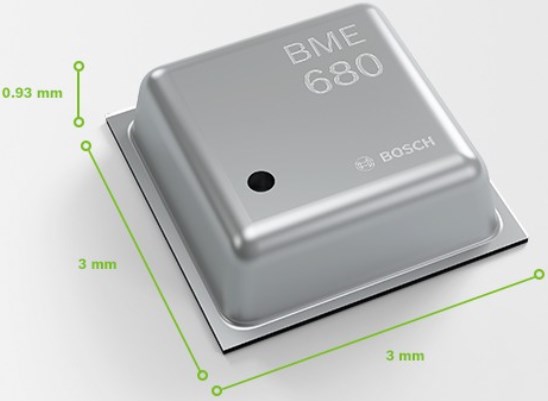 BME680 Temperature & Humidity & Gas Sensor: BME280 vs BME680, Datasheet, Pinout
20 January 20228490
 Eliminating Output Capacitors with XC6501 Series (Marking AB4): A High-Speed LDO Design Guide
10 February 2026140
 AD9364BBCZ RF Transceiver ICs: Package,Datasheet,Specification
14 May 20212599
 1N4002 Diode: Pinout, Datasheet, and Equivalents
04 August 202112967
 Best 1N4007 diode alternatives to use in 2025
25 August 20257246
 Advancements and Challenges of High Frequency Converters
19 June 20232020
 Exploring the Strengths and Hurdles of Wide Bandgap Devices in Alternating Current Electric Drives
19 January 20243599
 What are Motherboards?
23 June 20216102
 Schottky Diodes: Principle, Functions, and Applications
21 October 202526490
 Differential Amplifier vs Current Sense Amplifier
07 April 20227290
 How to read Resistors Color Code?
16 October 202523961
 Introduction to Inductive Reactance
16 April 202113664
Analog Devices Inc.
In Stock: 2530
Minimum: 1 Multiples: 1
Qty
Unit Price
Ext Price
1
$343.684500
$343.68
10
$324.230660
$3,242.31
100
$305.877981
$30,587.80
500
$288.564133
$144,282.07
1000
$272.230315
$272,230.32
Not the price you want? Send RFQ Now and we'll contact you ASAP.
Inquire for More Quantity
![AD584LH]() AD584LH
AD584LHAnalog Devices, Inc.
![REF192GSZ-REEL7]() REF192GSZ-REEL7
REF192GSZ-REEL7Analog Devices Inc.
![ADR5040ARTZ-REEL7]() ADR5040ARTZ-REEL7
ADR5040ARTZ-REEL7Analog Devices Inc.
![ADR3425ARJZ-R7]() ADR3425ARJZ-R7
ADR3425ARJZ-R7Analog Devices Inc.
![ADR441BRZ-REEL7]() ADR441BRZ-REEL7
ADR441BRZ-REEL7Analog Devices Inc.
![AD586BRZ]() AD586BRZ
AD586BRZAnalog Devices Inc.
![AD584JNZ]() AD584JNZ
AD584JNZAnalog Devices Inc.
![AD1582ARTZ-REEL7]() AD1582ARTZ-REEL7
AD1582ARTZ-REEL7Analog Devices Inc.
![AD1583ARTZ-REEL7]() AD1583ARTZ-REEL7
AD1583ARTZ-REEL7Analog Devices Inc.
![AD586ARZ]() AD586ARZ
AD586ARZAnalog Devices Inc.


