

 Product
 Brand
Brand Articles
 Tools
Tools
SPH0641LM4H-1 Digital Microphone: Circuit, Pinout, and Datasheet


MIC MEMS DIGITAL
The SPH0641LM4H-1 is a bottom-port silicon digital microphone with a single-bit PDM output that is small, high-performance, and low-power. This article mainly introduces circuit, pinout, datasheet and other detailed information about Knowles SPH0641LM4H-1.

[Eng Sub] MEMS Microphone - Smartphone, Wireless Earbuds, A.I. Speaker
SPH0641LM4H-1 Description
The SPH0641LM4H-1 is a bottom-port silicon digital microphone with a single-bit PDM output that is small, high-performance, and low-power. The SPH0641LM4H-1 is made up of an acoustic sensor, a low noise input buffer, and a sigma-delta modulator that uses Knowles' proven high-performance SiSonicTM MEMS technology. These devices are ideal for cellphones, smartphones, laptop computers, sensors, digital still cameras, portable music recorders, and other portable electronic devices that demand good wideband audio performance and RF immunity. The SPH0641LM4H-1 also has a variety of performance settings.
SPH0641LM4H-1 Pinout
The following figure is SPH0641LM4H-1 Pinout.
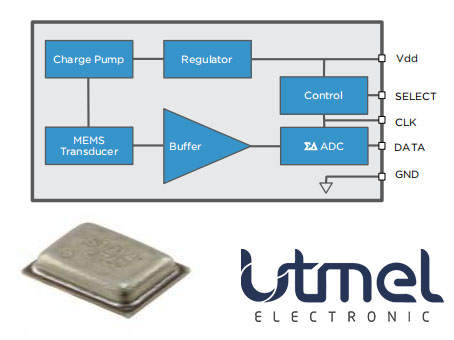
Pinout
SPH0641LM4H-1 CAD Model
The followings are SPH0641LM4H-1 Symbol, Footprint and 3D Model.
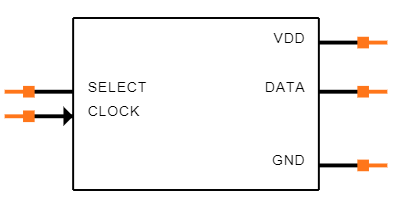
Symbol
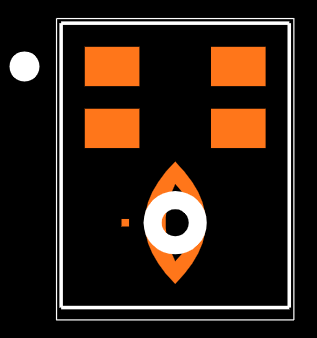
Footprint
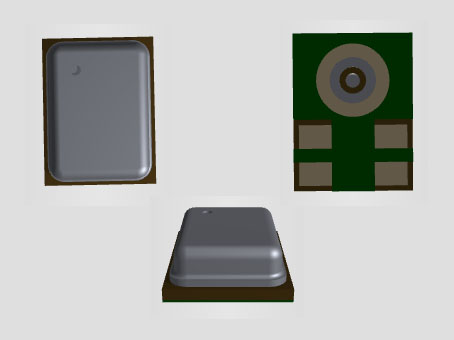
3D Model
SPH0641LM4H-1 Features
• High SNR
• Low Current Consumption in LowPower Mode
• Flat Frequency Response
• High Drive Capability
• RF Shielded
• Bottom Port
• Sensitivity Matching
• Supports Dual Multiplexed Channels
• Multiple Performance Modes (Sleep, Low-Power, Normal)
• Ultra-Stable Performance
• Standard SMD Reflow
• Omnidirectional
• Small Size
• LGA Package
Specifications
- TypeParameter
- Factory Lead Time18 Weeks
- Surface Mount
having leads that are designed to be soldered on the side of a circuit board that the body of the component is mounted on.
NO - Shape
In electronic components, the parameter "Shape" refers to the physical form or outline of the component. It describes the external appearance of the component, including its dimensions, size, and overall structure. The shape of an electronic component can vary widely depending on its function and design requirements. Common shapes include rectangular, cylindrical, square, and circular, among others. The shape of a component is an important consideration in the design and layout of electronic circuits, as it can impact factors such as space utilization, heat dissipation, and ease of assembly.
Rectangular - Operating Temperature (Max.)100°C
- Operating Temperature (Min.)-40°C
- Packaging
Semiconductor package is a carrier / shell used to contain and cover one or more semiconductor components or integrated circuits. The material of the shell can be metal, plastic, glass or ceramic.
Tape & Reel (TR) - Series
In electronic components, the "Series" refers to a group of products that share similar characteristics, designs, or functionalities, often produced by the same manufacturer. These components within a series typically have common specifications but may vary in terms of voltage, power, or packaging to meet different application needs. The series name helps identify and differentiate between various product lines within a manufacturer's catalog.
SiSonic™ SPH - Published2013
- Size / Dimension
In electronic components, the parameter "Size / Dimension" refers to the physical dimensions of the component, such as its length, width, and height. These dimensions are crucial for determining how the component will fit into a circuit or system, as well as for ensuring compatibility with other components and the overall design requirements. The size of a component can also impact its performance characteristics, thermal properties, and overall functionality within a given application. Engineers and designers must carefully consider the size and dimensions of electronic components to ensure proper integration and functionality within their designs.
0.138Lx0.104W 3.50mmx2.65mm - Part Status
Parts can have many statuses as they progress through the configuration, analysis, review, and approval stages.
Active - Moisture Sensitivity Level (MSL)
Moisture Sensitivity Level (MSL) is a standardized rating that indicates the susceptibility of electronic components, particularly semiconductors, to moisture-induced damage during storage and the soldering process, defining the allowable exposure time to ambient conditions before they require special handling or baking to prevent failures
1 (Unlimited) - Number of Terminations5
- Termination
Termination in electronic components refers to the practice of matching the impedance of a circuit to prevent signal reflections and ensure maximum power transfer. It involves the use of resistors or other components at the end of transmission lines or connections. Proper termination is crucial in high-frequency applications to maintain signal integrity and reduce noise.
Solder Pads - TypeMEMS (Silicon)
- Terminal Position
In electronic components, the term "Terminal Position" refers to the physical location of the connection points on the component where external electrical connections can be made. These connection points, known as terminals, are typically used to attach wires, leads, or other components to the main body of the electronic component. The terminal position is important for ensuring proper connectivity and functionality of the component within a circuit. It is often specified in technical datasheets or component specifications to help designers and engineers understand how to properly integrate the component into their circuit designs.
UNSPECIFIED - Terminal Form
Occurring at or forming the end of a series, succession, or the like; closing; concluding.
UNSPECIFIED - Peak Reflow Temperature (Cel)
Peak Reflow Temperature (Cel) is a parameter that specifies the maximum temperature at which an electronic component can be exposed during the reflow soldering process. Reflow soldering is a common method used to attach electronic components to a circuit board. The Peak Reflow Temperature is crucial because it ensures that the component is not damaged or degraded during the soldering process. Exceeding the specified Peak Reflow Temperature can lead to issues such as component failure, reduced performance, or even permanent damage to the component. It is important for manufacturers and assemblers to adhere to the recommended Peak Reflow Temperature to ensure the reliability and functionality of the electronic components.
260 - Number of Functions1
- Time@Peak Reflow Temperature-Max (s)
Time@Peak Reflow Temperature-Max (s) refers to the maximum duration that an electronic component can be exposed to the peak reflow temperature during the soldering process, which is crucial for ensuring reliable solder joint formation without damaging the component.
40 - JESD-30 Code
JESD-30 Code refers to a standardized descriptive designation system established by JEDEC for semiconductor-device packages. This system provides a systematic method for generating designators that convey essential information about the package's physical characteristics, such as size and shape, which aids in component identification and selection. By using JESD-30 codes, manufacturers and engineers can ensure consistency and clarity in the specification of semiconductor packages across various applications and industries.
R-XXMA-X5 - Output Type
The "Output Type" parameter in electronic components refers to the type of signal or data that is produced by the component as an output. This parameter specifies the nature of the output signal, such as analog or digital, and can also include details about the voltage levels, current levels, frequency, and other characteristics of the output signal. Understanding the output type of a component is crucial for ensuring compatibility with other components in a circuit or system, as well as for determining how the output signal can be utilized or processed further. In summary, the output type parameter provides essential information about the nature of the signal that is generated by the electronic component as its output.
Digital, PDM - Supply Voltage-Max (Vsup)
The parameter "Supply Voltage-Max (Vsup)" in electronic components refers to the maximum voltage that can be safely applied to the component without causing damage. It is an important specification to consider when designing or using electronic circuits to ensure the component operates within its safe operating limits. Exceeding the maximum supply voltage can lead to overheating, component failure, or even permanent damage. It is crucial to adhere to the specified maximum supply voltage to ensure the reliable and safe operation of the electronic component.
3.6V - Temperature Grade
Temperature grades represent a tire's resistance to heat and its ability to dissipate heat when tested under controlled laboratory test conditions.
INDUSTRIAL - Supply Voltage-Min (Vsup)
The parameter "Supply Voltage-Min (Vsup)" in electronic components refers to the minimum voltage level required for the component to operate within its specified performance range. This parameter indicates the lowest voltage that can be safely applied to the component without risking damage or malfunction. It is crucial to ensure that the supply voltage provided to the component meets or exceeds this minimum value to ensure proper functionality and reliability. Failure to adhere to the specified minimum supply voltage may result in erratic behavior, reduced performance, or even permanent damage to the component.
1.62V - Operating Supply Current
Operating Supply Current, also known as supply current or quiescent current, is a crucial parameter in electronic components that indicates the amount of current required for the device to operate under normal conditions. It represents the current drawn by the component from the power supply while it is functioning. This parameter is important for determining the power consumption of the component and is typically specified in datasheets to help designers calculate the overall power requirements of their circuits. Understanding the operating supply current is essential for ensuring proper functionality and efficiency of electronic systems.
700μA - Direction
In electronic components, the parameter "Direction" refers to the orientation or alignment in which the component is designed to operate effectively. This parameter is particularly important for components such as diodes, transistors, and capacitors, which have specific polarity or orientation requirements for proper functionality. For example, diodes allow current flow in one direction only, so their direction parameter indicates the correct orientation for current flow. Similarly, polarized capacitors have a positive and negative terminal, requiring proper alignment for correct operation. Understanding and adhering to the direction parameter is crucial for ensuring the reliable and efficient performance of electronic components in a circuit.
Omnidirectional - Voltage Range
The "Voltage Range" parameter in electronic components refers to the range of voltages within which the component is designed to operate effectively and safely. This parameter specifies the minimum and maximum voltage levels that can be applied to the component without causing damage or malfunction. It is important to stay within the specified voltage range to ensure proper performance and longevity of the component. Exceeding the voltage range can lead to overheating, electrical breakdown, or permanent damage to the component. Manufacturers provide this information in the component's datasheet to guide users in proper usage and application.
1.62V~3.6V - Frequency Range
A continuous range or spectrum of frequencies that extends from one limiting frequency to another.
100Hz~10kHz - Sensitivity
Sensitivity in electronic components refers to the degree to which the output of a device responds to changes in input. It indicates how effectively a component translates a specific input signal into an observable output. High sensitivity means that even small variations in input can produce significant changes in output, making the device more responsive to signals. Sensitivity is crucial in applications where precise measurements or signal detection are required.
-26dB ±1dB @ 94dB SPL - Port Location
Port Location in electronic components refers to the physical location on the component where external connections can be made. This parameter is important for determining how the component will be integrated into a circuit or system. The port location can vary depending on the type of component and its intended use, and it is typically specified in the component's datasheet or technical documentation. Understanding the port location is crucial for proper installation and connection of the component within a circuit design.
Bottom - S/N Ratio
The S/N Ratio, or Signal-to-Noise Ratio, is a measure used to quantify the level of a desired signal relative to the level of background noise in electronic components. It is typically expressed in decibels (dB) and indicates how much a signal stands out from the noise, with higher values representing clearer signals. A good S/N Ratio is essential for ensuring the accuracy and quality of signal transmission in various applications, including audio, communications, and instrumentation.
64.3dB - Height1.08mm
- Length3.5mm
- Width2.65mm
- RoHS Status
RoHS means “Restriction of Certain Hazardous Substances” in the “Hazardous Substances Directive” in electrical and electronic equipment.
RoHS Compliant
SPH0641LM4H-1 Typical Application Circuit
The following shows the SPH0641LM4H-1 Typical Application Circuit.
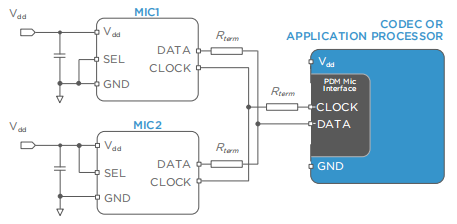
Typical Application Circuit
SPH0641LM4H-1 Applications
• Portable Electronics
• Cellphones
• Laptop Computers
• Tablets
• Digital Still Cameras
• Portable Music Recorders
SPH0641LM4H-1 Package
The following figure is SPH0641LM4H-1 Package.
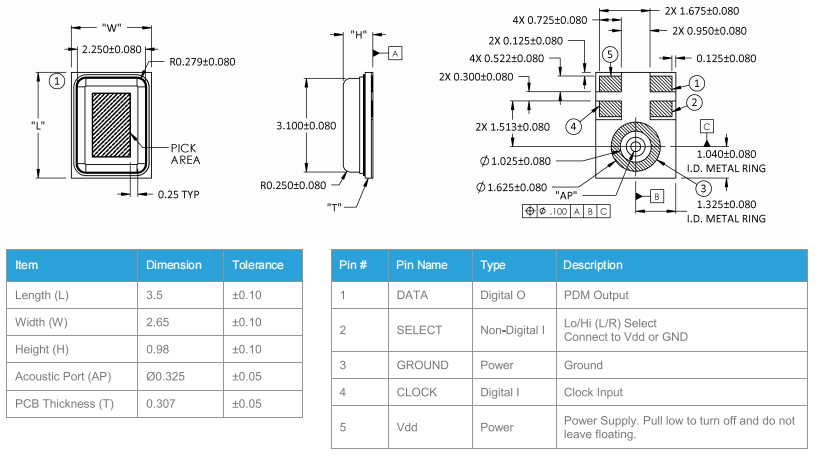
Package
SPH0641LM4H-1 Manufacturer
In mobile communications, consumer electronics, medical technology, and other industrial end markets, Knowles is a market leader and global supplier of sophisticated micro-acoustic, specialty components, and human interface solutions. Knowles' extensive experience and thorough testing ensure that its products, which include speakers and microphones for hearing aids, premium music earphones, communications headsets, and industrial acoustic applications, are continuously trustworthy and precise. Microphones and speakers made by Knowles MEMS (micro-electro-mechanical systems) are widely utilized in smartphones, tablets, notebooks, and other portable devices. All production facilities are ISO -9001 certified, with some also holding ISO-14001 or OHSAS-18001 certifications. Knowles' Quality Management System assures that its products are designed with integrity, manufactured efficiently, and delivered on schedule at a reasonable cost.
Trend Analysis
Datasheet PDF
- Datasheets :
Are MEMS microphones good?
The relatively low output impedance of analog MEMS microphones and the outputs from digital MEMS microphones are ideal for applications in electrically noisy environments. In high vibration environments, the use of MEMS microphone technology can reduce the level of unwanted noise introduced by mechanical vibration.
What is digital MEMS microphone?
Digital MEMS (MicroElectroMechanical System) microphones are components that are used in various consumer devices as well as in automotive and industrial applications. A digital MEMS microphone combines an acoustic sensor as well as an A to D converter on one silicon chip.
What are MEMS microphones used for?
Nowadays, MEMS microphones are not only used to record plain ambient sound, but they support stereo capabilities, active noise cancellation, directivity (through beamforming), voice recognition and other capabilities. These audio features are implemented by multiplying the number of microphones per device.
What is a bottom-port silicon digital microphone with a single-bit PDM output?
SPH0641LM4H-1.
What is the name of the SiSonicTM MEMS technology used by the SPH0641LM4H-1?
Knowles.
What does the SPH0641LM4H-1 have?
Performance settings.
 W25Q32JVSSIQ: Overview, Features, and Applications
07 November 20234411
 Renesas RX21A Group Microcontroller Datasheet Overview
29 February 2024647
 1n4148w Switching Diode: Datasheet, Pinout, Replacements, and 1n4148w vs 1n4148ws
22 April 20226351
 MSP430G2x52 and MSP430G2x12: Ultra-Low-Power Mixed Signal Microcontrollers
28 February 2024148
![The Comprehensive Introduction to TLP521-1XGBSMT&R [Video]](https://res.utmel.com/Images/Article/88fa3264-8ab9-4e12-a9f5-1f99cd6607bd.jpg) The Comprehensive Introduction to TLP521-1XGBSMT&R [Video]
The Comprehensive Introduction to TLP521-1XGBSMT&R [Video]06 January 20232994
 BD437 Transistor: BD437 Pinout, Datasheet, Equivalent
06 April 20224081
 AD8221 Precision Instrumentation Amplifier: High CMRR Performance and Design Guide
25 February 2026641
 ATMEGA328P Microcontroller: Pinout, Datasheet and Application
07 July 202112901
 Network Interface Card: Types, Functions and Buying Guide
17 August 202110795
 Sourcing GaN Power Devices for AI Servers, EVs, and Industrial Applications
10 July 2026166
 How does Lidar Work?
20 April 20219578
 How to Test and Diagnose CAN Bus Transceiver Failures
07 June 20257575
 Comprehensive Introduction to Snapdragon 888
28 June 202116137
 Beginners Guide to FPGA Design
29 December 20211228
 The Development Trends in the Field of Electronic Component Applications
28 July 20235106
 What is a USB Flash Drive?
25 May 20213557
Knowles
In Stock
United States
China
Canada
Japan
Russia
Germany
United Kingdom
Singapore
Italy
Hong Kong(China)
Taiwan(China)
France
Korea
Mexico
Netherlands
Malaysia
Austria
Spain
Switzerland
Poland
Thailand
Vietnam
India
United Arab Emirates
Afghanistan
Åland Islands
Albania
Algeria
American Samoa
Andorra
Angola
Anguilla
Antigua & Barbuda
Argentina
Armenia
Aruba
Australia
Azerbaijan
Bahamas
Bahrain
Bangladesh
Barbados
Belarus
Belgium
Belize
Benin
Bermuda
Bhutan
Bolivia
Bonaire, Sint Eustatius and Saba
Bosnia & Herzegovina
Botswana
Brazil
British Indian Ocean Territory
British Virgin Islands
Brunei
Bulgaria
Burkina Faso
Burundi
Cabo Verde
Cambodia
Cameroon
Cayman Islands
Central African Republic
Chad
Chile
Christmas Island
Cocos (Keeling) Islands
Colombia
Comoros
Congo
Congo (DRC)
Cook Islands
Costa Rica
Côte d’Ivoire
Croatia
Cuba
Curaçao
Cyprus
Czechia
Denmark
Djibouti
Dominica
Dominican Republic
Ecuador
Egypt
El Salvador
Equatorial Guinea
Eritrea
Estonia
Eswatini
Ethiopia
Falkland Islands
Faroe Islands
Fiji
Finland
French Guiana
French Polynesia
Gabon
Gambia
Georgia
Ghana
Gibraltar
Greece
Greenland
Grenada
Guadeloupe
Guam
Guatemala
Guernsey
Guinea
Guinea-Bissau
Guyana
Haiti
Honduras
Hungary
Iceland
Indonesia
Iran
Iraq
Ireland
Isle of Man
Israel
Jamaica
Jersey
Jordan
Kazakhstan
Kenya
Kiribati
Kosovo
Kuwait
Kyrgyzstan
Laos
Latvia
Lebanon
Lesotho
Liberia
Libya
Liechtenstein
Lithuania
Luxembourg
Macao(China)
Madagascar
Malawi
Maldives
Mali
Malta
Marshall Islands
Martinique
Mauritania
Mauritius
Mayotte
Micronesia
Moldova
Monaco
Mongolia
Montenegro
Montserrat
Morocco
Mozambique
Myanmar
Namibia
Nauru
Nepal
New Caledonia
New Zealand
Nicaragua
Niger
Nigeria
Niue
Norfolk Island
North Korea
North Macedonia
Northern Mariana Islands
Norway
Oman
Pakistan
Palau
Palestinian Authority
Panama
Papua New Guinea
Paraguay
Peru
Philippines
Pitcairn Islands
Portugal
Puerto Rico
Qatar
Réunion
Romania
Rwanda
Samoa
San Marino
São Tomé & Príncipe
Saudi Arabia
Senegal
Serbia
Seychelles
Sierra Leone
Sint Maarten
Slovakia
Slovenia
Solomon Islands
Somalia
South Africa
South Sudan
Sri Lanka
St Helena, Ascension, Tristan da Cunha
St. Barthélemy
St. Kitts & Nevis
St. Lucia
St. Martin
St. Pierre & Miquelon
St. Vincent & Grenadines
Sudan
Suriname
Svalbard & Jan Mayen
Sweden
Syria
Tajikistan
Tanzania
Timor-Leste
Togo
Tokelau
Tonga
Trinidad & Tobago
Tunisia
Turkey
Turkmenistan
Turks & Caicos Islands
Tuvalu
U.S. Outlying Islands
U.S. Virgin Islands
Uganda
Ukraine
Uruguay
Uzbekistan
Vanuatu
Vatican City
Venezuela
Wallis & Futuna
Yemen
Zambia
Zimbabwe
![SPH0645LM4H-B]() SPH0645LM4H-B
SPH0645LM4H-BKnowles
![EM-23369-C36]() EM-23369-C36
EM-23369-C36Knowles
![EK-26597-C36]() EK-26597-C36
EK-26597-C36Knowles
![SPH1642HT5H-1]() SPH1642HT5H-1
SPH1642HT5H-1Knowles
![EM-23069-000]() EM-23069-000
EM-23069-000Knowles
![SPK0415HM4H-B-7]() SPK0415HM4H-B-7
SPK0415HM4H-B-7Knowles
![SPK0838HT4H-B]() SPK0838HT4H-B
SPK0838HT4H-BKnowles
![EA-21986-000]() EA-21986-000
EA-21986-000Knowles
![EK-23142-000]() EK-23142-000
EK-23142-000Knowles
![EA-21842-C36]() EA-21842-C36
EA-21842-C36Knowles


