Product
 Brand
Brand Articles
 Tools
Tools
New Technology Helps Detect and Prevent Automated Browsing
Access to this page has been denied due to suspicions of automated browsing. As technology advances, so do the methods used by individuals and organizations to bypass security measures. In an effort to combat this issue, a new technology has been developed to detect and prevent automated browsing. Automated browsing refers to the use of software or scripts to browse websites without human intervention. This can be done for various reasons, such as data scraping, spamming, or launching cyberattacks. It poses a significant threat to website owners, as it can lead to unauthorized access, data breaches, and compromised user experiences. The new technology, developed by PerimeterX, Inc., is designed to identify and block automated browsing attempts in real-time. It utilizes advanced algorithms and machine learning techniques to analyze user behavior and distinguish between human and automated interactions. One of the key features of this technology is its ability to detect and mitigate the use of automation tools, such as ad blockers or extensions that block JavaScript or cookies. By doing so, it ensures that only legitimate human users can access the website. To achieve this, the technology analyzes various factors, including mouse movements, keyboard inputs, scrolling patterns, and page load times. It creates a unique user profile for each visitor and compares it with known patterns of automated browsing. If any suspicious activity is detected, the technology can prompt additional verification steps, such as CAPTCHA challenges or two-factor authentication. Website owners can integrate this technology into their existing security infrastructure to enhance their defenses against automated browsing. By implementing this solution, they can protect their websites from malicious activities, safeguard user data, and improve overall website performance. The need for such technology has become increasingly evident in recent years, as automated browsing continues to pose a significant threat to online security. According to a report by PerimeterX, automated browsing accounted for over 40% of all web traffic in 2020, highlighting the scale of the problem. In addition to the security benefits, the technology also offers potential business advantages. By preventing automated browsing, website owners can ensure that their content and services are accessed by genuine users, leading to better user engagement, increased conversion rates, and improved customer satisfaction. As the threat landscape evolves, it is crucial for organizations to stay ahead of the curve and adopt innovative solutions to protect their online assets. The development of this technology marks a significant milestone in the ongoing battle against automated browsing. With its advanced capabilities and real-time detection capabilities, it has the potential to revolutionize the way websites defend against automated browsing and ensure a safer online experience for all users. In conclusion, the new technology developed by PerimeterX, Inc. offers a promising solution to the growing problem of automated browsing. By leveraging advanced algorithms and machine learning, it can effectively detect and prevent automated browsing attempts, protecting websites from unauthorized access and data breaches. With its potential to enhance security and improve business outcomes, this technology is set to play a crucial role in the future of online security.
 UTMEL
UTMEL
We are the professional distributor of electronic components, providing a large variety of products to save you a lot of time, effort, and cost with our efficient self-customized service. careful order preparation fast delivery service
 Power Semiconductor Procurement After the Nexperia Shake-Up—NXP for Stability, ON for Technology, or Nexperia for Value?UTMEL04 November 20254811
The recent supply chain turmoil surrounding Netherlands-based Nexperia has sent shockwaves through the global semiconductor industry, forcing procurement professionals to re-evaluate their sourcing strategies.
Read More AI Computing Power Gap: How Token Consumption is Reshaping Server Component SourcingUTMEL23 June 2026889
As global token consumption drives the transition to high-density 100kW+ AI data centers, power delivery networks require advanced Wide-Bandgap semiconductors (SiC/GaN) and high-capacitance MLCCs. This shift has triggered a component procurement crisis with lead times exceeding 24 weeks. To bypass shortages, hardware buyers must abandon just-in-time manufacturing and leverage independent global distributor networks to secure critical power and passive components.
Read More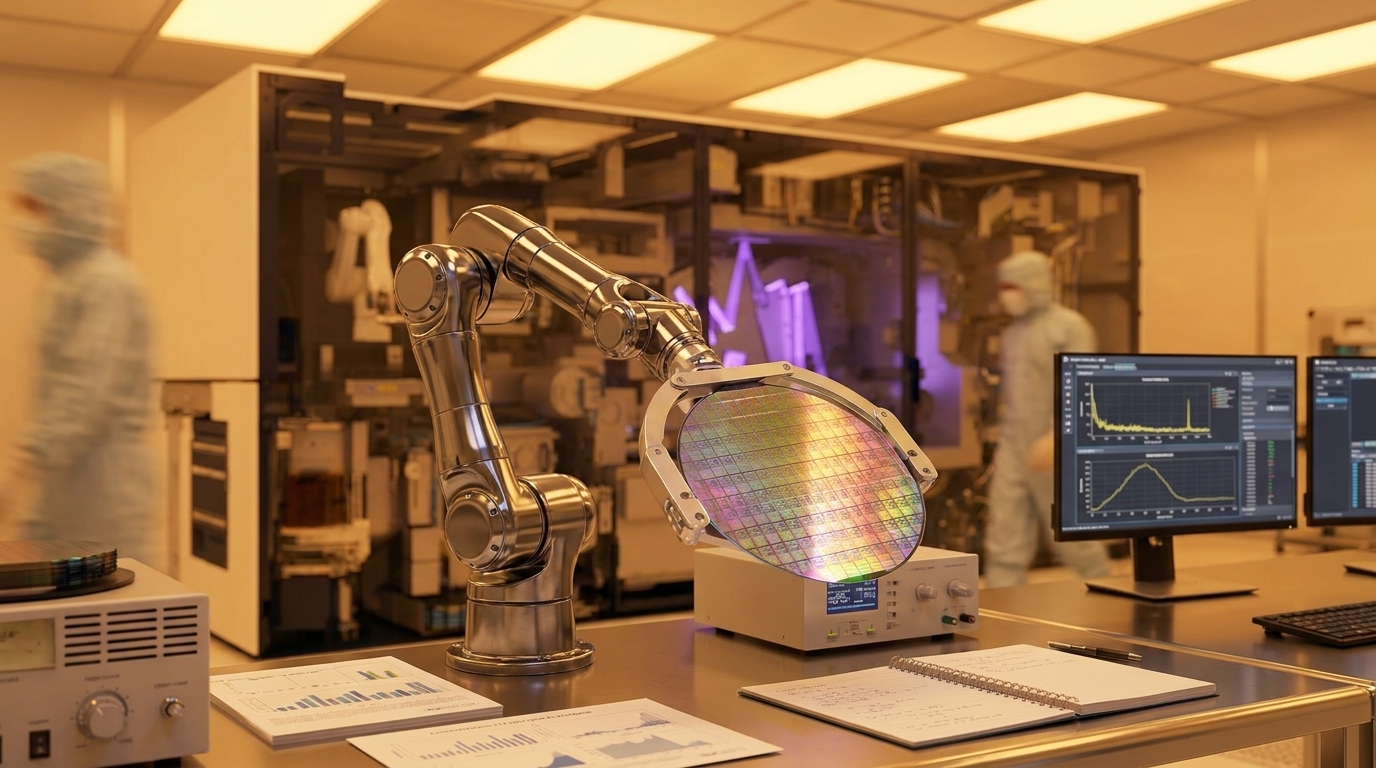 The BSPDN Revolution: Overcoming IR Drop in Sub-2nm GAAFET Nodes with Backside Power DeliveryUTMEL25 June 2026797
As semiconductor manufacturing enters the sub-2nm era, Backside Power Delivery Networks (BSPDN) are replacing traditional front-side routing to overcome critical IR drop bottlenecks. By separating power and signal delivery, chipmakers like Intel and TSMC drastically improve performance and density in GAAFET designs. However, this radical shift introduces manufacturing complexities, thermal challenges, and demands advanced packaging and power management solutions.
Read More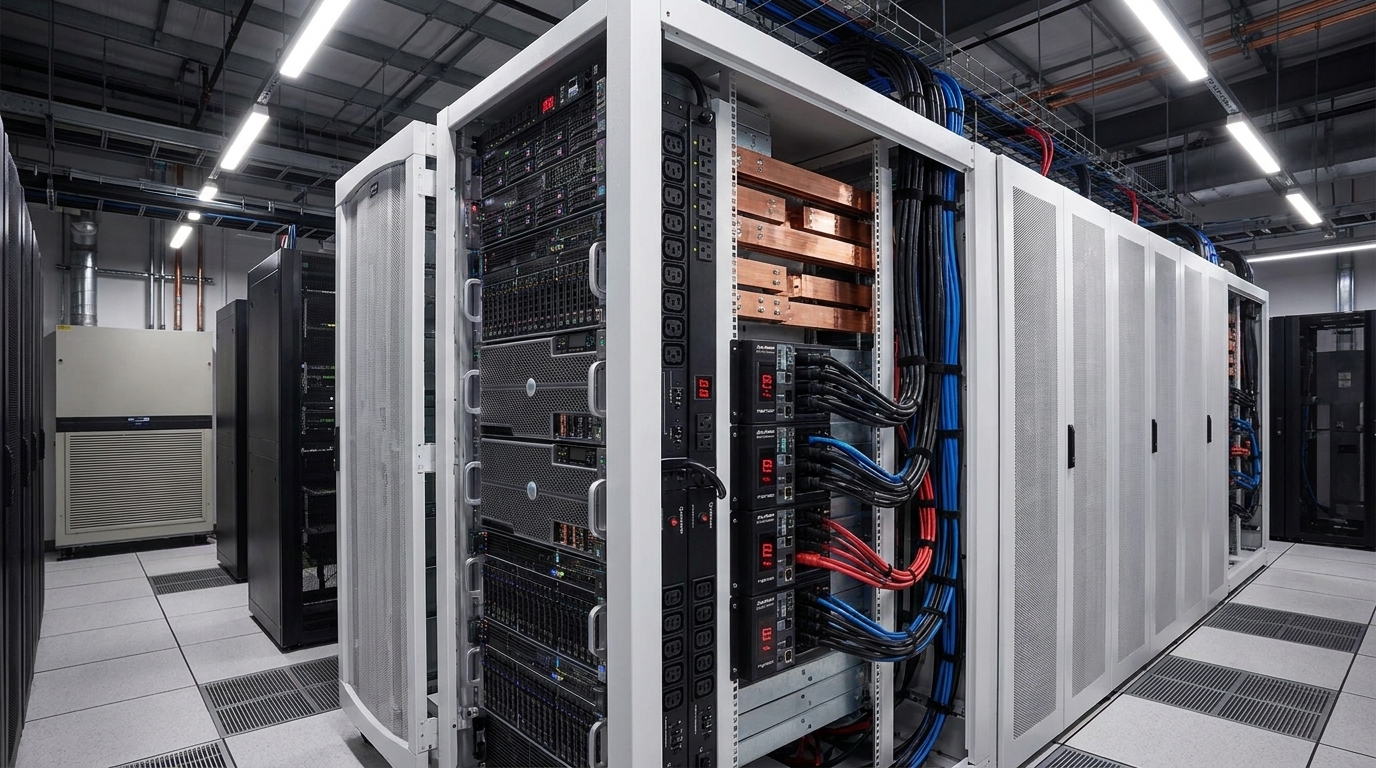 Power Management ICs Trends 2026: AI Demand, Supply Risks, and Sourcing StrategiesUTMEL06 July 20261266
As AI server racks surpass 100kW by 2026, data centers are shifting toward wide-bandgap semiconductors like SiC and GaN. However, this demand has triggered a critical shortage of mature-node Power Management ICs (PMICs). To prevent production halts, sourcing teams must abandon 'just-in-time' models, implement proactive 'just-in-case' strategies, and rapidly qualify pin-to-pin alternative components to secure their supply chains.
Read More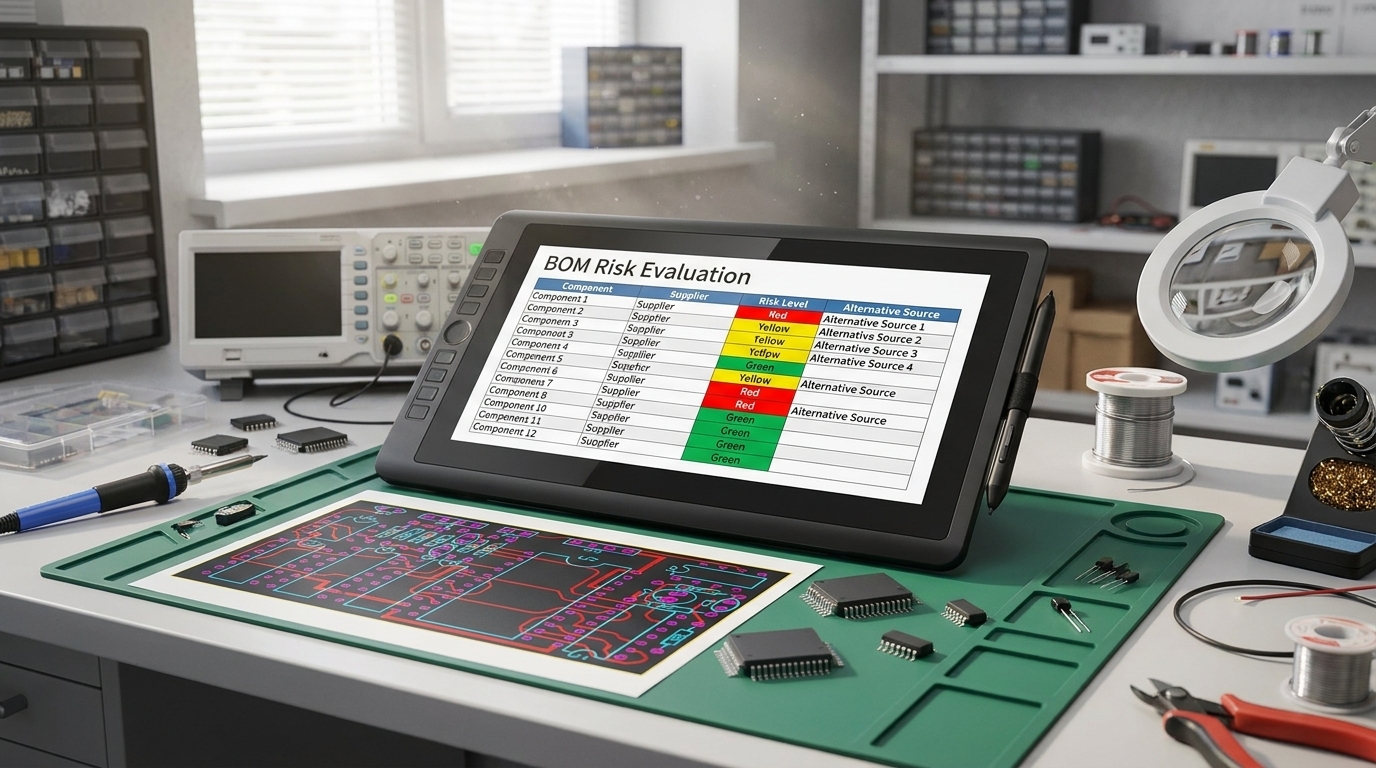 onsemi Synaptics Acquisition Impact: BOM Risk Checklist and Second-Source Strategy for Edge AI DesignsUTMEL27 July 2026287
The onsemi acquisition of Synaptics provides hardware program managers a 12-to-18-month window before potential product cancellations occur in mid-2027. This guide outlines how to audit BOM exposure across overlap and non-core product lines, calculate Last-Time-Buy volumes including hidden storage costs, establish proactive second-sourcing triggers, and implement supply chain monitoring to prevent line-down events.
Read More
Subscribe to Utmel !
![BLM15BD102SN1D]() BLM15BD102SN1D
BLM15BD102SN1DMurata Electronics
![H050X034H1T]() H050X034H1T
H050X034H1TPanduit Corp
![EMPLUS-CD]() EMPLUS-CD
EMPLUS-CDPanduit Corp
![03420014H]() 03420014H
03420014HLittelfuse Inc.
![10207101009]() 10207101009
10207101009Littelfuse Inc.
![BLM03AX601SZ1D]() BLM03AX601SZ1D
BLM03AX601SZ1DMurata Electronics
![74AHC74D,118]() 74AHC74D,118
74AHC74D,118Nexperia USA Inc.
![02540101Z]() 02540101Z
02540101ZLittelfuse Inc.
![CJ25-82010]() CJ25-82010
CJ25-82010Nidec Copal Electronics
![409775-1]() 409775-1
409775-1TE Application Tooling