

 Product
 Brand
Brand Articles
 Tools
Tools
43025-0400 Dual Row 4 Circuits UL 94V-0 Low-Halogen: Datasheet, Equivalents, and Drawing

MOLEX - 43025-0400 - Connector Housing, Dual Row, Micro-Fit 3.0 43025 Series, Receptacle, 4 Ways, 3 mm
Unit Price: $0.142126
Ext Price: $0.14


MOLEX - 43025-0400 - Connector Housing, Dual Row, Micro-Fit 3.0 43025 Series, Receptacle, 4 Ways, 3 mm
The 43025-0400 offers up to 8.5A with a 3.00mm pitch, delivering power in a compact package in wire-to-wire and wire-to-board configurations. This article is going to introduce pinout, applications, features, and more details about 43025-0400.

43025-0400 +LIYY 4-0.25 wire hanress.mp4
Overview of 43025-0400
The 43025-0400 offers up to 8.5A with a 3.00mm pitch, delivering power in a compact package in wire-to-wire and wire-to-board configurations. OEMs often need power connectors in space-constrained applications.
Micro-Fit 3.0 Blind-Mate Interface (BMI) Connectors are designed for blind-mating applications. They allow mating misalignment (per product drawing). In hard-to-reach applications, such as drawers or fan assembly trays, connectors need to be mated and unmated without being seen. Doing so can cause damage to the connector and/or terminal and consume valuable labor time.
The 43025-0400 helps prevent failure in end products by offering terminal position assurance (TPA). The TPA reduces terminal back-out by providing locking redundancy; assemblers cannot insert the TPA unless the terminal is properly inserted.
43025-0400 Features and Benefits
• Housings are black in color
• Positive locking for a secure connection
• Fully polarised which prevents mismating and misalignment
• Some products within the 43020 series feature mounting ears which enable them to be used in panel mount applications
• Dual Row
• Low Halogen
• Wire to wire and wire to board
Specifications
- TypeParameter
- Factory Lead Time7 Weeks
- Contact Plating
Contact plating (finish) provides corrosion protection for base metals and optimizes the mechanical and electrical properties of the contact interfaces.
Tin - Mount
In electronic components, the term "Mount" typically refers to the method or process of physically attaching or fixing a component onto a circuit board or other electronic device. This can involve soldering, adhesive bonding, or other techniques to secure the component in place. The mounting process is crucial for ensuring proper electrical connections and mechanical stability within the electronic system. Different components may have specific mounting requirements based on their size, shape, and function, and manufacturers provide guidelines for proper mounting procedures to ensure optimal performance and reliability of the electronic device.
Cable, Free Hanging - Material
In electronic components, the parameter "Material" refers to the substance or material used in the construction of the component. The choice of material is crucial as it directly impacts the component's performance, durability, and other characteristics. Different materials have varying properties such as conductivity, resistance to heat, corrosion resistance, and mechanical strength, which determine how the component functions in a circuit. Common materials used in electronic components include metals like copper and aluminum, semiconductors like silicon, insulators like ceramics and plastics, and various alloys. Selecting the appropriate material is essential for designing reliable and efficient electronic components.
Polyester - Contact MaterialsBronze, Tin
- Packaging
Semiconductor package is a carrier / shell used to contain and cover one or more semiconductor components or integrated circuits. The material of the shell can be metal, plastic, glass or ceramic.
Bulk - Published2006
- Pbfree Code
The "Pbfree Code" parameter in electronic components refers to the code or marking used to indicate that the component is lead-free. Lead (Pb) is a toxic substance that has been widely used in electronic components for many years, but due to environmental concerns, there has been a shift towards lead-free alternatives. The Pbfree Code helps manufacturers and users easily identify components that do not contain lead, ensuring compliance with regulations and promoting environmentally friendly practices. It is important to pay attention to the Pbfree Code when selecting electronic components to ensure they meet the necessary requirements for lead-free applications.
yes - Part Status
Parts can have many statuses as they progress through the configuration, analysis, review, and approval stages.
Active - Termination
Termination in electronic components refers to the practice of matching the impedance of a circuit to prevent signal reflections and ensure maximum power transfer. It involves the use of resistors or other components at the end of transmission lines or connections. Proper termination is crucial in high-frequency applications to maintain signal integrity and reduce noise.
Crimp - Connector Type
Connector Type in electronic components refers to the specific design and configuration of the connector used to establish electrical connections between different devices or components. This parameter describes the physical shape, size, and layout of the connector, as well as the number and arrangement of pins or contacts. Common connector types include USB, HDMI, RJ45, and D-sub connectors, each serving different purposes and applications. Understanding the connector type is crucial for ensuring compatibility and proper functionality when connecting electronic devices together.
Power, Rectangular - Max Operating Temperature
The Maximum Operating Temperature is the maximum body temperature at which the thermistor is designed to operate for extended periods of time with acceptable stability of its electrical characteristics.
105°C - Min Operating Temperature
The "Min Operating Temperature" parameter in electronic components refers to the lowest temperature at which the component is designed to operate effectively and reliably. This parameter is crucial for ensuring the proper functioning and longevity of the component, as operating below this temperature may lead to performance issues or even damage. Manufacturers specify the minimum operating temperature to provide guidance to users on the environmental conditions in which the component can safely operate. It is important to adhere to this parameter to prevent malfunctions and ensure the overall reliability of the electronic system.
-40°C - ColorBlack
- Number of Rows2
- Additional Feature
Any Feature, including a modified Existing Feature, that is not an Existing Feature.
MICRO-FIT 3.0, POLARIZED - Voltage - Rated DC
Voltage - Rated DC is a parameter that specifies the maximum direct current (DC) voltage that an electronic component can safely handle without being damaged. This rating is crucial for ensuring the proper functioning and longevity of the component in a circuit. Exceeding the rated DC voltage can lead to overheating, breakdown, or even permanent damage to the component. It is important to carefully consider this parameter when designing or selecting components for a circuit to prevent any potential issues related to voltage overload.
250V - MIL Conformance
MIL Conformance refers to the compliance of electronic components with military standards set by the Department of Defense. These standards define rigorous requirements for reliability, performance, and durability under extreme conditions. Components that meet MIL Conformance are often used in defense, aerospace, and other critical applications where failure is not an option. Adherence to these standards ensures that the components can withstand harsh environments, such as extreme temperatures, vibrations, and humidity.
NO - DIN Conformance
DIN Conformance refers to the compliance of an electronic component with the standards set by the Deutsches Institut für Normung (DIN), which is the German Institute for Standardization. DIN standards cover a wide range of technical specifications and requirements for various products, including electronic components. When a component is labeled as DIN-conformant, it means that it meets the specific criteria outlined by DIN for factors such as dimensions, materials, performance, and safety. Ensuring DIN conformance helps to guarantee interoperability, quality, and reliability of electronic components in various applications and industries. Manufacturers often adhere to DIN standards to demonstrate the quality and reliability of their products to customers and to ensure compatibility with other DIN-compliant devices.
NO - IEC Conformance
IEC Conformance refers to the compliance of electronic components with standards set by the International Electrotechnical Commission (IEC). These standards ensure that the components meet specific safety, performance, and interoperability criteria. Adhering to IEC conformance helps manufacturers produce reliable and compatible products, facilitating international trade and promoting consumer safety. Components that conform to IEC standards are often preferred in global markets due to their quality assurance and regulatory acceptance.
NO - Filter Feature
In electronic components, the "Filter Feature" parameter refers to the capability of a component to filter or block certain frequencies of signals while allowing others to pass through. Filters are used to remove unwanted noise or interference from a signal, ensuring that only the desired frequencies are transmitted or received. The filter feature can be implemented using various techniques such as capacitors, inductors, resistors, or active components like operational amplifiers. Different types of filters, such as low-pass, high-pass, band-pass, and band-stop filters, are designed to cater to specific frequency ranges and applications. Overall, the filter feature plays a crucial role in maintaining signal integrity and improving the performance of electronic circuits.
NO - Mixed Contacts
In electronic components, "Mixed Contacts" refers to a type of contact arrangement where different types of contacts are used within the same component. This can include a combination of different contact materials, such as gold-plated contacts for signal transmission and silver-plated contacts for power connections. Mixed contacts can also refer to a combination of different contact styles, such as pin contacts and socket contacts within the same component.The use of mixed contacts allows for optimized performance and reliability in electronic components by leveraging the specific advantages of each contact type. For example, gold-plated contacts offer excellent conductivity and corrosion resistance, while silver-plated contacts provide high current-carrying capacity. By incorporating mixed contacts, manufacturers can tailor the component to meet the specific requirements of the application, ensuring efficient and reliable operation.
NO - OptionGENERAL PURPOSE
- Pitch
In electronic components, "Pitch" refers to the distance between the center of one pin or lead to the center of the adjacent pin or lead on a component, such as an integrated circuit (IC) or a connector. It is a crucial parameter as it determines the spacing and alignment of the pins or leads on a component, which in turn affects how the component can be mounted on a circuit board or connected to other components.The pitch measurement is typically expressed in millimeters (mm) or inches (in) and plays a significant role in determining the overall size and layout of a circuit board. Components with different pitches may require specific types of circuit boards or connectors to ensure proper alignment and connection. Designers must carefully consider the pitch of components when designing circuit layouts to ensure compatibility and proper functionality of the electronic system.
3mm - Total Number of Contacts4
- Orientation
In electronic components, the parameter "Orientation" refers to the specific alignment or positioning of the component with respect to its intended installation or operation. This parameter is crucial for ensuring proper functionality and performance of the component within a circuit or system. Orientation may include factors such as the physical orientation of the component on a circuit board, the direction of current flow through the component, or the alignment of specific features or terminals for correct connection. Manufacturers often provide orientation guidelines in datasheets or technical specifications to help users correctly install and use the component. Paying attention to the orientation of electronic components is essential to prevent errors, ensure reliability, and optimize the overall performance of electronic devices.
Straight - Depth
In electronic components, "Depth" typically refers to the measurement of the distance from the front to the back of the component. It is an important parameter to consider when designing or selecting components for a project, as it determines how much space the component will occupy within a circuit or device. The depth of a component can impact the overall size and layout of the circuit board or enclosure in which it will be installed. It is usually specified in millimeters or inches and is crucial for ensuring proper fit and functionality within the intended application.
14mm - Current Rating
Current rating is the maximum current that a fuse will carry for an indefinite period without too much deterioration of the fuse element.
5A - Number of ConductorsONE
- Reference Standard
In the context of electronic components, the term "Reference Standard" typically refers to a specific set of guidelines, specifications, or requirements that serve as a benchmark for evaluating the quality, performance, and characteristics of the component. These standards are established by organizations such as the International Electrotechnical Commission (IEC), the Institute of Electrical and Electronics Engineers (IEEE), or specific industry bodies.Reference standards help ensure consistency and interoperability among different components, as they provide a common framework for manufacturers, designers, and users to adhere to. They outline parameters such as electrical properties, mechanical dimensions, environmental conditions, and safety considerations that the component must meet to be considered compliant.By referencing these standards, manufacturers can design and produce components that meet industry-recognized criteria, which in turn helps users select the right components for their applications with confidence. Adhering to reference standards also facilitates regulatory compliance and promotes overall quality and reliability in electronic systems.
UL - Voltage - Rated AC
Voltage - Rated AC is a parameter that specifies the maximum alternating current (AC) voltage that an electronic component can safely handle without being damaged. This rating is crucial for ensuring the proper functioning and longevity of the component within an electrical circuit. It is typically expressed in volts (V) and helps users determine the compatibility of the component with the voltage levels present in the circuit. Exceeding the rated AC voltage can lead to overheating, malfunction, or permanent damage to the component, so it is important to adhere to this specification when designing or using electronic systems.
250V - Reliability
Reliability in electronic components refers to the ability of a component to perform its required functions under stated conditions for a specified period of time. It is a measure of the likelihood that a component will not fail during its intended lifespan. High reliability indicates that the component is less likely to experience unexpected failures, which is crucial for maintaining the overall performance and safety of electronic systems. Factors affecting reliability include material quality, manufacturing processes, and environmental conditions.
COMMERCIAL - Approval Agency
The parameter "Approval Agency" in electronic components refers to the organization responsible for testing and certifying that a component meets specific safety, quality, and performance standards. These agencies evaluate products to ensure compliance with industry regulations and standards, providing assurance to manufacturers and consumers. Approval from recognized agencies can enhance a component's marketability and acceptance in various applications, particularly in sectors like automotive, aerospace, and healthcare. Common approval agencies include Underwriters Laboratories (UL), International Electrotechnical Commission (IEC), and the American National Standards Institute (ANSI).
CSA, TUV, UL - Contact Gender
Contact Gender in electronic components refers to the physical characteristics of the electrical contacts within a connector or terminal block. It indicates whether the contact is male or female, which determines how the connectors can be mated together. Male contacts typically have protruding pins or plugs, while female contacts have receptacles or sockets to receive the male contacts. Matching the correct contact genders is crucial for ensuring proper electrical connections and preventing damage to the components. Manufacturers often specify the contact gender of their components to facilitate compatibility and ease of use in electronic systems.
Female - Contact Style
The parameter "Contact Style" in electronic components refers to the specific design and arrangement of the contact points that enable electrical connection in various devices. It dictates how components interface with each other, affecting factors such as reliability, durability, and performance. Different contact styles can include configurations like pin, socket, blade, or surface mount, each designed to cater to specific applications and requirements in circuit assembly.
SQ PIN-SKT - Contact Resistance
Contact resistance refers to the resistance encountered at the point of contact between two conductive materials or components. It is a measure of how well the two materials make electrical contact with each other. High contact resistance can lead to voltage drops, power losses, and inefficient electrical connections. It is typically measured in ohms and is an important parameter to consider in electronic components such as connectors, switches, and relays. Lower contact resistance is desirable for ensuring reliable and efficient electrical connections in electronic circuits.
10mOhm - Insulation Resistance
The measurement of insulation resistance is carried out by means of a megohmmeter – high resistance range ohmmeter. A general rule-of-thumb is 10 Megohm or more.
1GOhm - Body/Shell Style
The parameter "Body/Shell Style" in electronic components refers to the physical design or shape of the outer casing or enclosure of the component. It is an important characteristic that helps in identifying and categorizing different types of components based on their form factor. The body/shell style can vary greatly depending on the specific component and its intended use, ranging from simple rectangular shapes to more complex designs with specific features for mounting, connecting, or protecting the internal components. Understanding the body/shell style of electronic components is crucial for proper installation, compatibility, and overall functionality within electronic circuits and systems.
RECEPTACLE - Number of Circuits4
- Max Voltage Rating (AC)
The parameter "Max Voltage Rating (AC)" in electronic components refers to the maximum alternating current (AC) voltage that the component can safely handle without being damaged. This rating is important for ensuring the component's longevity and reliability in a circuit. Exceeding the maximum voltage rating can lead to overheating, breakdown, or even permanent damage to the component. It is crucial to select components with voltage ratings that are suitable for the intended application to prevent malfunctions or safety hazards in the circuit.
600V - Number of Poles4
- Max Voltage Rating (DC)
The parameter "Max Voltage Rating (DC)" in electronic components refers to the maximum direct current (DC) voltage that the component can safely handle without being damaged. This rating is crucial for ensuring the proper functioning and longevity of the component within an electrical circuit. Exceeding the maximum voltage rating can lead to breakdown or failure of the component, potentially causing damage to the entire circuit. It is important to carefully consider and adhere to the specified max voltage rating when designing or working with electronic circuits to prevent any potential risks or malfunctions.
600.6kV - Halogen Free
The term "Halogen Free" in electronic components refers to a specific characteristic of the materials used in the manufacturing of the component. Halogens are a group of elements that include fluorine, chlorine, bromine, iodine, and astatine. These elements are commonly used in flame retardants and other materials in electronics. However, the presence of halogens can pose environmental and health risks when the components are disposed of or recycled.Therefore, electronic components labeled as "Halogen Free" are manufactured without the use of halogenated materials. This designation indicates that the components do not contain any halogens, making them safer for the environment and human health. Halogen-free components are becoming increasingly popular in the electronics industry due to the growing awareness of environmental concerns and regulations regarding hazardous substances in electronic products.
Low Halogen - Glow Wire Compliant
The term "Glow Wire Compliant" refers to a standard that electronic components must meet to ensure their safety in case of overheating or fire. The glow wire test is a method used to assess the fire hazard of electrical components by subjecting them to a hot wire ignition source. Components that are Glow Wire Compliant have been tested and certified to withstand a specified temperature without catching fire or spreading flames. This compliance helps ensure that the components will not contribute to the spread of fires in electrical devices or systems, making them safer for use in various applications.
Non-compliant - Voltage - Working
Voltage - Working is a parameter that specifies the maximum voltage that an electronic component can safely operate at without being damaged. It is crucial to adhere to this specification to prevent overloading the component and causing it to fail. Exceeding the working voltage can lead to electrical breakdown, insulation failure, or even permanent damage to the component. Manufacturers provide this information to ensure proper usage and to help users select components that are compatible with their intended application. It is important to always check and adhere to the specified working voltage to ensure the reliability and longevity of electronic components.
250V - Length6.85mm
- Width11.56mm
- REACH SVHC
The parameter "REACH SVHC" in electronic components refers to the compliance with the Registration, Evaluation, Authorization, and Restriction of Chemicals (REACH) regulation regarding Substances of Very High Concern (SVHC). SVHCs are substances that may have serious effects on human health or the environment, and their use is regulated under REACH to ensure their safe handling and minimize their impact.Manufacturers of electronic components need to declare if their products contain any SVHCs above a certain threshold concentration and provide information on the safe use of these substances. This information allows customers to make informed decisions about the potential risks associated with using the components and take appropriate measures to mitigate any hazards.Ensuring compliance with REACH SVHC requirements is essential for electronics manufacturers to meet regulatory standards, protect human health and the environment, and maintain transparency in their supply chain. It also demonstrates a commitment to sustainability and responsible manufacturing practices in the electronics industry.
Unknown - Radiation Hardening
Radiation hardening is the process of making electronic components and circuits resistant to damage or malfunction caused by high levels of ionizing radiation, especially for environments in outer space (especially beyond the low Earth orbit), around nuclear reactors and particle accelerators, or during nuclear accidents or nuclear warfare.
No - RoHS Status
RoHS means “Restriction of Certain Hazardous Substances” in the “Hazardous Substances Directive” in electrical and electronic equipment.
RoHS Compliant - Flammability Rating
The Flammability Rating of electronic components refers to the material's ability to resist catching fire or burning when exposed to heat or flames. It is an important safety consideration in electronic design and manufacturing, especially for components that may be used in environments where fire hazards are a concern. The rating is typically expressed using a standardized scale, such as UL94, which classifies materials based on their flammability characteristics. Components with higher flammability ratings are more resistant to ignition and contribute to overall fire safety in electronic devices. It is crucial to select components with appropriate flammability ratings to ensure the reliability and safety of electronic products.
UL94 V-0 - Lead Free
Lead Free is a term used to describe electronic components that do not contain lead as part of their composition. Lead is a toxic material that can have harmful effects on human health and the environment, so the electronics industry has been moving towards lead-free components to reduce these risks. Lead-free components are typically made using alternative materials such as silver, copper, and tin. Manufacturers must comply with regulations such as the Restriction of Hazardous Substances (RoHS) directive to ensure that their products are lead-free and environmentally friendly.
Lead Free
43025-0400 Drawing

43025-0400 Drawing
43025-0400 3D Model
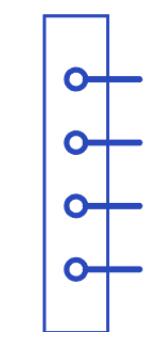
43025-0400 Symbol
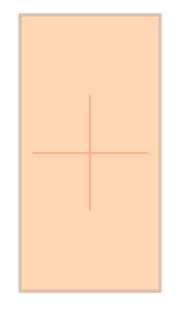
43025-0400 Footprint
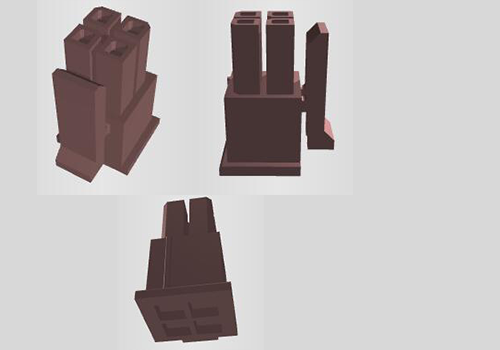
43025-0400 3D Model
43025-0400 Application
Alternative Energy
Automotive
Communications & Networking
Consumer Electronics
Medical
43025-0400 Equivalents
| 43025-0200 | 43025-0800 | 43025-1600 | 43025-0600 | |
| Description | Rectangular Connectors Housings MOLEX43025-0200 CONNECTOR HOUSING, RCPT, 2POS | Rectangular Connectors - Housings MOLEX 43025-0800Connector Housing, Dual Row, Micro-Fit 3.0 Series, 8 Ways, 3 mm | Rectangular Connectors - Housings Headers & Wire Housings RECEPTACLE 16P DUAL ROW | Rectangular Connectors Housings MOLEX - 43025-0600 - Connector Housing Dual Row, Micro-Fit 3.0 43025 Series, Receptacle, 6 Ways, 3 mm |
| Images | 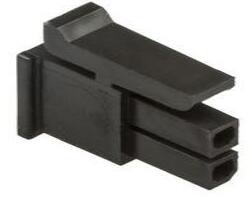 | 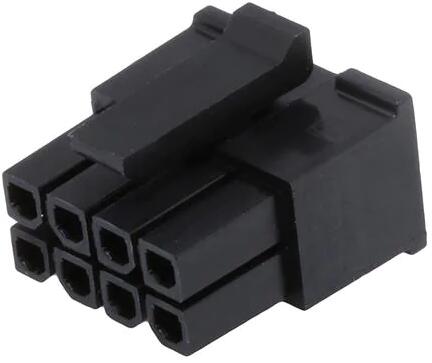 | 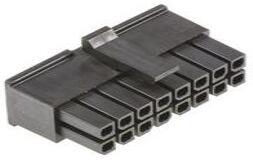 | 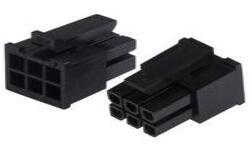 |
43025-0400 Package inbformation

43025-0400 Package information
43025-0400 Manufacturer
As a leading global supplier of electronic interconnects, Molex is focused on designing and developing innovative solutions critical to products that touch virtually every walk of life. Our portfolio is among the world’s largest with over 100,000 products, including everything from electrical and fiber optic interconnect solutions to switches and application tooling. Molex serves customers in a variety of industries, including telecom, datacom, computer/peripheral, automotive, premise wiring, industrial, consumer, medical and military markets. And because we have the highest levels of R&D investment in our industry, Molex is known for providing a continuous flow of innovation in areas such as high-speed signal integrity, miniaturization, higher power delivery, optical signal transmission, and sealed harsh-environment connectivity. For over 70 years, our focus has been on providing advanced products that meet tomorrow’s needs, today.
Datasheet PDF
- Datasheets :
43025-0400-GC-Electronics-datasheet-7588231.pdf
43025-0400-wefTHX6u-roNAG4O5q.pdf
43025-0400-Molex-datasheet-13764764.pdf
43025-0400-GC-Electronics-datasheet-124464.pdf
43025-0400-Molex-datasheet-21539115.pdf
43025-0400-Molex-datasheet-23709795.pdf
0430250400-Molex-datasheet-11969621.pdf
430250400-Molex-datasheet-119929.pdf
43025-0400-GC-Electronics-datasheet-8837033.pdf
43025-0400-Molex-datasheet-138897712.pdf
43025-0400-GC-Electronics-datasheet-47621.pdf
- TechnicalDrawing :
- RohsStatement :
Popularity by Region
Parts with Similar Specs
How many rows of 43025-0400?
2 Rows.
What’s the operating temperature of 43025-0400?
-40°C~105°C TA.
 ATMEGA2560-16AU Microcontroller: Features, Pinout, and Datasheet
24 February 202213753
 ATmega8A 8-bit microcontroller: ATmega8A, Pinout, Datasheet
23 December 202113288
 DRV8835 IC: Pinout, Feature and Application
03 August 20214531
 TL084CN Operational Amplifier: Pinout, Equivalent, Application
24 August 202123253
 Intel EP1C12Q240C8N FPGA: Key Features and Applications
07 June 2025206
 Exploring the Microchip PIC24F08KL301ESO Microcontroller: A Holistic Analysis
29 February 2024176
 ATMEGA168 Microcontrollers: Features, Pinout, and Datasheet
07 December 20219445
 A Comprehensive Guide to GOLDELOX Microcontroller by 4D Systems Pty Ltd
07 March 2024321
 What Is a Safety Capacitor? Class X vs Class Y on the AC Line
14 July 202633817
 Introduction to the Types of SDRAM
13 July 202114719
 Introduction to 6 Common Power Supply Design Circuits
09 April 20226475
 Battery Charger IC Guide
16 February 202212260
 Semiconductor Devices: Impact on IoT and Modern Communication (Part-1)
22 July 20242696
 Introduction to Synchronous Counter and Asynchronous Counter
31 March 202518613
 Basic Introduction to Color Sensor
07 January 202614328
 What is Inertial Measurement Unit (IMU)?
15 October 202510644
Molex
In Stock: 90200
Minimum: 1 Multiples: 1
Qty
Unit Price
Ext Price
1
$0.142126
$0.14
500
$0.104504
$52.25
1000
$0.087087
$87.09
2000
$0.079896
$159.79
5000
$0.074669
$373.34
10000
$0.069460
$694.60
15000
$0.067176
$1,007.64
50000
$0.066053
$3,302.65
Not the price you want? Send RFQ Now and we'll contact you ASAP.
Inquire for More Quantity
![39-01-2105]() 39-01-2105
39-01-2105Molex
![51090-0200]() 51090-0200
51090-0200Molex
![43025-0800]() 43025-0800
43025-0800Molex
![43025-0600]() 43025-0600
43025-0600Molex
![39-01-2080]() 39-01-2080
39-01-2080Molex
![51021-0600]() 51021-0600
51021-0600Molex
![43645-0200]() 43645-0200
43645-0200Molex
![39-01-2020]() 39-01-2020
39-01-2020Molex
![22-01-3027]() 22-01-3027
22-01-3027Molex


