

 Product
 Brand
Brand Articles
 Tools
Tools
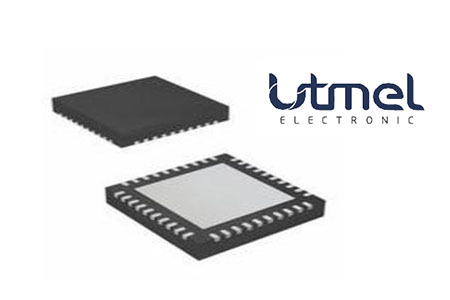
CS43131 High-Performance DAC, 32-Bit Audio D/A Converters and Pinout


DAC Voltage - Unbuffered Surface Mount Sigma-Delta R 5mm mm
CS43131 is a 32-bit DAC with an integrated high-fidelity headphone amplifier that delivers superior system-level audio performance while maximizing battery performance. This article is going to explain details about the CS43131 converter.

100W Fast Charge with QC 2.0/PD and CS43131 DAC
What is CS43131?
CS43131 is a 32-bit DAC with an integrated high-fidelity headphone amplifier that delivers superior system-level audio performance while maximizing battery performance. It provides the ability to differentiate through performance and features, including high impedance (600 Ω), a 130 dBA dynamic range, an impressive THD+N rating of -108 dB, and inter-channel isolation of greater than 110 dB. These DACs support sampling frequencies up to 384 kHz while consuming 23 mW of power and requiring minimal board space.
CS43131 Pinout
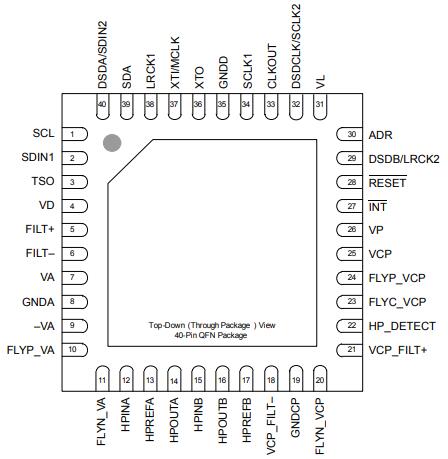
CS43131 Pinout
CS43131 Block Diagram
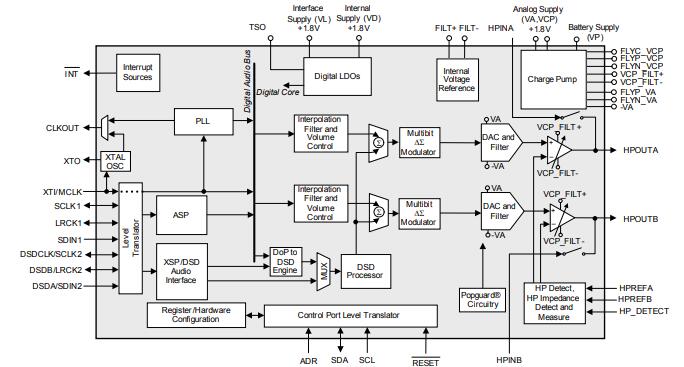
CS43131 Block Diagram
CS43131 Features
Output level up to 2 VRMS into 600 Ω headphones
Evolved performance: THD+N rating of -115 dB
Hi-Fi DSD playback-rate: DSD256
Integrated GND-centered, Class H headphone driver
Output power:
30 mW/channel into 32 Ω load
5 mW/channel into 600 Ω load
Advanced 32-bit oversampled multi-bit modulator with mismatch shaping technology
Eliminates distortion due to on-chip component mismatch
Serial audio input
I2S, right-justified, left-justified, DoP, DSD, and TDM interface
Master or slave operation
Volume control with 0.5 dB step size and soft ramp
44.1 kHz de-emphasis and inverting feature
Alternate headphone input
Seamless switching between high performance and low power playback
VD/VL supply voltage: 1.8 V
Specifications
- TypeParameter
- Factory Lead Time16 Weeks
- Mounting Type
The "Mounting Type" in electronic components refers to the method used to attach or connect a component to a circuit board or other substrate, such as through-hole, surface-mount, or panel mount.
Surface Mount - Package / Case
refers to the protective housing that encases an electronic component, providing mechanical support, electrical connections, and thermal management.
40-WFQFN Exposed Pad - Surface Mount
having leads that are designed to be soldered on the side of a circuit board that the body of the component is mounted on.
YES - Usage LevelCommercial grade
- Operating Temperature
The operating temperature is the range of ambient temperature within which a power supply, or any other electrical equipment, operate in. This ranges from a minimum operating temperature, to a peak or maximum operating temperature, outside which, the power supply may fail.
-10°C~70°C - Packaging
Semiconductor package is a carrier / shell used to contain and cover one or more semiconductor components or integrated circuits. The material of the shell can be metal, plastic, glass or ceramic.
Tray - Part Status
Parts can have many statuses as they progress through the configuration, analysis, review, and approval stages.
Active - Moisture Sensitivity Level (MSL)
Moisture Sensitivity Level (MSL) is a standardized rating that indicates the susceptibility of electronic components, particularly semiconductors, to moisture-induced damage during storage and the soldering process, defining the allowable exposure time to ambient conditions before they require special handling or baking to prevent failures
3 (168 Hours) - Number of Terminations40
- Voltage - Supply
Voltage - Supply refers to the range of voltage levels that an electronic component or circuit is designed to operate with. It indicates the minimum and maximum supply voltage that can be applied for the device to function properly. Providing supply voltages outside this range can lead to malfunction, damage, or reduced performance. This parameter is critical for ensuring compatibility between different components in a circuit.
1.8V - Terminal Position
In electronic components, the term "Terminal Position" refers to the physical location of the connection points on the component where external electrical connections can be made. These connection points, known as terminals, are typically used to attach wires, leads, or other components to the main body of the electronic component. The terminal position is important for ensuring proper connectivity and functionality of the component within a circuit. It is often specified in technical datasheets or component specifications to help designers and engineers understand how to properly integrate the component into their circuit designs.
QUAD - Number of Functions1
- Terminal Pitch
The center distance from one pole to the next.
0.4mm - JESD-30 Code
JESD-30 Code refers to a standardized descriptive designation system established by JEDEC for semiconductor-device packages. This system provides a systematic method for generating designators that convey essential information about the package's physical characteristics, such as size and shape, which aids in component identification and selection. By using JESD-30 codes, manufacturers and engineers can ensure consistency and clarity in the specification of semiconductor packages across various applications and industries.
S-XQCC-N40 - Output Type
The "Output Type" parameter in electronic components refers to the type of signal or data that is produced by the component as an output. This parameter specifies the nature of the output signal, such as analog or digital, and can also include details about the voltage levels, current levels, frequency, and other characteristics of the output signal. Understanding the output type of a component is crucial for ensuring compatibility with other components in a circuit or system, as well as for determining how the output signal can be utilized or processed further. In summary, the output type parameter provides essential information about the nature of the signal that is generated by the electronic component as its output.
Voltage - Unbuffered - Number of Bits32
- Architecture
In electronic components, the parameter "Architecture" refers to the overall design and structure of the component. It encompasses the arrangement of internal components, the layout of circuitry, and the physical form of the component. The architecture of an electronic component plays a crucial role in determining its functionality, performance, and compatibility with other components in a system. Different architectures can result in variations in power consumption, speed, size, and other key characteristics of the component. Designers often consider the architecture of electronic components carefully to ensure optimal performance and integration within a larger system.
Sigma-Delta - Converter Type
The parameter "Converter Type" in electronic components refers to the classification of devices that convert one form of energy or signal to another. This includes devices such as analog-to-digital converters (ADCs), digital-to-analog converters (DACs), and various types of signal converters used in communication, power management, and measurement systems. Each converter type is designed to facilitate the manipulation or transformation of signals to meet specific application requirements. The choice of converter type typically depends on factors such as the signal characteristics, required accuracy, and conversion speed.
D/A CONVERTER - Reference Type
a code object that is not stored directly where it is created, but that acts as a kind of pointer to a value stored elsewhere.
Internal - Data Interface
A Data Interface in EDQ is a template of a set of attributes representing a given entity, used to create processes that read from, or write to, interfaces rather than directly from or to sources or targets of data.
I2S - Differential Output
a differential output voltage in electronics is the difference between the values of two AC voltages, 180° out of phase, present at the output terminals of an amplifier when you apply a differential input voltage to the input terminals of an amplifier.
No - Voltage - Supply, Analog
Voltage - Supply, Analog is a parameter in electronic components that specifies the range of voltage levels required to power the analog circuitry within the component. This parameter indicates the minimum and maximum voltage levels that the component can accept for proper operation of its analog functions. It is crucial to ensure that the voltage supplied to the component falls within this specified range to prevent damage and ensure optimal performance. Understanding and adhering to the "Voltage - Supply, Analog" parameter is essential for the proper functioning of analog circuits in electronic components.
1.66V~1.94V - Voltage - Supply, Digital
Voltage - Supply, Digital is a parameter that specifies the voltage level required to power the digital circuitry within an electronic component, such as an integrated circuit or a microcontroller. This parameter is crucial for ensuring proper operation of the digital components, as supplying the correct voltage level is essential for reliable performance. The specified voltage range typically includes both minimum and maximum values within which the component can operate safely and efficiently. It is important to adhere to the recommended voltage supply range to prevent damage to the component and to maintain the integrity of the digital signals being processed.
1.66V~1.94V - Input Bit Code
"Input Bit Code" is a parameter used in electronic components, particularly in digital devices such as microcontrollers and integrated circuits. It refers to the binary code or sequence of bits that are used to represent input data or commands to the component. The input bit code is typically specified by the manufacturer and is used to configure the behavior or functionality of the component.In simpler terms, the input bit code is like a set of instructions that the electronic component understands and acts upon accordingly. By providing the correct input bit code, users can control the operation of the component and make it perform specific tasks or functions. Understanding and correctly using the input bit code is essential for proper operation and integration of electronic components in various electronic systems and applications.
BINARY - Input Format
In electronic components, the Input Format parameter refers to the specific format or type of input signal that the component is designed to accept. This parameter is crucial for ensuring compatibility and proper functioning of the component within a larger electronic system. The Input Format may include details such as voltage levels, signal types (analog or digital), communication protocols, and physical connectors used for input connections. Understanding and specifying the correct Input Format is essential for integrating electronic components effectively and avoiding compatibility issues or damage to the components.
SERIAL - Number of D/A Converters2
- Analog Output Voltage-Max
Analog Output Voltage-Max refers to the maximum voltage level that an electronic component can produce at its output in an analog circuit. This parameter is crucial in determining the range of voltage signals that the component can handle or generate without causing damage or distortion. It is typically specified in datasheets to provide users with information on the upper limit of the output voltage that can be safely applied or expected from the component. Designers use this parameter to ensure that the component operates within its specified limits and to prevent any potential issues related to overvoltage conditions.
5.99V - Analog Output Voltage-Min
Analog Output Voltage-Min is a parameter that specifies the minimum voltage level that an electronic component, such as a sensor or integrated circuit, can output in an analog signal. This parameter is crucial for determining the range of voltages that the component can produce accurately. It is important to ensure that the output voltage does not fall below this minimum value to prevent signal distortion or loss of data integrity. Designers and engineers use this specification to select components that meet the required voltage output range for their specific application.
-5.99V - Length5mm
- Height Seated (Max)
Height Seated (Max) is a parameter in electronic components that refers to the maximum allowable height of the component when it is properly seated or installed on a circuit board or within an enclosure. This specification is crucial for ensuring proper fit and alignment within the overall system design. Exceeding the maximum seated height can lead to mechanical interference, electrical shorts, or other issues that may impact the performance and reliability of the electronic device. Manufacturers provide this information to help designers and engineers select components that will fit within the designated space and function correctly in the intended application.
0.8mm - Width5mm
- RoHS Status
RoHS means “Restriction of Certain Hazardous Substances” in the “Hazardous Substances Directive” in electrical and electronic equipment.
RoHS Compliant
CS43131 Applications
Consumer:
DVD receivers/HTiBs
AV receivers
PC speaker systems
Pro-audio:
EFX processors
Instruments
Audio interfaces
Automotive:
DSP amplifiers
Navigation systems
Telematics
CS43131 Package Dimensions
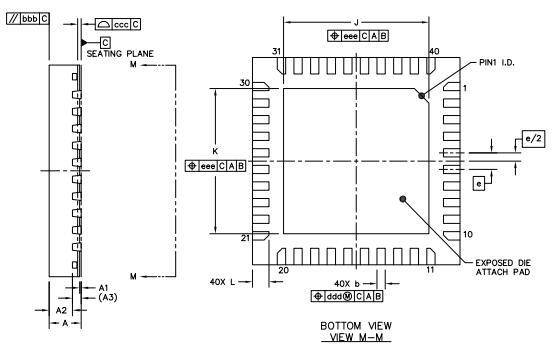
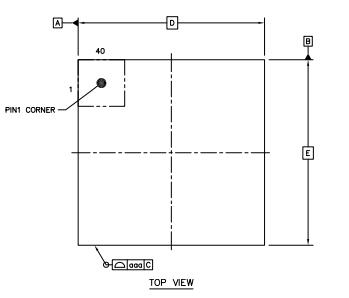
CS43131 Package Dimensions
CS43131 Manufacturer
Cirrus Logic is a leader in high-performance, low-power ICs for audio and voice signal processing applications. Cirrus Logic¿s products span the entire audio signal chain, from capture to playback, providing innovative products for smartphones, tablets, digital headsets, wearables, and emerging smart home applications. With headquarters in Austin, Texas, Cirrus Logic is recognized globally for its award-winning corporate culture.
Datasheet PDF
- PCN Packaging :
- Datasheets :
What is the use of CS43131?
The CS43131 combines a next-generation, low-power audio DAC with a high-fidelity headphone amplifier to provide a superior system-level audio performance without draining battery life. This IC minimizes board space requirements while enabling performance and features to drive design differentiation.
What is the packaging type of CS43131?
It is packaged in 40-WFQFN.
 TDA2005 Amplifier: Pinout, Datasheet, Circuit
12 July 202116519
 AP7331 Linear Regulator: Features, Pinout and Datasheet
11 March 20221104
 LT3080 Low Dropout Regulator: Datasheet, Alternatives and Applications
25 October 20215444
 MSP430F20x1/20x2/20x3 Mixed Signal Microcontroller: Technical Insights
29 February 2024229
 ISL80103IRAJZ Linear Regulator: Diagram, Pinout, and Datasheet
28 February 2022876
 TL071CD Operational Amplifier: Pinout, Specification, and Datasheet
16 August 20243493
 Everything you need to know about NE5532P
09 April 202221011
![An General Introduction to LM7806 [Video]](https://res.utmel.com/Images/Article/8cc3a336-9da3-4161-bd43-2eaf74c845e8.jpg) An General Introduction to LM7806 [Video]
An General Introduction to LM7806 [Video]13 May 20222801
 Semiconductor Cleaning: Processes, Methods and Reasons
20 April 202221325
 LDR/Light Dependent Resistor: Working Principle, Types and Applications
19 January 202634547
 Clock&Timing - Application Specific: A Dedicated Chip That Helps Produce Signals on the Circuit Board
22 February 20232285
 HBM4 and the Shift to Customized AI Memory: The Advanced Packaging Bottleneck
27 August 20263067
 Schottky Diodes: Principle, Functions, and Applications
21 October 202527574
 The Energy Internet - A New Era of Energy Management and Distribution
11 July 20235918
 Types and Application of Position Sensors
31 October 20257915
 A Complete Guide to 2025 Battery vs 2032 Swapping
29 August 20255368
Cirrus Logic Inc.
In Stock: 4000
United States
China
Canada
Japan
Russia
Germany
United Kingdom
Singapore
Italy
Hong Kong(China)
Taiwan(China)
France
Korea
Mexico
Netherlands
Malaysia
Austria
Spain
Switzerland
Poland
Thailand
Vietnam
India
United Arab Emirates
Afghanistan
Åland Islands
Albania
Algeria
American Samoa
Andorra
Angola
Anguilla
Antigua & Barbuda
Argentina
Armenia
Aruba
Australia
Azerbaijan
Bahamas
Bahrain
Bangladesh
Barbados
Belarus
Belgium
Belize
Benin
Bermuda
Bhutan
Bolivia
Bonaire, Sint Eustatius and Saba
Bosnia & Herzegovina
Botswana
Brazil
British Indian Ocean Territory
British Virgin Islands
Brunei
Bulgaria
Burkina Faso
Burundi
Cabo Verde
Cambodia
Cameroon
Cayman Islands
Central African Republic
Chad
Chile
Christmas Island
Cocos (Keeling) Islands
Colombia
Comoros
Congo
Congo (DRC)
Cook Islands
Costa Rica
Côte d’Ivoire
Croatia
Cuba
Curaçao
Cyprus
Czechia
Denmark
Djibouti
Dominica
Dominican Republic
Ecuador
Egypt
El Salvador
Equatorial Guinea
Eritrea
Estonia
Eswatini
Ethiopia
Falkland Islands
Faroe Islands
Fiji
Finland
French Guiana
French Polynesia
Gabon
Gambia
Georgia
Ghana
Gibraltar
Greece
Greenland
Grenada
Guadeloupe
Guam
Guatemala
Guernsey
Guinea
Guinea-Bissau
Guyana
Haiti
Honduras
Hungary
Iceland
Indonesia
Iran
Iraq
Ireland
Isle of Man
Israel
Jamaica
Jersey
Jordan
Kazakhstan
Kenya
Kiribati
Kosovo
Kuwait
Kyrgyzstan
Laos
Latvia
Lebanon
Lesotho
Liberia
Libya
Liechtenstein
Lithuania
Luxembourg
Macao(China)
Madagascar
Malawi
Maldives
Mali
Malta
Marshall Islands
Martinique
Mauritania
Mauritius
Mayotte
Micronesia
Moldova
Monaco
Mongolia
Montenegro
Montserrat
Morocco
Mozambique
Myanmar
Namibia
Nauru
Nepal
New Caledonia
New Zealand
Nicaragua
Niger
Nigeria
Niue
Norfolk Island
North Korea
North Macedonia
Northern Mariana Islands
Norway
Oman
Pakistan
Palau
Palestinian Authority
Panama
Papua New Guinea
Paraguay
Peru
Philippines
Pitcairn Islands
Portugal
Puerto Rico
Qatar
Réunion
Romania
Rwanda
Samoa
San Marino
São Tomé & Príncipe
Saudi Arabia
Senegal
Serbia
Seychelles
Sierra Leone
Sint Maarten
Slovakia
Slovenia
Solomon Islands
Somalia
South Africa
South Sudan
Sri Lanka
St Helena, Ascension, Tristan da Cunha
St. Barthélemy
St. Kitts & Nevis
St. Lucia
St. Martin
St. Pierre & Miquelon
St. Vincent & Grenadines
Sudan
Suriname
Svalbard & Jan Mayen
Sweden
Syria
Tajikistan
Tanzania
Timor-Leste
Togo
Tokelau
Tonga
Trinidad & Tobago
Tunisia
Turkey
Turkmenistan
Turks & Caicos Islands
Tuvalu
U.S. Outlying Islands
U.S. Virgin Islands
Uganda
Ukraine
Uruguay
Uzbekistan
Vanuatu
Vatican City
Venezuela
Wallis & Futuna
Yemen
Zambia
Zimbabwe
![WM8766GEDS/RV]() WM8766GEDS/RV
WM8766GEDS/RVCirrus Logic
![CS4334-KSZR]() CS4334-KSZR
CS4334-KSZRCirrus Logic Inc.
![CS4334-KSZ]() CS4334-KSZ
CS4334-KSZCirrus Logic Inc.
![CS4335-KSZ]() CS4335-KSZ
CS4335-KSZCirrus Logic Inc.
![CS4334-DSZR]() CS4334-DSZR
CS4334-DSZRCirrus Logic Inc.
![CS4335-KSZR]() CS4335-KSZR
CS4335-KSZRCirrus Logic Inc.
![CS4339-KSZR]() CS4339-KSZR
CS4339-KSZRCirrus Logic Inc.
![CS4340-KS]() CS4340-KS
CS4340-KSCirrus Logic
![CS4338-KSZR]() CS4338-KSZR
CS4338-KSZRCirrus Logic Inc.
![CS4339-KSZ]() CS4339-KSZ
CS4339-KSZCirrus Logic Inc.


