

 Product
 Brand
Brand Articles
 Tools
Tools
EP4CE6F17C8N Altera: Specifications, Features and Applications


1.55mm mm FPGAs Cyclone® IV E Series 256-LBGA 1mm mm 256
The EP4CE6F17C8N FPGA offers 6,000 logic parts, low power use, and DSP blocks for signal processing, making it ideal for telecom, automotive, and electronics.
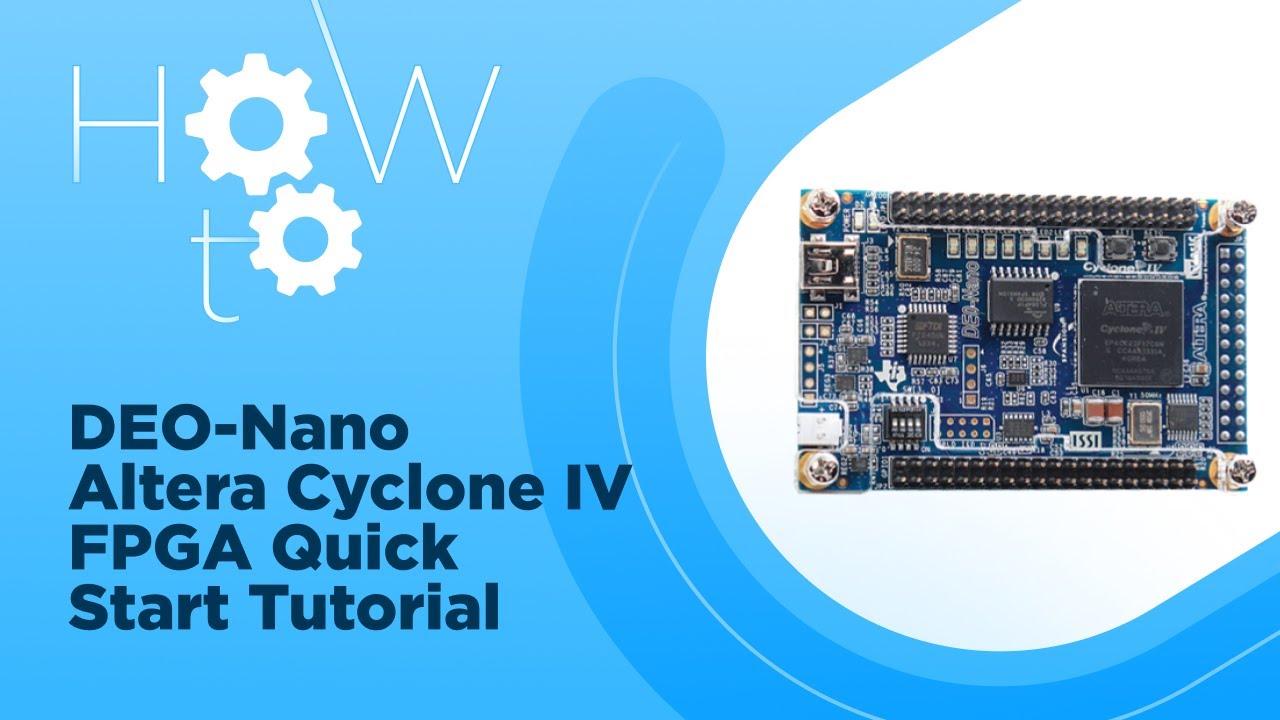
DE0-Nano - Altera Cyclone IV FPGA Quick Start Tutorial | Step-by-Step
Specifications
- TypeParameter
- Factory Lead Time8 Weeks
- Mounting Type
The "Mounting Type" in electronic components refers to the method used to attach or connect a component to a circuit board or other substrate, such as through-hole, surface-mount, or panel mount.
Surface Mount - Package / Case
refers to the protective housing that encases an electronic component, providing mechanical support, electrical connections, and thermal management.
256-LBGA - Surface Mount
having leads that are designed to be soldered on the side of a circuit board that the body of the component is mounted on.
YES - Number of I/Os179
- Operating Temperature
The operating temperature is the range of ambient temperature within which a power supply, or any other electrical equipment, operate in. This ranges from a minimum operating temperature, to a peak or maximum operating temperature, outside which, the power supply may fail.
0°C~85°C TJ - Packaging
Semiconductor package is a carrier / shell used to contain and cover one or more semiconductor components or integrated circuits. The material of the shell can be metal, plastic, glass or ceramic.
Tray - Series
In electronic components, the "Series" refers to a group of products that share similar characteristics, designs, or functionalities, often produced by the same manufacturer. These components within a series typically have common specifications but may vary in terms of voltage, power, or packaging to meet different application needs. The series name helps identify and differentiate between various product lines within a manufacturer's catalog.
Cyclone® IV E - Published2016
- JESD-609 Code
The "JESD-609 Code" in electronic components refers to a standardized marking code that indicates the lead-free solder composition and finish of electronic components for compliance with environmental regulations.
e1 - Part Status
Parts can have many statuses as they progress through the configuration, analysis, review, and approval stages.
Active - Moisture Sensitivity Level (MSL)
Moisture Sensitivity Level (MSL) is a standardized rating that indicates the susceptibility of electronic components, particularly semiconductors, to moisture-induced damage during storage and the soldering process, defining the allowable exposure time to ambient conditions before they require special handling or baking to prevent failures
3 (168 Hours) - Number of Terminations256
- Terminal Finish
Terminal Finish refers to the surface treatment applied to the terminals or leads of electronic components to enhance their performance and longevity. It can improve solderability, corrosion resistance, and overall reliability of the connection in electronic assemblies. Common finishes include nickel, gold, and tin, each possessing distinct properties suitable for various applications. The choice of terminal finish can significantly impact the durability and effectiveness of electronic devices.
Tin/Silver/Copper (Sn/Ag/Cu) - HTS Code
HTS (Harmonized Tariff Schedule) codes are product classification codes between 8-1 digits. The first six digits are an HS code, and the countries of import assign the subsequent digits to provide additional classification. U.S. HTS codes are 1 digits and are administered by the U.S. International Trade Commission.
8542.39.00.01 - Voltage - Supply
Voltage - Supply refers to the range of voltage levels that an electronic component or circuit is designed to operate with. It indicates the minimum and maximum supply voltage that can be applied for the device to function properly. Providing supply voltages outside this range can lead to malfunction, damage, or reduced performance. This parameter is critical for ensuring compatibility between different components in a circuit.
1.15V~1.25V - Terminal Position
In electronic components, the term "Terminal Position" refers to the physical location of the connection points on the component where external electrical connections can be made. These connection points, known as terminals, are typically used to attach wires, leads, or other components to the main body of the electronic component. The terminal position is important for ensuring proper connectivity and functionality of the component within a circuit. It is often specified in technical datasheets or component specifications to help designers and engineers understand how to properly integrate the component into their circuit designs.
BOTTOM - Terminal Form
Occurring at or forming the end of a series, succession, or the like; closing; concluding.
BALL - Peak Reflow Temperature (Cel)
Peak Reflow Temperature (Cel) is a parameter that specifies the maximum temperature at which an electronic component can be exposed during the reflow soldering process. Reflow soldering is a common method used to attach electronic components to a circuit board. The Peak Reflow Temperature is crucial because it ensures that the component is not damaged or degraded during the soldering process. Exceeding the specified Peak Reflow Temperature can lead to issues such as component failure, reduced performance, or even permanent damage to the component. It is important for manufacturers and assemblers to adhere to the recommended Peak Reflow Temperature to ensure the reliability and functionality of the electronic components.
260 - Supply Voltage
Supply voltage refers to the electrical potential difference provided to an electronic component or circuit. It is crucial for the proper operation of devices, as it powers their functions and determines performance characteristics. The supply voltage must be within specified limits to ensure reliability and prevent damage to components. Different electronic devices have specific supply voltage requirements, which can vary widely depending on their design and intended application.
1.2V - Terminal Pitch
The center distance from one pole to the next.
1mm - Time@Peak Reflow Temperature-Max (s)
Time@Peak Reflow Temperature-Max (s) refers to the maximum duration that an electronic component can be exposed to the peak reflow temperature during the soldering process, which is crucial for ensuring reliable solder joint formation without damaging the component.
40 - Base Part Number
The "Base Part Number" (BPN) in electronic components serves a similar purpose to the "Base Product Number." It refers to the primary identifier for a component that captures the essential characteristics shared by a group of similar components. The BPN provides a fundamental way to reference a family or series of components without specifying all the variations and specific details.
EP4CE6 - JESD-30 Code
JESD-30 Code refers to a standardized descriptive designation system established by JEDEC for semiconductor-device packages. This system provides a systematic method for generating designators that convey essential information about the package's physical characteristics, such as size and shape, which aids in component identification and selection. By using JESD-30 codes, manufacturers and engineers can ensure consistency and clarity in the specification of semiconductor packages across various applications and industries.
S-PBGA-B256 - Number of Outputs179
- Qualification Status
An indicator of formal certification of qualifications.
Not Qualified - Power Supplies
an electronic circuit that converts the voltage of an alternating current (AC) into a direct current (DC) voltage.?
1.21.2/3.32.5V - Clock Frequency
Clock frequency, also known as clock speed, refers to the rate at which a processor or electronic component can execute instructions. It is measured in hertz (Hz) and represents the number of cycles per second that the component can perform. A higher clock frequency typically indicates a faster processing speed and better performance. However, it is important to note that other factors such as architecture, efficiency, and workload also play a significant role in determining the overall performance of a component. In summary, clock frequency is a crucial parameter that influences the speed and efficiency of electronic components in processing data and executing tasks.
472.5MHz - Number of Inputs179
- Programmable Logic Type
Generally, programmable logic devices can be described as being one of three different types: Simple programmable logic devices (SPLD) Complex programmable logic devices (CPLD) Field programmable logic devices (FPGA).
FIELD PROGRAMMABLE GATE ARRAY - Number of Logic Elements/Cells6272
- Total RAM Bits
Total RAM Bits refers to the total number of memory bits that can be stored in a Random Access Memory (RAM) component. RAM is a type of computer memory that allows data to be accessed in any random order, making it faster than other types of memory like hard drives. The total RAM bits indicate the capacity of the RAM chip to store data temporarily for quick access by the computer's processor. The more total RAM bits a component has, the more data it can store and process at any given time, leading to improved performance and multitasking capabilities.
276480 - Number of LABs/CLBs392
- Number of CLBs392
- Length17mm
- Height Seated (Max)
Height Seated (Max) is a parameter in electronic components that refers to the maximum allowable height of the component when it is properly seated or installed on a circuit board or within an enclosure. This specification is crucial for ensuring proper fit and alignment within the overall system design. Exceeding the maximum seated height can lead to mechanical interference, electrical shorts, or other issues that may impact the performance and reliability of the electronic device. Manufacturers provide this information to help designers and engineers select components that will fit within the designated space and function correctly in the intended application.
1.55mm - Width17mm
- RoHS Status
RoHS means “Restriction of Certain Hazardous Substances” in the “Hazardous Substances Directive” in electrical and electronic equipment.
RoHS Compliant
EP4CE6F17C8N Overview
The EP4CE6F17C8N is a Cyclone IV FPGA from Altera. It is a strong tool for modern digital projects. It has 6,000 logic parts and 192 Kbits of memory. These help handle complex tasks quickly and easily. Its 18 DSP blocks speed up math operations, great for signal work. With 97 user pins and good clock features, it connects well and keeps timing accurate. It uses little power but works fast. The EP4CE6F17C8N helps build creative and flexible tools for many industries.
EP4CE6F17C8N Technical Details
Logic Parts and Built-in Memory
The EP4CE6F17C8N has a strong design for tough tasks. It includes 6,000 logic parts (LEs) that help build circuits. These parts make advanced calculations fast and easy. It also has built-in memory blocks like M4K blocks. These blocks store temporary data for quick access. This memory helps with data-heavy tasks, making it a good choice for big projects.
Key Details | Description |
|---|---|
FPGA Series | Cyclone IV |
Logic Parts (LEs) | 6,000 LEs |
Built-in Memory | Includes M4K memory |
Input/Output Pins and Voltage Use
The EP4CE6F17C8N has 315 input/output (I/O) pins. These pins connect easily to other devices. This makes it useful for many different projects. It uses a voltage between 1.15 V and 1.25 V. This low voltage saves energy but keeps it working well. It is great for modern systems needing less power.
Feature | Value |
|---|---|
Number of I/O Pins | 315 |
Voltage Range | 1.15 V to 1.25 V |
Package Type and Environmental Fit
The EP4CE6F17C8N comes in a small FineLine BGA package. This design helps manage heat and saves space. It works well in places where size and cooling are important. It can handle many environments, from factories to homes. Its strong build ensures it works even in tough conditions.
Features of the EP4CE6F17C8N
Low Power Use
The EP4CE6F17C8N is great at saving energy. It works well while using very little power. Its Cyclone® IV design helps manage energy smartly. This makes it perfect for projects needing low power.
It uses only 38 mW even at 85°C.
Less power means less heat, making it more reliable.
It supports eco-friendly goals by wasting less energy.
This makes it a good choice for gadgets, small systems, and devices needing long battery life.
Fast and Flexible Performance
The EP4CE6F17C8N works quickly and handles tough tasks. It has 6,000 logic parts and 18 DSP blocks. These help it process signals and data fast. It’s great for hard jobs like math or data work.
It’s also flexible. You can adjust it for small or big projects. Its design lets you add features without slowing it down.
Easy to Use with Tools
The EP4CE6F17C8N works well with Altera’s tools. These tools make designing easier. You can use Quartus® II software to program it. The tools are simple to use and save time.
The software helps find and fix problems.
It gives ready-made designs to speed up work.
You can test your ideas before building them.
This setup lets you focus on creating instead of fixing issues.
Applications of the EP4CE6F17C8N
Telecommunications and Networking
The EP4CE6F17C8N is important for telecom and networking tasks. It helps design systems for fast data and signal handling. Its low power use and strong performance suit routers and switches. You can adjust it for new tech like 5G networks. Its many I/O pins make it work well with other devices. This makes it great for building reliable communication systems.
Automotive and Industrial Automation
The EP4CE6F17C8N is useful in cars and factories. It works in control systems and sensor setups to improve vehicles. In factories, it helps with monitoring and controlling machines. It performs well even in tough conditions. The table below shows its uses:
Application Area | Description |
|---|---|
Automotive | Helps with control systems, sensors, and communication for better vehicle performance. |
Industrial Automation | Works in control and monitoring systems for reliable and flexible machine operations. |
This FPGA handles hard jobs while staying efficient, making it valuable.
Consumer Electronics and Embedded Systems
The EP4CE6F17C8N is great for gadgets and small systems. It helps make smart home devices, wearables, and medical tools. Its small size and low power use are perfect for battery devices. It works with easy-to-use tools to speed up designs. Whether for simple or advanced projects, this FPGA offers the flexibility and speed you need.
EP4CE6F17C8N vs. Other FPGAs
Comparing with Other Cyclone IV FPGAs
The EP4CE6F17C8N balances power and performance well. Some Cyclone IV models have more logic parts or memory. But this FPGA is compact and saves energy. It has 6,000 logic parts and 192 Kbits of memory. This makes it great for medium-level projects.
For instance, the EP4CE15F23C8N has 15,408 logic parts. However, it uses more power, so it’s not ideal for low-power needs. Smaller models like the EP4CE6E22C8N have fewer I/O pins. This limits how many devices they can connect to. The EP4CE6F17C8N offers a good mix of resources and energy savings.
Comparing with Other Brands’ FPGAs
The EP4CE6F17C8N competes with FPGAs like Xilinx’s Spartan-6. Spartan-6 models have similar logic and DSP features. But they may use more power. The EP4CE6F17C8N’s low voltage (1.15 V to 1.25 V) is better for saving energy.
Also, Altera’s Quartus II software is easier to use. Some competitor tools are harder for beginners. However, Spartan-6 might work better for high-speed tasks. This makes it better for certain special projects.
Strengths and Weaknesses
The EP4CE6F17C8N has pros and cons. Here’s a summary:
Strengths | Weaknesses |
|---|---|
Many logic parts | Can cost more |
Built-in memory | Limited to certain tasks |
DSP features | May need extra power |
Good performance and energy savings | Harder to design for beginners |
Works for many types of projects | Learning curve for new users |
The EP4CE6F17C8N is flexible and efficient. But it can be tricky for new users. Even so, its strong features make it useful for many projects.
The EP4CE6F17C8N is a dependable and powerful FPGA for today’s projects. It has 6,000 logic parts, memory blocks, and DSP features. These help you handle hard tasks easily. Its low power use saves money while working well. This FPGA fits jobs in telecom, cars, or electronics.
Feature | Description |
|---|---|
Logic Parts | Many logic parts for building advanced designs. |
Memory Blocks | Stores and retrieves data quickly and efficiently. |
DSP Features | Helps with fast digital signal processing for tough tasks. |
Energy Saving | Uses less power, making it cost-friendly and efficient. |
Flexibility | Works for many uses in different industries. |
Uses | Electronics, communication, cars, factories, and medical devices. |
The EP4CE6F17C8N offers flexibility and can grow with your needs. Its mix of features and price makes it great for experts and beginners. Use it to turn your creative ideas into reality.
Datasheet PDF
- Datasheets :
- PCN Packaging :
References
Intel Corporation. (n.d.). Cyclone IV FPGA family. Retrieved October 2023, from https://www.intel.com
Smith, J. (2020). FPGA design for beginners. New York, NY: TechPress.
1. Why is the EP4CE6F17C8N good for low-power devices?
The EP4CE6F17C8N uses Cyclone® IV design to save energy. It works well with a voltage of 1.15 V to 1.25 V. This makes it great for gadgets like wearables and IoT devices.
2. Can new users work with the EP4CE6F17C8N?
Yes, beginners can use it. Altera’s Quartus® II software has easy tools and templates. But learning FPGA basics will help you use it better.
3. How is the EP4CE6F17C8N different from Xilinx Spartan-6?
The EP4CE6F17C8N saves more energy with its low voltage. Spartan-6 is faster for some tasks, but the EP4CE6F17C8N balances speed and energy use. It works for more types of projects.
4. Which industries use the EP4CE6F17C8N the most?
Telecom, cars, and electronics use it a lot. Its low power and strong performance make it great for routers, factory systems, and smart home gadgets.
5. Where can I learn more about the EP4CE6F17C8N?
Check Altera’s official guides on Intel’s website. Forums like Stack Overflow also have tips and help.
 TBD62083AFG:Gate Driver ,Datasheet, Pinout, and Package
04 March 20224570
 TL082 JFET-Input Dual Operational Amplifier: Datasheet Breakdown and Design Guide
20 January 2026300
 MJE2955T PNP Transistor: Pinout, Datasheet, Uses
21 April 20226147
 How to use ATTINY85 Microcontroller?
08 April 20223931
 Xilinx XC7Z030-2FBG676I SoC Review
09 June 2025229
 SPC584Bx: 32-bit Power Architecture Microcontroller for Automotive ASIL-B Applications
29 February 2024378
 ATmega128L 8-bit Atmel Microcontroller: How to use the ATmega128L?
28 June 20222974
 TDA7000 FM Receiver: Circuit, Datasheet pdf and Replacement
04 December 20219777
 Buffer Amplifier | Operating Principle, Advantages, and Applications
21 July 202510355
 Demand for Automotive Chips Will Surge 300%
09 April 20225617
 Volkswagen Overhauls Semiconductor Sourcing Strategy Amid Supply Challenges
01 September 20234552
 Vibration Isolator: Types and Applications
13 January 202112699
 UTMEL 2024 Annual gala: Igniting Passion, Renewing Brilliance
18 January 20244891
 What is Sequential Logic?
15 October 20207997
 13 kinds of sensors in mobile phones and what are recorded by the sensors
10 June 2026126950
 Msemitek Authorized Distributor | UTMEL Electronics
21 November 20233894
Intel
In Stock
United States
China
Canada
Japan
Russia
Germany
United Kingdom
Singapore
Italy
Hong Kong(China)
Taiwan(China)
France
Korea
Mexico
Netherlands
Malaysia
Austria
Spain
Switzerland
Poland
Thailand
Vietnam
India
United Arab Emirates
Afghanistan
Åland Islands
Albania
Algeria
American Samoa
Andorra
Angola
Anguilla
Antigua & Barbuda
Argentina
Armenia
Aruba
Australia
Azerbaijan
Bahamas
Bahrain
Bangladesh
Barbados
Belarus
Belgium
Belize
Benin
Bermuda
Bhutan
Bolivia
Bonaire, Sint Eustatius and Saba
Bosnia & Herzegovina
Botswana
Brazil
British Indian Ocean Territory
British Virgin Islands
Brunei
Bulgaria
Burkina Faso
Burundi
Cabo Verde
Cambodia
Cameroon
Cayman Islands
Central African Republic
Chad
Chile
Christmas Island
Cocos (Keeling) Islands
Colombia
Comoros
Congo
Congo (DRC)
Cook Islands
Costa Rica
Côte d’Ivoire
Croatia
Cuba
Curaçao
Cyprus
Czechia
Denmark
Djibouti
Dominica
Dominican Republic
Ecuador
Egypt
El Salvador
Equatorial Guinea
Eritrea
Estonia
Eswatini
Ethiopia
Falkland Islands
Faroe Islands
Fiji
Finland
French Guiana
French Polynesia
Gabon
Gambia
Georgia
Ghana
Gibraltar
Greece
Greenland
Grenada
Guadeloupe
Guam
Guatemala
Guernsey
Guinea
Guinea-Bissau
Guyana
Haiti
Honduras
Hungary
Iceland
Indonesia
Iran
Iraq
Ireland
Isle of Man
Israel
Jamaica
Jersey
Jordan
Kazakhstan
Kenya
Kiribati
Kosovo
Kuwait
Kyrgyzstan
Laos
Latvia
Lebanon
Lesotho
Liberia
Libya
Liechtenstein
Lithuania
Luxembourg
Macao(China)
Madagascar
Malawi
Maldives
Mali
Malta
Marshall Islands
Martinique
Mauritania
Mauritius
Mayotte
Micronesia
Moldova
Monaco
Mongolia
Montenegro
Montserrat
Morocco
Mozambique
Myanmar
Namibia
Nauru
Nepal
New Caledonia
New Zealand
Nicaragua
Niger
Nigeria
Niue
Norfolk Island
North Korea
North Macedonia
Northern Mariana Islands
Norway
Oman
Pakistan
Palau
Palestinian Authority
Panama
Papua New Guinea
Paraguay
Peru
Philippines
Pitcairn Islands
Portugal
Puerto Rico
Qatar
Réunion
Romania
Rwanda
Samoa
San Marino
São Tomé & Príncipe
Saudi Arabia
Senegal
Serbia
Seychelles
Sierra Leone
Sint Maarten
Slovakia
Slovenia
Solomon Islands
Somalia
South Africa
South Sudan
Sri Lanka
St Helena, Ascension, Tristan da Cunha
St. Barthélemy
St. Kitts & Nevis
St. Lucia
St. Martin
St. Pierre & Miquelon
St. Vincent & Grenadines
Sudan
Suriname
Svalbard & Jan Mayen
Sweden
Syria
Tajikistan
Tanzania
Timor-Leste
Togo
Tokelau
Tonga
Trinidad & Tobago
Tunisia
Turkey
Turkmenistan
Turks & Caicos Islands
Tuvalu
U.S. Outlying Islands
U.S. Virgin Islands
Uganda
Ukraine
Uruguay
Uzbekistan
Vanuatu
Vatican City
Venezuela
Wallis & Futuna
Yemen
Zambia
Zimbabwe
![EP1K100FI256-2]() EP1K100FI256-2
EP1K100FI256-2Intel
![EP4CE22F17C8N]() EP4CE22F17C8N
EP4CE22F17C8NIntel
![EP4CE15F23C8N]() EP4CE15F23C8N
EP4CE15F23C8NIntel
![EP3C25E144C8N]() EP3C25E144C8N
EP3C25E144C8NIntel
![EP3C40F484C8N]() EP3C40F484C8N
EP3C40F484C8NIntel
![EP3C10E144I7N]() EP3C10E144I7N
EP3C10E144I7NIntel
![EP4CE6E22I7N]() EP4CE6E22I7N
EP4CE6E22I7NIntel
![EP4CE15F17C8N]() EP4CE15F17C8N
EP4CE15F17C8NIntel
![EP4CE6E22C8N]() EP4CE6E22C8N
EP4CE6E22C8NIntel
![EP3C16F484I7N]() EP3C16F484I7N
EP3C16F484I7NIntel


