Product
 Brand
Brand Articles
 Tools
Tools
IS181 Optocoupler: Datasheet, Pinout and Applications

ISOCOM IS181D Transistor Output Optocoupler, 1 Channel, 3.75 kV, 300 %, 50 mA, SOP, 4 Pins


ISOCOM IS181D Transistor Output Optocoupler, 1 Channel, 3.75 kV, 300 %, 50 mA, SOP, 4 Pins
IS181 is high density mounting phototransistor optically coupled isolators. This article mainly covers pinout, datasheet, package, applications and other details about IS181.
IS181 Pinout
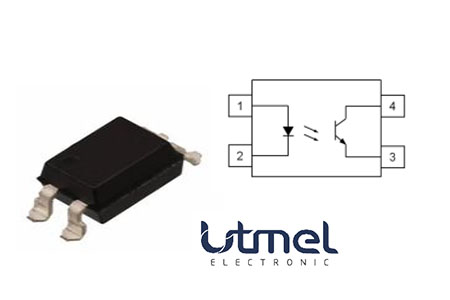
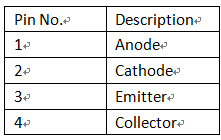
IS181 Description
The IS181 series of optocoupler consists of an infrared light emitting diode optically coupled to an NPN silicon photo transistor in a space efficient Mini Flat Package.
IS181 CAD Model
Symbol
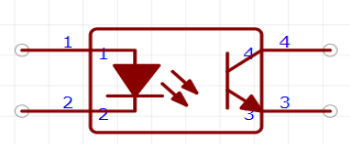
Footprint
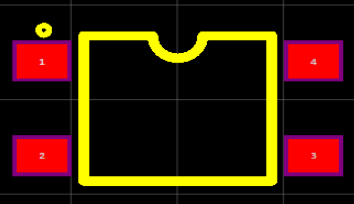
Specifications
- TypeParameter
- Factory Lead Time2 Weeks
- Mounting Type
The "Mounting Type" in electronic components refers to the method used to attach or connect a component to a circuit board or other substrate, such as through-hole, surface-mount, or panel mount.
Surface Mount - Package / Case
refers to the protective housing that encases an electronic component, providing mechanical support, electrical connections, and thermal management.
4-SMD, Gull Wing - Number of Pins4
- Current Transfer Ratio-Min300% @ 5mA
- Operating Temperature
The operating temperature is the range of ambient temperature within which a power supply, or any other electrical equipment, operate in. This ranges from a minimum operating temperature, to a peak or maximum operating temperature, outside which, the power supply may fail.
-55°C~100°C - Packaging
Semiconductor package is a carrier / shell used to contain and cover one or more semiconductor components or integrated circuits. The material of the shell can be metal, plastic, glass or ceramic.
Tape & Reel (TR) - Part Status
Parts can have many statuses as they progress through the configuration, analysis, review, and approval stages.
Active - Moisture Sensitivity Level (MSL)
Moisture Sensitivity Level (MSL) is a standardized rating that indicates the susceptibility of electronic components, particularly semiconductors, to moisture-induced damage during storage and the soldering process, defining the allowable exposure time to ambient conditions before they require special handling or baking to prevent failures
1 (Unlimited) - Reach Compliance Code
Reach Compliance Code refers to a designation indicating that electronic components meet the requirements set by the Registration, Evaluation, Authorization, and Restriction of Chemicals (REACH) regulation in the European Union. It signifies that the manufacturer has assessed and managed the chemical substances within the components to ensure safety and environmental protection. This code is vital for compliance with regulations aimed at minimizing risks associated with hazardous substances in electronic products.
unknown - Voltage - Isolation
Voltage - Isolation is a parameter in electronic components that refers to the maximum voltage that can be safely applied between two isolated points without causing electrical breakdown or leakage. It is a crucial specification for components such as transformers, optocouplers, and capacitors that require isolation to prevent electrical interference or safety hazards. The voltage isolation rating ensures that the component can withstand the specified voltage without compromising its performance or safety. It is typically measured in volts and is an important consideration when designing circuits that require isolation between different parts of the system.
3750Vrms - Output Voltage
Output voltage is a crucial parameter in electronic components that refers to the voltage level produced by the component as a result of its operation. It represents the electrical potential difference between the output terminal of the component and a reference point, typically ground. The output voltage is a key factor in determining the performance and functionality of the component, as it dictates the level of voltage that will be delivered to the connected circuit or load. It is often specified in datasheets and technical specifications to ensure compatibility and proper functioning within a given system.
80V - Output Type
The "Output Type" parameter in electronic components refers to the type of signal or data that is produced by the component as an output. This parameter specifies the nature of the output signal, such as analog or digital, and can also include details about the voltage levels, current levels, frequency, and other characteristics of the output signal. Understanding the output type of a component is crucial for ensuring compatibility with other components in a circuit or system, as well as for determining how the output signal can be utilized or processed further. In summary, the output type parameter provides essential information about the nature of the signal that is generated by the electronic component as its output.
Transistor - Number of Channels1
- Voltage - Forward (Vf) (Typ)
The parameter "Voltage - Forward (Vf) (Typ)" in electronic components refers to the typical forward voltage drop across the component when it is conducting current in the forward direction. It is a crucial characteristic of components like diodes and LEDs, indicating the minimum voltage required for the component to start conducting current. The forward voltage drop is typically specified as a typical value because it can vary slightly based on factors such as temperature and manufacturing tolerances. Designers use this parameter to ensure that the component operates within its specified voltage range and to calculate power dissipation in the component.
1.2V - Input Type
Input type in electronic components refers to the classification of the signal or data that a component can accept for processing or conversion. It indicates whether the input is analog, digital, or a specific format such as TTL or CMOS. Understanding input type is crucial for ensuring compatibility between different electronic devices and circuits, as it determines how signals are interpreted and interacted with.
DC - Forward Current
Current which flows upon application of forward voltage.
50mA - Rise / Fall Time (Typ)
The parameter "Rise / Fall Time (Typ)" in electronic components refers to the time it takes for a signal to transition from a specified low level to a specified high level (rise time) or from a high level to a low level (fall time). It is typically measured in nanoseconds or picoseconds and is an important characteristic in determining the speed and performance of a component, such as a transistor or integrated circuit. A shorter rise/fall time indicates faster signal switching and can impact the overall speed and efficiency of a circuit. Designers often consider this parameter when selecting components for high-speed applications to ensure proper signal integrity and timing.
4μs 3μs - Input Current
Input current is a parameter that refers to the amount of electrical current flowing into a specific electronic component or device. It is typically measured in amperes (A) and represents the current required for the component to operate properly. Understanding the input current is important for designing circuits and power supplies, as it helps determine the capacity and compatibility of the components being used. Monitoring the input current also helps ensure that the component is not being overloaded or underpowered, which can affect its performance and longevity.
20mA - Current Transfer Ratio (Max)
The "Current Transfer Ratio (Max)" is a parameter used to describe the efficiency of a specific type of electronic component known as an optocoupler or optoisolator. This parameter indicates the maximum ratio of output current to input current that can be achieved under ideal conditions. In simpler terms, it quantifies how effectively the optocoupler can transfer an electrical signal from its input side to its output side. A higher Current Transfer Ratio (Max) value typically indicates better performance and stronger signal transmission capabilities for the optocoupler. It is an important specification to consider when designing circuits that require isolation between different electrical systems or components.
600% @ 5mA - Vce Saturation (Max)
Vce Saturation (Max) is a parameter commonly found in datasheets of bipolar junction transistors (BJTs) and refers to the maximum voltage drop across the collector-emitter junction when the transistor is fully saturated. When a BJT is in saturation mode, it is fully turned on and acts like a closed switch, allowing maximum current to flow through it. The Vce Saturation (Max) value indicates the maximum voltage that can be dropped across the collector-emitter junction in this state without affecting the transistor's performance. It is an important parameter to consider when designing circuits to ensure proper operation and efficiency of the transistor.
200mV - REACH SVHC
The parameter "REACH SVHC" in electronic components refers to the compliance with the Registration, Evaluation, Authorization, and Restriction of Chemicals (REACH) regulation regarding Substances of Very High Concern (SVHC). SVHCs are substances that may have serious effects on human health or the environment, and their use is regulated under REACH to ensure their safe handling and minimize their impact.Manufacturers of electronic components need to declare if their products contain any SVHCs above a certain threshold concentration and provide information on the safe use of these substances. This information allows customers to make informed decisions about the potential risks associated with using the components and take appropriate measures to mitigate any hazards.Ensuring compliance with REACH SVHC requirements is essential for electronics manufacturers to meet regulatory standards, protect human health and the environment, and maintain transparency in their supply chain. It also demonstrates a commitment to sustainability and responsible manufacturing practices in the electronics industry.
No SVHC - RoHS Status
RoHS means “Restriction of Certain Hazardous Substances” in the “Hazardous Substances Directive” in electrical and electronic equipment.
ROHS3 Compliant - Lead Free
Lead Free is a term used to describe electronic components that do not contain lead as part of their composition. Lead is a toxic material that can have harmful effects on human health and the environment, so the electronics industry has been moving towards lead-free components to reduce these risks. Lead-free components are typically made using alternative materials such as silver, copper, and tin. Manufacturers must comply with regulations such as the Restriction of Hazardous Substances (RoHS) directive to ensure that their products are lead-free and environmentally friendly.
Lead Free
IS181 Features
Low Profile Package
Ac Isolation Voltage 3750vrms
Ctr Selections Available
Wide Operating Temperature Range -55°C To +110°C
Lead Free And Rohs Compliant
Ul File E91231 Model “Fpt1” And “Fpt2”
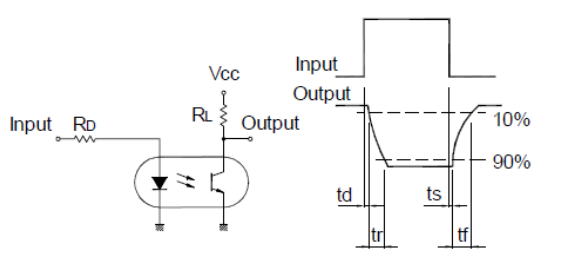
IS181 Circuit
IS181 Applications
Computer Terminals
Industrial System Controllers
Measuring Instruments
Signal Transmission Between Systems Of Different Potentials And Impedance
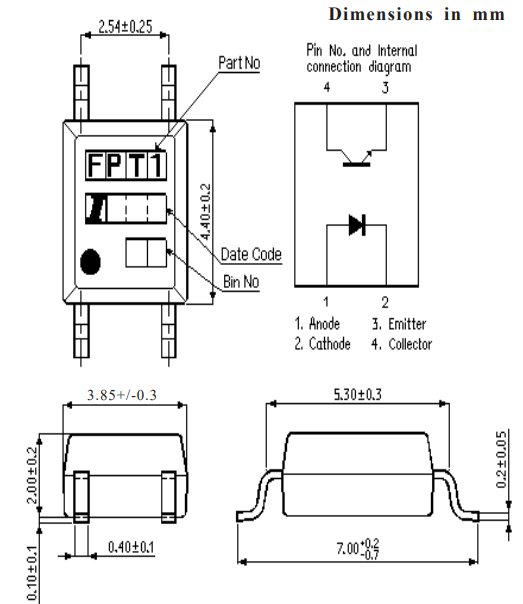
IS181 Dimension
Where to use IS181
IS181 optocouplers can either be used on their own as a switching device, or used with other electronic devices to provide isolation between low and high voltage circuits. You'll typically find these devices being used for: Microprocessor input/output switching. DC and AC power control.
IS181 Manufacturer
Isocom Components is a leading manufacturer of high performance infrared optoelectronic devices specialising in optocouplers and optoswitches. Since the business was established over 25 years ago Isocom has consistently delivered in excess of their customer's expectations to become one of the most respected brands in the worldwide optoelectronic industry.Expert knowledge and flexible manufacturing processes result in the shortest production lead times in the world for many parts. Product quality and superior customer service is unrivalled and is endorsed by many long-standing customers. Isocom Components is your natural alternative to all popular commercial optocoupler industry standard types including many no longer supplied by other manufacturers. In addition, they carry out special parametric selections to meet customer's specific circuit design requirements. Parts are available approved to the leading recognized industry standards and all devices are available in various lead forms and in tape and reel packaging if required.
Datasheet PDF
- Datasheets :
What is the point of an optocoupler?
An opto-isolator (also called an optocoupler, photocoupler, or optical isolator) is an electronic component that transfers electrical signals between two isolated circuits by using light. Opto-isolators prevent high voltages from affecting the system receiving the signal.
How do you use an optocoupler in a circuit?
How It Works. A current is first applied to the Optocoupler, which makes the infrared LED emit a light that's proportional to the current. When the light hits the photosensitive device, it switches on and starts to conduct a current as any ordinary transistor might.
 A Comprehensive Guide to Tamura 2DM150806CM Gate Driver
11 March 20241187
 ATTINY26L-8MU 8-bit Microcontroller: Pinout, Equivalent and Datasheet
28 March 20221149
 OPA2604 Amplifiers: Schematic, Replacement and Datasheet
18 August 20217924
 STMPE811QTR Microcontroller: 6.5MHz,16-VFQFN, Pinout and Features
11 February 20221132
 Beginner's tutorial for STM32F429IGT6 microcontroller setup
24 July 2025342
 SN74LVC1G07DCKR Single Buffer/Driver: Features, Pinout, and Datasheet
24 March 20222388
 tinyAVR® 1-series 20MHz MCU: Datasheet, Architecture, and Performance Deep Dive
15 April 2026449
 AMD Xilinx XC95108F-20PQG160I CPLD Overview
20 May 2025299
 Silicon Carbide (SiC): The Third-generation Semiconductor Material
30 August 202110275
 Basic Introduction to Hall Effect Sensors
13 November 202512832
 Introduction to Wireless Charger
27 July 20216579
 Introduction to Lead Acid Battery: Construction, Working Principle and Types
04 March 202111087
 Selection and Optimization of Peripheral Components for DC-DC Boost Regulator
15 April 20222400
 A Complete Guide to 2025 Battery vs 2032 Swapping
29 August 20255345
 New Technology Helps Detect and Prevent Automated Browsing
13 November 20232700
 The Reason for the Leakage Current of MOS Tube
26 March 20229750
Isocom Components 2004 LTD
In Stock: 36000
United States
China
Canada
Japan
Russia
Germany
United Kingdom
Singapore
Italy
Hong Kong(China)
Taiwan(China)
France
Korea
Mexico
Netherlands
Malaysia
Austria
Spain
Switzerland
Poland
Thailand
Vietnam
India
United Arab Emirates
Afghanistan
Åland Islands
Albania
Algeria
American Samoa
Andorra
Angola
Anguilla
Antigua & Barbuda
Argentina
Armenia
Aruba
Australia
Azerbaijan
Bahamas
Bahrain
Bangladesh
Barbados
Belarus
Belgium
Belize
Benin
Bermuda
Bhutan
Bolivia
Bonaire, Sint Eustatius and Saba
Bosnia & Herzegovina
Botswana
Brazil
British Indian Ocean Territory
British Virgin Islands
Brunei
Bulgaria
Burkina Faso
Burundi
Cabo Verde
Cambodia
Cameroon
Cayman Islands
Central African Republic
Chad
Chile
Christmas Island
Cocos (Keeling) Islands
Colombia
Comoros
Congo
Congo (DRC)
Cook Islands
Costa Rica
Côte d’Ivoire
Croatia
Cuba
Curaçao
Cyprus
Czechia
Denmark
Djibouti
Dominica
Dominican Republic
Ecuador
Egypt
El Salvador
Equatorial Guinea
Eritrea
Estonia
Eswatini
Ethiopia
Falkland Islands
Faroe Islands
Fiji
Finland
French Guiana
French Polynesia
Gabon
Gambia
Georgia
Ghana
Gibraltar
Greece
Greenland
Grenada
Guadeloupe
Guam
Guatemala
Guernsey
Guinea
Guinea-Bissau
Guyana
Haiti
Honduras
Hungary
Iceland
Indonesia
Iran
Iraq
Ireland
Isle of Man
Israel
Jamaica
Jersey
Jordan
Kazakhstan
Kenya
Kiribati
Kosovo
Kuwait
Kyrgyzstan
Laos
Latvia
Lebanon
Lesotho
Liberia
Libya
Liechtenstein
Lithuania
Luxembourg
Macao(China)
Madagascar
Malawi
Maldives
Mali
Malta
Marshall Islands
Martinique
Mauritania
Mauritius
Mayotte
Micronesia
Moldova
Monaco
Mongolia
Montenegro
Montserrat
Morocco
Mozambique
Myanmar
Namibia
Nauru
Nepal
New Caledonia
New Zealand
Nicaragua
Niger
Nigeria
Niue
Norfolk Island
North Korea
North Macedonia
Northern Mariana Islands
Norway
Oman
Pakistan
Palau
Palestinian Authority
Panama
Papua New Guinea
Paraguay
Peru
Philippines
Pitcairn Islands
Portugal
Puerto Rico
Qatar
Réunion
Romania
Rwanda
Samoa
San Marino
São Tomé & Príncipe
Saudi Arabia
Senegal
Serbia
Seychelles
Sierra Leone
Sint Maarten
Slovakia
Slovenia
Solomon Islands
Somalia
South Africa
South Sudan
Sri Lanka
St Helena, Ascension, Tristan da Cunha
St. Barthélemy
St. Kitts & Nevis
St. Lucia
St. Martin
St. Pierre & Miquelon
St. Vincent & Grenadines
Sudan
Suriname
Svalbard & Jan Mayen
Sweden
Syria
Tajikistan
Tanzania
Timor-Leste
Togo
Tokelau
Tonga
Trinidad & Tobago
Tunisia
Turkey
Turkmenistan
Turks & Caicos Islands
Tuvalu
U.S. Outlying Islands
U.S. Virgin Islands
Uganda
Ukraine
Uruguay
Uzbekistan
Vanuatu
Vatican City
Venezuela
Wallis & Futuna
Yemen
Zambia
Zimbabwe
![PS2501-4XSM]() PS2501-4XSM
PS2501-4XSMIsocom Components 2004 LTD
![H11AV3X]() H11AV3X
H11AV3XIsocom Components 2004 LTD
![ISP817AX]() ISP817AX
ISP817AXIsocom Components 2004 LTD
![ISP817C]() ISP817C
ISP817CIsocom Components
![IS281B]() IS281B
IS281BIsocom Components 2004 LTD
![IS181]() IS181
IS181Isocom Components
![PS2501-1XSM]() PS2501-1XSM
PS2501-1XSMIsocom Components 2004 LTD
![MOC3083XSMT&R]() MOC3083XSMT&R
MOC3083XSMT&RIsocom Components
![IS357]() IS357
IS357Isocom Components 2004 LTD