

 Product
 Brand
Brand Articles
 Tools
Tools
TCST2103:Description, Feature, and Package


VISHAY - TCST2103 - SENSOR, OPTICAL, PHOTOTRANSISTOR O/P
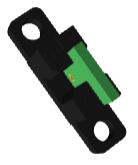
The TCST2103 is a transmissive sensor that includes an infrared emitter and phototransistor, located face-to-face on the optical axes in a leaded package that blocks visible light. This passage is going to introduce TCST2103 from the perspectives of datasheet, pinout, and manufacturer.

photo interruptor sensor circuit as a switch
tcst2103 Description
Vishay's TCST2103, which is distributed by Utmel Electronics. It falls under the category of Optical Sensors.
It is used in a variety of fields, including automotive Advanced driver assistance systems (ADAS) and enterprise systems. a business machine Electronics for personal use Home entertainment and home theater.
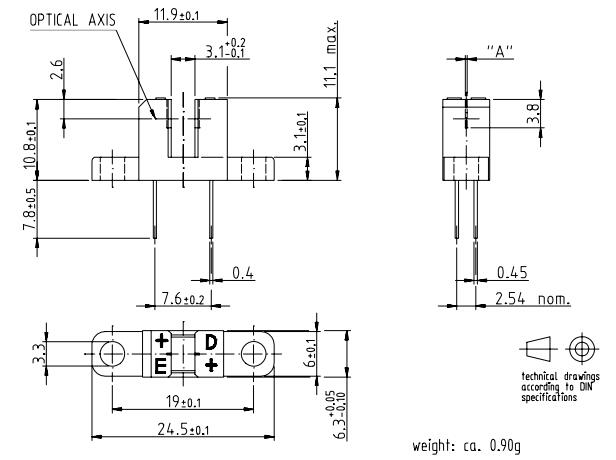
And the main parameters of this section are: Coupler for forks 11.9 x 6.3 x 10.8 mm in length, width, and height Width of the gap: 3.1 mm Temperature range of operation: -55...+85 °C 8 seconds for a break Make-up time: 10 seconds The collector-emitter voltage at the output is 70 volts. It is also environmentally friendly and RoHS compliant (lead-free / RoHS compliant).
tcst2103 Feature
• Package type: leaded
• Detector type: phototransistor
• Dimensions (L x W x H in mm): 24.5 x 6.3 x 10.8
• Gap (in mm): 3.1
• Typical output current under test: IC = 4 mA (TCST2103)
• Typical output current under test: IC = 2 mA (TCST2202)
• Typical output current under test: IC = 0.5 mA (TCST2300)
• Daylight blocking filter
• Emitter wavelength: 950 nm
• Lead (Pb)-free soldering released
• Compliant to RoHS directive 2002/95/EC and in accordance to WEEE 2002/96/EC
tcst2103 CAD Models
Symbol
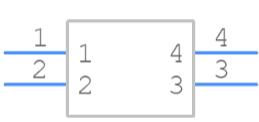
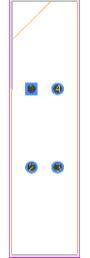
Footprint
3D Models
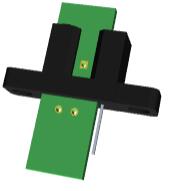
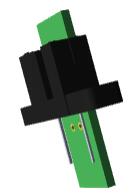
tcst2103 Application
1. Automotive
Advanced driver assistance systems (ADAS)/Body electronics & lighting/Hybrid, electric & powertrain systems/Infotainment & cluster
2. Enterprise systems
Datacenter & enterprise computing/Enterprise machine/Enterprise projectors
3. Personal electronics
Connected peripherals & printers/Data storage/Gaming/Home theater & entertainment/Mobile phones/PC & notebooks/Portable electronics/Tablets/TV/Wearables (non-medical)
tcst2103 Manufacturer
Felix Zandman, a Polish-born businessman, founded Vishay Intertechnology, Inc., an American manufacturer of discrete semiconductors and passive electronic components. Vishay manufactures rectifiers, diodes, MOSFETs, optoelectronics, selected integrated circuits, resistors, capacitors, and inductors in Israel, Asia, Europe, and the Americas. In 2018, Vishay Intertechnology's revenue was $3.035 billion. Vishay Intertechnology had approximately 24,100 full-time employees as of December 31, 2018.
Vishay is a leading manufacturer of power MOSFETs in the world.
Power electronic applications include portable information appliances, internet communications infrastructure, power integrated circuits, cell phones, and notebook computers.
tcst2103 Package Dimensions
Specifications
- TypeParameter
- Factory Lead Time12 Weeks
- Contact Plating
Contact plating (finish) provides corrosion protection for base metals and optimizes the mechanical and electrical properties of the contact interfaces.
Silver - Mount
In electronic components, the term "Mount" typically refers to the method or process of physically attaching or fixing a component onto a circuit board or other electronic device. This can involve soldering, adhesive bonding, or other techniques to secure the component in place. The mounting process is crucial for ensuring proper electrical connections and mechanical stability within the electronic system. Different components may have specific mounting requirements based on their size, shape, and function, and manufacturers provide guidelines for proper mounting procedures to ensure optimal performance and reliability of the electronic device.
Through Hole - Mounting Type
The "Mounting Type" in electronic components refers to the method used to attach or connect a component to a circuit board or other substrate, such as through-hole, surface-mount, or panel mount.
Through Hole - Package / Case
refers to the protective housing that encases an electronic component, providing mechanical support, electrical connections, and thermal management.
Slotted Module, 4-Lead Dual Row - Number of Pins4
- Collector-Emitter Breakdown Voltage70V
- Current-Collector (Ic) (Max)4mA
- Number of Elements1
- Operating Temperature
The operating temperature is the range of ambient temperature within which a power supply, or any other electrical equipment, operate in. This ranges from a minimum operating temperature, to a peak or maximum operating temperature, outside which, the power supply may fail.
-55°C~85°C - Packaging
Semiconductor package is a carrier / shell used to contain and cover one or more semiconductor components or integrated circuits. The material of the shell can be metal, plastic, glass or ceramic.
Tube - Published2001
- Part Status
Parts can have many statuses as they progress through the configuration, analysis, review, and approval stages.
Active - Moisture Sensitivity Level (MSL)
Moisture Sensitivity Level (MSL) is a standardized rating that indicates the susceptibility of electronic components, particularly semiconductors, to moisture-induced damage during storage and the soldering process, defining the allowable exposure time to ambient conditions before they require special handling or baking to prevent failures
1 (Unlimited) - TypeUnamplified
- Max Operating Temperature
The Maximum Operating Temperature is the maximum body temperature at which the thermistor is designed to operate for extended periods of time with acceptable stability of its electrical characteristics.
85°C - Min Operating Temperature
The "Min Operating Temperature" parameter in electronic components refers to the lowest temperature at which the component is designed to operate effectively and reliably. This parameter is crucial for ensuring the proper functioning and longevity of the component, as operating below this temperature may lead to performance issues or even damage. Manufacturers specify the minimum operating temperature to provide guidance to users on the environmental conditions in which the component can safely operate. It is important to adhere to this parameter to prevent malfunctions and ensure the overall reliability of the electronic system.
-55°C - Voltage - Rated DC
Voltage - Rated DC is a parameter that specifies the maximum direct current (DC) voltage that an electronic component can safely handle without being damaged. This rating is crucial for ensuring the proper functioning and longevity of the component in a circuit. Exceeding the rated DC voltage can lead to overheating, breakdown, or even permanent damage to the component. It is important to carefully consider this parameter when designing or selecting components for a circuit to prevent any potential issues related to voltage overload.
1.25V - Output Voltage
Output voltage is a crucial parameter in electronic components that refers to the voltage level produced by the component as a result of its operation. It represents the electrical potential difference between the output terminal of the component and a reference point, typically ground. The output voltage is a key factor in determining the performance and functionality of the component, as it dictates the level of voltage that will be delivered to the connected circuit or load. It is often specified in datasheets and technical specifications to ensure compatibility and proper functioning within a given system.
70V - Max Output Current
The maximum current that can be supplied to the load.
100mA - Number of Channels1
- Output Configuration
Output Configuration in electronic components refers to the arrangement or setup of the output pins or terminals of a device. It defines how the output signals are structured and how they interact with external circuits or devices. The output configuration can determine the functionality and compatibility of the component in a circuit design. Common types of output configurations include single-ended, differential, open-drain, and push-pull configurations, each serving different purposes and applications in electronic systems. Understanding the output configuration of a component is crucial for proper integration and operation within a circuit.
Phototransistor - Power Dissipation
the process by which an electronic or electrical device produces heat (energy loss or waste) as an undesirable derivative of its primary action.
250mW - Output Current
The rated output current is the maximum load current that a power supply can provide at a specified ambient temperature. A power supply can never provide more current that it's rated output current unless there is a fault, such as short circuit at the load.
100mA - Output Power
That power available at a specified output of a device under specified conditions of operation.
100mW - Forward Current
Current which flows upon application of forward voltage.
60mA - Response Time
the time taken for a circuit or measuring device, when subjected to a change in input signal, to change its state by a specified fraction of its total response to that change.
10μs, 8μs - Rise Time
In electronics, when describing a voltage or current step function, rise time is the time taken by a signal to change from a specified low value to a specified high value.
10μs - Forward Voltage
the amount of voltage needed to get current to flow across a diode.
1.25V - Fall Time (Typ)
Fall Time (Typ) is a parameter used to describe the time it takes for a signal to transition from a high level to a low level in an electronic component, such as a transistor or an integrated circuit. It is typically measured in nanoseconds or microseconds and is an important characteristic that affects the performance of the component in digital circuits. A shorter fall time indicates faster switching speeds and can result in improved overall circuit performance, such as reduced power consumption and increased data transmission rates. Designers often consider the fall time specification when selecting components for their circuits to ensure proper functionality and efficiency.
8 μs - Collector Emitter Voltage (VCEO)
Collector-Emitter Voltage (VCEO) is a key parameter in electronic components, particularly in transistors. It refers to the maximum voltage that can be applied between the collector and emitter terminals of a transistor while the base terminal is open or not conducting. Exceeding this voltage limit can lead to breakdown and potential damage to the transistor. VCEO is crucial for ensuring the safe and reliable operation of the transistor within its specified limits. Designers must carefully consider VCEO when selecting transistors for a circuit to prevent overvoltage conditions that could compromise the performance and longevity of the component.
70V - Max Collector Current
Max Collector Current is a parameter used to specify the maximum amount of current that can safely flow through the collector terminal of a transistor or other electronic component without causing damage. It is typically expressed in units of amperes (A) and is an important consideration when designing circuits to ensure that the component operates within its safe operating limits. Exceeding the specified max collector current can lead to overheating, degradation of performance, or even permanent damage to the component. Designers must carefully consider this parameter when selecting components and designing circuits to ensure reliable and safe operation.
100mA - Sensing Distance
It is the sensing range for which the sensor can stably detect the standard sensing object even if there is an ambient temperature drift and/or supply voltage fluctuation. (Normally, it is 70 to 80 % of the maximum operation distance.)
3.1mm - Voltage - Collector Emitter Breakdown (Max)
Voltage - Collector Emitter Breakdown (Max) is a parameter that specifies the maximum voltage that can be applied between the collector and emitter terminals of a transistor or other semiconductor device before it breaks down and allows excessive current to flow. This parameter is crucial for ensuring the safe and reliable operation of the component within its specified limits. Exceeding the maximum breakdown voltage can lead to permanent damage or failure of the device. Designers and engineers must carefully consider this parameter when selecting components for their circuits to prevent potential issues and ensure proper functionality.
70V - Reverse Breakdown Voltage
Reverse Breakdown Voltage is the maximum reverse voltage a semiconductor device can withstand before it starts to conduct heavily in the reverse direction. It is a critical parameter in diodes and other components, indicating the threshold at which the material's insulating properties fail. Beyond this voltage, the device may enter a breakdown region, leading to potential damage if not properly managed. This parameter is essential for ensuring safe operation and reliability in electronic circuits.
6V - Sensing Method
The sensing method in electronic components refers to the technique or mechanism used to detect and measure physical phenomena such as temperature, pressure, light, or motion. This includes a variety of technologies such as resistive, capacitive, inductive, and optical sensing methods. The choice of sensing method affects the accuracy, response time, and application suitability of the electronic component. It plays a crucial role in determining how effectively a device can interact with and interpret its environment.
Through-Beam - Current - DC Forward (If) (Max)
The parameter "Current - DC Forward (If) (Max)" in electronic components refers to the maximum forward current that can safely pass through the component without causing damage. This parameter is typically specified in datasheets for diodes and LEDs, indicating the maximum current that can flow through the component in the forward direction. Exceeding this maximum current rating can lead to overheating and potentially permanent damage to the component. It is important to ensure that the current flowing through the component does not exceed this specified maximum to maintain proper functionality and reliability.
60mA - Input Current
Input current is a parameter that refers to the amount of electrical current flowing into a specific electronic component or device. It is typically measured in amperes (A) and represents the current required for the component to operate properly. Understanding the input current is important for designing circuits and power supplies, as it helps determine the capacity and compatibility of the components being used. Monitoring the input current also helps ensure that the component is not being overloaded or underpowered, which can affect its performance and longevity.
60mA - Reverse Voltage (DC)
Reverse Voltage (DC) refers to the maximum voltage that an electronic component, typically a semiconductor device like a diode, can withstand in the reverse direction without undergoing breakdown or failure. It indicates the threshold at which the device will start to conduct in reverse, potentially damaging the component. This parameter is crucial for ensuring the reliability and safety of circuits that may experience reverse polarity or unexpected voltage conditions. Exceeding the specified reverse voltage can lead to permanent damage or catastrophic failure of the component.
6V - Current Transfer Ratio
Current Transfer Ratio (CTR) is the gain of the optocoupler. It is the ratio of the phototransistor collector current to the IRED forward current. CTR = (IC / IF) * 100 It is expressed as a percentage (%).
20 % - Height10.8mm
- Length24.5mm
- Width6.3mm
- REACH SVHC
The parameter "REACH SVHC" in electronic components refers to the compliance with the Registration, Evaluation, Authorization, and Restriction of Chemicals (REACH) regulation regarding Substances of Very High Concern (SVHC). SVHCs are substances that may have serious effects on human health or the environment, and their use is regulated under REACH to ensure their safe handling and minimize their impact.Manufacturers of electronic components need to declare if their products contain any SVHCs above a certain threshold concentration and provide information on the safe use of these substances. This information allows customers to make informed decisions about the potential risks associated with using the components and take appropriate measures to mitigate any hazards.Ensuring compliance with REACH SVHC requirements is essential for electronics manufacturers to meet regulatory standards, protect human health and the environment, and maintain transparency in their supply chain. It also demonstrates a commitment to sustainability and responsible manufacturing practices in the electronics industry.
No SVHC - Radiation Hardening
Radiation hardening is the process of making electronic components and circuits resistant to damage or malfunction caused by high levels of ionizing radiation, especially for environments in outer space (especially beyond the low Earth orbit), around nuclear reactors and particle accelerators, or during nuclear accidents or nuclear warfare.
No - RoHS Status
RoHS means “Restriction of Certain Hazardous Substances” in the “Hazardous Substances Directive” in electrical and electronic equipment.
ROHS3 Compliant - Lead Free
Lead Free is a term used to describe electronic components that do not contain lead as part of their composition. Lead is a toxic material that can have harmful effects on human health and the environment, so the electronics industry has been moving towards lead-free components to reduce these risks. Lead-free components are typically made using alternative materials such as silver, copper, and tin. Manufacturers must comply with regulations such as the Restriction of Hazardous Substances (RoHS) directive to ensure that their products are lead-free and environmentally friendly.
Lead Free
opularity by Region
Parts with Similar Specs
- ImagePart NumberManufacturerPackage / CaseNumber of PinsMountSensing DistanceWavelengthRise TimeCollector Emitter Breakdown VoltageVoltage - Collector Emitter Breakdown (Max)Max Collector CurrentView Compare
![TCST2103]()
TCST2103
Slotted Module, 4-Lead Dual Row
4
Through Hole
3.1mm
950 nm
10 μs
70 V
70V
100 mA
![EE-SX1106]()
PCB Mount
4
PCB, Through Hole
0.118 (3mm)
-
10 μs
30 V
-
30 mA


What’s the dimensions of tcst2103 ?
Length:24.5mm/Width:6.3mm/Height:10.8mm
How many pins does tcst2103 have?
It has 4 pins.
Can tcst2103 be operated in the temperature of 100℃?
No, its suitable operating temperature is between -55℃ and +85℃.
What kind of product type does tcst2103 belong to?
It belongs to Optical Switches.
Where does tcst2103 made by?
TCST2103 is made by an American manufacturer of discrete semiconductors and passive electronic components--Vishay Intertechnology.
 LP2950 Voltage Regulator: Pinout, Equivalent and Datasheet
22 November 202111361
 STM32F103VCT6 Microcontroller: 72MHz, 100-LQFP, Pinout and Datasheet
09 February 20224892
 MPC8540 PowerQUICC III Integrated Host Processor: A Comprehensive Overview
16 September 2025585
 LM393DR: LM393, 36V, Pinout, Datasheet
15 March 20224210
 STM32F070CBT6 ARM Microcontroller: Pinout, Datasheet, Features and Applications
06 January 20222121
 Comparing STM32G474RET6 and STM32G474RCT6
24 July 20252603
 Quadruple Half-H Driver - L293DNE:Datasheet, Pinout, Circuit and Specification
12 April 20226586
 STM32WB1MMCH6TR: Ultra-Low Power IoT Module with Bluetooth 5.2 and IEEE 802.15.4
04 July 20251159
 Global Power Technology Authorized Distributor | UTMEL Electronics
21 November 20234231
 What are the Different Types of Fingerprint Sensors?
16 December 202010096
 What is IMU: Definition, Features and Prospects
12 April 20224212
 Characteristics, Types, and Functions of Electrolytic Capacitors
17 October 202510536
 2 Semiconductor Stocks to Buy Hand Over Fist in 2024 and 1 to Avoid Like the Plague
18 December 20234356
 Introduction To Different Types Of Relays
10 November 202020505
 The Proactive Playbook for EOL Component Sourcing: Managing NRND Without Adding Risk
09 June 2026183
 Improving the Energy Conversion Efficiency of Triboelectric Nanogenerators
19 November 20243053
Vishay Semiconductor Opto Division
In Stock
United States
China
Canada
Japan
Russia
Germany
United Kingdom
Singapore
Italy
Hong Kong(China)
Taiwan(China)
France
Korea
Mexico
Netherlands
Malaysia
Austria
Spain
Switzerland
Poland
Thailand
Vietnam
India
United Arab Emirates
Afghanistan
Åland Islands
Albania
Algeria
American Samoa
Andorra
Angola
Anguilla
Antigua & Barbuda
Argentina
Armenia
Aruba
Australia
Azerbaijan
Bahamas
Bahrain
Bangladesh
Barbados
Belarus
Belgium
Belize
Benin
Bermuda
Bhutan
Bolivia
Bonaire, Sint Eustatius and Saba
Bosnia & Herzegovina
Botswana
Brazil
British Indian Ocean Territory
British Virgin Islands
Brunei
Bulgaria
Burkina Faso
Burundi
Cabo Verde
Cambodia
Cameroon
Cayman Islands
Central African Republic
Chad
Chile
Christmas Island
Cocos (Keeling) Islands
Colombia
Comoros
Congo
Congo (DRC)
Cook Islands
Costa Rica
Côte d’Ivoire
Croatia
Cuba
Curaçao
Cyprus
Czechia
Denmark
Djibouti
Dominica
Dominican Republic
Ecuador
Egypt
El Salvador
Equatorial Guinea
Eritrea
Estonia
Eswatini
Ethiopia
Falkland Islands
Faroe Islands
Fiji
Finland
French Guiana
French Polynesia
Gabon
Gambia
Georgia
Ghana
Gibraltar
Greece
Greenland
Grenada
Guadeloupe
Guam
Guatemala
Guernsey
Guinea
Guinea-Bissau
Guyana
Haiti
Honduras
Hungary
Iceland
Indonesia
Iran
Iraq
Ireland
Isle of Man
Israel
Jamaica
Jersey
Jordan
Kazakhstan
Kenya
Kiribati
Kosovo
Kuwait
Kyrgyzstan
Laos
Latvia
Lebanon
Lesotho
Liberia
Libya
Liechtenstein
Lithuania
Luxembourg
Macao(China)
Madagascar
Malawi
Maldives
Mali
Malta
Marshall Islands
Martinique
Mauritania
Mauritius
Mayotte
Micronesia
Moldova
Monaco
Mongolia
Montenegro
Montserrat
Morocco
Mozambique
Myanmar
Namibia
Nauru
Nepal
New Caledonia
New Zealand
Nicaragua
Niger
Nigeria
Niue
Norfolk Island
North Korea
North Macedonia
Northern Mariana Islands
Norway
Oman
Pakistan
Palau
Palestinian Authority
Panama
Papua New Guinea
Paraguay
Peru
Philippines
Pitcairn Islands
Portugal
Puerto Rico
Qatar
Réunion
Romania
Rwanda
Samoa
San Marino
São Tomé & Príncipe
Saudi Arabia
Senegal
Serbia
Seychelles
Sierra Leone
Sint Maarten
Slovakia
Slovenia
Solomon Islands
Somalia
South Africa
South Sudan
Sri Lanka
St Helena, Ascension, Tristan da Cunha
St. Barthélemy
St. Kitts & Nevis
St. Lucia
St. Martin
St. Pierre & Miquelon
St. Vincent & Grenadines
Sudan
Suriname
Svalbard & Jan Mayen
Sweden
Syria
Tajikistan
Tanzania
Timor-Leste
Togo
Tokelau
Tonga
Trinidad & Tobago
Tunisia
Turkey
Turkmenistan
Turks & Caicos Islands
Tuvalu
U.S. Outlying Islands
U.S. Virgin Islands
Uganda
Ukraine
Uruguay
Uzbekistan
Vanuatu
Vatican City
Venezuela
Wallis & Futuna
Yemen
Zambia
Zimbabwe