

 Product
 Brand
Brand Articles
 Tools
Tools
TL431ACLP Shunt Voltage Reference IC Adjustable 2.495V 100mA[FAQ]: Datasheet, Features, and Pinout

0°C~70°C TA Adjustable PMIC TL431 1 Channel TO-226-3, TO-92-3 (TO-226AA)
Unit Price: $0.156245
Ext Price: $0.16


0°C~70°C TA Adjustable PMIC TL431 1 Channel TO-226-3, TO-92-3 (TO-226AA)
The TL431ACLP is a three-terminal adjustable shunt regulator with specified thermal stability across a wide range of temperatures in the automotive, commercial, and military markets. This article is going to introduce pinout, applications, features, and more details about TL431ACLP.
Overview of TL431ACLP
The TL431ACLP devices are three-terminal adjustable shunt regulators with specified thermal stability across a wide range of temperatures in the automotive, commercial, and military markets. With two external resistors, the output voltage can be tuned to any value between Vref (about 2.5 V) and 36 V. The output impedance of these devices is typically 0.2. In many applications, such as onboard regulation, adjustable power supplies, and switching power supplies, active output circuitry provides a very sharp turn-on characteristic, making these devices good alternatives for Zener diodes. The TL432 device has the same functionality and electrical specs as the TL431 device, but the DVB, DBZ, and PK packages have different pinouts.
TL431ACLP Features
• Reference Voltage Tolerance at 25°C
– 0.5% (B Grade)
– 1% (A Grade)
– 2% (Standard Grade)
• Adjustable Output Voltage: Vref to 36 V
• Operation From −40°C to 125°C
• Typical Temperature Drift (TL43xB)
– 6 mV (C Temp)
– 14 mV (I Temp, Q Temp)
• Low Output Noise
• 0.2-Ω Typical Output Impedance
• Sink-Current Capability: 1 mA to 100 mA
TL431ACLP Pinout
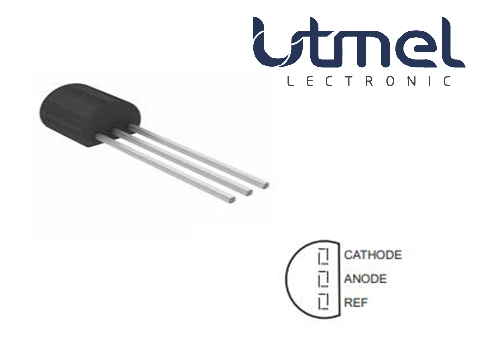
TL431ACLP Pinout
Specifications
- TypeParameter
- Lifecycle Status
Lifecycle Status refers to the current stage of an electronic component in its product life cycle, indicating whether it is active, obsolete, or transitioning between these states. An active status means the component is in production and available for purchase. An obsolete status indicates that the component is no longer being manufactured or supported, and manufacturers typically provide a limited time frame for support. Understanding the lifecycle status is crucial for design engineers to ensure continuity and reliability in their projects.
ACTIVE (Last Updated: 5 days ago) - Factory Lead Time6 Weeks
- Mounting Type
The "Mounting Type" in electronic components refers to the method used to attach or connect a component to a circuit board or other substrate, such as through-hole, surface-mount, or panel mount.
Through Hole - Package / Case
refers to the protective housing that encases an electronic component, providing mechanical support, electrical connections, and thermal management.
TO-226-3, TO-92-3 (TO-226AA) - Surface Mount
having leads that are designed to be soldered on the side of a circuit board that the body of the component is mounted on.
NO - Number of Pins3
- Weight213.188414mg
- Operating Temperature
The operating temperature is the range of ambient temperature within which a power supply, or any other electrical equipment, operate in. This ranges from a minimum operating temperature, to a peak or maximum operating temperature, outside which, the power supply may fail.
0°C~70°C TA - Packaging
Semiconductor package is a carrier / shell used to contain and cover one or more semiconductor components or integrated circuits. The material of the shell can be metal, plastic, glass or ceramic.
Bulk - Tolerance
In electronic components, "tolerance" refers to the acceptable deviation or variation from the specified or ideal value of a particular parameter, such as resistance, capacitance, or voltage. It indicates the range within which the actual value of the component can fluctuate while still being considered acceptable for use in a circuit. Tolerance is typically expressed as a percentage or a specific value and is important for ensuring the accuracy and reliability of electronic devices. Components with tighter tolerances are more precise but may also be more expensive. It is crucial to consider tolerance when selecting components to ensure proper functionality and performance of the circuit.
±1% - JESD-609 Code
The "JESD-609 Code" in electronic components refers to a standardized marking code that indicates the lead-free solder composition and finish of electronic components for compliance with environmental regulations.
e3 - Pbfree Code
The "Pbfree Code" parameter in electronic components refers to the code or marking used to indicate that the component is lead-free. Lead (Pb) is a toxic substance that has been widely used in electronic components for many years, but due to environmental concerns, there has been a shift towards lead-free alternatives. The Pbfree Code helps manufacturers and users easily identify components that do not contain lead, ensuring compliance with regulations and promoting environmentally friendly practices. It is important to pay attention to the Pbfree Code when selecting electronic components to ensure they meet the necessary requirements for lead-free applications.
yes - Part Status
Parts can have many statuses as they progress through the configuration, analysis, review, and approval stages.
Active - Moisture Sensitivity Level (MSL)
Moisture Sensitivity Level (MSL) is a standardized rating that indicates the susceptibility of electronic components, particularly semiconductors, to moisture-induced damage during storage and the soldering process, defining the allowable exposure time to ambient conditions before they require special handling or baking to prevent failures
1 (Unlimited) - Number of Terminations3
- ECCN Code
An ECCN (Export Control Classification Number) is an alphanumeric code used by the U.S. Bureau of Industry and Security to identify and categorize electronic components and other dual-use items that may require an export license based on their technical characteristics and potential for military use.
EAR99 - Temperature Coefficient
The resistance-change factor per degree Celsius of temperature change is called the temperature coefficient of resistance. This factor is represented by the Greek lower-case letter “alpha” (α). A positive coefficient for a material means that its resistance increases with an increase in temperature.
34 ppm/°C - Terminal Finish
Terminal Finish refers to the surface treatment applied to the terminals or leads of electronic components to enhance their performance and longevity. It can improve solderability, corrosion resistance, and overall reliability of the connection in electronic assemblies. Common finishes include nickel, gold, and tin, each possessing distinct properties suitable for various applications. The choice of terminal finish can significantly impact the durability and effectiveness of electronic devices.
Matte Tin (Sn) - Terminal Position
In electronic components, the term "Terminal Position" refers to the physical location of the connection points on the component where external electrical connections can be made. These connection points, known as terminals, are typically used to attach wires, leads, or other components to the main body of the electronic component. The terminal position is important for ensuring proper connectivity and functionality of the component within a circuit. It is often specified in technical datasheets or component specifications to help designers and engineers understand how to properly integrate the component into their circuit designs.
BOTTOM - Number of Functions1
- Current Rating
Current rating is the maximum current that a fuse will carry for an indefinite period without too much deterioration of the fuse element.
100mA - Base Part Number
The "Base Part Number" (BPN) in electronic components serves a similar purpose to the "Base Product Number." It refers to the primary identifier for a component that captures the essential characteristics shared by a group of similar components. The BPN provides a fundamental way to reference a family or series of components without specifying all the variations and specific details.
TL431 - Pin Count
a count of all of the component leads (or pins)
3 - Number of Outputs1
- Output Voltage
Output voltage is a crucial parameter in electronic components that refers to the voltage level produced by the component as a result of its operation. It represents the electrical potential difference between the output terminal of the component and a reference point, typically ground. The output voltage is a key factor in determining the performance and functionality of the component, as it dictates the level of voltage that will be delivered to the connected circuit or load. It is often specified in datasheets and technical specifications to ensure compatibility and proper functioning within a given system.
36V - Output Type
The "Output Type" parameter in electronic components refers to the type of signal or data that is produced by the component as an output. This parameter specifies the nature of the output signal, such as analog or digital, and can also include details about the voltage levels, current levels, frequency, and other characteristics of the output signal. Understanding the output type of a component is crucial for ensuring compatibility with other components in a circuit or system, as well as for determining how the output signal can be utilized or processed further. In summary, the output type parameter provides essential information about the nature of the signal that is generated by the electronic component as its output.
Adjustable - Max Output Current
The maximum current that can be supplied to the load.
100mA - Number of Channels1
- Trim/Adjustable Output
Trim or adjustable output refers to the ability of an electronic component, such as a voltage regulator or power supply, to produce an output voltage that can be finely tuned or adjusted to meet specific requirements. This feature allows for precise control over the output voltage level, accommodating variations in load conditions or desired operational parameters. Users can typically achieve this adjustment through external resistors, potentiometers, or internal calibration mechanisms, ensuring optimal performance in diverse applications.
YES - Analog IC - Other Type
Analog IC - Other Type is a parameter used to categorize electronic components that are integrated circuits (ICs) designed for analog signal processing but do not fall into more specific subcategories such as amplifiers, comparators, or voltage regulators. These ICs may include specialized analog functions such as analog-to-digital converters (ADCs), digital-to-analog converters (DACs), voltage references, or signal conditioning circuits. They are typically used in various applications where precise analog signal processing is required, such as in audio equipment, instrumentation, communication systems, and industrial control systems. Manufacturers provide detailed specifications for these components to help engineers select the most suitable IC for their specific design requirements.
THREE TERMINAL VOLTAGE REFERENCE - Max Output Voltage
The maximum output voltage refers to the dynamic area beyond which the output is saturated in the positive or negative direction, and is limited according to the load resistance value.
36V - Voltage - Output (Min/Fixed)
Voltage - Output (Min/Fixed) refers to the minimum fixed output voltage level that an electronic component, such as a voltage regulator or power supply, is designed to provide under specified load conditions. This parameter ensures that the device consistently delivers a reliable voltage that meets the requirements of the connected circuits or components. It is critical for applications where stable and predictable voltage is necessary for proper operation.
2.495V - Min Input Voltage
The parameter "Min Input Voltage" in electronic components refers to the minimum voltage level that must be applied to the component for it to operate within its specified parameters. This value is crucial as providing a voltage below this minimum threshold may result in the component malfunctioning or not functioning at all. It is important to adhere to the specified minimum input voltage to ensure the proper operation and longevity of the electronic component. Failure to meet this requirement may lead to potential damage to the component or the overall system in which it is used.
2.495V - Max Input Voltage
Max Input Voltage refers to the maximum voltage level that an electronic component can safely handle without getting damaged. This parameter is crucial for ensuring the proper functioning and longevity of the component. Exceeding the specified maximum input voltage can lead to overheating, electrical breakdown, or permanent damage to the component. It is important to carefully adhere to the manufacturer's guidelines regarding the maximum input voltage to prevent any potential issues and maintain the reliability of the electronic device.
37V - Reference Voltage
A voltage reference is an electronic device that ideally produces a fixed (constant) voltage irrespective of the loading on the device, power supply variations, temperature changes, and the passage of time. Voltage references are used in power supplies, analog-to-digital converters, digital-to-analog converters, and other measurement and control systems. Voltage references vary widely in performance; a regulator for a computer power supply may only hold its value to within a few percent of the nominal value, whereas laboratory voltage standards have precisions and stability measured in parts per million.
36V - Reference Type
a code object that is not stored directly where it is created, but that acts as a kind of pointer to a value stored elsewhere.
Shunt - Min Output Voltage
Min Output Voltage refers to the lowest voltage level that an electronic component, such as a voltage regulator or power supply, can provide reliably under specified conditions. It indicates the minimum threshold required for proper operation of connected devices. Operating below this voltage may lead to device malfunction or failure to operate as intended.
2.5V - Temp Coef of Voltage-Max
The parameter "Temp Coef of Voltage-Max" refers to the temperature coefficient of the maximum voltage rating of an electronic component. It indicates how the maximum voltage that the component can handle varies with temperature changes. A positive temperature coefficient means that the maximum voltage increases with temperature, while a negative coefficient indicates a decrease. This parameter is crucial for ensuring reliable performance and preventing breakdowns under different operating temperatures.
92 ppm/°C - Current - Cathode
Current - Cathode refers to the flow of electric current through the cathode terminal of an electronic component, such as a diode or a vacuum tube. It represents the amount of charge carriers, typically electrons, moving towards the cathode during operation. This parameter is crucial for determining the component's functionality and performance characteristics, as it influences the efficiency and stability of the circuit. High cathode current can indicate increased power consumption or potential overheating issues if not managed properly.
600μA - Height5.34mm
- Length4.3mm
- Width4.3mm
- Thickness
Thickness in electronic components refers to the measurement of how thick a particular material or layer is within the component structure. It can pertain to various aspects, such as the thickness of a substrate, a dielectric layer, or conductive traces. This parameter is crucial as it impacts the electrical, mechanical, and thermal properties of the component, influencing its performance and reliability in electronic circuits.
3.6mm - REACH SVHC
The parameter "REACH SVHC" in electronic components refers to the compliance with the Registration, Evaluation, Authorization, and Restriction of Chemicals (REACH) regulation regarding Substances of Very High Concern (SVHC). SVHCs are substances that may have serious effects on human health or the environment, and their use is regulated under REACH to ensure their safe handling and minimize their impact.Manufacturers of electronic components need to declare if their products contain any SVHCs above a certain threshold concentration and provide information on the safe use of these substances. This information allows customers to make informed decisions about the potential risks associated with using the components and take appropriate measures to mitigate any hazards.Ensuring compliance with REACH SVHC requirements is essential for electronics manufacturers to meet regulatory standards, protect human health and the environment, and maintain transparency in their supply chain. It also demonstrates a commitment to sustainability and responsible manufacturing practices in the electronics industry.
No SVHC - Radiation Hardening
Radiation hardening is the process of making electronic components and circuits resistant to damage or malfunction caused by high levels of ionizing radiation, especially for environments in outer space (especially beyond the low Earth orbit), around nuclear reactors and particle accelerators, or during nuclear accidents or nuclear warfare.
No - RoHS Status
RoHS means “Restriction of Certain Hazardous Substances” in the “Hazardous Substances Directive” in electrical and electronic equipment.
ROHS3 Compliant - Lead Free
Lead Free is a term used to describe electronic components that do not contain lead as part of their composition. Lead is a toxic material that can have harmful effects on human health and the environment, so the electronics industry has been moving towards lead-free components to reduce these risks. Lead-free components are typically made using alternative materials such as silver, copper, and tin. Manufacturers must comply with regulations such as the Restriction of Hazardous Substances (RoHS) directive to ensure that their products are lead-free and environmentally friendly.
Lead Free
TL431ACLP Simplified Schematic
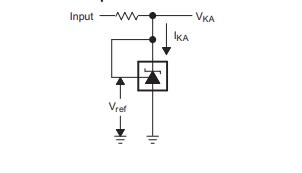
TL431ACLP Simplified Schematic
TL431ACLP Block Diagram
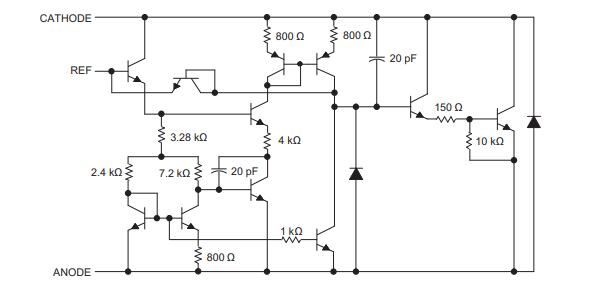
TL431ACLP Block Diagram
TL431ACLP Absolute Maximum Ratings
| MI MAX | UNIT | |
| VKA Cathode voltage | 37 | V |
| IKA Continuous cathode current range | –100 150 | mA |
| II(ref) Reference input current range | –0.05 10 | mA |
| TJ Operating virtual junction temperature | 150 | °C |
| Tstg Storage temperature range | –65 150 | °C |
TL431ACLP Applications
• Adjustable Voltage and Current Referencing
• Secondary Side Regulation in Flyback SMPSs
• Zener Replacement
• Voltage Monitoring
• Comparator with Integrated Reference
TL431ACLP Package information
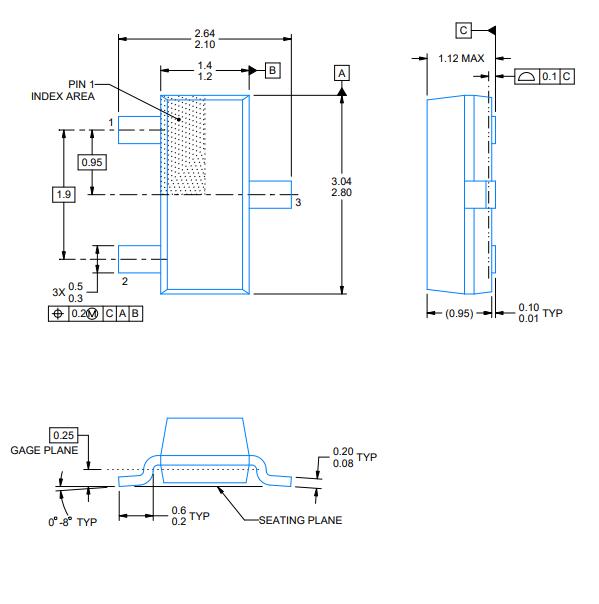
TL431ACLP Package information
Datasheet PDF
- PCN Assembly/Origin :
Popularity by Region
How many pins of TL431ACLP?
3 Pins.
What’s the operating temperature of TL431ACLP?
0°C~70°C TA.
What’s the current rating of TL431ACLP?
100mA.
What’s the Max Output Current of TL431ACLP?
100mA.
What’s the Max Output Voltage of TL431ACLP?
36V.
 Microchip PIC32MX Series: Technical Overview
29 February 2024192
 STM32F411RET6 Microcontrollers: Pinout, Features and Application
13 July 20215635
 WM8960 Stereo CODEC: Pinout, Features and Datasheet
12 February 20225236
 DS26LV32ATM:CMOS Receiver, Pinout, Datasheet
24 March 20221089
 DS17285 Real Time Clock: Pinout, Equivalent and Datasheet
13 April 2022728
 LP8867QPWPRQ1 LED Lighting Drivers: Pinout and Datasheet
21 March 2022363
 ADP7118 Linear Regulator: Features, Pinout and Datasheet
14 December 20211196
 DRV8835DSSR: Pinout, Datasheet
18 March 20221192
 An Overview of Thermal Overload Relays
12 October 202012187
 Carbon Film vs Metal Film Resistors: Complete Comparison Guide
19 May 20253499
 5 Easy Ways to Choose Sample-and-Hold Amplifiers
06 June 20252666
 Understanding the Low Noise Amplifier (LNA)
20 March 202522565
 RF Modulator: Working Principle and Development Trend
21 April 20217889
 An Overview of Crystal Oscillator
21 September 202013316
 Everything You Need to Know about Connectors
07 September 20217642
 Semiconductor Market Expected to Surge, Driven by Rising Number of Data Centers
04 June 20242495
Texas Instruments
In Stock: 62900
Minimum: 1 Multiples: 1
Qty
Unit Price
Ext Price
1
$0.156245
$0.16
500
$0.114886
$57.44
1000
$0.095738
$95.74
2000
$0.087833
$175.67
5000
$0.082087
$410.44
10000
$0.076360
$763.60
15000
$0.073849
$1,107.74
50000
$0.072615
$3,630.75
Not the price you want? Send RFQ Now and we'll contact you ASAP.
Inquire for More Quantity
![LM4041DIM3X-1.2]() LM4041DIM3X-1.2
LM4041DIM3X-1.2Texas Instruments
![TL431AIDR]() TL431AIDR
TL431AIDRTexas Instruments
![LM4040DIM3-2.5/NOPB]() LM4040DIM3-2.5/NOPB
LM4040DIM3-2.5/NOPBTexas Instruments
![LM431AIM3/NOPB]() LM431AIM3/NOPB
LM431AIM3/NOPBTexas Instruments
![LM4041CIM3-ADJ/NOPB]() LM4041CIM3-ADJ/NOPB
LM4041CIM3-ADJ/NOPBTexas Instruments
![LMV431AIMF/NOPB]() LMV431AIMF/NOPB
LMV431AIMF/NOPBTexas Instruments
![LM431CIM3/NOPB]() LM431CIM3/NOPB
LM431CIM3/NOPBTexas Instruments
![TL431AQDBZRQ1]() TL431AQDBZRQ1
TL431AQDBZRQ1Texas Instruments
![LM4041CIM3-1.2/NOPB]() LM4041CIM3-1.2/NOPB
LM4041CIM3-1.2/NOPBTexas Instruments
![REF02AU/2K5]() REF02AU/2K5
REF02AU/2K5Texas Instruments


