

 Product
 Brand
Brand Articles
 Tools
Tools
74HC04 Hex Inverter: Pinout, Circuit and Datasheet


Gates & Inverters 2V~6V V
Hello everyone, this is Rose. Today we will detail the introduction to 74HC04 to you. The 74HC04 is a hex inverter. It is consist of six inverter circuits with standard push-pull outputs. This article mainly introduce pinout, circuit, datasheet and other detailed information about Toshiba Semiconductor 74HC04.

Digital Logic-74HC04 Hex Inverter
74HC04 Description
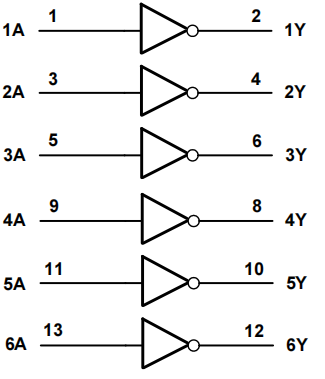
The 74HC04 is a hex inverter. It is consist of six inverter circuits with standard push-pull outputs. They perform the Boolean function Y= A in positive logic. Each of the six inverters is a single stage.
The inputs include clamp diodes that enable the use of current limiting resistors to interface inputs to voltages in excess of VCC.The device is designed for operation with a power supply range of 2.0V to 6.0V.
74HC04 Pinout


74HC04 CAD Model
Symbol

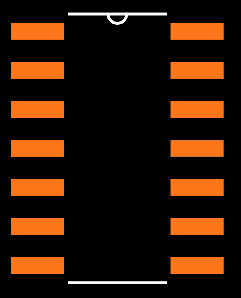
Footprint
74HC04 Features
• Output Drive Capability: up to 10 LSTTL Loads
• Outputs Directly Interface to CMOS, NMOS and TTL
• Wide supply Operating Voltage Range: 2.0 to 6.0 V
• Low Input Current of 1µA Maximum
• High Noise Immunity Characteristic of CMOS Devices
• In Compliance With the JEDEC Standard No. 7A Requirements
• ESD Performance: HBM>2000 V; Machine Model>200 V
• Chip Complexity: 36 FETs or 9 Equivalent Gates
• Totally Lead-Free & Fully RoHS Compliant
• Avaliable package: SO-14 and TSSOP-14
Specifications
- TypeParameter
- Factory Lead Time12 Weeks
- Mounting Type
The "Mounting Type" in electronic components refers to the method used to attach or connect a component to a circuit board or other substrate, such as through-hole, surface-mount, or panel mount.
Surface Mount - Package / Case
refers to the protective housing that encases an electronic component, providing mechanical support, electrical connections, and thermal management.
14-SOIC (0.154, 3.90mm Width) - Surface Mount
having leads that are designed to be soldered on the side of a circuit board that the body of the component is mounted on.
YES - Logic Level-High1.5V ~ 4.2V
- Logic Level-Low0.5V ~ 1.8V
- Operating Temperature
The operating temperature is the range of ambient temperature within which a power supply, or any other electrical equipment, operate in. This ranges from a minimum operating temperature, to a peak or maximum operating temperature, outside which, the power supply may fail.
-40°C~125°C - Packaging
Semiconductor package is a carrier / shell used to contain and cover one or more semiconductor components or integrated circuits. The material of the shell can be metal, plastic, glass or ceramic.
Cut Tape (CT) - Series
In electronic components, the "Series" refers to a group of products that share similar characteristics, designs, or functionalities, often produced by the same manufacturer. These components within a series typically have common specifications but may vary in terms of voltage, power, or packaging to meet different application needs. The series name helps identify and differentiate between various product lines within a manufacturer's catalog.
74HC - Published2016
- Part Status
Parts can have many statuses as they progress through the configuration, analysis, review, and approval stages.
Active - Moisture Sensitivity Level (MSL)
Moisture Sensitivity Level (MSL) is a standardized rating that indicates the susceptibility of electronic components, particularly semiconductors, to moisture-induced damage during storage and the soldering process, defining the allowable exposure time to ambient conditions before they require special handling or baking to prevent failures
1 (Unlimited) - Number of Terminations14
- HTS Code
HTS (Harmonized Tariff Schedule) codes are product classification codes between 8-1 digits. The first six digits are an HS code, and the countries of import assign the subsequent digits to provide additional classification. U.S. HTS codes are 1 digits and are administered by the U.S. International Trade Commission.
8542.39.00.01 - Voltage - Supply
Voltage - Supply refers to the range of voltage levels that an electronic component or circuit is designed to operate with. It indicates the minimum and maximum supply voltage that can be applied for the device to function properly. Providing supply voltages outside this range can lead to malfunction, damage, or reduced performance. This parameter is critical for ensuring compatibility between different components in a circuit.
2V~6V - Terminal Position
In electronic components, the term "Terminal Position" refers to the physical location of the connection points on the component where external electrical connections can be made. These connection points, known as terminals, are typically used to attach wires, leads, or other components to the main body of the electronic component. The terminal position is important for ensuring proper connectivity and functionality of the component within a circuit. It is often specified in technical datasheets or component specifications to help designers and engineers understand how to properly integrate the component into their circuit designs.
DUAL - Terminal Form
Occurring at or forming the end of a series, succession, or the like; closing; concluding.
GULL WING - Peak Reflow Temperature (Cel)
Peak Reflow Temperature (Cel) is a parameter that specifies the maximum temperature at which an electronic component can be exposed during the reflow soldering process. Reflow soldering is a common method used to attach electronic components to a circuit board. The Peak Reflow Temperature is crucial because it ensures that the component is not damaged or degraded during the soldering process. Exceeding the specified Peak Reflow Temperature can lead to issues such as component failure, reduced performance, or even permanent damage to the component. It is important for manufacturers and assemblers to adhere to the recommended Peak Reflow Temperature to ensure the reliability and functionality of the electronic components.
NOT SPECIFIED - Number of Functions6
- Supply Voltage
Supply voltage refers to the electrical potential difference provided to an electronic component or circuit. It is crucial for the proper operation of devices, as it powers their functions and determines performance characteristics. The supply voltage must be within specified limits to ensure reliability and prevent damage to components. Different electronic devices have specific supply voltage requirements, which can vary widely depending on their design and intended application.
5V - Terminal Pitch
The center distance from one pole to the next.
1.27mm - Time@Peak Reflow Temperature-Max (s)
Time@Peak Reflow Temperature-Max (s) refers to the maximum duration that an electronic component can be exposed to the peak reflow temperature during the soldering process, which is crucial for ensuring reliable solder joint formation without damaging the component.
NOT SPECIFIED - JESD-30 Code
JESD-30 Code refers to a standardized descriptive designation system established by JEDEC for semiconductor-device packages. This system provides a systematic method for generating designators that convey essential information about the package's physical characteristics, such as size and shape, which aids in component identification and selection. By using JESD-30 codes, manufacturers and engineers can ensure consistency and clarity in the specification of semiconductor packages across various applications and industries.
R-PDSO-G14 - Supply Voltage-Max (Vsup)
The parameter "Supply Voltage-Max (Vsup)" in electronic components refers to the maximum voltage that can be safely applied to the component without causing damage. It is an important specification to consider when designing or using electronic circuits to ensure the component operates within its safe operating limits. Exceeding the maximum supply voltage can lead to overheating, component failure, or even permanent damage. It is crucial to adhere to the specified maximum supply voltage to ensure the reliable and safe operation of the electronic component.
6V - Supply Voltage-Min (Vsup)
The parameter "Supply Voltage-Min (Vsup)" in electronic components refers to the minimum voltage level required for the component to operate within its specified performance range. This parameter indicates the lowest voltage that can be safely applied to the component without risking damage or malfunction. It is crucial to ensure that the supply voltage provided to the component meets or exceeds this minimum value to ensure proper functionality and reliability. Failure to adhere to the specified minimum supply voltage may result in erratic behavior, reduced performance, or even permanent damage to the component.
2V - Number of Circuits6
- Family
In electronic components, the parameter "Family" typically refers to a categorization or classification system used to group similar components together based on their characteristics, functions, or applications. This classification helps users easily identify and select components that meet their specific requirements. The "Family" parameter can include various subcategories such as resistors, capacitors, diodes, transistors, integrated circuits, and more. Understanding the "Family" of an electronic component can provide valuable information about its compatibility, performance specifications, and potential uses within a circuit or system. It is important to consider the "Family" parameter when designing or troubleshooting electronic circuits to ensure proper functionality and compatibility with other components.
HC/UH - Number of Inputs1
- Logic Type
Logic Type in electronic components refers to the classification of circuits based on the logical operations they perform. It includes types such as AND, OR, NOT, NAND, NOR, XOR, and XNOR, each defining the relationship between binary inputs and outputs. The logic type determines how the inputs affect the output state based on specific rules of Boolean algebra. This classification is crucial for designing digital circuits and systems, enabling engineers to select appropriate components for desired functionalities.
Inverter - Max Propagation Delay @ V, Max CL
The parameter "Max Propagation Delay @ V, Max CL" in electronic components refers to the maximum amount of time it takes for a signal to propagate through the component from input to output when operating at a specific voltage (V) and driving a maximum specified load capacitance (CL). This parameter is crucial in determining the speed and performance of the component in a circuit. A shorter propagation delay indicates faster signal processing and better overall performance. Designers use this parameter to ensure that signals can be transmitted and received within the required timing constraints in their electronic systems.
13ns @ 6V, 50pF - Propagation Delay (tpd)
Propagation delay (tpd) is a crucial parameter in electronic components, especially in digital circuits. It refers to the time taken for a signal to travel from the input of a component to its output. This delay is caused by various factors such as the internal circuitry, interconnections, and the physical properties of the component. Propagation delay is essential to consider in designing circuits to ensure proper timing and functionality. It is typically measured in nanoseconds or picoseconds and plays a significant role in determining the overall performance and speed of electronic systems.
130 ns - Current - Quiescent (Max)
The parameter "Current - Quiescent (Max)" in electronic components refers to the maximum amount of current that a device consumes when it is in a quiescent or idle state. This parameter is important because it indicates the minimum power consumption of the device when it is not actively performing any tasks. It is typically measured in units of amperes (A) and helps in determining the overall power efficiency and battery life of the electronic component. Designers and engineers use this parameter to ensure that the device meets power consumption requirements and operates within specified limits during standby or idle modes.
1μA - Height Seated (Max)
Height Seated (Max) is a parameter in electronic components that refers to the maximum allowable height of the component when it is properly seated or installed on a circuit board or within an enclosure. This specification is crucial for ensuring proper fit and alignment within the overall system design. Exceeding the maximum seated height can lead to mechanical interference, electrical shorts, or other issues that may impact the performance and reliability of the electronic device. Manufacturers provide this information to help designers and engineers select components that will fit within the designated space and function correctly in the intended application.
1.75mm - Width3.9mm
- RoHS Status
RoHS means “Restriction of Certain Hazardous Substances” in the “Hazardous Substances Directive” in electrical and electronic equipment.
RoHS Compliant
74HC04 Logic Diagram
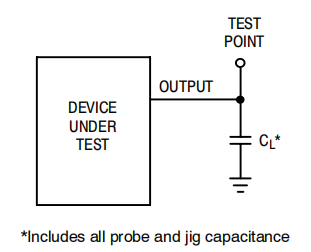
74HC04 Test Circuit
74HC04 Applications
• General Purpose Logic
• Wide array of products such as:
• PCs, networking, notebooks, netbooks
• Computer peripherals, hard drives, CD/DVD ROM
• TV, DVD, DVR, set top box
• Cameras
• E-Meters
• Ethernet Switches
• Infotainment
74HC04 Package

74HC04 Manufacturer
Toshiba Corporation (Toshiba Corporation) is a Japanese multinational corporation headquartered in Tokyo Minato. Its diversified products and services include power, industrial and social infrastructure systems, elevators and escalators, electronic components, semiconductors, hard disk drives, printers, batteries, lighting, and IT solutions such as quantum cryptography. [3][4] It is one of the largest manufacturers of personal computers, consumer electronics, household appliances and medical equipment. As a semiconductor company and the inventor of flash memory, Toshiba has been one of the top 10 in the chip industry until its flash memory division was spun off in the late 2010s as Toshiba Memory, which later became Kioxia.
Trend Analysis
Datasheet PDF
- Datasheets :
1.What is 74HC04?
74HC04 is a six inverter, that is, there are six inverters on one integrated block. The input is high, the output is low, and the input is low, the output is high. 74HC04 has a higher drive current than 74LS04.
2.What is the difference between 74LS04 and 74HC04?
74LS04 is a six inverter of TTL circuit, the working power supply voltage is 5V, 74HC04 is a six inverter of CMOS circuit, the working power supply voltage is
2V-6V.
3.Do all the pins of 74HC04 need to be connected when using it?
74HC04 is six inverters. If you don't use all six, such as two inverters, the input ends of the remaining four inverters are connected to high level or low level, and the four unused output ends are left floating.
4.Does 74HC04 belong to combinatorial logic?
74HC04 is a 6-inverter, that is, there are 6 NOT gates in one slice. They are just not gates and do not belong to combinational logic. Simple combinational logic must have at least 2 different gate circuits.
5.The difference between 74HC04 and CD4069?
74HC04 and CD4069 have the same pin arrangement, they are all six inverters. CMOS devices. The operating power supply voltage range of 74HC04 is 2V-6V,
The operating power supply voltage range of CD4069 is 3V-18V. The drive current of 74HC04 is greater than that of CD4069.
 STM32H743ZIT6: 400MHz, 144-LQFP, Pinout and Datasheet
03 March 202210543
 LTC7545ABSW#TRPBF Digital to Analog Converter: Product Overview and Applications
06 March 2024176
 TPS22965NQWDSGRQ1 On-Resistance Load Switch: Circuit, Pinout, and Datasheet
08 April 20221756
 AD8233ACBZ-R7 Heart Rate Monitor: Low Noise, 20WLCSP Monitor and AD8233 Datasheet
21 January 20222222
 CR1220 Lithium Coin Battery: Datasheet, Equivalent and CR1220 vs BR1220
29 April 202210394
 STM32F302K8U6TR Microcontroller: 32-Bit, 32-UFQFN, Pinout and Datasheet
10 January 20221190
 AD9508 1.65 GHz Clock Buffer: Datasheet, Ultra-Low Jitter Specs, and Configuration Analysis
21 April 2026321
 TC7660COA Voltage Converter: Datasheet, Pinout, Circuit
22 September 20211332
 C1815 vs C945 Key Features and Application Guide
01 September 20254062
 What is Feedthrough Capacitor?
06 November 202141314
 What is Universal Serial Bus (USB)?
12 June 202612910
 How Embedded Computers Drive Innovation in 2025
17 July 20251051
 How to Increase Laptop Battery Life
03 July 20213553
 How to Select Stepper Motor Controllers for Precision
19 July 20251050
 How to Address IoT Eco-security in the Era of Digital Transformation?
22 April 2022611
 What is LCD? Working Principle, Features, and Future Trends
05 January 202613802
Toshiba Semiconductor and Storage
In Stock: 6
Minimum: 1 Multiples: 1
Qty
Unit Price
Ext Price
1
$0.169085
$0.17
10
$0.159514
$1.60
100
$0.150485
$15.05
500
$0.141967
$70.98
1000
$0.133931
$133.93
Not the price you want? Send RFQ Now and we'll contact you ASAP.
Inquire for More Quantity
![74VHC00FT]() 74VHC00FT
74VHC00FTToshiba Semiconductor and Storage
![74VHCT00AFT]() 74VHCT00AFT
74VHCT00AFTToshiba Semiconductor and Storage
![TC74HC00AP]() TC74HC00AP
TC74HC00APToshiba
![TC74HC04AP]() TC74HC04AP
TC74HC04APToshiba
![74VHC32FT]() 74VHC32FT
74VHC32FTToshiba Semiconductor and Storage
![TC4011BP]() TC4011BP
TC4011BPToshiba
![74VHC04FT]() 74VHC04FT
74VHC04FTToshiba Semiconductor and Storage
![TC74HC08AP]() TC74HC08AP
TC74HC08APToshiba
![TC4S584F(TE85L)]() TC4S584F(TE85L)
TC4S584F(TE85L)Toshiba
![74LCX14FT]() 74LCX14FT
74LCX14FTToshiba Semiconductor and Storage

