

 Product
 Brand
Brand Articles
 Tools
Tools
M93C66-W 4-Kbit MICROWIRE™ Serial EEPROM: Pinout, Equivalent and Datasheet

3/5V V Surface Mount 8 Pin Memory IC M93C66 4 kb kb 4.9mm mm 2mA mA
Unit Price: $0.189408
Ext Price: $0.19


3/5V V Surface Mount 8 Pin Memory IC M93C66 4 kb kb 4.9mm mm 2mA mA
The M93C66 (4 Kbit) is Electrically Erasable PROgrammable Memory (EEPROM) device accessed through the MICROWIRE™ bus protocol. The memory array can be configured either in bytes (x8b) or in words (x16b). Furthermore, Huge range of Semiconductors, Capacitors, Resistors and IcS in stock. Welcome RFQ.

What Is EEPROM?
M93C66-W Pinout
The following figure is the diagram of M93C66-W pinout.
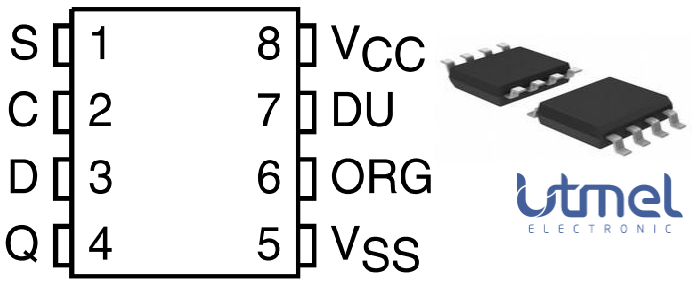
Pinout
M93C66-W CAD Model
The followings are M93C66-W Symbol, Footprint, and 3D Model.
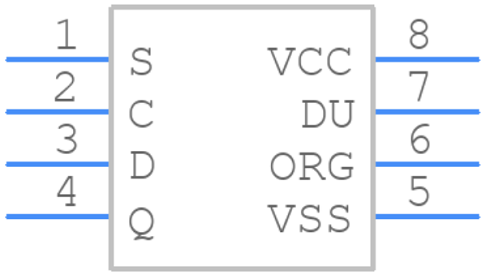
PCB Symbol
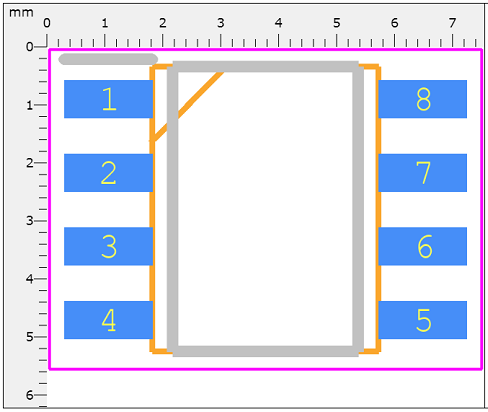
PCB Footprint
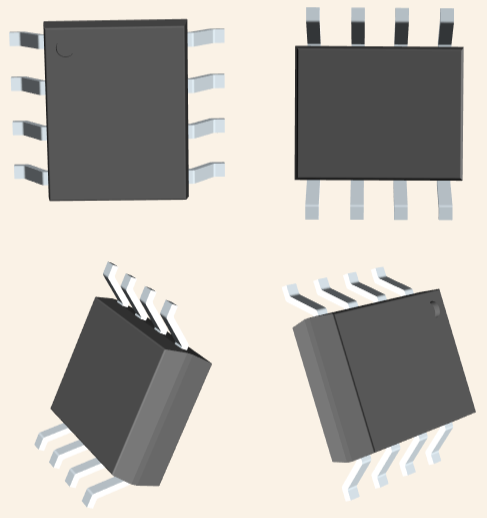
3D Model
M93C66-W Overview
The M93C66 (4 Kbit) is Electrically Erasable PROgrammable Memory (EEPROM) device accessed through the MICROWIRE™ bus protocol. The memory array can be configured either in bytes (x8b) or in words (x16b). The M93C66-W device operates within a voltage supply range from 2.5 V to 5.5 V. The device operates with a clock frequency of 2 MHz (or less), over an ambient temperature range of - 40 °C / + 85 °C.
This article provides you with a basic overview of the M93C66-W 4-Kbit MICROWIRE™ Serial EEPROM, including its pin descriptions, features and specifications, etc., to help you quickly understand what M93C66-W is.
M93C66-W Features
● Industry standard MICROWIRE™ bus
● Single supply voltage: 2.5 V to 5.5 V
● Dual organization: by word (x16) or byte (x8)
● Programming instructions that work on: byte, word or entire memory
● Self-timed programming cycle with auto-erase: 5 ms
● READY signal during programming
● 2 MHz clock rate
● Sequential read operation
● Enhanced ESD/latch-up behavior
● More than 4 million write cycles
● More than 200-year data retention
● Packages
◆ SO8, TSSOP8, UFDFPN8 packages: ECOPACK2®
◆ PDIP8 package: ECOPACK1®
Specifications
- TypeParameter
- Factory Lead Time13 Weeks
- Contact Plating
Contact plating (finish) provides corrosion protection for base metals and optimizes the mechanical and electrical properties of the contact interfaces.
Gold - Mount
In electronic components, the term "Mount" typically refers to the method or process of physically attaching or fixing a component onto a circuit board or other electronic device. This can involve soldering, adhesive bonding, or other techniques to secure the component in place. The mounting process is crucial for ensuring proper electrical connections and mechanical stability within the electronic system. Different components may have specific mounting requirements based on their size, shape, and function, and manufacturers provide guidelines for proper mounting procedures to ensure optimal performance and reliability of the electronic device.
Surface Mount - Mounting Type
The "Mounting Type" in electronic components refers to the method used to attach or connect a component to a circuit board or other substrate, such as through-hole, surface-mount, or panel mount.
Surface Mount - Package / Case
refers to the protective housing that encases an electronic component, providing mechanical support, electrical connections, and thermal management.
8-SOIC (0.154, 3.90mm Width) - Number of Pins8
- Memory TypesNon-Volatile
- Usage LevelIndustrial grade
- Operating Temperature
The operating temperature is the range of ambient temperature within which a power supply, or any other electrical equipment, operate in. This ranges from a minimum operating temperature, to a peak or maximum operating temperature, outside which, the power supply may fail.
-40°C~85°C TA - Packaging
Semiconductor package is a carrier / shell used to contain and cover one or more semiconductor components or integrated circuits. The material of the shell can be metal, plastic, glass or ceramic.
Tube - JESD-609 Code
The "JESD-609 Code" in electronic components refers to a standardized marking code that indicates the lead-free solder composition and finish of electronic components for compliance with environmental regulations.
e4 - Part Status
Parts can have many statuses as they progress through the configuration, analysis, review, and approval stages.
Active - Moisture Sensitivity Level (MSL)
Moisture Sensitivity Level (MSL) is a standardized rating that indicates the susceptibility of electronic components, particularly semiconductors, to moisture-induced damage during storage and the soldering process, defining the allowable exposure time to ambient conditions before they require special handling or baking to prevent failures
1 (Unlimited) - Number of Terminations8
- ECCN Code
An ECCN (Export Control Classification Number) is an alphanumeric code used by the U.S. Bureau of Industry and Security to identify and categorize electronic components and other dual-use items that may require an export license based on their technical characteristics and potential for military use.
EAR99 - Voltage - Supply
Voltage - Supply refers to the range of voltage levels that an electronic component or circuit is designed to operate with. It indicates the minimum and maximum supply voltage that can be applied for the device to function properly. Providing supply voltages outside this range can lead to malfunction, damage, or reduced performance. This parameter is critical for ensuring compatibility between different components in a circuit.
2.5V~5.5V - Terminal Position
In electronic components, the term "Terminal Position" refers to the physical location of the connection points on the component where external electrical connections can be made. These connection points, known as terminals, are typically used to attach wires, leads, or other components to the main body of the electronic component. The terminal position is important for ensuring proper connectivity and functionality of the component within a circuit. It is often specified in technical datasheets or component specifications to help designers and engineers understand how to properly integrate the component into their circuit designs.
DUAL - Peak Reflow Temperature (Cel)
Peak Reflow Temperature (Cel) is a parameter that specifies the maximum temperature at which an electronic component can be exposed during the reflow soldering process. Reflow soldering is a common method used to attach electronic components to a circuit board. The Peak Reflow Temperature is crucial because it ensures that the component is not damaged or degraded during the soldering process. Exceeding the specified Peak Reflow Temperature can lead to issues such as component failure, reduced performance, or even permanent damage to the component. It is important for manufacturers and assemblers to adhere to the recommended Peak Reflow Temperature to ensure the reliability and functionality of the electronic components.
260 - Number of Functions1
- Supply Voltage
Supply voltage refers to the electrical potential difference provided to an electronic component or circuit. It is crucial for the proper operation of devices, as it powers their functions and determines performance characteristics. The supply voltage must be within specified limits to ensure reliability and prevent damage to components. Different electronic devices have specific supply voltage requirements, which can vary widely depending on their design and intended application.
5V - Terminal Pitch
The center distance from one pole to the next.
1.27mm - Time@Peak Reflow Temperature-Max (s)
Time@Peak Reflow Temperature-Max (s) refers to the maximum duration that an electronic component can be exposed to the peak reflow temperature during the soldering process, which is crucial for ensuring reliable solder joint formation without damaging the component.
30 - Base Part Number
The "Base Part Number" (BPN) in electronic components serves a similar purpose to the "Base Product Number." It refers to the primary identifier for a component that captures the essential characteristics shared by a group of similar components. The BPN provides a fundamental way to reference a family or series of components without specifying all the variations and specific details.
M93C66 - Pin Count
a count of all of the component leads (or pins)
8 - Supply Voltage-Max (Vsup)
The parameter "Supply Voltage-Max (Vsup)" in electronic components refers to the maximum voltage that can be safely applied to the component without causing damage. It is an important specification to consider when designing or using electronic circuits to ensure the component operates within its safe operating limits. Exceeding the maximum supply voltage can lead to overheating, component failure, or even permanent damage. It is crucial to adhere to the specified maximum supply voltage to ensure the reliable and safe operation of the electronic component.
5.5V - Power Supplies
an electronic circuit that converts the voltage of an alternating current (AC) into a direct current (DC) voltage.?
3/5V - Supply Voltage-Min (Vsup)
The parameter "Supply Voltage-Min (Vsup)" in electronic components refers to the minimum voltage level required for the component to operate within its specified performance range. This parameter indicates the lowest voltage that can be safely applied to the component without risking damage or malfunction. It is crucial to ensure that the supply voltage provided to the component meets or exceeds this minimum value to ensure proper functionality and reliability. Failure to adhere to the specified minimum supply voltage may result in erratic behavior, reduced performance, or even permanent damage to the component.
2.5V - Interface
In electronic components, the term "Interface" refers to the point at which two different systems, devices, or components connect and interact with each other. It can involve physical connections such as ports, connectors, or cables, as well as communication protocols and standards that facilitate the exchange of data or signals between the connected entities. The interface serves as a bridge that enables seamless communication and interoperability between different parts of a system or between different systems altogether. Designing a reliable and efficient interface is crucial in ensuring proper functionality and performance of electronic components and systems.
Serial - Memory Size
The memory capacity is the amount of data a device can store at any given time in its memory.
4Kb 512 x 8 256 x 16 - Operating Supply Current
Operating Supply Current, also known as supply current or quiescent current, is a crucial parameter in electronic components that indicates the amount of current required for the device to operate under normal conditions. It represents the current drawn by the component from the power supply while it is functioning. This parameter is important for determining the power consumption of the component and is typically specified in datasheets to help designers calculate the overall power requirements of their circuits. Understanding the operating supply current is essential for ensuring proper functionality and efficiency of electronic systems.
2mA - Nominal Supply Current
Nominal current is the same as the rated current. It is the current drawn by the motor while delivering rated mechanical output at its shaft.
2mA - Clock Frequency
Clock frequency, also known as clock speed, refers to the rate at which a processor or electronic component can execute instructions. It is measured in hertz (Hz) and represents the number of cycles per second that the component can perform. A higher clock frequency typically indicates a faster processing speed and better performance. However, it is important to note that other factors such as architecture, efficiency, and workload also play a significant role in determining the overall performance of a component. In summary, clock frequency is a crucial parameter that influences the speed and efficiency of electronic components in processing data and executing tasks.
2MHz - Access Time
Access time in electronic components refers to the amount of time it takes for a system to retrieve data from memory or storage once a request has been made. It is typically measured in nanoseconds or microseconds and indicates the speed at which data can be accessed. Lower access time values signify faster performance, allowing for more efficient processing in computing systems. Access time is a critical parameter in determining the overall responsiveness of electronic devices, particularly in applications requiring quick data retrieval.
200 ns - Memory Format
Memory Format in electronic components refers to the specific organization and structure of data storage within a memory device. It defines how data is stored, accessed, and managed within the memory module. Different memory formats include RAM (Random Access Memory), ROM (Read-Only Memory), and various types of flash memory. The memory format determines the speed, capacity, and functionality of the memory device, and it is crucial for compatibility with other components in a system. Understanding the memory format is essential for selecting the right memory module for a particular application or device.
EEPROM - Memory Interface
An external memory interface is a bus protocol for communication from an integrated circuit, such as a microprocessor, to an external memory device located on a circuit board.
SPI - Organization
In the context of electronic components, the parameter "Organization" typically refers to the arrangement or structure of the internal components within a device or system. It can describe how various elements such as transistors, resistors, capacitors, and other components are physically arranged and interconnected on a circuit board or within a semiconductor chip.The organization of electronic components plays a crucial role in determining the functionality, performance, and efficiency of a device. It can impact factors such as signal propagation, power consumption, thermal management, and overall system complexity. Engineers carefully design the organization of components to optimize the operation of electronic devices and ensure reliable performance.Different types of electronic components may have specific organizational requirements based on the intended application and design considerations. For example, integrated circuits may have a highly compact and intricate organization to maximize functionality within a small footprint, while larger electronic systems may have a more modular and distributed organization to facilitate maintenance and scalability.
256X16 - Write Cycle Time - Word, Page
Write Cycle Time - Word, Page refers to the duration required to write data to a specific memory cell or a page of memory in electronic components, particularly in non-volatile memories like Flash or EEPROM. It indicates the time taken to complete a writing operation for a single word or an entire page of data. This parameter is crucial for determining the performance and speed of memory devices in applications where quick data storage is essential. It impacts the overall efficiency in data handling, affecting both read and write speeds in memory-related operations.
5ms - Density
In electronic components, "Density" refers to the mass or weight of a material per unit volume. It is a physical property that indicates how tightly packed the atoms or molecules are within the material. The density of a component can affect its performance and characteristics, such as its strength, thermal conductivity, and electrical properties. Understanding the density of electronic components is important for designing and manufacturing processes to ensure optimal performance and reliability.
4 kb - Standby Current-Max
Standby Current-Max refers to the maximum amount of current that an electronic component or device consumes while in a low-power standby mode. This parameter is critical for power management, especially in battery-operated devices, as it indicates how efficiently the device can conserve energy when not actively in use. A lower Standby Current-Max value is typically desirable, as it contributes to longer battery life and reduced energy consumption. Manufacturers specify this value to help engineers select components that meet specific power efficiency requirements in their designs.
0.000005A - Serial Bus Type
Serial bus type refers to the method by which data is transmitted between components in an electronic system using a serial communication protocol. It involves the sequential transfer of data bits over a single channel or wire, allowing for a reduced number of interconnections compared to parallel communication. Common examples of serial bus types include I2C, SPI, USB, and UART, each with its own specific protocol and applications. The choice of serial bus type can affect the speed, complexity, and power consumption of the communication between devices.
MICROWIRE - Endurance
In electronic components, "Endurance" refers to the ability of a component to withstand repeated cycles of operation without degradation in performance or failure. It is a crucial parameter, especially in components that are subjected to frequent switching or high levels of stress during operation. Endurance testing is often conducted to evaluate the reliability and durability of electronic components under real-world conditions. Components with high endurance ratings are more likely to have a longer lifespan and provide consistent performance over time. Manufacturers typically provide endurance specifications in datasheets to help engineers and designers select components that meet the required durability for their applications.
1000000 Write/Erase Cycles - Write Cycle Time-Max (tWC)
The parameter "Write Cycle Time-Max (tWC)" in electronic components refers to the maximum amount of time it takes for data to be written to a memory cell or storage device. It is a crucial specification in devices such as EEPROMs, flash memory, and other non-volatile memory technologies. The tWC value indicates the longest duration required for a write operation to be completed successfully, ensuring that the data is stored accurately and reliably. Designers and engineers use this parameter to optimize performance and ensure proper functioning of the electronic component within the specified time constraints.
5ms - Data Retention Time-Min
The parameter "Data Retention Time-Min" in electronic components refers to the minimum amount of time that data can be stored in a non-volatile memory device without requiring a refresh or rewrite operation to maintain its integrity. This parameter is crucial for applications where data integrity and reliability are essential, such as in embedded systems, IoT devices, and critical infrastructure. A longer data retention time indicates a more stable memory device that can retain data for extended periods without degradation or loss. It is important to consider the data retention time when selecting memory components for specific applications to ensure data reliability and longevity.
40 - Write Protection
Write protection is a feature found in electronic components, such as memory devices, that prevents data from being modified or erased. When write protection is enabled, the data stored in the component is locked and cannot be altered, ensuring the integrity and security of the information. This feature is commonly used in devices like USB flash drives, SD cards, and EEPROMs to prevent accidental data loss or unauthorized access. Write protection can be implemented through hardware mechanisms, such as physical switches or jumpers, or through software settings that restrict write access to the component.
SOFTWARE - Height1.25mm
- Length4.9mm
- Width3.9mm
- REACH SVHC
The parameter "REACH SVHC" in electronic components refers to the compliance with the Registration, Evaluation, Authorization, and Restriction of Chemicals (REACH) regulation regarding Substances of Very High Concern (SVHC). SVHCs are substances that may have serious effects on human health or the environment, and their use is regulated under REACH to ensure their safe handling and minimize their impact.Manufacturers of electronic components need to declare if their products contain any SVHCs above a certain threshold concentration and provide information on the safe use of these substances. This information allows customers to make informed decisions about the potential risks associated with using the components and take appropriate measures to mitigate any hazards.Ensuring compliance with REACH SVHC requirements is essential for electronics manufacturers to meet regulatory standards, protect human health and the environment, and maintain transparency in their supply chain. It also demonstrates a commitment to sustainability and responsible manufacturing practices in the electronics industry.
No SVHC - Radiation Hardening
Radiation hardening is the process of making electronic components and circuits resistant to damage or malfunction caused by high levels of ionizing radiation, especially for environments in outer space (especially beyond the low Earth orbit), around nuclear reactors and particle accelerators, or during nuclear accidents or nuclear warfare.
No - RoHS Status
RoHS means “Restriction of Certain Hazardous Substances” in the “Hazardous Substances Directive” in electrical and electronic equipment.
ROHS3 Compliant - Lead Free
Lead Free is a term used to describe electronic components that do not contain lead as part of their composition. Lead is a toxic material that can have harmful effects on human health and the environment, so the electronics industry has been moving towards lead-free components to reduce these risks. Lead-free components are typically made using alternative materials such as silver, copper, and tin. Manufacturers must comply with regulations such as the Restriction of Hazardous Substances (RoHS) directive to ensure that their products are lead-free and environmentally friendly.
Lead Free
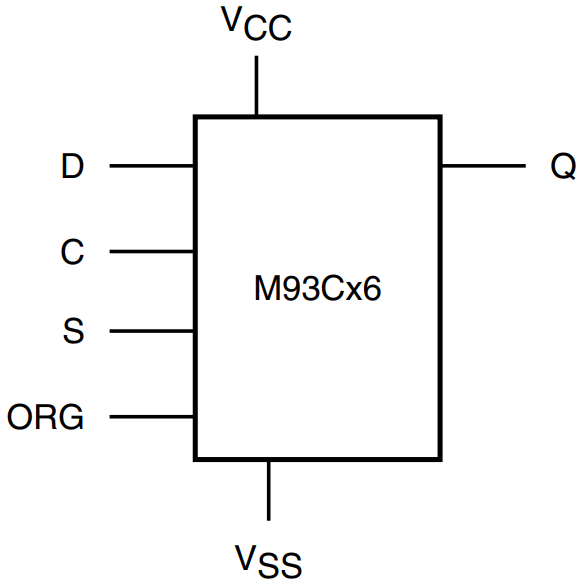
M93C66-W Functional Block Diagram
The following is the Logic Diagram of M93C66-W.
Logic diagram
M93C66-W Equivalent
| Model number | Manufacturer | Description |
| M93C66-WMN3TP/W | STMicroelectronics | 256 X 16 MICROWIRE BUS SERIAL EEPROM, PDSO8, 0.150 INCH, ROHS COMPLIANT, PLASTIC, SOP-8 |
| M93C66-WMN3P | STMicroelectronics | 256X16 MICROWIRE BUS SERIAL EEPROM, PDSO8, 0.150 INCH, LEAD FREE, PLASTIC, SO-8 |
| M93C66-WMN7 | STMicroelectronics | 256X16 MICROWIRE BUS SERIAL EEPROM, PDSO8, 0.150 INCH, PLASTIC, SOP-8 |
| M93C66-WMN3TP/S | STMicroelectronics | 256 X 16 MICROWIRE BUS SERIAL EEPROM, PDSO8, 0.150 INCH, ROHS COMPLIANT, PLASTIC, SOP-8 |
| M93C66-WMN3TG | STMicroelectronics | 256X16 MICROWIRE BUS SERIAL EEPROM, PDSO8, 0.150 INCH, PLASTIC, SO-8 |
| M93C66-WMN3P/W | STMicroelectronics | 256 X 16 MICROWIRE BUS SERIAL EEPROM, PDSO8, 0.150 INCH, ROHS COMPLIANT, PLASTIC, SOP-8 |
| M93C66-WMN3TG/S | STMicroelectronics | 256 X 16 MICROWIRE BUS SERIAL EEPROM, PDSO8, 0.150 INCH, ROHS COMPLIANT, PLASTIC, SOP-8 |
| M93C66-WMN5T | STMicroelectronics | 256X16 MICROWIRE BUS SERIAL EEPROM, PDSO8, 0.150 INCH, PLASTIC, SO-8 |
| M93C66-WMN6G | STMicroelectronics | 256 X 16 MICROWIRE BUS SERIAL EEPROM, PDSO8, 0.150 INCH, HALOGEN FREE AND ROHS COMPLIANT, PLASTIC, SOP-8 |
| M93C66-WMN6T | STMicroelectronics | 256X16 MICROWIRE BUS SERIAL EEPROM, PDSO8, 0.150 INCH, PLASTIC, SOP-8 |
Parts with Similar Specs
- ImagePart NumberManufacturerPackage / CaseNumber of PinsDensityAccess TimeInterfaceSupply VoltageTerminal PitchMoisture Sensitivity Level (MSL)View Compare
![M93C66-WMN6P]()
M93C66-WMN6P
8-SOIC (0.154, 3.90mm Width)
8
4 kb
200 ns
Serial
5 V
1.27 mm
1 (Unlimited)
![93LC66B/SN]()
8-SOIC (0.154, 3.90mm Width)
8
4 kb
250 ns
Serial
5 V
1.27 mm
1 (Unlimited)
![24LC04B-I/SN]()
8-SOIC (0.154, 3.90mm Width)
8
4 kb
35 ns
SPI, Serial
5 V
1.27 mm
1 (Unlimited)
![M95040-WMN6P]()
8-SOIC (0.154, 3.90mm Width)
8
4 kb
400 ns
Serial
3 V
1.27 mm
1 (Unlimited)
![CAT93C66VI-GT3]()
8-SOIC (0.154, 3.90mm Width)
8
4 kb
900ns
2-Wire, I2C, Serial
-
1.27 mm
1 (Unlimited)


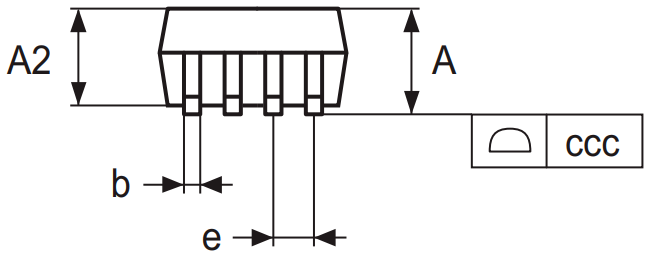
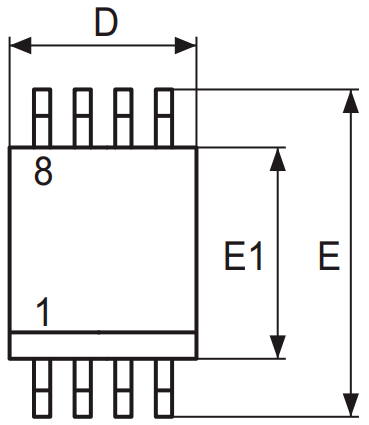
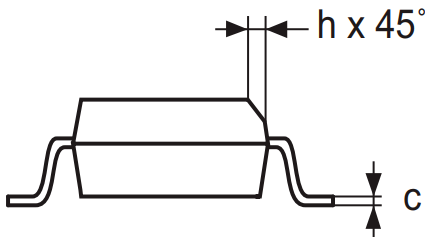
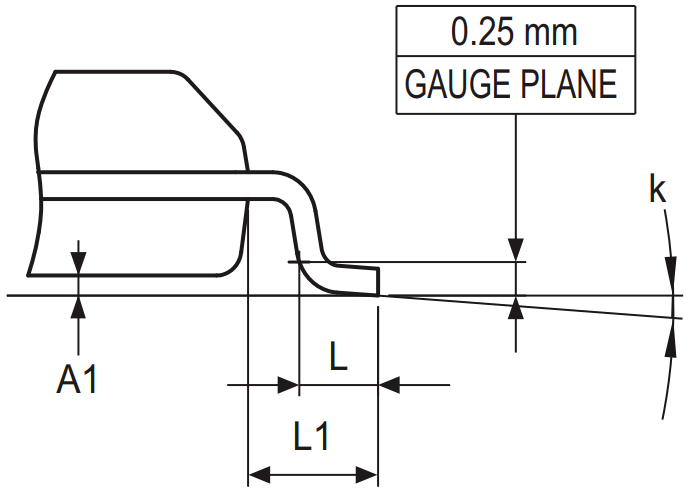
M93C66-W Package
The following diagrams show the M93C66-W package.
View A
View B
View C
View D
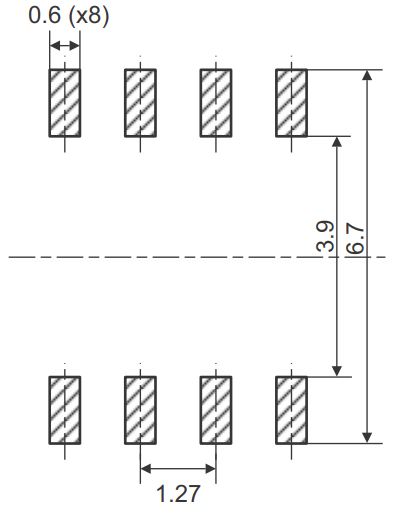
M93C66-W Package Recommended Footprint
The following diagram shows the M93C66-W Package Recommended Footprint.
Package Recommended Footprint
M93C66-W Manufacturer
STMicroelectronics is a global independent semiconductor company and is a leader in developing and delivering semiconductor solutions across the spectrum of microelectronics applications. An unrivaled combination of silicon and system expertise, manufacturing strength, Intellectual Property (IP) portfolio and strategic partners positions the Company at the forefront of System-on-Chip (SoC) technology and its products play a key role in enabling today's convergence trends.
Trend Analysis
Datasheet PDF
- Datasheets :
M93C66-WMN6P-STMicroelectronics-datasheet-109593.pdf
M93C66-WMN6P-STMicroelectronics-datasheet-148235.pdf
M93C66-WMN6P-STMicroelectronics-datasheet-62333906.pdf
M93C66-WMN6P-STMicroelectronics-datasheet-10409754.pdf
M93C66-WMN6P-STMicroelectronics-datasheet-27625443.pdf
M93C66-WMN6P-STMicroelectronics-datasheet-17703677.pdf
M93C66-WMN6P-STMicroelectronics-datasheet-111681.pdf
pid_1699390_m93c66-wmn6p-stmicroelectronics-datasheet-62333906.pdf
How many pins of M93C66-W?
8 Pins.
What’s the operating temperature of M93C66-W?
-40°C~85°C TA.
What is the essential property of the M93C66?
The M93C66 (4 Kbit) is Electrically Erasable PROgrammable Memory (EEPROM) device accessed through the MICROWIRE™ bus protocol. The memory array can be configured either in bytes (x8b) or in words (x16b).
 LM331 V-F Converter: Circuit, Price and Pinout
26 July 20216926
 IR2153 Half-Bridge Driver: Datasheet, Circuit and Equivalent
14 October 202115934
 AD8302 2.7 GHz RF Gain and Phase Detector: Datasheet, Pinout, and Performance Review
25 February 20261776
 The Introduction to LM2907
12 August 20218825
![TL494CN PWM Controllers[FAQ+Video]:Circuit, datasheet, Alternatives](https://res.utmel.com/Images/Article/058514b3-8095-480a-941d-b06f72acfa5f.jpg) TL494CN PWM Controllers[FAQ+Video]:Circuit, datasheet, Alternatives
TL494CN PWM Controllers[FAQ+Video]:Circuit, datasheet, Alternatives13 April 20228380
![What is the Function of TJA1043? [FAQ]](https://res.utmel.com/Images/Article/60fed3c9-b6ad-48d2-b666-d52ab16b2179.jpg) What is the Function of TJA1043? [FAQ]
What is the Function of TJA1043? [FAQ]10 June 20224268
 MPM-15-12 vs MPM-15-15: Choosing the Right Option
27 May 2025314
 LM7806 Regulator: Pinout, Advantage and Datasheet
28 August 20217043
 The Ultimate Guide to AI Noise Reduction Translation Earbuds
01 April 20258536
 What Is an ASIC? Design Flow, Applications, and the 2026 AI Custom Silicon Boom
01 July 2026312
 Rotary Switches Brand Comparison for Engineers and Buyers
11 July 20253950
 Kyoto University Successfully Demonstrates That SiC Can Also Work at 350°C
26 March 2022752
 Understanding Machine Vision and Visual Sensor
27 September 20212168
 Parallel Plate Capacitor: Features, Working Principle and Applications
30 January 20218769
 Top 10 Companies in the IoT Industry
17 January 20221300
 All About Video Connectors and Their Uses in Today’s Technology
02 July 20253052
STMicroelectronics
In Stock: 1050
Minimum: 1 Multiples: 1
Qty
Unit Price
Ext Price
1
$0.189408
$0.19
10
$0.178687
$1.79
100
$0.168572
$16.86
500
$0.159031
$79.52
1000
$0.150029
$150.03
Not the price you want? Send RFQ Now and we'll contact you ASAP.
Inquire for More Quantity
![M24C16-MN6]() M24C16-MN6
M24C16-MN6STMicroelectronics
![M48Z12-150PC1]() M48Z12-150PC1
M48Z12-150PC1STMicroelectronics
![M24512-RMN6TP]() M24512-RMN6TP
M24512-RMN6TPSTMicroelectronics
![M24C64-WMN6TP]() M24C64-WMN6TP
M24C64-WMN6TPSTMicroelectronics
![M93C46-WMN6TP]() M93C46-WMN6TP
M93C46-WMN6TPSTMicroelectronics
![M95512-WMN6TP]() M95512-WMN6TP
M95512-WMN6TPSTMicroelectronics
![M24C04-WMN6TP]() M24C04-WMN6TP
M24C04-WMN6TPSTMicroelectronics
![M24512-WMN6TP]() M24512-WMN6TP
M24512-WMN6TPSTMicroelectronics
![M24C02-WMN6TP]() M24C02-WMN6TP
M24C02-WMN6TPSTMicroelectronics
![M24C32-WMN6TP]() M24C32-WMN6TP
M24C32-WMN6TPSTMicroelectronics
