

 Product
 Brand
 Articles
 Tools

TDA7266SA Amplifier: Diagram, Pinout, and Datasheet [Video&FAQ]

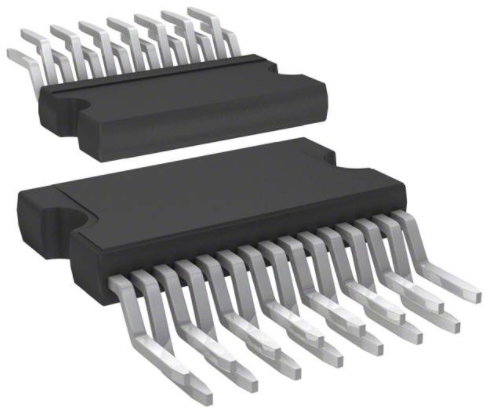
20 kHz kHz Audio Amplifiers 11mm mm 3.35mm mm 20W W 15 pins Clipwatt-15 (Vertical, Bent and Staggered Leads)


20 kHz kHz Audio Amplifiers 11mm mm 3.35mm mm 20W W 15 pins Clipwatt-15 (Vertical, Bent and Staggered Leads)
The TDA7266SA is a dual bridge amplifier built specifically for LCD monitors, PC motherboards, televisions, and portable radios. This article mainly introduces diagram, pinout, datasheet and other detailed information about STMicroelectronics TDA7266SA.

how to make tda 7266 sa amplifier deep bass low noise 12v single supply amplifier
TDA7266SA Description
The TDA7266SA is a dual bridge amplifier built specifically for LCD monitors, PC motherboards, televisions, and portable radios.
TDA7266SA Pinout
The following figure is the Pinout of TDA7266SA.

Pinout
TDA7266SA CAD Model

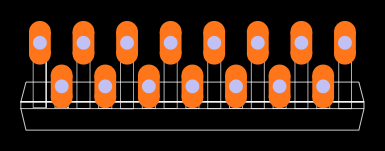
TDA7266SA Features
• Wide Supply Voltage Range (3.5-18v)
• Minimum External Components
– No SWR Capacitor
– No Bootstrap
– No Boucherot Cells
– Internally Fixed Gain
• Stand-by & Mute Functions
• Short Circuit Protection
• Thermal Overload Protection
Specifications
- TypeParameter
- Mount
In electronic components, the term "Mount" typically refers to the method or process of physically attaching or fixing a component onto a circuit board or other electronic device. This can involve soldering, adhesive bonding, or other techniques to secure the component in place. The mounting process is crucial for ensuring proper electrical connections and mechanical stability within the electronic system. Different components may have specific mounting requirements based on their size, shape, and function, and manufacturers provide guidelines for proper mounting procedures to ensure optimal performance and reliability of the electronic device.
Through Hole - Mounting Type
The "Mounting Type" in electronic components refers to the method used to attach or connect a component to a circuit board or other substrate, such as through-hole, surface-mount, or panel mount.
Through Hole - Package / Case
refers to the protective housing that encases an electronic component, providing mechanical support, electrical connections, and thermal management.
Clipwatt-15 (Vertical, Bent and Staggered Leads) - Number of Pins15
- Power - Output (Max)7W
- Operating Temperature
The operating temperature is the range of ambient temperature within which a power supply, or any other electrical equipment, operate in. This ranges from a minimum operating temperature, to a peak or maximum operating temperature, outside which, the power supply may fail.
0°C~70°C TA - Packaging
Semiconductor package is a carrier / shell used to contain and cover one or more semiconductor components or integrated circuits. The material of the shell can be metal, plastic, glass or ceramic.
Tube - JESD-609 Code
The "JESD-609 Code" in electronic components refers to a standardized marking code that indicates the lead-free solder composition and finish of electronic components for compliance with environmental regulations.
e3 - Pbfree Code
The "Pbfree Code" parameter in electronic components refers to the code or marking used to indicate that the component is lead-free. Lead (Pb) is a toxic substance that has been widely used in electronic components for many years, but due to environmental concerns, there has been a shift towards lead-free alternatives. The Pbfree Code helps manufacturers and users easily identify components that do not contain lead, ensuring compliance with regulations and promoting environmentally friendly practices. It is important to pay attention to the Pbfree Code when selecting electronic components to ensure they meet the necessary requirements for lead-free applications.
yes - Part Status
Parts can have many statuses as they progress through the configuration, analysis, review, and approval stages.
Obsolete - Moisture Sensitivity Level (MSL)
Moisture Sensitivity Level (MSL) is a standardized rating that indicates the susceptibility of electronic components, particularly semiconductors, to moisture-induced damage during storage and the soldering process, defining the allowable exposure time to ambient conditions before they require special handling or baking to prevent failures
1 (Unlimited) - Number of Terminations15
- ECCN Code
An ECCN (Export Control Classification Number) is an alphanumeric code used by the U.S. Bureau of Industry and Security to identify and categorize electronic components and other dual-use items that may require an export license based on their technical characteristics and potential for military use.
EAR99 - TypeClass AB
- Terminal Finish
Terminal Finish refers to the surface treatment applied to the terminals or leads of electronic components to enhance their performance and longevity. It can improve solderability, corrosion resistance, and overall reliability of the connection in electronic assemblies. Common finishes include nickel, gold, and tin, each possessing distinct properties suitable for various applications. The choice of terminal finish can significantly impact the durability and effectiveness of electronic devices.
Matte Tin (Sn) - annealed - Max Power Dissipation
The maximum power that the MOSFET can dissipate continuously under the specified thermal conditions.
20W - Voltage - Supply
Voltage - Supply refers to the range of voltage levels that an electronic component or circuit is designed to operate with. It indicates the minimum and maximum supply voltage that can be applied for the device to function properly. Providing supply voltages outside this range can lead to malfunction, damage, or reduced performance. This parameter is critical for ensuring compatibility between different components in a circuit.
3V~18V - Terminal Position
In electronic components, the term "Terminal Position" refers to the physical location of the connection points on the component where external electrical connections can be made. These connection points, known as terminals, are typically used to attach wires, leads, or other components to the main body of the electronic component. The terminal position is important for ensuring proper connectivity and functionality of the component within a circuit. It is often specified in technical datasheets or component specifications to help designers and engineers understand how to properly integrate the component into their circuit designs.
ZIG-ZAG - Number of Functions1
- Base Part Number
The "Base Part Number" (BPN) in electronic components serves a similar purpose to the "Base Product Number." It refers to the primary identifier for a component that captures the essential characteristics shared by a group of similar components. The BPN provides a fundamental way to reference a family or series of components without specifying all the variations and specific details.
TDA7266 - Pin Count
a count of all of the component leads (or pins)
15 - Output Type
The "Output Type" parameter in electronic components refers to the type of signal or data that is produced by the component as an output. This parameter specifies the nature of the output signal, such as analog or digital, and can also include details about the voltage levels, current levels, frequency, and other characteristics of the output signal. Understanding the output type of a component is crucial for ensuring compatibility with other components in a circuit or system, as well as for determining how the output signal can be utilized or processed further. In summary, the output type parameter provides essential information about the nature of the signal that is generated by the electronic component as its output.
2-Channel (Stereo) - Operating Supply Voltage
The voltage level by which an electrical system is designated and to which certain operating characteristics of the system are related.
11V - Number of Channels2
- Power Dissipation
the process by which an electronic or electrical device produces heat (energy loss or waste) as an undesirable derivative of its primary action.
20W - Supply Current-Max
Supply Current-Max refers to the maximum amount of current that an electronic component or circuit can draw from its power supply under specified operating conditions. It is a critical parameter that determines the power consumption and thermal performance of the device. Exceeding this limit can lead to overheating, potential damage, or failure of the component. Knowing the Supply Current-Max helps in designing circuits that ensure proper operation and reliability.
65mA - Output Power
That power available at a specified output of a device under specified conditions of operation.
7W - Supply Type
Supply Type in electronic components refers to the classification of power sources used to operate the component. It indicates whether the component requires DC or AC power, and if DC, specifies the voltage levels such as low, medium, or high. Different supply types can affect the performance, compatibility, and application of the component in electronic circuits. Understanding the supply type is crucial for proper component selection and integration into electronic designs.
Single - Bandwidth
In electronic components, "Bandwidth" refers to the range of frequencies over which the component can effectively operate or pass signals without significant loss or distortion. It is a crucial parameter for devices like amplifiers, filters, and communication systems. The bandwidth is typically defined as the difference between the upper and lower frequencies at which the component's performance meets specified criteria, such as a certain level of signal attenuation or distortion. A wider bandwidth indicates that the component can handle a broader range of frequencies, making it more versatile for various applications. Understanding the bandwidth of electronic components is essential for designing and optimizing circuits to ensure proper signal transmission and reception within the desired frequency range.
20 kHz - Voltage Gain
Voltage gain is a measure of how much an electronic component or circuit amplifies an input voltage signal to produce an output voltage signal. It is typically expressed as a ratio or in decibels (dB). A higher voltage gain indicates a greater amplification of the input signal. Voltage gain is an important parameter in amplifiers, where it determines the level of amplification provided by the circuit. It is calculated by dividing the output voltage by the input voltage and is a key factor in determining the overall performance and functionality of electronic devices.
26dB - Power Supply Rejection Ratio (PSRR)
Power Supply Rejection Ratio (PSRR) is a measure of how well an electronic component, such as an operational amplifier or voltage regulator, can reject changes in its supply voltage. It indicates the ability of the component to maintain a stable output voltage despite fluctuations in the input supply voltage. A higher PSRR value signifies better performance in rejecting noise and variations from the power supply, leading to improved signal integrity and more reliable operation in electronic circuits. PSRR is typically expressed in decibels (dB).
56dB - Gain
In electronic components, "Gain" refers to the ratio of the output signal amplitude to the input signal amplitude. It is a measure of the amplification provided by the component, such as a transistor or operational amplifier. Gain is typically expressed in decibels (dB) or as a numerical value, indicating how much the signal is amplified by the component.A higher gain value indicates a greater amplification of the input signal, while a lower gain value indicates less amplification. Gain is an important parameter in designing and analyzing electronic circuits, as it determines the overall performance and functionality of the system. Different components have different gain characteristics, and understanding the gain of a component is crucial for achieving the desired signal processing or amplification in electronic systems.
26 dB - Max Output Power x Channels @ Load
Max Output Power x Channels @ Load is a specification that describes the maximum power output that an electronic component, such as an amplifier or audio device, can deliver across a certain number of channels at a specific load impedance. This parameter is important for understanding the capability of the component to drive speakers or other devices effectively. The value is typically expressed in watts and can vary depending on the number of channels being used and the impedance of the load. It helps users determine the compatibility of the component with their audio setup and ensures that the component can provide sufficient power for optimal performance.
7W x 2 @ 8 Ω - Voltage - Supply (Max)
Voltage - Supply (Max) is a parameter in electronic components that specifies the maximum voltage that can be safely applied to the component for proper operation. This parameter is crucial for ensuring the component's longevity and preventing damage due to overvoltage conditions. Exceeding the maximum supply voltage can lead to component failure, reduced performance, or even permanent damage. Designers must carefully consider this parameter when selecting components and designing circuits to ensure reliable and safe operation within the specified voltage limits.
18V - Voltage - Supply (Min)
Voltage - Supply (Min) is a parameter in electronic components that specifies the minimum voltage required for the component to operate within its specified performance range. This parameter indicates the lowest voltage level that can be safely applied to the component without causing malfunctions or damage. It is crucial to ensure that the supply voltage provided to the component is equal to or higher than the specified minimum voltage to guarantee proper functionality and reliability. Failure to meet this requirement may result in erratic behavior, reduced performance, or even permanent damage to the component.
3V - Harmonic Distortion
Harmonic distortion is a common parameter used to describe the quality of audio or electronic signals. It refers to the presence of unwanted harmonics or additional frequencies in the output signal that were not present in the input signal. These harmonics are typically multiples of the original signal frequency and can distort the waveform, affecting the overall sound quality or performance of the electronic component. Lower harmonic distortion values indicate a cleaner and more accurate output signal, while higher distortion levels can result in a more distorted or altered sound. Manufacturers often specify harmonic distortion levels in percentage or decibels to help users understand the quality of the component's output.
10% - Load Impedance
Load impedance is a crucial parameter in electronic components that refers to the impedance presented by the load to the output of a circuit or device. It is a measure of how much the load resists the flow of current from the source. Load impedance is typically expressed in ohms and can greatly affect the performance and efficiency of a circuit. Matching the load impedance to the source impedance is important for maximum power transfer and signal integrity in electronic systems. Failure to properly match load impedance can result in signal distortion, power loss, and reduced overall performance of the circuit.
8Ohm - Features
In the context of electronic components, the term "Features" typically refers to the specific characteristics or functionalities that a particular component offers. These features can vary depending on the type of component and its intended use. For example, a microcontroller may have features such as built-in memory, analog-to-digital converters, and communication interfaces like UART or SPI.When evaluating electronic components, understanding their features is crucial in determining whether they meet the requirements of a particular project or application. Engineers and designers often look at features such as operating voltage, speed, power consumption, and communication protocols to ensure compatibility and optimal performance.In summary, the "Features" parameter in electronic components describes the unique attributes and capabilities that differentiate one component from another, helping users make informed decisions when selecting components for their electronic designs.
Mute, Short-Circuit and Thermal Protection, Standby - Height11mm
- Length19.85mm
- Width3.35mm
- REACH SVHC
The parameter "REACH SVHC" in electronic components refers to the compliance with the Registration, Evaluation, Authorization, and Restriction of Chemicals (REACH) regulation regarding Substances of Very High Concern (SVHC). SVHCs are substances that may have serious effects on human health or the environment, and their use is regulated under REACH to ensure their safe handling and minimize their impact.Manufacturers of electronic components need to declare if their products contain any SVHCs above a certain threshold concentration and provide information on the safe use of these substances. This information allows customers to make informed decisions about the potential risks associated with using the components and take appropriate measures to mitigate any hazards.Ensuring compliance with REACH SVHC requirements is essential for electronics manufacturers to meet regulatory standards, protect human health and the environment, and maintain transparency in their supply chain. It also demonstrates a commitment to sustainability and responsible manufacturing practices in the electronics industry.
No SVHC - Radiation Hardening
Radiation hardening is the process of making electronic components and circuits resistant to damage or malfunction caused by high levels of ionizing radiation, especially for environments in outer space (especially beyond the low Earth orbit), around nuclear reactors and particle accelerators, or during nuclear accidents or nuclear warfare.
No - RoHS Status
RoHS means “Restriction of Certain Hazardous Substances” in the “Hazardous Substances Directive” in electrical and electronic equipment.
ROHS3 Compliant - Lead Free
Lead Free is a term used to describe electronic components that do not contain lead as part of their composition. Lead is a toxic material that can have harmful effects on human health and the environment, so the electronics industry has been moving towards lead-free components to reduce these risks. Lead-free components are typically made using alternative materials such as silver, copper, and tin. Manufacturers must comply with regulations such as the Restriction of Hazardous Substances (RoHS) directive to ensure that their products are lead-free and environmentally friendly.
Lead Free
TDA7266SA Block and Application Diagram

TDA7266SA PC Board Component Layout
The following figure is TDA7266SA PC Board Component Layout.

PC Board Component Layout
Pin to Pin Compatible With TDA7266SA
TDA7266SA Alternatives
| Part Number | Description | Manufacturer |
| TDA7294VCONSUMER CIRCUITS | 100 V, 100 W DMOS audio amplifier with mute and standby | STMicroelectronics |
| TDA7481CONSUMER CIRCUITS | 18W, 1 CHANNEL, AUDIO AMPLIFIER, PZFM15, MULTIWATT-15 | STMicroelectronics |
| TDA7266MACONSUMER CIRCUITS | 7W, 1 CHANNEL, AUDIO AMPLIFIER, PSFM9, SIP-9 | STMicroelectronics |
| TDA7266MCONSUMER CIRCUITS | 7 W mono bridge amplifier | STMicroelectronics |
| TDA7266SCONSUMER CIRCUITS | 5W, 2 CHANNEL, AUDIO AMPLIFIER, PZFM15, MULTIWATT-15 | STMicroelectronics |
| TDA7482CONSUMER CIRCUITS | 25W, 1 CHANNEL, AUDIO AMPLIFIER, PZFM15, MULTIWATT-15 | STMicroelectronics |
| TDA7296VCONSUMER CIRCUITS | 60W, 1 CHANNEL, AUDIO AMPLIFIER, PZFM15, MULTIWATT-15 | STMicroelectronics |
| TDA7266BCONSUMER CIRCUITS | 10W, 2 CHANNEL, AUDIO AMPLIFIER, PZFM15, MULTIWATT-15 | STMicroelectronics |
TDA7266SA Applications
• LCD Monitor
• PC Motherboard
• TV
• Portable Radio
TDA7266SA Package

TDA7266SA Manufacturer
STMicroelectronics, headquartered in Plan-les-Ouates, Switzerland, near Geneva, is a multinational electronics and semiconductors firm. The company was created in 1987 by the merger of two government-owned semiconductor companies: "Thomson Semiconductors" in France and "SGS Microelettronica" in Italy. It is known as "ST" and is the most profitable semiconductor chip producer in Europe. While the corporate headquarters and EMEA regional offices of STMicroelectronics are in Geneva, the holding company, STMicroelectronics N.V., is based in the Netherlands.
Datasheet PDF
- Datasheets :
1.What is the working voltage of each pin of the color TV power amplifier TDA7266SA?
TDA7266SA each pin function and voltage:
• Pin 1: The positive output of the left channel, 6.37 volts.
• 2 feet: Left channel negative output, 6.4 volts.
• 3 feet 13 feet are the power supply, 16 volts.
• 4 feet: right channel input, 1.52 volts.
• Feet 5, 10, and 11 are empty.
• 6-pin mute, 4.2 volts (voltage during normal operation, 0 volts when mute).
• 7-pin standby, 4.43 volts.
• 8 and 9 feet are ground.
• 12-pin left channel input, 1.52 volts.
• 14-pin right channel positive output, 6.35 volts.
• 15-pin right channel negative output, 6.35 volts.
2.Can TDA7266SA power amplifier block be replaced with 7266MSA?
If the working voltage is about 12V, it should be replaced, but if the supply voltage is 18V, it is best not to replace it. TDA7266SA has different tail numbers and different operating voltages, but the typical value is 11V. It is safer at this voltage, but the sound is lower than 18V.
It can also be replaced with TDA7297. This is a dual 15W, which is louder than the original sound. If the power supply circuit can withstand it, this chip is better. The premise is that it can be bought.
3.Can TDA7266SA replace TDA7253?
The direct replacement is definitely impossible because the two chips are very different in function, pin, package and even working voltage; especially TDA7266SA is a bi-amp, and TDA7253 is a single-amp.
4. What is a dual bridge amplifier built specifically for LCD monitors?
TDA7266SA.
 TPS92630QPWPRQ1 LED Driver: Pinout, Manufacturer, and Datasheet
23 March 2022464
 74HC10 Triple 3-input NAND Gate: Pinout, Equivalent and Datasheet
17 November 20215364
 IRFP460 MOSFET: IRFP460 vs.IRFP460A, Pinout and Equivalent
28 March 202217652
 Achieving Studio-Grade Audio with the AD797: Ultralow Noise Op Amp Deep Dive
05 February 2026642
 OP07 Operational Amplifier: Pinout, Datasheet, OP07 VS LM308
15 December 202111559
 AD9516-4 Clock Generator: Pinout, Equivalent and Datasheet
09 April 2022547
 LTC6605CDJC-14#TRPBF Active Filter: Product Overview and Applications
06 March 2024235
 STM32H743ZIT6: 400MHz, 144-LQFP, Pinout and Datasheet
03 March 202211152
 FPGA vs. Microcontroller Technology: Similarities and Differences
13 March 20245960
 Introduction to Photonic Integrated Circuits and PIC Technology
22 October 202515894
 The World's Top 10 Innovative LED Drivers
12 February 20225570
 What is a Ground Fault Circuit Interrupter?
27 March 20256033
 DC Bias Characteristic of a Capacitor: Why MLCC Capacitance Drops Under Voltage
03 July 202613680
 What is Conductivity Sensor?
20 June 202211969
 Semiconductor Industry Techniques Revolutionize Battery Manufacturing
06 November 20232648
 How Does the A4988 Stepper Motor Driver Work
29 August 20267679
STMicroelectronics
In Stock
United States
China
Canada
Japan
Russia
Germany
United Kingdom
Singapore
Italy
Hong Kong(China)
Taiwan(China)
France
Korea
Mexico
Netherlands
Malaysia
Austria
Spain
Switzerland
Poland
Thailand
Vietnam
India
United Arab Emirates
Afghanistan
Åland Islands
Albania
Algeria
American Samoa
Andorra
Angola
Anguilla
Antigua & Barbuda
Argentina
Armenia
Aruba
Australia
Azerbaijan
Bahamas
Bahrain
Bangladesh
Barbados
Belarus
Belgium
Belize
Benin
Bermuda
Bhutan
Bolivia
Bonaire, Sint Eustatius and Saba
Bosnia & Herzegovina
Botswana
Brazil
British Indian Ocean Territory
British Virgin Islands
Brunei
Bulgaria
Burkina Faso
Burundi
Cabo Verde
Cambodia
Cameroon
Cayman Islands
Central African Republic
Chad
Chile
Christmas Island
Cocos (Keeling) Islands
Colombia
Comoros
Congo
Congo (DRC)
Cook Islands
Costa Rica
Côte d’Ivoire
Croatia
Cuba
Curaçao
Cyprus
Czechia
Denmark
Djibouti
Dominica
Dominican Republic
Ecuador
Egypt
El Salvador
Equatorial Guinea
Eritrea
Estonia
Eswatini
Ethiopia
Falkland Islands
Faroe Islands
Fiji
Finland
French Guiana
French Polynesia
Gabon
Gambia
Georgia
Ghana
Gibraltar
Greece
Greenland
Grenada
Guadeloupe
Guam
Guatemala
Guernsey
Guinea
Guinea-Bissau
Guyana
Haiti
Honduras
Hungary
Iceland
Indonesia
Iran
Iraq
Ireland
Isle of Man
Israel
Jamaica
Jersey
Jordan
Kazakhstan
Kenya
Kiribati
Kosovo
Kuwait
Kyrgyzstan
Laos
Latvia
Lebanon
Lesotho
Liberia
Libya
Liechtenstein
Lithuania
Luxembourg
Macao(China)
Madagascar
Malawi
Maldives
Mali
Malta
Marshall Islands
Martinique
Mauritania
Mauritius
Mayotte
Micronesia
Moldova
Monaco
Mongolia
Montenegro
Montserrat
Morocco
Mozambique
Myanmar
Namibia
Nauru
Nepal
New Caledonia
New Zealand
Nicaragua
Niger
Nigeria
Niue
Norfolk Island
North Korea
North Macedonia
Northern Mariana Islands
Norway
Oman
Pakistan
Palau
Palestinian Authority
Panama
Papua New Guinea
Paraguay
Peru
Philippines
Pitcairn Islands
Portugal
Puerto Rico
Qatar
Réunion
Romania
Rwanda
Samoa
San Marino
São Tomé & Príncipe
Saudi Arabia
Senegal
Serbia
Seychelles
Sierra Leone
Sint Maarten
Slovakia
Slovenia
Solomon Islands
Somalia
South Africa
South Sudan
Sri Lanka
St Helena, Ascension, Tristan da Cunha
St. Barthélemy
St. Kitts & Nevis
St. Lucia
St. Martin
St. Pierre & Miquelon
St. Vincent & Grenadines
Sudan
Suriname
Svalbard & Jan Mayen
Sweden
Syria
Tajikistan
Tanzania
Timor-Leste
Togo
Tokelau
Tonga
Trinidad & Tobago
Tunisia
Turkey
Turkmenistan
Turks & Caicos Islands
Tuvalu
U.S. Outlying Islands
U.S. Virgin Islands
Uganda
Ukraine
Uruguay
Uzbekistan
Vanuatu
Vatican City
Venezuela
Wallis & Futuna
Yemen
Zambia
Zimbabwe


