

 Product
 Brand
Brand Articles
 Tools
Tools
TOP224YN: Features, Applications, and Datasheet

3 Terminations 3 Pin AC to DC power converter TOPSwitch®-II Series 1 Outputs Min 85V V Max 265V V
Unit Price: $1.642723
Ext Price: $1.64


3 Terminations 3 Pin AC to DC power converter TOPSwitch®-II Series 1 Outputs Min 85V V Max 265V V
The TOPSwitchTM-II family, which is the second generation, offers significant improvements over the previous generation TOPSwitch family and is more affordable. With 100W to 150W for 100/115/230 VAC input and 50W to 90W for 85-265 VAC universal input, the TOPSwitch-II series expands the power range.
TOP224YN Description
The TOPSwitchTM-II family, which is the second generation, offers significant improvements over the previous generation TOPSwitch family and is more affordable. With 100W to 150W for 100/115/230 VAC input and 50W to 90W for 85-265 VAC universal input, the TOPSwitch-II series expands the power range. This opens up a wide range of new applications for TOPSwitch technology, including TVs, monitors, audio amplifiers, and more. The design is now even simpler because to numerous important circuit improvements that lessen the sensitivity to line transients and board architecture. Standard 8L PDIP package options save money in high-efficiency, low-power applications.
This package's internal lead frame transfers heat from the chip directly to the board, saving money on a heat sink by utilizing six of its pins. With just three terminals, TOPSwitch integrates all the components required for a switched mode control system, including a power MOSFET, a PWM controller, a high voltage start-up circuit, loop compensation, and fault prevention circuitry.
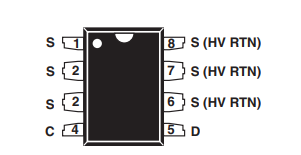
TOP224YN Pinout
TOP224YN CAD Model
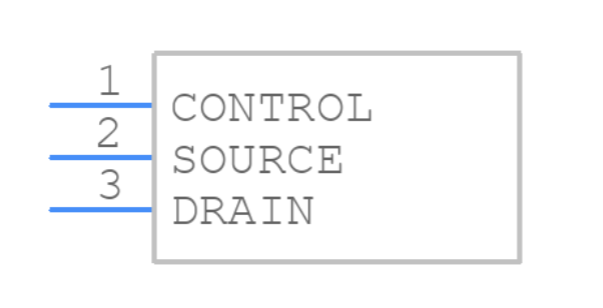
Symbol
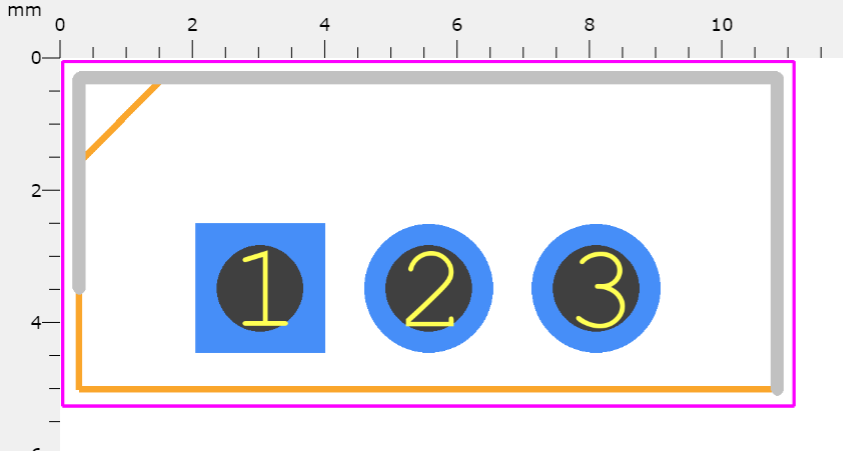
Footprint
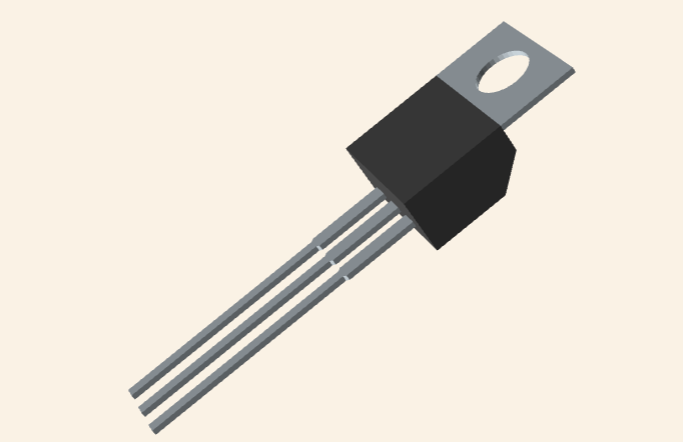
3D Model
TOP224YN Features
Switcher solution with the lowest cost and component count
Comparable in price to linears above 5 W
Extremely low AC/DC losses—up to 90% power
Automatic restart and current limitation built in
Latching Thermal Shutdown for protection at the system level
Specifications
- TypeParameter
- Mount
In electronic components, the term "Mount" typically refers to the method or process of physically attaching or fixing a component onto a circuit board or other electronic device. This can involve soldering, adhesive bonding, or other techniques to secure the component in place. The mounting process is crucial for ensuring proper electrical connections and mechanical stability within the electronic system. Different components may have specific mounting requirements based on their size, shape, and function, and manufacturers provide guidelines for proper mounting procedures to ensure optimal performance and reliability of the electronic device.
Through Hole - Mounting Type
The "Mounting Type" in electronic components refers to the method used to attach or connect a component to a circuit board or other substrate, such as through-hole, surface-mount, or panel mount.
Through Hole - Package / Case
refers to the protective housing that encases an electronic component, providing mechanical support, electrical connections, and thermal management.
TO-220-3 - Number of Pins3
- Operating Temperature
The operating temperature is the range of ambient temperature within which a power supply, or any other electrical equipment, operate in. This ranges from a minimum operating temperature, to a peak or maximum operating temperature, outside which, the power supply may fail.
-40°C~150°C TJ - Packaging
Semiconductor package is a carrier / shell used to contain and cover one or more semiconductor components or integrated circuits. The material of the shell can be metal, plastic, glass or ceramic.
Tube - Series
In electronic components, the "Series" refers to a group of products that share similar characteristics, designs, or functionalities, often produced by the same manufacturer. These components within a series typically have common specifications but may vary in terms of voltage, power, or packaging to meet different application needs. The series name helps identify and differentiate between various product lines within a manufacturer's catalog.
TOPSwitch®-II - Published2015
- JESD-609 Code
The "JESD-609 Code" in electronic components refers to a standardized marking code that indicates the lead-free solder composition and finish of electronic components for compliance with environmental regulations.
e3 - Pbfree Code
The "Pbfree Code" parameter in electronic components refers to the code or marking used to indicate that the component is lead-free. Lead (Pb) is a toxic substance that has been widely used in electronic components for many years, but due to environmental concerns, there has been a shift towards lead-free alternatives. The Pbfree Code helps manufacturers and users easily identify components that do not contain lead, ensuring compliance with regulations and promoting environmentally friendly practices. It is important to pay attention to the Pbfree Code when selecting electronic components to ensure they meet the necessary requirements for lead-free applications.
yes - Part Status
Parts can have many statuses as they progress through the configuration, analysis, review, and approval stages.
Not For New Designs - Moisture Sensitivity Level (MSL)
Moisture Sensitivity Level (MSL) is a standardized rating that indicates the susceptibility of electronic components, particularly semiconductors, to moisture-induced damage during storage and the soldering process, defining the allowable exposure time to ambient conditions before they require special handling or baking to prevent failures
1 (Unlimited) - Number of Terminations3
- ECCN Code
An ECCN (Export Control Classification Number) is an alphanumeric code used by the U.S. Bureau of Industry and Security to identify and categorize electronic components and other dual-use items that may require an export license based on their technical characteristics and potential for military use.
EAR99 - Terminal Finish
Terminal Finish refers to the surface treatment applied to the terminals or leads of electronic components to enhance their performance and longevity. It can improve solderability, corrosion resistance, and overall reliability of the connection in electronic assemblies. Common finishes include nickel, gold, and tin, each possessing distinct properties suitable for various applications. The choice of terminal finish can significantly impact the durability and effectiveness of electronic devices.
Matte Tin (Sn) - Max Power Dissipation
The maximum power that the MOSFET can dissipate continuously under the specified thermal conditions.
75W - Terminal Position
In electronic components, the term "Terminal Position" refers to the physical location of the connection points on the component where external electrical connections can be made. These connection points, known as terminals, are typically used to attach wires, leads, or other components to the main body of the electronic component. The terminal position is important for ensuring proper connectivity and functionality of the component within a circuit. It is often specified in technical datasheets or component specifications to help designers and engineers understand how to properly integrate the component into their circuit designs.
SINGLE - Peak Reflow Temperature (Cel)
Peak Reflow Temperature (Cel) is a parameter that specifies the maximum temperature at which an electronic component can be exposed during the reflow soldering process. Reflow soldering is a common method used to attach electronic components to a circuit board. The Peak Reflow Temperature is crucial because it ensures that the component is not damaged or degraded during the soldering process. Exceeding the specified Peak Reflow Temperature can lead to issues such as component failure, reduced performance, or even permanent damage to the component. It is important for manufacturers and assemblers to adhere to the recommended Peak Reflow Temperature to ensure the reliability and functionality of the electronic components.
NOT SPECIFIED - Number of Functions1
- Frequency
In electronic components, the parameter "Frequency" refers to the rate at which a signal oscillates or cycles within a given period of time. It is typically measured in Hertz (Hz) and represents how many times a signal completes a full cycle in one second. Frequency is a crucial aspect in electronic components as it determines the behavior and performance of various devices such as oscillators, filters, and communication systems. Understanding the frequency characteristics of components is essential for designing and analyzing electronic circuits to ensure proper functionality and compatibility with other components in a system.
100kHz - Time@Peak Reflow Temperature-Max (s)
Time@Peak Reflow Temperature-Max (s) refers to the maximum duration that an electronic component can be exposed to the peak reflow temperature during the soldering process, which is crucial for ensuring reliable solder joint formation without damaging the component.
NOT SPECIFIED - Pin Count
a count of all of the component leads (or pins)
3 - Number of Outputs1
- Qualification Status
An indicator of formal certification of qualifications.
Not Qualified - Output Voltage
Output voltage is a crucial parameter in electronic components that refers to the voltage level produced by the component as a result of its operation. It represents the electrical potential difference between the output terminal of the component and a reference point, typically ground. The output voltage is a key factor in determining the performance and functionality of the component, as it dictates the level of voltage that will be delivered to the connected circuit or load. It is often specified in datasheets and technical specifications to ensure compatibility and proper functioning within a given system.
700V - Output Type
The "Output Type" parameter in electronic components refers to the type of signal or data that is produced by the component as an output. This parameter specifies the nature of the output signal, such as analog or digital, and can also include details about the voltage levels, current levels, frequency, and other characteristics of the output signal. Understanding the output type of a component is crucial for ensuring compatibility with other components in a circuit or system, as well as for determining how the output signal can be utilized or processed further. In summary, the output type parameter provides essential information about the nature of the signal that is generated by the electronic component as its output.
Adjustable - Max Supply Voltage
In general, the absolute maximum common-mode voltage is VEE-0.3V and VCC+0.3V, but for products without a protection element at the VCC side, voltages up to the absolute maximum rated supply voltage (i.e. VEE+36V) can be supplied, regardless of supply voltage.
36V - Analog IC - Other Type
Analog IC - Other Type is a parameter used to categorize electronic components that are integrated circuits (ICs) designed for analog signal processing but do not fall into more specific subcategories such as amplifiers, comparators, or voltage regulators. These ICs may include specialized analog functions such as analog-to-digital converters (ADCs), digital-to-analog converters (DACs), voltage references, or signal conditioning circuits. They are typically used in various applications where precise analog signal processing is required, such as in audio equipment, instrumentation, communication systems, and industrial control systems. Manufacturers provide detailed specifications for these components to help engineers select the most suitable IC for their specific design requirements.
SWITCHING REGULATOR - Nominal Supply Current
Nominal current is the same as the rated current. It is the current drawn by the motor while delivering rated mechanical output at its shaft.
1.2mA - Current - Output
Current - Output is a parameter in electronic components that refers to the maximum amount of current that can be delivered by the output of the component. It is a crucial specification as it determines the capability of the component to supply power to connected devices or circuits. The current output rating is typically specified in amperes (A) and is important for ensuring that the component can safely and effectively power the load it is connected to without overheating or failing. Designers and engineers must consider the current output rating when selecting components to ensure compatibility and reliable operation of the overall system.
150mA - Topology
In the context of electronic components, "topology" refers to the arrangement or configuration of the components within a circuit or system. It defines how the components are connected to each other and how signals flow between them. The choice of topology can significantly impact the performance, efficiency, and functionality of the electronic system. Common topologies include series, parallel, star, mesh, and hybrid configurations, each with its own advantages and limitations. Designers carefully select the appropriate topology based on the specific requirements of the circuit to achieve the desired performance and functionality.
Boost, Buck, Flyback, Forward - Control Mode
In electronic components, "Control Mode" refers to the method or mode of operation used to regulate or control the behavior of the component. This parameter determines how the component responds to input signals or commands to achieve the desired output. The control mode can vary depending on the specific component and its intended function, such as voltage regulation, current limiting, or frequency modulation. Understanding the control mode of an electronic component is crucial for proper integration and operation within a circuit or system.
VOLTAGE-MODE - Control Technique
In electronic components, "Control Technique" refers to the method or approach used to regulate and manage the operation of the component. This parameter is crucial in determining how the component functions within a circuit or system. Different control techniques can include analog control, digital control, pulse-width modulation (PWM), and various feedback mechanisms. The choice of control technique can impact the performance, efficiency, and overall functionality of the electronic component. It is important to select the appropriate control technique based on the specific requirements and characteristics of the application in which the component will be used.
PULSE WIDTH MODULATION - Nominal Input Voltage
The actual voltage at which a circuit operates can vary from the nominal voltage within a range that permits satisfactory operation of equipment. The word “nominal” means “named”.
265V - Internal Switch(s)
The term "Internal Switch(s)" in electronic components typically refers to a built-in mechanism within a device that allows for the control of electrical current flow. These internal switches can be used to turn circuits on or off, change the direction of current, or regulate the flow of electricity within the component. They are often designed to be controlled externally, either manually or automatically, to enable various functions or operations within the electronic device. Internal switches play a crucial role in the overall functionality and performance of electronic components by providing a means to manage and manipulate electrical signals effectively.
Yes - Fault Protection
Protection against electric shock under. single fault conditions.
Current Limiting, Over Temperature - Max Duty Cycle
Max Duty Cycle refers to the maximum percentage of time that an electronic component, such as a switch or a power supply, can be in an "on" state during a defined time period. It is an important parameter in pulse-width modulated (PWM) systems and helps determine how often a device can operate without overheating or sustaining damage. By specifying the maximum duty cycle, manufacturers provide guidance on the safe operational limits of the component, ensuring reliability and efficiency in various applications.
70 % - Max Supply Voltage (AC)
Max Supply Voltage (AC) refers to the maximum alternating current voltage that an electronic component can safely handle without risk of damage or failure. This parameter ensures the component operates within its designed voltage range and prevents overheating or breakdown. Exceeding the maximum supply voltage can lead to degradation of performance or complete failure of the component. It is crucial for designers to consider this specification when integrating components into electronic circuits to maintain reliability and safety.
265V - Duty Cycle
the percentage of the ratio of pulse duration, or pulse width (PW) to the total period (T) of the waveform.
67% - Output Isolation
Output isolation in electronic components refers to the degree to which the output signal is electrically separated or isolated from the input signal or other parts of the circuit. This isolation is important for preventing interference, noise, or voltage fluctuations from affecting the output signal. It helps maintain signal integrity and ensures that the output remains stable and accurate. Output isolation can be achieved through various methods such as using transformers, optocouplers, or isolation amplifiers to physically separate the input and output circuits electrically. This parameter is particularly crucial in applications where there is a need to protect sensitive components or ensure reliable communication between different parts of a system.
Isolated - Min Supply Voltage (AC)
Min Supply Voltage (AC) refers to the minimum alternating current voltage required for an electronic component or device to function properly. It ensures that the device operates within its designed specifications and performance parameters. Operating below this voltage may result in insufficient performance, malfunction, or potential damage to the component. This parameter is critical for ensuring compatibility with power sources and maintaining reliability in electronic applications.
85V - REACH SVHC
The parameter "REACH SVHC" in electronic components refers to the compliance with the Registration, Evaluation, Authorization, and Restriction of Chemicals (REACH) regulation regarding Substances of Very High Concern (SVHC). SVHCs are substances that may have serious effects on human health or the environment, and their use is regulated under REACH to ensure their safe handling and minimize their impact.Manufacturers of electronic components need to declare if their products contain any SVHCs above a certain threshold concentration and provide information on the safe use of these substances. This information allows customers to make informed decisions about the potential risks associated with using the components and take appropriate measures to mitigate any hazards.Ensuring compliance with REACH SVHC requirements is essential for electronics manufacturers to meet regulatory standards, protect human health and the environment, and maintain transparency in their supply chain. It also demonstrates a commitment to sustainability and responsible manufacturing practices in the electronics industry.
No SVHC - RoHS Status
RoHS means “Restriction of Certain Hazardous Substances” in the “Hazardous Substances Directive” in electrical and electronic equipment.
RoHS Compliant - Lead Free
Lead Free is a term used to describe electronic components that do not contain lead as part of their composition. Lead is a toxic material that can have harmful effects on human health and the environment, so the electronics industry has been moving towards lead-free components to reduce these risks. Lead-free components are typically made using alternative materials such as silver, copper, and tin. Manufacturers must comply with regulations such as the Restriction of Hazardous Substances (RoHS) directive to ensure that their products are lead-free and environmentally friendly.
Lead Free
Parts with Similar Specs
TOP224YN Package
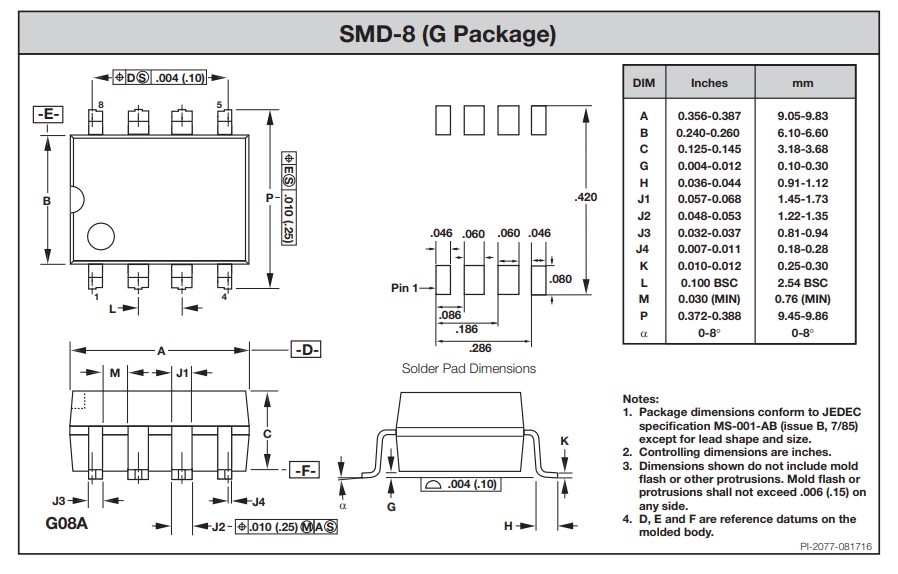
Datasheet PDF
- Datasheets :
- PCN Assembly/Origin :
What is the maximum power capability of the TOP224YN?
The TOP224YN's power capability depends on the specific application and the design of the power supply. It can handle power levels ranging from a few watts up to around 100 watts, depending on the operating conditions, cooling, and external components used in the circuit.
Are there any important considerations when using the TOP224YN?
Yes, when using the TOP224YN, it is essential to follow the manufacturer's datasheet and application notes for proper circuit design and layout. Pay attention to component selection, thermal management, and safety precautions. Additionally, ensure that the IC operates within its specified voltage and current limits to maintain reliable and efficient power supply operation.
 BLM18PG121SN1D Chip: Murata BLM18PG121SN1D, Datasheet, Application
07 February 2022799
 NC7SB3157P6X: Overview, Features, and Applications
14 December 2023851
 MC1413 Darlington Transistor Array: MC1413, Darlington Array, MC1413 PDF
23 December 20212152
 SI3402 Switching Regulator: SI3402 Datasheet, Pinout, Schematic
20 January 20222633
 TPS4H160BQPWPRQ1: 28-PowerTSSOP Package, High-Side Switch, FETs
28 February 2022819
 IRF830 Power MOSFET: Pinout, Datasheet, and Test Circuit
14 July 20215697
![IRF9540 Power MOSFET: IRF9540 Datasheet, Pinout, Equivalent [FAQ&Video]](https://res.utmel.com/Images/Article/12c54825-fa2a-4d26-a483-fcf810425cd9.jpg) IRF9540 Power MOSFET: IRF9540 Datasheet, Pinout, Equivalent [FAQ&Video]
IRF9540 Power MOSFET: IRF9540 Datasheet, Pinout, Equivalent [FAQ&Video]17 December 202115000
 Delving into the Technical Specifications of the Microchip PIC16C74B20PQ Microcontroller
29 February 2024157
 Manifold Absolute Pressure (MAP) Sensor: Working Principles, Structure, and Types
31 March 202548725
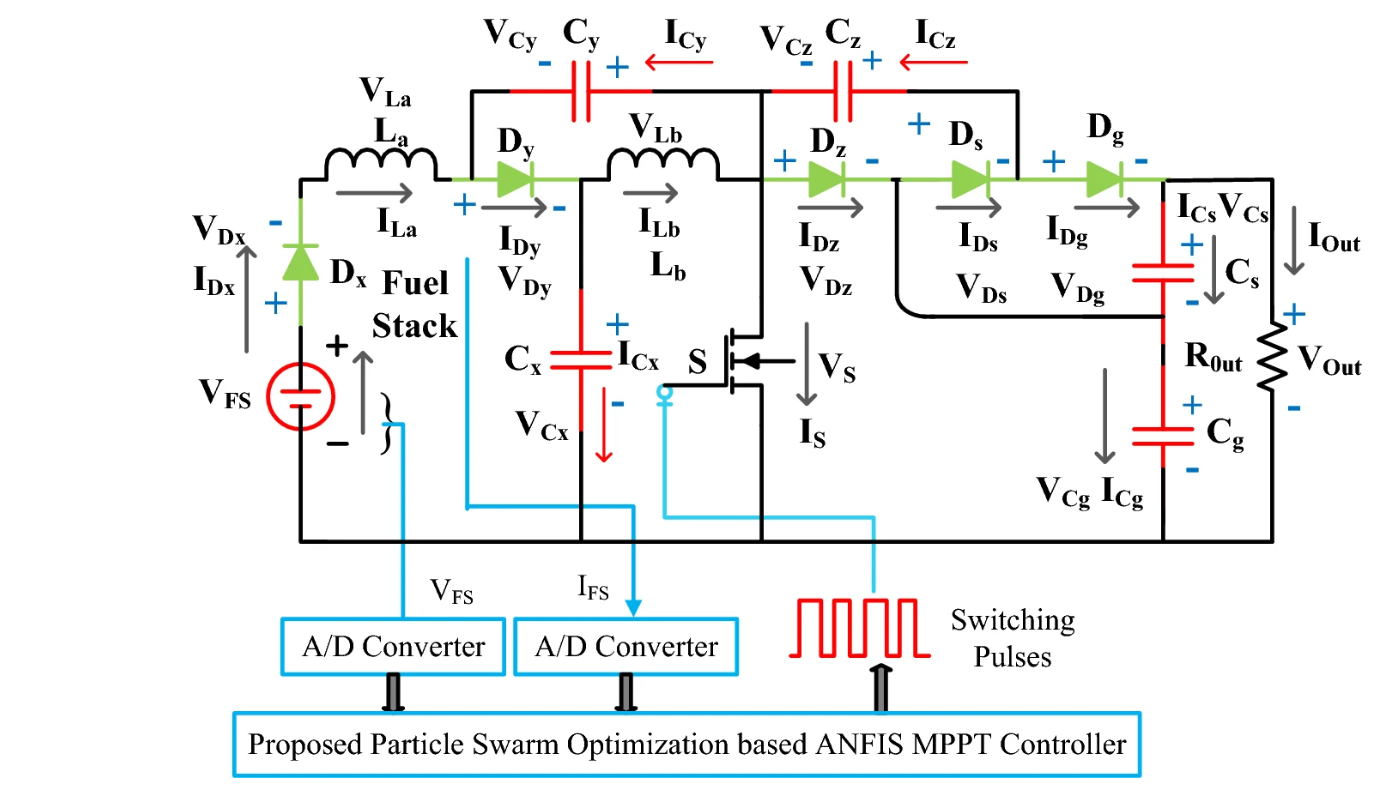 Methodologies for Increasing Efficiency of Fuel Stack Technology for Energy Generation
19 November 20243038
 GlobalFoundries Unveils $4 Billion Expansion in Singapore to Meet Rising Chip Demand
13 September 20234100
 Design and Implementation of High Frequency Inverter for Printer Based on IR2110
13 April 202210096
 Arduino vs. Raspberry Pi: A Detailed Comparison
24 April 20255717
 Facial Recognition: Features, Working and Applications
02 September 20219418
 Power of Dual and Isomorphic Principles in Power Electronics
24 July 20233104
 Arduino Authorized Distributor | UTMEL Electronics
22 February 20257922
Power Integrations
In Stock: 34174
Minimum: 1 Multiples: 1
Qty
Unit Price
Ext Price
1
$1.642723
$1.64
10
$1.549738
$15.50
100
$1.462017
$146.20
500
$1.379262
$689.63
1000
$1.301190
$1,301.19
Not the price you want? Send RFQ Now and we'll contact you ASAP.
Inquire for More Quantity


