

 Product
 Brand
Brand Articles
 Tools
Tools
VHR-3N Rectangular Connector: JST VHR-3N, Equivalent, Datasheet


CONN HOUSING VH 3POS 3.96MM WHT
VHR-3N is a Rectangular Connector. This article will unlock its equivalent, datasheet, feature and more details about VHR-3N.
VHR-3N CAD Model
3D Model
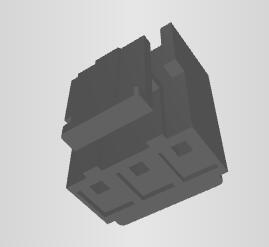
VHR-3N 3D Model
VHR-3N Overview
VHR-3N, the small, field-proven connector for printed circuit boards is reliable and has a large current carrying capacity. It can be used with a wide variety of signals, power supplies, and output circuits that appear in consumer electronic products.
VHR-3N Feature
●Current rating: 10 A AC/DC (AWG #16)
●Voltage rating: 250 V AC/DC
●Temperature range: -25 ℃ to +85 ℃ (including temperature rise in applying electrical current)
●Contact resistance: Initial value/ 10 mΩ max. After environmental tests/ 20 mΩ max.
●Insulation resistance: 1,000 mΩmin.
●Withstanding voltage: 1 ,500 VAC/ minute
●Applicable wire: AWG #22 to #16
●Applicable PC board thickness: 1.6 mm
VHR-3N Application
●Proven box contact
●Compact connector with a large capacity
●Secure contact and mounting
VHR-3N Equivalent
VHR-3N Manufacturer
JST has been dedicated to excellence in connection technology as a global manufacturer of high quality (ISO-9001/QS-9000) sub-miniature connectors since 1957. Our product offering consists of Wire-to-Wire, Wire-to-Board, Board-to-Board, Flex/Flat Cable, memory connectors, solderless terminals, chain terminals, shunts and application tooling. JST's Engineering Centers offer design and development, prototype and pre-production manufacturing, and electrical/environmental testing capabilities. Production flexibility, innovative product development, production engineering, quality assurance, value-added solutions and responsiveness to customer needs are what has fueled our growth and resulted in rewarding partnerships with our valued customers.
Specifications
- TypeParameter
- Factory Lead Time24 Weeks
- Mount
In electronic components, the term "Mount" typically refers to the method or process of physically attaching or fixing a component onto a circuit board or other electronic device. This can involve soldering, adhesive bonding, or other techniques to secure the component in place. The mounting process is crucial for ensuring proper electrical connections and mechanical stability within the electronic system. Different components may have specific mounting requirements based on their size, shape, and function, and manufacturers provide guidelines for proper mounting procedures to ensure optimal performance and reliability of the electronic device.
Cable, Free Hanging - Mounting Type
The "Mounting Type" in electronic components refers to the method used to attach or connect a component to a circuit board or other substrate, such as through-hole, surface-mount, or panel mount.
Free Hanging (In-Line) - Housing Material
The parameter "Housing Material" in electronic components refers to the material used to encase or protect the internal circuitry of the component. The housing material plays a crucial role in providing physical protection, insulation, and environmental resistance to the electronic component. Common housing materials include plastics, metals, ceramics, and composites, each offering different levels of durability, heat resistance, and electrical properties. The choice of housing material is important in determining the overall performance, reliability, and longevity of the electronic component in various operating conditions.
Polyamide - Contact Finish MatingNOT SPECIFIED
- Contact MaterialsTin
- Packaging
Semiconductor package is a carrier / shell used to contain and cover one or more semiconductor components or integrated circuits. The material of the shell can be metal, plastic, glass or ceramic.
Bulk - Series
In electronic components, the "Series" refers to a group of products that share similar characteristics, designs, or functionalities, often produced by the same manufacturer. These components within a series typically have common specifications but may vary in terms of voltage, power, or packaging to meet different application needs. The series name helps identify and differentiate between various product lines within a manufacturer's catalog.
VH - Published2001
- Pbfree Code
The "Pbfree Code" parameter in electronic components refers to the code or marking used to indicate that the component is lead-free. Lead (Pb) is a toxic substance that has been widely used in electronic components for many years, but due to environmental concerns, there has been a shift towards lead-free alternatives. The Pbfree Code helps manufacturers and users easily identify components that do not contain lead, ensuring compliance with regulations and promoting environmentally friendly practices. It is important to pay attention to the Pbfree Code when selecting electronic components to ensure they meet the necessary requirements for lead-free applications.
yes - Part Status
Parts can have many statuses as they progress through the configuration, analysis, review, and approval stages.
Active - Moisture Sensitivity Level (MSL)
Moisture Sensitivity Level (MSL) is a standardized rating that indicates the susceptibility of electronic components, particularly semiconductors, to moisture-induced damage during storage and the soldering process, defining the allowable exposure time to ambient conditions before they require special handling or baking to prevent failures
1 (Unlimited) - ECCN Code
An ECCN (Export Control Classification Number) is an alphanumeric code used by the U.S. Bureau of Industry and Security to identify and categorize electronic components and other dual-use items that may require an export license based on their technical characteristics and potential for military use.
EAR99 - Connector Type
Connector Type in electronic components refers to the specific design and configuration of the connector used to establish electrical connections between different devices or components. This parameter describes the physical shape, size, and layout of the connector, as well as the number and arrangement of pins or contacts. Common connector types include USB, HDMI, RJ45, and D-sub connectors, each serving different purposes and applications. Understanding the connector type is crucial for ensuring compatibility and proper functionality when connecting electronic devices together.
Receptacle - Number of Positions3
- Max Operating Temperature
The Maximum Operating Temperature is the maximum body temperature at which the thermistor is designed to operate for extended periods of time with acceptable stability of its electrical characteristics.
85°C - Min Operating Temperature
The "Min Operating Temperature" parameter in electronic components refers to the lowest temperature at which the component is designed to operate effectively and reliably. This parameter is crucial for ensuring the proper functioning and longevity of the component, as operating below this temperature may lead to performance issues or even damage. Manufacturers specify the minimum operating temperature to provide guidance to users on the environmental conditions in which the component can safely operate. It is important to adhere to this parameter to prevent malfunctions and ensure the overall reliability of the electronic system.
-25°C - ColorNatural
- Number of Rows1
- Fastening Type
There are 5 Main Types of Fastening Type: Screws, Nails, Bolts, Anchors, Rivets.
Latch Lock - MIL Conformance
MIL Conformance refers to the compliance of electronic components with military standards set by the Department of Defense. These standards define rigorous requirements for reliability, performance, and durability under extreme conditions. Components that meet MIL Conformance are often used in defense, aerospace, and other critical applications where failure is not an option. Adherence to these standards ensures that the components can withstand harsh environments, such as extreme temperatures, vibrations, and humidity.
NO - DIN Conformance
DIN Conformance refers to the compliance of an electronic component with the standards set by the Deutsches Institut für Normung (DIN), which is the German Institute for Standardization. DIN standards cover a wide range of technical specifications and requirements for various products, including electronic components. When a component is labeled as DIN-conformant, it means that it meets the specific criteria outlined by DIN for factors such as dimensions, materials, performance, and safety. Ensuring DIN conformance helps to guarantee interoperability, quality, and reliability of electronic components in various applications and industries. Manufacturers often adhere to DIN standards to demonstrate the quality and reliability of their products to customers and to ensure compatibility with other DIN-compliant devices.
NO - IEC Conformance
IEC Conformance refers to the compliance of electronic components with standards set by the International Electrotechnical Commission (IEC). These standards ensure that the components meet specific safety, performance, and interoperability criteria. Adhering to IEC conformance helps manufacturers produce reliable and compatible products, facilitating international trade and promoting consumer safety. Components that conform to IEC standards are often preferred in global markets due to their quality assurance and regulatory acceptance.
NO - Filter Feature
In electronic components, the "Filter Feature" parameter refers to the capability of a component to filter or block certain frequencies of signals while allowing others to pass through. Filters are used to remove unwanted noise or interference from a signal, ensuring that only the desired frequencies are transmitted or received. The filter feature can be implemented using various techniques such as capacitors, inductors, resistors, or active components like operational amplifiers. Different types of filters, such as low-pass, high-pass, band-pass, and band-stop filters, are designed to cater to specific frequency ranges and applications. Overall, the filter feature plays a crucial role in maintaining signal integrity and improving the performance of electronic circuits.
NO - Contact Type
Contact Type in electronic components refers to the specific design and configuration of the electrical contacts used to establish connections between components or devices. The contact type determines how the electrical signals are transmitted between the components, and it can vary based on factors such as the application requirements, signal type, and environmental conditions. Common contact types include pin contacts, socket contacts, surface mount contacts, and wire-to-board contacts. Understanding the contact type is crucial for ensuring proper connectivity and reliable performance in electronic systems.
Female Socket - Mixed Contacts
In electronic components, "Mixed Contacts" refers to a type of contact arrangement where different types of contacts are used within the same component. This can include a combination of different contact materials, such as gold-plated contacts for signal transmission and silver-plated contacts for power connections. Mixed contacts can also refer to a combination of different contact styles, such as pin contacts and socket contacts within the same component.The use of mixed contacts allows for optimized performance and reliability in electronic components by leveraging the specific advantages of each contact type. For example, gold-plated contacts offer excellent conductivity and corrosion resistance, while silver-plated contacts provide high current-carrying capacity. By incorporating mixed contacts, manufacturers can tailor the component to meet the specific requirements of the application, ensuring efficient and reliable operation.
NO - OptionGENERAL PURPOSE
- Pitch
In electronic components, "Pitch" refers to the distance between the center of one pin or lead to the center of the adjacent pin or lead on a component, such as an integrated circuit (IC) or a connector. It is a crucial parameter as it determines the spacing and alignment of the pins or leads on a component, which in turn affects how the component can be mounted on a circuit board or connected to other components.The pitch measurement is typically expressed in millimeters (mm) or inches (in) and plays a significant role in determining the overall size and layout of a circuit board. Components with different pitches may require specific types of circuit boards or connectors to ensure proper alignment and connection. Designers must carefully consider the pitch of components when designing circuit layouts to ensure compatibility and proper functionality of the electronic system.
0.156 3.96mm - Total Number of Contacts3
- Orientation
In electronic components, the parameter "Orientation" refers to the specific alignment or positioning of the component with respect to its intended installation or operation. This parameter is crucial for ensuring proper functionality and performance of the component within a circuit or system. Orientation may include factors such as the physical orientation of the component on a circuit board, the direction of current flow through the component, or the alignment of specific features or terminals for correct connection. Manufacturers often provide orientation guidelines in datasheets or technical specifications to help users correctly install and use the component. Paying attention to the orientation of electronic components is essential to prevent errors, ensure reliability, and optimize the overall performance of electronic devices.
Straight - Depth
In electronic components, "Depth" typically refers to the measurement of the distance from the front to the back of the component. It is an important parameter to consider when designing or selecting components for a project, as it determines how much space the component will occupy within a circuit or device. The depth of a component can impact the overall size and layout of the circuit board or enclosure in which it will be installed. It is usually specified in millimeters or inches and is crucial for ensuring proper fit and functionality within the intended application.
13.3mm - Current Rating
Current rating is the maximum current that a fuse will carry for an indefinite period without too much deterioration of the fuse element.
7A - Voltage - Rated AC
Voltage - Rated AC is a parameter that specifies the maximum alternating current (AC) voltage that an electronic component can safely handle without being damaged. This rating is crucial for ensuring the proper functioning and longevity of the component within an electrical circuit. It is typically expressed in volts (V) and helps users determine the compatibility of the component with the voltage levels present in the circuit. Exceeding the rated AC voltage can lead to overheating, malfunction, or permanent damage to the component, so it is important to adhere to this specification when designing or using electronic systems.
250V - Lead Pitch
Lead pitch in electronic components refers to the distance between the center of one lead (or pin) of a component to the center of the adjacent lead. It is an important parameter to consider when designing and assembling electronic circuits, as it determines the spacing required on a circuit board for proper placement and soldering of the component. Lead pitch is typically specified in millimeters or inches and can vary depending on the type of component, such as integrated circuits, resistors, capacitors, and connectors. Choosing the correct lead pitch ensures proper alignment and connection of components on a circuit board, ultimately affecting the functionality and reliability of the electronic device.
3.96mm - UL Flammability Code
The UL Flammability Code is a parameter used to indicate the flammability rating of electronic components. It is assigned by Underwriters Laboratories (UL) based on the component's performance in flammability tests. The code consists of a two-letter designation, with the first letter indicating the component's flammability rating and the second letter indicating the component's resistance to ignition. Components with a higher UL Flammability Code are less likely to catch fire or sustain combustion, making them safer for use in electronic devices. It is important to consider the UL Flammability Code when selecting components to ensure compliance with safety standards and regulations.
94V-0 - Housing Color
Housing color in electronic components refers to the color of the protective casing or enclosure that surrounds the component. It can play a role in visual identification, aiding in easy recognition during assembly or maintenance. Additionally, the housing color may also have implications for heat dissipation, aesthetic considerations, or regulatory compliance depending on the application or industry standards.
White - Insulation Resistance
The measurement of insulation resistance is carried out by means of a megohmmeter – high resistance range ohmmeter. A general rule-of-thumb is 10 Megohm or more.
1GOhm - NoteContacts Not Included
- Max Voltage Rating (AC)
The parameter "Max Voltage Rating (AC)" in electronic components refers to the maximum alternating current (AC) voltage that the component can safely handle without being damaged. This rating is important for ensuring the component's longevity and reliability in a circuit. Exceeding the maximum voltage rating can lead to overheating, breakdown, or even permanent damage to the component. It is crucial to select components with voltage ratings that are suitable for the intended application to prevent malfunctions or safety hazards in the circuit.
250V - Max Current Rating
The "Max Current Rating" parameter in electronic components refers to the maximum amount of electrical current that the component can safely handle without being damaged. It is an important specification to consider when designing or selecting components for a circuit, as exceeding the maximum current rating can lead to overheating, malfunction, or even permanent damage to the component. The max current rating is typically provided in amperes (A) and is determined by the component's internal construction, materials used, and thermal characteristics. It is crucial to ensure that the current flowing through the component does not exceed this specified limit to maintain the component's reliability and longevity.
10A - Wire Gauge (Max)
Wire Gauge (Max) refers to the maximum size of wire that can be accommodated by a particular electronic component, such as a connector or terminal. It indicates the largest diameter of wire that can be securely connected to the component without causing damage or compromising the electrical connection. This parameter is important to consider when selecting components for a project to ensure compatibility with the wire sizes being used. Exceeding the maximum wire gauge could lead to poor connections, overheating, or other issues that may affect the performance and safety of the electronic system.
22 AWG - Wire Gauge (Min)
Wire Gauge (Min) refers to the minimum thickness or diameter of the wire that can be used with a particular electronic component or device. It is an important parameter to consider when designing or selecting components for a circuit, as using a wire that is too thin may not be able to handle the required current, leading to overheating or even failure. The Wire Gauge (Min) specification ensures that the wire used is capable of carrying the necessary current without causing any issues. It is typically specified in American Wire Gauge (AWG) or metric units, depending on the manufacturer or region.
16 AWG - Max Voltage Rating (DC)
The parameter "Max Voltage Rating (DC)" in electronic components refers to the maximum direct current (DC) voltage that the component can safely handle without being damaged. This rating is crucial for ensuring the proper functioning and longevity of the component within an electrical circuit. Exceeding the maximum voltage rating can lead to breakdown or failure of the component, potentially causing damage to the entire circuit. It is important to carefully consider and adhere to the specified max voltage rating when designing or working with electronic circuits to prevent any potential risks or malfunctions.
250.25kV - Contact Termination
Contact termination in electronic components refers to the method used to connect the component to a circuit or system. It is the point where the component's electrical connection is terminated or connected to the external circuit. Common contact termination methods include soldering, wire bonding, press-fit connectors, and surface mount technology (SMT). The choice of contact termination method depends on factors such as the type of component, the application requirements, and the manufacturing process. Proper contact termination is crucial for ensuring reliable electrical connections and overall performance of the electronic component.
Crimp - Height13.3mm
- Length11.82mm
- Width10.5mm
- REACH SVHC
The parameter "REACH SVHC" in electronic components refers to the compliance with the Registration, Evaluation, Authorization, and Restriction of Chemicals (REACH) regulation regarding Substances of Very High Concern (SVHC). SVHCs are substances that may have serious effects on human health or the environment, and their use is regulated under REACH to ensure their safe handling and minimize their impact.Manufacturers of electronic components need to declare if their products contain any SVHCs above a certain threshold concentration and provide information on the safe use of these substances. This information allows customers to make informed decisions about the potential risks associated with using the components and take appropriate measures to mitigate any hazards.Ensuring compliance with REACH SVHC requirements is essential for electronics manufacturers to meet regulatory standards, protect human health and the environment, and maintain transparency in their supply chain. It also demonstrates a commitment to sustainability and responsible manufacturing practices in the electronics industry.
No SVHC - RoHS Status
RoHS means “Restriction of Certain Hazardous Substances” in the “Hazardous Substances Directive” in electrical and electronic equipment.
ROHS3 Compliant - Lead Free
Lead Free is a term used to describe electronic components that do not contain lead as part of their composition. Lead is a toxic material that can have harmful effects on human health and the environment, so the electronics industry has been moving towards lead-free components to reduce these risks. Lead-free components are typically made using alternative materials such as silver, copper, and tin. Manufacturers must comply with regulations such as the Restriction of Hazardous Substances (RoHS) directive to ensure that their products are lead-free and environmentally friendly.
Lead Free
Parts with Similar Specs
- ImagePart NumberManufacturerPitchNumber of PositionsNumber of RowsMountHousing MaterialPart StatusColorNoteView Compare
![VHR-3N]()
VHR-3N
0.156 (3.96mm)
3
1
Cable, Free Hanging
Polyamide
Active
Natural
Contacts Not Included

Datasheet PDF
- Datasheets :
Trend Analysis
What is the small connector for printed circuit boards?
VHR-3N.
What type of products can VHR-3N be used with?
Consumer electronic products.
What is the temperature range of VHR-3N?
-25 ℃ to +85 ℃.
 ntd24n06lt4g:an N-channel Power MOSFET
12 March 2022581
 RT9193 Ultra-Fast CMOS LDO Regulator: Datasheet pdf, Ultra-Fast Regulator and Specifications
26 November 20213661
 2N5457 N-Channel JFET : Pinout, Alternative and Datasheet
15 July 20214290
 M95020-W EEPROM: Pinout, Features and Datasheet
07 January 20221969
 A Comprehensive Guide to LTC6995CS6-2#TRPBF Programmable Timer and Oscillator
06 March 2024277
.png) A Comprehensive Overview of the Analog Devices Inc. 5962-88513012A Operational Amplifier
A Comprehensive Overview of the Analog Devices Inc. 5962-88513012A Operational Amplifier06 March 2024131
 BSS123 N-Channel MOSFET: Datasheet, Alternatives, Circuit
28 September 20213324
 MCP1700 LDO voltage regulator: Datasheet, Pinout, Circuit
03 September 20219556
 FPGA Tutorial: A Beginner's Guide to Programmable Logic Design in 2025
15 April 20252903
 A Guide to Semiconductor IP Core
18 January 20229573
 Building a Smart Home System: Exploring Arduino Applications
13 March 20242519
 Smart Sensors: Definition, Structures and Applications
04 July 20225200
 What is a Multimeter?
20 December 20216224
 Google Acquires MicroLED Display Company Raxium, May Boost Its AR Headset
09 May 20221863
 DIP Switch: Introduction and Classification
20 January 202115620
 The Introduction to USB Type-C Pin Signal and PCB Layout
03 December 202125231
JST Sales America Inc.
In Stock: 645050
United States
China
Canada
Japan
Russia
Germany
United Kingdom
Singapore
Italy
Hong Kong(China)
Taiwan(China)
France
Korea
Mexico
Netherlands
Malaysia
Austria
Spain
Switzerland
Poland
Thailand
Vietnam
India
United Arab Emirates
Afghanistan
Åland Islands
Albania
Algeria
American Samoa
Andorra
Angola
Anguilla
Antigua & Barbuda
Argentina
Armenia
Aruba
Australia
Azerbaijan
Bahamas
Bahrain
Bangladesh
Barbados
Belarus
Belgium
Belize
Benin
Bermuda
Bhutan
Bolivia
Bonaire, Sint Eustatius and Saba
Bosnia & Herzegovina
Botswana
Brazil
British Indian Ocean Territory
British Virgin Islands
Brunei
Bulgaria
Burkina Faso
Burundi
Cabo Verde
Cambodia
Cameroon
Cayman Islands
Central African Republic
Chad
Chile
Christmas Island
Cocos (Keeling) Islands
Colombia
Comoros
Congo
Congo (DRC)
Cook Islands
Costa Rica
Côte d’Ivoire
Croatia
Cuba
Curaçao
Cyprus
Czechia
Denmark
Djibouti
Dominica
Dominican Republic
Ecuador
Egypt
El Salvador
Equatorial Guinea
Eritrea
Estonia
Eswatini
Ethiopia
Falkland Islands
Faroe Islands
Fiji
Finland
French Guiana
French Polynesia
Gabon
Gambia
Georgia
Ghana
Gibraltar
Greece
Greenland
Grenada
Guadeloupe
Guam
Guatemala
Guernsey
Guinea
Guinea-Bissau
Guyana
Haiti
Honduras
Hungary
Iceland
Indonesia
Iran
Iraq
Ireland
Isle of Man
Israel
Jamaica
Jersey
Jordan
Kazakhstan
Kenya
Kiribati
Kosovo
Kuwait
Kyrgyzstan
Laos
Latvia
Lebanon
Lesotho
Liberia
Libya
Liechtenstein
Lithuania
Luxembourg
Macao(China)
Madagascar
Malawi
Maldives
Mali
Malta
Marshall Islands
Martinique
Mauritania
Mauritius
Mayotte
Micronesia
Moldova
Monaco
Mongolia
Montenegro
Montserrat
Morocco
Mozambique
Myanmar
Namibia
Nauru
Nepal
New Caledonia
New Zealand
Nicaragua
Niger
Nigeria
Niue
Norfolk Island
North Korea
North Macedonia
Northern Mariana Islands
Norway
Oman
Pakistan
Palau
Palestinian Authority
Panama
Papua New Guinea
Paraguay
Peru
Philippines
Pitcairn Islands
Portugal
Puerto Rico
Qatar
Réunion
Romania
Rwanda
Samoa
San Marino
São Tomé & Príncipe
Saudi Arabia
Senegal
Serbia
Seychelles
Sierra Leone
Sint Maarten
Slovakia
Slovenia
Solomon Islands
Somalia
South Africa
South Sudan
Sri Lanka
St Helena, Ascension, Tristan da Cunha
St. Barthélemy
St. Kitts & Nevis
St. Lucia
St. Martin
St. Pierre & Miquelon
St. Vincent & Grenadines
Sudan
Suriname
Svalbard & Jan Mayen
Sweden
Syria
Tajikistan
Tanzania
Timor-Leste
Togo
Tokelau
Tonga
Trinidad & Tobago
Tunisia
Turkey
Turkmenistan
Turks & Caicos Islands
Tuvalu
U.S. Outlying Islands
U.S. Virgin Islands
Uganda
Ukraine
Uruguay
Uzbekistan
Vanuatu
Vatican City
Venezuela
Wallis & Futuna
Yemen
Zambia
Zimbabwe
![GVHRSF-10V-S]() GVHRSF-10V-S
GVHRSF-10V-SJST Sales America Inc.
![XHP-2]() XHP-2
XHP-2JST Sales America Inc.
![XHP-3]() XHP-3
XHP-3JST Sales America Inc.
![XHP-9]() XHP-9
XHP-9JST Sales America Inc.
![SMP-02V-BC]() SMP-02V-BC
SMP-02V-BCJST Sales America Inc.
![SMR-02V-B]() SMR-02V-B
SMR-02V-BJST Sales America Inc.
![PHDR-08VS]() PHDR-08VS
PHDR-08VSJST Sales America Inc.
![XHP-11]() XHP-11
XHP-11JST Sales America Inc.
![XHP-7]() XHP-7
XHP-7JST Sales America Inc.


