Product
 Brand
Brand Articles
 Tools
Tools
DS1820 Digital Thermometer: Pinout, Datasheet and Comparison

Bulk Digital, Local 3V~5.5V Through Hole -55°C~125°C 1-Wire® ±0.5°C (±2°C) 7 b 1 (Unlimited)


Bulk Digital, Local 3V~5.5V Through Hole -55°C~125°C 1-Wire® ±0.5°C (±2°C) 7 b 1 (Unlimited)
The DS18S20 digital thermometer provides 9-bit Celsius temperature measurements and has an alarm function with nonvolatile user-programmable upper and lower trigger points. This article enforces datasheet, pinout, features, applications, and other details about DS1820.
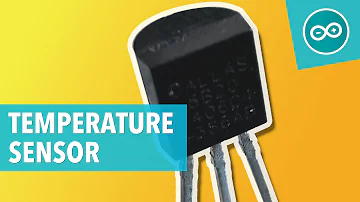
1-WIRE DS18B20 TEMPERATURE SENSOR - Arduino tutorial #6
DS1820 Pinout

What is DS1820?
The DS1820 is a 1-wire programmable Temperature sensor from maxim integrated. It is widely used to measure temperature in hard environments like in chemical solutions, mines or soil, etc. It can measure a wide range of temperature from -55°C to +125° with a decent accuracy of ±5°C.
What does DS1820 look like?
Symbol

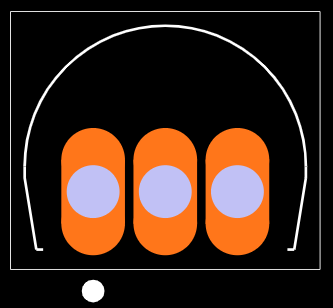
Footprint
How does DS1820 work?

Specifications
- TypeParameter
- Mount
In electronic components, the term "Mount" typically refers to the method or process of physically attaching or fixing a component onto a circuit board or other electronic device. This can involve soldering, adhesive bonding, or other techniques to secure the component in place. The mounting process is crucial for ensuring proper electrical connections and mechanical stability within the electronic system. Different components may have specific mounting requirements based on their size, shape, and function, and manufacturers provide guidelines for proper mounting procedures to ensure optimal performance and reliability of the electronic device.
Wire - Mounting Type
The "Mounting Type" in electronic components refers to the method used to attach or connect a component to a circuit board or other substrate, such as through-hole, surface-mount, or panel mount.
Through Hole - Package / Case
refers to the protective housing that encases an electronic component, providing mechanical support, electrical connections, and thermal management.
TO-226-3, TO-92-3 (TO-226AA) - Test Conditions-10°C ~ 85°C (-55°C ~ 125°C)
- Operating Temperature
The operating temperature is the range of ambient temperature within which a power supply, or any other electrical equipment, operate in. This ranges from a minimum operating temperature, to a peak or maximum operating temperature, outside which, the power supply may fail.
-55°C~125°C - Packaging
Semiconductor package is a carrier / shell used to contain and cover one or more semiconductor components or integrated circuits. The material of the shell can be metal, plastic, glass or ceramic.
Bulk - Published2004
- JESD-609 Code
The "JESD-609 Code" in electronic components refers to a standardized marking code that indicates the lead-free solder composition and finish of electronic components for compliance with environmental regulations.
e0 - Part Status
Parts can have many statuses as they progress through the configuration, analysis, review, and approval stages.
Obsolete - Moisture Sensitivity Level (MSL)
Moisture Sensitivity Level (MSL) is a standardized rating that indicates the susceptibility of electronic components, particularly semiconductors, to moisture-induced damage during storage and the soldering process, defining the allowable exposure time to ambient conditions before they require special handling or baking to prevent failures
1 (Unlimited) - Number of Terminations3
- Terminal Finish
Terminal Finish refers to the surface treatment applied to the terminals or leads of electronic components to enhance their performance and longevity. It can improve solderability, corrosion resistance, and overall reliability of the connection in electronic assemblies. Common finishes include nickel, gold, and tin, each possessing distinct properties suitable for various applications. The choice of terminal finish can significantly impact the durability and effectiveness of electronic devices.
Tin/Lead (Sn/Pb) - Voltage - Supply
Voltage - Supply refers to the range of voltage levels that an electronic component or circuit is designed to operate with. It indicates the minimum and maximum supply voltage that can be applied for the device to function properly. Providing supply voltages outside this range can lead to malfunction, damage, or reduced performance. This parameter is critical for ensuring compatibility between different components in a circuit.
3V~5.5V - Reach Compliance Code
Reach Compliance Code refers to a designation indicating that electronic components meet the requirements set by the Registration, Evaluation, Authorization, and Restriction of Chemicals (REACH) regulation in the European Union. It signifies that the manufacturer has assessed and managed the chemical substances within the components to ensure safety and environmental protection. This code is vital for compliance with regulations aimed at minimizing risks associated with hazardous substances in electronic products.
not_compliant - Output Type
The "Output Type" parameter in electronic components refers to the type of signal or data that is produced by the component as an output. This parameter specifies the nature of the output signal, such as analog or digital, and can also include details about the voltage levels, current levels, frequency, and other characteristics of the output signal. Understanding the output type of a component is crucial for ensuring compatibility with other components in a circuit or system, as well as for determining how the output signal can be utilized or processed further. In summary, the output type parameter provides essential information about the nature of the signal that is generated by the electronic component as its output.
1-Wire® - Power Supplies
an electronic circuit that converts the voltage of an alternating current (AC) into a direct current (DC) voltage.?
5V - Resolution
Resolution in electronic components refers to the smallest increment of measurement or change that can be detected or represented by the component. It is a crucial specification in devices such as sensors, displays, and converters, as it determines the level of detail or accuracy that can be achieved. For example, in a digital camera, resolution refers to the number of pixels that make up an image, with higher resolution indicating a greater level of detail. In analog-to-digital converters, resolution is the number of discrete values that can be represented in the digital output, determining the precision of the conversion process. Overall, resolution plays a significant role in determining the performance and capabilities of electronic components in various applications.
7 b - Sensor Type
In electronic components, the parameter "Sensor Type" refers to the specific type of sensor technology used in a particular component to detect and measure physical phenomena such as light, temperature, pressure, motion, or proximity. Different sensor types utilize various principles and mechanisms to convert the detected input into an electrical signal that can be processed by the electronic component. Common sensor types include photodiodes, thermistors, accelerometers, and proximity sensors, each designed for specific applications and environments. Understanding the sensor type is crucial for selecting the right component for a given task and ensuring accurate and reliable sensing capabilities in electronic systems.
Digital, Local - Sensors/Transducers Type
In electronic components, the parameter "Sensors/Transducers Type" refers to the specific type of sensor or transducer that is integrated into the component. Sensors are devices that detect changes in physical properties and convert them into electrical signals, while transducers are devices that convert one form of energy into another. The type of sensor or transducer used in an electronic component can vary widely depending on the intended application, such as temperature sensors, pressure sensors, proximity sensors, accelerometers, and more. Understanding the Sensors/Transducers Type parameter is crucial for selecting the right component for a particular electronic system or device, as different types of sensors/transducers have different functionalities and performance characteristics.
TEMPERATURE SENSOR,SWITCH/DIGITAL OUTPUT,SERIAL - Accuracy - Highest (Lowest)
In electronic components, "Accuracy - Highest (Lowest)" refers to the range within which the actual value of a parameter can deviate from the ideal or specified value. The term "Highest" indicates the upper limit of this range, while "Lowest" indicates the lower limit. For example, if a component has an accuracy of ±5%, the highest accuracy would mean that the actual value could be within 5% above the specified value, while the lowest accuracy would mean it could be within 5% below the specified value. This parameter is crucial for ensuring the reliability and performance of electronic devices by determining how closely the component's output matches the desired value.
±0.5°C (±2°C) - Sensing Temperature - Local
Sensing Temperature - Local refers to the capability of an electronic component to measure the temperature in its immediate environment or vicinity. This parameter is crucial for applications that require monitoring of temperature for performance, safety, or stability purposes. It often involves temperature sensors integrated within components like microcontrollers, power regulators, or other integrated circuits. The local sensing allows for accurate temperature readings that help in adjusting operational conditions, ensuring optimal performance, and preventing thermal-related failures.
-55°C~125°C - Features
In the context of electronic components, the term "Features" typically refers to the specific characteristics or functionalities that a particular component offers. These features can vary depending on the type of component and its intended use. For example, a microcontroller may have features such as built-in memory, analog-to-digital converters, and communication interfaces like UART or SPI.When evaluating electronic components, understanding their features is crucial in determining whether they meet the requirements of a particular project or application. Engineers and designers often look at features such as operating voltage, speed, power consumption, and communication protocols to ensure compatibility and optimal performance.In summary, the "Features" parameter in electronic components describes the unique attributes and capabilities that differentiate one component from another, helping users make informed decisions when selecting components for their electronic designs.
Programmable Limit - RoHS Status
RoHS means “Restriction of Certain Hazardous Substances” in the “Hazardous Substances Directive” in electrical and electronic equipment.
Non-RoHS Compliant
DS1820 Features
Unique 1-Wire® Interface Requires Only One Port Pin for Communication
Maximize System Accuracy in Broad Range of Thermal Management Applications
Measures Temperatures from -55°C to +125°C (-67°F to +257°F)
±0.5°C Accuracy from -10°C to +85°C
9-Bit Resolution
No External Components Required
Parasite Power Mode Requires Only 2 Pins for Operation (DQ and GND)
Simplifies Distributed Temperature-Sensing Applications with Multidrop Capability
Each Device Has a Unique 64-Bit Serial Code Stored in On-Board ROM
Flexible User-Definable Nonvolatile (NV) Alarm Settings with Alarm Search Command Identifies Devices with Temperatures Outside Programmed Limits
Available in 8-Pin SO (150 mils) and 3-Pin TO-92 Packages
What can DS1820 used for?
Thermostatic Controls
Industrial Systems
Consumer Products
Thermometers
Thermally Sensitive Systems
DS1820 vs. DS18b20
How to connect DS1820 Temperature Module with Arduino?
The connection scheme is very easier. We have only three pins to connect. Connect the temperature module to the Arduino as shown in the figure.

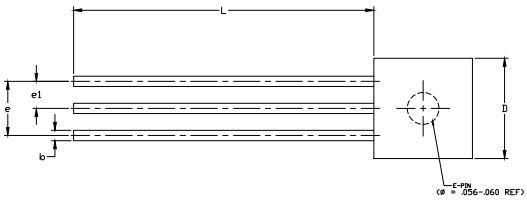
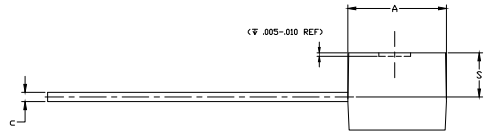
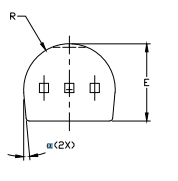
DS1820 Package Outline
DS1820 Manufacturer
The market is evolving. The rules are changing. To keep your time to market short, you need integration at every level—from silicon to the supply chain. Count on Maxim Integrated to help you overcome design and architectural challenges, with integrated solutions for the industrial, medical, consumer, automotive, energy, computing, and communications realms. Maxim Integrated is also your source for power, interface, and even digital products that work in the analog world. And they’re glad to support you with reference designs, tools, technical documents, packaging, and more. We invite you to explore their latest analog integration offerings.
Trend Analysis
Datasheet PDF
- Datasheets :
- Application Notes :
- Other Related Documents :
- ConflictMineralStatement :
What is DS1820?
The DS1820 is a 1-wire programmable Temperature sensor from maxim integrated. It is widely used to measure temperature in hard environments like in chemical solutions, mines or soil, etc. It can measure a wide range of temperature from -55°C to +125° with a decent accuracy of ±5°C.
What is the difference between DS1820 and DS18B20?
DS18B20 is a temperature sensor, while DS1820 is a voice sensor.
DS18B20 is a commonly used temperature sensor. It has the characteristics of small size, low hardware cost, strong anti-interference ability, and high accuracy. DS18B20 digital temperature sensor is easy to connect and can be used on many occasions after being packaged, such as pipe type, thread type, magnet adsorption Type, stainless steel package type, various models, such as LTM8877, LTM8874, and so on. Mainly change its appearance according to different applications
 AV101KE Through Hole Resistor: Datasheet, Application, Features
30 July 2021978
 LM385 Voltage Regulator Diode: Pinout, Equivalent and Datasheet
01 December 20218690
 TDA7498E vs. TPA3116D2 : Which one is better?
26 February 202231086
 HMC462LP5 Low Noise Amplifier: Datasheet, Pinout, Price
20 December 2021414
 STM32MP257F-EV1 Evaluation Board: Development Kit for IoT and AI Applications
22 July 20253064
 Renesas DF2317VTF25V Microcontroller: A Technical Overview
29 February 2024196
 TL431BQDBZR Shunt regulator: NXP, SOT-23, TL431BQDBZR Datasheet
10 February 20221694
 MIC5219 LDO Regulator: Datasheet, Pinout and Circuit
04 August 20215154
 2026 Advanced Packaging Components Trends: Navigating Shortages and Ecosystem Impacts
20 July 20262164
 EMI Filter: Introduction, Functions and Applications
23 December 202013743
 Breakout Boards Alternatives for Your Next Home Project
02 July 20252422
 Semiconductor Materials:Types, Properties and Production Process
21 October 202526976
 What is a Wireless Network Adapter?
01 June 20216984
 Taiwan's Semiconductor Dominance to Wane as Mainland China Gains Ground, IDC Predicts
13 October 20232671
 Proximity Sensors: Types, Working Principles and Applications
22 April 202245364
 What is a Knock Sensor?
08 January 202620595
Maxim Integrated
In Stock
United States
China
Canada
Japan
Russia
Germany
United Kingdom
Singapore
Italy
Hong Kong(China)
Taiwan(China)
France
Korea
Mexico
Netherlands
Malaysia
Austria
Spain
Switzerland
Poland
Thailand
Vietnam
India
United Arab Emirates
Afghanistan
Åland Islands
Albania
Algeria
American Samoa
Andorra
Angola
Anguilla
Antigua & Barbuda
Argentina
Armenia
Aruba
Australia
Azerbaijan
Bahamas
Bahrain
Bangladesh
Barbados
Belarus
Belgium
Belize
Benin
Bermuda
Bhutan
Bolivia
Bonaire, Sint Eustatius and Saba
Bosnia & Herzegovina
Botswana
Brazil
British Indian Ocean Territory
British Virgin Islands
Brunei
Bulgaria
Burkina Faso
Burundi
Cabo Verde
Cambodia
Cameroon
Cayman Islands
Central African Republic
Chad
Chile
Christmas Island
Cocos (Keeling) Islands
Colombia
Comoros
Congo
Congo (DRC)
Cook Islands
Costa Rica
Côte d’Ivoire
Croatia
Cuba
Curaçao
Cyprus
Czechia
Denmark
Djibouti
Dominica
Dominican Republic
Ecuador
Egypt
El Salvador
Equatorial Guinea
Eritrea
Estonia
Eswatini
Ethiopia
Falkland Islands
Faroe Islands
Fiji
Finland
French Guiana
French Polynesia
Gabon
Gambia
Georgia
Ghana
Gibraltar
Greece
Greenland
Grenada
Guadeloupe
Guam
Guatemala
Guernsey
Guinea
Guinea-Bissau
Guyana
Haiti
Honduras
Hungary
Iceland
Indonesia
Iran
Iraq
Ireland
Isle of Man
Israel
Jamaica
Jersey
Jordan
Kazakhstan
Kenya
Kiribati
Kosovo
Kuwait
Kyrgyzstan
Laos
Latvia
Lebanon
Lesotho
Liberia
Libya
Liechtenstein
Lithuania
Luxembourg
Macao(China)
Madagascar
Malawi
Maldives
Mali
Malta
Marshall Islands
Martinique
Mauritania
Mauritius
Mayotte
Micronesia
Moldova
Monaco
Mongolia
Montenegro
Montserrat
Morocco
Mozambique
Myanmar
Namibia
Nauru
Nepal
New Caledonia
New Zealand
Nicaragua
Niger
Nigeria
Niue
Norfolk Island
North Korea
North Macedonia
Northern Mariana Islands
Norway
Oman
Pakistan
Palau
Palestinian Authority
Panama
Papua New Guinea
Paraguay
Peru
Philippines
Pitcairn Islands
Portugal
Puerto Rico
Qatar
Réunion
Romania
Rwanda
Samoa
San Marino
São Tomé & Príncipe
Saudi Arabia
Senegal
Serbia
Seychelles
Sierra Leone
Sint Maarten
Slovakia
Slovenia
Solomon Islands
Somalia
South Africa
South Sudan
Sri Lanka
St Helena, Ascension, Tristan da Cunha
St. Barthélemy
St. Kitts & Nevis
St. Lucia
St. Martin
St. Pierre & Miquelon
St. Vincent & Grenadines
Sudan
Suriname
Svalbard & Jan Mayen
Sweden
Syria
Tajikistan
Tanzania
Timor-Leste
Togo
Tokelau
Tonga
Trinidad & Tobago
Tunisia
Turkey
Turkmenistan
Turks & Caicos Islands
Tuvalu
U.S. Outlying Islands
U.S. Virgin Islands
Uganda
Ukraine
Uruguay
Uzbekistan
Vanuatu
Vatican City
Venezuela
Wallis & Futuna
Yemen
Zambia
Zimbabwe
![DS1620S-001/TR]() DS1620S-001/TR
DS1620S-001/TRAnalog Devices Inc./Maxim Integrated
![MAX6657MSA-TG069]() MAX6657MSA-TG069
MAX6657MSA-TG069Analog Devices Inc./Maxim Integrated
![MAX1989MEE-TG11]() MAX1989MEE-TG11
MAX1989MEE-TG11Analog Devices Inc./Maxim Integrated
![MAX7504MUA T]() MAX7504MUA T
MAX7504MUA TMaxim Integrated
![MAX1450CAP]() MAX1450CAP
MAX1450CAPAnalog Devices Inc./Maxim Integrated
![MAX6519UKP095-T]() MAX6519UKP095-T
MAX6519UKP095-TAnalog Devices Inc./Maxim Integrated
![MAX1457CCJ]() MAX1457CCJ
MAX1457CCJAnalog Devices Inc./Maxim Integrated
![MAX6678AEP94]() MAX6678AEP94
MAX6678AEP94Analog Devices Inc./Maxim Integrated
![MAX6678AEP90]() MAX6678AEP90
MAX6678AEP90Analog Devices Inc./Maxim Integrated
![MAX6610AUT T]() MAX6610AUT T
MAX6610AUT TMaxim Integrated